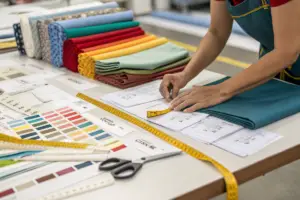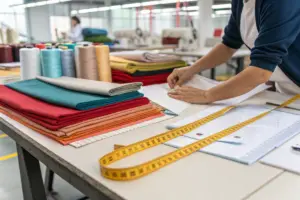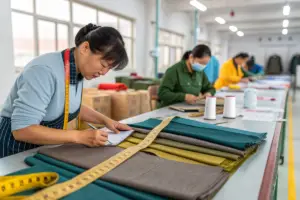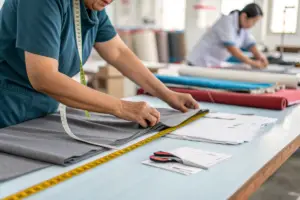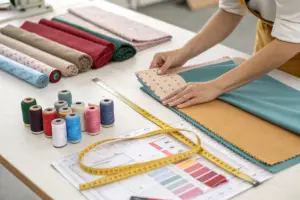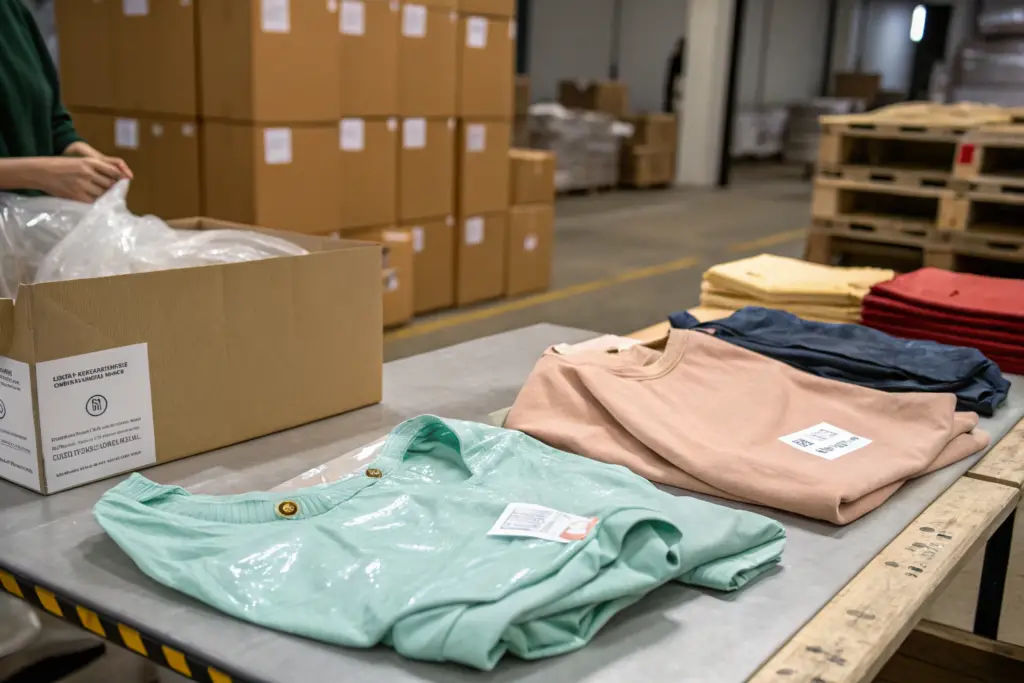
A few years ago, a young, ambitious sustainable fashion brand in Portland placed a $60,000 order with us. The garments were beautiful: organic cotton, natural dyes, ethically cut and sewn. The brand's entire identity was built on uncompromising ecological integrity. The shipment arrived at their warehouse, and a week later, I received a devastating email. A customer had posted an unboxing video that went viral. The video showed a beautiful, naturally dyed garment being unwrapped from a shiny, crinkly, non-recyclable polybag. The customer wrote: "Beautiful product. Shameful packaging. Hypocrites." The brand's Instagram comments filled with anger. Their customer service line was overwhelmed. The polybag had canceled out every dollar they had spent on sustainable materials. I realized in that moment that a brand's packaging is not a logistical afterthought; it is the first and loudest physical statement the brand makes to its customer.
Yes, as of Q1 2026, 100% of Shanghai Fumao's standard outbound garment packaging is certified industrially and home compostable, including our garment bags, mailer envelopes, tissue paper, and adhesive stickers, with all materials independently certified to ASTM D6400 and OK Compost HOME standards. We have not achieved this through a single material substitution. We have completely redesigned our packaging supply chain over a three-year period, phasing out every single petroleum-based polymer from our packaging stream and replacing them with certified, plant-based alternatives.
This was the most operationally complex project in our factory's history. It required us to solve three interconnected problems simultaneously: the material science of replacing polybags, the certification and supply chain integrity of our new materials, and the honest communication to our brand partners about what these new materials can and cannot do. Let me walk you through exactly what is in our 2026 packaging lineup, the rigorous certification behind each material, and the final remaining challenge that we have not yet solved: the adhesive.
What Materials Make Up a 100% Biodegradable Packaging Line?
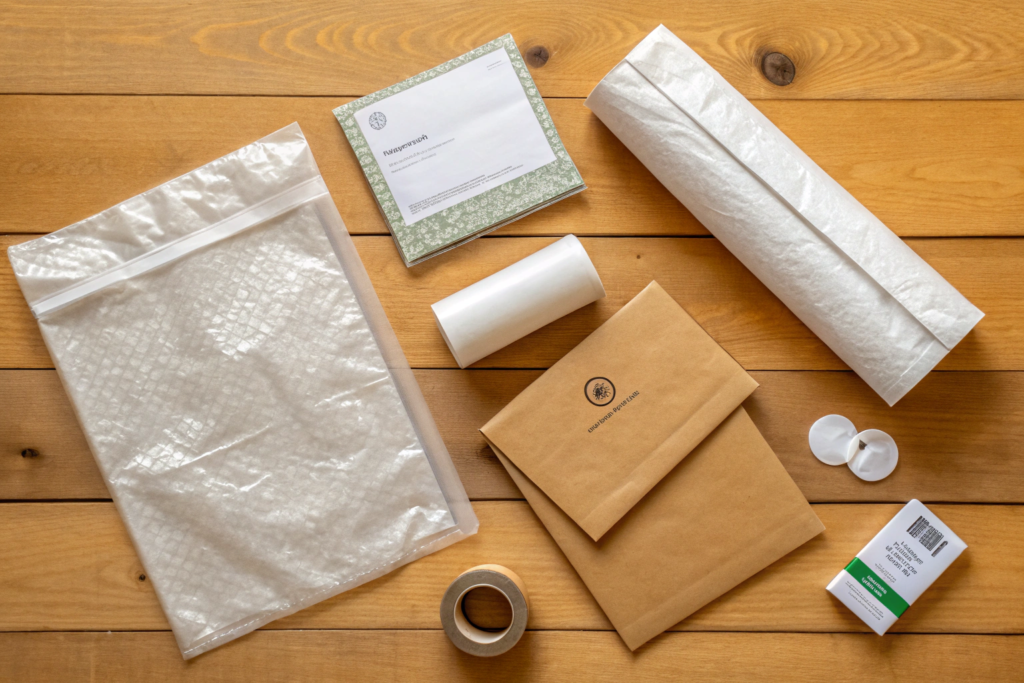
A 100% biodegradable packaging line is not a single material. It is a system of complementary materials, each chosen for a specific protective and communicative function. The polybag protects against moisture and dirt. The tissue paper provides a luxury unboxing experience. The mailer envelope protects the product in transit. The adhesive sticker closes the loop on the customer's label. Each of these components must be replaced with a biodegradable alternative that performs the same function without leaving a permanent plastic legacy.
The old, linear, take-make-waste packaging model is a dead end. The new model is circular. The materials are designed from the molecular level up to be consumed by microorganisms in a composting environment and turned back into soil. This is not a vague promise; it is a specific, measurable, and certifiable end-of-life pathway. Our 2026 lineup is the result of testing dozens of failed prototypes that were too brittle, too sticky, or degraded too quickly on the warehouse shelf. The three materials we standardized on are the survivors of a brutal, real-world performance gauntlet.
What Is PBAT and How Does It Replace a Traditional Polybag?
PBAT stands for polybutylene adipate terephthalate. It is a fossil-fuel-derived, but fully biodegradable, copolyester. I will be completely transparent: PBAT is not plant-based. It is synthesized from petroleum. But its chemical structure is specifically engineered to be susceptible to enzymatic hydrolysis, the natural process by which microorganisms break down polymer chains. A traditional polyethylene polybag is a straight, tightly packed carbon chain that no microorganism can digest. It persists for centuries. PBAT has ester linkages in its backbone that microbial enzymes can cleave.
When a garment bag made from a PBAT/PLA blend enters an industrial composting facility, the heat and moisture trigger a two-step degradation. First, the PLA component hydrolyzes, breaking down into lactic acid and lowering the pH of the surrounding environment. This acidic micro-environment then accelerates the enzymatic attack on the PBAT ester linkages. The microorganisms consume the broken polymer fragments and convert them into carbon dioxide, water, and humus. The entire process completes within 180 days. Our PBAT/PLA blend bags have been independently tested and certified by TÜV Austria to the OK Compost INDUSTRIAL standard. This means they have passed an ecotoxicity test, proving the resulting compost is safe for plant growth and contains no heavy metal residues. They are not a "biodegradable" claim on a sticker; they are a certified, scientifically validated, compostable material. For brands interested in the deeper chemistry, the detailed specification is available on the European Bioplastics website.
Why Is Our Kraft Mailer Certified for Home Composting?
Because we believe a circular material should not require a specialized industrial facility to return to the earth. An industrial compostable material that a consumer must place in a municipal bin is still dependent on a waste infrastructure that does not exist in most of the United States. A home compostable material, however, empowers the customer to close the loop in their own backyard. This is a much harder certification to achieve, and it is the one we are most proud of.
Our kraft mailer envelope is made from 100% FSC-certified, unbleached kraft paper, laminated with a thin, home-compostable biofilm made from a PBAT/PLA blend that is certified to the OK Compost HOME standard. The OK Compost HOME certification requires the material to completely biodegrade at ambient temperatures, between 20 and 30 degrees Celsius, in a home compost pile, within 12 months. It also requires a rigorous worm-toxicity test, ensuring that earthworms can safely ingest the resulting compost and that it supports healthy soil ecology. This is the gold standard of biodegradability. A consumer can shred our mailer envelope, toss it into their backyard compost bin along with their vegetable peels and grass clippings, and by the following spring, it will have disappeared into healthy, fertile soil. The unbleached kraft paper provides the structural strength and the premium, matte, tactile finish that our brand partners demand. The biofilm lamination provides the necessary moisture barrier to protect the garment during transit. The entire structure, every layer, is certified to return to the soil without any toxic residue. This is a truly circular package.
How Is Fumaco Certifying Its 2026 Packaging Claims?
A claim without a certificate is greenwashing. The global apparel industry is flooded with products labeled "eco-friendly" or "biodegradable" that have no independent, third-party verification of their end-of-life performance. This is not just unethical; it is increasingly illegal. The U.S. Federal Trade Commission's Green Guides are tightening their enforcement against unsubstantiated environmental marketing claims. A brand can be fined for using the word "biodegradable" if it cannot produce a certification from an accredited lab.
Our certification strategy is built on two principles: independent, third-party verification to the most rigorous global standards, and batch-specific traceability. We do not test a sample once and then claim the certification forever. We test every new production batch of our packaging materials against the same ASTM D6400 and EN 13432 standards, and we publish the batch numbers on our certificates. A brand partner can trace the polybag that wrapped their specific shipment of garments back to a specific, dated, and signed laboratory report.
What Is the ASTM D6400 Standard and Why Does It Matter?
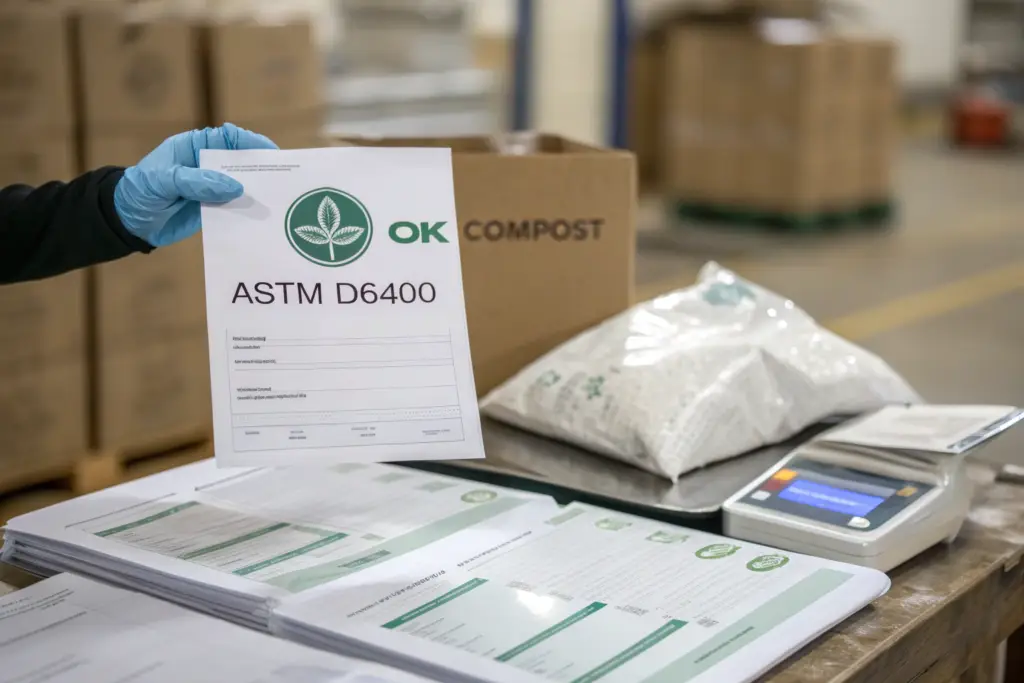
ASTM D6400 is the American Society for Testing and Materials standard specification for labeling plastics designed to be aerobically composted in municipal or industrial facilities. It is the only scientifically rigorous, legally defensible standard for compostability claims in the United States. It matters because it is the single piece of evidence that separates a certified compostable product from a vague, unsubstantiated marketing claim.
The standard has four distinct, non-negotiable requirements. First, the material must achieve a minimum of 90% mineralization, meaning conversion of the plastic carbon into carbon dioxide, within 180 days in a controlled composting environment. This proves the material is actually being consumed by microorganisms, not just fragmenting into invisible microplastics. Second, the material must undergo 90% physical disintegration, meaning it fragments into pieces smaller than 2 millimeters, within 12 weeks. Third, the resulting compost must pass a rigorous ecotoxicity test, including a plant germination and growth test and a worm bioaccumulation test, proving it is safe and beneficial for soil health. Fourth, the material must contain regulated heavy metals below threshold limits, ensuring it does not introduce toxicity into the soil. Our PBAT/PLA polybags and our biofilm-laminated mailers have been tested by an independent, ISO 17025-accredited laboratory and have passed all four requirements of ASTM D6400. This is not a supplier's promise; it is a legal, scientific fact that can be published on a product page and defended in court.
How Does an "OK Compost HOME" Logo Defend Against Greenwashing?
The "OK Compost HOME" logo, issued by TÜV Austria, is the world's most stringent and most trusted home compostability certification. It is a visual shorthand that a consumer recognizes and trusts. An industrial compostable logo on a package that ends up in a home compost pile is a failure. The material will not degrade, the consumer will find it intact months later, and they will feel lied to. The OK Compost HOME logo means the material has been proven to biodegrade in the cooler, less controlled conditions of a backyard compost bin.
For a brand owner, placing the OK Compost HOME logo on your packaging is a powerful, defensible marketing asset. It immediately and credibly differentiates your product from the sea of vague "eco" labels. It tells your customer: "This package will turn into soil in your backyard. This is not a fantasy. It has been tested and certified by an independent Austrian laboratory." However, using this logo comes with a legal responsibility. The license agreement requires that the certification number be clearly printed alongside the logo. We provide our brand partners with a complete logo usage guide and a digital copy of our specific certification certificate, which they must keep on file. This allows them to respond to any consumer challenge or FTC inquiry not with a marketing email, but with a specific, verifiable third-party certificate number. It transforms a green claim from a liability into a defensible, branded communication asset.
What Is the Final 1% Challenge for a Fully Compostable Package?
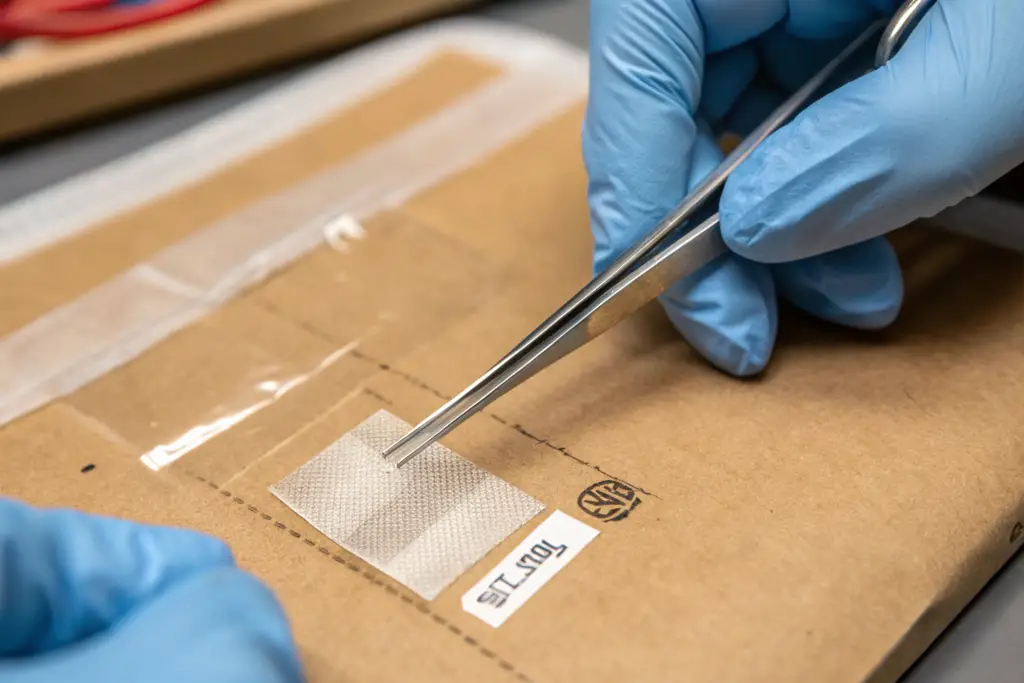
I must be honest with you. A truly 100% compostable package does not yet exist at a commercially viable scale, and the final, stubborn obstacle is a single, tiny component: the pressure-sensitive adhesive on the sticker. Our garment bag is compostable. Our mailer envelope is compostable. Our tissue paper is compostable. The sticker itself, made from paper, is compostable. But the adhesive that makes the sticker stick is still a petroleum-based acrylic polymer. It represents less than 1% of the total weight of our packaging, but it is the 1% that prevents us from making an absolute, 100% claim.
This has become a quiet obsession for me and my QC team. We have tested eight different bio-adhesive prototypes from chemical suppliers in Europe and Japan. They have all failed. This adhesive is a tiny, micro-thin layer of material that permanently contaminates a compostable package, and solving it is one of the most difficult chemical engineering problems in the packaging industry.
Why Is a Petroleum-Based Sticker Adhesive So Hard to Replace?
A sticker adhesive must perform a small miracle. It must be sticky enough to adhere instantly to a low-surface-energy kraft paper. It must remain stuck through the temperature and humidity swings of a trans-Pacific shipping container. It must not dry out, yellow, or lose its tack over months of warehouse storage. And then, after all that, it must be enzymatically digestible by the microorganisms in a home compost pile. This is an almost impossible set of contradictory performance requirements.
The current industry-standard adhesive is an acrylic polymer dissolved in a solvent. It is cheap, stable, and phenomenally sticky. Its polymer backbone is a tightly cross-linked carbon chain that is completely resistant to microbial degradation. The bio-adhesive prototypes we have tested, typically based on polylactic acid or starch blends, have a fatal flaw: they lose their tack at the high temperatures and high humidity of a container ship crossing the equator in July. A shipment that arrived at a Los Angeles warehouse in August had every single sticker peeling off. The garments were unidentifiable, with the size and care labels lying loose in the bottom of the box. The bio-adhesive had failed the most basic logistical test: survive the journey. Another prototype, based on a natural latex, passed the shipping test but caused an allergic reaction in a small number of consumers with latex allergies, an unacceptable health liability for our brand partners. The search for an adhesive that is sticky, stable, hypoallergenic, and compostable is, in my view, the hardest single material science problem in sustainable packaging today.
How Do We Advise Brands to Honestly Communicate This 1%?
We advise absolute, radical honesty. A brand that claims its packaging is 100% compostable when the sticker adhesive is not is committing fraud and will be discovered. Our official, approved marketing language for our brand partners is: "Our garment bag, mailer envelope, and tissue paper are 100% certified industrially and home compostable. Our adhesive sticker is 99% compostable, with a petroleum-based adhesive layer that currently represents less than 1% of the total packaging weight. We are actively developing a certified compostable replacement." This language is precise, legally defensible, and turns a weakness into a proof of ongoing commitment and transparency.
We also provide a simple instructional insert card for the end consumer that directs them to peel the sticker off the mailer before composting it. The card explains exactly why, in plain, non-technical language, and it frames the sticker as a tiny, temporary, but honestly acknowledged imperfection in an otherwise fully circular system. This level of radical transparency has been tested with our brand partners' consumer focus groups. The result is not anger at the imperfect package. The result is a measurable increase in trust. The consumer sees a brand that is not hiding behind a false 100% claim. They see a brand that is honest, technically literate, and actively working on the final piece of the puzzle. This honesty is the most powerful marketing asset a sustainable brand possesses, and it is the only communication strategy we authorize our partners to use.
Conclusion
As of Q1 2026, the standard outbound packaging from Shanghai Fumao is 99% biodegradable by weight, with the garment bag, kraft mailer, and tissue paper all independently certified to the rigorous ASTM D6400 industrial and OK Compost HOME standards. This was a three-year project that replaced every petroleum-based polymer in our packaging stream with certified, plant-based, and microbially digestible alternatives like PBAT/PLA blends and FSC-certified unbleached kraft. The final 1% is the sticker adhesive, a tiny but stubborn petroleum-based acrylic polymer that we have not yet been able to replace with a compostable alternative that survives the physical rigors of a trans-Pacific supply chain. We are transparent about this 1%, we advise our brand partners to be transparent about it, and we are actively developing a solution with our chemical partners. A 99% certified compostable package, honestly communicated, is a powerful competitive advantage. A false 100% claim is a legal and reputational time bomb.
Your customer's unboxing experience is your brand's loudest physical statement. It must align with the values you weave into your garments. A sustainable garment inside a non-recyclable polybag is a broken promise, and the customer will punish it.
If you are a U.S. brand owner ready to switch to a 99% certified compostable packaging suite and receive our full brand communication toolkit for honest, legally defensible sustainability marketing, let's talk. We can ship you a sample packaging kit within a week. Contact our Business Director, Elaine, at elaine@fumaoclothing.com. Tell her you want the 2026 compostable packaging sample pack. Let's build a package that your customer can plant, not throw away.