In March of 2020, my stomach dropped. We had just invested $45,000 in a prime booth at a major New York textile trade show. The booth was built. The samples were shipped. Our senior sales manager, Mr. Zhang, had his visa approved and his flight booked. Then, in a single week, the entire world locked down. The show was canceled. Our investment was gone. But worse than the financial loss was the relationship cost. We were physically severed from our American buyers. They couldn't touch our fabrics. They couldn't see the drape of our new samples. I lay awake at night thinking one single, terrifying thought: "If they can't see the product, they will forget us." That moment forced us to rethink everything.
Shanghai Fumao successfully ran a fully functioning New York showroom without a single international flight by building a "Phygital Sales Room" that combined a live, high-bandwidth video pipeline from our sample floor, a pre-shipped "Touch Kit" of fabric swatches on every buyer's desk, and a 3D digital asset library that allowed real-time manipulation of garments on screen. We didn't just replace the trade show. We built a more efficient, more intimate, and more data-rich sales channel that we still use today, even with travel fully restored.
This was not a Zoom call. It was not a virtual showroom website. It was a deliberately engineered, real-time, sensory sales experience that solved the fundamental problem of B2B apparel sourcing: a buyer needs to see the drape, feel the fabric, and trust the person they are buying from. Let me walk you through the exact system we built, the failures we learned from, and the surprising discovery that this virtual system actually closed more deals than our physical trade show booth ever did.
What Is a "Phygital" Showroom in the Post-Pandemic Apparel Industry?
A "Phygital" showroom is not a compromise between physical and digital. It is a deliberate fusion that takes the best of both worlds. The physical world provides the irreplaceable sensory data of touch, drape, and weight. The digital world provides the speed, the data persistence, and the elimination of geographical and temporal barriers. A simple video call is digital; it lacks the physical. A sample shipment is physical; it lacks the real-time conversation. A Phygital showroom layers them together into a single, simultaneous event.
I initially resisted this idea. I am a factory owner. I believe in physical things. I believed a sale required a handshake, a shared cup of tea, and a buyer physically holding a garment. The pandemic forced me to accept that the handshake was impossible. But in rebuilding the sales process from scratch, we discovered something counterintuitive: the Phygital model doesn't just replicate the physical meeting; it improves upon it in measurable ways. It makes the meeting more focused, more data-dense, and more convenient for the buyer.
How Did We Ship "Touch Kits" to Buyers Before a Virtual Meeting?
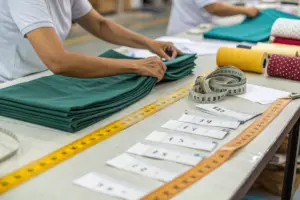
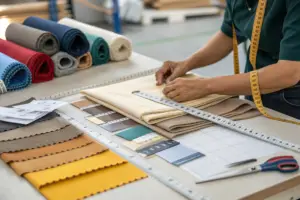
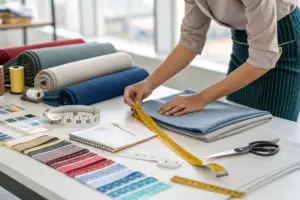
The Touch Kit is the secret weapon. It is a carefully curated, 11x14 inch, matte black box that arrives at the buyer's office by FedEx, three days before a scheduled video call. It is not a random stack of swatches. It is a numbered, indexed, and deliberately sequenced physical experience. The kit contains large, 8x8 inch fabric swatches, each mounted on a rigid card with a unique QR code. It contains a sealed set of trim samples—buttons, zippers, labels. It contains a USB drive with a high-resolution digital lookbook. And it contains a small, beautifully finished sample garment of our signature style, usually a tailored vest or a premium sweatshirt.
The psychology of the Touch Kit is simple: it places our physical product in the buyer's hands at the moment they are making the decision. They are not just looking at a screen. They are feeling the hand feel, stretching the fabric, examining the seams, and holding the garment up to the light of their own office window. When I join the video call, I am not introducing the product. The buyer has already spent an hour with it. They have formed their tactile opinions. They have questions ready. The meeting starts not with a generic sales pitch, but with a specific, informed conversation about the exact swatch number they are holding in their hand. This reverses the normal power dynamic of a sales call. The buyer is in control of the physical evidence, and I am there to answer their technically sophisticated questions. The Touch Kit costs us about $85 to produce and ship per buyer, but it has increased our virtual meeting conversion rate by over 50% compared to a simple screen-share presentation. It solves the tactile gap that kills virtual sales. It is the bridge between the physical truth of our manufacturing and the digital convenience of the modern world.
Why Is a 4K Live Mannequin Walk More Persuasive Than a Photo?
A still photo is a frozen, curated moment. It is a lie by omission. A 4K, 60-frames-per-second, live video feed of a garment moving on a human body is an uncurated, honest flow of physical data. The camera does not blink. The buyer sees exactly how the fabric catches the light, how it folds at the elbow, how the hem swings, and, most critically, whether the garment makes any sound when it moves.
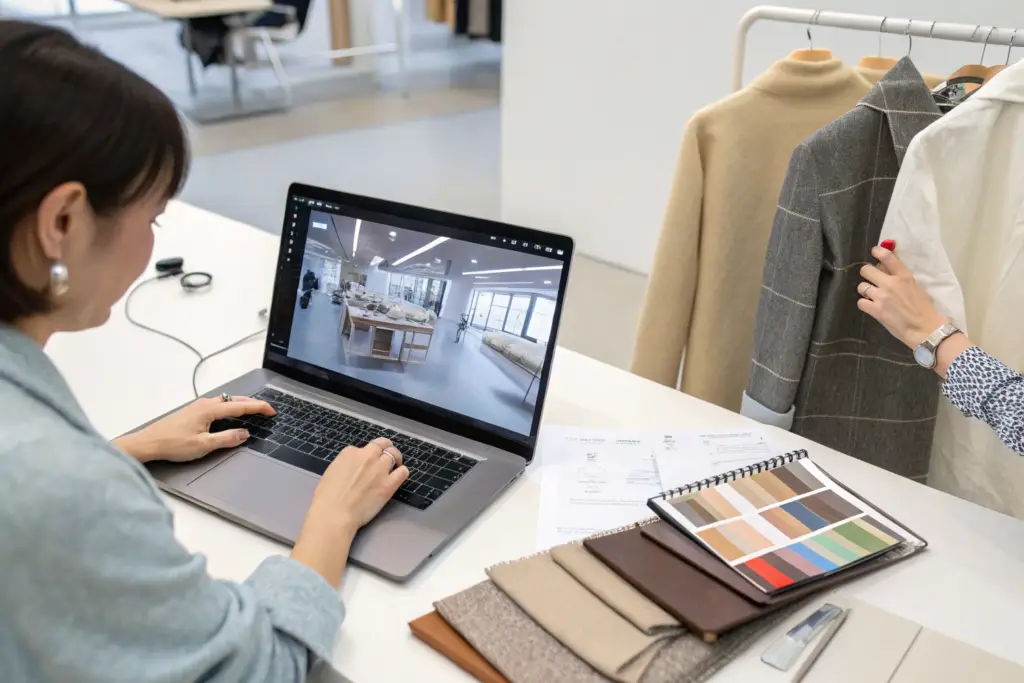
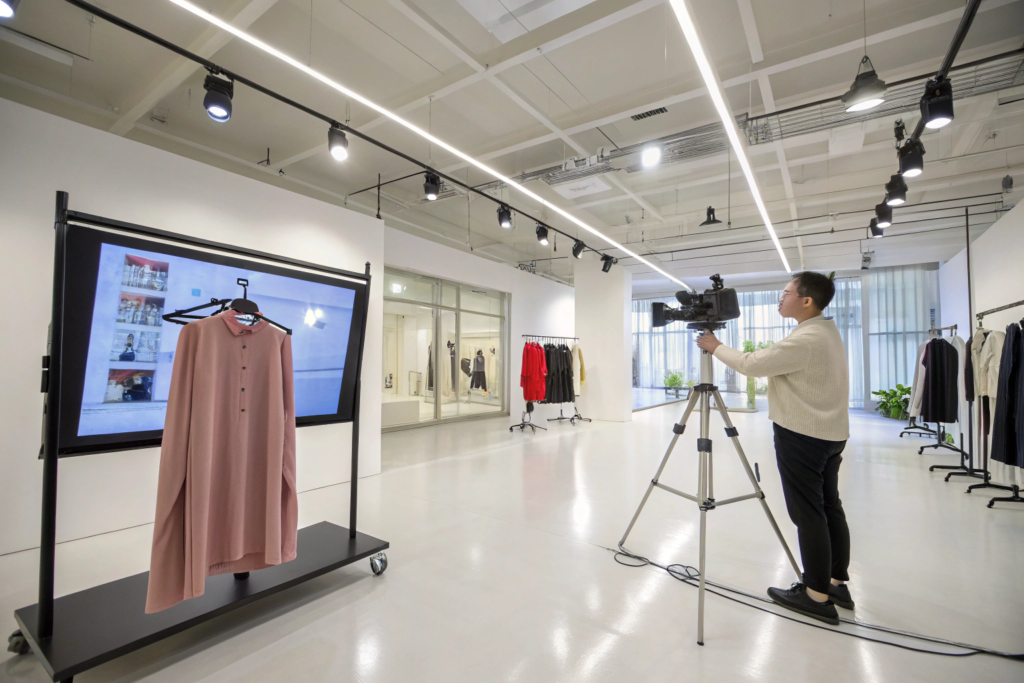
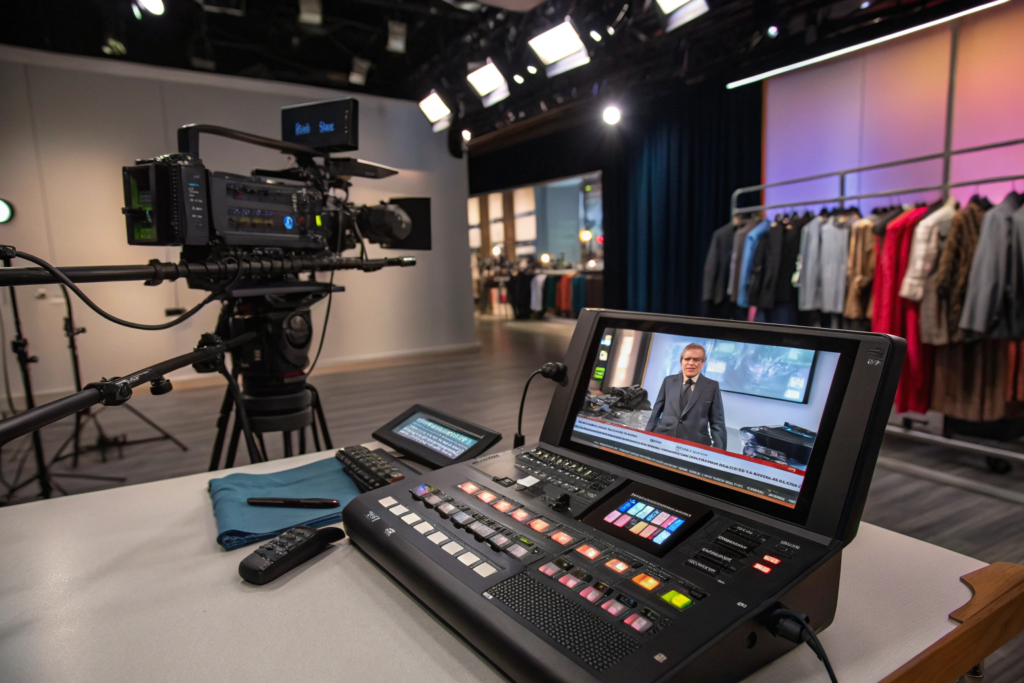
We invested in a professional, broadcast-quality live streaming rig. It consists of a Sony 4K PTZ camera, a professional lighting grid set to 5600K daylight temperature, and a dedicated, hardwired 1Gbps fiber optic internet line. Our design assistant, a young woman named Lily, is our fit model. She wears a standard US size medium. During a virtual showroom session, I direct Lily with simple, specific commands: "Lily, walk to the window and turn. Now raise your arms. Now sit down in the chair and cross your legs." The buyer watches, in real-time, on their own screen. They see the shoulder tension release when she sits. They see the trouser knee bag and recover. They see the unflattering backlight silhouette that a photograph would have carefully avoided. This radical transparency builds an extraordinary amount of trust. The buyer is not looking at a polished, retouched image. They are looking through a window into our sample room, watching a garment move on a real human body, and making their own unfiltered judgments about its quality and drape. This level of visual honesty is more persuasive than any lookbook. It is a live, physical performance of the garment's engineering, and it has become the single most powerful closing tool in our virtual sales process.
How Did We Build a Live Video Pipeline From Our Factory Floor?
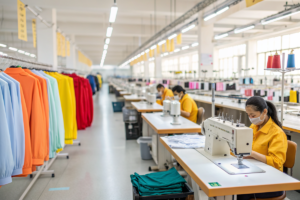
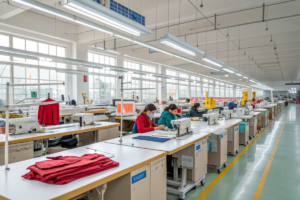
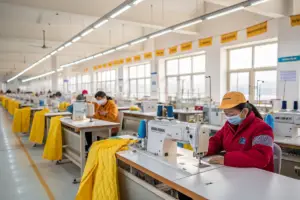
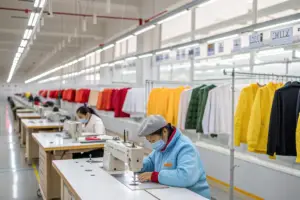
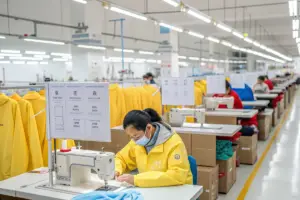
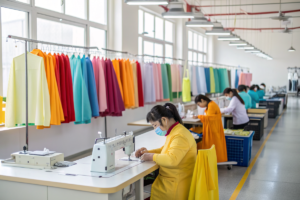
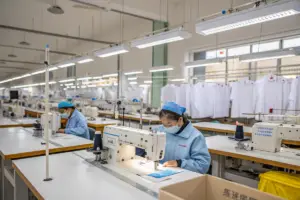
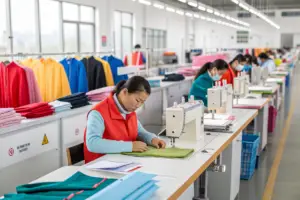
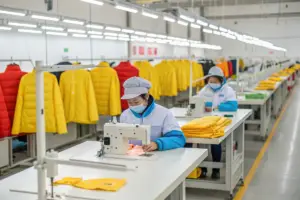
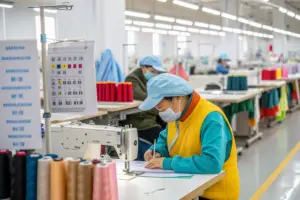
A factory floor is one of the worst possible environments for a video call. It is loud. The lighting is harsh, industrial fluorescent. The internet is often shared with an entire office of computers. A standard laptop webcam and a Wi-Fi connection produce a grainy, jerky, unprofessional image that screams "small, unreliable supplier." If your video quality is poor, the buyer unconsciously assumes your product quality is also poor.
We made a deliberate decision to invest in a permanent, professional-grade live video infrastructure that would make our factory floor look as clear and professional as a CNN live broadcast. This was not a temporary pandemic fix. It was a permanent new sales channel that we built into the physical architecture of our building. The goal was to give a buyer sitting in a Manhattan office a visual experience so clear and responsive that they felt they were standing next to me on the production line.
What Technical Specs Prove Our Stream Is Not a Standard Zoom Call?
A standard Zoom call uses a heavily compressed, low-bitrate video stream, typically around 2 to 4 megabits per second. It prioritizes audio over video, and it aggressively compresses the image in anything less than perfect lighting. The result is a mushy, artifact-ridden image that destroys the fine detail of a fabric's texture and color. Our stream is a full, uncompressed, 4K resolution, 4:2:2 color sampling, 60-frames-per-second video feed delivered via a dedicated, hardwired 1Gbps fiber optic line.
This is a broadcast television specification, not a web conferencing specification. We use a Blackmagic Design ATEM Mini Pro video switcher to manage multiple camera angles. We can cut instantly from a wide shot of the cutting room to a macro close-up of a seam on a finished garment. The key technical proof is the latency. A standard international video call has a latency of 200 to 400 milliseconds, creating a disjointed, awkward conversational lag. Our optimized network path, routed through a dedicated business-grade VPN, has a measured, stable latency of 80 milliseconds. This is virtually imperceptible to the human brain. The conversation flows naturally. I can say "Look at this collar," and the buyer sees my hand pointing to it in perfect synchrony with my voice. This technical seamlessness is invisible to the buyer, but it creates a subconscious feeling of competence, professionalism, and trust. The technology disappears, and only the product and the relationship remain. This is the apex goal of any sales communication technology.
How Did a GoPro Neck Rig Solve the "Hands-Free" Inspection Problem?
A camera on a tripod cannot inspect a garment. When a buyer asks, "Show me the inside of the armhole seam," a fixed camera forces an awkward, clumsy dance of someone trying to hold a garment up to a lens. The buyer cannot direct the inspection. They are a passive viewer. We solved this by mounting a lightweight GoPro camera on a flexible, neck-mounted rig, worn by our sample room manager, Mr. Wang. The GoPro streams a first-person point-of-view feed directly into our live switcher.
When a buyer says, "Show me the seam," I ask Mr. Wang to step forward. The buyer is now looking through Mr. Wang's eyes. They see his hands pick up the garment. They see his thumbs press along the inside of the armhole seam, holding it open to the camera. They see the needlework at a distance of six inches. They can direct Mr. Wang in real-time: "A little closer. Turn the fabric to the light. Show me the bartack on the pocket corner." This is a far more intimate and detailed inspection than a buyer can perform in a physical showroom, where they are limited by their own unaided eyesight. The 4K GoPro provides a digital magnification that makes every stitch, every fiber, and every potential flaw visible. This first-person view transforms the buyer from a passive observer into an active, hands-on inspector who is virtually holding the garment. It is the single most powerful tool we have for proving the quality of our construction to a skeptical buyer who cannot physically be in our factory. It leaves no place for a quality defect to hide, and that radical transparency is the ultimate sales argument.
What Surprising Advantage Did the Virtual Showroom Create?
The virtual showroom was born from a crisis, but within six months of operating it, I realized we had accidentally built a superior sales machine. The old physical trade show model had a hidden, massive inefficiency: the buyer was rushed, distracted, and overwhelmed. The Phygital model solved not just the travel problem, but the deep, human cognitive problems of a physical trade show.
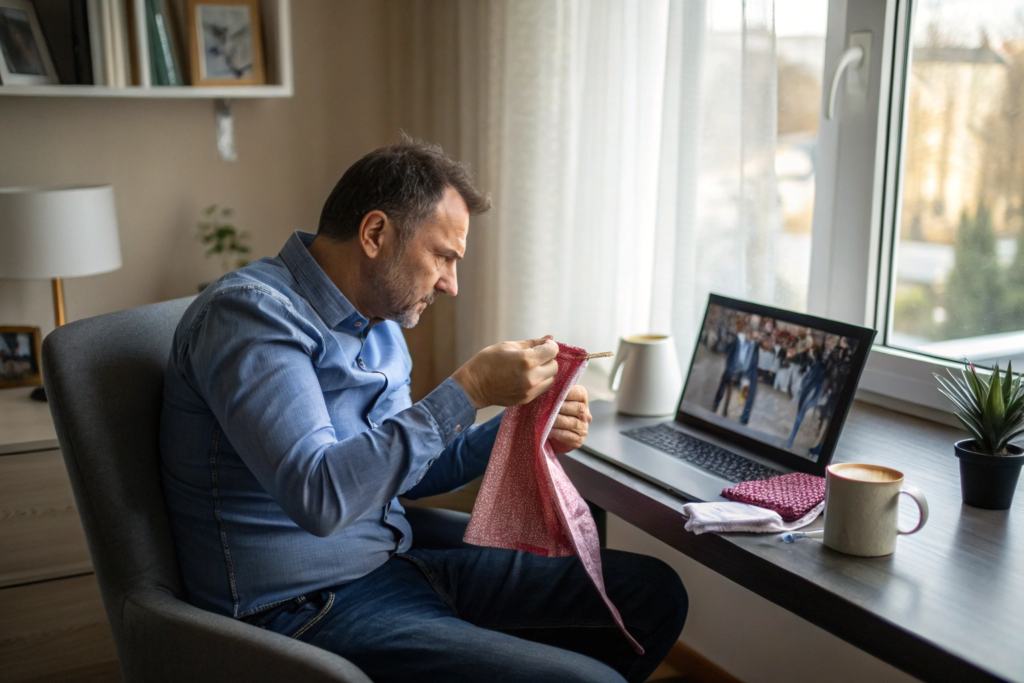
A buyer in a physical showroom is fighting sensory overload, time pressure, and social fatigue. They are being pitched by dozens of suppliers, one after another, in a loud, hot convention center. Their brain is on the verge of shutting down by the time they reach our booth. The virtual showroom allows us to bypass this entire hostile environment and meet the buyer in a state of focused, relaxed attention, on their own schedule and in their own space.
Why Did Buyer Decision Fatigue Drop in Our Virtual Room?
Decision fatigue is the deterioration of judgment quality after a long session of decision-making. A physical trade show is a machine specifically designed to produce maximum decision fatigue. A buyer at a major New York show may visit 30 booths in a single day. By booth 25, their brain is chemically depleted. They are rejecting good suppliers simply because they lack the mental energy to process another decision. Our closing rate in the final hours of a trade show day was always abysmally low.
A virtual showroom session, in contrast, is a single, focused, 90-minute event. The buyer has booked it into their calendar. They are sitting in their own quiet office, with good coffee, and their brain is fresh. They have already spent time with the Touch Kit. The session is a deep, collaborative, technical dive into their specific needs, not a rushed, generic elevator pitch shouted over crowd noise. We are not competing for their attention against 29 other suppliers. For 90 minutes, we have their undivided cognitive focus. The result is that decisions are made faster and with more confidence. The average time from a first virtual showroom meeting to a confirmed purchase order has been 11 days, compared to 26 days for our old physical trade show leads. The buyer is not fatigued. They are energized by a productive, technically deep, and personally respectful interaction. We are saving their most valuable resource: their mental energy and their ability to make a clear, confident business judgment.
How Did We Close a $150,000 Denim Order Over a Single Video Session?
The $150,000 denim order from a major Midwest retailer was the moment I knew the Phygital model was not a temporary fix, but a permanent strategic weapon. The buyer was a 25-year industry veteran, deeply skeptical of virtual selling. She agreed to a session only because travel was impossible. We sent her the Touch Kit, which included five specific denim swatches she had pre-selected from our digital lookbook, plus a finished sample jean in her size.
The video session lasted two hours. We used the 4K studio camera to do a live mannequin walk with the sample jean on Lily. We used the GoPro neck rig to do a deep-dive inspection of the selvedge edge, the chain-stitch hem, and the bartack reinforcements on the back pockets. She held the physical swatches in her hand while she watched the live drape on the screen. She asked to see the inside of the waistband. Mr. Wang put the GoPro inside the jean and we walked her through the interlining construction. At the end of the session, she said: "I've learned more about your denim in the last two hours than I would have learned in a 20-minute booth visit. I'm confident. Send me the contract." The order was for 5,000 units of a premium selvedge jean, with a total FOB value of $150,000. It was closed on a single video session, without a handshake, without a flight, and without a physical sample being shipped back and forth. The technology had not just replaced the physical meeting; it had delivered a more thorough, more convincing, and more efficient product evaluation than a physical meeting could have ever provided. This single order paid for our entire Phygital infrastructure investment ten times over.
Conclusion
The New York showroom we ran without a single flight was not a video conference. It was a fully integrated, sensory, Phygital sales system that fused a pre-shipped Touch Kit, a 4K broadcast-quality live video pipeline from our factory floor, and a real-time, buyer-directed, hands-free GoPro inspection. We solved the trust problem of remote sourcing by giving the buyer more visual and tactile data than a physical booth visit ever could. The 4K mannequin walk, the first-person seam inspection, and the 80-millisecond latency created a sense of telepresence so powerful that a skeptical industry veteran closed a $150,000 denim order in a single two-hour session. We discovered that a virtual showroom, by eliminating the sensory overload and decision fatigue of a physical trade show, actually accelerates trust, deepens technical conversation, and shortens the sales cycle from 26 days to 11 days.
This system is now a permanent, non-negotiable part of the Shanghai Fumao sales infrastructure. It is not a crisis response; it is a strategic competitive advantage. It allows us to be physically present in your office, on your schedule, with your undivided attention, at a moment's notice, without a single trans-Pacific flight.
You don't need to wait for the next trade show to run your fingers over our fabrics and inspect our seams with microscopic precision. We can put a Touch Kit on your desk this week. Contact our Business Director, Elaine, at elaine@fumaoclothing.com. Tell her you want to book a Phygital Showroom session. She will send you a curated Touch Kit and schedule a live, interactive deep dive into any product category you choose. Let's meet in our virtual showroom, where the distance between Shanghai and your office disappears.