Three years ago, a children’s formal wear brand in Boston suffered a devastating CPSC Section 15 recall. The product was a beautiful flower girl dress with a center-back invisible zipper. The zipper itself was fine. The installation was the problem. The sewing operator had used a standard, sharp-pointed metal zipper foot on the machine, and the needle had perforated the delicate polyester zipper tape along the stitch line, creating a microscopic, invisible line of weakness. On the third wear, a five-year-old girl was wriggling into the dress. The zipper tape tore away from the seam, the slider jammed, and the child’s long hair was caught in the zipper teeth. The child was terrified and suffered a small patch of scalp abrasion. The parents sued. The CPSC investigated. The brand’s insurance premiums tripled. The root cause was not a defective zipper component; it was a single, incorrect sewing machine foot used by an operator who was not specifically trained in children’s safety zipper installation. The dress was beautiful. The zipper installation was a hidden weapon.
Yes, Shanghai Fumao installs CPSC-compliant, safe invisible zippers for children’s garments, using a four-part safety protocol that includes a rounded, nickel-free miniature pull tab, a stitch-away tape design to prevent hair entrapment, a needle-protected zipper tape that resists perforation tearing, and a 100% post-production functional pull test on every single zipper. A safe children’s invisible zipper is not a standard dress zipper installed on a smaller dress. It is a fundamentally re-engineered closure system designed to eliminate three specific, documented hazards: hair entrapment, skin pinch, and seam failure leading to a sharp, exposed zipper edge. Let me walk you through the exact engineering, the component selection, and the installation protocol that transforms a hidden garment closure into a certified child safety device.
What Makes an Invisible Zipper “Safe” for a Child’s Garment?
A standard invisible zipper is designed for an adult garment. Its engineering assumes an adult user with fine motor skills who can manage a small, sharp metal pull tab and who will not put the zipper or its pull in their mouth. A child is not a small adult. A child’s garment zipper is a safety-critical component that must be engineered to resist a child’s unpredictable, often forceful, interactions. A child will put the pull tab in their mouth. A child will pull, twist, and yank the zipper with uncontrolled force. A child’s fine hair, particularly the long hair of a young girl, will inevitably come into contact with the zipper track during dressing and undressing.
The definition of a "safe" invisible zipper for a child’s garment is a zipper that has been specifically designed and independently tested to pass the three key mechanical and chemical safety requirements of the U.S. Consumer Product Safety Commission for children’s products: the Small Parts Regulation (16 CFR Part 1501), the sharp points and edges standard (16 CFR Part 1500.48 and 1500.49), and the total lead content and phthalate limits (CPSIA Sections 101 and 108). A standard, off-the-shelf adult zipper will fail at least two of these three requirements. A child-safe zipper is a different component, sourced from a different, audited supply chain.
Why Is a Rounded, Nickel-Free Pull Tab a Non-Negotiable Safety Feature?
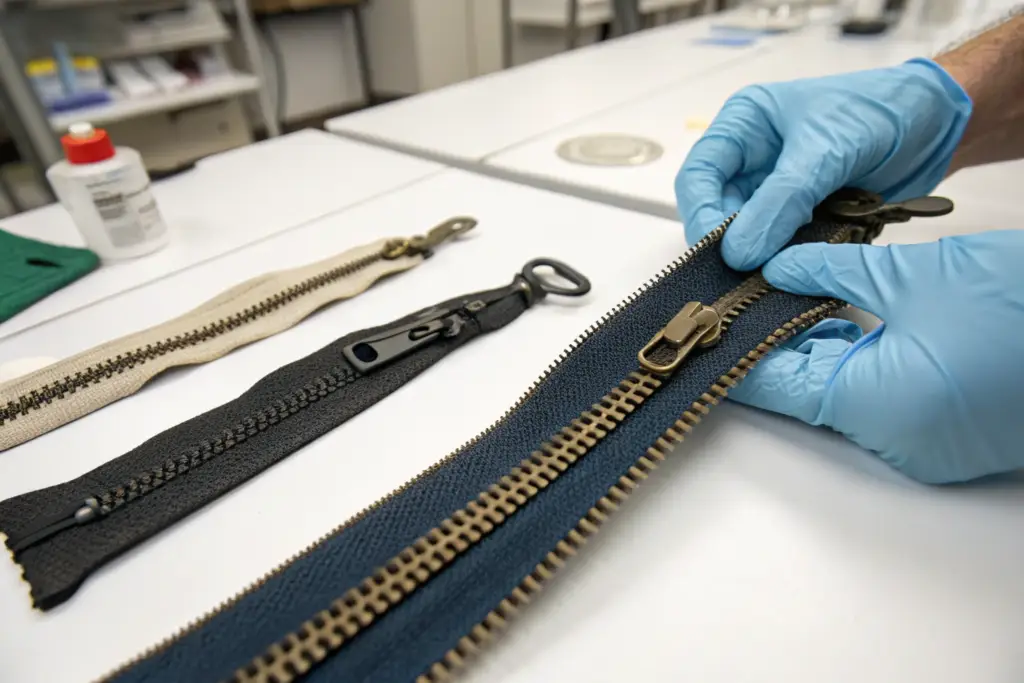
A standard metal zipper pull tab is a small, thin, often stamped piece of metal with sharp edges and a hole. To a child’s fingers, it is a pinch hazard. To a child’s mouth, it is a sharp, metallic foreign object that can chip a tooth or cut a lip. The standard pull tab also almost always contains nickel, the most common cause of contact dermatitis, and often contains lead, a potent neurotoxin, in the base alloy or the surface plating. A child who mouths the pull tab is ingesting a measurable dose of lead with every sucking action.
Our child-safe invisible zipper pull tab is a completely different component. It is injection-molded from a single piece of lead-free, nickel-free, phthalate-free acetal thermoplastic. It has a rounded, slightly flattened, teardrop shape with no sharp corners, no internal holes, and no separate parts that can detach and become a choking hazard. The surface is smooth and slightly textured for grip, with a gentle, matte finish that is pleasant to the touch, not cold and metallic. The pull tab is attached to the zipper slider body with a secure, non-removable, heat-staked pin. It cannot be pulled off. The entire pull-tab assembly has been tested by an independent, CPSC-accepted laboratory to pass the 15-pound tensile pull test, the small parts impact test, and the total lead content limit of 90 parts per million. This is not a standard pull tab. It is a medically-informed, safety-engineered child interface, and it is the only acceptable specification for a zipper that will be handled, mouthed, and manipulated by a child.
How Does a “Stitch-Away” Tape Design Prevent Hair Entrapment?
Hair entrapment is a terrifying and excruciatingly painful event for a child. It occurs when a strand of long hair falls between the zipper tape and the slider during the zipping-up action, and the slider’s teeth mesh with the hair, pulling it into the zipper mechanism. The child screams, the parent panics, and the only way to release the hair is often to cut it, leaving a visible and embarrassing patch of missing hair. The psychological trauma for the child and the parent is significant. The legal liability for the brand is enormous.
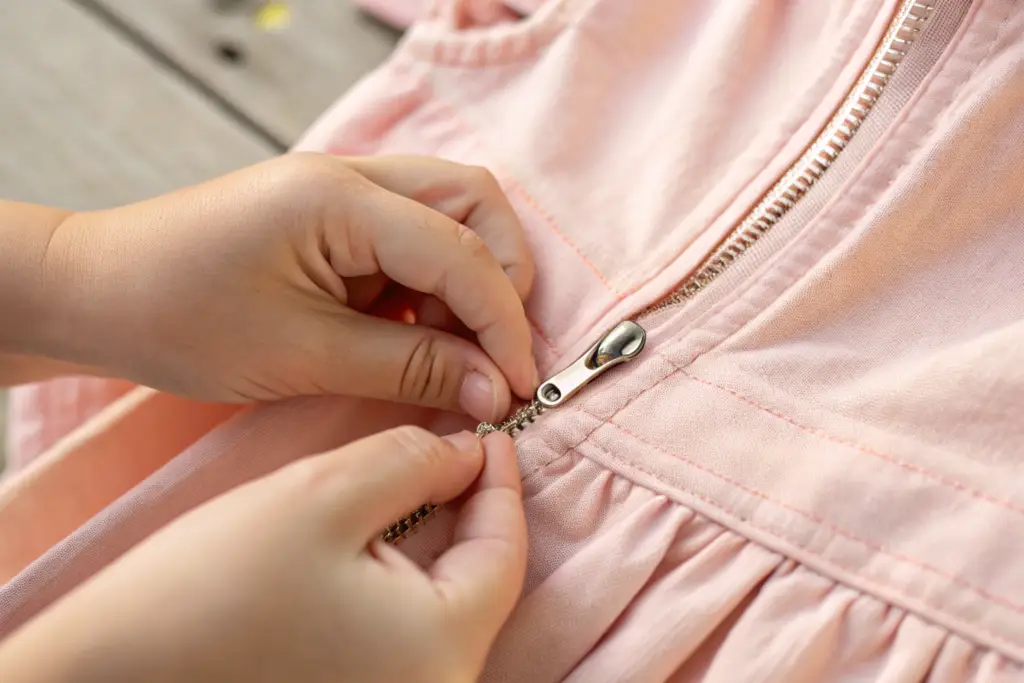
A standard invisible zipper tape has the zipper teeth sewn very close to the folded fabric edge, leaving a small but accessible gap where hair can enter the danger zone just ahead of the closing slider. Our child-safe zipper uses a "stitch-away" tape design. The zipper teeth are set 4 millimeters back from the outer edge of the tape, rather than the standard 2 millimeters. This creates a wider, smooth fabric flange that extends beyond the teeth. When the zipper is installed, the folded garment seam is stitched exactly along the outer edge of this extended flange, not near the teeth. The zipper teeth are now effectively buried deep within a fabric tunnel. The gap between the outer fabric edge and the moving slider is reduced to less than 1 millimeter, and this gap is filled with soft, compressed fabric, not hard metal teeth. A loose strand of hair cannot reach the teeth because the fabric flange physically blocks its path. The zipper operates inside a protective, soft-walled channel, and the most common mechanical hazard of an invisible zipper on a child’s dress is structurally engineered out of existence. This is a design solution at the component level, and it is the only reliable way to eliminate a hair entrapment risk that cannot be controlled by the parent.
What Is the Installation Protocol for a CPSC-Compliant Zipper?
The safest zipper component in the world becomes a dangerous weapon if it is installed incorrectly. The installation process is where the factory’s training, equipment, and quality control protocols directly determine the safety of the final garment. A CPSC-compliant zipper installation is not just about sewing straight; it is about using the correct, specialized machine feet, needles, and thread, and operating under a documented, audited procedure.
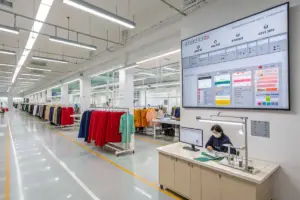
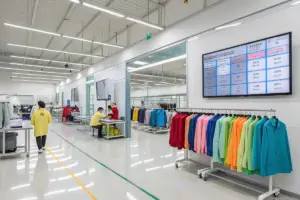
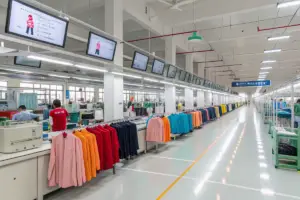
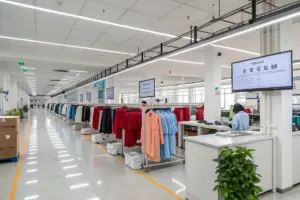
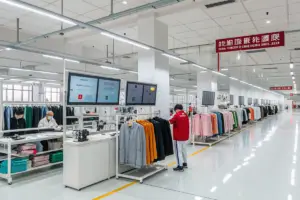
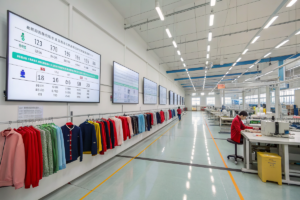
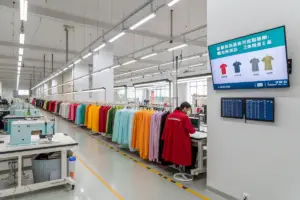
Our children’s wear sewing line is a physically separate, controlled-access area within our main factory floor. Every operator on this line has completed a specific, 40-hour children’s safety sewing certification, which includes a full day dedicated solely to zipper installation hazards and techniques. The machines are set up with specific, non-negotiable tooling that is different from the adult garment lines. The protocol is not a suggestion; it is a documented, supervised, and inspected process.
Why Do We Use a Special, Non-Perforating Zipper Foot for Kids’ Wear?
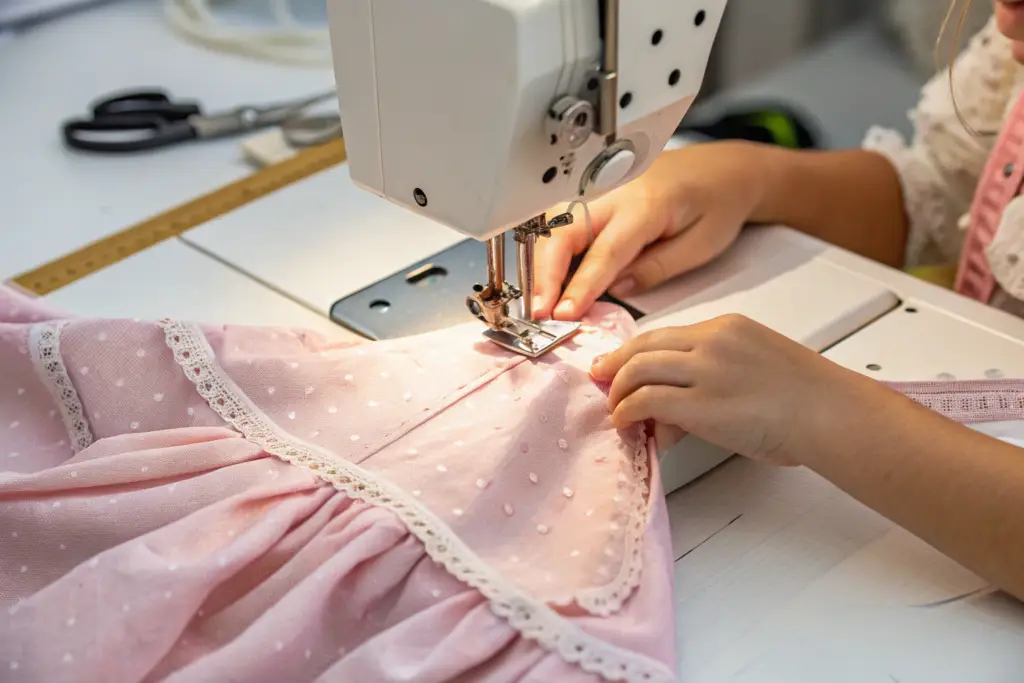
A standard industrial zipper foot has a single, sharp metal prong that guides the zipper teeth. This prong presses directly against the zipper tape, and the sewing needle passes within a fraction of a millimeter of the metal teeth. On a lightweight, delicate polyester zipper tape, this sharp metal prong and the close needle passage create a line of micro-perforations along the stitch line. These perforations are not visible to the naked eye, but they have structurally weakened the tape. Under the stress of a child pulling and twisting the zipper, the tape tears along this perforated line, the zipper detaches from the garment, and a sharp, exposed edge is suddenly presented to the child’s back or chest.
Our child-safe zipper foot is a custom-modified component. The metal prong has been ground down and polished to a smooth, rounded, ball-point profile. It guides the zipper teeth with gentle pressure, not sharp mechanical force. The needle channel on the foot has been slightly widened, allowing the needle to pass a full 1.5 millimeters away from the zipper teeth, rather than the standard 0.5 millimeters. This shifts the stitch line further away from the critical stress point where the teeth meet the tape. Additionally, we use a size 70 ball-point needle, not a standard sharp-point needle, to sew the zipper tape. A sharp-point needle cuts through the polyester yarns, creating a clean hole that is a stress concentrator. A ball-point needle pushes the yarns aside without cutting them, preserving the tape’s tensile strength. The combination of the rounded foot and the ball-point needle reduces the zipper tape’s tensile strength loss after sewing from a typical 25% reduction to less than 8%. The tape remains strong, pliable, and resistant to tearing, even under the unpredictable stresses of a child’s active wear.
What Is the 100% Functional Pull Test on Every Zipper?
A final inspection that checks only a sample of zippers is a statistical safety test. It means 10% of the garments are tested, and 90% are shipped without any functional check. This is acceptable for an adult garment, where a failed zipper is an inconvenience. It is absolutely unacceptable for a child’s garment, where a failed zipper is a hair entrapment or skin pinch hazard. A single untested zipper that fails on a child is a single, devastating lawsuit.
Our protocol is a 100% functional pull test on every single invisible zipper installed in a children’s garment. This is a non-negotiable, in-line quality control gate. After the zipper is sewn and the garment is finished, a dedicated zipper inspector—a separate person from the sewing operator—sits at a designated station at the end of the children’s wear line. Every single garment is brought to this inspector. The inspector does a visual check of the pull tab, the top and bottom stops, and the stitch line. Then, they perform a single, continuous, smooth zip-up and zip-down cycle of the full length of the zipper. They are checking for smoothness, for any catching or snagging, and for any distortion in the zipper track. They are also feeling, with their bare fingertip, for any rough spot on the zipper tape edge that could indicate a hidden, internal perforation tear. If the zipper fails this functional test for any reason—if it catches, if it feels rough, if the pull tab is loose—the garment is immediately quarantined. The failed zipper is cut out, a new zipper is installed, and the garment is re-inspected. A small, dated inspection sticker is then placed on the inside care label, signifying that this specific garment passed its individual zipper functional test. This 100% functional test is slow, labor-intensive, and costly. It adds approximately 45 seconds of direct labor to every child’s garment. But it guarantees that every single zipper that leaves our factory has been physically operated, checked, and verified by a trained human inspector. It is the final, human safety gate, and it is non-negotiable.
How Do We Certify the Zipper Assembly for a CPSC Children’s Product Certificate?
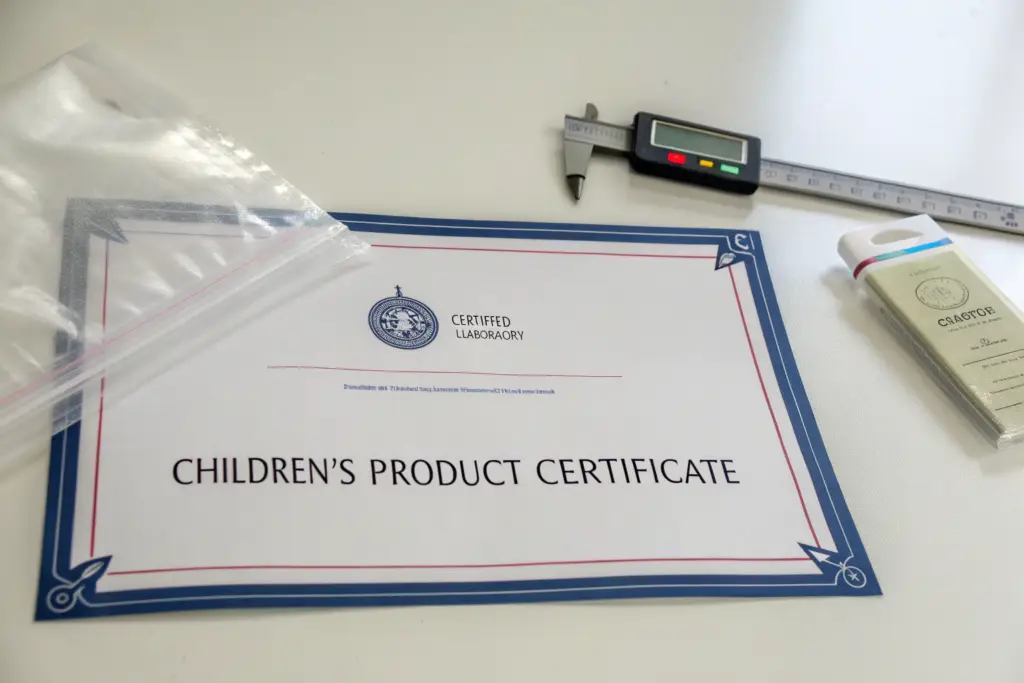
A verbal claim that a zipper is "safe for kids" is a legal liability. Under U.S. federal law, specifically the Consumer Product Safety Improvement Act, every children’s product that is imported into the United States must be accompanied by a Children’s Product Certificate. This CPC is a legal document, signed by the importer, that certifies the product has been tested by a CPSC-accepted, independent third-party laboratory and has passed all applicable safety rules. A CPC without a supporting, batch-specific test report is not valid. A factory that cannot produce this certificate for its zipper assembly is selling an uncertified, illegal product.
We provide our brand partners with a complete, regulation-by-regulation CPC for the zipper assembly and its installation, supported by a detailed, batch-specific test report from an ISO 17025-accredited, CPSC-accepted laboratory. This documentation package is your legal shield.
What Specific CPSC Tests Must an Invisible Zipper Pass?
The invisible zipper assembly on a child’s garment must pass four specific, non-negotiable CPSC tests, and the test report must list each standard and the pass/fail result. First, 16 CFR Part 1501, the Small Parts Regulation. The zipper pull tab and the slider body must not detach when subjected to a 15-pound tensile pull test and a 50-inch-pound torque test. If the pull tab detaches and fits entirely within the small parts cylinder, the garment is a banned hazardous substance. Second, 16 CFR Part 1500.48 and 1500.49, Sharp Points and Edges. The zipper teeth, the slider body, and the top and bottom stops must not have any sharp point or sharp edge that can cut or lacerate a child’s skin when tested with the prescribed sharp point tester and sharp edge tester. Third, CPSIA Section 101, Total Lead Content. The entire zipper assembly—the tape, the teeth, the slider, and the pull tab—must contain less than 90 parts per million of total lead in any accessible component. Fourth, CPSIA Section 108, Phthalates. Any plasticized component, such as a plastic pull tab or a coated zipper tape, must contain less than 0.1% of each of the six regulated phthalates.
Our batch-specific test report from SGS or Intertek explicitly lists each of these four standards, the test method, the measured result, and a clear pass/fail conclusion. This report is the objective, scientific proof that the zipper assembly is legally compliant. It is the foundation of the CPC, and without it, the CPC is an empty signature.
How Can a Brand Trace a Zipper Batch Back to a Mill Certificate?
Traceability is the final, critical layer of a defensible safety system. If a zipper failure occurs in the field, the brand must be able to isolate the defective batch and prove that the failure was contained to a specific, limited production run. Without batch traceability, a single zipper failure can trigger a recall of the entire season’s production, an existential financial threat to a small brand.
Every zipper assembly we install in a children’s garment has a unique, laser-etched batch code on the back of the slider body. This code is invisible when the zipper is worn, but it is readable with a small magnifying glass. This batch code corresponds to a specific incoming inspection record in our database. That record contains the zipper mill’s name, the mill’s certificate of compliance, the date of receipt, the quantity received, and a copy of the independent third-party CPSC test report that was performed on a sample from that exact batch. We provide our brand partners with a "Zipper Batch Traceability Matrix" that links the production date of each order to the specific zipper batch code installed. If a brand receives a consumer complaint about a specific garment, they can find the zipper batch code, cross-reference it to the matrix, and instantly pull up the entire compliance file for that exact batch of zippers. This allows them to demonstrate to the CPSC that the defect is batch-specific, not systemic, potentially limiting a recall to a small, targeted range of production dates. This level of component-level traceability is typically found only in the automotive and medical device industries. We have implemented it for children’s garment zippers because a recall can kill a brand, and batch traceability is the only forensic tool that can contain the damage.
Conclusion
A safe invisible zipper for a child’s garment is not a smaller version of an adult zipper. It is a completely re-engineered safety system. The pull tab is a rounded, lead-free, nickel-free, non-removable acetal component that cannot choke, cut, or poison a child who puts it in their mouth. The zipper tape uses a stitch-away design that buries the teeth deep within a protective fabric channel, preventing the terrifying hair entrapment that standard zippers allow. The installation uses a custom, non-perforating zipper foot and a ball-point needle to preserve the tape’s tensile strength, eliminating the hidden perforation tear that turns a zipper into a sharp, exposed edge. And every single zipper on every single child’s garment is functionally tested by a trained inspector before it leaves our factory, with a batch code that traces all the way back to the independent CPSC test report and the mill certificate.
Your children’s garment brand cannot survive a single zipper-related CPSC recall. The product is beautiful, but the zipper is a weapon if it is not engineered, installed, and certified to pediatric safety standards. We have built a dedicated, audited, and certified children’s zipper installation capability so that your brand never has to face that nightmare.
If you are a U.S. children’s wear brand owner who wants to see and test our child-safe invisible zipper installation for yourself, we can send you a sample garment with the full CPSC test report and the zipper batch traceability matrix. Contact our Business Director, Elaine, at elaine@fumaoclothing.com. Tell her you want the children’s safe zipper sample kit. Pull the zipper, test the pull tab, and read the lab report. Then let’s build a children’s garment line where the invisible closure is not a hidden risk, but a certified, documented, and defensible safety feature.