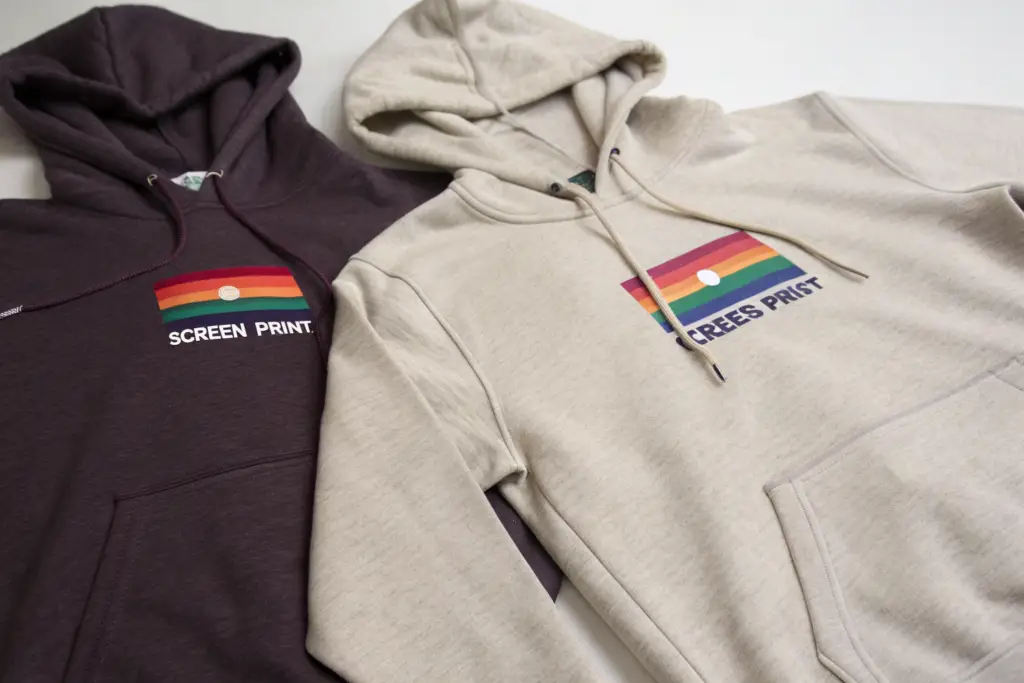
You are finalizing your premium collection. The fit is perfect, the fabric is exquisite. Now, you face a critical decision that will define how your customer perceives the value of your brand: how do you apply your logo? The easy, cheap, and fast option is a screen print. It will look fine on a website. But you have a nagging feeling that "fine" is not good enough for the price point you are targeting. Your customer is discerning. He will feel the difference. A luxury brand director once told me, "A screen print is a billboard; it's fast, it's loud, and it's cheap. An embroidery is a signature. It's a three-dimensional, tactile, and permanent promise of quality. You can feel a brand's self-respect in the weight and texture of its embroidered mark."
Yes, for premium and luxury garment categories, embroidery can, and often does, add significantly more perceived value than screen printing. This is because embroidery is not just a visual mark, but a multi-sensory, tactile, and three-dimensional experience. It adds value in three specific ways: 1) It Creates a Perception of Permanence, Craftsmanship, and Luxury (the dimensional texture and weight of the thread signals a "built-to-last" quality that a flat, applied print cannot match), 2) It Is the Ultimate Expression of the "Quiet Luxury" Aesthetic (a perfectly matched tonal embroidery is a subtle, textured brand whisper that rewards a close look, as opposed to a loud, contrasting graphic), and 3) It Provides a Tangible, Physical Justification for a Higher Wholesale Price Point for the discerning buyer.
At Shanghai Fumao, we are experts in executing premium embroidery and screen printing for our B2B partners. We do not have a bias; we have a deep understanding of what each technique communicates. Let me explain the specific, high-value scenarios where embroidery is not just a better choice, but the only choice for a brand that wants to be perceived as premium.
How Does Embroidery Create a Tactile, Emotional Signal of "Built-to-Last" Quality?
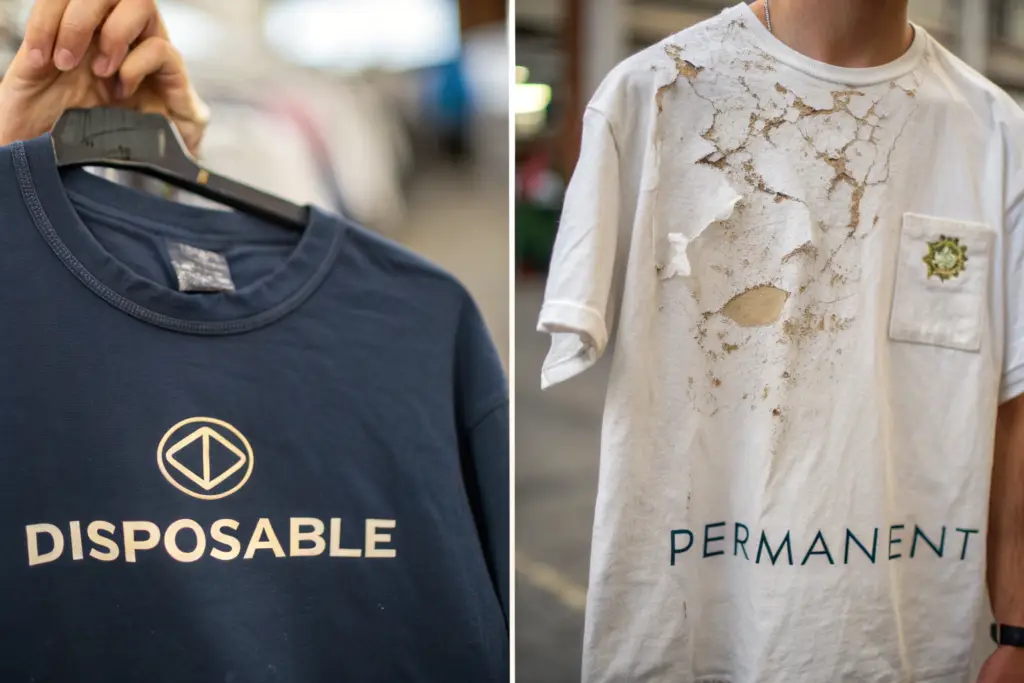
The modern luxury customer, particularly in menswear, is making a long-term investment. He is buying a garment he intends to wear for years. He values durability and sees it as a core component of quality. A screen-printed logo, which is fundamentally a layer of plastic ink sitting on the surface of the fabric, will inevitably show its age: it will crack, fade, and peel. An embroidered logo, which is physically stitched into the very structure of the garment, is a promise of permanence. It will often outlast the garment itself.
Embroidery creates a powerful, emotional signal of "built-to-last" quality because it is a permanent, integral part of the garment's structure. The thousands of individual stitches lock the logo into the fabric. It will not crack, peel, or fade. When a customer feels the solid, dimensional weight of a high-density embroidery and understands instinctively that this mark will look as good in five years as it does today, you have communicated a profound, non-verbal message of quality and permanence. This is a level of trust that a screen print can never achieve.
A premium men's wear brand we work with built their entire identity on a heavy, high-density embroidered logo on their shirts. A customer once sent them a photo of a shirt they had worn and washed over 150 times. The fabric was beautifully faded and worn, but the embroidered logo looked identical to the day it was made. The brand shared this photo in their marketing. It was the single most powerful piece of content they ever created, because it was an irrefutable, physical proof of their promise of quality. This is the long-tail, trust-building power of permanent embroidery .
How Does the Customer's Subconscious Feeling of the Logo's "Weight" and "Depth" Impact Their Perception of Value?
We are sensory creatures. A flat, weightless print is a 2D experience. A high-density embroidery is a 3D, tactile event. The customer's fingers will unconsciously touch the raised threads, feeling the solid, crafted weight of the mark. This subconscious, physical interaction with the logo creates a far deeper and more positive impression of value and quality than a visual-only screen print.
Why Is This Longevity an Essential, Tangible Justification for a $150 Polo vs. a $50 One?
When a customer is holding a $150 polo and a $50 polo side-by-side, they are looking for a reason to justify the higher price. A screen-printed logo will look nearly identical on both. An expertly executed, dense, and permanently embroidered logo is the tangible, physical "reason to believe." It is the feature that the salesperson at a boutique can point to and say, "This is why this one is worth more. This detail will last forever."
How Is a Tonal, Textured Embroidery the Ultimate Expression of "Quiet Luxury"?
The dominant aesthetic in high-end fashion today is "Quiet Luxury." It is a rejection of loud, obvious branding. The goal is not to shout your logo to the world, but to create an impeccably made, incredibly expensive-feeling garment that whispers its quality to the wearer. A bright, contrasting, printed logo is the antithesis of this aesthetic. A perfectly matched, tonal, and textured embroidered mark is its most sophisticated physical expression.
A tonal, textured embroidery is the ultimate "quiet luxury" brand signature. By matching the thread color perfectly to the garment's fabric—a tonal navy on navy, a subtle charcoal on black—the logo becomes a hidden, integral part of the fabric's texture. It is a "brand whisper" that is only visible to those who look closely, a secret between the brand and the wearer. This rewards attention, signals profound confidence, and communicates a level of taste that a loud, contrasting screen print could never achieve. It is the mark of a brand that does not need to shout.
A brand we work with recently switched their golf polo program from a contrasting embroidered logo to a perfectly matched, tonal chest embroidery . The result was transformative. The high-end pro shops told them the new, subtle logo transformed the polo from a "sports shirt" into a "lifestyle essential." It felt like an entirely different, more expensive, and more sophisticated product, even though only one detail had changed. This is the power of a subtle, tonal embroidery strategy .
What Is the Difference Between a "Logo" and a "Signature" in the Context of Luxury Branding?
A logo is a mass-market, corporate mark designed for instant recognition from a distance. A signature is a personal, crafted, and intimate mark of the maker. A subtle, high-density, tonal embroidered emblem feels less like a logo and more like a tailor's or an artisan's personal signature. It signals that the garment was made by skilled hands, not just stamped out by a machine. This is the essence of a luxury brand identity .
How Can a Tonal Embroidery Be the "Secret Signature" That a Loyal Customer Loves?
Customers who are loyal to a luxury brand love the feeling of being "in the know." A tonal, almost invisible embroidery is a secret they share with the brand. It is not an advertisement to the outside world; it is a mark of quality and belonging that they appreciate personally. This builds a powerful, private, and emotionally rich layer of brand loyalty that an overt logo can never create.
When Is a Premium Screen Print the Technically Superior Choice Over Embroidery?
A sophisticated brand does not make a dogmatic choice between embroidery and screen printing. It makes a strategic, technical choice based on the specific fabric and the intended aesthetic of each individual garment. There are clear, objective scenarios where a premium screen print is not just a cheaper alternative, but the technically and aesthetically superior choice. The key is to match the method to the material.
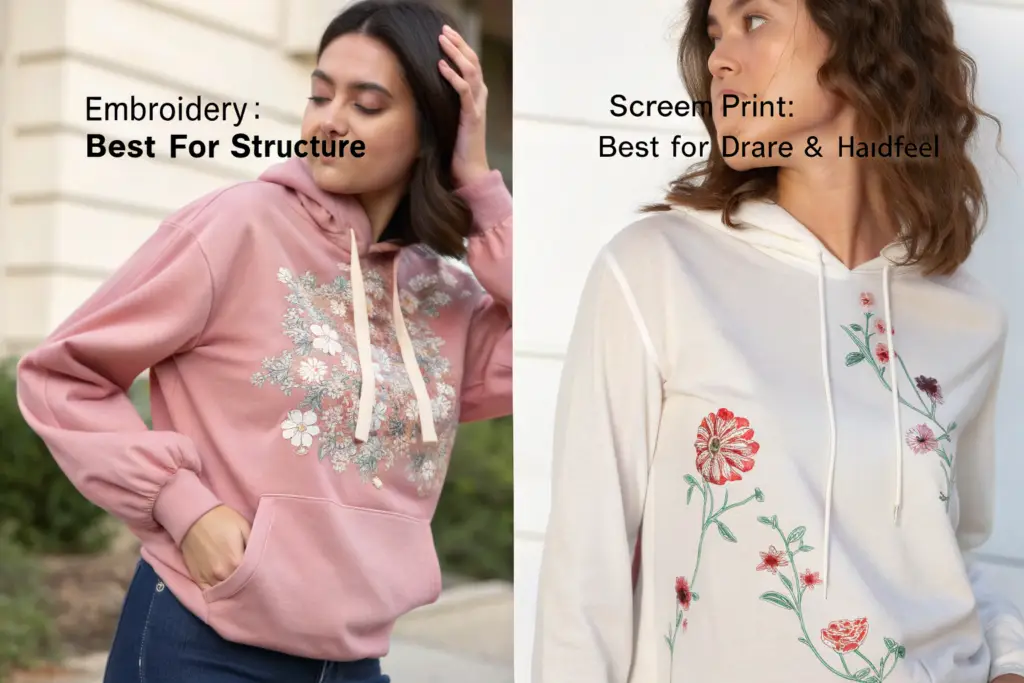
A premium screen print is technically superior for garments made from lightweight, fluid, and delicate fabrics, such as silk, Tencel, viscose, and fine-gauge jerseys. The heavy, dense stitching of embroidery will physically weigh down these fabrics, ruining their elegant drape, and can cause unsightly, permanent puckering. A soft, water-based screen print, by contrast, is weightless and becomes one with the fabric, perfectly preserving the garment's handfeel and fluid movement. In this specific scenario, the "no-feel" print is the premium, technically correct choice.
A women's wear brand we work with designed a beautiful bias-cut silk dress. They initially put a small embroidered logo on the chest, and it was a disaster. The weight of the embroidery pulled the delicate silk into a permanent, ugly pucker. We guided them to a soft, tonal water-based screen print . The logo was completely weightless, invisible to the touch, and the dress's liquid, flowing drape was perfectly preserved. The brand learned a critical lesson: listen to the fabric. This is the wisdom of a fabric-first branding philosophy .
Why Is a Heavy Embroidery on a Thin Silk Tencel a Manufacturing Mistake?
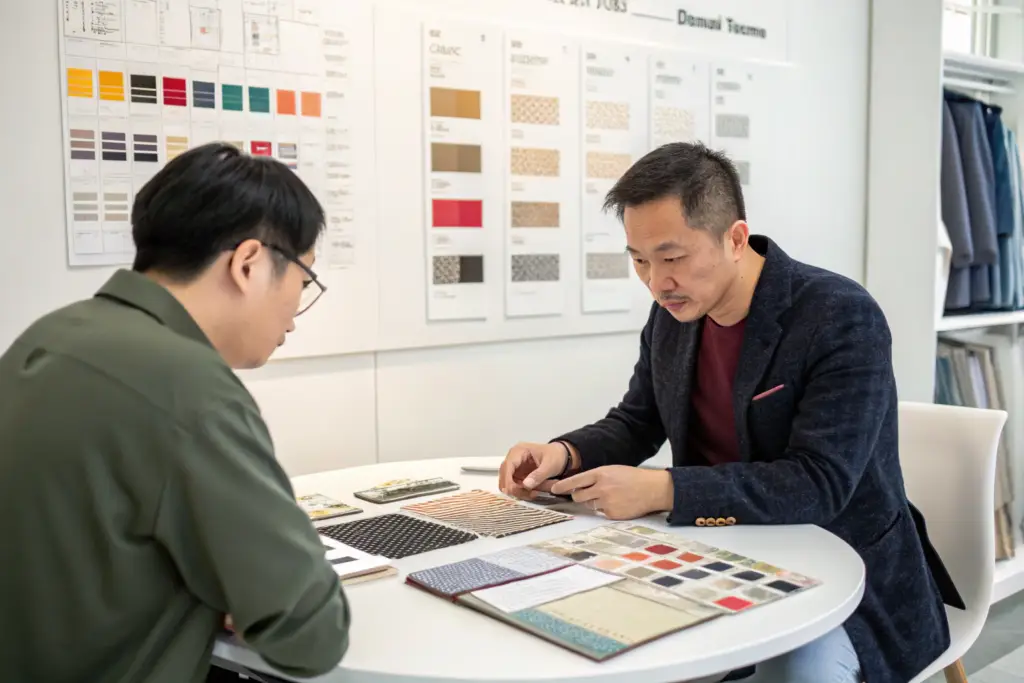
Silk and Tencel are fluid, unforgiving fabrics. A heavy embroidered logo has physical mass. It will pull on the lightweight fabric, creating an area of distorted tension that ruins the elegant drape and creates a permanent visual defect. This is not a matter of opinion; it is a fundamental conflict between the physical weight of the decoration and the light structure of the textile.
When Is a "No-Feel" Water-Based Print the Premium Choice for Handfeel Preservation?
For any garment that is worn directly against the skin, like a thin t-shirt, a slip dress, or a performance base layer, preserving a completely soft handfeel is the highest priority. A water-based or discharge screen print sinks into the fabric's fibers and leaves zero physical texture. It is the only branding method that can provide a high-quality visual mark with absolutely no tactile sensation, preserving the intimate comfort of the garment.
How Does Fumao's Expertise in Both Techniques Help You Make the Perfect, Strategic Choice?
We are not a shop that pushes one technique over another. We are masters of both high-end embroidery and premium screen printing, and our role is to provide you with the objective, technical, and tactile evidence you need to make the strategic decision that is best for each individual product in your line. Our expertise is in the perfect marriage of technique, fabric, and brand identity.
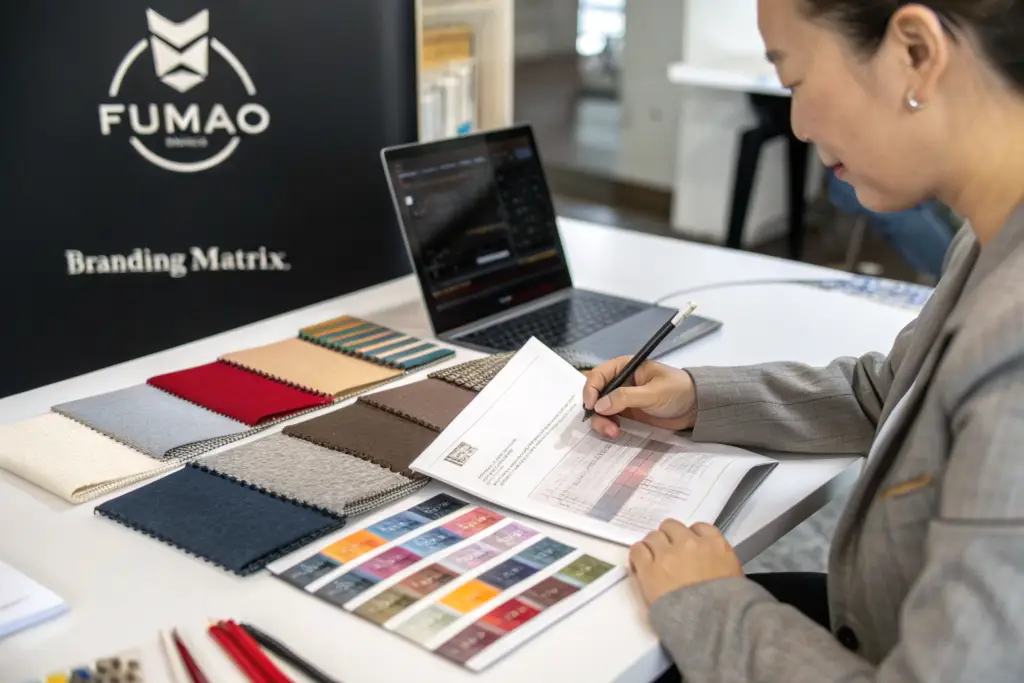
Fumao's expertise in both techniques guides you to the perfect strategic choice. We help you evaluate your specific fabrics, your brand's aesthetic, and your production budget. We can provide a custom "Branding Matrix" of physical samples, showing your logo executed in the different appropriate methods on your chosen materials. We guide you with decades of technical experience, ensuring that your branding method is not just applied, but perfectly engineered to enhance the perceived value of each unique garment.
A new brand founder came to us wanting to "embroider everything" because she thought it was more premium. We showed her a sample of her logo as a beautiful, soft water-based screen print on her signature Tencel jersey. She could immediately feel how much better it preserved the lush handfeel of the fabric. She chose the print for her lightweight pieces and reserved the embroidery for her fleece and outerwear. This is the power of an expert-guided, strategic decision .
What Is a "Branding Decision Matrix" and How Does It Help You Choose the Right Method for Each Product?
We create a custom matrix for your collection. On a single board, you can see and feel your logo as a high-density embroidery, a tonal print, and a puff print on your specific fabrics. This side-by-side, tactile comparison makes the complex technical trade-offs simple and visible. You can make a confident, informed decision based on your own senses.
How Do You Price Both Options Transparently, So We Can Make a Margin-Based Decision?
We provide clear, itemized cost breakdowns for each method at your specific production volume. We break down the setup costs and the per-unit costs. This allows you to make a fully informed financial decision, balancing your aesthetic vision with the required profit margin for each product. This is our commitment to transparent, strategic partnership .
Conclusion
Embroidery can, and often does, add more value than screen printing for garments, particularly for brands that trade on promises of permanence, craftsmanship, and quiet luxury. Its three-dimensional, tactile nature signals a level of investment and quality that a flat print cannot replicate. However, the most sophisticated brands know that the choice is not dogmatic. It is a precise, technical marriage of the right method to the right fabric.
At Shanghai Fumao, we are experts in both the art of embroidery and the science of screen printing. Our role is to guide our B2B partners to the perfect, strategic choice for every single product, ensuring that their branding is a flawless, integrated, and highly profitable expression of their brand's unique identity.
If you are ready to make the perfect branding decision for your collection with an expert partner, let's talk. Our Business Director, Elaine, can walk you through our full range of decoration capabilities. Please email Elaine at: elaine@fumaoclothing.com.