Problem: Storing clothes inefficiently can lead to wrinkles, wasted space, and difficulty finding what you need.
Agitation: If your clothes are stacked too tightly or folded incorrectly, you might struggle with organization and even damage delicate fabrics.
Solution: The best storage method depends on the type of clothing, space availability, and how frequently you access your wardrobe.
The best way to store clothing depends on fabric type, space, and usage frequency. Hanging is ideal for structured garments, while folding works for casual wear. Vertical folding saves space and improves accessibility, while horizontal storage is suitable for bulkier items. Choosing the right method preserves quality and maximizes efficiency.
Proper clothing storage enhances organization and extends garment lifespan. Let’s explore the best storage methods, comparing hanging, folding, and rolling, to find the ideal solution for different clothing types.
What is the best method for storing clothes?
Problem: Many people struggle with messy closets and wrinkled clothes due to poor storage methods.
Agitation: If your clothes are hard to find or damaged from improper storage, your daily routine becomes frustrating.
Solution: The best method depends on clothing type, available space, and personal preference.
The best storage method depends on fabric and closet space. Hanging works for delicate and structured garments, while folding suits casual wear. Rolling saves space and prevents creases. A combination of these methods offers the best results for both organization and preservation.

How do different fabrics affect storage choices?
Certain fabrics require special care. Delicate materials like silk and linen should be hung to prevent wrinkles. Heavy fabrics like wool and denim can be folded to maintain shape. Knitwear should be stored flat to avoid stretching.
| Fabric Type | Best Storage Method |
|---|---|
| Silk, Linen | Hanging |
| Wool, Denim | Folding |
| Knitwear | Flat Storage |
Using the right method based on fabric type prevents damage and extends garment longevity.
How does storage impact organization and accessibility?
Efficient storage makes daily dressing easier. Hanging clothes in categories (e.g., shirts, pants, jackets) saves time. Folding clothes into vertical stacks within drawers allows quick access. Rolling works well for packing and compact storage.
A structured storage system ensures everything is visible and easy to retrieve, reducing clutter and maintaining garment condition.
Is it better to store clothes hanging or folded?
Problem: Choosing between hanging and folding can be confusing, especially when space is limited.
Agitation: If clothes are stored improperly, they can stretch, wrinkle, or take up unnecessary space.
Solution: Understanding which garments should be hung or folded can help optimize storage.
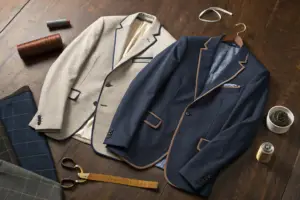
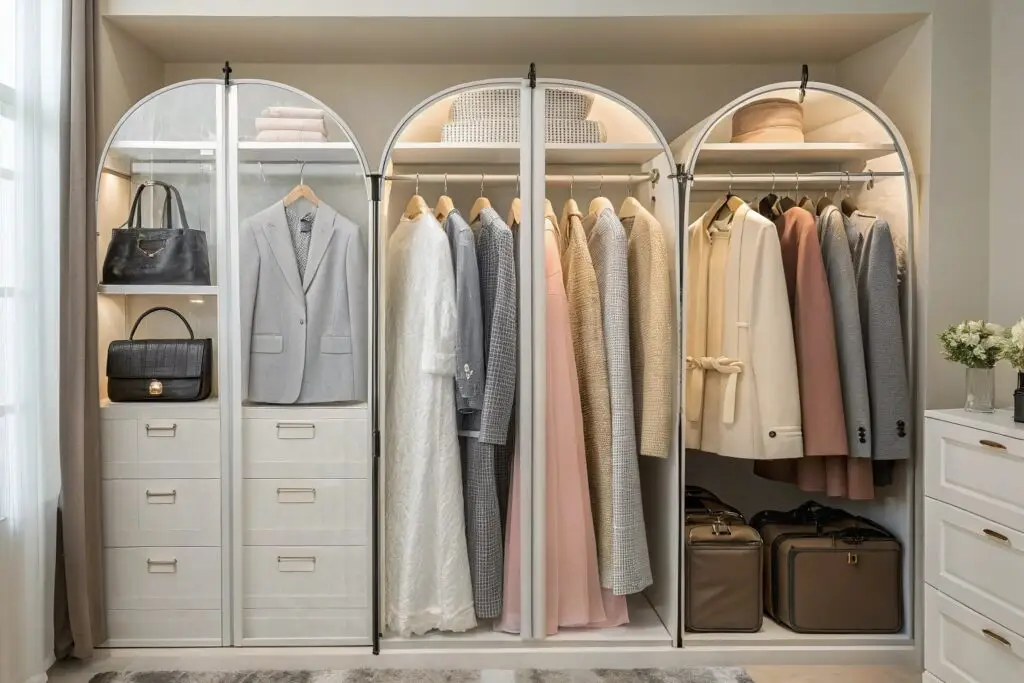
Hanging is best for structured, wrinkle-prone garments like blazers and dresses. Folding works well for knitwear, t-shirts, and jeans. A mix of both methods helps preserve clothes and maximize space efficiency.

What are the benefits of hanging clothes?
Hanging helps maintain the shape of structured garments. It also prevents deep creases and allows airflow, reducing moisture buildup.
Pros of hanging:
- Prevents wrinkles
- Preserves shape
- Allows easy access
However, hanging can take up more space and isn't suitable for all fabrics, such as knits that may stretch over time.
What are the benefits of folding clothes?
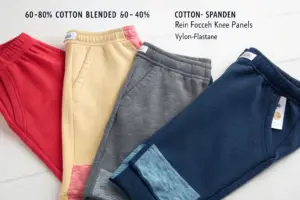
Folding saves space and is ideal for soft, flexible fabrics. It prevents stretching and is useful for deep storage solutions.
Pros of folding:
- Saves closet space
- Ideal for heavy fabrics
- Prevents stretching
Using both hanging and folding strategically helps maintain an organized and accessible wardrobe.
What is the best way to store clothes long term?
Problem: Improper long-term storage can lead to mold, moth damage, or fabric deterioration.
Agitation: Storing clothes without considering environmental factors can cause them to lose quality.
Solution: Use breathable containers, climate-controlled storage, and proper folding techniques.
The best way to store clothes long term is to use breathable garment bags, vacuum-sealed storage for seasonal wear, and moisture control. Keeping clothes clean and folded properly prevents damage over time.
How do storage conditions affect long-term preservation?
Temperature and humidity play key roles in fabric preservation. Clothes should be stored in cool, dry places to prevent mold and insect damage.
| Storage Factor | Best Practice |
|---|---|
| Temperature | Keep under 75°F (24°C) |
| Humidity | Below 50% to prevent mold |
| Airflow | Use breathable storage bags |
Using cedar blocks or lavender sachets can help deter pests while keeping clothing fresh.
What are the best containers for long-term storage?
Plastic bins, vacuum-sealed bags, and fabric storage boxes each have their benefits.
- Plastic bins: Protect against dust and moisture
- Vacuum-sealed bags: Save space but not ideal for delicate fabrics
- Fabric storage boxes: Allow breathability and prevent mildew
Choosing the right storage container ensures clothes remain fresh and undamaged for years.
Is it better to fold or roll clothes for storage?
Problem: Clothes can take up too much space if not stored efficiently.
Agitation: Bulky stacks or poorly folded clothes make organization difficult and lead to wrinkles.
Solution: Folding or rolling can be used strategically depending on storage needs.
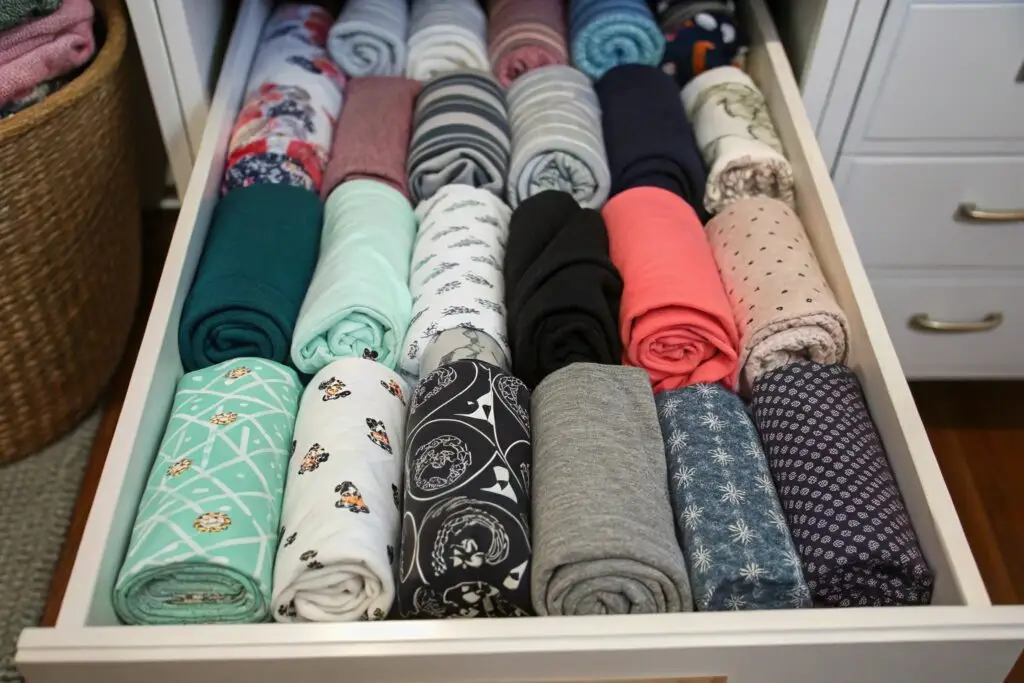
Rolling clothes saves space and prevents deep creases, making it ideal for travel. Folding keeps garments structured and accessible, perfect for daily use. A mix of both techniques offers the best storage efficiency.
When should you fold clothes instead of rolling them?
Folding is better for structured garments and thick fabrics that don’t easily compress. It also allows for neat stacking in drawers.
Best for folding:
- Jeans and pants
- Sweaters and heavy fabrics
- Dress shirts and blouses
Folding helps keep heavier clothes organized without creating unnecessary bulk.
When is rolling a better option?
Rolling is useful for lightweight garments and travel packing. It minimizes wrinkles and saves space in suitcases or storage bins.
Best for rolling:
- T-shirts and tank tops
- Pajamas and undergarments
- Athletic wear
Using a combination of rolling and folding helps maximize storage efficiency while keeping clothes in good condition.
Conclusion
The best clothing storage method depends on the garment type, available space, and storage duration. Hanging works for structured clothes, folding suits casual wear, and rolling saves space. Using breathable storage options and proper organization keeps clothes fresh and accessible. By choosing the right method, you can maintain a neat, efficient wardrobe.