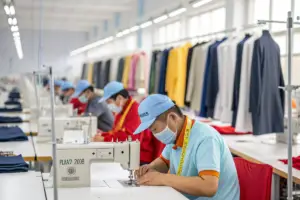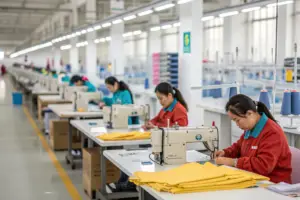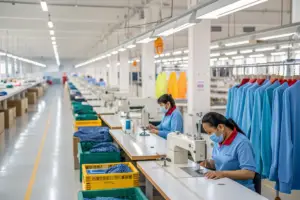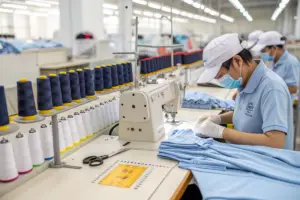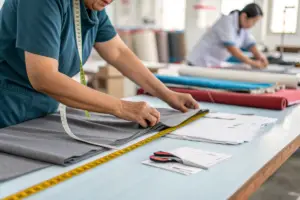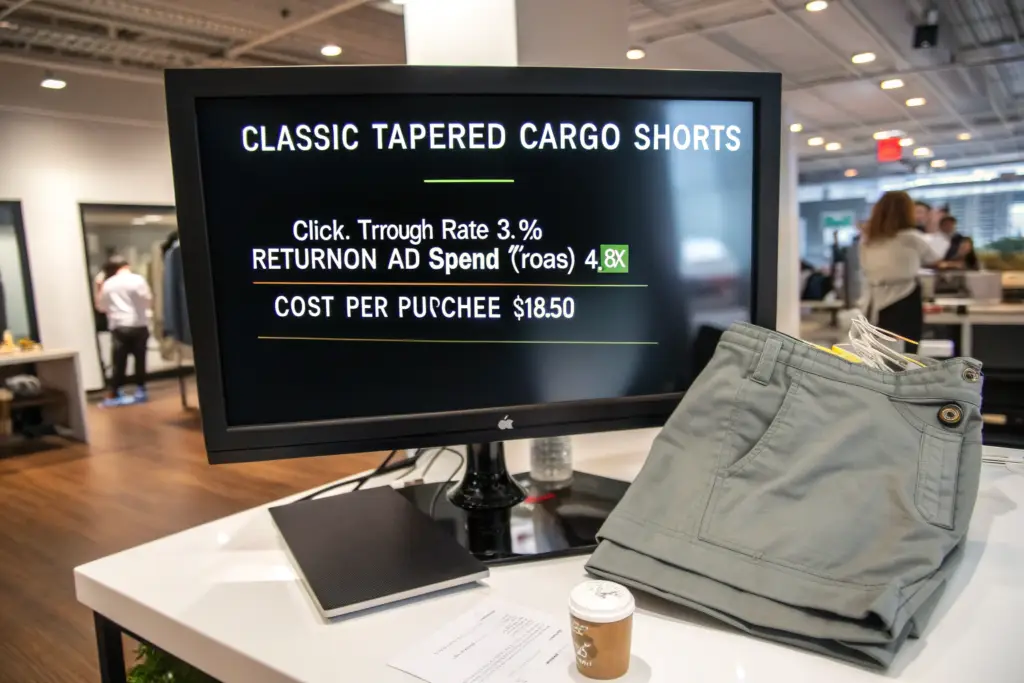
About six months ago, I started noticing an unusual pattern in the production orders coming through our factory. Multiple brands, all direct-to-consumer, all running their primary customer acquisition through Facebook and Instagram ads, were placing orders for the same specific product: a classic cargo short with a tapered leg. The fabric was a cotton twill with a slight mechanical stretch. The pockets were traditional cargo pockets on the thigh, but they were flat, not bulky. The leg tapered gently from the knee to the hem, creating a tailored silhouette rather than the boxy, baggy fit of a traditional cargo short. I asked one of the brand owners why this specific style was working. His answer was simple. "It is the only short that looks good in a Facebook video ad."
Classic cargo shorts with tapered legs are performing well on Facebook Ads now because they combine a high "thumb-stopping" visual contrast in the Meta feed, a utilitarian, structured garment against a polished, casual aesthetic, with an exceptionally broad demographic appeal that spans practical, utility-focused older consumers and fashion-forward, silhouette-conscious younger consumers, creating a rare product with the mass-market reach and the creative flexibility to drive efficient customer acquisition at scale in a competitive digital advertising environment.
At Shanghai Fumao, I manufacture this exact product for several of the brands that are currently winning in this space. The tapered cargo short is a fascinating case study in how product design, platform dynamics, and consumer psychology intersect to create a digital advertising winner. Let me walk you through exactly why this style is crushing it on Meta right now.
What Makes the Tapered Cargo Short a "Thumb-Stopping" Creative Asset?
The first challenge of any Facebook ad is stopping the user from scrolling. The average user scrolls through the feed at a rapid pace, processing each piece of content in a fraction of a second. An ad that does not interrupt this scroll pattern is invisible, regardless of how well-targeted it is or how good the offer is. The creative asset itself, the image or video, must make the user pause. The tapered cargo short, for specific visual reasons, is exceptionally effective at doing this.
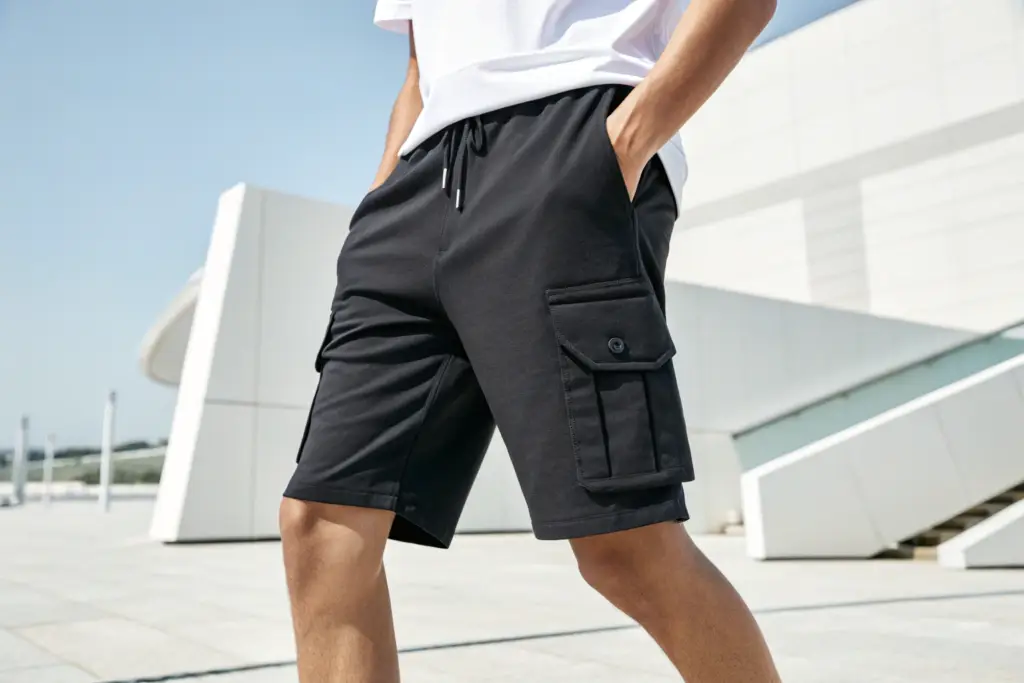
The tapered cargo short is a high-performing "thumb-stopping" creative asset on Meta because its visual silhouette creates a strong contrast with the formless, casual loungewear that dominates the feed, offering a sense of structure, utility, and "put-togetherness" that captures attention, while its streamlined, tailored leg profile avoids the negative, baggy associations of traditional cargo shorts that would cause younger audiences to scroll past, making it visually appealing to both the practical consumer seeking functionality and the style-conscious consumer seeking a modern silhouette.
Why Does the Silhouette Contrast with the Feed Environment?
The modern social media feed is filled with images of people in soft, unstructured clothing. Sweatpants, hoodies, oversized t-shirts, and baggy shorts dominate the visual landscape. These garments are comfortable, but they do not create a strong visual silhouette.
A pair of tapered cargo shorts, with their structured cotton twill fabric, their defined pockets, and their tailored leg, creates a completely different visual signal. The shorts have shape. They have detail. They look intentional. When a user is scrolling through a feed of soft, shapeless clothing images, a photograph or video of a man in a structured, well-fitting pair of cargo shorts stands out. The contrast is visual and psychological. The shorts communicate capability, activity, and engagement with the world. This visual contrast in social media advertising principle is a fundamental driver of high-performing creative.
How Does the Tapered Leg Solve the "Dad Short" Perception Problem?
The traditional cargo short has an image problem. The classic fit is loose through the leg, with a wide leg opening that falls straight from the hip. On a younger consumer, this silhouette reads as dated, unflattering, and paternal. It is the short of the suburban dad mowing the lawn. For a brand targeting men under 45 on Facebook and Instagram, this association is deadly.
The tapered leg solves this problem surgically. The gentle inward taper from the knee to the hem creates a more tailored, contemporary silhouette that mirrors the fit of a well-cut chino. The short still has the utility of the cargo pockets, but the overall shape reads as modern and intentional, not baggy and dated. The brand can show the short on a younger model, styled with a clean sneaker and a fitted tee, and it does not look like a costume. The user who would scroll past a traditional cargo short stops on the tapered version because it looks like a short he would actually wear. This product design for social media visual appeal insight is one of the primary reasons this specific style is winning on Meta.
How Does the Tapered Cargo Short Appeal to a Broad Demographic Range?
A Facebook ad campaign achieves efficient scale when it can successfully target a broad audience without fragmenting into dozens of micro-segments. A product that appeals only to a narrow demographic requires expensive, precise targeting. A product that appeals across demographic lines can be targeted broadly, allowing the Meta algorithm to optimize and find conversions efficiently. The tapered cargo short possesses this broad appeal in a way that few other bottoms do.
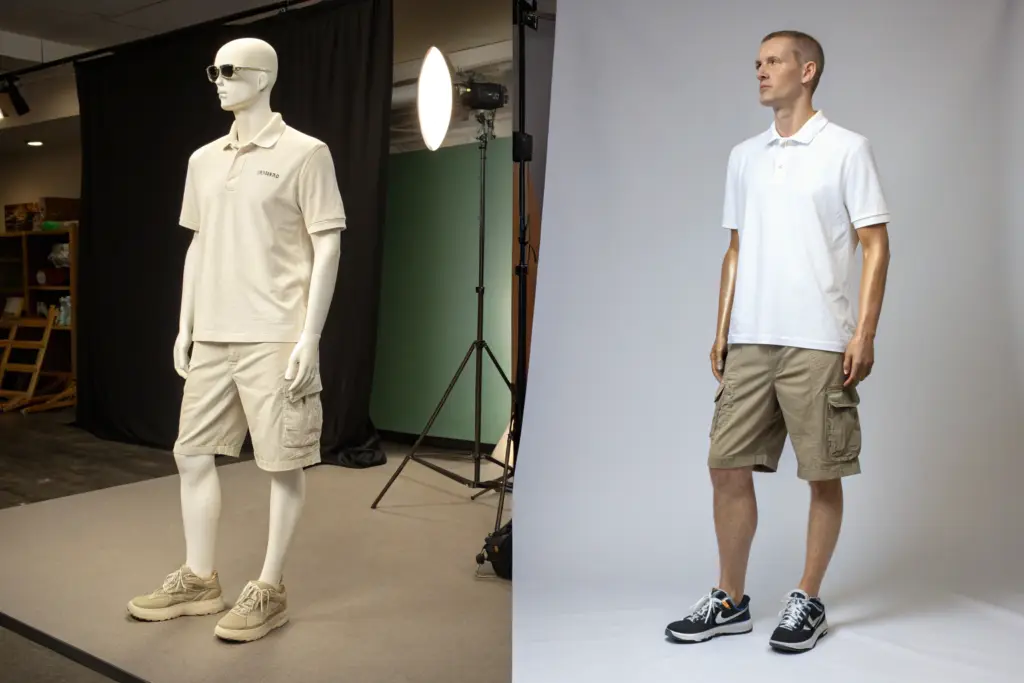
The tapered cargo short achieves broad demographic appeal by bridging the gap between two distinct consumer psychographics that are normally difficult to reach with a single product: the pragmatic, older consumer, typically male and over 35, who values the functional utility of cargo pockets for carrying daily essentials such as a phone, wallet, and keys, and who has historically purchased traditional cargo shorts; and the fashion-conscious, younger consumer, typically under 35, who is drawn to the modern, tailored silhouette and the utilitarian, workwear-inspired aesthetic that has been popularized by streetwear and heritage menswear brands, allowing a single ad campaign to convert both audiences.
Why Do Older Consumers Remain Loyal to Cargo Functionality?
The male consumer over 35, and especially over 45, has been wearing cargo shorts for decades. He wears them because they are practical. The cargo pockets hold his phone, his wallet, his keys, and his sunglasses. He does not carry a handbag. He values the utility.
This consumer is not motivated by fashion trends. He is motivated by function, comfort, and familiarity. He will continue to buy cargo shorts as long as they are available. However, he is aware that his traditional, baggy cargo shorts are not considered stylish. He may be self-conscious about this. The tapered cargo short offers him a solution. It provides the same functional cargo pockets in a more modern, tailored silhouette. He can wear it and feel that he looks appropriate, not dated. This demographic loyalty to functional apparel is a stable, long-term demand driver.
How Does the Workwear Trend Make Cargo Pockets Acceptable to Younger Consumers?
The younger male consumer, under 35, is not wearing cargo shorts for the utility. He is wearing them for the aesthetic. The workwear trend, popularized by heritage brands, Japanese streetwear, and the broader utilitarian fashion movement, has made functional details like cargo pockets, hammer loops, and reinforced knees fashionable.
For this consumer, the cargo pocket is a design detail, not a storage solution. He may never put anything in the pocket. He wears the short because the pocket communicates a certain rugged, utilitarian authenticity. The tapered leg is essential for this consumer. A baggy cargo short reads as an actual utility garment, which is not what he wants. A tapered cargo short reads as a fashion garment that references utility. This workwear and utilitarian trend in menswear adoption of cargo pockets by fashion-conscious consumers has transformed the category and opened it up to an entirely new demographic.
What Ad Creative Angles and Copy Frames Convert Best for This Product?
A great product is necessary but not sufficient for Facebook ad success. The product must be presented through a creative angle and a copy frame that resonates with the target audience and compels the click. The most effective creative angles for the tapered cargo short address the specific anxieties and desires that the product resolves. The copy must name the problem and present the product as the solution.
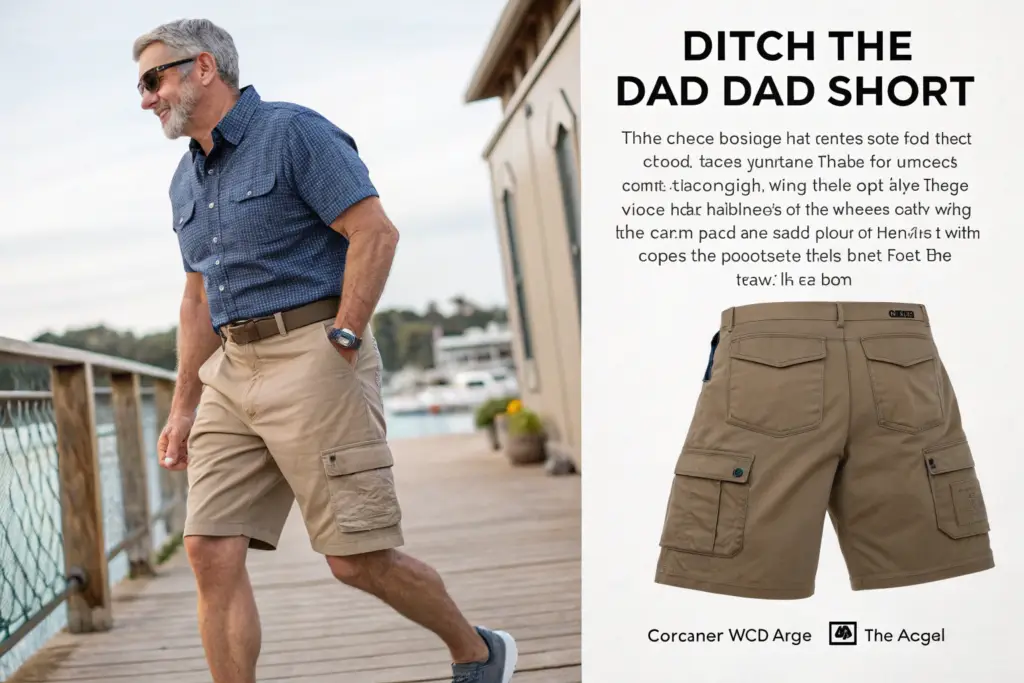
The highest-converting creative angles for tapered cargo shorts on Facebook Ads frame the product as the solution to a specific, relatable problem: the "Ditch the Dad Short" angle directly addresses the style anxiety of the older consumer who wants cargo functionality but does not want to look dated; the "Utility Without the Bulk" angle speaks to the practical consumer who needs pockets but hates the bulky, heavy feel of traditional cargo shorts; and the "Modern Workwear" angle appeals to the younger, style-conscious consumer by positioning the short within the context of the heritage and utilitarian fashion trend, with the most effective copy employing a direct, benefit-driven structure that leads with the problem and immediately presents the tapered cargo short as the resolution.
Why Does the "Ditch the Dad Short" Angle Work Across Audiences?
The "Dad Short" is a universally recognized negative archetype. The older consumer recognizes it and does not want to be it. The younger consumer recognizes it and definitely does not want to be it. The phrase is emotionally charged. It evokes a specific, unflattering image.
An ad that uses this angle leads with the problem. "Still wearing those baggy, shapeless cargo shorts? It is time for an upgrade." It then presents the product as the solution. "Introducing the Tapered Cargo Short. All the utility, none of the dad vibes." The ad copy validates the consumer's style anxiety while providing the resolution. This problem-solution copywriting in social media ads framework is highly effective because it meets the consumer where they are, in their dissatisfaction with their current option, and guides them to the purchase.
How Do Benefit-Driven Visuals Outperform Feature-Driven Visuals?
A photograph that shows a pair of cargo shorts laid flat, with callouts pointing to the pocket, the zipper, and the fabric, is a feature-driven visual. It communicates information. A photograph or video that shows a man wearing the shorts, walking through a city, with the shorts fitting well, moving comfortably, and looking stylish, is a benefit-driven visual. It communicates experience.
The benefit-driven visual consistently outperforms the feature-driven visual in social media advertising. The consumer is not buying cargo pockets. They are buying the feeling of being organized, prepared, and stylish. The creative asset must show that feeling. The video of the wearer confidently navigating their day, with the shorts performing perfectly, communicates the benefit far more effectively than any list of features. This benefit-driven vs feature-driven social media creative principle is well-established in advertising psychology.
Why Are the Supply Chain Economics of This Product Favorable for DTC Brands?
The performance of a product on Facebook Ads is not solely a function of the creative and the targeting. The unit economics of the product must support the advertising cost. A product with a low margin cannot sustain the cost-per-acquisition that Meta advertising requires. A product with a high return rate erodes the margin through reverse logistics costs. The tapered cargo short, from a supply chain and unit economics perspective, is a structurally favorable product for the DTC advertising model.
The tapered cargo short offers favorable unit economics for DTC brands advertising on Meta because its manufacturing cost is only moderately higher than a basic chino short, due to the additional pocket construction, while its perceived value, driven by the utility and the tailored design, supports a retail price premium of 15% to 25% over a basic short, generating a higher gross margin per unit that absorbs the cost of customer acquisition, while the style's tendency to generate repeat purchases in different colors drives a higher customer lifetime value.

How Does the Manufacturing Cost Compare to the Perceived Value?
The manufacturing cost of a tapered cargo short is higher than a basic flat-front chino short. The cargo pockets require additional fabric, additional cutting, additional sewing operations, and additional trims such as pocket flaps, buttons, or snaps. The FOB cost is typically 15% to 20% higher than an equivalent basic short.
However, the perceived value of the cargo short is significantly higher than a basic short. The consumer sees the pockets, the flaps, the additional construction details, and understands that the garment is more complex and more functional. The brand can price the tapered cargo short at a 20% to 30% premium over its basic chino short, generating a higher dollar margin per unit even after the higher manufacturing cost. This favorable ratio of perceived value to manufacturing cost is a key driver of the product's profitability in an advertising-intensive DTC model. This perceived value pricing in apparel advantage is structural, not promotional.
Why Does This Style Drive Higher Repeat Purchase Rates?
A basic chino short is a commodity. The customer who buys a khaki chino short from one brand is equally likely to buy their next pair from a different brand. The brand has not created any unique value or loyalty.
The tapered cargo short, in its specific, brand-executed design, is a differentiated product. The customer who buys the olive version, wears it, and receives compliments on the fit and the look, is significantly more likely to return to the same brand to purchase the black version, the navy version, and the stone version. The brand has created a product that the customer cannot easily find elsewhere, with the exact same pocket design, the exact same taper, and the exact same fit. The repeat purchase rate on this style is consistently higher than on basic shorts. This higher lifetime value supports a higher initial customer acquisition cost. This product differentiation and customer retention in DTC dynamic is the financial engine of the tapered cargo short's ad success.
Conclusion
The classic cargo short with a tapered leg is performing well on Facebook Ads right now because it sits at the intersection of three favorable dynamics. Visually, the structured, tailored silhouette creates a powerful contrast in the Meta feed, stopping the scroll of consumers who are accustomed to seeing shapeless, casual clothing. Demographically, the product spans the gap between older, utility-focused cargo loyalists and younger, style-conscious workwear enthusiasts, enabling broad, efficient targeting. Economically, the favorable ratio of manufacturing cost to perceived value generates the gross margins that sustain the DTC advertising model, while the product's differentiation drives repeat purchases and customer lifetime value.
For brands that are competing in the crowded DTC menswear space on Meta, the tapered cargo short represents a strategically sound product to build campaigns around. It is not a fad. It is a structural improvement on a classic, functional garment, executed in a way that aligns with contemporary taste and digital advertising dynamics.
At Shanghai Fumao, I manufacture this exact product for several of the brands that are winning with it. We have refined the pattern, the construction, and the pocket design over multiple production runs. If you are a DTC brand looking to add this high-performing style to your line, contact our Business Director, Elaine, at elaine@fumaoclothing.com. Let's build a cargo short that stops the scroll.