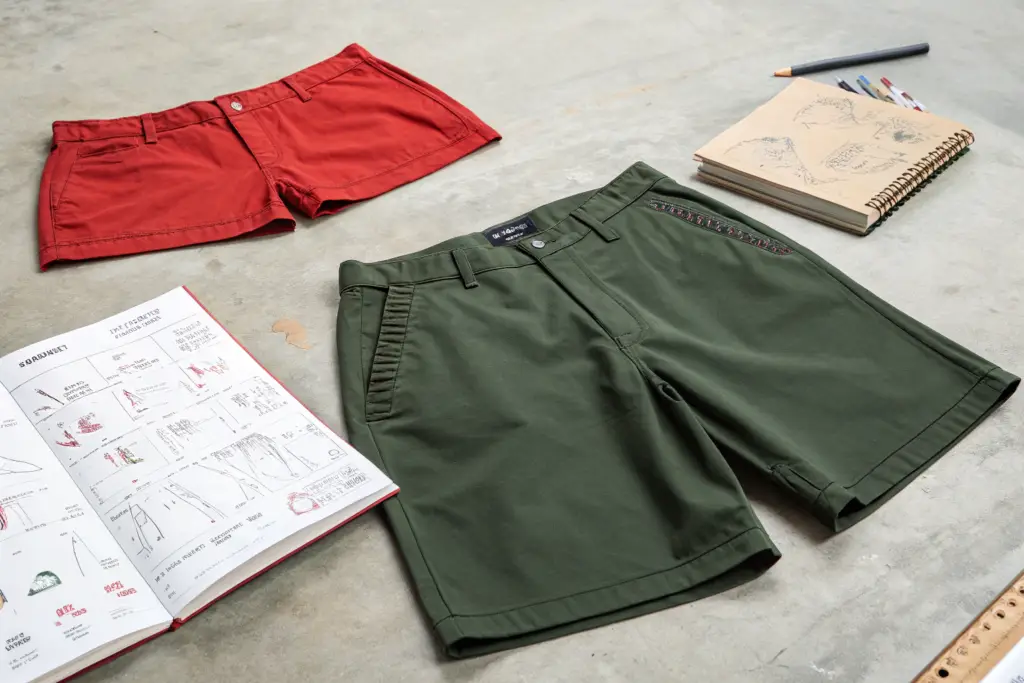
About two years ago, a buyer from a high-end Japanese select shop sat in my showroom. He had spent the previous three days walking the floors of a major trade show in Tokyo, looking at hundreds, perhaps thousands, of classic shorts. He was exhausted by sameness. Every brand had a khaki chino. Every brand had a navy twill. Every brand had a flat front and a 7-inch inseam. He picked up one of our samples. It was a short made from a deadstock Japanese cotton-linen blend, with a unique curved waistband that wrapped slightly higher at the back, a single, hidden coin pocket inside the right front pocket, and mother-of-pearl buttons sourced from a small workshop in Vietnam. He turned it over in his hands. "This," he said, "is the first short I have seen in three days that I could not find from anyone else. This is what 'rare' actually looks like."
In a saturated clothing market, a "rare style" of classic shorts is defined not by radical, avant-garde design, which would violate the very definition of "classic," but by the accumulation of several small, nearly invisible points of differentiation that are impossible for the mass market to replicate efficiently: a proprietary fabric sourced from a limited, deadstock, or artisan production run; a single, functionally elegant construction detail, such as a curved waistband or a hidden pocket, that requires skilled labor; and a set of unique, natural trims, such as genuine mother-of-pearl buttons or a hand-finished hem, all of which combine to create a garment that looks, to the untrained eye, like a simple classic short, but that reveals its rarity and its value upon touch, wear, and close inspection.
At Shanghai Fumao, I have built a specific reputation for manufacturing these kinds of rare, subtly differentiated shorts. The brands that come to me are not looking for a commodity. They are looking for a product that cannot be easily copied, that tells a story, and that justifies a premium price in a market flooded with the generic. Let me walk you through the specific elements that create genuine rarity.
How Does a Proprietary or Deadstock Fabric Create Instant Rarity?
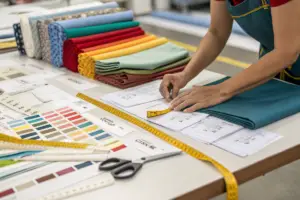
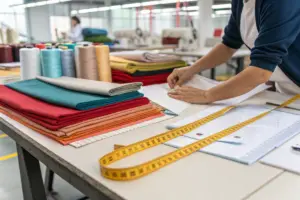
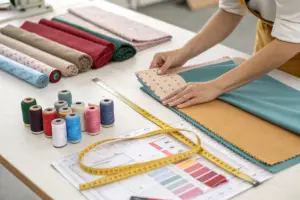
The most powerful and defensible form of rarity in the apparel industry is material rarity. A fabric that is no longer in production, that was made in a limited quantity from a specific harvest or a specific mill run, or that requires an artisan production technique that cannot be scaled, creates a product that is, by its physical nature, limited. The brand that sources such a fabric can make only as many shorts as the fabric allows. This scarcity is authentic, not artificially created by a marketing campaign.
A proprietary or deadstock fabric creates an authentic, defensible rarity for classic shorts because the material itself is the source of scarcity, providing a genuine limit on the number of units that can be produced, a unique visual and tactile character that cannot be found in any other product on the market, and a compelling, documentable product story, the history of the mill, the origin of the fiber, and the reason the fabric is no longer available, that becomes the foundation of the marketing narrative and the justification for a premium price.
What Is the Difference Between Deadstock and Simply "Custom" Fabric?
A custom fabric is a fabric that a brand develops specifically for its own use. The brand selects the yarn, the weave, and the finish. The fabric is exclusive to that brand. This is a valid form of differentiation, but it is not rare in the same way that deadstock is rare. A custom fabric can be reordered. The mill can produce more. The exclusivity is contractual, not physical.
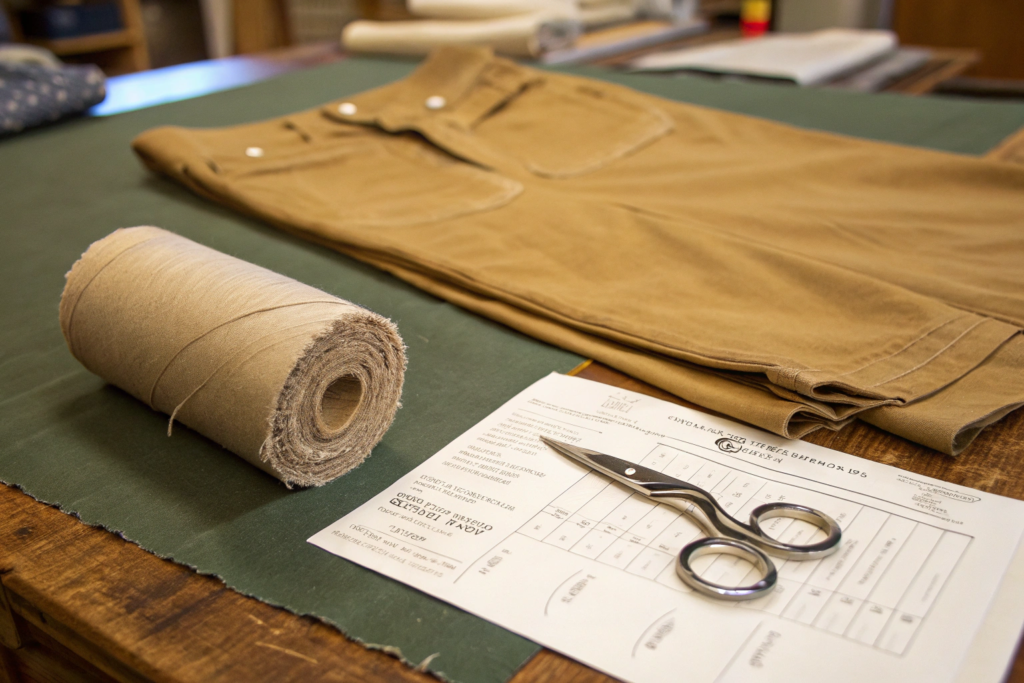
A deadstock fabric is a fabric that exists in a finite quantity. It is leftover from a previous production run, often from a high-end mill, that is no longer being produced. When the roll is gone, it is gone. The brand cannot reorder it. The shorts made from this fabric are, by definition, a limited edition. This physical scarcity is a powerful marketing asset. The brand can truthfully say, "Only 200 pairs of these shorts exist." This is a claim that a custom fabric cannot make. This sourcing deadstock and vintage fabrics for limited edition apparel explains the process and the value of deadstock materials.
How Do You Source and Verify a Genuinely Rare Fabric?
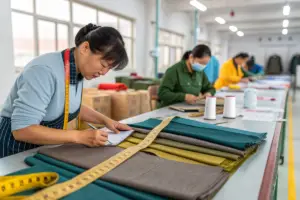
Sourcing deadstock fabric requires a different network and a different approach than sourcing standard fabric from a mill. Deadstock is found through specialist agents, through relationships with mills that hold archive stock, and through the informal networks of the textile industry. It cannot simply be ordered from a catalog.
The verification of the fabric's rarity is part of its value. The supplier should provide documentation, a mill certificate, a roll number, and a letter attesting to the fabric's origin and its limited quantity. This documentation should be passed on to the consumer, either on a hangtag or on the product page, as proof of the garment's rarity. The story of the fabric, the mill, the fiber, and the discovery of the deadstock roll becomes a central part of the brand's marketing. This fabric provenance and supply chain transparency explains the importance of documenting a material's origin.
What Specific Construction Details Are Too Labor-Intensive for Mass Replication?
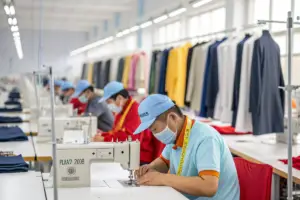
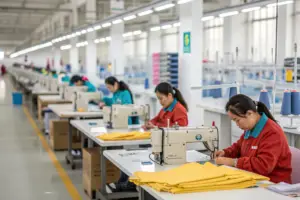
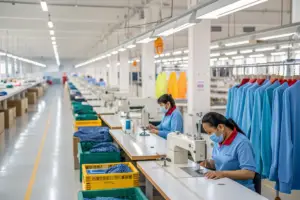
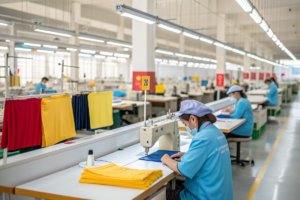
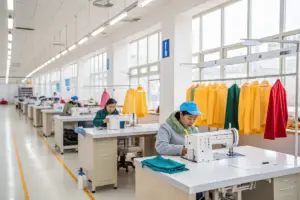
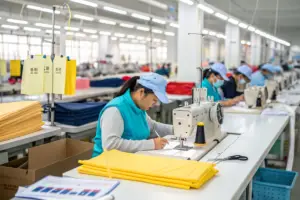
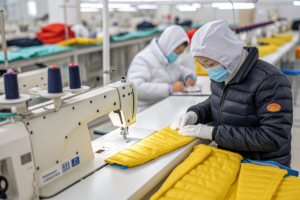
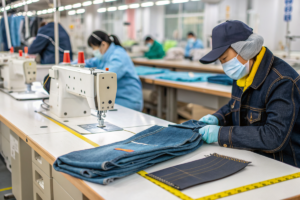
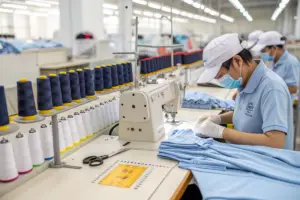
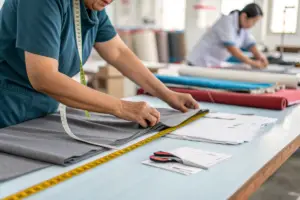
The second source of genuine rarity in a classic short is a construction detail that is too skilled, too time-consuming, or too difficult for the mass market to replicate. The large factories that produce shorts for the major brands and retailers are optimized for speed, efficiency, and low labor cost. They will not, and often cannot, execute a construction detail that requires a significant amount of skilled hand labor. These details become the defining mark of a rare, premium product.
Labor-intensive construction details create rarity because they act as a barrier to mass replication, with the specific techniques that achieve this including a true contoured or split-back waistband, which requires skilled pattern cutting and hand-finishing to create a clean, curved fit, hand-finished internal seams using French seams or bound seams that enclose all raw edges, a process that adds significant sewing time but creates an interior that is as beautiful as the exterior, and functional, hand-sewn details such as a pick-stitched fly, a hand-finished hem, or a button fly with hand-sewn buttonholes, all of which require a level of skilled labor that the mass market has systematically eliminated from its production processes.
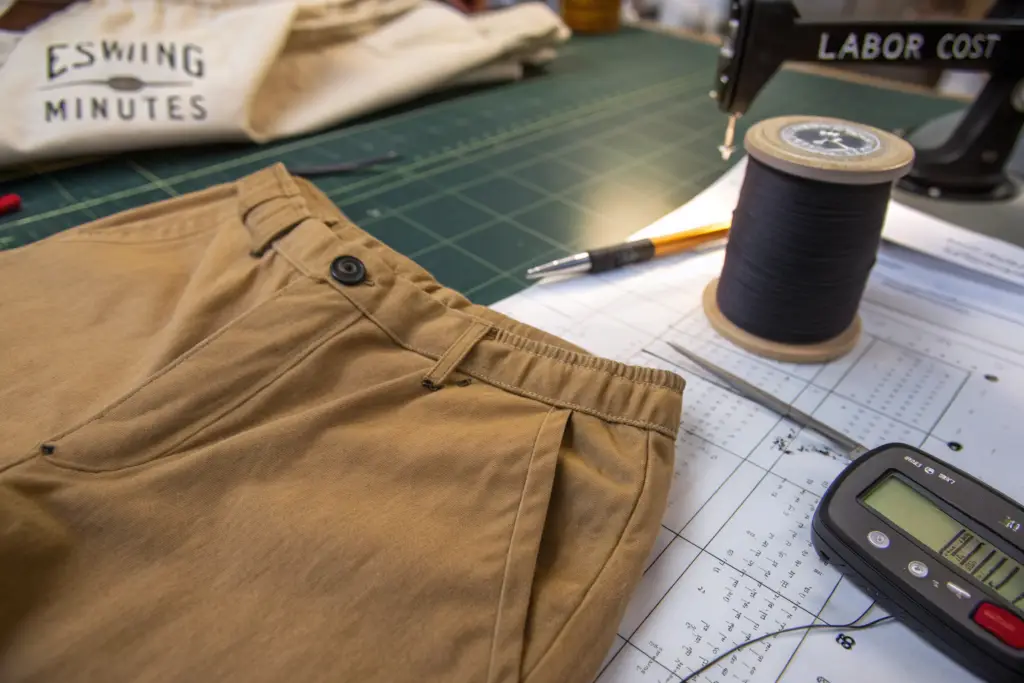
Why Is a Curved, "Split-Back" Waistband a Marker of a Rare Short?
The vast majority of shorts, from the cheapest to the most expensive, are made with a straight waistband. A straight waistband is a simple strip of fabric, cut on the straight grain, that is sewn around the top of the short. It is efficient to cut and easy to sew. It does not, however, perfectly follow the curve of the human body, which is why straight waistbands often gape at the back.
A curved waistband, sometimes called a contoured or split-back waistband, is cut on a curve, with a center back seam. It is more difficult to cut, because the curve wastes fabric, and more difficult to sew, because the curve must be perfectly handled to avoid puckering. A well-executed curved waistband hugs the body perfectly, eliminates the back gap, and signals to anyone who understands garment construction that this short was made with an unusual level of care and skill. This waistband construction techniques for premium trousers and shorts explains the technical details of a curved waistband.
How Do French-Seamed Interiors Signal a Different Level of Quality?
The interior of a mass-produced short is finished with an overlock stitch, a fast, efficient way to bind the raw edge of the fabric to prevent fraying. The stitching is functional but not beautiful. A rare, premium short will often have its internal seams finished with French seams or bound seams. A French seam encloses the raw edge entirely within the seam, creating a clean, self-finished interior. This process takes significantly more time and skill than overlocking. It is a mark of a garment that was made slowly and carefully, with an attention to detail that extends to the parts the customer does not normally see. This level of internal finishing is a powerful signal of rarity and quality to the consumer who discovers it. This internal seam finishing in luxury garment construction explains the different levels of interior finishing.
How Do Unique, Natural Trims Elevate a Short from Commodity to Rare?
The trims, the buttons, the zipper, the rivets, and the labels, are the final opportunity to create rarity in a classic short. The mass market uses generic, mass-produced trims: plastic buttons stamped out by the millions, and standard zippers pulled from a bin. The rare short uses trims that are themselves rare, either because they are made from a natural, precious material, or because they are produced by a small, specialized workshop in limited quantities.
Unique, natural trims elevate a classic short from commodity to rare by providing a tactile and visual experience that is impossible to achieve with synthetic, mass-produced components, with genuine mother-of-pearl, real horn, corozo nut, or custom-engraved metal buttons offering a cool-to-the-touch weight, a deep, organic luster, and a natural, irregular grain that mass production cannot replicate, and each trim carrying its own micro-story of origin and craftsmanship that adds another layer of authenticity and value to the finished garment.
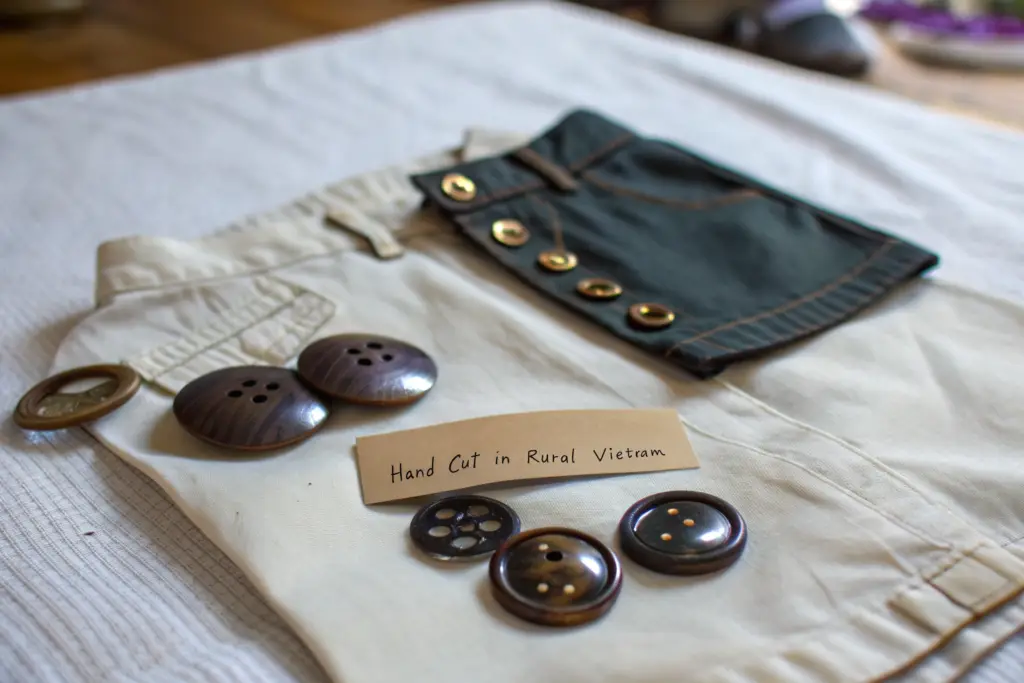
What Is the Visual and Tactile Difference of a Genuine Mother-of-Pearl Button?
A standard plastic resin button is lightweight, uniform in color, and slightly warm to the touch. It looks and feels mass-produced. A genuine mother-of-pearl button is heavier, cool to the touch, and possesses an iridescent, shimmering depth that changes in different lights. Each button has a unique, subtle pattern within the shell. The consumer who touches a mother-of-pearl button experiences, in that fraction of a second, a signal of quality, rarity, and natural beauty that no plastic button can replicate. The cost difference is a matter of cents per button. The perceptual difference is a matter of a significantly higher retail price that the garment can command. This luxury button materials and their impact on garment value explains the hierarchy of button materials.
How Do You Source Trims That Carry a "Micro-Story"?
The rarity and value of a trim are amplified when the trim carries a story. A mother-of-pearl button is beautiful. A mother-of-pearl button that is hand-cut by a family workshop in a specific village in Vietnam, from shells that are a byproduct of the local food industry, is beautiful and meaningful. The story of the trim becomes part of the story of the garment. The consumer is not just buying a short with nice buttons. They are buying a short that contains a small piece of a specific place and a specific craft tradition.
Sourcing these trims requires developing direct relationships with small, artisanal suppliers, often through personal networks and travel. It is time-consuming work, but it is work that creates a genuine, defensible competitive advantage. The trim story is a unique piece of intellectual property that a competitor cannot easily copy. This sourcing artisan and handcrafted garment trims explains how to find and build relationships with artisan suppliers.
Conclusion
In a saturated clothing market, a "rare style" of classic shorts is not defined by a radical new silhouette or a loud, attention-grabbing design. It is defined by a quiet accumulation of rare, difficult-to-replicate details. A deadstock or proprietary fabric that physically limits the number of units that can be made. A labor-intensive construction detail, such as a curved waistband or a French-seamed interior, that the mass market cannot economically reproduce. A set of unique, natural trims, each carrying its own micro-story of origin and craft, that provide a tactile and visual experience that mass production cannot match.
These elements work together to create a garment that looks, to the casual observer, like a simple, classic short, but that reveals its value and its rarity over time, through touch, through wear, and through the quiet appreciation of its owner. This is the definition of rare luxury in a world of abundant, generic goods.
At Shanghai Fumao, I specialize in helping brands develop these rare, subtly differentiated shorts. I have the fabric sources, the pattern-making expertise, the skilled labor, and the artisan trim suppliers to bring a genuinely rare product to life. If you are a brand that is tired of competing on price and is ready to build a product that cannot be found anywhere else, contact our Business Director, Elaine, at elaine@fumaoclothing.com. Let's create something that the market has never seen.