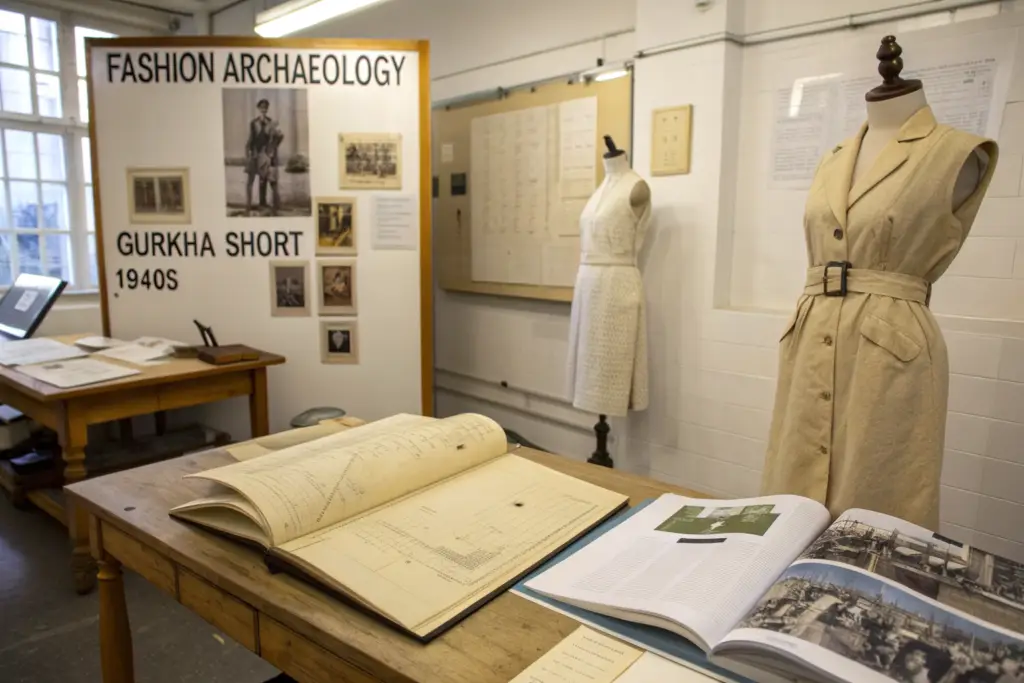
About three years ago, I was visiting a textile archive in Prato, Italy, with a buyer from a Parisian contemporary brand. She was looking for inspiration, not for a trend, but for something that felt genuinely new because it was genuinely old. We spent hours going through swatch books and pattern catalogues from defunct tailoring houses. In a leather-bound book from a shuttered shirtmaker in Naples, she found a small, precise technical drawing of a pair of shorts. They had a deep, double-pleated front, a high waist with a self-fabric belt, and a cuffed hem. The drawing was dated 1938. The buyer traced her finger over the lines and said, "No one makes this anymore. This is exactly what my customer wants, but she does not know it exists." She asked me if I could bring it back to life. I could. We did.
Fumao Clothing revives forgotten classical shorts styles for the modern European market by acting as a bridge between the rich, documented archive of early-to-mid-20th-century tailoring and the contemporary consumer who is increasingly seeking authenticity, proportion, and a tactile connection to the past, through a process of historical research, where we source original patterns, photographs, and garments from archives, museums, and private collections; technical reconstruction, where our pattern makers deconstruct the original garment's architecture and rebuild it using modern materials and construction standards; and strategic modernization, where subtle, non-destructive adjustments are made to the fit, the fabric, and the styling so that the revived garment feels like a deliberate, relevant design choice rather than a historical costume.
At Shanghai Fumao, I have built a specific capability that most factories do not have. We do not just produce shorts from tech packs provided by brands. We actively research, reconstruct, and revive historical shorts styles. This is a passion, but it is also a business strategy. The European market, with its deep appreciation for heritage, craftsmanship, and authentic product storytelling, rewards this work. Let me walk you through the process.
How Does the Archival Research Process Unearth a Viable Product?
The revival of a forgotten shorts style does not begin on a design board. It begins in an archive. The historical record of menswear, from military specification documents to tailor's pattern books to surviving garments in museums and private collections, is vast and remarkably detailed. The information is there. The challenge is accessing it and translating it into a viable commercial product. We have invested years in building relationships with archives, collectors, and historians who grant us access to these primary sources.
The archival research process that identifies a viable classic shorts style for revival involves tracing the garment's documented history, from its original functional purpose, often military or sporting, through its civilian adoption and its peak cultural moment, to its eventual decline and disappearance from the market, providing not just a set of measurements and construction details but a complete cultural narrative that explains why the garment existed, what problem it solved, and what values it represented, a narrative that becomes the foundation of the product's marketing and its appeal to the modern European consumer.
What Are the Key Sources for Historical Shorts Patterns and Garments?
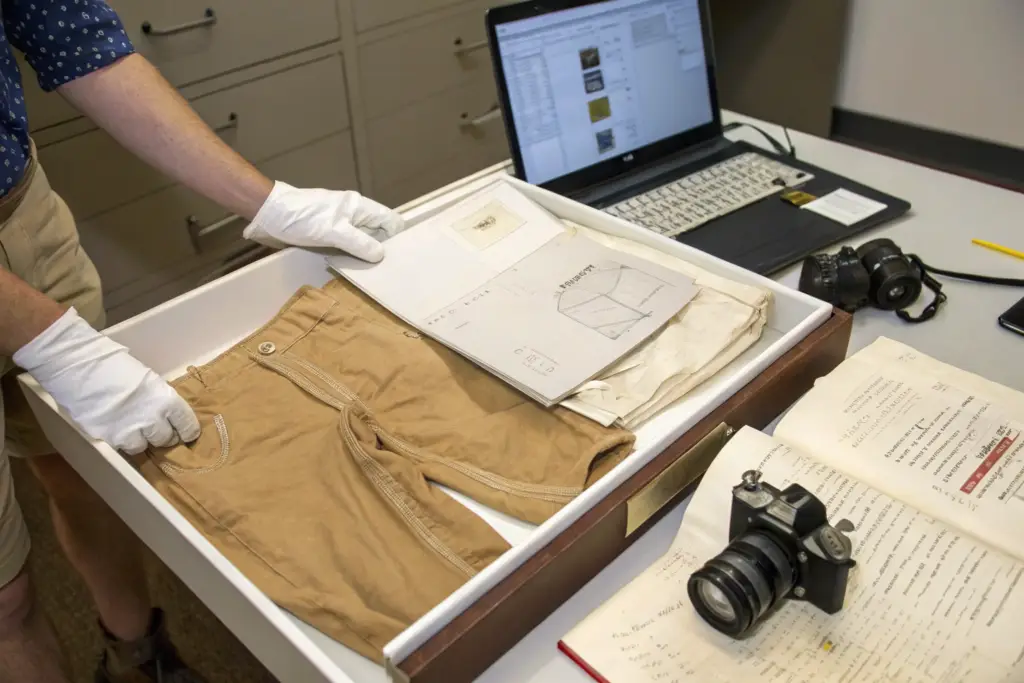
The primary sources for historical shorts research are diverse. Military archives, particularly the British National Archives, the French naval archives, and the US Army Heritage and Education Center, hold detailed specification documents for tropical uniform shorts, including precise measurements, material specifications, and construction diagrams. These are invaluable because they record the exact, intended design of the garment, not an interpretation.
Tailor's pattern books and cutting manuals from the early-to-mid-20th century, many of which survive in private collections and in the libraries of fashion schools, provide the civilian equivalent. Surviving garments in museum collections, such as the Victoria and Albert Museum in London and the Metropolitan Museum of Art in New York, and in the hands of private vintage collectors, allow for physical examination, measurement, and the analysis of construction techniques that are not recorded in any written document. Each of these sources contributes a piece of the puzzle. This historical garment research and archival methods provides an overview of how museums and researchers approach historical garments.
How Does the Cultural Narrative of a Garment Inform Its Modern Revival?
A garment is not just a set of measurements. It is an artifact of a specific time, a specific place, and a specific way of life. The Gurkha short, with its high waist and integrated self-belt, originated in the British Indian Army and carries the narrative of colonial military life, of tropical postings and the pragmatic adaptation of European tailoring to extreme climates. The classic French workwear short carries the narrative of the artisan, the craftsperson, and the manual laborer. The 1960s tennis short carries the narrative of the amateur sporting gentleman.
When we revive a forgotten short, we research and document this cultural narrative. The narrative becomes the story that the brand tells its customer. The European consumer, particularly the consumer of premium and luxury menswear, is highly responsive to authentic product storytelling. They are not just buying a pair of shorts. They are buying into a history, a tradition, and a set of values. The archival research provides the raw material for this powerful marketing asset. This brand storytelling through product heritage explains the commercial power of authentic product narratives.
What Is the Technical Process of Reconstructing a Lost Short Pattern?
The gap between a historical garment and a commercially viable modern product is bridged in the pattern room. An original garment from 1938 cannot simply be measured and copied. The body it was designed for was different. The undergarments worn with it were different. The fabrics available then are not the same as the fabrics available now. The reconstruction process is an act of translation, not replication. The goal is to capture the essential architecture, the proportion, and the spirit of the original garment, while engineering it for a modern body, modern materials, and modern manufacturing processes.
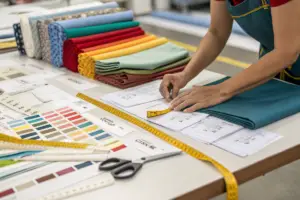
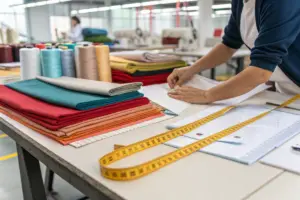
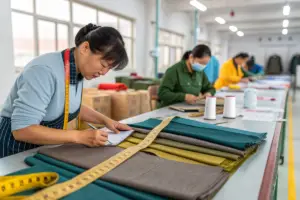
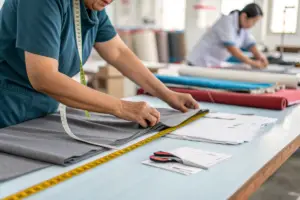
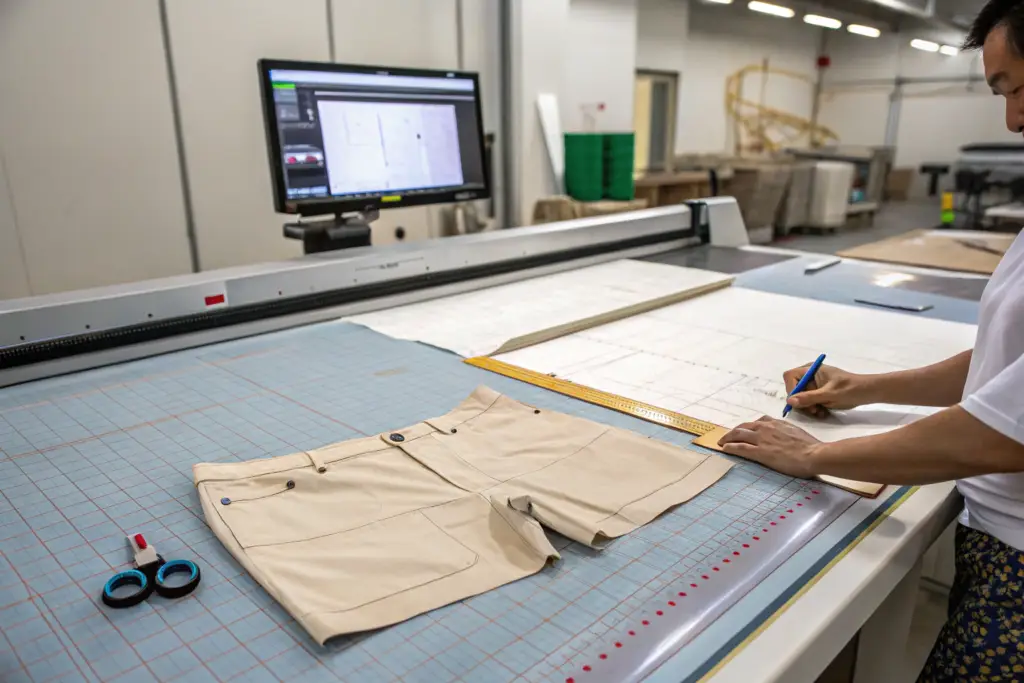
The technical reconstruction of a lost classic shorts pattern involves a multi-step process of forensic deconstruction and digital re-engineering, beginning with a meticulous physical analysis of the original garment or pattern diagram to extract the original seam lines, the pleat depth, the pocket placement, and the rise measurement; followed by a manual translation of these measurements onto a modern, graded size block that accounts for changes in average body dimensions and the absence of historical undergarments; and concluding with the creation of a physical prototype in a carefully selected modern fabric, which is then fit on a live model and iteratively adjusted to preserve the original garment's distinctive silhouette and character while ensuring it is comfortable and wearable for the contemporary consumer.
How Do You Translate an Old, Fixed Size to a Modern Graded Size Run?
The original historical garment exists in a single size. It was made for a specific individual, or it was a standard military size from an era when the average male body was shaped differently than it is today. The original garment cannot simply be scaled up or down by a fixed percentage. The grading process must be intelligent and nuanced.
We begin by scanning the original garment to create a digital record of its dimensions and its proportions. We then analyze the relationship between key measurements. The ratio of the waist to the hip, the front rise to the inseam, and the leg opening to the thigh. These proportions are what give the original garment its distinctive character. The modern size block is graded to preserve these ratios across the size run. A size Small and a size Extra Large will look different, but they will share the same essential silhouette. This pattern grading and size translation for heritage garments explains the technical challenges of grading.
What Fabric Substitutions Stay True to the Original Spirit?
The original garment was made from a specific fabric, a heavy cotton drill, a tropical wool, and a linen hopsack, that may no longer be manufactured. The modern consumer may expect a softer hand feel, a lighter weight, or a performance characteristic that the original fabric did not provide. The fabric selection for the revived garment must balance authenticity with wearability.
We source modern fabrics that capture the essential character of the original. The weight, the texture, the drape, and the visual appearance must be faithful to the spirit of the historical garment. If the original was a stiff, heavy cotton twill, we look for a modern cotton twill with a similar weight and a similar dry, crisp hand, but perhaps with a small percentage of elastane for comfort, or with an enzyme wash to soften the feel without compromising the structure. The goal is not to deceive the customer into thinking the fabric is original. It is to deliver the same visual and tactile experience in a package that meets modern expectations. This vintage fabric identification and modern sourcing provides guidance on matching historical fabrics.
How Do You Modernize a Historical Silhouette Without Losing Its Authentic Soul?
The final and most critical stage of the revival process is the modernization. The historically accurate reconstructed garment is a beautiful object, but it is not yet a commercial product. It must be adjusted, subtly and respectfully, so that it feels like a deliberate choice for a contemporary wardrobe, not a costume piece. The adjustments must be surgical. Remove too much of the original character, and the garment loses its reason for being. Fail to adjust enough, and the garment feels awkward and anachronistic.
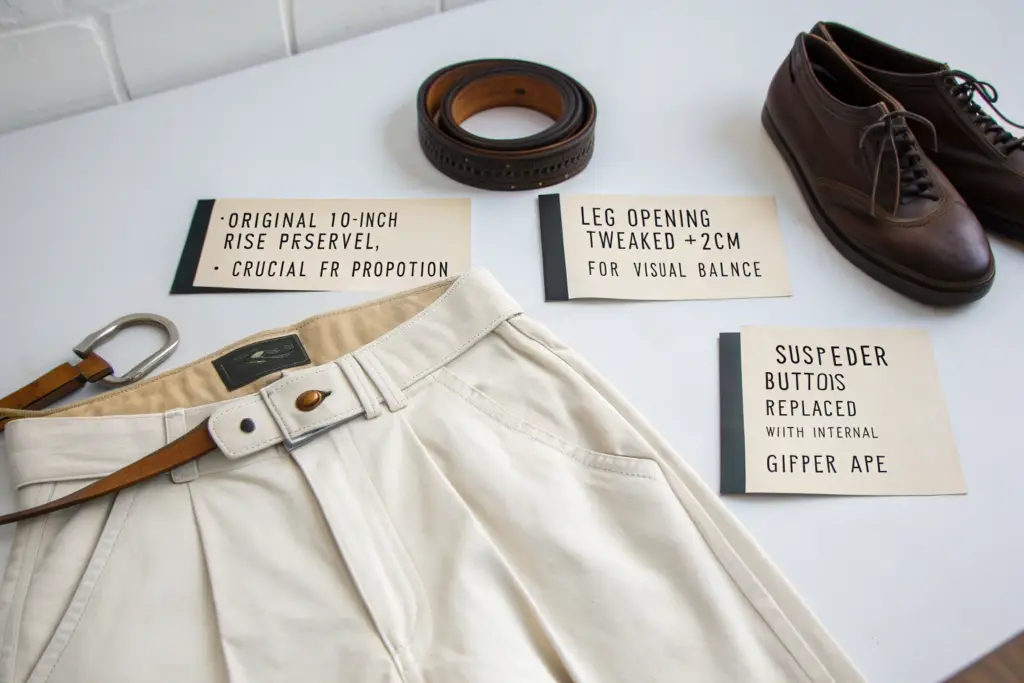
Modernizing a historical shorts silhouette is an exercise in subtraction and substitution, not in radical redesign, focusing on three specific areas: the fit at the hem and the leg opening, where a slight taper or a fractional shortening of the inseam can transform the silhouette from dated to contemporary without altering the essential architecture of the waist and the pleats; the internal construction, where modern interlinings and finishing techniques can be substituted for historical methods that are invisible to the consumer but that improve the garment's durability and ease of care; and the styling and context, which is the most powerful modernization tool, where the revived short is presented in lookbooks and campaigns with modern tops, footwear, and accessories, repositioning the garment within a contemporary lifestyle.
What Specific Adjustments Are Made to the Leg and Hem?
The leg and the hem are the areas where historical shorts most often look dated to the modern eye. The pre-1960s short typically had a very full, wide leg and a long inseam that brushed the top of the knee or fell just below it. This proportion, while elegant on its own terms, can look heavy and old-fashioned to a consumer accustomed to a slimmer, shorter silhouette.
The adjustment we typically make is a gentle taper. The thigh volume is preserved, maintaining the comfort and the authentic drape. From the mid-thigh to the hem, the leg is tapered slightly, reducing the leg opening by an inch or two. The inseam may be shortened by a half-inch or an inch, bringing the hem to a point just above the knee. These adjustments are subtle. They do not transform the short into a modern slim-fit garment. They simply remove the excess volume at the hem that reads as dated, while preserving the generous, comfortable character of the original cut. This modernizing vintage trouser patterns provides a detailed guide to these specific adjustments.
Why Is Styling the Ultimate Modernization Tool?
The most powerful tool for modernizing a historical garment is not the pattern maker's shears. It is the stylist's eye. The same pair of high-waisted, pleated shorts can look like a historical costume when styled with a vintage polo, knee socks, and leather brogues. It can look like a contemporary, fashion-forward statement when styled with an oversized, unstructured linen shirt, a simple leather sandal, and a pair of tortoiseshell sunglasses.
The lookbook and the campaign imagery are where the modernization is completed. The consumer who sees the short in a contemporary context, on a model who looks like them, in a setting that feels relevant to their life, will perceive the short as a modern garment, not a historical artifact. The styling tells the consumer how to wear the short and how to feel while wearing it. This the role of styling in modernizing heritage fashion explains the strategic importance of visual presentation.
Conclusion
Reviving forgotten classical shorts styles is a discipline that combines the rigor of historical research with the creativity of modern design and the precision of technical pattern making. It begins in the archive, with the patient work of uncovering the original garments, the original patterns, and the original cultural narratives that give a historical short its meaning. It moves to the pattern room, where the original garment's architecture is painstakingly reconstructed and translated for a modern body and modern materials. It concludes in the styling studio, where the revived garment is positioned within a contemporary context, its historical character preserved but its relevance established.
This work is not for every brand or every market. It is for the brand that understands that true authenticity cannot be faked, that the most compelling product stories are the ones that are grounded in documented history, and that the modern European consumer, with their appreciation for heritage, craftsmanship, and narrative, will reward the effort with their loyalty and their willingness to pay a premium for a garment that carries a genuine past.
At Shanghai Fumao, I am proud of the archive we have built and the revival work we have done. If you are a European brand looking to create a collection that is rooted in history but designed for the present, and if you are searching for a manufacturing partner who understands the difference between a costume and a revival, contact our Business Director, Elaine, at elaine@fumaoclothing.com. Let's explore the archive together. Let's find the lost short that your customer is waiting for.