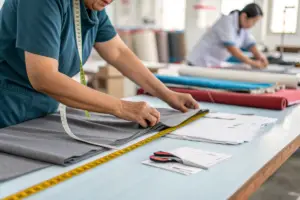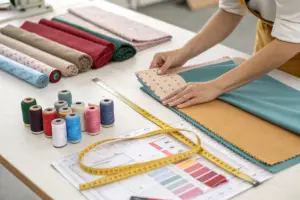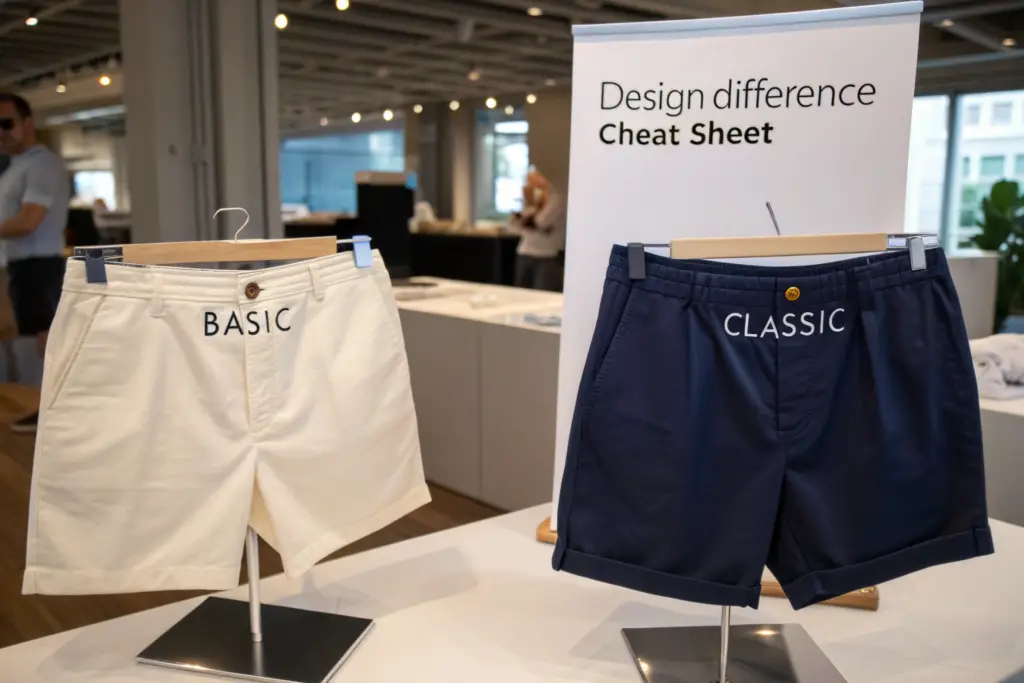
About five years ago, I was standing in a wholesale showroom with a brand owner who was pitching his new line of shorts to a department store buyer. The buyer picked up one of his samples, a classic flat-front chino short, and placed it next to a competitor's product, a basic short that the store was already stocking. "Why should I pay two dollars more wholesale for yours?" the buyer asked. "They look the same to me." The brand owner froze. He knew his short was better. He could feel it in the fabric, in the way the waistband sat, in the way the pockets were finished. But he could not articulate the difference in a way that justified the price premium. The buyer moved on. The order was lost. That brand owner came to me afterward, frustrated, and asked me to teach him how to explain the difference between a classic short and a basic short in a way that a skeptical buyer could understand.
Articulating the subtle design differences between a classic and a basic short to a buyer requires abandoning subjective, aesthetic language such as "nicer" or "better quality" and instead translating each invisible design feature into a specific, functional, and commercial benefit that the buyer cares about: a lower return rate, a faster sell-through, a higher perceived value for their customer, or a longer-lasting garment that builds brand loyalty, with each feature being demonstrated physically, by letting the buyer touch, measure, and compare the two garments directly, rather than described verbally.
At Shanghai Fumao, I have trained my team and my brand partners on this exact skill. The difference between a classic short and a basic short is not a matter of opinion. It is a matter of specific, demonstrable, and commercially valuable design features. Let me walk you through how to identify them and how to sell them.
What Is the Functional Difference Between a Contoured and a Straight Waistband?
The waistband is the most important structural component of a pair of shorts. It is the anchor point of the entire garment. A basic short uses a straight waistband. A classic short uses a contoured, or shaped, waistband. The difference is not just a design choice. It is a functional difference with direct, demonstrable consequences for the fit of the garment and the customer's satisfaction.
The functional difference between a straight and a contoured waistband is that a straight waistband is a simple, rectangular strip of fabric that is forced into a circle, creating tension and gaping because the human body is curved, not straight, while a contoured waistband is cut on a curve, with a center back seam, that is engineered to follow the natural shape of the body, resulting in a waistband that lies flat against the back, eliminates the gap, and remains stable and comfortable when the wearer moves from standing to sitting.
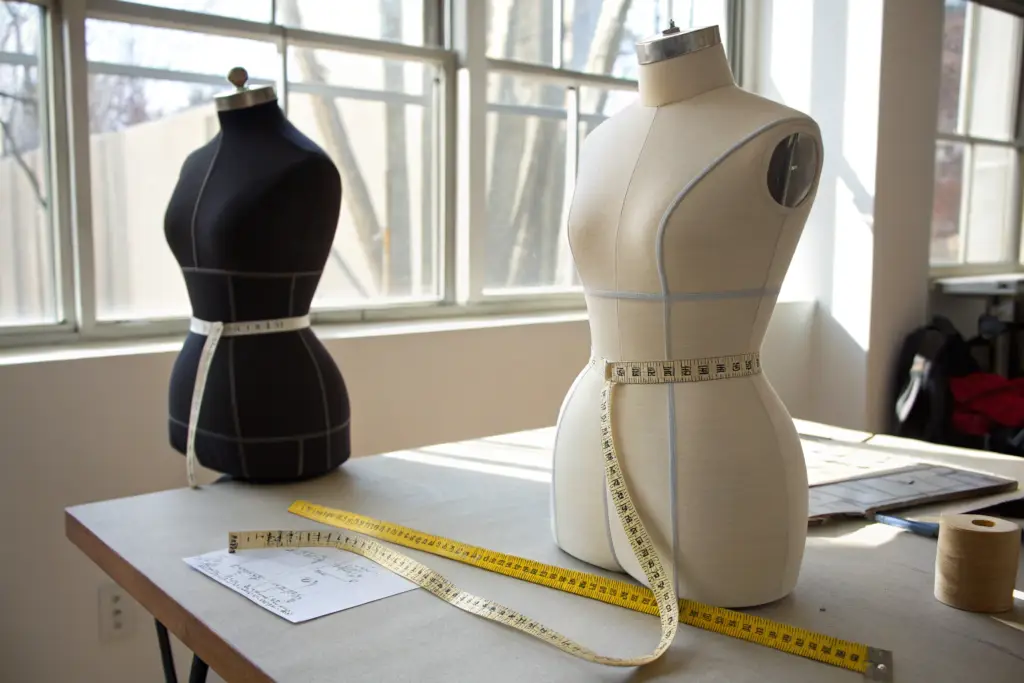
How Do You Demonstrate the "Gap Test" to a Buyer?
The most powerful way to articulate the difference between a straight and a contoured waistband is not to explain it. It is to demonstrate it. Take the basic short with the straight waistband and place it against the curve of your hand or your forearm. The buyer will see a visible gap where the straight fabric fails to follow the curve. Take the classic short with the contoured waistband and do the same. The waistband will hug the curve smoothly, without a gap.
This simple, physical demonstration communicates the functional benefit instantly. The buyer does not need to understand pattern making. They can see the gap, and they can imagine their customer experiencing that gap when they wear the short. The message is clear: the contoured waistband will fit better and generate fewer returns because of poor fit. The straight waistband will not. This waistband construction and fitting techniques provides the technical background.
Why Does a Contoured Waistband Reduce the Return Rate?
The back waistband gap is one of the most common fit complaints for shorts and trousers. The customer puts the shorts on. The waist fits, but there is an unsightly gap at the back where the waistband stands away from the body. The customer is dissatisfied. They return the shorts. This return is caused, in the vast majority of cases, by a straight waistband that was not engineered to fit the curve of the human body.
A contoured waistband eliminates this gap. The fit at the back is clean, flat, and secure. The customer is satisfied. They keep the shorts. For a wholesale buyer, this translates directly into a lower return rate, which is a powerful commercial argument. A lower return rate means fewer customer service costs, less processing of returns, and a higher percentage of sales that are final. This common fit problems in men's shorts and trousers explains the back gap issue in detail.
How Do Pocket Construction and Depth Translate to Retail Longevity?
The pockets are the most used feature of a pair of shorts. The customer interacts with the pockets constantly, putting their hands in them, placing their phone and their wallet in them, and pulling items out of them. A basic short has pockets that are designed to be as cheap as possible. A classic short has pockets that are designed to function reliably for the life of the garment. The difference in quality is measurable, and the difference in the customer's experience is significant.
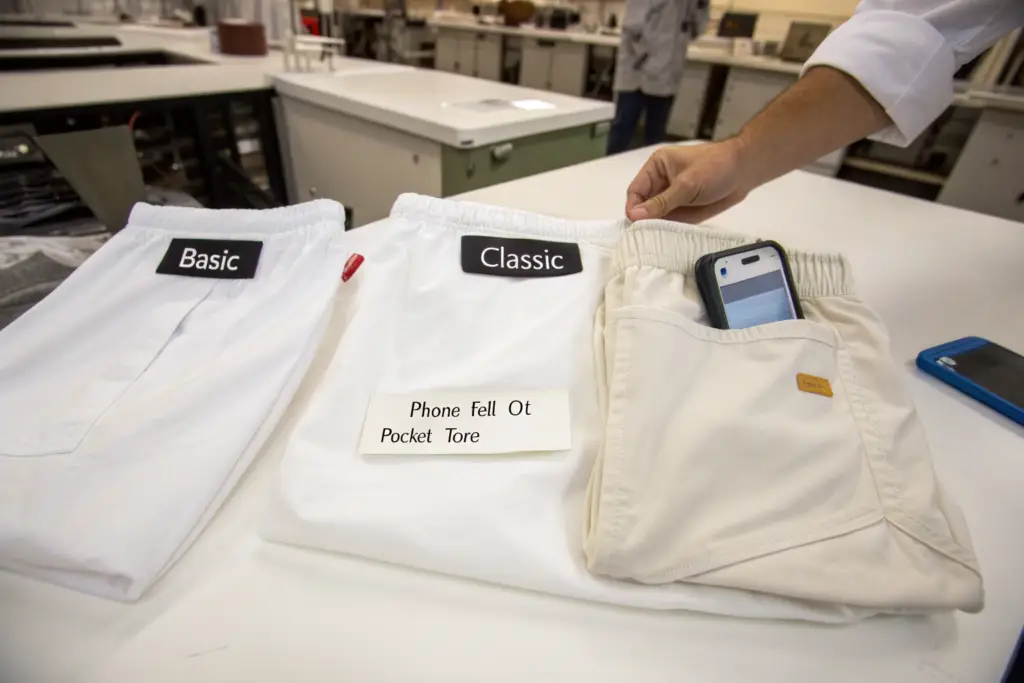
The functional difference between basic and classic shorts pockets is defined by the depth of the pocket bag and the quality of the pocketing material, with a classic short featuring a deeper pocket, typically a minimum of 7 to 8 inches, that securely holds a modern large-format smartphone, and a pocket bag made from a durable, soft cotton twill or a Bemberg cupro that feels pleasant to the touch and resists tearing, while a basic short features a shallow, 5 to 6-inch pocket made from a thin, scratchy polyester taffeta that is prone to tearing at the seams and that allows items to fall out when the wearer sits down.
How Do You Show the "Phone Test" to Prove Pocket Security?
The most effective demonstration of pocket quality is the simplest. Ask the buyer to take out their smartphone. Ask them to place it in the pocket of the basic short. Then ask them to sit down. In many cases, the phone will visibly protrude from the pocket, or it will fall out entirely onto the chair. The shallow pocket depth and the weak, flimsy material have failed the most basic test of a modern pocket: securely holding a phone.
Now, ask the buyer to do the same with the classic short. The deeper pocket bag will securely contain the phone. The buyer will feel the difference in security and the more pleasant feel of the quality cotton pocketing against their hand. This physical demonstration is far more persuasive than any verbal description. The buyer has experienced the functional superiority of the classic short's pocket firsthand. This pocket construction and design in men's trousers explains the different types of pocket construction and their functional properties.
Why Does Pocket Bag Material Matter for the Consumer's Hand Feel?
The customer puts their hands in their pockets dozens of times a day. The material of the pocket bag is in constant contact with their skin. A basic short uses a cheap, scratchy polyester taffeta for the pocket bags. The material makes a crinkly noise. It feels unpleasant against the hand. It does not breathe, so it can feel hot and clammy in warm weather. It is a constant, low-level negative sensory experience.
A classic short uses a soft, breathable cotton twill or a luxurious Bemberg cupro for the pocket bags. The material is silent. It feels smooth and pleasant to the touch. It breathes, so it stays cool and comfortable. The customer may never consciously think about their pocket bag material, but their daily experience of wearing the short is subtly but significantly improved. This improvement in the user experience translates into higher customer satisfaction, which drives repeat purchases and positive reviews. This pocket bag materials and their impact on garment quality details the different materials used for pocket bags.
What Is the Difference in Drape Between High-Density and Low-Density Twill?
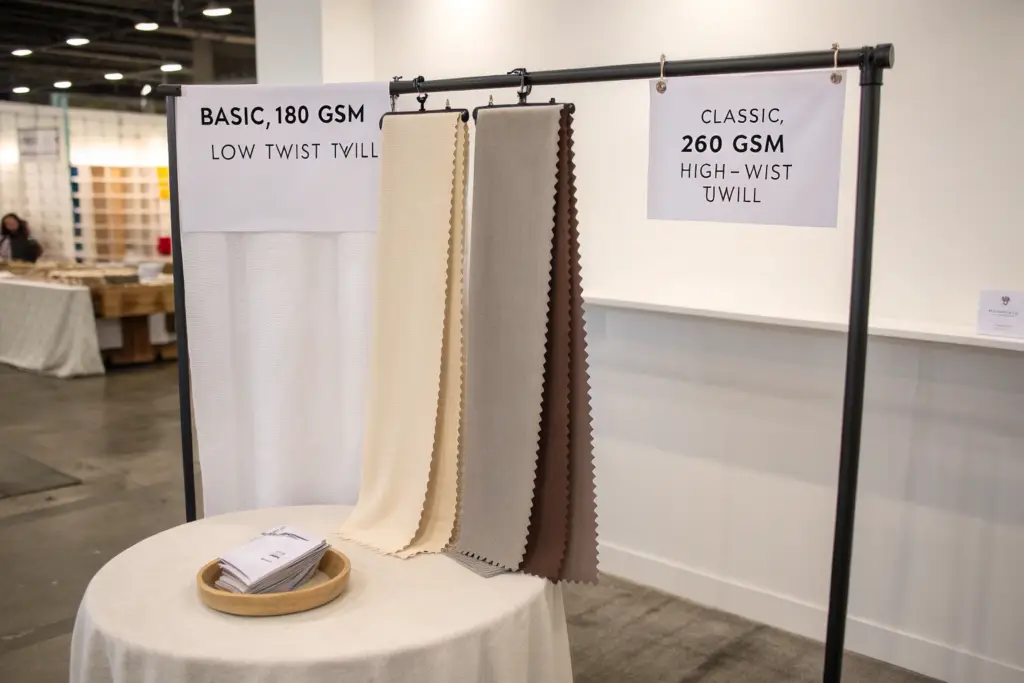
The fabric is the soul of the short. It is the largest surface area, the primary tactile experience, and the main determinant of how the garment looks on the body. A basic short is made from a low-density, low-twist cotton twill. A classic short is made from a high-density, high-twist cotton twill. The difference is not just in the weight. It is in the drape, the structure, and the way the fabric behaves over time.
The functional difference between low-density and high-density twill is visible in the drape: a low-density, low-twist twill is lighter, softer, and drapes limply against the body, losing its shape quickly and showing every wrinkle, while a high-density, high-twist twill has a firmer, drier hand feel and a structured, architectural drape that holds a clean, straight line from the hip to the hem, resisting wrinkles and maintaining a crisp, tailored appearance even after hours of wear, a quality that is immediately visible to the trained eye and that communicates a higher level of quality to the consumer.
How Do You Show the "Drape Test" in a Showroom?
The drape test is a simple, visual demonstration. Hold a pair of the basic shorts by the waistband and let the legs hang freely. The fabric will collapse limply. It will not hold a shape. The wrinkles will be visible immediately. Now, do the same with the classic shorts. The fabric will hold a structured, architectural shape. The legs will fall in a clean, straight line. The wrinkles will be minimal.
This visual difference is immediate and striking. The buyer can see, in seconds, that the classic short will look better on their customer, both on the hanger and on the body. It will look more expensive, more tailored, and more intentional. This visual demonstration translates the technical fabric specification into a clear commercial benefit. This fabric drape and its measurement explains the science behind fabric drape.
Why Does a High-Density Twill Age Better for the Consumer?
A low-density, low-twist twill is more prone to abrasion and surface wear. The fibers on the surface are easily broken, leading to a faded, rough, and pilled appearance after repeated washing and wearing. The fabric loses its shape, becoming baggy and misshapen. The short looks old and tired long before its functional life is over.
A high-density, high-twist twill is more resistant to abrasion. The tightly twisted yarns and the dense weave protect the fabric surface. The short maintains its color, its smooth hand feel, and its tailored shape through many more washes and wears. The consumer experiences the short as a durable, long-lasting garment that continues to look good, rather than a disposable item that degrades quickly. This longevity is a key driver of customer satisfaction and brand loyalty. This fabric durability and abrasion resistance testing provides the technical background on fabric aging.
Conclusion
Articulating the subtle design differences between classic and basic shorts to a buyer is a skill that separates the successful sales presentation from the forgotten one. The key is to abandon vague, subjective language and to replace it with specific, demonstrable, and commercially relevant arguments. The contoured waistband is not just "nicer." It eliminates the back gap that causes returns. The deep, cotton pocket bag is not just "better quality." It securely holds the customer's phone and feels pleasant against their hand. The high-density twill is not just "heavier." It drapes beautifully and ages gracefully.
Each of these arguments is supported by a simple, physical demonstration that the buyer can see and feel for themselves. The gap test for the waistband. The phone test for the pocket. The drape test for the fabric. These demonstrations translate the technical features into tangible benefits and commercial outcomes. The buyer who has seen a straight waistband gap, who has felt a phone fall out of a shallow pocket, and who has watched a limp fabric collapse, will never again be satisfied with a basic short.
At Shanghai Fumao, I ensure that every brand partner who sells our shorts is equipped with these demonstrations and these arguments. If you are a brand preparing to sell your classic shorts line to wholesale buyers, or if you are a buyer who wants to understand what truly differentiates a quality short, contact our Business Director, Elaine, at elaine@fumaoclothing.com. Let's make sure you can articulate the value that others can only claim.