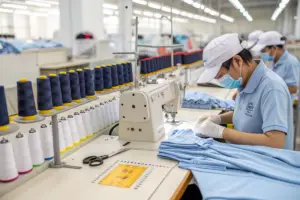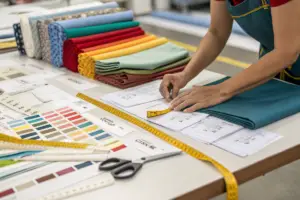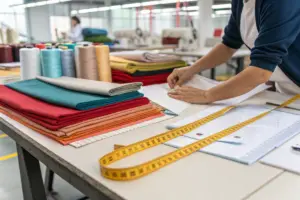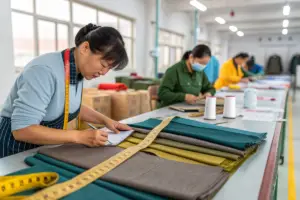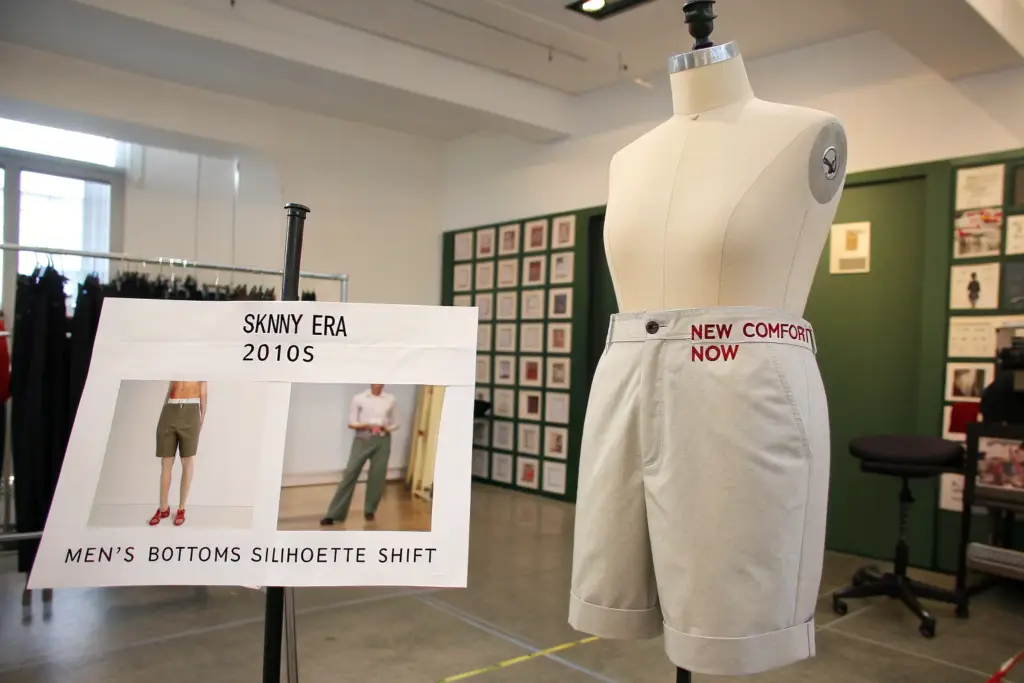
About five years ago, I noticed a change in our factory's sample requests. For nearly a decade, every brand had asked for the same thing: a slimmer thigh, a sharper taper, and a shorter rise. The skinny silhouette had dominated menswear so completely that it had ceased to be a trend. It was simply the default. Then, almost imperceptibly at first, a different request began to appear. A young, fashion-forward brand from Los Angeles asked for a short with a wider leg opening and a higher rise. A European contemporary label submitted a tech pack with a relaxed, straight silhouette that we had not cut since the early 2000s. The tide was turning. The era of the skinny short was ending, and the era of the relaxed fit was beginning.
Classic relaxed-fit shorts are the definitive antidote to the end of the skinny era for men because they represent a fundamental, generational shift in the male consumer's relationship with his clothing, moving away from a silhouette that was defined by restriction, performance, and a specific, narrow body ideal, toward a silhouette that prioritizes physical comfort, freedom of movement, and a more generous, confident, and architecturally interesting proportion, driven by the post-pandemic casualization of dress, the influence of streetwear's oversized aesthetic, and a broader cultural rejection of the constrictive ideals of the previous decade.
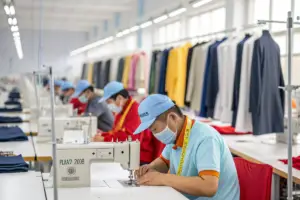
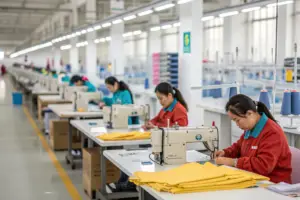
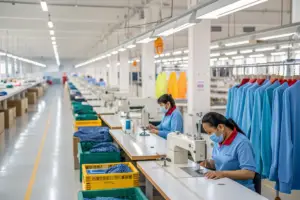
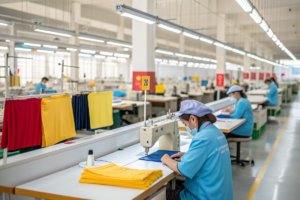
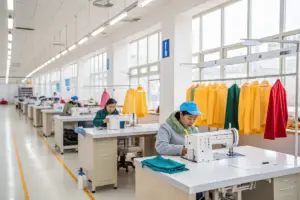
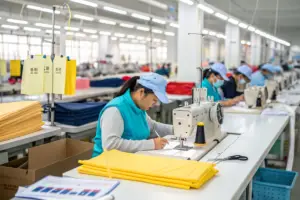
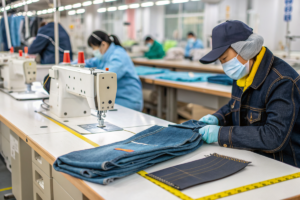
At Shanghai Fumao, I have watched this shift unfold from a unique vantage point. The factory cutting table is the most honest place to observe a trend. The patterns that are being cut, in what volume, for which brands, tell a truer story than any fashion magazine. The relaxed-fit short is not a passing fad. It is a structural correction. Let me walk you through why it has arrived, what defines it, and how it is replacing the skinny short as the new default.
What Drove the Generational Rejection of the Skinny Silhouette?
The skinny silhouette did not die of natural causes. It was rejected. A generation of men who had spent their teenage years and early twenties squeezing themselves into increasingly narrow, restrictive trousers and shorts reached a breaking point. The catalyst was the pandemic, which dissolved the social and professional contexts that had enforced the skinny dress code. But the rejection was about more than just working from home. It was a cultural and aesthetic rebellion against the physical and psychological constraints of the previous era.
The generational rejection of the skinny silhouette was driven by three converging forces: a physical rebellion against discomfort, where millions of men, having experienced the freedom of looser, more comfortable clothing during the pandemic, simply refused to return to the restrictive, body-compressing garments of the 2010s; an aesthetic rebellion driven by the cultural dominance of streetwear, which has championed the oversized, the relaxed, and the voluminous for over a decade and has now fully exported that aesthetic to the mainstream; and a psychological rebellion against the body-image anxiety that the skinny silhouette enforced, with the relaxed fit representing a more generous, less judgmental relationship between the garment and the body.

How Did the Pandemic Permanently Break the Skinny Dress Code?
The pandemic was a forced, global experiment in comfort. Men who had worn slim-fit chinos and tailored shorts to the office every day were suddenly living in sweatpants, gym shorts, and loose-fitting loungewear. Their bodies adapted to a new standard of physical freedom. When they eventually returned to social and professional life, the old, restrictive garments felt alien and uncomfortable.
This was not a temporary preference that would fade with the return to normalcy. It was a permanent reset of the male consumer's baseline for physical comfort. The data from retailers confirms this. Sales of relaxed and loose-fit bottoms have grown steadily since 2020, while sales of skinny and slim-fit bottoms have declined. The consumer has not just changed their mind. They have changed their body's expectations. This post-pandemic shift in men's apparel comfort preferences documents the permanent change in consumer behavior.
How Did Streetwear's "Oversized" Aesthetic Migrate to the Mainstream?
The oversized silhouette has been the dominant aesthetic in streetwear and high fashion for over a decade. Brands like Fear of God, Balenciaga, and Yeezy built their identities on voluminous, draped, and relaxed proportions. For many years, this aesthetic was confined to a niche, influential consumer group. The mainstream male consumer continued to wear slim and skinny fits.
The migration of the oversized aesthetic to the mainstream happened gradually, and then suddenly. The younger consumers who had grown up with streetwear as the dominant cultural force aged into the mainstream market. The brands they influenced, from fast fashion giants to mass-market retailers, adopted the relaxed silhouette to capture this demographic. The relaxed-fit short, which would have looked out of place on a mainstream retail floor in 2018, is now a standard offering at J.Crew, Gap, and even Target. The niche has become the norm. This streetwear influence on mainstream menswear silhouettes explains the cultural diffusion of the oversized aesthetic.
How Does the "Relaxed" Silhouette Actually Differ from a "Baggy" One?
The consumer who is exhausted by the skinny silhouette may be tempted to swing the pendulum to the opposite extreme, to the baggy, oversized shorts of the late 1990s and early 2000s. The classic relaxed-fit short is not that. It is not a return to the long, wide, heavily pocketed shorts of the skater and rave cultures. It is a new silhouette with its own specific proportions, a silhouette that is informed by the tailoring tradition as much as by the streetwear influence. Understanding the difference between "relaxed" and "baggy" is essential for a brand that wants to capture the new consumer.
The modern relaxed-fit short is differentiated from the historical "baggy" short by its intentionality and its proportion, defined by a higher rise that sits at or near the natural waist, a full, straight leg that falls cleanly from the hip without excessive, billowing volume, and a hem that is finished cleanly, often with a cuff or a blind stitch, creating a silhouette that is loose and comfortable but that has a deliberate, architectural structure, a look that is achieved through precise pattern engineering, not by simply sizing up a standard fit.
What Are the Key Measurements That Define a "Relaxed" vs. "Slim" Fit?
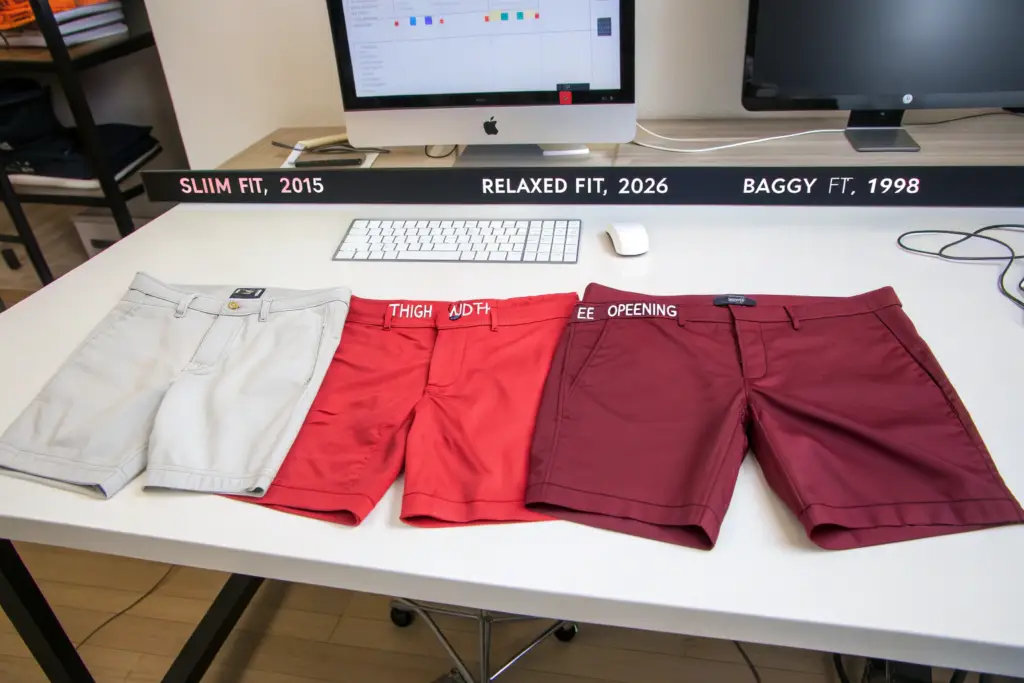
The difference between a slim fit and a modern relaxed fit is defined by specific, measurable differences in a few key areas. The rise, the distance from the crotch seam to the top of the waistband, is typically 1.5 to 2.5 inches higher on a relaxed-fit short, moving the waistband from the low hip to the upper hip or the natural waist. The thigh circumference is increased, providing room for the leg to move without the fabric pulling or binding. The critical difference is in the leg opening. A slim-fit short typically has a leg opening of 19 to 21 inches in circumference for a size 32. A relaxed-fit short has a leg opening of 22 to 25 inches.
This wider leg opening is what creates the distinctive, straight, flowing silhouette. The leg does not taper inward to hug the thigh. It falls straight from the widest part of the hip, creating a clean, vertical line. The overall effect is a short that is roomier and more comfortable, but that has a clear, intentional shape. It is not a formless sack. This men's shorts fit guide and measurement specifications provides a detailed breakdown of the key measurements.
Why Is the "Clean Straight Line" the Goal, Not an Unstructured Volume?
The baggy shorts of the late 1990s were characterized by excess. The thigh was overly wide. The leg opening was enormous. The inseam was long, often reaching below the knee. The overall impression was one of shapelessness and a deliberate rejection of tailoring. The modern relaxed-fit short is not a rejection of tailoring. It is an application of tailoring principles to a looser silhouette.
The goal is a clean, straight, unbroken line from the hip to the hem. The fabric should drape, not collapse. The leg should have structure, even in its width. This is achieved through precise pattern making, through the use of fabrics with sufficient weight and body to hold their shape, and through careful attention to the hem, which is often finished with a blind stitch or a crisp cuff to add weight and structure. The result is a short that is relaxed, but not sloppy, and comfortable, but not careless. This tailoring principles for relaxed-fit garments explains the construction techniques that create a structured, intentional drape.
Which Demographic Is Currently Driving Sales of This "Anti-Skinny" Fit?
The consumer shift toward the relaxed-fit short is not limited to a single demographic. It is a broad movement that spans age groups, lifestyles, and style tribes. This broad appeal is what makes the relaxed-fit short a structural market shift rather than a niche trend. The brand that understands the different consumer segments driving this shift, and their different motivations, can market the same basic silhouette to multiple audiences.
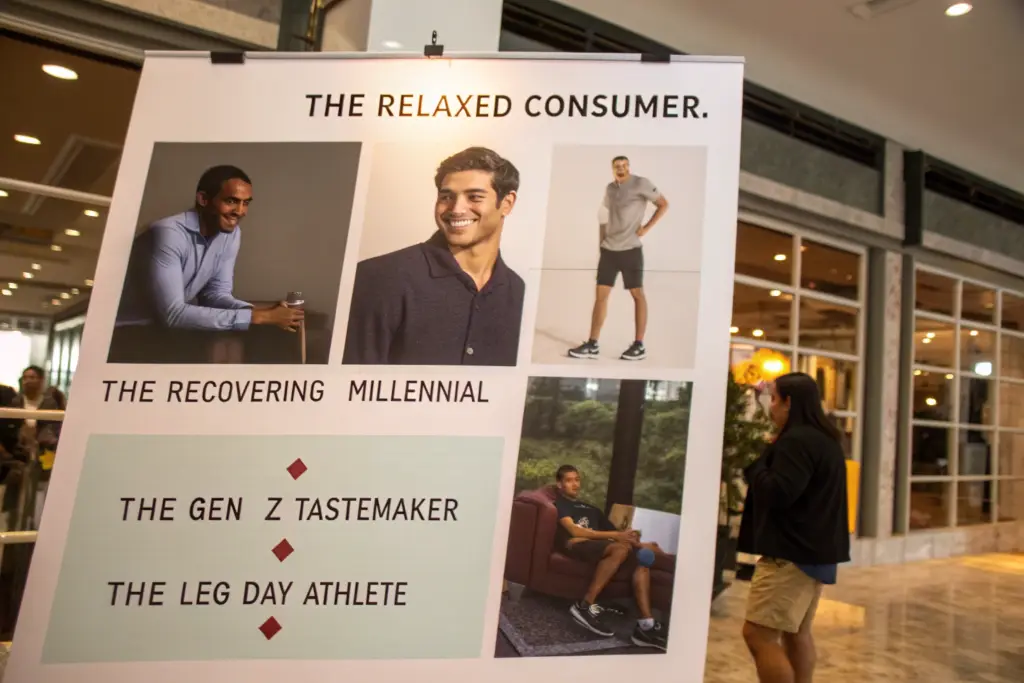
The sales of classic relaxed-fit shorts are being driven by three distinct but overlapping consumer segments: the "Recovering Millennial" male, over 30, who is physically and psychologically exhausted by a decade of skinny fits and is seeking comfort without sacrificing a tailored, mature appearance; the "Gen Z Tastemaker," under 30, who has adopted the relaxed silhouette as a fashion-forward, streetwear-influenced statement of cultural relevance; and the "Functional Athlete," whose physically developed legs, from weightlifting or cycling, simply do not fit into slim-cut shorts and who has been waiting for the market to provide a stylish, non-cargo option that accommodates their body type.
How Do You Market the Same Short to a 40-Year-Old and a 22-Year-Old?
The same classic relaxed-fit short can be marketed to both a 40-year-old former slim-fit wearer and a 22-year-old streetwear enthusiast, but the marketing message must be different. The 40-year-old is motivated by comfort, ease, and a sense of relief. The marketing to him should emphasize the physical freedom, the quality of the fabric, and the understated, mature aesthetic. The message is, "Finally, a short that feels as good as it looks."
The 22-year-old is motivated by relevance, style, and cultural currency. The marketing to him should emphasize the silhouette, the proportion, and the fashion-forward, streetwear-adjacent aesthetic. The message is, "The new proportion. Move over, skinny." The product is the same. The story is different. This marketing to different consumer demographics in menswear explains how to tailor the message to the audience.
Why Is the "Athletic Thigh" Consumer a Hidden, Lucrative Market?
For years, a significant segment of the male population has been underserved by the shorts market. Men who lift weights, who cycle, who play sports, or who simply have a naturally muscular build have struggled to find shorts that fit their thighs comfortably without being excessively large at the waist. The skinny and slim-fit trends of the 2010s completely excluded them from fashionable options. They were forced to choose between ill-fitting slim shorts that were uncomfortably tight or baggy cargo shorts that were unstylish.
The classic relaxed-fit short is the solution this market has been waiting for. The generous thigh room accommodates their muscular legs. The higher rise provides comfort and prevents the short from being pulled down. The clean, straight leg offers a stylish, modern silhouette. This is not a niche consumer. It is a large, underserved, and highly loyal market. A brand that explicitly markets its relaxed-fit short to this consumer, using fit models and imagery that reflect their body type, can capture a significant and grateful audience. This inclusive sizing and fit for athletic body types in menswear explains the opportunity.
Conclusion
Classic relaxed-fit shorts are the definitive antidote to the end of the skinny era for men. They are not a compromise between skinny and baggy. They are a new, positive proposition, a silhouette that prioritizes physical comfort, freedom of movement, and a more generous, confident architectural proportion. The shift is generational, driven by the post-pandemic rejection of restrictive clothing, the mainstreaming of streetwear's oversized aesthetic, and a broad cultural move toward a more relaxed, less judgmental relationship with the male body.
This is not a passing trend that will revert when the fashion cycle moves on. The consumer who has experienced the comfort of a well-cut relaxed-fit short will not willingly return to the constriction of a skinny fit. The relaxed fit is not the alternative to the skinny fit. It is the new default. The brands that recognize this structural shift, and that invest in the pattern engineering, the fabric selection, and the marketing to serve this new consumer, will be the brands that define the next decade of menswear.
At Shanghai Fumao, I have developed the pattern blocks, the fabric library, and the construction expertise to produce classic relaxed-fit shorts that capture this new proportion perfectly. If you are a brand ready to move beyond the skinny era and offer your customer the comfort and the silhouette they are now demanding, contact our Business Director, Elaine, at elaine@fumaoclothing.com. Let's build the short that your customer will want to live in.