In my twenty years of running Shanghai Fumao, I have learned that coats are the heartbeat of a women's brand. They are the first thing a customer sees in a window, the item that commands the highest price point, and the piece that defines a collection's identity. About eighteen months ago, a European brand director I have worked with for years sat in my showroom and told me she was staking her entire Fall/Winter 2026 budget on a single conviction: the oversized, sculptural silhouette that had been building in avant-garde circles for years was about to break into the mainstream. She was right. The early sell-through data from the brands I manufacture for confirms it. 2026 is shaping up to be a year of dramatic, generous, and unapologetically voluminous outerwear for women.
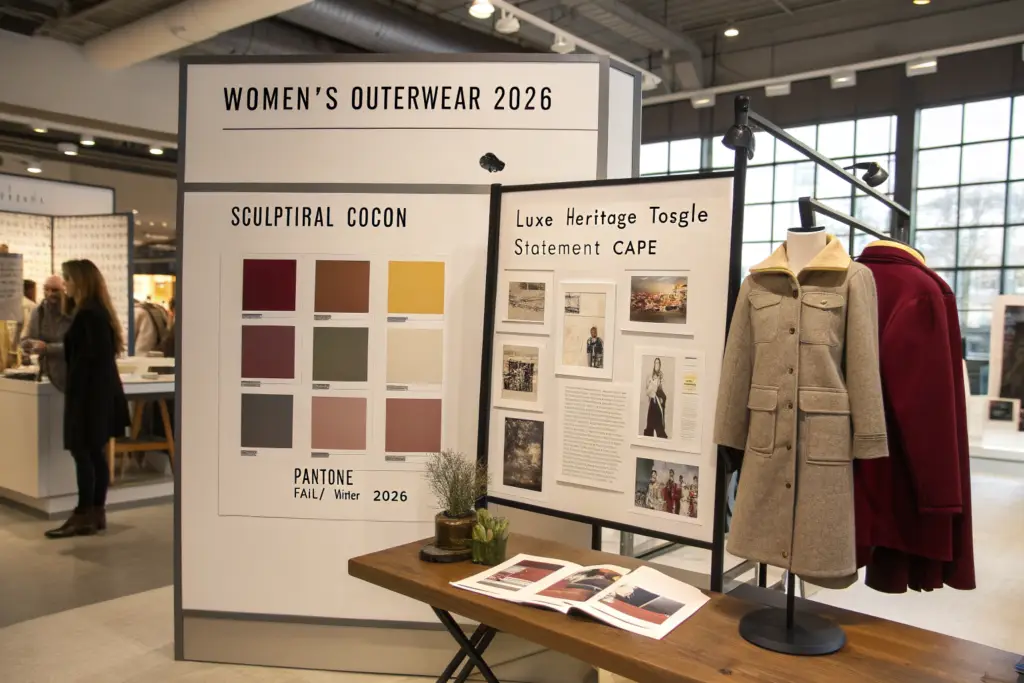
The dominant women's coat trends for 2026 are defined by a decisive shift toward generous, sculptural silhouettes that prioritize volume, texture, and an enveloping sense of comfort, with the key styles being the oversized cocoon coat with its rounded, dropped-shoulder shape in a textured wool or bouclé, the luxe heritage toggle coat reimagined in shearling or sustainable alpaca blends with exaggerated, oversized toggles and a longer, sweeping length, and the dramatic statement cape or poncho in double-faced cashmere or a bold, graphic knit, all reflecting a post-pandemic desire for clothing that feels protective, expressive, and unapologetically substantial.
At Shanghai Fumao, I have already started sampling these silhouettes for our brand partners. The coat is a complex, high-stakes garment to manufacture. Getting the volume right without the garment looking shapeless, sourcing the heavy, textured fabrics that define the trend, and engineering the construction to be both dramatic and wearable requires a factory that understands the nuances of outerwear. Let me walk you through the three silhouettes that will define the 2026 season.
Why Is the Oversized Cocoon Coat the Defining Silhouette of 2026?
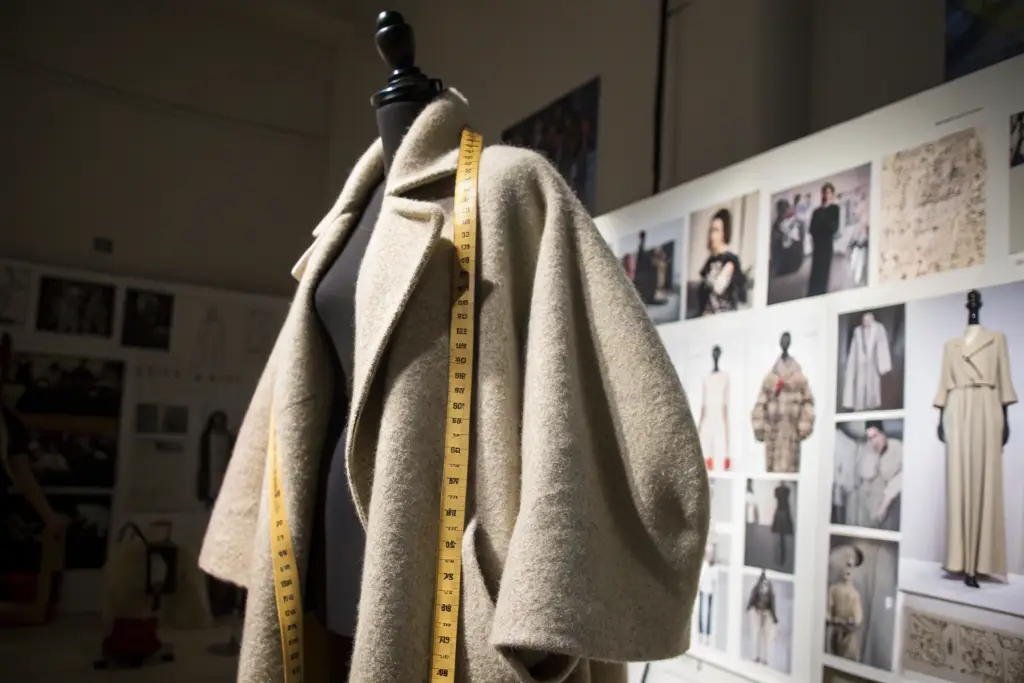
The cocoon coat is not a new invention. Cristobal Balenciaga pioneered the shape in the 1950s, and it has resurfaced periodically ever since. What is different in 2026 is its move from the high-fashion fringe to the contemporary mainstream. The data from our production floor tells the story. Brands that previously ordered tailored, waisted coats are now submitting tech packs with dropped shoulders, extended body widths, and sleeves that are deliberately cut too long. The demand for structure has been replaced by a demand for volume.
The oversized cocoon coat defines the 2026 silhouette because it represents the culmination of the "comfort revolution" that has been reshaping womenswear since 2020, offering a garment that is not merely functional but emotionally resonant, wrapping the wearer in a protective, enveloping layer that communicates a sense of calm, confidence, and understated luxury, with its lack of waist definition and its generous, sculptural shape signaling a rejection of restrictive, body-conscious dressing in favor of a more architectural, self-assured aesthetic.
How Do You Engineer a Voluminous Silhouette That Does Not Look Shapeless?
The greatest manufacturing challenge of the oversized coat is the balance between volume and structure. A coat that is simply cut large will look like a sack. A coat that is engineered for volume will look intentional and sculptural. The difference is in the pattern, the fabric, and the internal construction.
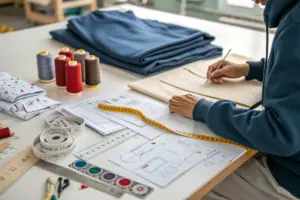
The pattern must be drafted from the beginning as an oversized garment, not simply graded up from a standard block. The shoulder point is dropped, often by 4 to 6 inches, creating a sloped, rounded line. The body is extended in width, but the hem is subtly tapered to create the distinctive egg-like, or cocoon, shape. The fabric must have sufficient weight and body to hold the sculptural shape. Boiled wools, dense bouclés, and heavy melton fabrics in the 500 to 700 GSM range are ideal. A lightweight fabric will collapse and lose the shape. The internal construction, the shoulder pads, the chest piece, and the back stay, must be engineered to support the volume without adding stiffness. This pattern making for oversized outerwear silhouettes explains the technical challenges.
What Fabrics and Finishes Elevate the Cocoon Coat to a Luxury Item?
The fabric is the primary communicator of luxury in an oversized coat. With no waist definition and no complex tailoring details, the eye focuses entirely on the texture and the quality of the cloth. A beautifully textured bouclé, with its looped, irregular surface, adds visual depth and a tactile richness. A heavy, felted wool, with its dense, smooth hand, communicates understated quality. An alpaca-wool blend, with its natural luster and its incredibly soft hand feel, signals a level of luxury above standard sheep's wool.
The finish is equally important. The fabric should be lightly milled or brushed to raise a soft, luxurious nap on the surface. The edges can be finished with a raw, felted edge, or with a simple, clean topstitch. The closures, if any, should be minimal and invisible, a single hidden snap or a self-fabric tie, to preserve the clean, sculptural lines. This luxury coating fabrics and finishes for womenswear provides a guide to premium outerwear materials.
How Has the Classic Toggle Coat Been Reimagined for a Luxury 2026 Audience?
The toggle coat, or duffle coat, has a long and noble history. It was originally a military garment, worn by the British Royal Navy during the First World War. It transitioned to civilian life in the mid-20th century, becoming a staple of university campuses and intellectual circles. It has never truly gone out of style, but it has often been relegated to the status of a practical, functional garment rather than a luxury one. In 2026, that is changing. The toggle coat is being elevated, reimagined in luxurious materials and with a dramatically elongated, sweeping silhouette.
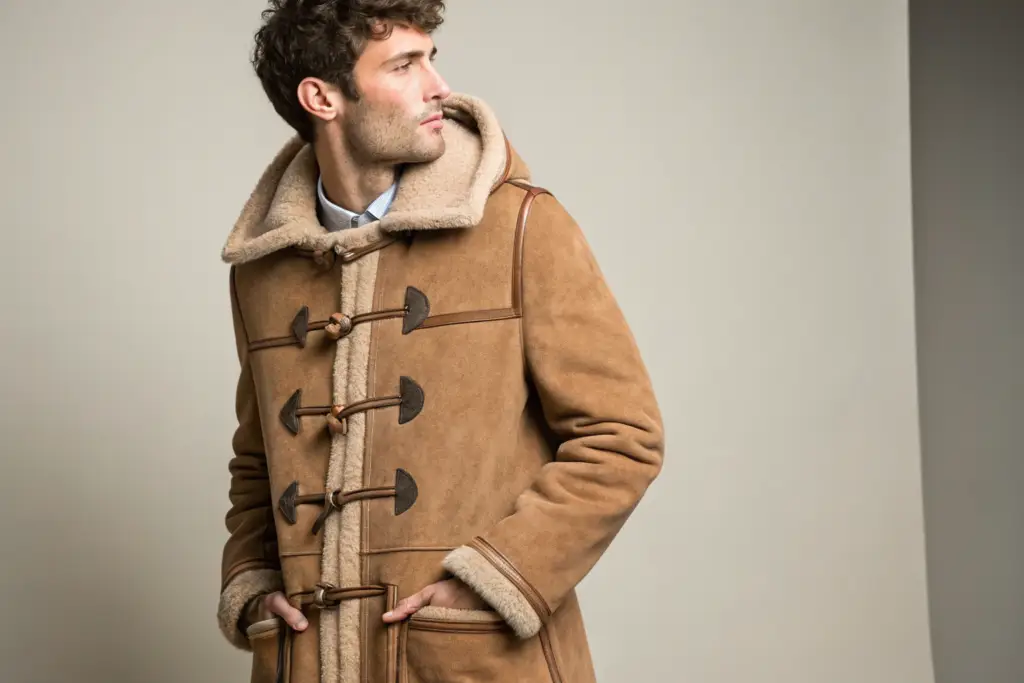
The 2026 luxury toggle coat reimagines the classic duffle coat silhouette by replacing the traditional wool melton with premium, tactile materials such as full-grain shearling with the suede side facing out, sustainable alpaca blends, or cashmere-wool mixes, extending the length to a dramatic mid-calf sweep that transforms the coat from a casual, knee-length jacket into a statement outerwear piece, and scaling up the toggle and leather loop closures to an exaggerated, almost sculptural size that emphasizes the handcrafted, artisanal quality of the fastenings.
Why Is Shearling the Defining Material for the 2026 Toggle Coat?
Shearling, a sheepskin with the wool still attached, is the material that is driving the toggle coat's elevation. It is the ultimate luxury cold-weather material, combining a soft, durable suede exterior with a plush, insulating wool interior. It is warm, textural, and inherently protective. It drapes beautifully and it ages gracefully, developing a unique patina over time.
The 2026 shearling toggle coat is often worn with the suede side facing out and the wool side facing in, or with the wool exposed at the cuffs and the collar. The color palette is natural and earthy: cream, camel, deep brown, and charcoal. The toggles themselves are often made from polished horn or dark wood, adding to the natural, organic luxury of the garment. The overall effect is one of quiet, substantial wealth, a coat that is built to last a lifetime and that communicates its value through its materials, not its branding. This shearling coat construction and material properties explains the technical aspects of working with shearling.
How Does the Extended Length Change the Coat's Silhouette?
The traditional duffle coat is a knee-length garment. The 2026 luxury version extends the length to the mid-calf, transforming the coat from a casual jacket into a dramatic, sweeping statement piece. This extended length changes the entire proportion of the coat. It creates a long, unbroken vertical line that elongates the body. It adds a sense of drama and occasion to the garment.
The extended length also increases the volume of the coat, giving it a more enveloping, cocoon-like feel. When the wearer walks, the long hem of the shearling coat moves with a heavy, luxurious swing. This sense of movement and weight is a key part of the garment's appeal. It is a coat that is not just seen. It is felt. This maxi-length outerwear trend for women provides context on the long coat trend.
Why Is the Statement Cape or Poncho Making a High-Fashion Comeback?
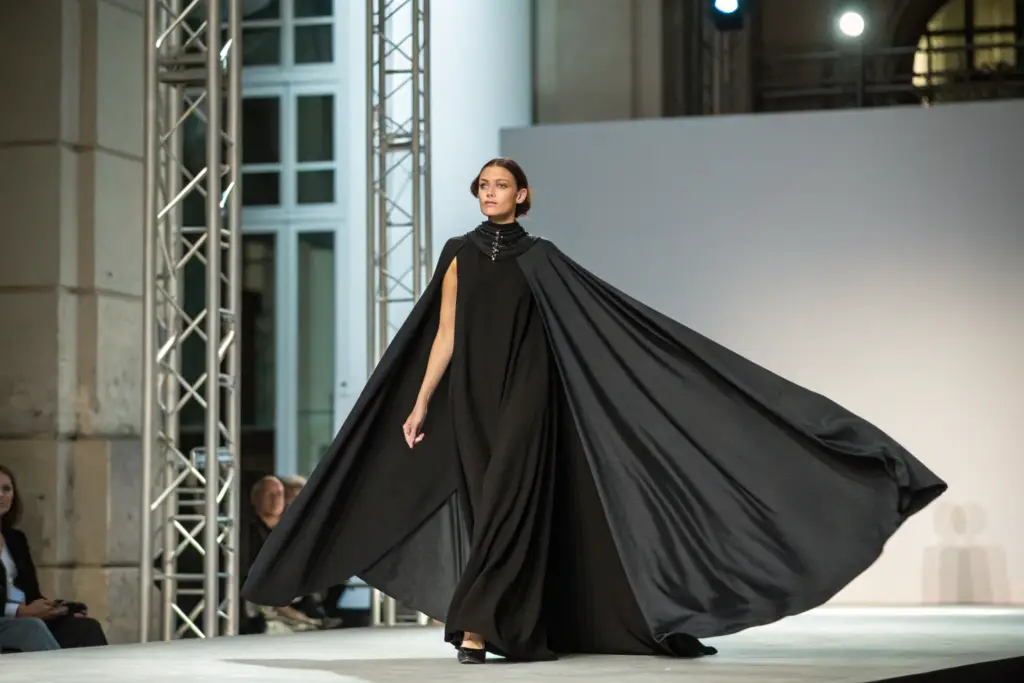
The cape is the wild card of the 2026 coat trends. It is the least practical and the most expressive. It has no sleeves. It has no closures, or perhaps a single, dramatic clasp at the neck. It is a garment of pure silhouette, a piece of fabric that transforms into architecture when worn. The cape has been hovering at the edges of high fashion for several years. In 2026, it is moving to the center of the conversation, driven by a desire for clothing that is less about function and more about emotion, drama, and self-expression.
The statement cape or poncho returns in 2026 as the ultimate expression of post-pandemic "dopamine dressing," a garment that abandons the practical constraints of sleeves and complex closures in favor of pure, dramatic silhouette and emotional impact, executed in luxurious, movement-responsive fabrics such as double-faced cashmere, fine-gauge merino wool, or bold graphic jacquard knits, and worn as a theatrical, artistic statement piece that communicates confidence, creativity, and a refusal to be constrained by conventional dress codes.
How Do You Construct a Cape That Is Both Dramatic and Wearable?
The manufacturing challenge of the cape is the balance between drama and wearability. A cape that is too voluminous is unwearable. A cape that is too minimal is just a scarf. The successful 2026 cape is engineered to sit securely on the shoulders without slipping, to allow the arms to move freely, and to drape beautifully in motion and at rest.
The pattern for a cape is fundamentally different from a coat pattern. It is typically a circle, a half-circle, or a series of panels that create a circular shape. The arm openings are strategically placed slits, often with an internal facing for a clean finish. The collar or the neckline is engineered to bear the weight of the entire garment, distributing it evenly across the shoulders so that the cape does not pull back and choke the wearer. The fabric must have excellent drape and movement. Double-faced wool and cashmere, which are finished on both sides and do not require a lining, are ideal because they provide warmth and structure without bulk. This cape and poncho pattern drafting techniques provides a technical overview.
What Fabrics and Patterns Define the 2026 Statement Cape?
The 2026 statement cape is not a quiet garment. It embraces bold, saturated colors, rich crimsons, deep emeralds, and bright cobalt blues, as a counterpoint to the neutral palette that has dominated recent seasons. It embraces graphic patterns, large-scale plaids, bold stripes, and abstract jacquards, that amplify the dramatic silhouette.
The fabric is the canvas for this expression. A heavy, double-faced cashmere or wool provides a luxurious weight and a beautiful, clean edge. A graphic jacquard knit adds texture and pattern. The cape is a vehicle for artistic expression, a wearable piece of art. The brand that offers a cape in its 2026 collection is making a statement about its identity: that it values creativity, emotion, and the power of a beautiful object. This textile trends for high-fashion outerwear provides insight into the fabrics driving the market.
Conclusion
The women's coat trends for 2026 are defined by a decisive and welcome move toward volume, texture, and emotional expression. The oversized cocoon coat wraps the body in a protective, sculptural layer. The luxe heritage toggle coat reimagines a classic in sumptuous, long-lasting materials. The dramatic statement cape offers a canvas for pure, unapologetic self-expression. These three silhouettes share a common DNA: a rejection of the restrictive, the body-conscious, and the purely functional, in favor of the comfortable, the expressive, and the beautiful.
For the brands and the factories that manufacture them, these coats represent a challenge and an opportunity. The challenge is the engineering, the pattern making, and the material sourcing required to execute volume and drama without sacrificing quality. The opportunity is the premium price point and the brand-defining impact that a great coat can command.
At Shanghai Fumao, I have invested in the pattern expertise, the fabric relationships, and the production capabilities to manufacture these complex, high-value outerwear pieces. If you are a brand planning your Fall/Winter 2026 collection and want to explore the potential of the cocoon coat, the heritage toggle, or the statement cape, contact our Business Director, Elaine, at elaine@fumaoclothing.com. Let's build the coat that your customer will wrap herself in for years to come.