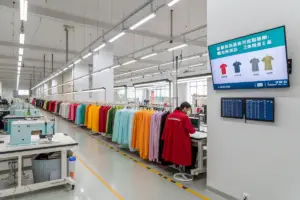
Three years ago, I received a frantic phone call from a brand owner in Chicago. She had just discovered that her primary factory of six years had filed for bankruptcy. She had a $45,000 deposit sitting in their account for a spring collection that was only 40% complete. The factory owner had been funding one client’s production with the deposits from another. When one large client pulled out, the entire house of cards collapsed. She lost her deposit, her raw materials, and her delivery window. She had to scramble to find a new factory, pay rush fees, and air-freight the goods. The financial loss was around $80,000. The emotional toll was worse. She told me she would never again choose a factory without seeing their financial health first. That conversation changed how I present our factory to new partners.
The absolute key financial indicators of a highly stable and reliable clothing manufacturer are a current ratio above 1.5, a debt-to-equity ratio below 1.0, and a positive operating cash flow sustained over at least three consecutive years. You must also verify that the factory operates with a clean separation between client deposits and operating capital, a practice visible in their working capital management. A reliable factory invests a consistent percentage of annual revenue, typically 3% to 5%, back into machinery maintenance and staff training. These metrics prove the factory is not borrowing from your order to finish someone else’s. They prove the factory can absorb a seasonal downturn without collapsing. A factory that hides these numbers or claims they are "confidential" is a factory operating on the financial edge, and your brand’s inventory is the weight that could tip them over.
Most brand owners evaluate a factory by looking at stitch quality and fabric swatches. They completely ignore the balance sheet. That is a mistake. A factory with perfect stitching but a terrible cash position will deliver late, cut corners on material sourcing, or close its doors with your goods half-finished on the line. Financial stability is the invisible foundation of every quality claim a factory makes. I want to share the exact financial metrics we track at Shanghai Fumao, and that you should demand from any factory you trust with your brand.
Why Is the Current Ratio the Single Most Honest Signal of a Factory’s Short-Term Survival?
A factory’s current ratio is calculated by dividing its current assets by its current liabilities. Current assets are cash, accounts receivable, and inventory that can be converted to cash within one year. Current liabilities are debts and payables due within one year. I learned the brutal importance of this ratio early in my career. A neighboring factory in Shanghai had a beautiful showroom and a great sales team. They won orders from major European brands. But their current ratio was 0.8. They had more short-term debts than short-term assets. When a key raw material supplier tightened payment terms, they could not pay. The entire factory stopped for three weeks. Unfinished garments sat on the sewing tables gathering dust. Brands missed their delivery windows. The factory survived, but three of their largest clients never returned.
A current ratio above 1.5 is the single most honest signal that a factory can pay its immediate bills without raiding client deposits. A ratio between 1.5 and 2.5 indicates healthy liquidity. The factory has enough cash and receivables to cover supplier invoices, worker wages, and utility bills even if a few clients delay payment. A ratio below 1.0 is a red flag. It means the factory’s short-term debts exceed its short-term assets. The factory is likely using new client deposits to pay for last month’s fabric purchases, a classic Ponzi-like structure in manufacturing. A ratio above 3.0 can also be a concern. It may indicate the factory is hoarding cash rather than investing in equipment maintenance or staff training, which creates long-term quality erosion. The sweet spot is between 1.5 and 2.5, and you should ask for this number specifically.
I show our current ratio to every serious prospect who asks. It is not a secret. It is a proof point. A factory that refuses to share this number is sending a clear signal that the number is not good. You would not invest in a publicly traded company without seeing its financials. Your brand’s production order is a significant investment. Demand the same transparency.

How Does a Healthy Current Ratio Prevent a Factory from Using Your Deposit to Fund Another Client’s Order?
The mechanism is straightforward. When a factory has a current ratio below 1.0, they face a daily cash shortage. A fabric supplier demands payment. The factory has no cash reserves. Your $20,000 deposit arrives. The factory manager has a choice: pay the fabric supplier and start your order, or use the cash to pay the overdue wages from last month. The pressure to keep the doors open often forces the second choice. Your deposit is gone, and your fabric has not been purchased. Your production start date slips. The factory then needs another client’s deposit to finally buy your fabric. This creates a vicious cycle. A factory with a current ratio above 1.5 has a cash buffer. When your deposit arrives, it goes into a segregated operating account. The factory pays its current obligations from its existing working capital, not from your deposit. Your fabric order is placed immediately because the procurement process is not dependent on fresh cash. We maintain a strict policy at Shanghai Fumao: client deposits are held in a separate account and drawn down only as raw materials are physically purchased for that specific order. This is not a legal requirement in all jurisdictions. It is a financial integrity choice. We learned this practice from studying supply chain finance best practices and applying them to our own business.
What Is the Danger Zone for a Factory’s Quick Ratio in the Apparel Industry Specifically?
The quick ratio is a stricter version of the current ratio. It removes inventory from current assets because inventory can be difficult to liquidate quickly. In the apparel industry, inventory is finished garments and raw fabric. A fabric that is a custom color for one brand is essentially worthless to another brand. The quick ratio reveals whether a factory can pay its immediate debts without relying on selling its inventory. A healthy quick ratio for a garment factory is 0.8 to 1.2. A ratio below 0.6 is the danger zone. It means the factory cannot cover its short-term liabilities without selling fabric or finished goods. If a brand cancels an order, the factory has no cash cushion. We saw this play out during the pandemic. Factories with quick ratios above 1.0 survived the cancellation wave. They had enough cash and receivables to negotiate with suppliers and retain their workforce. Factories with quick ratios below 0.5 collapsed. Their inventory of custom-branded goods was unsellable, and they had no other assets to liquidate. The quick ratio is particularly important in fashion because of the speed at which inventory value depreciates. A finished garment for spring loses 80% of its value by summer. The factory’s balance sheet may look fine on paper because of the inventory line item, but the quick ratio exposes the truth.
How Does the Debt-to-Equity Ratio Predict a Factory’s Long-Term Resistance to Global Economic Shocks?
In 2022, a textile mill we source from faced a brutal decision. The global cotton price spiked 30% in three months. Mills that had borrowed heavily to expand during the post-pandemic boom could not service their loans. Several closed permanently. Our mill survived because their debt-to-equity ratio was 0.3. They owned most of their machinery outright. Their loan payments were small. When the cotton price spike squeezed margins, they tightened their belt and weathered the storm. They did not miss a single delivery to us. That stability flowed directly to our brand partners, whose orders shipped on time while their competitors were stranded.
The debt-to-equity ratio predicts a factory’s long-term survival by measuring how much of the factory’s operations are funded by debt versus owner investment. A ratio below 1.0 indicates the factory is primarily funded by equity, meaning the owners have significant skin in the game and the factory is not beholden to aggressive bank repayment schedules. A ratio between 0.5 and 1.0 is normal and healthy for a growing factory. A ratio above 2.0 is dangerous. It means the factory is heavily leveraged. In a global economic shock, a spike in interest rates, a drop in demand, a raw material crisis, the factory’s debt service consumes its cash flow. The factory is forced to cut costs. Cost cutting in garment manufacturing means cheaper fabric, faster sewing speeds, and reduced quality control. The brand’s product quality erodes not because the factory is dishonest, but because the factory is drowning in debt.
I have watched over-leveraged factories make terrible decisions. They delay maintenance on cutting machines, so the cuts become less precise. They push sewing operators to work faster, so the stitch quality drops. They negotiate harder with fabric suppliers, so the material quality declines. Each decision is rational in isolation. The combined effect is a factory that slowly destroys the brands it serves. The debt-to-equity ratio is the early warning signal that this erosion is coming.
Why Does a Factory with Significant Owner Equity Care More About Your Brand’s Repeat Orders?
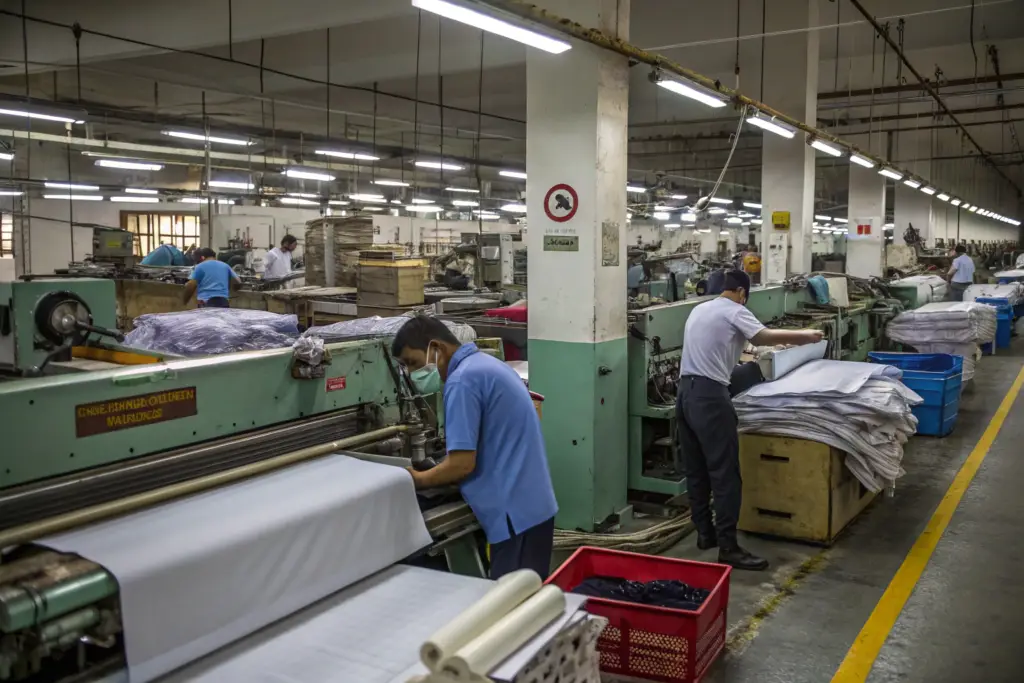
An owner with significant equity has a long-term perspective. The factory is their life’s work. They are not managing the business to hit quarterly loan covenants. They are managing it to still be here in twenty years, serving the same brand partners. This changes every interaction. When a quality issue arises, the equity-heavy owner authorizes a rework immediately. The cost is a temporary profit reduction. The alternative, shipping defective goods, damages a relationship that took years to build. The debt-heavy manager cannot afford the rework. The loan payment is due next week. They ship the defective goods and hope the brand does not notice. The equity-heavy owner also invests differently. We recently allocated $120,000 to upgrade our fabric inspection equipment. This investment will not pay back for three years. A debt-heavy factory could not justify this. They need cash now, not later. Our equity position allowed us to make the long-term decision. Our brand partners benefit from better fabric quality today because we made a financial decision five years ago to retain earnings rather than distribute them. The link between owner equity and customer loyalty is not theoretical. It is visible in every reorder rate we track.
What Is the Relationship Between High Leverage and the Temptation to Substitute Cheaper Raw Materials?
When a factory’s debt payments consume 40% of monthly revenue, the pressure to reduce variable costs is immense. Raw materials are the largest variable cost in garment production. The factory faces a constant temptation. The specified fabric is $6.50 per meter. A similar fabric, visually identical but with lower yarn density, is $5.20 per meter. The factory can save $1.30 per meter by substituting. On a 5,000-meter order, that is $6,500 in immediate savings. The debt payment is covered. The brand receives a garment that looks correct in the showroom but pills after three washes. The brand’s customer is unhappy. The brand’s reputation suffers. The factory’s debt created a financial incentive to betray the brand’s trust. I am not speculating. I have seen this happen. A brand we later onboarded showed us a previous production sample. The fabric was a 180 GSM cotton jersey. The bulk production had been switched to a 160 GSM jersey with a chemical finish that temporarily added stiffness. After washing, the fabric lost the finish and the garment became transparent. The previous factory had substituted the material to cover a cash shortfall. That factory had a debt-to-equity ratio of 2.5. We pulled their publicly available financials and the pattern was clear. High leverage is a direct predictor of material substitution risk.
What Positive Operating Cash Flow Trends Separate Truly Stable Factories from Ponzi Schemes?
A factory can show a profit on paper and still go bankrupt. Profit is an accounting opinion. Cash is a fact. I once reviewed the financials of a competing factory that a brand was considering. Their income statement showed a net profit margin of 8%. Respectable. Their cash flow statement told a different story. They had negative operating cash flow for four consecutive quarters. The profit was all in accounts receivable, money owed by clients who were delaying payment. The factory was paying its suppliers and workers with bank overdrafts and fresh deposits. They were insolvent in all but name. The brand heeded our warning and did not place the order. Six months later, that factory closed. The brands with open orders lost their deposits.
Positive operating cash flow, sustained over multiple years, is the heartbeat of a stable factory. It means the factory generates enough cash from its normal production activities to cover its operating expenses, supplier payments, and capital investments without relying on external borrowing or new client deposits. A factory that reports profits but consistently negative operating cash flow is a Ponzi scheme in slow motion. It is using new money to pay old bills. The trend matters as much as the absolute number. A factory with three consecutive years of positive operating cash flow has demonstrated it can survive seasonal fluctuations, client losses, and raw material price changes. A factory with one good year followed by two bad years is unstable, regardless of its current ratio.
Cash flow is the metric I watch most closely in our own business. Every Monday morning, I review a cash flow projection for the next 12 weeks. It shows expected deposits from clients, expected payments to suppliers, and the resulting cash balance. If I see a potential shortfall six weeks from now, I have time to adjust. I can delay a non-essential equipment purchase. I can negotiate extended payment terms with a supplier. I can accelerate collection on a receivable. The projection does not eliminate problems, but it eliminates surprises. A factory that does not maintain a 12-week cash flow projection is flying blind.
How Does a Factory’s Ability to Pay Suppliers Within 30 Days Indicate Financial Strength?
Payment terms are a window into a factory’s cash position. A factory that pays its fabric suppliers within 30 days has cash reserves. The suppliers trust them. When a rush order comes in, the supplier prioritizes the factory’s fabric order because they know the invoice will be paid promptly. A factory that stretches payments to 60 or 90 days is cash-poor. The suppliers do not trust them. They demand payment upfront or delay shipments. The factory’s production slows down, and the brand’s delivery window shrinks. I have built our supplier relationships over 15 years by paying on time, every time. During the 2021 energy crisis in China, when many factories had their power rationed, our fabric suppliers gave us priority access to limited production capacity. They did this because we had never been late on a payment. The financial discipline of prompt payment translated directly into supply chain resilience for our brand partners. Ask a factory how quickly they pay their suppliers. If they hesitate, that is an answer. You can also ask for a reference from one of their fabric suppliers. The supplier payment practices reveal more about a factory’s stability than a polished brochure ever will.
Why Should a Brand Ask for Three Years of Cash Flow Statements Instead of Just One?
A single year of cash flow data can be manipulated. A factory facing a financial review can delay supplier payments in December to make January’s cash balance look healthier. They can offer clients a discount for early payment in the final month of the fiscal year. These are cosmetic adjustments. Over three years, the manipulation becomes visible. A factory with one year of positive cash flow and two years of negative is carrying a structural problem. The good year was likely funded by a large, one-time order or a bank loan. The underlying business cannot sustain itself. Three years of positive operating cash flow demonstrates that the business model works across different market conditions. It survived a year when cotton prices were high, a year when a major client reduced orders, and a year when freight costs spiked. The consistency is the proof. We provide three years of reviewed financial statements to any brand partner who signs a non-disclosure agreement. The transparency builds trust. The trust builds a partnership that survives the inevitable problems that arise in any manufacturing relationship.
What Fixed Asset Investment Ratio Proves a Manufacturer Is Building a Future, Not Just Surviving?
I visited a factory in Bangladesh five years ago that had machinery from the 1990s. The owner was proud of the fact that he had no debt. He owned everything outright. The problem was that his cutting machines could not hold tolerance on modern stretch fabrics. His sewing machines could not handle the fine gauge yarns that brands were requesting. He was debt-free and dying slowly. His refusal to invest in new equipment was driving his clients away. A factory that does not reinvest is a factory in decline. The machinery wears out. The technology becomes obsolete. The skilled operators leave for factories with better equipment. The quality fades.
A healthy fixed asset investment ratio proves a manufacturer is building a future. This metric measures the percentage of annual revenue that is reinvested into new machinery, facility upgrades, and technology systems. For a stable garment factory, this ratio should be between 3% and 5% annually. Below 2% indicates the factory is underinvesting. The equipment is aging. The quality will erode. Above 8% may indicate the factory is over-expanding, taking on debt to fund growth that may not materialize. The ideal factory invests steadily and consistently. You can see the evidence of this investment on the factory floor. Look at the age of the sewing machines. Check the maintenance logs. Ask when the cutting equipment was last calibrated. The physical evidence confirms or contradicts the financial data.
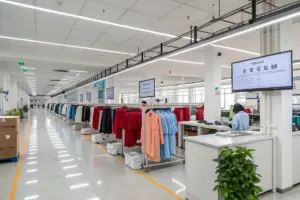
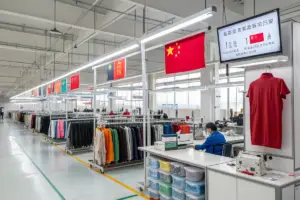
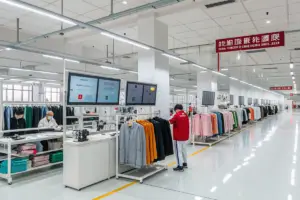
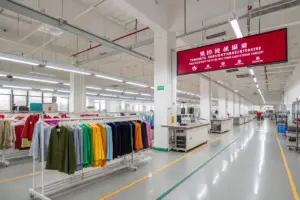
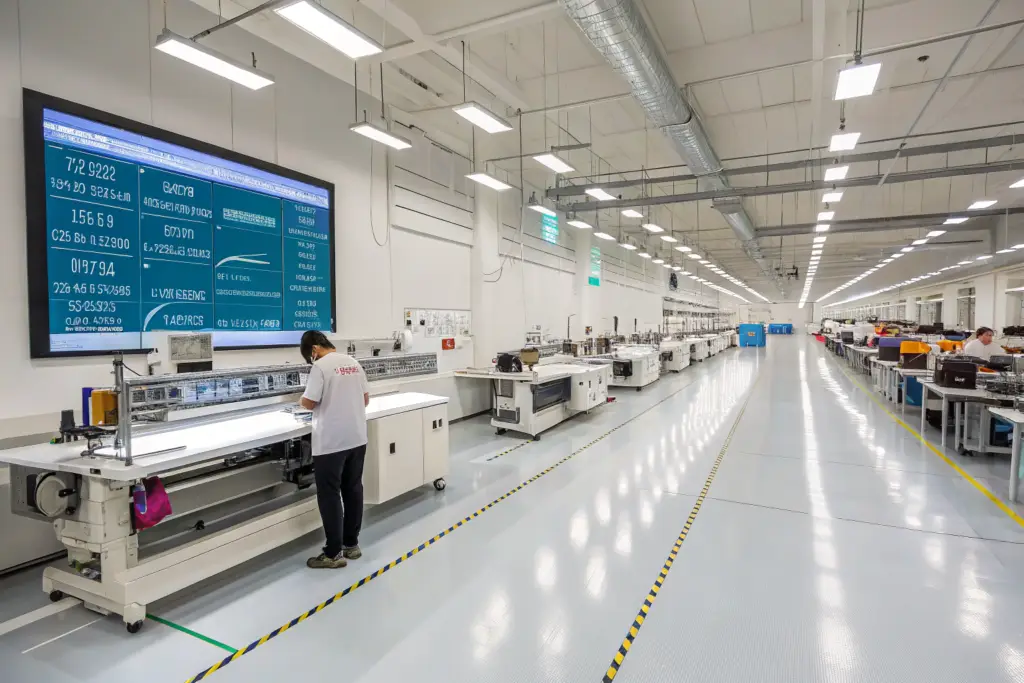
I take brand partners on a factory tour that includes a stop at our maintenance workshop. It is not the most glamorous part of the operation. It is the most revealing. A factory that maintains a clean, organized maintenance workshop with a full-time technician is a factory that cares about its equipment. A factory that cannot show you the maintenance logs is a factory that runs its machines until they break. That reactive approach causes production delays, quality defects, and missed delivery windows.
How Can a Brand Physically Verify a Factory’s Claimed Investment in Equipment Maintenance?
You walk the floor and you ask to see the records. Every industrial sewing machine has a maintenance schedule. The manufacturer specifies an oil change interval, a calibration check, and a parts replacement timeline. A well-run factory keeps a maintenance log for every machine. The log records the date of each service, the technician’s name, and the parts replaced. Ask to see the log for a random machine on the floor. If the factory cannot produce it, they are not maintaining their equipment systematically. Look at the machines themselves. Are they clean? Is there oil pooling on the floor beneath them? A puddle of oil indicates a leak that has not been fixed. Is the electrical wiring organized or a tangle of loose cables? These visual cues align with or contradict the financial investment ratio. I once walked a brand owner through our cutting room and showed him the calibration certificate on our automatic spreader. It was dated the previous week. He told me no other factory had ever shown him that level of detail. That is the difference between claiming investment and proving it. The equipment maintenance audit is a simple, powerful due diligence tool.
What Technology Upgrades Signal a Factory Is Ready for the Next Decade of Fashion Manufacturing?
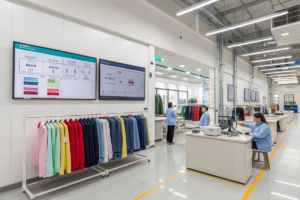
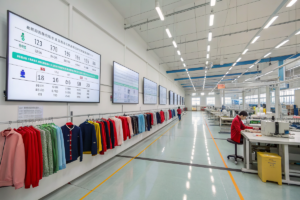
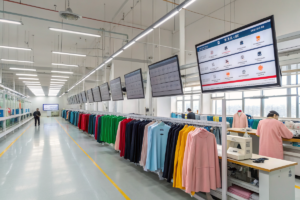
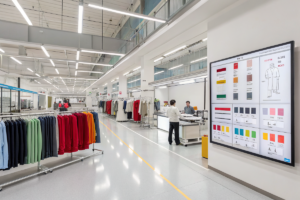
The factories that will thrive in the next decade are investing in three specific technologies. First, digital pattern-making and 3D sampling software. This reduces sample development time from weeks to days and eliminates the waste of physical samples that are rejected. Second, automated fabric inspection machines with camera-based defect detection. These machines catch fabric flaws that human inspectors miss, reducing the defect rate in finished garments. Third, cloud-based production management systems that provide real-time visibility into work-in-progress status. This technology allows the factory to give the brand accurate delivery promises rather than optimistic guesses. At Shanghai Fumao, we have invested in all three. The 3D sampling technology has cut our average sample approval time by 40%. The automated inspection system has reduced our fabric defect pass-through rate to below 0.5%. The production management system gives our brand partners a live dashboard of their order status. These investments are expensive. They are also the reason our brand retention rate is over 90%. Brands stay because the technology makes their lives easier and their businesses more profitable.
Conclusion
The financial indicators of a stable and reliable clothing manufacturer are not complicated. A current ratio above 1.5. A debt-to-equity ratio below 1.0. Positive operating cash flow for at least three consecutive years. A fixed asset reinvestment rate between 3% and 5%. These four numbers, verified by financial statements and confirmed by a physical factory tour, will protect your brand from the factory collapses, material substitutions, and delivery failures that plague the apparel industry.
The Chicago brand owner who lost $80,000 taught me a lesson I will never forget. She now asks every potential factory for these four numbers before she sends a tech pack. She told me that two factories refused. Three others provided numbers that did not match the physical condition of their facilities. One factory provided clean numbers and a clean floor. She placed her order with them, and her collection shipped on time. The financial due diligence took her four hours. The return on that time investment was the survival of her brand.
At Shanghai Fumao, we are prepared to share these financial indicators with serious brand partners. We will walk you through our current ratio, our debt structure, our cash flow trends, and our equipment investment plan. We will show you the maintenance logs and the calibration certificates. We will introduce you to the accountant who prepares the statements and the production manager who spends the budget. Financial transparency is not a risk for us. It is our competitive advantage.
If you are evaluating a new manufacturing partner, or if you want to conduct financial due diligence on your current factory, we can help you build a framework for the conversation. At Shanghai Fumao, we will share a sample financial health checklist that you can use with any factory. We will also provide our own audited financial summary for your review. Contact our Business Director, Elaine, at elaine@fumaoclothing.com. She can schedule a financial transparency walkthrough and answer any questions about how we manage the financial side of our production partnership. Your brand’s inventory is too valuable to trust to a factory with a weak balance sheet. Demand the numbers. Protect your business.