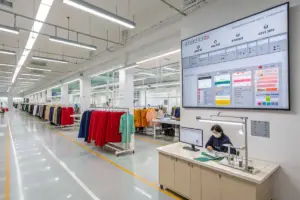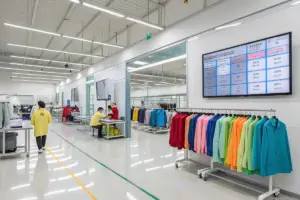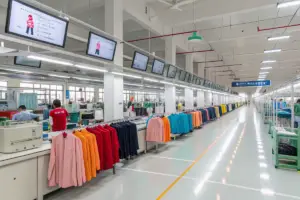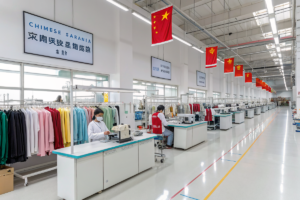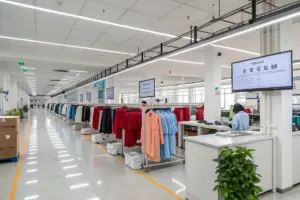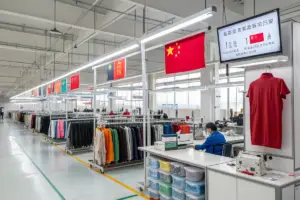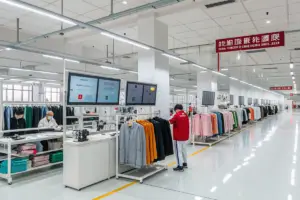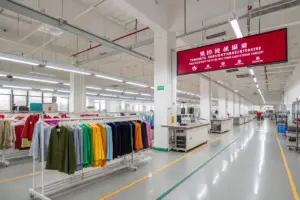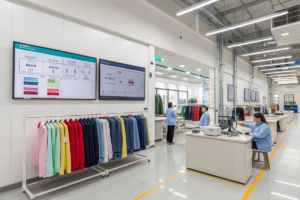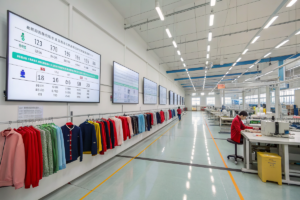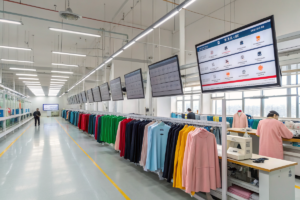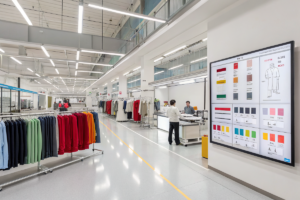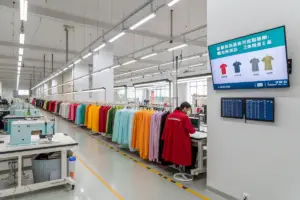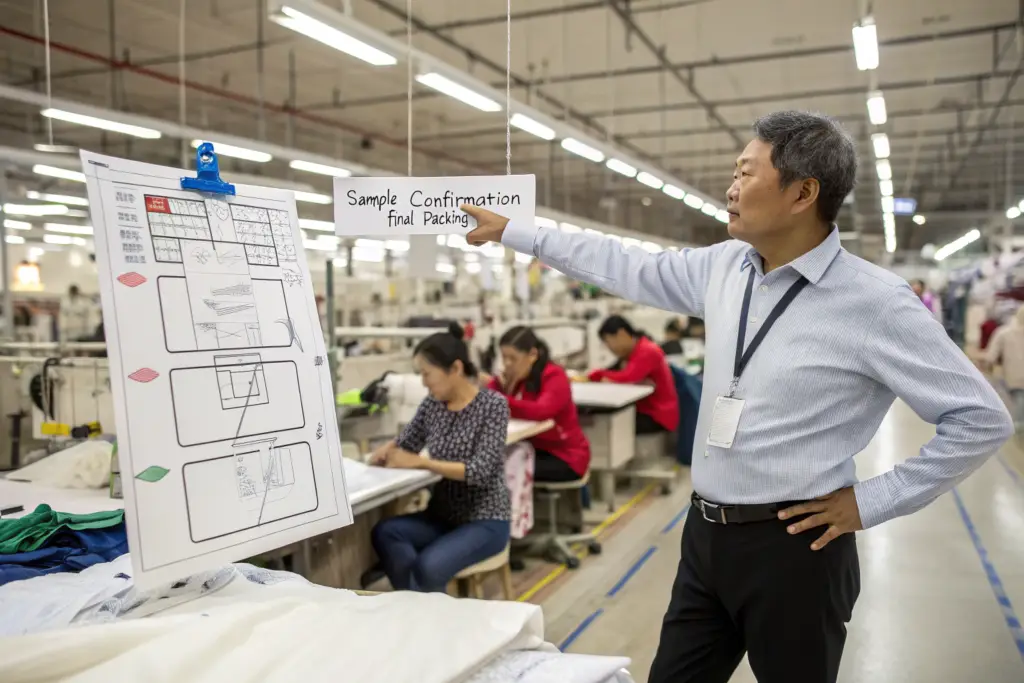
You have approved the sample. You are relieved. The hard part is over. Or so you think. But the sample is just the beginning. Now the real work starts. Bulk production is a different world. Many things can go wrong. The fabric can vary. The cutting can be off. The sewing can drift. The finishing can be rushed. I have seen brands assume that sample approval means the order will be perfect. It does not. You need to understand the production process. You need to manage it.
Based on our experience producing millions of garments, the production process after sample confirmation involves five key stages: material sourcing and inspection, fabric cutting, sewing and assembly, finishing and pressing, and final quality control and packing. For example, last year we worked with a brand from Los Angeles. They approved the sample. Then they assumed everything was fine. They did not monitor production. The bulk order had issues. The fabric was from a different lot. The color was off. When they switched to us, we showed them our process. We inspect every fabric roll. We do in-line quality control. We share photos. The brand now knows that sample approval is not the end. It is the start of a new process.
So, what is the production process after sample confirmation? Let me break it down. I will explain each stage. I will show you what can go wrong. And I will give you a framework for monitoring production.
What Happens During Material Sourcing and Inspection?
The sample used a small piece of fabric. I remember a client from New York. They approved a sample. The bulk fabric came from a different lot. The color was different. The weight was different.
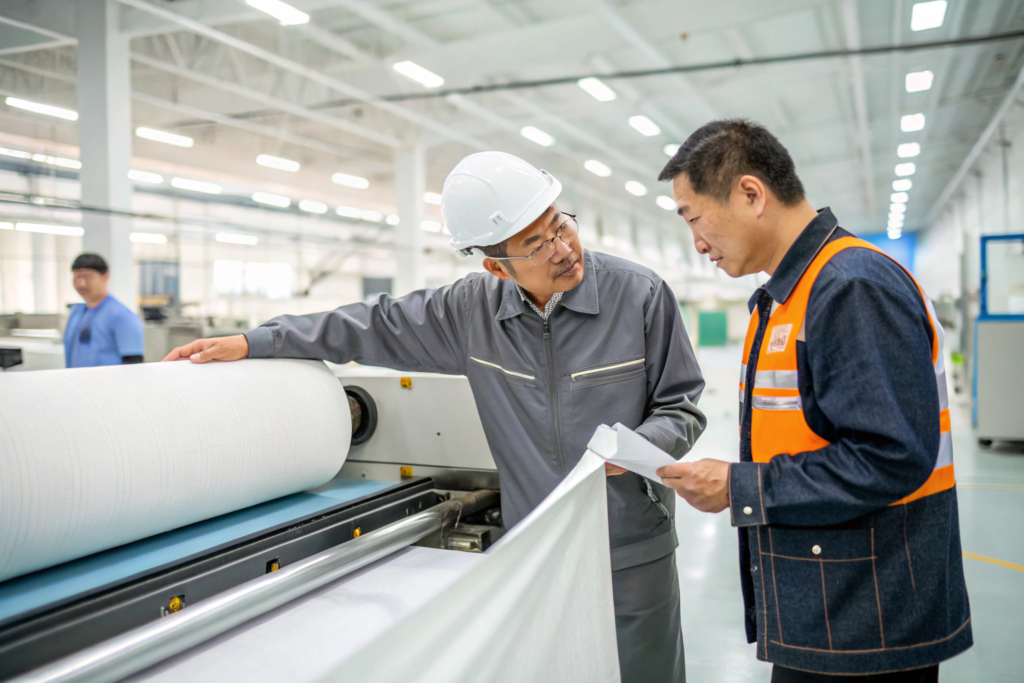
After sample confirmation, the first step is material sourcing and inspection. We order the production fabric from the mill. We request the same lot as the sample. When the fabric arrives, we inspect every roll. For the New York client, we now check color, weight, and defects. For woven shirts, we check for color variation and weaving defects. For knits, we check for holes and uneven dye. For denim, we check the wash consistency. We also inspect trims. Zippers, buttons, labels, and thread are checked against the approved trim card. If any material does not meet the standard, we reject it. We do not cut defective fabric.
What Is Checked During Fabric Inspection?
During fabric inspection, we check:
- Color (against the lab dip)
- Weight (GSM)
- Width (usable width)
- Defects (holes, slubs, stains)
- Shrinkage (tested)
For a sportswear client, we also check the stretch percentage. The fabric must match the sample.
How Are Trims Inspected?
Trims are inspected by:
- Comparing to the approved trim card
- Testing function (zippers zip, buttons button)
- Checking color match
- Counting quantities
For a denim client, we test the rivets. They must be secure.
How Is Fabric Cut for Bulk Production?
Cutting seems simple. But it is not. I remember a client from Chicago. Their factory cut the fabric incorrectly. The pattern pieces were not aligned. The garments were twisted.
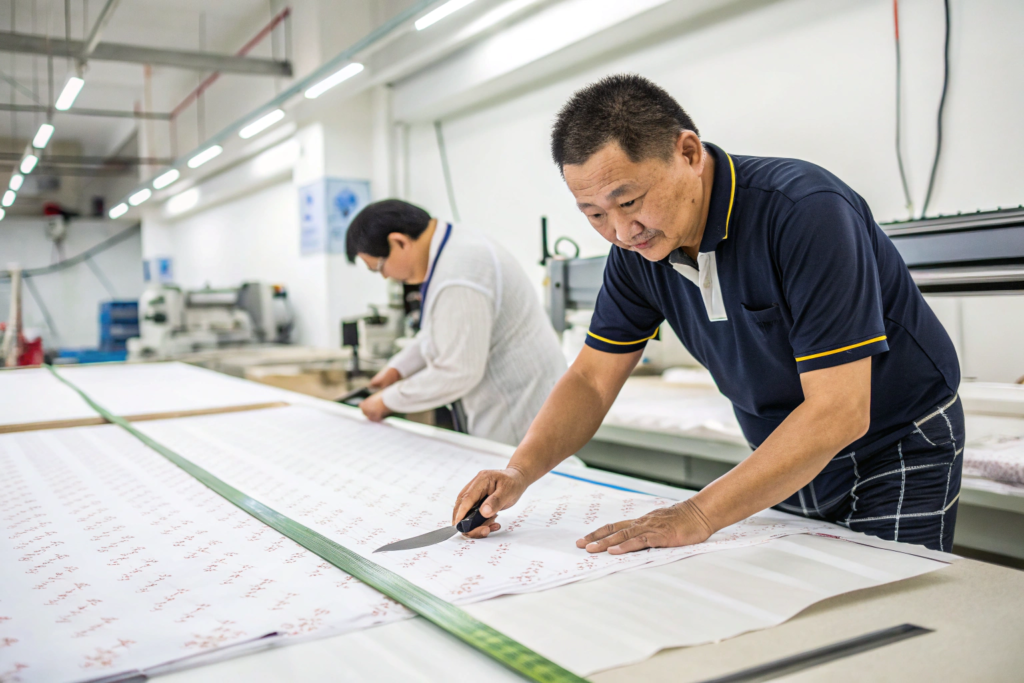
After fabric inspection, we cut the fabric. We lay the fabric in multiple layers on a cutting table. We place the pattern pieces on top. We cut with a straight knife or a computer-controlled cutter. For the Chicago client, we now use a computer-controlled cutter. It is more accurate. For woven shirts, we ensure the pattern pieces are aligned with the fabric grain. For knits, we ensure the fabric is not stretched during cutting. For denim, we ensure the pattern pieces are placed to match the wash effects. We also check for fabric defects. If a defect is found, we cut around it. The goal is to have clean, accurate pieces ready for sewing.
What Cutting Methods Are Used?
Cutting methods include:
- Manual straight knife (for small orders)
- Computer-controlled cutter (for large orders, accuracy)
- Die cutting (for simple shapes, high volume)
For a sportswear client, we used a computer-controlled cutter. The pieces were accurate to within 0.1 inches.
How Do You Minimize Fabric Waste?
We minimize waste by:
- Using efficient pattern layouts (markers)
- Nesting pattern pieces close together
- Using computer optimization
- Saving fabric remnants for small parts
For a denim client, we saved 8% of fabric by optimizing the marker.
How Are Garments Sewn and Assembled?
Sewing is where the garment comes together. I remember a client from Boston. Their factory had poor sewing quality. The seams were puckered. The topstitching was uneven.
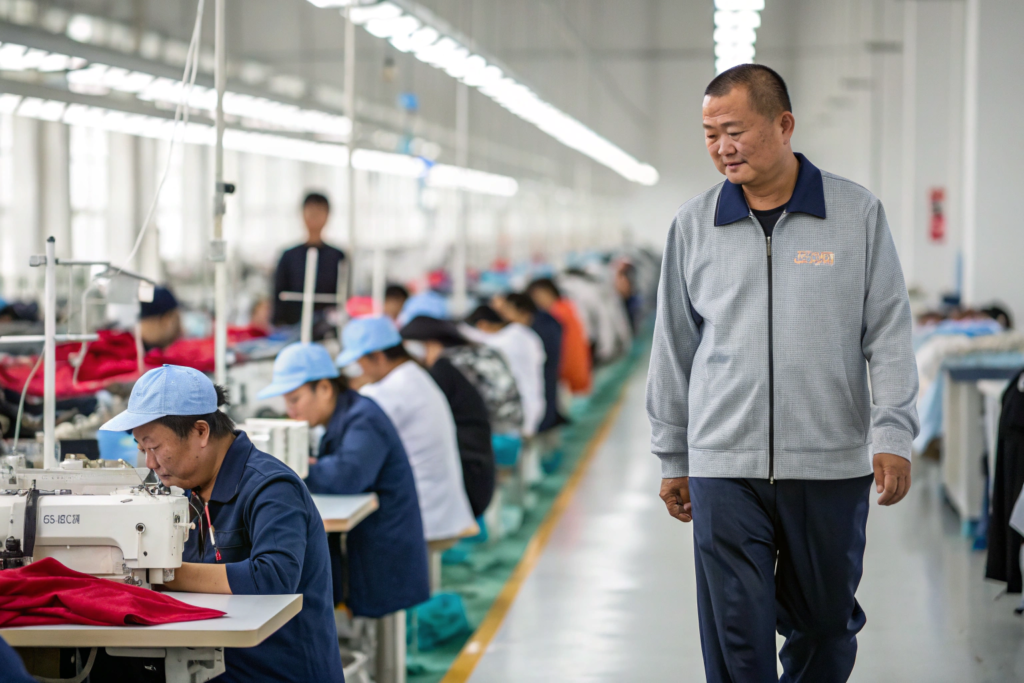
After cutting, the pieces go to the sewing line. Each operator performs a specific task. One attaches the collar. One sets the sleeves. One sews the side seams. For the Boston client, we now use standardized work instructions. Each operator knows exactly how to sew each seam. For woven shirts, we have operators trained in collar and placket attachment. For knits, we have operators trained in neckband and hem sewing. For denim, we have operators trained in topstitching and rivet attachment. We also use machine attachments and guides. These help operators sew straight and consistent seams. In-line quality control checks the first piece from each operator. If an issue is found, we stop and correct.
What Sewing Machines Are Used?
Common sewing machines:
- Lockstitch machine (for most seams)
- Overlock machine (for seam finishing)
- Coverstitch machine (for hems on knits)
- Flatlock machine (for sportswear)
- Buttonhole machine
- Button attachment machine
For a sportswear client, we used a flatlock machine for the side seams. The seams were flat and comfortable.
How Do You Ensure Consistent Seam Quality?
We ensure consistency by:
- Using standardized work instructions
- Using machine attachments (guides, folders)
- In-line quality control checks
- Operator training
- Regular machine maintenance
For a denim client, we used a guide for the topstitching. The stitching was straight and even on all pieces.
How Are Garments Finished and Pressed?
Finishing is what makes the garment look professional. I remember a client from Seattle. Their factory did not trim loose threads. The garments looked cheap.
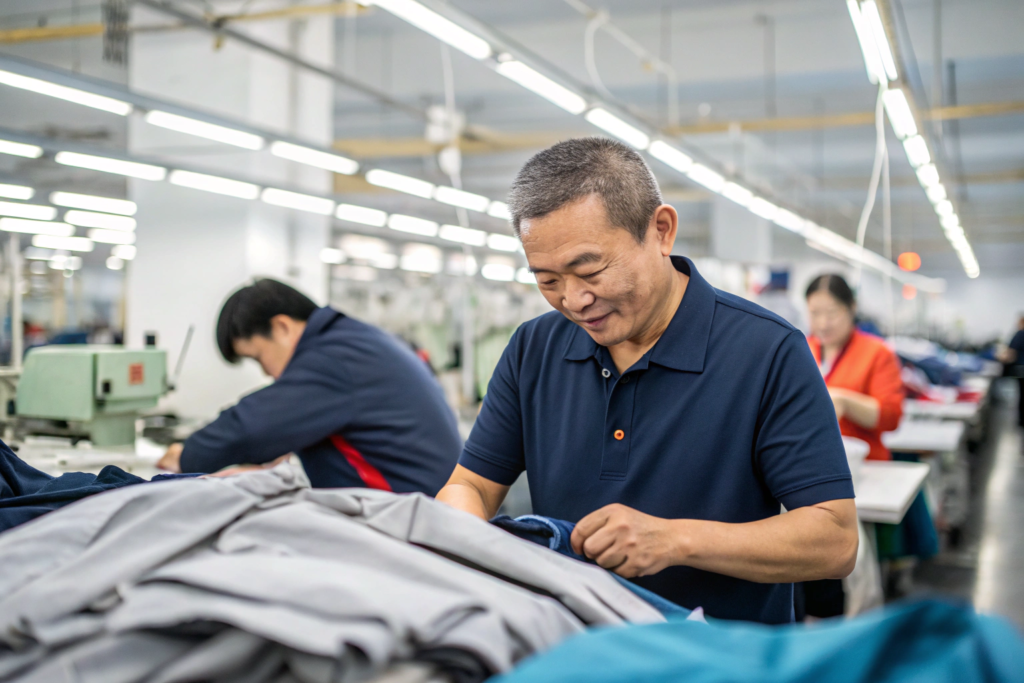
After sewing, the garments go to finishing. We trim loose threads. We press the garment to remove wrinkles. We attach labels and hang tags. For the Seattle client, we now have a finishing checklist. Every garment is inspected for loose threads, pressed seams, and correct labels. For woven shirts, we press the collar and placket. For knits, we press the seams flat (but not the rib). For denim, we press the waistband and inseams. We also check for stains or damage. Any defective garment is set aside for rework. The finishing stage is the last chance to catch issues before packing.
What Is Included in Garment Finishing?
Finishing includes:
- Trimming loose threads
- Pressing (using steam irons or presses)
- Attaching labels (size, care, brand)
- Attaching hang tags
- Folding
- Inspecting for defects
For a sportswear client, we also applied a sticker with the size and color.
How Do You Press Different Fabrics?
Different fabrics require different pressing temperatures:
- Cotton: high heat, steam
- Polyester: medium heat, no steam
- Wool: medium heat, steam, use a pressing cloth
- Denim: high heat, steam
For a denim client, we used a heavy steam press. The creases were sharp.
How Is Final Quality Control and Packing Done?
The final check is the most important. I remember a client from New York. Their factory did not do final QC. The shipment arrived with many defects.
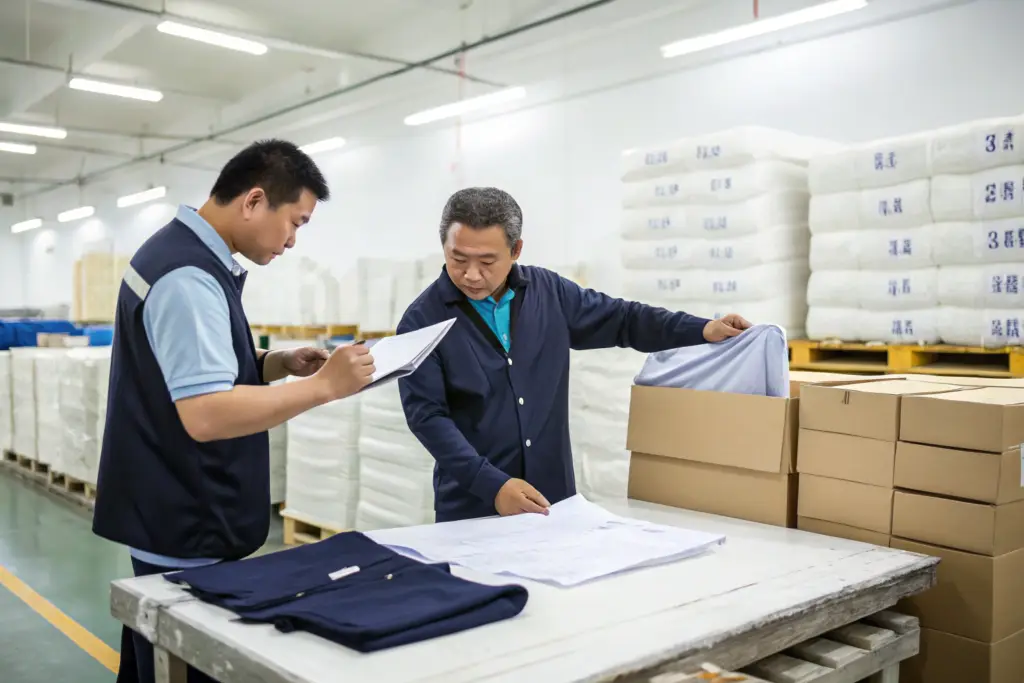
After finishing, we do final quality control. We inspect every garment. We check measurements against the spec sheet. We check for color variation. We check for construction defects. For the New York client, we now have a final QC checklist. For woven shirts, we check the collar, placket, cuffs, and button attachment. For knits, we check the neckband and hem. For denim, we check the wash, rivets, and topstitching. Any defective garment is rejected. The defect rate is recorded. After QC, we pack the garments. We use your specified packaging: poly bags, boxes, or hang packing. We seal the cartons. We label them with the style, size, color, and quantity. The cartons are stacked on a pallet. They are ready for shipping.
What Is the AQL Standard for Final QC?
We use AQL (Acceptable Quality Level) 2.5 for most garments. This means:
- Major defects (affects function): 0 allowed
- Minor defects (affects appearance): up to 2.5% of the lot
For a sportswear client, the AQL was 1.5. The standard was tighter.
How Are Garments Packed?
Packing options include:
- Individual poly bags (folded)
- Hang packing (on hangers, for retail)
- Bulk packing (multiple pieces in a box)
- Boxed (rigid boxes for premium)
For a denim client, they used poly bags and then cartons. The jeans arrived in good condition.
Conclusion
The production process after sample confirmation involves material inspection, cutting, sewing, finishing, and final QC. Each stage has risks. Material variation, cutting errors, sewing defects, and finishing mistakes can all affect quality. At Shanghai Fumao, we have a system for each stage. We inspect materials. We use accurate cutting. We standardize sewing. We finish carefully. We do final QC. We deliver quality.
Let us produce your order. Contact our Business Director, Elaine, directly at elaine@fumaoclothing.com. Approve your sample. We will start the production process. We will keep you informed at every stage.