The global apparel market is undergoing a transformative phase, driven by changing consumer preferences, technological advancements, and sustainability initiatives. What will the market look like by 2030? Let’s explore the key drivers, trends, and opportunities shaping its future.
The apparel market is projected to grow significantly by 2030, with a CAGR of 4.5%. Key drivers include rising disposable incomes, e-commerce expansion, and increasing demand for sustainable fashion. These factors are redefining the industry landscape.
Now, let’s dive deeper into the factors driving growth, market share trends, and the impact of consumer preferences and sustainability on the apparel market.
Key Drivers of Apparel Market Growth by 2030
What are the primary factors fueling the growth of the apparel market by 2030? How are these factors reshaping the industry?
The apparel market’s growth is driven by rising disposable incomes, technological advancements, and the increasing popularity of e-commerce. These factors are enabling brands to reach wider audiences and meet evolving consumer demands.

How is Rising Disposable Income Influencing Apparel Demand?
Rising disposable incomes, particularly in emerging markets, are boosting demand for apparel. As consumers have more spending power, they are investing in fashion, including premium and luxury segments.
Here’s how rising incomes are impacting the market:
- Increased Spending: Consumers are purchasing more clothing and accessories.
- Premiumization: Demand for high-quality and luxury apparel is growing.
- Diverse Preferences: Consumers are exploring a wider range of styles and brands.
This trend is creating opportunities for brands to expand their product offerings.
What Role Does E-Commerce Play in Market Growth?
E-commerce is a major driver of growth in the apparel market. Online shopping platforms are making it easier for consumers to access a wide range of products, compare prices, and make purchases from anywhere in the world.
Here’s how e-commerce is shaping the market:
- Global Reach: Brands can sell to customers worldwide through online platforms.
- Personalization: AI-driven recommendations enhance the shopping experience.
- Convenience: Fast shipping and easy returns attract more online shoppers.
E-commerce will continue to be a key growth driver for the apparel industry.
What are the dominant trends in market share within the global apparel industry? How are leading brands maintaining their competitive edge?
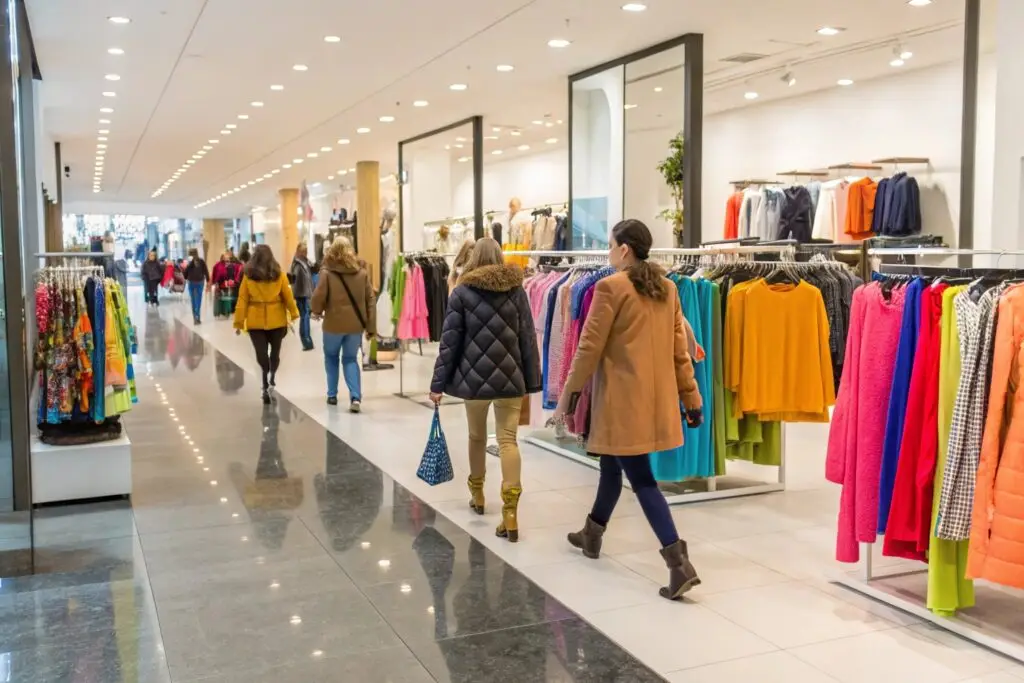
The global apparel market is characterized by the dominance of fast fashion, the rise of sustainable brands, and the growing influence of digital-native companies. These trends are reshaping market dynamics and consumer preferences.
Why is Fast Fashion Still Dominant?
Fast fashion continues to dominate the apparel market due to its ability to deliver trendy, affordable clothing quickly. Brands like Zara and H&M have mastered the art of rapid production and distribution.
Here’s why fast fashion remains popular:
- Affordability: Fast fashion offers stylish clothing at low prices.
- Speed: New collections are introduced frequently, keeping stores fresh and exciting.
- Accessibility: Fast fashion brands have a strong presence both online and offline.
Despite criticism, fast fashion remains a significant player in the market.
Sustainable brands are gaining market share as consumers become more environmentally conscious. These brands focus on eco-friendly materials, ethical production, and transparency.
Here’s how sustainable brands are making an impact:
- Eco-Friendly Materials: Use of organic cotton, recycled polyester, and other sustainable fabrics.
- Ethical Practices: Fair wages and safe working conditions for factory workers.
- Consumer Trust: Transparency about sourcing and production builds brand loyalty.
Sustainable brands are attracting a growing segment of eco-conscious consumers.
How Consumer Preferences Shape Apparel Growth
How are consumer preferences influencing the growth of the apparel market? What trends are driving demand?
Consumer preferences are a major driver of growth in the apparel market. Trends like personalization, sustainability, and comfort are shaping demand and pushing brands to innovate.

Why is Personalization Important in Apparel?
Personalization is becoming increasingly important as consumers seek unique and tailored fashion experiences. Brands are leveraging technology to offer customized products and services.
Here’s how personalization is influencing the market:
- Custom Designs: Brands are offering made-to-order clothing and customizable options.
- AI-Driven Recommendations: Online platforms use AI to suggest products based on individual preferences.
- Enhanced Shopping Experience: Personalization creates a more engaging and satisfying shopping experience.
Brands that prioritize personalization will attract and retain customers.
How is Comfort Influencing Apparel Trends?
Comfort is a key factor driving apparel trends, especially in the wake of the COVID-19 pandemic. Consumers are prioritizing comfortable and versatile clothing.
Here’s how comfort is shaping the market:
- Athleisure: The popularity of athleisure wear continues to grow.
- Soft Fabrics: Demand for soft, breathable fabrics like cotton and bamboo is increasing.
- Versatile Styles: Consumers are seeking clothing that can be worn for multiple occasions.
Brands that focus on comfort will appeal to a broad audience.
Sustainable Practices Impacting Apparel Market Size
How is sustainability influencing the size and growth of the apparel market? What steps are brands taking to meet consumer demand for eco-friendly products?
Sustainability is a major driver of growth in the apparel market, as consumers increasingly prioritize eco-friendly and ethically produced clothing. Brands are adopting sustainable practices to meet this demand and reduce their environmental impact.

What Are the Key Sustainable Practices in Apparel?
Brands are implementing a range of sustainable practices to reduce their environmental footprint and appeal to eco-conscious consumers.
Here’s a look at some key practices:
- Recycled Materials: Using recycled polyester, nylon, and other materials to reduce waste.
- Circular Fashion: Initiatives like clothing rental, resale, and recycling programs.
- Energy Efficiency: Investing in renewable energy and energy-efficient manufacturing processes.
These practices are helping brands align with consumer values and regulatory requirements.
How Does Sustainability Benefit Brands?
Sustainability offers numerous benefits for brands, from enhanced reputation to cost savings. Here’s why it’s worth the investment:
- Consumer Appeal: Eco-conscious consumers are more likely to support sustainable brands.
- Cost Savings: Efficient resource use can reduce production costs over time.
- Regulatory Compliance: Adopting sustainable practices helps brands meet evolving environmental regulations.
Sustainability is not just a trend but a long-term strategy for growth.
Conclusion
The global apparel market is set for robust growth by 2030, driven by rising disposable incomes, e-commerce expansion, and sustainability initiatives. Brands that adapt to these trends and capitalize on emerging opportunities will thrive in the evolving industry landscape.