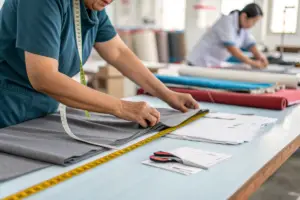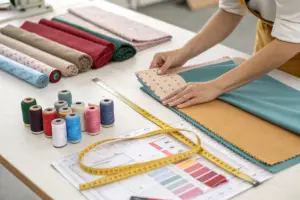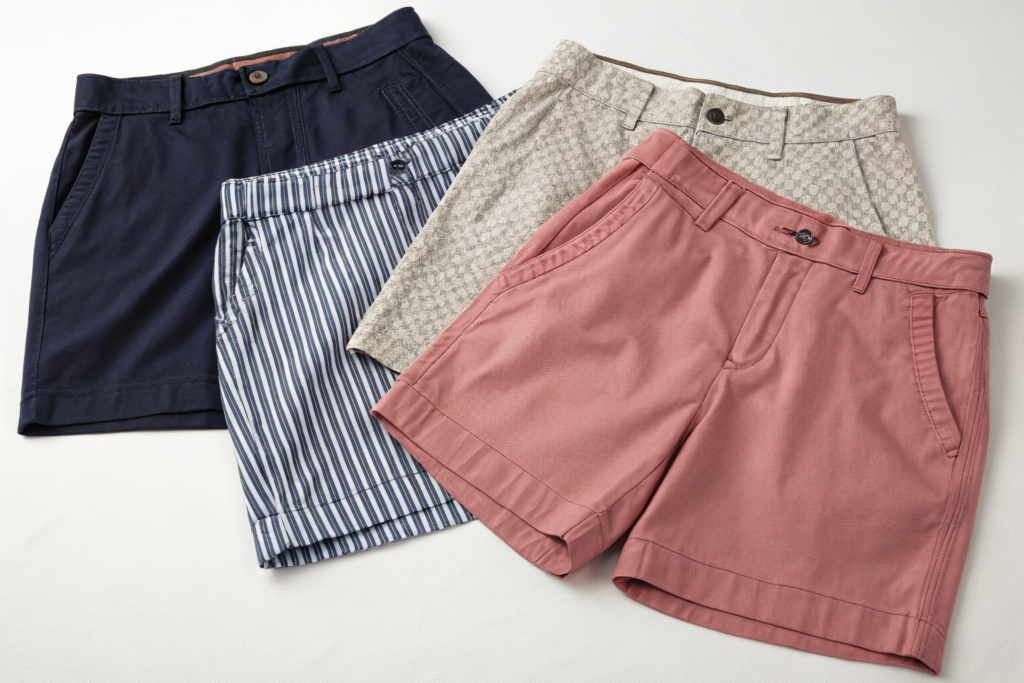
You open your store's summer lookbook. The models look perfect. The lighting is golden. But a knot forms in your stomach. Last summer, you sold through only 60% of your women's shorts inventory. The rest sits in a dusty corner of your warehouse. You marked them down by 40%. You lost money on every pair. Your customers said the sizing was weird. Some pairs were too tight in the thigh. Others were too loose in the waist. The fabric looked cheap after one wash. You do not want to repeat this mistake. You need a plan. You need a fabric that breathes, a fit that flatters, and a delivery date that hits before June 15th, not July 20th.
Choosing the best classic shorts for women this summer comes down to mastering three things: the fabric composition, the rise and inseam balance, and the construction quality of the waistband. You need a short that looks expensive but costs you a wholesale price that leaves a healthy margin. The American woman wants a pair of shorts that she can wear to a farmers' market and then to a casual lunch. She wants them to last. She checks the reviews before she buys. If she sees pictures of pilling fabric, she scrolls past your brand.
This is not just about aesthetics. This is about physics and engineering. The way a linen blend drapes. The way a chino short holds its shape. The way a denim cutoff frays. At Shanghai Fumao, we manufacture all these classical styles for U.S. brands. We see the purchase orders. We see the repeat orders. We know what sells through at full price. We know what gets returned. This article will walk you through the four classical women's short categories. We will give you the exact fabric weights, the fit adjustments, and the quality control checkpoints. This is the information you need to make a confident buying decision right now.
What Are the Most Flattering Fabric Choices for Women's Summer Shorts?
I remember a detailed conversation with a boutique owner from Portland. She was selling a beautiful pair of 100% linen shorts. They looked incredible on the hanger. But she received angry emails. The shorts wrinkled the moment a customer sat down in her car. The linen was too light. It was a 4.5-ounce fabric. It had no body. We replaced her program with a 7-ounce linen-viscose blend. The viscose added weight and drape. The wrinkles fell out naturally. Her return rate dropped. She reordered three times that season. Fabric choice is the foundation. You cannot fix a bad textile with a good design. For the U.S. women's market, the hand feel is the first moment of truth. If the fabric does not feel good in the hands, it will not feel good on the body.
Women's summer shorts demand a different engineering approach than men's. The fabric must handle curves. It must resist creasing across the hip. It must be light enough for 90-degree heat but opaque enough to hide pocket bags. Let's look at the two most commercially viable fabric stories for this season.
Why Is a Cotton-Linen Blend the Smartest Choice for High-Waisted Shorts?
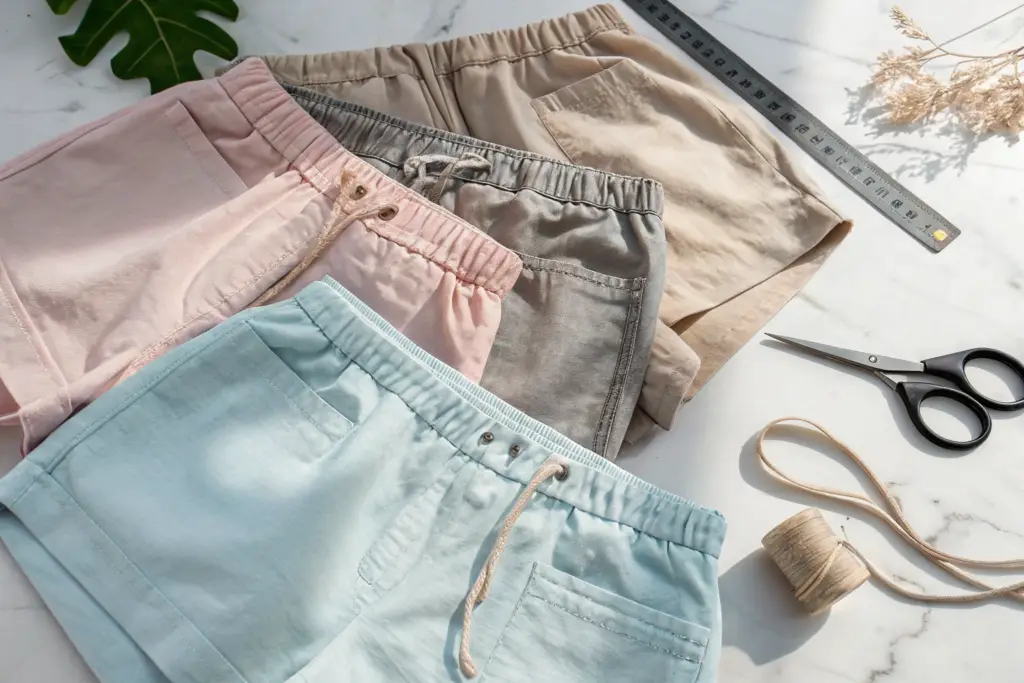
Pure linen is beautiful. It is also a risk. It shrinks unpredictably. It creases aggressively. A cotton-linen blend takes the best of both fibers. The cotton stabilizes the weave. The linen provides airflow and that desirable slubby texture. A ratio of 55% linen and 45% cotton works exceptionally well for a high-waisted trouser short.
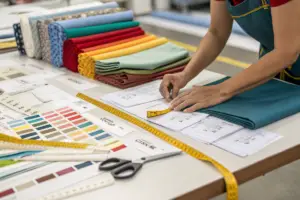
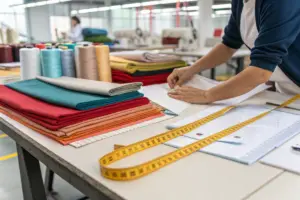
We produce a high-waisted pleated short for several East Coast brands. The fabric is a 180 GSM cotton-linen canvas. We buy the yarn-dyed stripe and solid versions from a mill in Jiangsu. The canvas structure is critical. It gives the short a tailored, structured look. It does not billow out in the wind. It holds the pleat. We pre-shrink this fabric at the roll level before cutting. We do a tumbler wash. This releases the shrinkage stress. If you skip this step, the short will shrink unevenly after the customer washes it. The inseam might shorten by half an inch. This creates a quality claim. You need to ask your supplier for a fabric shrinkage test report. Look for residual shrinkage below 2%. We also recommend a gentle enzyme wash for the finished garment. This softens the linen fibers and removes the harsh newness. The result is a short that feels like a favorite summer piece from the first wear. It commands a higher retail price point because it looks luxurious.
How Does Stretch Cotton Poplin Prevent the Dreaded "Waistband Gap"?
The waistband gap is a chronic disease of women's shorts. The shorts fit the hip but leave a gaping hole at the back waist. This happens because the fabric has no recovery. A 100% cotton poplin has zero stretch. It cannot accommodate the curve from the waist to the hip. The solution is a mechanical stretch or a fiber blend.
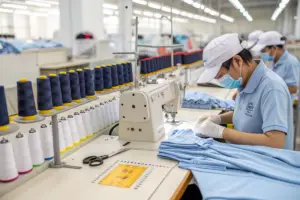
We use a 97% cotton, 3% spandex poplin. The weight is a crisp 150 GSM. The spandex content is low enough that the fabric does not look like a legging. It looks like a classic woven. But it has a micro-stretch. This stretch is enough to let the waistband hug the small of the back. In our sampling room, we also contour the waistband. We cut it on a slight curve. A straight-cut waistband fights the body's natural shape. A contoured waistband follows it. For a brand client in San Diego, we developed a paperbag waist short in this stretch poplin. The elasticated back waist is encased in the fabric. The spandex in the base fabric prevents the elastic from twisting inside the tunnel. This is a tiny technical detail. It requires a specific needle type and a specific stitch tension. We use a ballpoint needle to sew poplin with spandex. A sharp needle cuts the elastane filament. This destroys the stretch recovery. You should ask your factory if they use a ballpoint needle for stretch wovens. It is a small question that reveals deep expertise. If they say yes without hesitation, you are in safe hands.
Which Inseam Lengths Sell Best for Women's Classic Shorts?
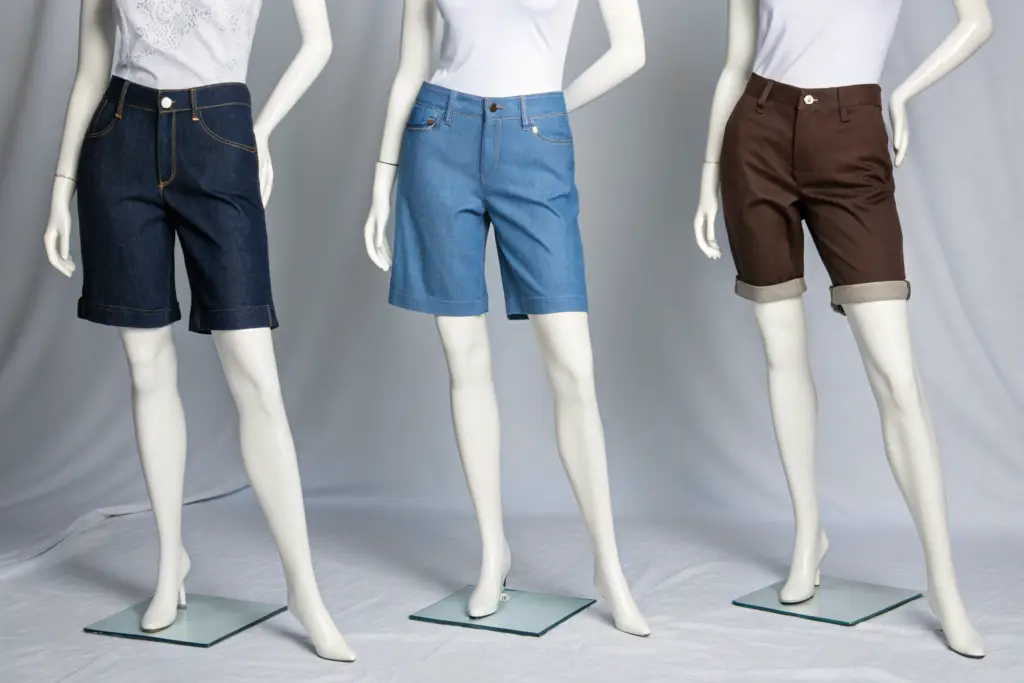
Inseam length is the difference between a best-seller and a clearance rack item. I spoke with the owner of a Florida resort wear brand. She told me, "My customer is 55 years old. She does not want a 3-inch inseam. She wants a 5-inch that hits just above the knee." Meanwhile, a Los Angeles streetwear brand we work with sells a 2.5-inch inseam short like it is a uniform. The target customer changes everything. But there is a commercial center of gravity. A 4-inch to 5-inch inseam remains the most versatile choice for the broadest demographic. It offers enough coverage for the office-adjacent events and enough leg for a summer date night. It balances modesty and style.
You need to stock a range of lengths. But you must understand the technical grading and the fit implications of each length. A shorter short puts the thigh fit under a microscope. A longer short changes the visual leg line. Let's analyze the two lengths that generate the most discussion in our product development meetings.
When Does a 3-Inch Inseam Short Work for a Mature Customer?
A 3-inch inseam is a short short. It is not exclusively for young women. But for a mature customer, the proportions must be right. The leg opening must not be skin-tight. If the short grips the thigh, it looks too small. It creates an unflattering squeeze.
We manufacture a relaxed-fit 3-inch short for a brand that targets women over 40. The trick is the width of the leg. We set the leg opening at 26 inches in circumference for a size medium. This is wide. It creates an A-line silhouette. The short skims the thigh. It does not grab it. The front rise is deep, 11 inches, to sit comfortably at the natural waist. This combination—high rise, short inseam, wide leg—creates a retro, elegant look. It covers the midsection while showing the legs. The fabric must also be considered. A stiff twill in a 3-inch inseam will look like a lampshade. We use a fluid Tencel twill. It moves with the body. It does not stand away from the leg. This is a key distinction. The shorter the short, the more the fabric drape matters. If you are buying a 3-inch style, order a size run sample. Take a picture on a fit model. Look at the front. Look at the back. If the fabric pulls across the hip, you need more ease. If it bunches at the under-seat, you need a deeper back rise.
Why Is the 5-Inch Inseam the Backbone of Every Summer Collection?
The 5-inch inseam is the safe harbor. It sits at the mid-thigh. It is long enough for a family barbecue. It is short enough to feel like summer. Every brand we work with carries at least one 5-inch chino or linen short. It is the workhorse SKU.
In our production, the 5-inch classic chino short is a repetitive bulk order. We know the pattern block intimately. For a size medium, a leg opening of 23 inches is standard. A front rise of 10.5 inches is comfortable. We do not mess with this formula. Consistency is what builds a loyal customer. A woman buys the 5-inch short in khaki one year. The next year, she buys it in navy and olive. She expects the same fit. We deliver the same fit by using the same pattern card, the same fabric shrinkage allowance, and the same sewing construction. We also apply a special hem finish. A double-turn hem with a 1-inch allowance gives the hem weight. This weight prevents the hem from flipping up in the wash. A lightweight hem curls. A heavy hem lies flat. This detail matters to the end consumer. She might not articulate it. But she sees the flip and thinks, "This is cheap." She sees a flat hem and thinks, "This is well-made." The 5-inch short is where you must invest in quality control. Do not let the simplicity fool you. A simple product has no place to hide mistakes. Every crooked side seam is visible.
How to Assess the Quality of Women's Shorts Before Buying Wholesale?
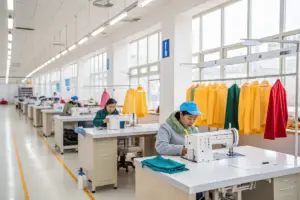
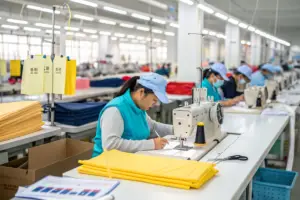
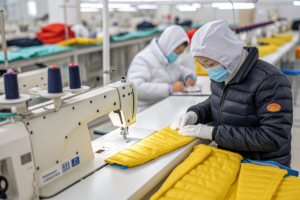
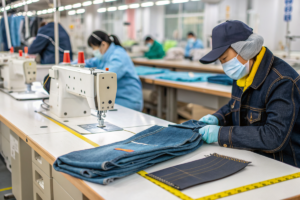
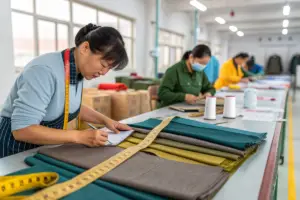
I recall a near-disaster with a client from Chicago. She ordered 2,000 pairs of linen-blend shorts. The pre-production sample was perfect. The bulk shipment arrived. The pockets were made of a cheap polyester mesh. The mesh was scratchy. It also did not match the fiber content label. The label said 100% cotton pocketing. This was a legal problem. We caught the mistake. The trim buyer had swapped the fabric to save a few cents. We quarantined the shipment. We re-cut the pockets with the specified BCI cotton voile. The brand owner was angry but grateful we found it before the goods hit the retail floor. This is why you cannot just look at a photo. You need physical inspection protocols. You need to trust but verify. At Shanghai Fumao, we use a third-party inspection service alongside our internal QC team. We want to find the defects before you do.
Women's shorts have specific structural stress points. The side seams, the crotch point, and the zipper fly are the usual suspects. You need a checklist. You need to know what a broken stitch looks like. You need to know the difference between a bar tack and a mock bar tack. Let's examine the two most critical quality gates.
Can You Identify a Well-Constructed Zipper Fly in Women's Shorts?
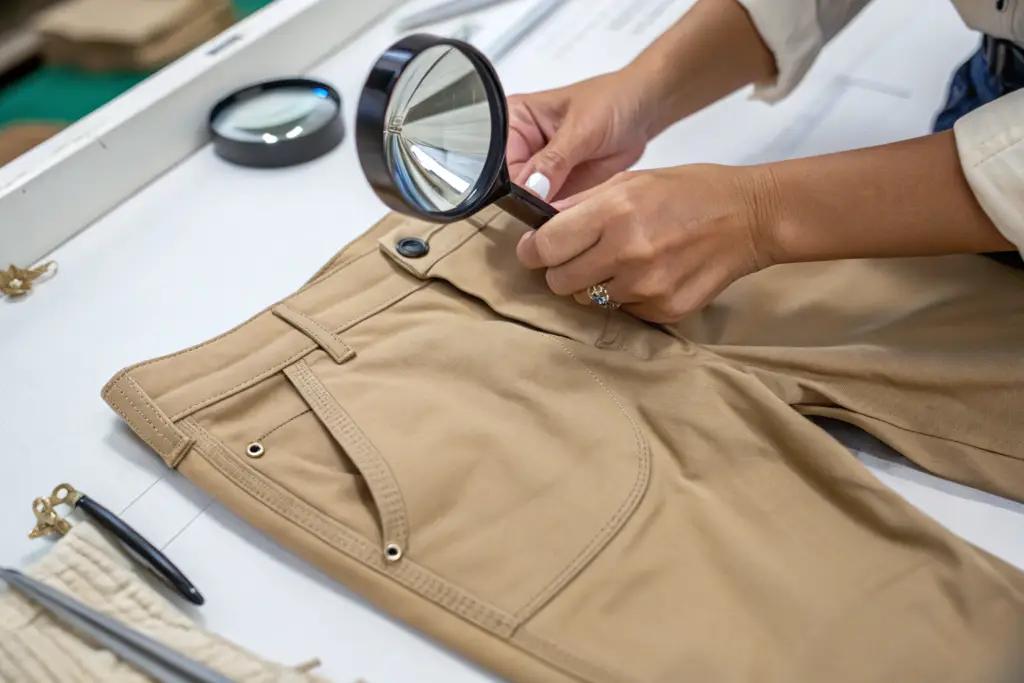
The zipper fly on women's shorts is a challenging construction. It has multiple layers: the left fly, the right fly, the zipper shield, and the facing. If these layers are not trimmed and aligned perfectly, you get a bulky, wavy front. A wavy fly looks terrible. It draws the eye to the crotch.
We use a specific machine for the fly. A programmable Juki machine sets the zipper. It ensures the stitch line is perfectly parallel to the zipper teeth. The distance is exactly 3mm. A manual operator might drift. The machine does not. We use a high-quality YKK #3 invisible zipper for trouser-style shorts. For denim shorts, we use a metal YKK zipper with a locking slider. The locking slider stays up. A non-locking slider creeps down. This is an embarrassing failure for the wearer. The fly shield is another detail. We cut the fly shield from the shell fabric, not a cheap lining. This gives a premium look from the inside out. We also add a small bartack at the bottom of the fly opening. This stops the zipper from ripping the fabric below the seam. If you are inspecting a sample, zip and unzip the fly 10 times. It should be smooth. The fabric should not catch in the teeth. Then turn the shorts inside out. Look at the seam allowances. They should be clean-finished with an overlock stitch. Raw edges inside a fly mean the shorts will fray after a few washes. This is a hard fail. Send the sample back.
What Pocketing Material Signals a Premium Brand?
The pocket bag is the hidden handshake of a garment. A cheap pocket bag tells the customer the brand cut corners. It feels crinkly. It feels hot. It disintegrates in the laundry. The most common cheap pocketing is a thin polyester taffeta. It melts under a hot iron. It tears along the seam line.
We use a 100% cotton voile for our premium women's shorts pocket bags. It is soft. It breathes. It matches the natural fiber story of a linen or cotton short. For athletic or stretch styles, we use a modal-cotton blend with a brushed finish. It feels silky against the hand. The pocket bag construction is just as important as the material. We anchor the pocket bag into the waistband seam. This prevents the pocket from flopping out when the wearer sits. We also do a double-needle topstitch at the pocket opening. This reinforces the edge. A single stitch often rips when a woman puts her phone in her pocket. The phone is the stress test. The average smartphone weighs about 200 grams. The pocket must hold that weight without sagging. We test the pocket strength by putting a 500-gram weight in the pocket and shaking it for 30 seconds. The stitching must hold. The pocket bag must not tear. This is a simple test you can do yourself. When you receive a sample, put your phone and keys in the pocket. Walk around. Sit down. Stand up. The pocket should stay in place. The lining should not be visible at the leg opening. If it is, the pocket bag is too long or poorly attached. This is a design flaw you must fix before bulk production.
What Sourcing Models Maximize Profit on Women's Classic Shorts?
Sourcing is not about finding the cheapest factory. It is about finding the factory that delivers the full margin. I talked to a brand owner at a trade show in Las Vegas. She was ecstatic. She found a FOB price of $4.50 for a pair of linen shorts. It was $2 less than our quote. I asked her, "Does that include the fabric pre-shrinking? Does it include the pocket bag material? Does it include the DDP shipping?" She paused. She hadn't asked. Three months later, she emailed me. The $4.50 shorts arrived with no stretch recovery. The linen was scratchy. The shipment was 3 weeks late. Her landed cost, after air freight and returns, was higher than our all-in DDP price. The cheap price was an illusion. It was the most expensive mistake she ever made.
Your sourcing model must match your business size and risk appetite. Are you a startup placing a 500-piece test order? Or are you a scaling brand ordering 5,000 pieces a season? The model you choose determines your cash flow and your inventory risk. Let's break down the two most profitable approaches we see working for women's summer shorts right now.

Why Does the DDP Model Unlock More Cash for Marketing?
Cash flow is oxygen. If your money is tied up in customs bonds, freight forwarder fees, and unexpected port storage charges, you cannot spend it on Facebook ads. The DDP (Delivered Duty Paid) model simplifies the financial picture.
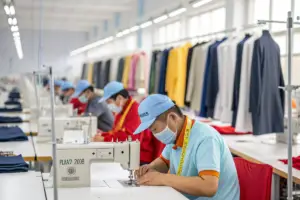
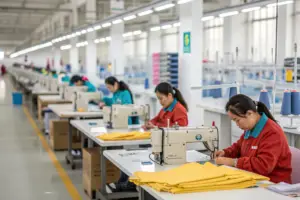
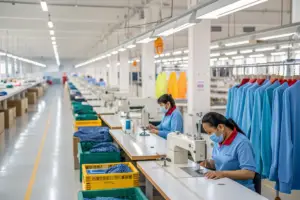
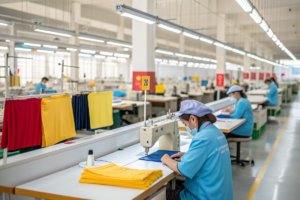
With Shanghai Fumao, we calculate a single unit price for our women's classic shorts. This price covers the raw material, the CMT (Cut, Make, Trim), the export carton, the ocean freight, the U.S. customs duties (typically 28% for cotton womenswear, but varies), and the trucking to your door. You pay a 30% deposit to start the order. You pay the 70% balance when the goods are ready to ship. You know the exact margin you will make on day one. There are no surprise costs. A client in Austin orders her entire summer line on DDP terms. She builds her marketing calendar around the guaranteed delivery date. She runs pre-order campaigns. She does not over-sell because she trusts the shipment will land on time. This trust is built on a track record. We send her weekly production updates with photos. We show her the cutting table, the sewing line, and the packing cartons. This transparency is part of the DDP service. She is paying for peace of mind. If you factor in the cost of a missed sales window, the DDP premium is actually a discount. A single missed weekend during peak summer can cost a brand thousands of dollars in lost revenue. You should look for a supplier who provides this shipping model and backs it with a cancellation penalty for late delivery. This aligns their incentives with yours.
Can a Capsule Collection Test Reduce Your Initial Buying Risk?
Buying deep on one style is a gamble. A capsule collection is a smarter bet. Instead of ordering 1,000 pieces of one short style, you order 200 pieces each of five styles. This spreads the risk. You get real-time sell-through data. You see which fabrics and fits resonate.
We encourage new brand partners to start with a small-batch capsule. We work with them to select a mix of classic styles. For example, a high-waisted linen short, a stretch chino short, a denim cut-off, a tailored walking short, and a drawstring lounge short. We use a shared fabric base where possible to hit minimum order quantities (MOQs). For instance, the linen short and the tailored short might share the same cotton-linen blend fabric in different colors. This allows us to buy the fabric roll in one shot. We keep the MOQ low for the finished garment. We offer a 50-piece per color minimum on our production lines. This low MOQ is possible because we have a dedicated sampling room and a flexible production scheduling system. The capsule approach lets you test the market. You see that the navy stretch chino sells out in 3 weeks. The pink linen short is slow. You reorder the navy immediately. We keep greige fabric in stock. We can cut and sew a repeat order in 25 days. This quick response manufacturing is the competitive edge. You never have to mark down a dead style. You scale the winners. This is how you build a profitable brand. Do not put all your open-to-buy budget into one style. The market is too unpredictable. The capsule collection is a data-gathering machine.
Conclusion
Choosing the best classic shorts for women this summer is a series of deliberate decisions. The fabric is not just a color and a weight. It is a shrinkage rate and a breathability factor. The inseam is not just a length. It is a proportion and a target customer avatar. The zipper fly and the pocket bag are not just components. They are silent signals of your brand's integrity. The sourcing model is not just a price. It is a cash flow strategy and a partnership with a factory like Shanghai Fumao. Every detail connects to a customer experience. That customer experience determines whether a woman buys a second pair from you or writes a negative review.
The summer season is fast. The window between Memorial Day and Labor Day feels shorter every year. You cannot afford a late shipment. You cannot afford a quality failure. The woman who buys your shorts is looking for confidence. She wants a pair of shorts that makes her feel cool, comfortable, and put-together. She wants to forget she is wearing them. When a short fits perfectly, it disappears from her mind. When it digs into her waist or bunches at the crotch, it ruins her day. Our job is to make a garment that disappears. We do this by sweating the small stuff.
If you are planning your summer shorts program, I invite you to connect with us directly. We do not just manufacture. We consult. We can send you our curated fabric swatch book for the season. We can develop a sampling program based on your brand's aesthetic. Contact our Business Director, Elaine, at elaine@fumaoclothing.com. Tell her what you are looking for. Tell her your pain points from last year. Let us build a solution together, one perfectly fitted pair of shorts at a time.