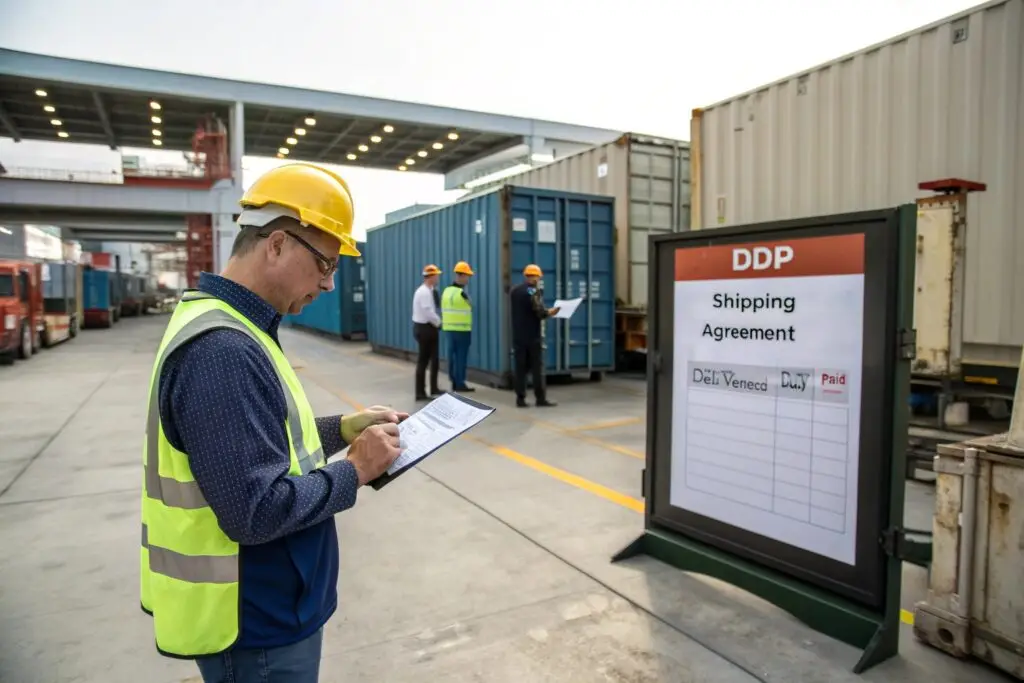
Rising US tariffs on imported goods have increased costs for businesses relying on global sourcing. Many importers face shrinking profit margins due to unexpected duties and fees. But is there a way to reduce these costs and maintain profitability?
Delivered Duty Paid (DDP) shipping allows businesses to bypass unexpected tariff costs by having the supplier handle customs clearance and import duties. This method shifts the financial and logistical burden to the exporter, protecting buyers from fluctuating tariff expenses.
Understanding how tariffs work and how DDP shipping can help businesses avoid financial strain is crucial for importers. Let’s break down the role of tariffs, legal ways to minimize them, and how DDP can be a strategic advantage.
How do protective tariffs protect the American industry?
The US government imposes protective tariffs to support domestic industries. But how do these tariffs actually benefit local businesses and workers?
Protective tariffs increase the cost of imported goods, making domestic products more competitive. By imposing higher taxes on foreign products, the US encourages consumers to buy locally made goods, supporting domestic manufacturers and creating jobs.
Why does the US use protective tariffs?
Protective tariffs serve several key purposes:
- Encouraging Local Production: Higher import taxes make US-made products more attractive.
- Reducing Trade Deficits: Tariffs can limit excessive imports, balancing international trade.
- Protecting Domestic Jobs: Local industries face less competition from cheaper foreign goods.
- National Security Interests: Some tariffs protect industries critical to national defense.
While tariffs protect certain industries, they can also increase costs for businesses that rely on imports.
How do tariffs impact import-dependent businesses?
Businesses that rely on foreign manufacturers face several challenges:
| Impact | Effect on Businesses |
|---|---|
| Higher Costs | Increased duties raise product prices. |
| Supply Chain Disruptions | Tariff policies create uncertainty in sourcing. |
| Reduced Profit Margins | Extra costs lower business profitability. |
| Limited Product Choices | Import restrictions reduce available product options. |
Companies importing large quantities must find strategies, like DDP shipping1, to minimize tariff-related expenses.
How can I legally avoid tariffs?
Tariffs add significant costs to imported goods, but are there legal ways to reduce or avoid them?
Importers can legally reduce tariffs through strategies like using Free Trade Agreements (FTAs), classifying goods under lower-duty categories, or using Delivered Duty Paid (DDP) shipping to shift costs to suppliers. Smart sourcing and logistics planning can minimize tariff expenses without breaking regulations.

What are the best ways to legally reduce tariff costs?
Businesses can use several legal strategies to lower import duties:
- Use Free Trade Agreements (FTAs)2: The US has trade agreements with Canada, Mexico, and other countries that eliminate or reduce tariffs.
- Reclassify Products3: Correctly categorizing goods under lower-tariff classifications can save money.
- Use Bonded Warehouses: Storing goods in duty-free warehouses postpones tariff payments.
- Partner with Suppliers Offering DDP: Suppliers who ship under DDP terms cover import duties, reducing costs for buyers.
Why is DDP a powerful tool against tariffs?
Delivered Duty Paid (DDP)4 offers key benefits:
| Benefit | Explanation |
|---|---|
| No Import Duties for Buyer | Supplier pays all tariffs and fees. |
| Simplifies Customs Clearance | Reduces paperwork and delays. |
| Predictable Costs | No unexpected tariff increases. |
| Lower Financial Risk | Avoids penalties from incorrect tariff calculations. |
Choosing suppliers that offer DDP can significantly lower total import expenses.
How is a tariff used to protect a domestic industry?
Governments use tariffs as an economic tool to strengthen local industries. But how do they work, and are they always beneficial?
Tariffs protect domestic industries by making foreign goods more expensive, reducing competition from imports. This allows local companies to grow without pressure from cheaper foreign alternatives. However, tariffs can also lead to higher prices for consumers and strained international trade relations.
![Tariffs and Domestic Industry]
%
What industries benefit the most from tariffs?
Certain sectors rely heavily on tariff protection:
- Steel and Aluminum5: Tariffs prevent cheaper imports from undercutting local mills.
- Textiles and Apparel: Import duties on clothing encourage US-based production.
- Automotive Manufacturing: Higher tariffs on foreign cars protect US automakers.
- Agriculture: Tariffs on imported food items support local farmers.
These tariffs help maintain domestic employment and industrial growth.
What are the downsides of protective tariffs?
While tariffs help industries, they also create challenges:
| Drawback | Impact |
|---|---|
| Higher Consumer Prices6 | Tariffs increase retail prices for imported goods. |
| Retaliation from Other Countries | Trade partners impose counter-tariffs on US exports. |
| Supply Chain Disruptions7 | Businesses must find alternative suppliers. |
| Limited Market Competition | Local businesses may not innovate without competition. |
Businesses affected by tariffs must adjust strategies, such as sourcing from tariff-free regions or leveraging DDP agreements.
What are US tariffs?
The US government applies tariffs to control trade, protect industries, and generate revenue. But how do these tariffs work, and who do they affect?
US tariffs are import taxes imposed on foreign goods. The rates vary based on the product type and country of origin. These duties affect manufacturers, retailers, and consumers by increasing the cost of imported products.
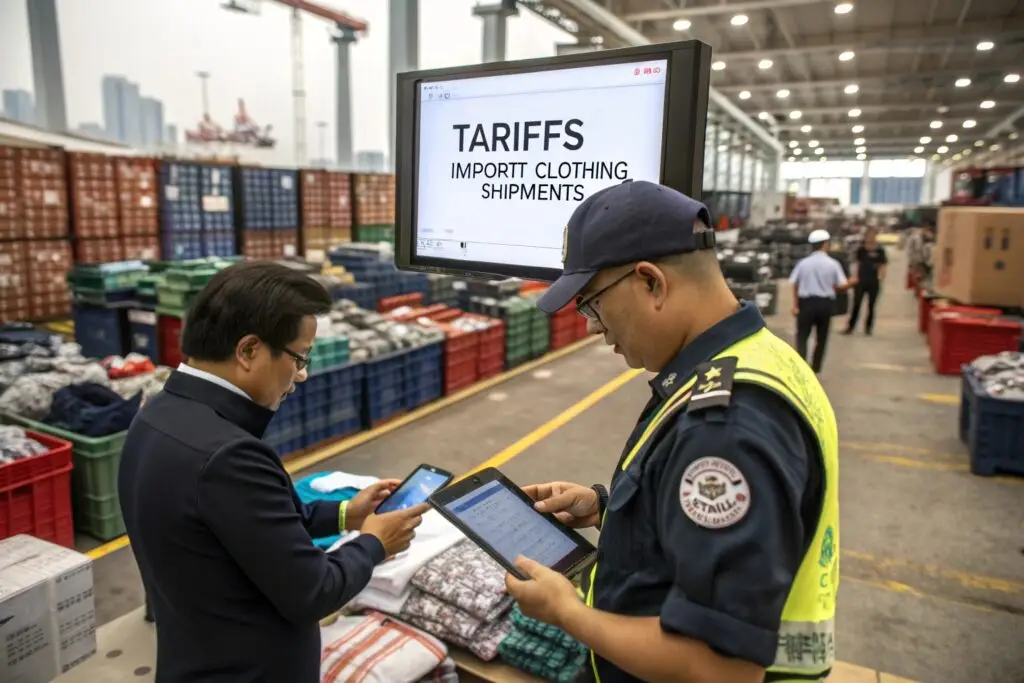
How do US tariffs work?
The US government sets import duties based on:
- Harmonized Tariff Schedule (HTS)8: Determines tax rates for different goods.
- Country of Origin: Some countries face higher tariffs due to trade policies.
- Trade Agreements9: FTAs reduce or eliminate duties for specific imports.
What are the current US tariff rates10?
Tariffs differ based on the product category:
| Product Category | Typical US Tariff Rate |
|---|---|
| Clothing & Textiles | 10% – 30% |
| Electronics | 5% – 15% |
| Automobiles | 2.5% – 25% |
| Steel & Aluminum | 10% – 25% |
Understanding these rates helps businesses calculate total import costs and find ways to reduce them.
Conclusion
US tariffs pose challenges for businesses relying on global imports, but strategic planning can minimize their impact. DDP shipping is a key solution, shifting tariff costs to suppliers and protecting profit margins. By understanding trade regulations, using Free Trade Agreements, and working with the right suppliers, businesses can navigate tariffs effectively and maintain competitive pricing.
-
Learn about DDP shipping as a strategy to reduce costs and streamline imports amidst tariff challenges. ↩
-
Exploring this resource will provide insights into how FTAs can significantly reduce tariff costs for your business. ↩
-
This link will guide you on effective strategies for product reclassification, potentially saving your business money on tariffs. ↩
-
Understanding DDP can help you leverage its benefits to minimize import costs and streamline your logistics. ↩
-
Explore how tariffs on Steel and Aluminum protect local industries and jobs, ensuring economic stability. ↩
-
Understand the impact of tariffs on consumer prices and the broader economy, which is crucial for informed purchasing decisions. ↩
-
Learn about how tariffs can disrupt supply chains and what businesses can do to mitigate these challenges. ↩
-
Explore the HTS to understand how it determines tax rates for various goods, crucial for importers and exporters. ↩
-
Learn how trade agreements can significantly reduce or eliminate tariffs, impacting international trade dynamics. ↩
-
Stay updated on current US tariff rates to better manage import costs and make informed business decisions. ↩