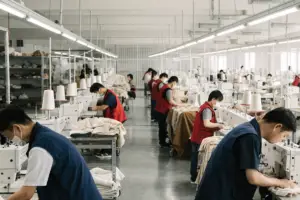
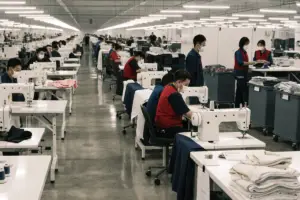
I stood in a brand owner’s warehouse in Texas two years ago, staring at a mountain of 20 cartons. Inside were 600 returned parkas from a major department store. The brand owner had accepted the return without inspecting the goods. He had paid for the return shipping. The cartons had been sitting there for two months, accumulating dust and costing him storage fees. We opened five random cartons. Two contained jackets with a loose seam on the hood, a simple repair. Two contained jackets that were completely fine, the store had simply over-ordered. One contained jackets with broken zippers that were genuinely defective. The brand owner had treated the entire return as a loss, when in reality, 80% of the units were recoverable. He had outsourced the headache to his own procrastination. By the end of the day, we had sorted the cartons, identified the salvageable inventory, and had a clear, low-cost plan for the genuine defects. The lesson was clear: the cost of returns is not the shipping. It is the failure to categorize.
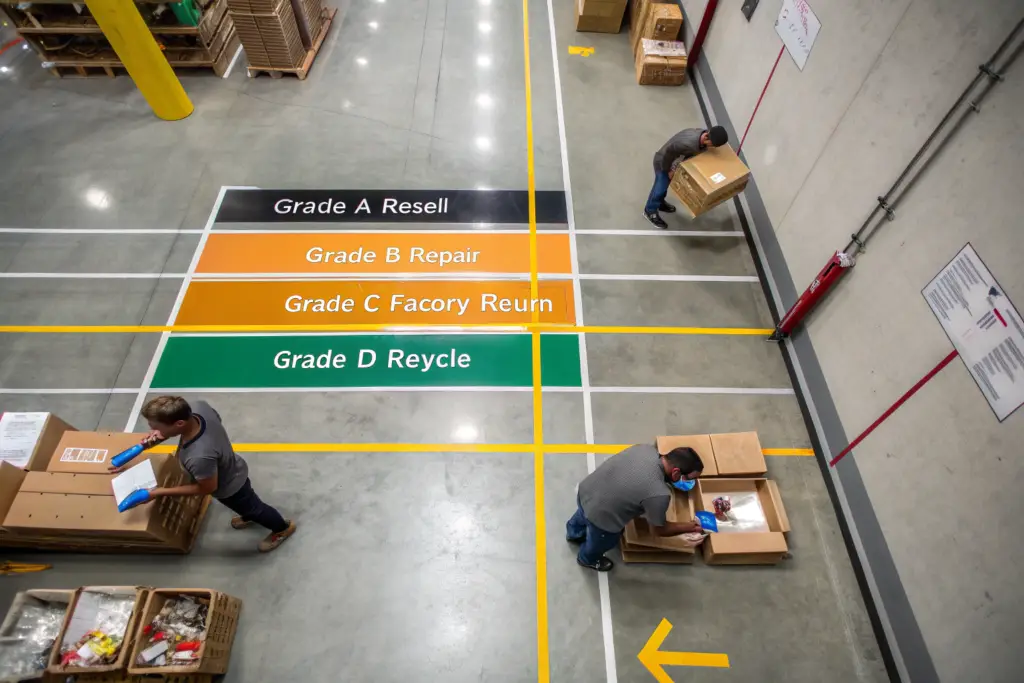
To effectively and cheaply manage the logistics of returning defective bulk wholesale apparel, you must stop treating all returns as a monolithic problem and instead implement a rigorous "Triage Before Transit" protocol. This means you never accept a wholesale return until you have received photographic evidence of the defect and issued a Return Material Authorization number. Once the goods arrive, you must sort them into four distinct buckets within 48 hours: Grade A (No Defect, Resellable), Grade B (Minor Defect, Repairable Locally), Grade C (Major Defect, Factory Chargeback), and Grade D (Total Loss, Donate or Recycle). The Grade C bucket is the only one that should ever be shipped back to the factory, and it must be consolidated into one sea-freight shipment under a specific "Returned Goods" commercial invoice with zero declared value to minimize duties. For Grade A and B, you have just saved yourself thousands of dollars in unnecessary freight and weeks of transit time.
The logistics of returns do not have to be a financial disaster. Most brands lose money on returns because they pay to ship air back to the factory, they pay duties on goods that are just being repaired, and they pay storage on goods that could have been resold immediately. I want to share the exact triage, repair, and chargeback system we use with our brand partners at Shanghai Fumao to make this process efficient, fast, and far cheaper than you think.
What Is the “Triage Before Transit” Protocol for Sorting Defective Wholesale Returns in Your Warehouse?
A brand partner once shipped back an entire pallet of "defective" shirts to us. When the pallet arrived in Shanghai, we opened the cartons. Nestled among the genuinely flawed pieces were 20 shirts that were in perfect condition. The retail store had simply used the "defective" return code to clear out slow-moving stock. The brand had paid $450 to ship those 20 perfectly good shirts across the Pacific Ocean twice. If they had triaged the cartons in their own warehouse before returning them, they would have found 20 shirts they could have resold immediately.
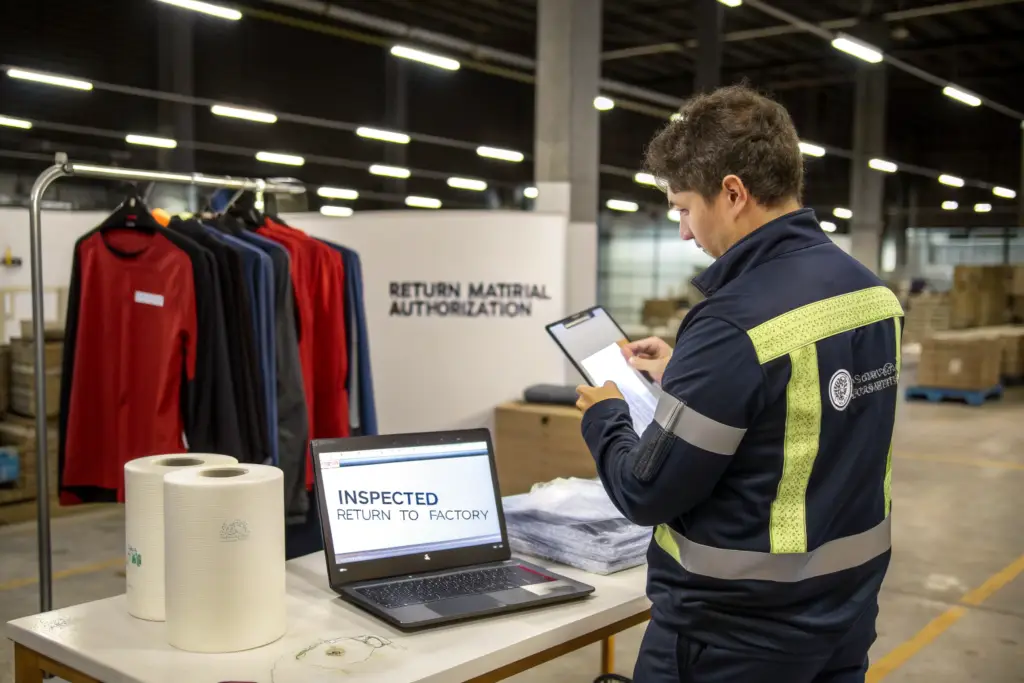
The Triage Before Transit protocol is a systematic inspection and sorting process that happens in your warehouse within 48 hours of receiving a wholesale return. Before this, you must enforce a policy where the buyer must submit a "Defect Claim Form" with photos before a Return Authorization is issued. This prevents the blind acceptance of overstock disguised as defects. Once the goods arrive, your team opens every carton and inspects every garment. Grade A items are immediately returned to inventory. Grade B items are sent to a local tailor or seamstress for repair. Grade C items are consolidated into a factory return shipment, but only after you have agreed with the factory on the chargeback value. Grade D items are photographed for the factory as proof of disposal and then recycled or donated. This process eliminates the waste of shipping good inventory back and forth and ensures that the only items incurring international freight are those for which you will receive a credit.
The key word is "before transit." The decision about what happens to a garment must be made on your home turf, not at the factory. Once the goods are on a ship, you have lost control. The triage station is the cheapest and most effective tool in your returns logistics arsenal.
How Should a “Return Material Authorization” (RMA) Form Be Structured to Reject Invalid Claims Before They Ship?
An RMA form must require the buyer to provide the original PO number, the style number, the quantity of defective units, a specific description of the defect, and, crucially, three clear photographs of the defect. The form should state that returns will not be accepted without an approved RMA number. When you receive the form, you review the photos. If the defect is not visible in the photos, you reject the RMA and ask for better evidence. This simple gatekeeping eliminates the "silent returns" where a buyer ships back overstock without any defect at all.
Why Must Grade B “Repairable Locally” Goods Never Be Shipped Back to the Factory?
Shipping a garment back to the factory for a minor repair is the most expensive way to fix a button. The freight cost alone often exceeds the garment’s wholesale value. Local repair is almost always cheaper. A loose seam, a missing button, a fallen hem can all be repaired by a local tailor for $5 to $10 per unit. Returning the same garment to China and back would cost $15 to $20 per unit. The Grade B bucket keeps the repair cost local and the garment in your saleable inventory.
How Do You Physically Consolidate and Ship Only the “Grade C” Factory Chargebacks to Minimize Freight Costs?
A brand owner once shipped a box of defective jackets back to the factory by air courier. It cost $380. She then discovered she had not filed the correct customs paperwork, and the factory was charged $120 in import duties to receive their own defective goods. The factory refused to pay the duties. The dispute over who should pay the $120 soured the relationship more than the original defect. It was a logistics failure, not a quality failure.
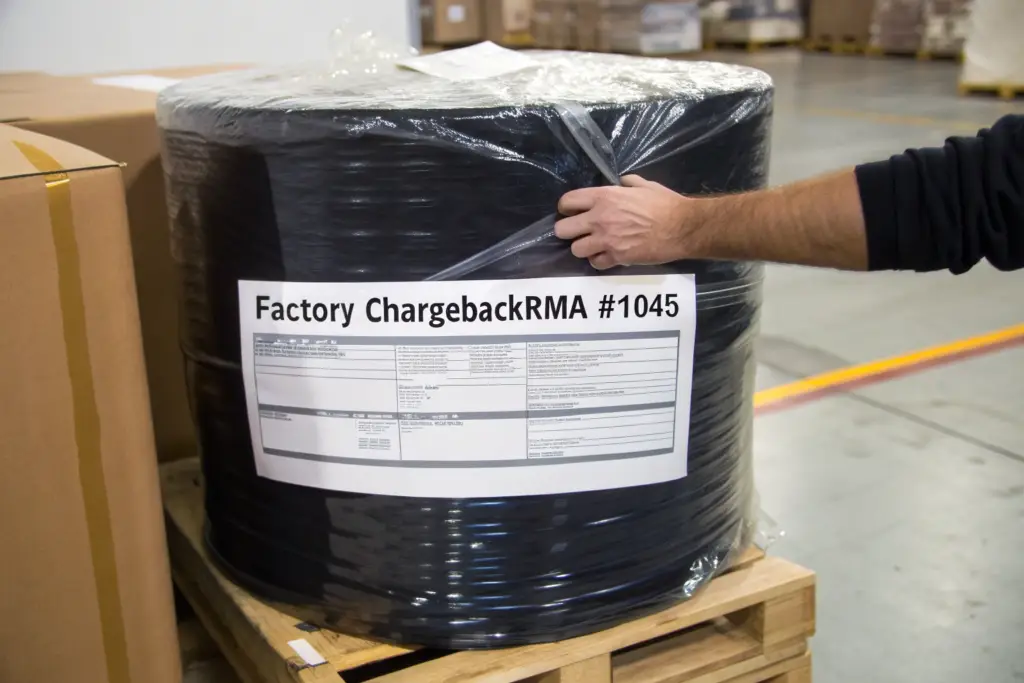
You consolidate Grade C returns by storing them in a designated area until you have enough volume to fill a pallet or a small sea-freight consolidation. You never ship factory returns by air or courier. The freight cost will consume any chargeback value. You prepare a commercial invoice that explicitly states "Defective Goods Returned for Credit – Zero Commercial Value," and you reference the original export PO number. This allows the factory to import the goods without paying duties on their own product. You must coordinate with the factory before shipping and provide the packing list and tracking information. The factory then inspects the returned goods against the agreed defect list and issues a credit note. The key is that the return shipment is a pre-agreed, documented financial transaction, not an angry, unexpected package.
The consolidated sea-freight pallet is the only economically viable way to return Grade C goods. It may take 30 to 45 days, but the cost per unit is a fraction of air freight. The credit note is the same regardless of how fast the goods arrive.
What Is the Correct Customs Declaration for Defective Goods to Ensure the Factory Pays Zero Import Duty?
The commercial invoice must reference the original export declaration. It must state "Defective Goods Being Returned to Manufacturer for Repair/Credit" and "Value for Customs Purposes Only: $0.00." A separate packing list should detail the original purchase order numbers. This allows the factory’s customs broker to clear the goods under the "Returned Goods" provision, avoiding duplicate import duties.
How Should a “Chargeback Packing List” Be Formatted to Serve as a Legal Demand for a Credit Note?
The packing list must be a precise accounting document. It should list the RMA number, the style number, the quantity, the specific defect, the agreed chargeback unit price, and the total credit value. The factory signs this document before you ship the goods. When the goods arrive, the factory inspects them against this signed list. If the goods match the list, the credit note is issued without dispute. The signed list is the contract.
How Can You Transform the “Grade A and B” Returns into a Profitable “Local Re-Commerce” Stream?
I know a brand owner who actually makes a profit on her returns. She set up a small "Sample Sale" corner in her warehouse. She opens it to the public one Friday a month. She sells Grade A returns at a 40% discount and Grade B repaired garments at a 50% discount. She promotes it on her local community Facebook group. She generates $2,000 to $4,000 in sales each month from inventory that would otherwise have cost her money to store or return. Her returns are no longer a cost center. They are a revenue stream.
Grade A and B returns are not waste. They are inventory with a different sales channel. Grade A items, returned for reasons other than quality, should be re-tagged and sold through a "Sample Sale," an employee sale, or a dedicated clearance section on your website. Grade B items, those with minor, professionally repaired defects, can be sold as "Imperfect" or "Seconds" at a deeper discount, with the flaw clearly disclosed. These local re-commerce channels generate immediate cash, eliminate storage costs, and prevent the environmental waste of destroying perfectly wearable clothing. They also build brand goodwill in your local community. The infrastructure required is minimal: a clean rack, a mirror, a payment system, and a social media post.
The local re-commerce model turns a logistics problem into a marketing event. The customer who buys a $40 discounted dress at your sample sale is a future full-price customer. She is experiencing your brand’s quality at an accessible price point. She will tell her friends. The return becomes a customer acquisition tool.
What Are the Legal Requirements for Labeling a “Repaired” Garment Sold as a “Factory Second”?
You must permanently mark the garment as a "Second" or "Imperfect." This is typically done by stamping the interior care label with a "SECONDS" stamp or cutting a small, deliberate notch in the brand label. The sales receipt and the product description must clearly state the nature of the repair. This transparency protects your brand from claims of selling defective goods at full price and actually builds trust with the bargain-hunting consumer.
How Can You Use a “Monthly Sample Sale” Event to Recover Cash from Returned Inventory That Is Out of Season?
Out-of-season returns, such as winter coats returned in spring, are perfect for a designated sample sale. Market the event as a "Warehouse Clearance" with limited-time pricing. The alternative is to store the coats for six months, paying warehousing fees, to sell them next winter. The sample sale recovers cash immediately. Cash today is worth more than the hope of a higher price next season. The time value of money applies to returned inventory just as it does to any other asset.
Conclusion
Managing the logistics of returning defective bulk wholesale apparel effectively and cheaply is not about finding a cheaper shipping carrier. It is about changing where and how you make the decisions. The Triage Before Transit protocol moves the sorting and decision-making from the factory to your own warehouse. The consolidation of Grade C returns into a documented sea-freight shipment eliminates the cost of air freight and customs disputes. The local re-commerce of Grade A and B returns transforms a cost center into a revenue stream.
The 600 parkas sitting in the Texas warehouse were not a $30,000 loss. They were an unmanaged asset. Once they were sorted, the Grade A parkas went back to the retailer, the Grade B parkas were repaired locally and sold at a sample sale, and only the genuinely defective Grade C parkas made the sea journey back to the factory. The total cost of managing the returns was a fraction of the original loss estimate.
At Shanghai Fumao, we support our brand partners in building these efficient returns management systems. We provide clear defect classification guidelines, we sign chargeback packing lists before return shipment, and we process credit notes promptly upon receipt and inspection of the returned goods. We believe that a returns process should be a collaborative quality improvement exercise, not a blame game.
If you are struggling with the cost and chaos of wholesale returns, we can help you build a more efficient system. At Shanghai Fumao, we can share our RMA form template, our defect classification guide, and our recommended packing list format. Contact our Business Director, Elaine, at elaine@fumaoclothing.com. She can walk you through a sample returns reconciliation and share best practices from other brand partners. Do not let returns eat your margins. Manage them with the same precision you apply to your production.