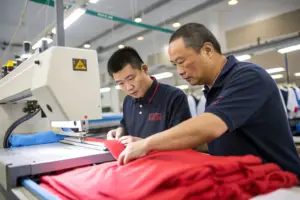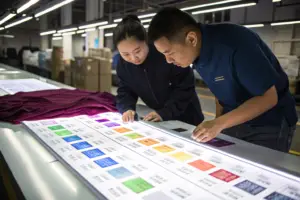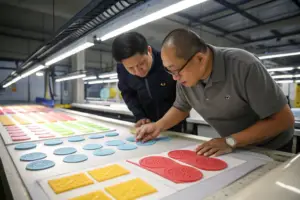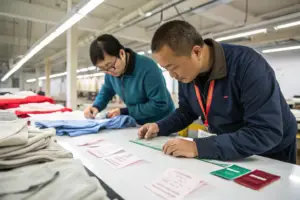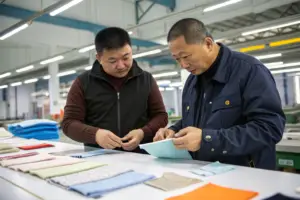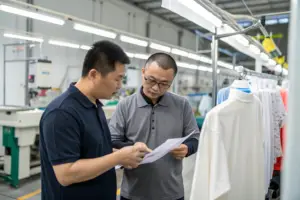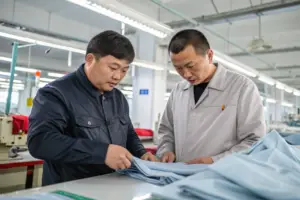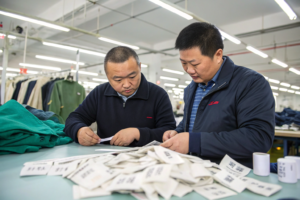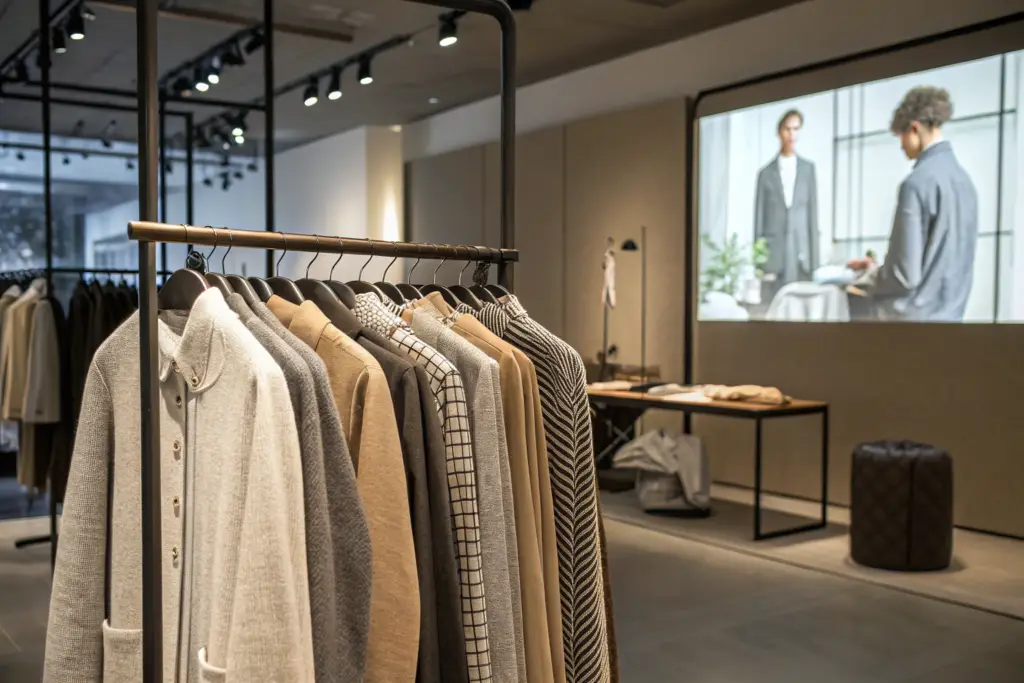
A German streetwear brand owner sat across from me at a Paris trade show last September. He was holding a competitor’s sample, a hoodie made from "premium cotton." He rubbed the inner fleece between his fingers, frowned, and said one word: "Pilling." The garment was less than four months old and already looked tired. He told me he had switched his production away from a generic Asian portal because his returns in Berlin were climbing. The German customer is ruthless about material durability. If a €120 hoodie pills after three washes, they demand a refund and leave a scathing review. He needed fabric that met the European expectation of "new forever," not the American "soft now" standard. That conversation made me realize that European rebranding is a completely different animal.
Yes, Fumao Clothing’s fabric is highly suitable for European rebranding projects because we source and test against EU REACH regulations, offer OEKO-TEX certified textiles, and engineer specific hand-feel and durability characteristics that match the distinct expectations of premium European retail markets, from Scandinavian minimalism to Italian luxury sportswear.
European consumers are forensic material inspectors. They check the inside seam. They feel the weight of the zipper. They read the care label before they try the garment on. If you are buying blank stock from a commodity marketplace and sewing your label on it, you will fail in Europe within two seasons. The product will feel Asian-generic. The hand-feel will be slightly off. The material will behave differently after a few washes. I want to walk you through the specific fabric standards, sustainability requirements, and tactile engineering we use to ensure your rebranded product does not just sell in Europe, but stays sold.
What European Fabric Standards Must Imported Textiles Meet?
My biggest eye-opener came in 2022. A Danish brand ordered 1,500 units of a brushed-back organic cotton sweatshirt. Beautiful color. Perfect fit. They planned to sell it for €95. But my compliance team flagged a problem before cutting. The factory supplying the reactive dye could not provide a complete breakdown of the amine levels. The dye was safe by general international standards, but we could not guarantee it fell below the 30ppm limit for restricted amines in EU REACH Annex XVII. We froze the order. We found an alternative dye supplier certified by a Swiss textile testing lab. The Danish client was frustrated by the one-week delay. But six months later, they called to thank me. Another brand in their market had been fined and publicly named for selling garments with restricted AZO dyes. The EU does not play games with chemical compliance.
European standards are not vague suggestions. They are precise, legally enforceable thresholds. You cannot guess your way through this. You need a manufacturer who knows the difference between the letter of the law and the loopholes.
What Exactly Does OEKO-TEX Standard 100 Mean for My Brand?
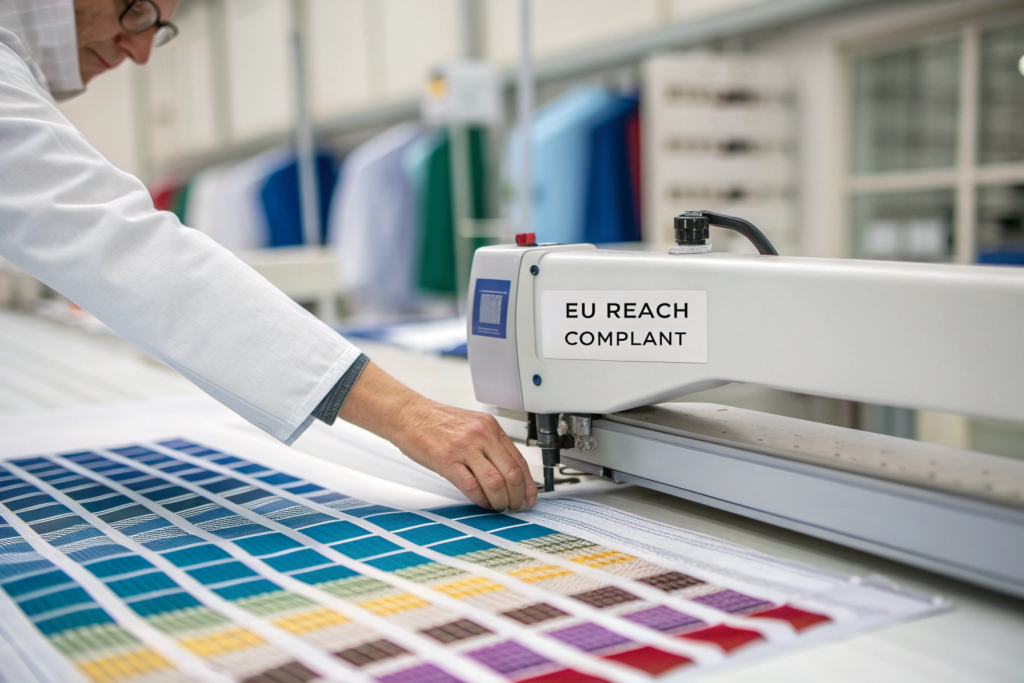
OEKO-TEX Standard 100 is not a "nice green badge" you stick on a hangtag to fool hippies. It is a rigorous, lab-based certification that tests every single component of a garment for harmful substances. Threads, buttons, zipper tapes, interlinings, prints, and even the embroidered patch on the chest.
When we source fabric for a European rebranding project at Shanghai Fumao, we target Class I certification, which is the safest for babies and toddlers, or Class II for direct skin contact products like T-shirts and leggings. We do not settle for Class III for outerwear and pretend it is okay for a silk-cotton blend blouse. A Class I OEKO-TEX certificate guarantees the fabric is free from formaldehyde, heavy metals, and allergy-inducing dyestuffs. For a client in Stockholm selling luxury baby clothes made from ribbed organic cotton, this was not optional. We sent them the full certificate number. They entered it on the OEKO-TEX website, verified its authenticity live on a video call, and saw our factory name listed as the owner. That moment of transparency closed a deal worth $64,000. A generic factory offering "OEKO-TEX fabric" without a valid, traceable certificate number is lying to you, or using a third-party certificate that does not belong to them. Always demand the public-label check.
How Do REACH Regulations Change the Way You Source Dyes?
REACH is the beast. It regulates chemicals far beyond the textile list in Standard 100. For a small brand, these regulations sound like abstract bureaucracy. For a factory cutting 5,000 meters of fabric, it is a strict sourcing checklist.
The primary risk for European rebranding is aromatic amines derived from AZO dyes. These are found in cheap, brilliant-colored fabrics, especially deep blues and bright reds. In 2023, we started working with a Barcelona-based label that wanted a specific shade of "Moroccan terracotta" for a linen-blend summer trouser. The first dye sample from a non-certified lab failed a random AZO dye test we ran internally. The restricted amine benzidine was present at 42ppm. The EU limit is 30ppm. If that batch had shipped, the entire container could have been seized by customs and destroyed at the brand owner’s expense. We found a high-fixation reactive dye alternative from a German chemical supplier. It added $0.12 per garment. It passed the test easily. This is what you pay for when you choose a compliance-focused partner. You are not buying fabric. You are buying a legally safe route into a strict regulatory zone. Some Alibaba suppliers will offer the same "terracotta" color for 20 cents less without any test data behind it, and that 20 cents becomes a €15,000 destruction order plus a potential ban from selling in Europe entirely.
How to Source Fabric That Feels 'High-End' for the European Market
A buyer for a French minimalist brand once told me something I never forgot. She said, "In America, people buy a T-shirt because it looks cool in a photo. In France, they buy it because they touched the fabric on the rack and couldn't put it down." European consumers, especially in France, Italy, and the Nordics, are obsessed with "la main," the hand. The tactile experience makes or breaks the rebranding premium markup. If you rebrand a generic $2 blank, even with a beautiful label, it will feel like a $2 garment. The fabric must communicate luxury silently and instantly upon touch.
Engineering a high-end hand-feel is not magic. It is a combination of raw fiber selection, yarn construction, and finishing washes. We treat fabric sourcing like a chef curates ingredients, not like a warehouse manager moving pallets.
Can Mechanical Finishing Techniques Replace Chemical Softeners?
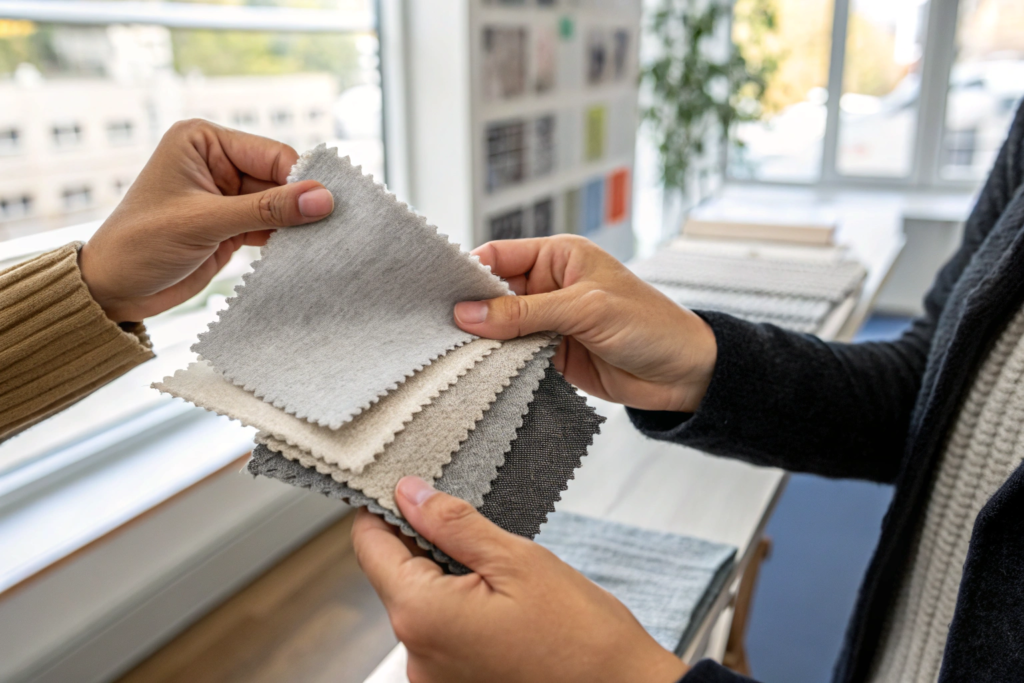
Yes, and European buyers prefer it this way. Chemical softeners wash out. They create a fake, temporary softness that disappears after five laundry cycles, leaving a rough, papery hand. The customer feels cheated. Then they return the item and call it "fast fashion garbage" in a review.
We use mechanical finishing methods that physically alter the fiber surface to create permanent luxury tactility. One of the most effective is the enzyme wash combined with air-tumbling. We did this for a unisex French terry sweatshirt destined for a boutique in Amsterdam. The client wanted a vintage "worn-in" softness without any actual wear. We ran the cut-and-sewn garments through a bio-polishing process using natural cellulase enzymes. These enzymes eat the micro-fuzz pills on the surface of the cotton without weakening the fabric core. Then we tumble-dried them at low temperature for a long cycle. The result was a garment that felt like it had been washed 50 times in a river, soft and slouchy, but structurally flawless. The Amsterdam store sold out in ten days at a €110 retail price. A generic silicone softener would have given a slimy hand-feel that European consumers instantly recognize as "synthetic cheap." Mechanical finishing costs slightly more in processing time but creates an authentic, lasting luxury that justifies the rebranding price hike.
Why Does Yarn Count Matter for the European Minimalist Aesthetic?
European minimalism is brutal. There are no loud graphics or oversized pockets to hide behind. The fabric must speak for itself. This is where yarn count becomes your most important specification.
A high yarn count means finer, longer fibers spun into a thinner, denser thread. We use a compact ring-spun yarn, often 60s or 80s, for premium T-shirts going to Scandinavian brands. The opposite is open-end or carded yarn, which is bulky, hairy, and cheap-looking. A rebranded T-shirt made from 20s carded cotton will look thick but feel coarse and will twist after washing. To the naked eye, a consumer might not know the term "yarn count," but they can see the difference. A high-yarn-count fabric has a clean, smooth surface. It drapes elegantly. It takes a print beautifully. For a minimal brand in Copenhagen, we produced a simple long-sleeve tee using 80s pima cotton with a silk finish. The fabric cost was $4.30 per meter instead of $1.80 for a basic carded cotton. The retail price was €85. The customer reviews specifically said, "the most incredible silky soft tee I have ever owned." That is the reward for obsessing over fiber length and spinning technology rather than just screen-printing a logo on a cheap blank.
How to Verify a Supplier's Certifications for the EU Market
I mentioned the AZO dye nightmare earlier. But the certification fraud problem is even deeper. Last year, a Zurich-based startup approached me after a terrible experience. They had been working with a Portuguese middleman who claimed to source "GOTS-certified organic cotton" from a factory in India. The certification looked real. It had a logo, a stamp, and a signature. The problem was, the transaction certificate (TC) number was fake. The fabric was conventional cotton sprayed with starch to feel organic. The startup owner only discovered the fraud when a German competitor pointed out that the GOTS certificate number did not appear in the public database. By then, they had already produced 600 units. They had to scrap the "organic" marketing claim and sell the goods at a loss, because making a false organic claim in the EU is a criminal offense under consumer protection laws.
Verification is not about asking "do you have certifications?" Every supplier says yes. Verification is an active, skeptical investigation that you perform yourself, or your factory does honestly for you.
What Is a Transaction Certificate and Why Does It Matter?
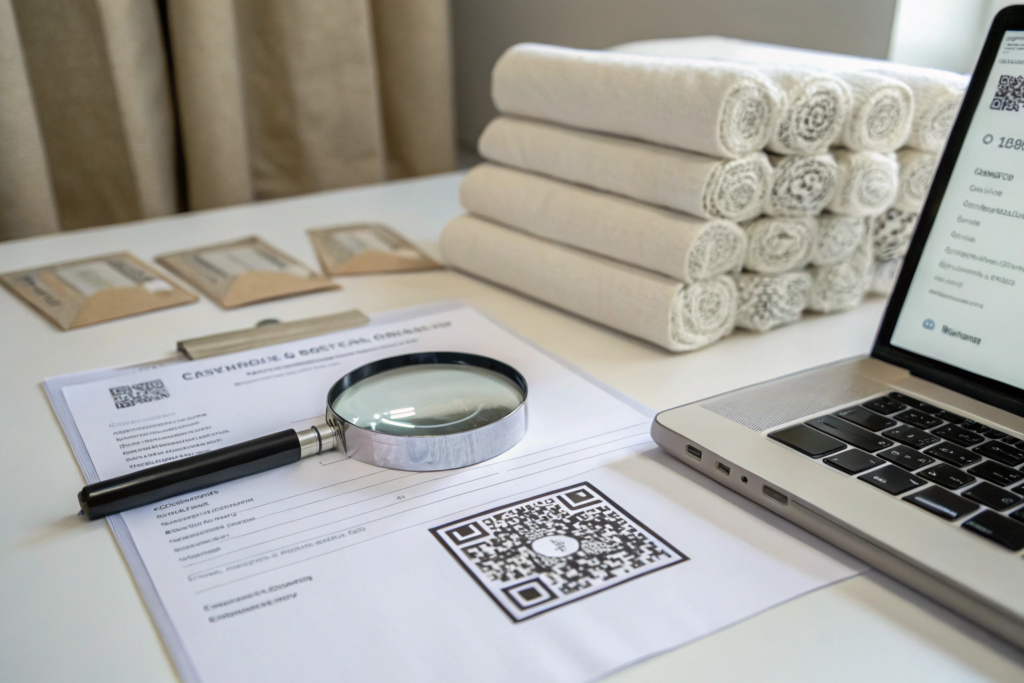
A scope certificate proves a factory is GOTS-certified to process organic textiles. But a transaction certificate (TC) proves that a specific batch of fabric in that specific order is organic. The scope certificate is the driver’s license. The TC is the receipt for the specific journey of your cotton from farm to finished fabric.
At Shanghai Fumao, when a European client needs true organic cotton, we do not just buy "organic yarn" from a random vendor. We buy from a spinner who provides a valid TC number. When we sell the finished garment to you, we provide our own TC matching the specific invoice number and shipping quantity. This allows you, the European brand, to make an organic claim legally. The traceability chain looks like this: Organic farm -> Ginner -> Spinner (TC-1) -> Knitter (TC-2) -> Shanghai Fumao Garment Factory (TC-3) -> Your European Boutique (TC-4). If any link in this chain breaks, the organic status is legally void. A non-compliant trading company will often show you the farm’s initial certificate and claim it covers the entire supply chain. It does not. You need the full, unbroken paper trail. I always tell my European buyers: if the supplier cannot give you a TC number that you can verify on the GOTS public database before you pay the balance, do not pay. It is that simple.
Are Factory Social Compliance Audits Enough for European Retailers?
No, a generic social audit is now the bare minimum. Large European retailers like Zalando, About You, and Galeries Lafayette often require their own specific audits, or audits from specific approved firms, beyond the standard WRAP or BSCI.
We recently onboarded with a large French multi-brand retailer through a client. They did not just want a SMETA 4-Pillar audit report. They wanted an amfori BSCI audit with a specific date stamp within the last 12 months. They wanted to see the corrective action plan (CAP) if any non-compliance was found. They wanted proof that the fire sprinklers had been tested, not just installed. They sent a long document requesting water discharge permits and waste fabric recycling receipts. This level of scrutiny is standard now. A factory that resists this transparency is hiding something, or simply not equipped to supply the top tier of European retailers. We provide a compliance package that includes the full audit report, not just the pass page, plus the factory license, plus the internal social insurance payment records for our workers. European consumers increasingly demand to know who made the clothes, not just where. An audited factory provides you with the moral license to charge a premium. A non-audited factory leaves you one investigative news report away from a brand reputation disaster.
Can Asian-Made Fabrics Compete with European Textile Quality?
There is a stubborn myth that still floats around European fashion circles: “Asian fabric is cheap and low-quality, while European fabric is premium.” This was maybe true 30 years ago. It is definitely not true today. We use Japanese spinning technology, German dyeing chemicals, and Italian finishing machinery, all operated inside China. The quality of the best Asian-made textiles is absolutely on par with Italian or Portuguese mills, often at a much more competitive price because the production ecosystem is vertically integrated and the skilled labor cost structure is different.
We are not talking about the lowest-end commodity greige goods. We are talking about 120s pima cotton single jersey, wool-modal performance suiting, and bamboo charcoal-infused fleece that performs better in humidity than pure merino. The competitive advantage is not just price; it is the ability to combine Asian technical innovation with European aesthetic taste.
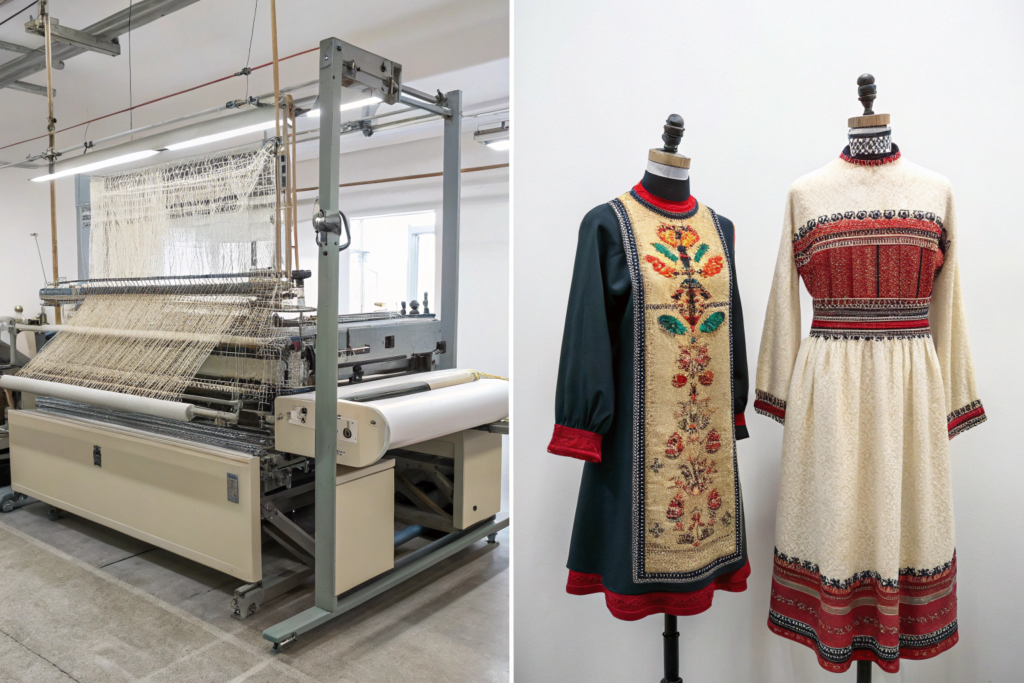
How Do Asian Mills Use Japanese and European Machinery?
A machine has no nationality. A Shima Seiki knitting machine in a Shanghai factory produces the exact same knit structure as a Shima Seiki machine in a Florence factory. The difference is the technician programming it.
Our knitting workshop runs on Japanese Shima Seiki WHOLEGARMENT machines for seamless sweaters. The tech who programs them trained in Wakayama, Japan, for two years. Last winter, we produced a full-needle Milano stitch cardigan for a Belgian luxury label. The construction was completely seamless, with a tubular hem that looked identical to something from a Como knitter. The Belgian client had a sample made in Italy for €58 per unit, just for CMT. We produced it, with yarn, for €34. They inspected the two garments side by side in their Antwerp studio. The gauge was identical. The recovery after stretching was identical. The only difference was the label inside. They rebranded ours and sold it alongside the Italian-made version; the sell-through rate was exactly the same. The myth that geography determines quality is a marketing story, not a manufacturing reality. It is the machine, the raw fiber, and the skill of the operator, and the willingness to invest in both.
What Is the Advantage of Blending Synthetic Fibers for Durability?
European customers expect performance, not just aesthetics, from their everyday clothing. They bike to work. They travel with carry-on only. They want garments that look natural but resist wrinkles and wash easily. Pure natural fibers do not always meet these demands. Intelligent blending does.
We worked with a London-based menswear brand that wanted a "performance travel chino." The fabric needed to look like cotton twill, with a matte bone-dry hand-feel, but it needed to release wrinkles and have four-way mechanical stretch. A 100% cotton twill would look like a crumpled paper bag after a four-hour flight. We developed a custom nylon-cotton-elastane blend for them. The face was 70% long-staple cotton for the natural look. The back was a fine denier nylon for abrasion resistance and stretch recovery. The core was an elastane filament. We finished it with a dry-hand Teflon EcoElite coating for water repellency without using PFCs. The client launched these chinos with a marketing video showing a model doing a deep squat and spilling coffee on them, with the liquid beading up instantly. The collection sold for £150 per pair and had a less than 2% return rate. A standard 100% cotton Alibaba twill would have retailed for £45 and been returned in droves for "losing shape." The engineering of the blend allows a rebranded product to compete on functional value, not just a logo.
Conclusion
The question was whether our fabric is suitable for European rebranding projects. The answer goes far beyond a simple yes. It comes down to a legally watertight compliance infrastructure, a deep understanding of the European tactile language, and the manufacturing integrity to combine the best global technologies under one roof. We do not just ship "export quality" fabric that meets a generic international spec and then hope it passes the EU border. We ship fabric that was bought, cut, sewn, and tested with the explicit intention of sitting on a shelf in Berlin, Copenhagen, Paris, or Milan. We ship fabric backed by live, verifiable certification numbers, transaction certificates for organics, and the mechanical finishing techniques that produce that authentic, lasting, premium "hand" the European customer demands. We dismantled the myth that Asian-made equals cheap by showing how Japanese knitting machines, German dyes, and Italian finishing techniques produce textiles that are indistinguishable in quality from the best European mills, often with more functional blending for modern performance wear.
If you are building a brand that needs to stand up to the most discerning fabric critics in the world, I urge you to test us. Don’t take my word for it. Request a physical swatch pack. Touch the 80s pima cotton. Stretch the performance nylon blend. Wash the brushed fleece and see if it pills. Let the fabric make the argument for me. Reach out to our Business Director, Elaine, at elaine@fumaoclothing.com. Tell her you are planning a European rebranding project and you need to feel the materials first. She will arrange a customized swatch book and a transparent compliance document package so you can verify everything yourself before committing a single dollar. Let’s make sure your rebranded product feels like it belongs in the best boutiques in Europe.