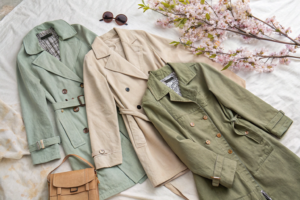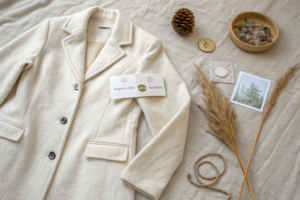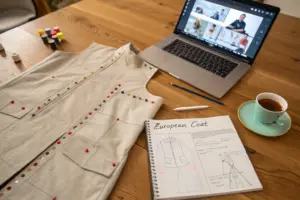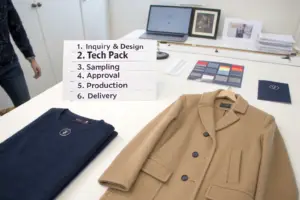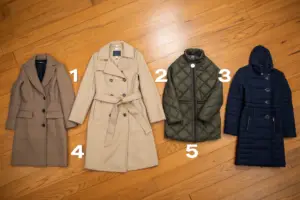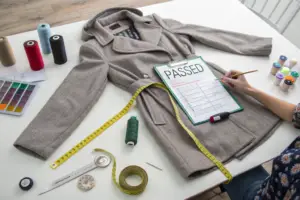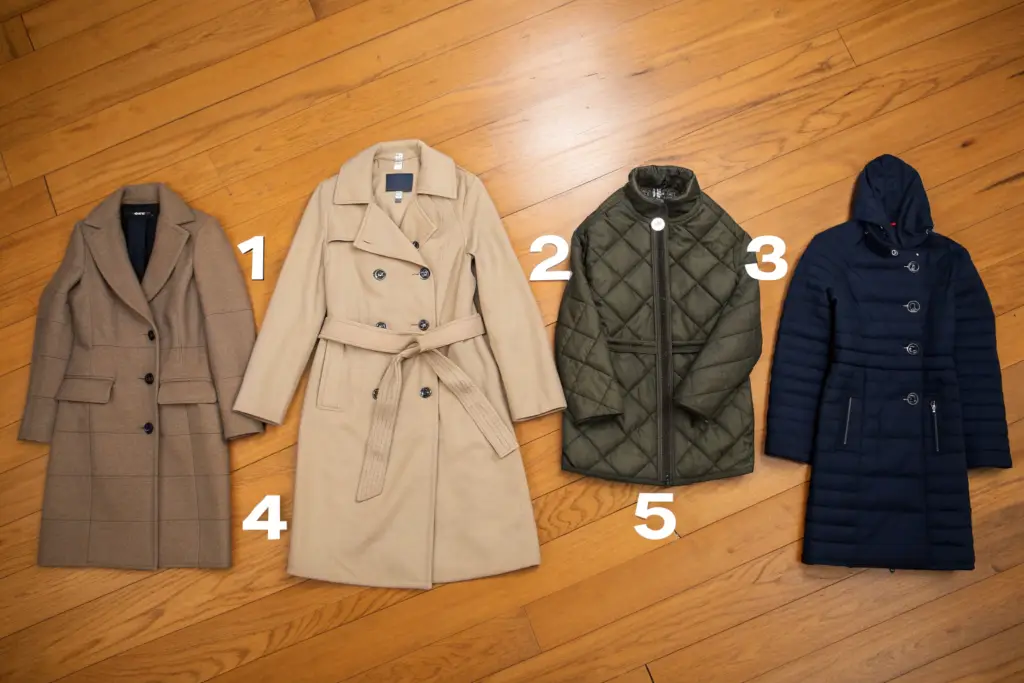
A brand strategist I worked with five years ago gave me a piece of advice that has proven more valuable with every passing season. She said, "Trends are how you get attention. Classics are how you get paid." She had analyzed the financials of twelve women's apparel brands, from DTC startups to established wholesale labels. In every single case, the classic coat silhouettes—the wrap coat, the trench, the tailored overcoat, the parka, the pea coat—generated more gross profit than the trendy experimental coats combined. The trendy coats drove social media engagement. The classic coats drove the bank deposits. The brands that had a full set of classic coat archetypes in their assortment were consistently more profitable than the brands that chased trends.
The six classic women's coat types every brand needs in its outerwear assortment are the Wool Wrap Coat, the Double-Breasted Trench Coat, the Tailored Wool Overcoat, the Quilted Parka, the Structured Pea Coat, and the Lightweight Duster or Trench-Coat alternative, each serving a distinct weather, occasion, and customer segment that together cover the full outerwear market and provide a stable, replenishable revenue base.
These six silhouettes are not my opinion. They are the product of decades of outerwear retail history. They have survived every trend cycle. They have proven their sell-through in department stores, boutiques, and DTC channels. They each serve a specific functional and aesthetic need that no other silhouette serves. A brand that has all six in its line has a complete outerwear offering. A brand that is missing one has a gap that a competitor can exploit. At Shanghai Fumao, we manufacture all six archetypes for US brands across the contemporary and premium segments. Let me define each one, explain why it is essential, and show you how to build them into your collection.
Why Is the Wool Wrap Coat the Undisputed Hero of the Classic Coat Assortment?
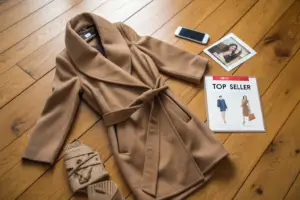
The wool wrap coat is the highest-volume, highest-margin, lowest-return classic coat silhouette in the contemporary women's market. It outsells the tailored overcoat, the trench, and the parka in most brands' assortments. Its dominance is not a fashion phenomenon. It is a structural advantage. The wrap coat has no buttons, no zipper, no complex front closure. The self-belt cinches at the wearer's exact waist, accommodating a wide range of body types within a single size. The dropped shoulders eliminate the precise shoulder fit that generates returns on structured coats. The silhouette is forgiving, comfortable, and flattering on almost every body. It sells to the 25-year-old and the 65-year-old. It works over a dress, over jeans, over leggings. It is the coat equivalent of the perfect pair of jeans.
The wool wrap coat is the volume anchor of the classic coat assortment, delivering the highest full-price sell-through rate—typically above 80%—and the lowest return rate—typically under 6%—of any coat silhouette, making it the safest and most profitable outerwear investment a brand can make.
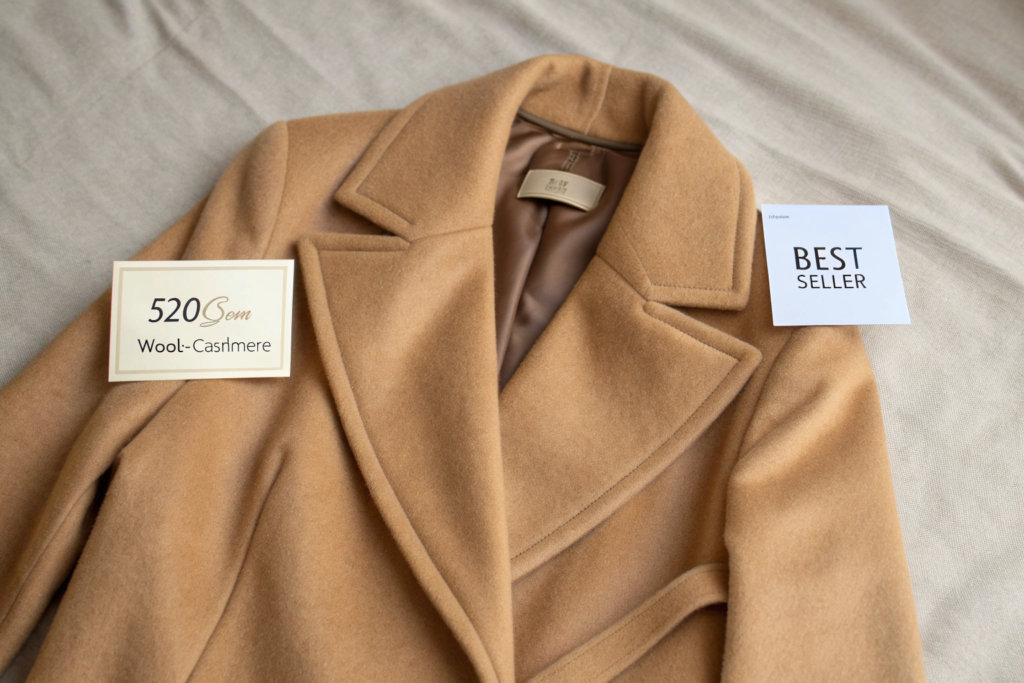
I reviewed the SKU-level data for three brands we manufacture for. In every case, the wrap coat was the number-one-selling coat by units and by gross profit dollars. One brand's camel wrap coat, in a 90% wool and 10% cashmere blend at 520gsm, sold through 92% at full price. Their second-best-selling coat—a tailored overcoat in the same fabric—sold through 68%. The wrap coat generated nearly twice the profit per SKU. The brand increased their wrap coat depth the following season and reduced the overcoat to two colors. The data drove the decision.
What Fabric and Color Specifications Define the Classic Wrap Coat?
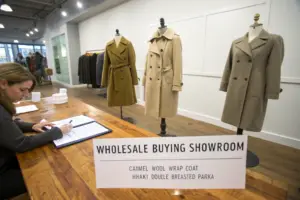
The classic wrap coat is defined by a mid-weight wool or wool-blend fabric in the 500 to 550gsm range. The weight is substantial enough to drape beautifully and provide genuine warmth, but not so heavy that the coat feels burdensome. The standard composition is 80-100% wool, often with a 10% cashmere or nylon addition for softness or durability. The lining is typically viscose or cupro for breathability and a smooth glide over clothing layers. The closure is a self-fabric belt with an internal tie to secure the wrap. The collar is a shawl collar that frames the face without the structure of a notched lapel. The color that defines the category is camel—it accounts for approximately 40% of all wrap coat sales. Black and heather grey are the secondary core colors. A seasonal accent color like deep burgundy or forest green rounds out the assortment. Technical resources on wool fabric specifications are available from The Woolmark Company.
How Should the Wrap Coat Be Positioned in the Brand's Outerwear Hierarchy?
The wrap coat should be the first coat a customer sees when she encounters the brand's outerwear collection. It should be featured in the hero image of the outerwear category page. It should be the coat the brand promotes in email marketing and social media advertising. It is the entry point for the brand's coat customer. The customer who buys the wrap coat and loves it will return for the tailored overcoat or the trench. The wrap coat is the customer acquisition tool for the outerwear category. Its forgiving fit and broad appeal make it the lowest-risk purchase for a new customer. The brand should invest depth in the wrap coat—three to four colors, deep size runs—and use it to build the customer base that will purchase the more specific, higher-price-point silhouettes.
Why Are the Trench Coat and Tailored Overcoat Non-Negotiable Classics?
The wrap coat covers the comfort and versatility segment. The trench coat and the tailored overcoat cover the structured, professional segment. These are the coats for the customer who needs to look polished, authoritative, and intentional. The trench coat serves the transitional seasons—spring and fall—with its water-resistant cotton shell and removable liner option. The tailored overcoat serves the formal winter occasions—the boardroom, the evening event, the dinner where impressions matter. A brand that has only a wrap coat and a parka has nothing for the customer who walks in and says, "I need a coat for work."
The double-breasted trench coat and the single-breasted tailored wool overcoat are non-negotiable because they serve the professional customer segment that the wrap coat does not reach, with the trench providing water-resistant transitional versatility and the overcoat providing structured, formal polish for career and evening occasions.
A brand we manufacture for initially launched with only a wrap coat and a parka. Their outerwear sales were good, but they kept getting the same customer service email: "Do you have a trench coat?" and "I love your brand, but I need something more formal for work." They added a trench coat the following spring. It sold out in four weeks. The demand had been there all along, unmet. The brand was leaving money on the table because they had not included the professional silhouettes in their assortment.
What Construction Details Make a Trench Coat a True Classic?
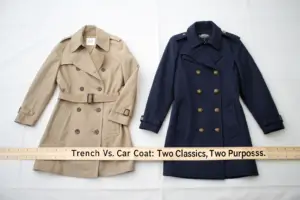
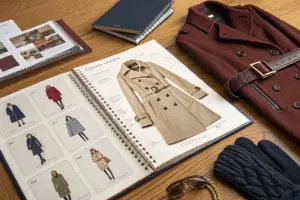
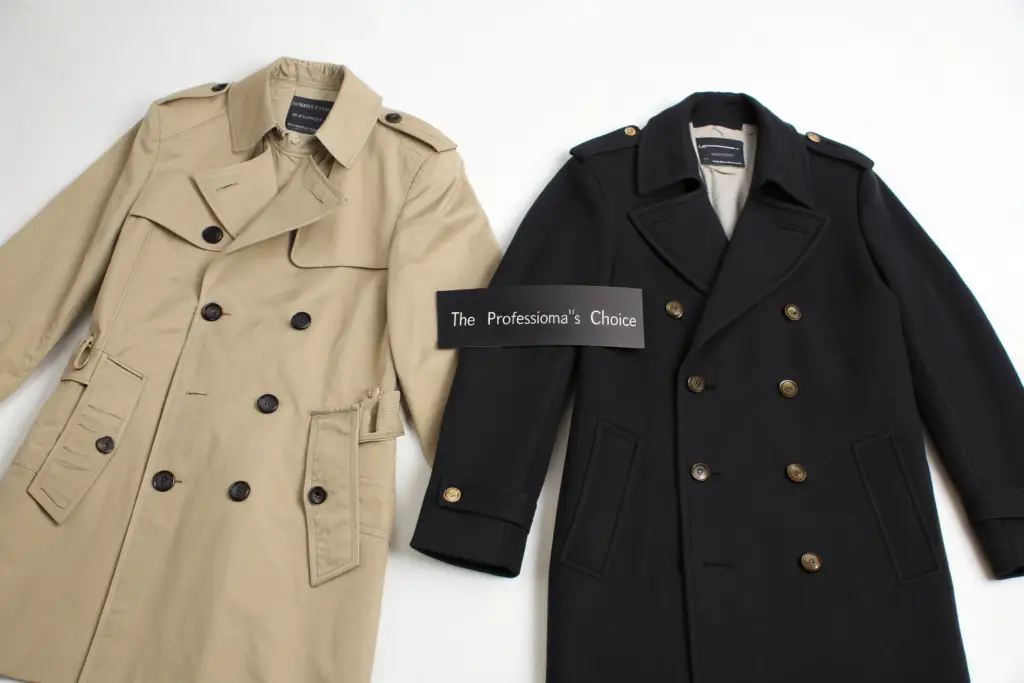
A classic trench coat is defined by a set of specific design elements that have been standard for over a century. The double-breasted front with ten buttons. The storm flap at the chest and back. The epaulettes on the shoulders. The cuff straps with buckles. The belt with a D-ring buckle. The gun flap at the chest, originally functional, now a design signature. The fabric is a water-resistant cotton gabardine or cotton-nylon blend, typically in khaki, stone, or navy. The 2026 evolution of the trench adds a removable quilted or fleece liner that extends the coat's wearability into colder months. The liner is the feature that sells the trench to the modern customer who wants versatility. The trench without a liner is a spring coat. The trench with a liner is a three-season investment.
What Defines the Tailored Overcoat and How Does It Differ from the Wrap Coat?
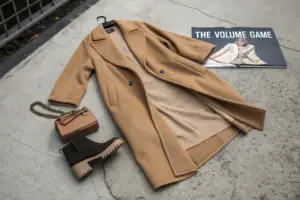
The tailored overcoat is the structured counterpart to the unstructured wrap coat. It has a notched lapel, a single-breasted or double-breasted button front, set-in shoulders with a defined shoulder line, and a back vent for ease of movement. It is fully lined with a smooth, breathable lining. It is cut closer to the body than a wrap coat, with a defined waist and a tailored sleeve. The fabric is typically a 500-600gsm wool or wool-cashmere blend in black, navy, or charcoal. The customer who buys the tailored overcoat is not the same customer who buys the wrap coat. She is the customer who wears suits or structured dresses, who attends formal events, who needs a coat that reads as authoritative. The tailored overcoat is a lower-volume, higher-price-point silhouette than the wrap coat, but it is essential for brand credibility in the premium segment. The customer who sees a beautifully tailored overcoat in the brand's collection trusts the brand's quality across the entire outerwear category.
Why Are the Parka, Pea Coat, and Duster Essential for Covering Remaining Market Segments?
The wrap coat, trench, and tailored overcoat cover comfort, transitional versatility, and professional polish. The parka, pea coat, and duster cover the remaining market segments that those three cannot serve. The parka covers genuine cold-weather functionality. The pea coat covers military-inspired, sharp-casual styling for a younger or more fashion-forward customer. The duster covers the lightweight, throw-on-and-go layer for mild fall and spring days. A brand with all six archetypes has a coat for every customer who walks through the door, for every weather condition, and for every occasion.
The quilted parka, structured pea coat, and lightweight duster complete the classic coat assortment by covering the remaining functional and aesthetic needs: the parka for genuine cold and outdoor protection, the pea coat for a sharp, military-inspired tailored option that appeals to a younger demographic, and the duster for an entry-price lightweight layer that serves mild weather and transitional seasons.
A brand we manufacture for restructured their outerwear line two years ago. Previously, they had a wrap coat, a parka, and two trendy experimental styles that changed each season. The trendy styles sold inconsistently. We helped them replace the trendy styles with a pea coat and a duster, creating the full six-archetype collection. Their outerwear revenue increased 31% the following season. The pea coat attracted a younger customer. The duster became the brand's best-selling entry-price coat, bringing in new customers who later upgraded to the wrap coat and overcoat. The six-archetype framework was not creatively exciting, but it was commercially complete.
What Functional Role Does the Quilted Parka Play in the Assortment?
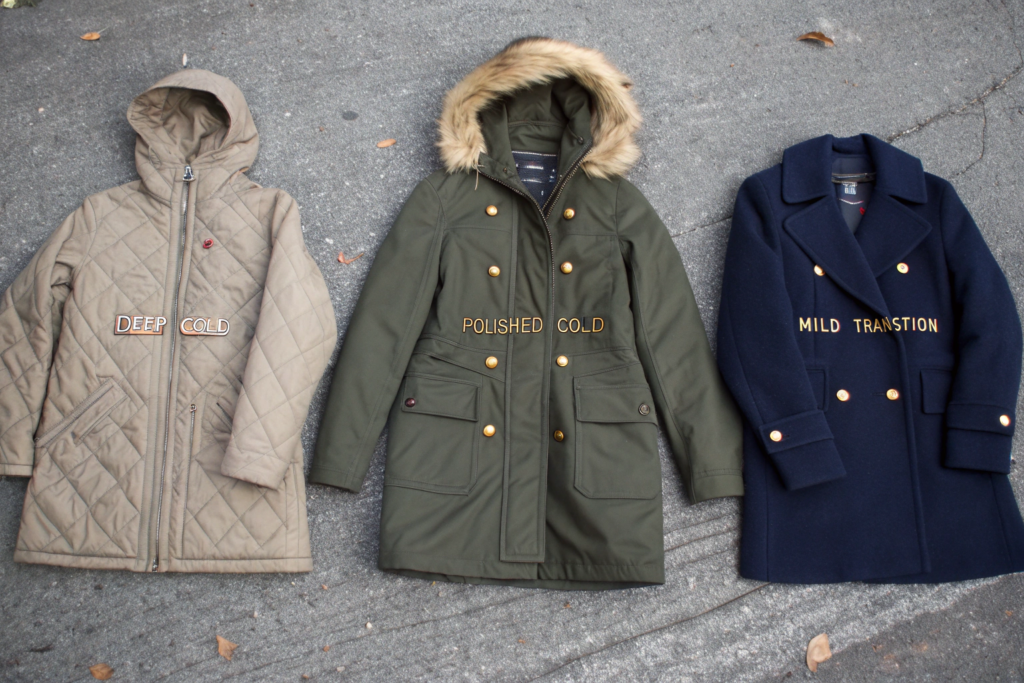
The parka is the warmth workhorse. It is the coat for the customer who lives in a cold climate, walks a dog in January, commutes on public transit in February, or simply refuses to be cold. The classic parka has a waterproof or water-resistant shell, down or high-performance synthetic insulation with a minimum 550 fill power, a hood with removable fur or faux fur trim, and multiple secure external pockets. It is the only coat in the six-archetype framework that is designed primarily for function rather than fashion. But the 2026 parka is not the bulky, unflattering parka of the past. It has a defined waist through an internal drawcord. It has a tailored silhouette. It comes in olive, black, and navy. It is the coat the customer buys because she needs to be warm, but she keeps because it actually looks good. The parka typically represents 15-20% of a brand's outerwear unit volume but is essential for retaining the cold-climate customer who would otherwise defect to an outdoor brand.
How Does the Pea Coat Serve a Different Customer Than the Tailored Overcoat?
The pea coat and the tailored overcoat are both structured wool coats, but they serve different aesthetic preferences. The tailored overcoat is long, formal, and conservative. It is the coat for the boardroom and the evening event. The pea coat is short—hip-length—double-breasted with large buttons, and has a military-naval heritage. It reads as sharper, younger, and more fashion-forward. It pairs with jeans, with wide-leg trousers, with mini skirts. It is the structured coat for the customer who finds the tailored overcoat too formal and the wrap coat too soft. The pea coat typically appeals to a younger demographic, 25 to 40, who want structure without formality. The pea coat and the tailored overcoat do not cannibalize each other. They serve different customers within the same structured-wool segment.
Why Is a Lightweight Duster or Trench Alternative Necessary for the Transitional Season?
The duster is the entry-price, entry-weight coat. It is a lightweight, unlined or half-lined coat in a soft wool blend, a cotton-linen blend, or a lightweight technical fabric. It falls to mid-calf or ankle. It has an open front, sometimes with a single closure, and a relaxed, oversized fit. It is the coat the customer throws over a t-shirt and jeans on a cool spring evening or a crisp fall morning. It is the lowest-price-point coat in the assortment, typically retailing between $140 and $200. The duster serves two critical functions. First, it captures the customer who is not ready to spend $300 on a wool coat but wants to buy into the brand. Second, it serves the transitional weather windows that the heavy wool coats and parkas are too warm for. The duster extends the brand's outerwear selling season into April and October, months when the heavy coats are not being worn but a lightweight layer is still needed.
How Should Brands Build a Complete Classic Coat Assortment?
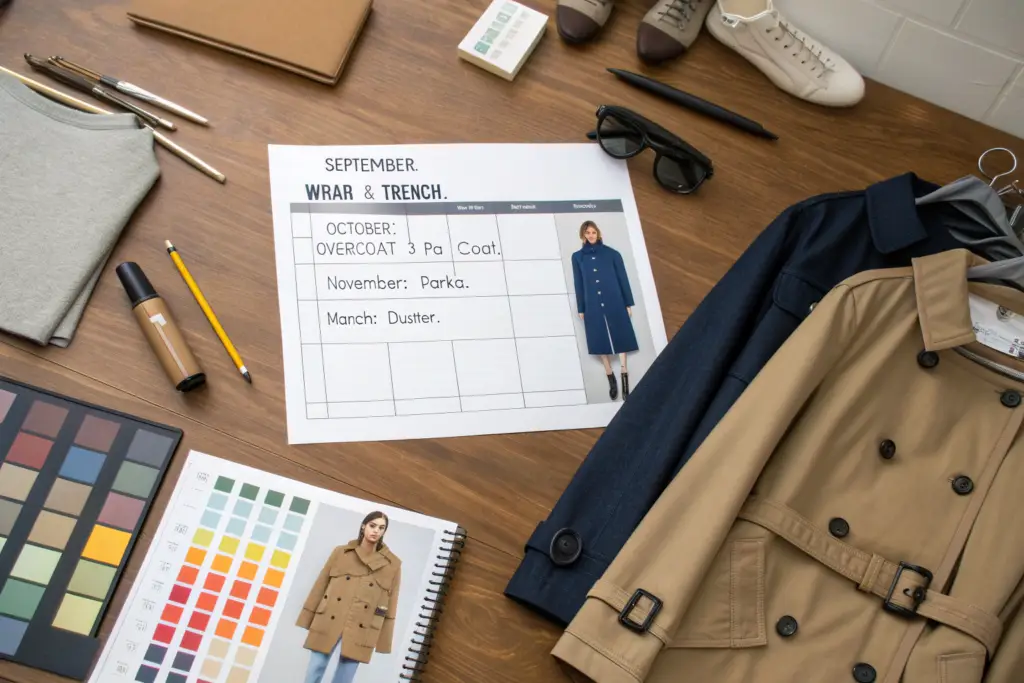
Having all six classic coat archetypes is not the same as launching all six at once. The assortment should be phased across the outerwear selling season, with different silhouettes launching at the moments when the customer is ready to buy them. The wrap coat and trench launch in September when the first cool weather triggers the coat-buying impulse. The overcoat and pea coat launch in October when the professional customer is refreshing her work wardrobe. The parka launches in November when the first serious cold snap hits. The duster launches in March when the customer is tired of heavy coats and wants something light and fresh for spring.
A complete classic coat assortment launches in a phased seasonal cadence, with colors concentrated in the proven core neutrals and a small percentage allocated to one or two seasonal accents, and with each silhouette priced on a ladder from the entry duster at $140-$180 to the premium overcoat at $350-$450, giving the customer a clear upgrade path within the brand.
A brand we manufacture for adopted this phased launch calendar two seasons ago. Previously, they had launched all their coats in a single September drop. The customer was overwhelmed. The parkas sold slowly because it was still warm. The dusters sold slowly because the customer was in a heavy-coat mindset. The phased calendar changed the dynamic. Each launch felt like an event. Each launch reached the customer at the exact moment she was ready to buy that specific coat type. The brand's outerwear sell-through improved by 18 percentage points. The marketing efficiency improved because each launch had a focused, single-silhouette message rather than a cluttered "here is everything" message.
What Color Allocation Maximizes Full-Price Sell-Through Across All Six Archetypes?
The core neutral palette—Camel, Black, Navy, Olive, Khaki, and Grey—should represent 85% of the total outerwear unit buy. These colors sell at full price, season after season. Camel dominates the wrap coat. Khaki dominates the trench. Black dominates the overcoat. Olive dominates the parka. Navy dominates the pea coat. Stone or grey works across multiple silhouettes. One seasonal accent color—a deep burgundy, a forest green, or a warm rust—can represent 15% of the buy, applied to the wrap coat or the duster where the lower FOB reduces the markdown risk. The accent color should not be applied to the overcoat or the parka, where the higher price point and the customer's preference for timeless investment pieces make color risk unrewarded.
How Should the Price Ladder Be Structured to Encourage Upgrading?
The price ladder guides the customer from entry to investment. The duster sits at the entry, $140-$180 retail. The pea coat and the trench sit at the mid-tier, $200-$280. The parka sits at the upper mid-tier, $220-$300. The wrap coat sits at the premium entry, $250-$350. The tailored overcoat sits at the premium tier, $350-$450. The gaps between tiers should be meaningful—$50 to $80 between each step—to create a clear value distinction. The customer who enters at the duster should see the pea coat as a reasonable upgrade, the wrap coat as an aspirational purchase, and the overcoat as the ultimate brand investment. The ladder should be visible on the brand's outerwear category page. The customer should be able to see the full range and understand the value progression. The ladder turns a one-time coat buyer into a multi-coat brand loyalist.
Conclusion
The six classic women's coat types every brand needs are not a creative suggestion. They are a commercial framework. The Wool Wrap Coat anchors the assortment in comfort and versatility. The Trench Coat and Tailored Overcoat serve the professional and formal customer. The Quilted Parka covers genuine cold-weather functionality. The Pea Coat appeals to the younger, fashion-forward structured-coat customer. The Lightweight Duster captures the entry-price, transitional-season shopper. Together, these six archetypes cover every weather condition, every occasion, and every customer segment in the women's outerwear market.
The brand that has all six has a complete, defensible outerwear assortment. The brand that is missing one has a gap that a competitor will fill. The classics are not exciting in the way a runway trend is exciting. But they are profitable in the way that builds businesses. The wrap coat pays the bills. The trench coat dresses the professional. The parka keeps the customer warm. The overcoat closes the premium sale. The pea coat attracts the young customer. The duster opens the door. Every brand needs all of them.
If your brand is building or refining its women's outerwear assortment, we can manufacture all six classic archetypes with the quality, consistency, and pricing that support a profitable coat program. At Shanghai Fumao, we produce the full spectrum of women's coats for US brands across the contemporary and premium segments. Contact our Business Director, Elaine, at elaine@fumaoclothing.com to request our classic coat line sheet, fabric swatch kit, and a sample costing for the silhouettes you need. Let's build a coat assortment that covers every customer who walks through the door.