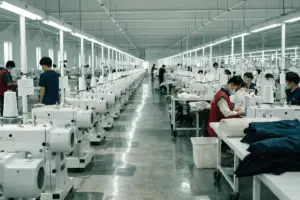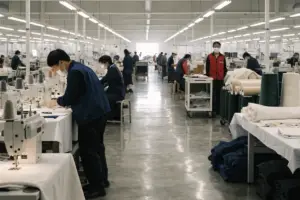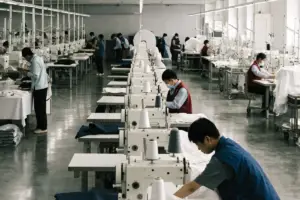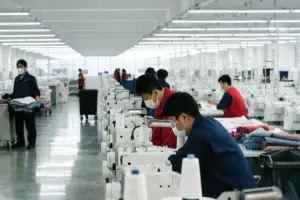
Sustainability is the fashion industry’s favorite word—but how much of it is fact, and how much is fluff?
While sustainability awareness is rising across the global apparel industry, only a small fraction of brands meet truly verifiable, measurable standards—leaving room for major improvement in transparency, materials, and circularity.
At Fumao, we help clients bridge the gap between promise and proof—through better fabric choices, longer-lasting garments, and production methods built for sustainability, not slogans.
How sustainable is the fashion industry?
The industry talks green—but much of the system remains deeply wasteful and opaque.
The fashion industry is improving in sustainability goals, but still struggles with overproduction, lack of material traceability, and insufficient accountability at the supply chain level.
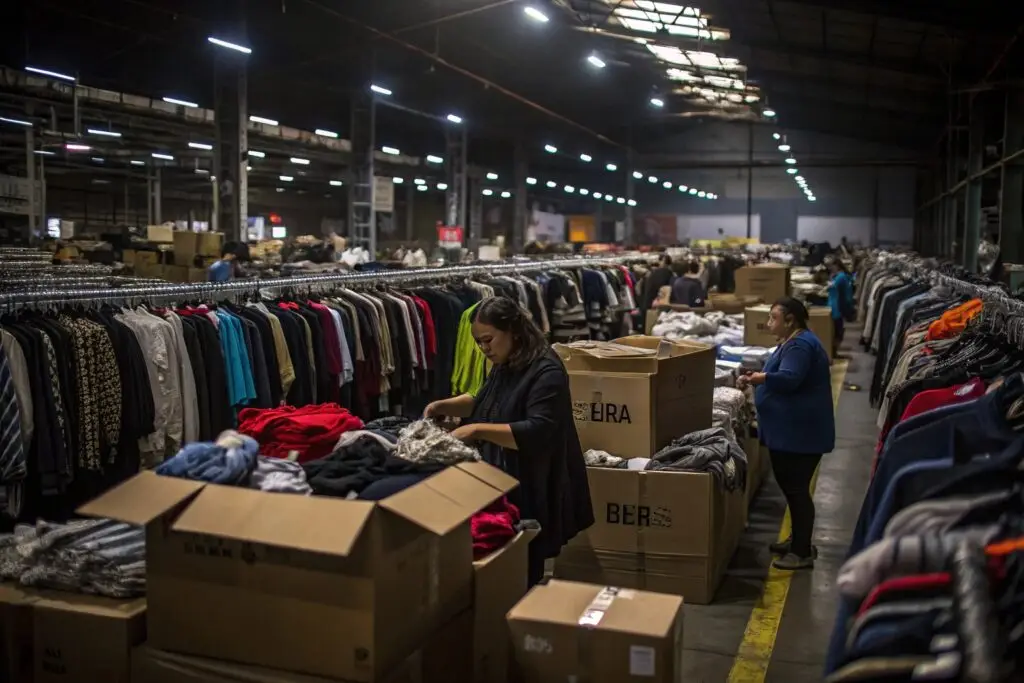
What are the core sustainability challenges?
- Overproduction1: 30–40% of clothes made every year go unsold
- Water usage2: One cotton shirt = 2,700 liters of water
- Carbon emissions3: Fashion contributes 8–10% of global emissions
- Waste: Over 90 million tons of textiles go to landfill annually
- Labor transparency: Millions still work in unregulated conditions
Despite these issues, progress is growing:
- Over 60% of global fashion brands now have a “sustainability” page
- More than 100 brands have joined circular initiatives
- Fabric innovation is accelerating—rPET, TENCEL™, biodegradable nylons
But sustainability isn’t about nice words—it’s about systems that work long-term.
How big is the global sustainable apparel market?
Green is growing—and fast.
The global sustainable apparel market was valued at approximately $11 billion in 2023 and is projected to reach $20–25 billion by 2030, driven by consumer demand, regulation, and brand repositioning.
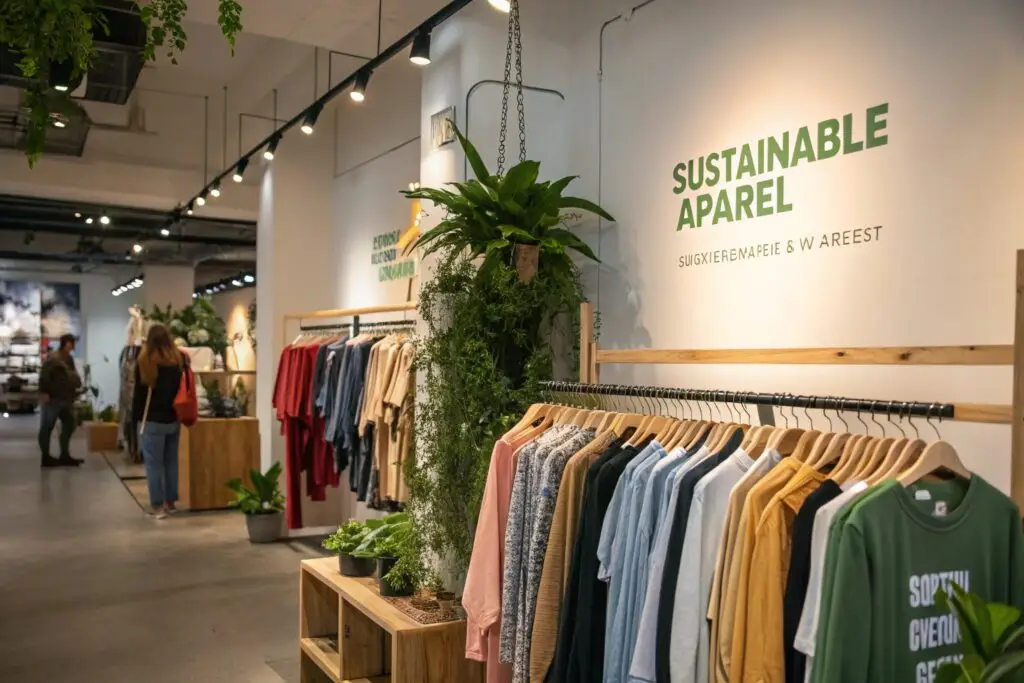
What’s behind the growth?
- Gen Z and Millennials: They demand ethical choices and care about transparency
- Eco-regulations: EU and U.S. now require product-level sustainability claims
- Platform pressure: Amazon, Zalando, and ASOS are enforcing sustainable product filters4
- Resale and rental: Platforms like ThredUp, Rent the Runway, and Vinted are expanding fast
At Fumao, we now see 20–30% of B2B clients requesting GRS-certified or OEKO-TEX-approved fabrics5—and that demand has doubled in two years.
Where is the sustainable market growing fastest?
| Region | Key Growth Drivers |
|---|---|
| Europe | Regulatory pressure, consumer awareness |
| North America | Brand activism, resale integration |
| East Asia | Material innovation, government subsidies |
| Australia/NZ | Waste-reduction laws and local brand ethics |
The big shift isn’t just what’s produced—but what isn’t wasted.
What is sustainability in the apparel industry?
Sustainability isn’t a single action—it’s a full-system mindset.
Sustainability in apparel means designing, sourcing, producing, distributing, and recycling garments in ways that reduce environmental impact, ensure ethical labor, and promote long-term usage.
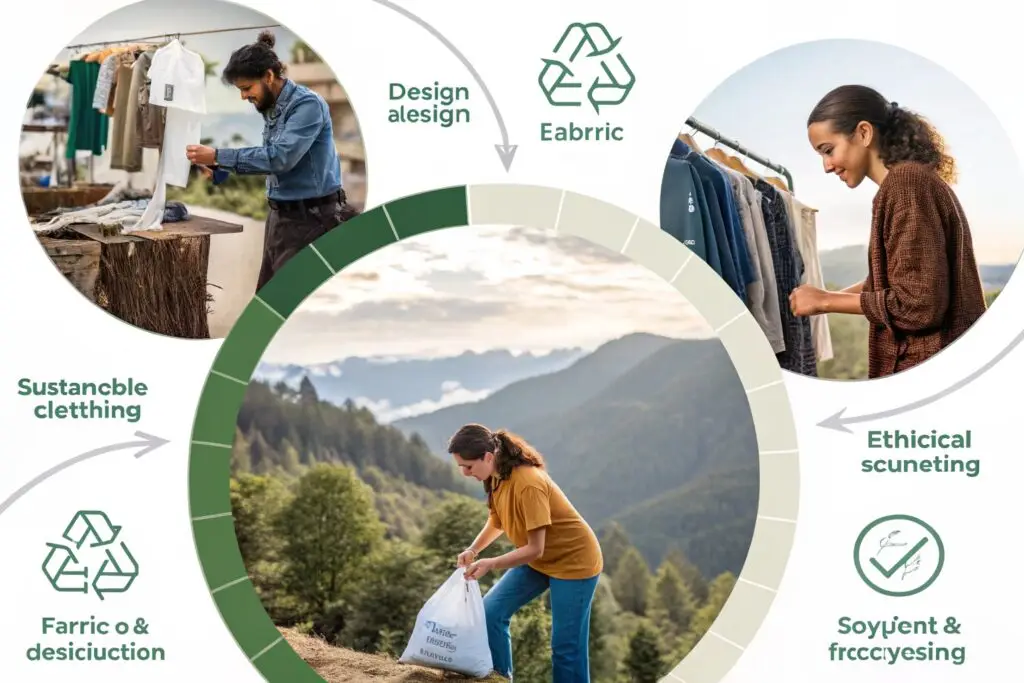
What does a sustainable garment lifecycle look like?
- Design: Durable, timeless, recyclable
- Materials: Organic, recycled, traceable
- Production: Low energy, reduced water, ethical wages
- Distribution: Localized or carbon-offset logistics
- Use phase: Repairable, multi-wear, washable at low temp
- End-of-life: Take-back, resale, or recycling programs
At Fumao, we support this by:
- Offering recycled polyester6, GOTS-certified cotton7, and waterless dye options
- Designing garments for rental durability8 and extended wear
- Including care labels with lifespan guidance
Sustainability starts in the stitching.
What percentage of fashion brands are sustainable?
Many claim sustainability—but few meet the full definition.
Less than 10% of fashion brands meet measurable standards for sustainability across sourcing, labor, waste management, and transparency.
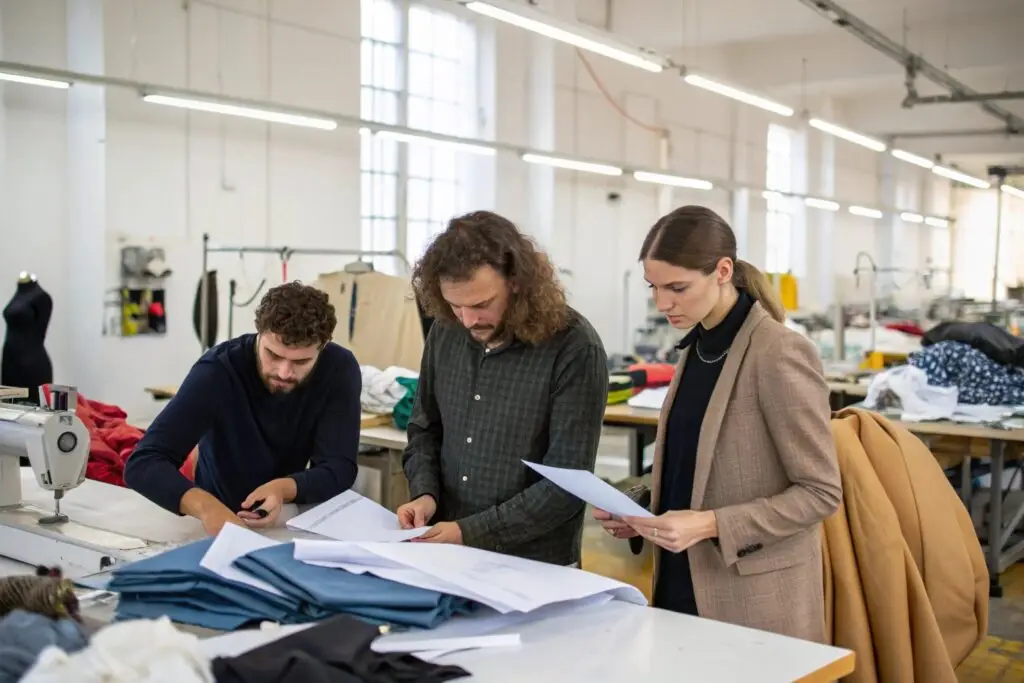
What does “sustainable” really mean?
A truly sustainable brand must:
- Publicly disclose suppliers and material sources
- Limit overproduction through forecasting or on-demand models
- Invest in circular systems (resale, repair, rental)
- Avoid greenwashing (back claims with certifications)
- Provide living wages9 and safe working conditions
Unfortunately, many still rely on vague language:
“We care about the planet.”
“Our collections are more eco-friendly.”
“We’re on a journey.”
Meanwhile, only a small number undergo external audits10 or align with standards like B Corp11, Fair Trade, GOTS, or Bluesign®.
At Fumao, we provide transparency by offering clients:
- Certificates per production batch
- Material declarations with traceable sources
- Real performance tests on garment durability
Conclusion
The global apparel industry is becoming more sustainable—but slowly. Real change requires less talk and more transformation at every stage: design, fabric, labor, and logistics. At Fumao, we build clothing—and partnerships—that align with the future: circular, traceable, and made to last.
-
Understanding overproduction’s effects can help you grasp the urgency of sustainable practices in fashion. ↩
-
Exploring water usage in clothing production highlights the environmental impact and the need for sustainable solutions. ↩
-
Learning about carbon emissions from fashion can inform your choices and promote awareness of sustainability issues. ↩
-
Learn how these filters promote eco-friendly choices and influence consumer behavior. ↩
-
Understanding GRS and OEKO-TEX certifications can help you make informed choices about sustainable fabrics. ↩
-
Explore how recycled polyester contributes to sustainability in fashion, reducing waste and resource consumption. ↩
-
Learn about GOTS certification and its role in ensuring organic and sustainable cotton production. ↩
-
Discover the significance of rental durability in promoting sustainable fashion and reducing waste. ↩
-
Learning about living wages can enhance your understanding of ethical labor practices in the fashion industry. ↩
-
Understanding the role of external audits can help you identify truly sustainable brands and their practices. ↩
-
Exploring B Corp certification can reveal how brands are held accountable for their social and environmental performance. ↩