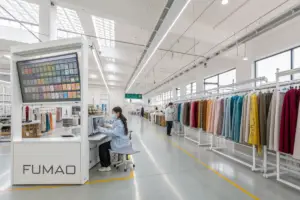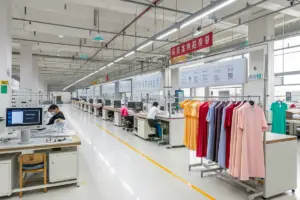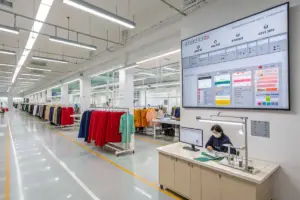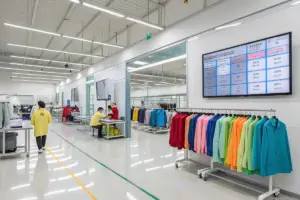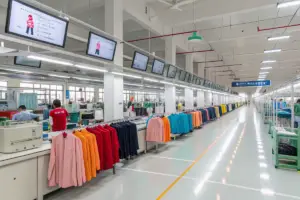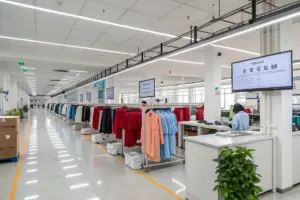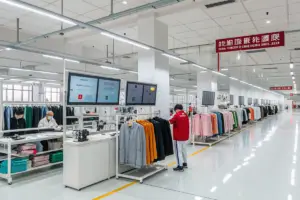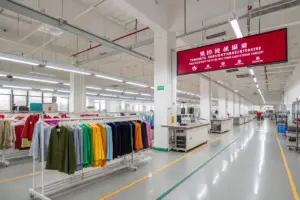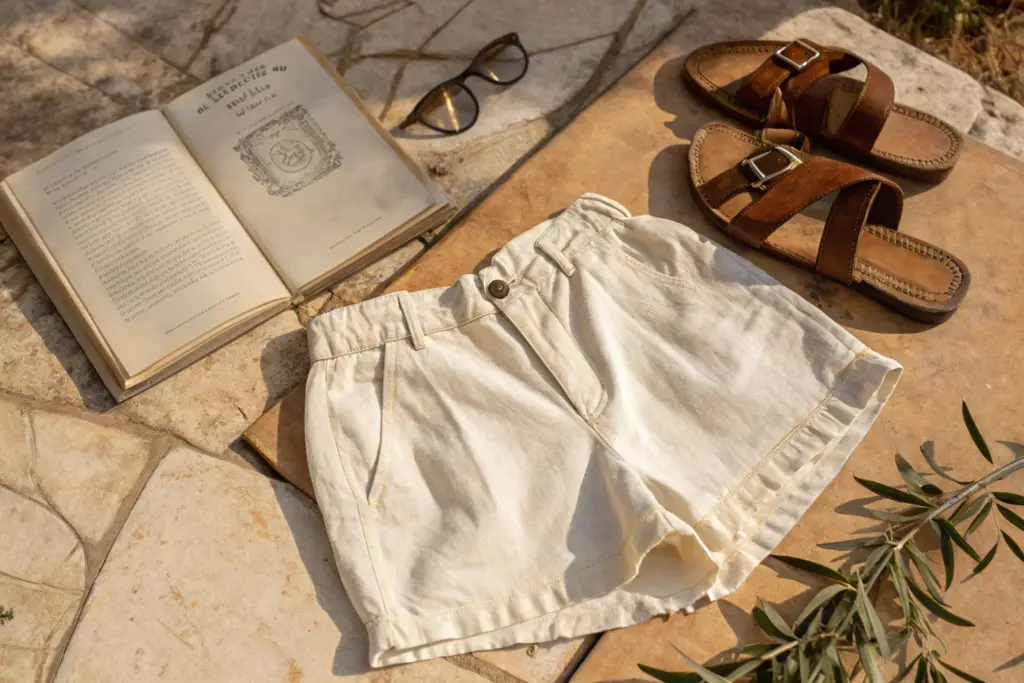
A few months ago, I was standing in our cutting room, watching a new order of classic shorts being prepared for shipment. The pattern we were cutting was, with a few minor adjustments, the same pattern I had learned to cut twenty years ago. The fabric was a cotton twill, similar to the fabric we had used a decade ago. The construction, the waistband, the pockets, and the zipper fly, was fundamentally the same. I found myself thinking about the arc of fashion. Hemlines have risen and fallen. Silhouettes have ballooned and shrunk. Fabrics have been invented and abandoned. And yet, the classic short, in its essential form, has persisted through all of it. The question struck me: will it ever truly disappear?
The classical types of shorts will never become obsolete because they are not a fashion trend but a functional archetype, a garment that emerged from the fundamental human need for a lower-body covering that provides freedom of movement and thermal comfort in warm conditions, a need that is as permanent as the human body itself, with the specific silhouettes that we now call "classic" having demonstrated their capacity to survive every cultural, aesthetic, and technological shift of the past century, adapting subtly in proportion and fabric while retaining their essential, functional identity.
At Shanghai Fumao, I have manufactured classic shorts through recessions, through the rise of athleisure, through the skinny era, and through the pandemic. I have seen trends declare the death of the classic short. I have seen new fabrics and new technologies promise to replace it. None have succeeded. Let me explain why this humble garment is, in the deepest sense, irreplaceable.
What Is the Anthropological Argument for the Classic Short’s Survival?
The classic short is not an invention of modern fashion. It is the most recent iteration of a garment category that is as old as human civilization itself. In every warm climate, in every historical era, human beings have developed a lower-body covering that allows for freedom of movement and thermal regulation. The Egyptian schenti, the Roman tunic, the various forms of wrapped and tied garments across Africa, Asia, and the pre-Columbian Americas, all served the same fundamental purpose that the classic short serves today. The need is anthropological, not cultural.
The classic short will survive because it fulfills a permanent, biologically-driven human requirement for a garment that protects modesty and provides a minimal level of physical protection while maximizing the body’s ability to cool itself through airflow and sweat evaporation, a requirement that no other garment category—not trousers, not skirts, not kilts—fulfills in quite the same balance of practicality, cultural acceptability across a wide range of contexts, and freedom of movement for the male body in warm weather.
How Does the Classic Short Solve the “Thermal Regulation” Problem Uniquely?
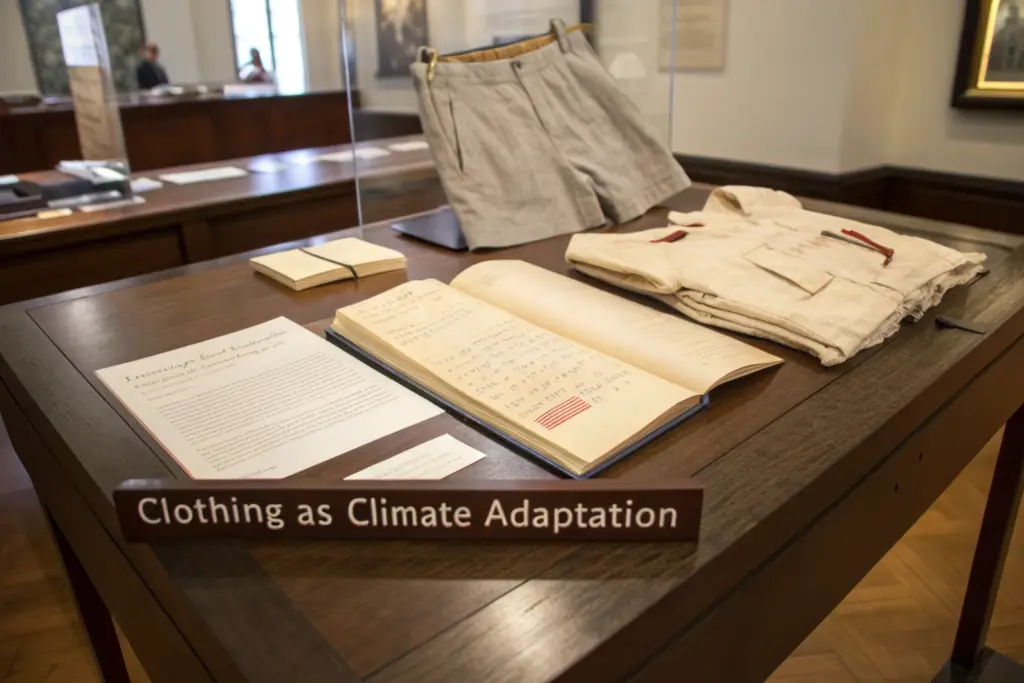
The human body is a heat engine. In warm conditions, it must shed excess heat to maintain a stable internal temperature. The primary mechanism for this is the evaporation of sweat from the skin. Any garment that covers the skin impedes this process to some degree. Trousers cover the entire leg, trapping a layer of warm air. They are the worst option for thermal regulation. Kilts and skirts, while open and well-ventilated, are not culturally acceptable for men in most modern societies.
The classic short occupies a unique and optimal position. It covers the upper thigh and the groin, providing the modesty and the minimal protection that social norms require. It leaves the lower leg entirely exposed, allowing for maximum airflow and unrestricted evaporative cooling. It is a garment that is precisely engineered, by centuries of trial and error, to balance the competing demands of social acceptability and thermal comfort in hot weather. No other garment does this as well for the male body. This clothing and thermal physiology explains the science of how clothing affects the body’s ability to cool itself.
Why Did the Short Triumph Where Other Historical Legwear Failed?
The history of menswear is filled with lower-body garments that have come and gone. Breeches, which covered the leg to just below the knee and were worn with stockings. Knickerbockers, which were baggy and gathered at the knee. Plus-fours, a variation on knickerbockers popular in the 1920s for golf. Each of these served a purpose in its time. Each was eventually abandoned.
The classic short has survived where these garments failed for a simple reason: it is the simplest, most efficient solution to the problem. It eliminates the unnecessary complexity of the stocking, the buckle, and the gather. It is a single, simple garment that is easy to put on, easy to wear, and easy to maintain. It does not require a supporting infrastructure of other garments to function. This functional simplicity is a form of evolutionary fitness. The simplest solution, in the long run, outlasts the complex ones. This history of men’s legwear and the evolution of shorts traces the arc of these garment types.
How Has the Classic Short Survived a Century of Aesthetic Revolutions?
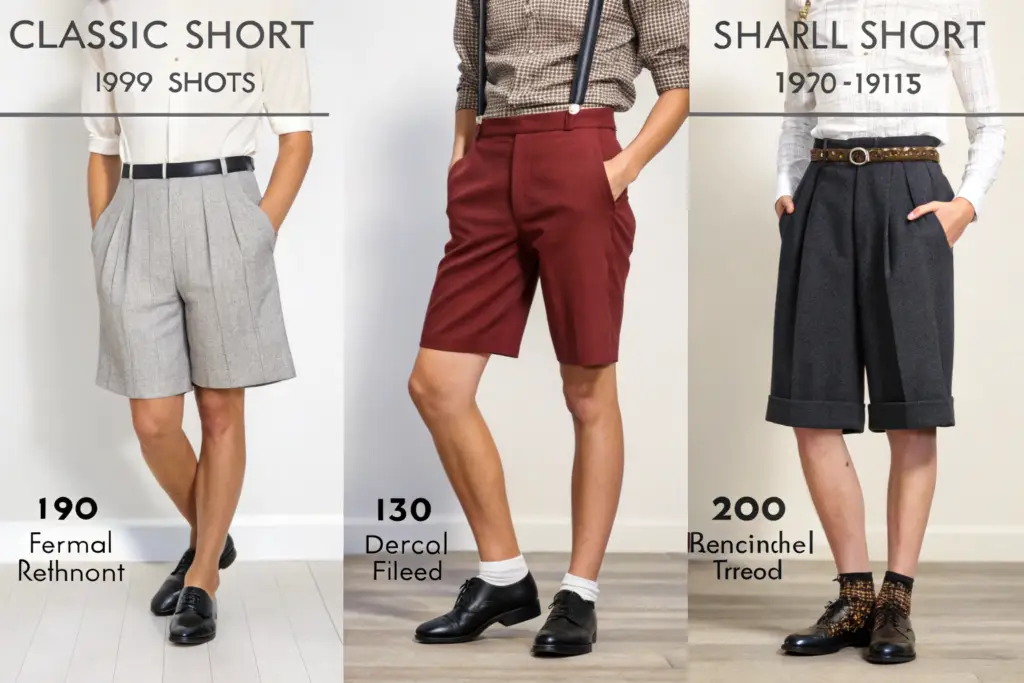
The classic short has not just survived by accident. It has survived by adapting. Over the past century, the basic silhouette has been modified, updated, and reinterpreted by each successive generation. The high-waisted, pleated shorts of the 1930s gave way to the slimmer, flat-front shorts of the 1960s. The short shorts of the 1970s and 1980s gave way to the long, baggy shorts of the 1990s and early 2000s. The skinny shorts of the 2010s gave way to the relaxed-fit shorts of today. Each era has its own version of the classic short. But the core identity of the garment remains intact.
The classic short has survived a century of aesthetic revolutions because the garment category itself is a cultural canvas, capable of absorbing and expressing the dominant aesthetic values of each era—the formality of the 1930s, the rebellion of the 1960s, the excess of the 1980s, the minimalism of the 2010s—without losing its essential identity as a short, with each generation simply adjusting the rise, the width, and the length to align with its own visual language, a flexibility that has allowed the classic short to remain perpetually relevant while more rigid, trend-specific garments have been rendered obsolete.
How Did the Classic Short Adapt to the Radical Changes of the 1960s and 1970s?
The 1960s and 1970s represented a period of radical change in menswear. The formality of the post-war era was swept away by a youth-driven cultural revolution. Clothing became a canvas for self-expression, rebellion, and individuality. The tailored, high-waisted, pleated short of the 1950s could easily have been swept away with it.
Instead, the short adapted. The rise was lowered. The pleats were removed. The fit was slimmed and shortened. The classic short was reborn as a garment of youthful casualness. The short short of the 1970s, worn with a tight t-shirt and tube socks, was a world away from the Bermuda short worn with a blazer and tie. But it was still, in its essence, a classic short. The category absorbed the cultural shift and survived. This men’s fashion in the 1960s and 1970s explains the broader cultural context.
How Did the Classic Short Absorb the “Athleisure” Disruption?
The most significant threat to the classic short in recent decades was the rise of athleisure. In the 2010s, the performance short, the gym short, and the jogger emerged as genuine competitors for the casual bottom. These garments, made from technical synthetic fabrics with elastic waistbands, offered a level of comfort and functionality that the traditional cotton twill short could not match. Many predicted the extinction of the classic short.
Instead, the classic short absorbed the athleisure innovation. The cotton twill was blended with elastane for stretch. The rigid waistband was given a hidden elastic panel for comfort. The moisture-wicking finish was applied to the natural fabric. The classic short learned from its competitor and became more comfortable, more functional, and more competitive. The classic short did not become an athleisure garment. It became a better classic short. This impact of athleisure on traditional menswear categories explains the competitive dynamic.
Why Can’t Any New Technology or Garment Truly Replace It?
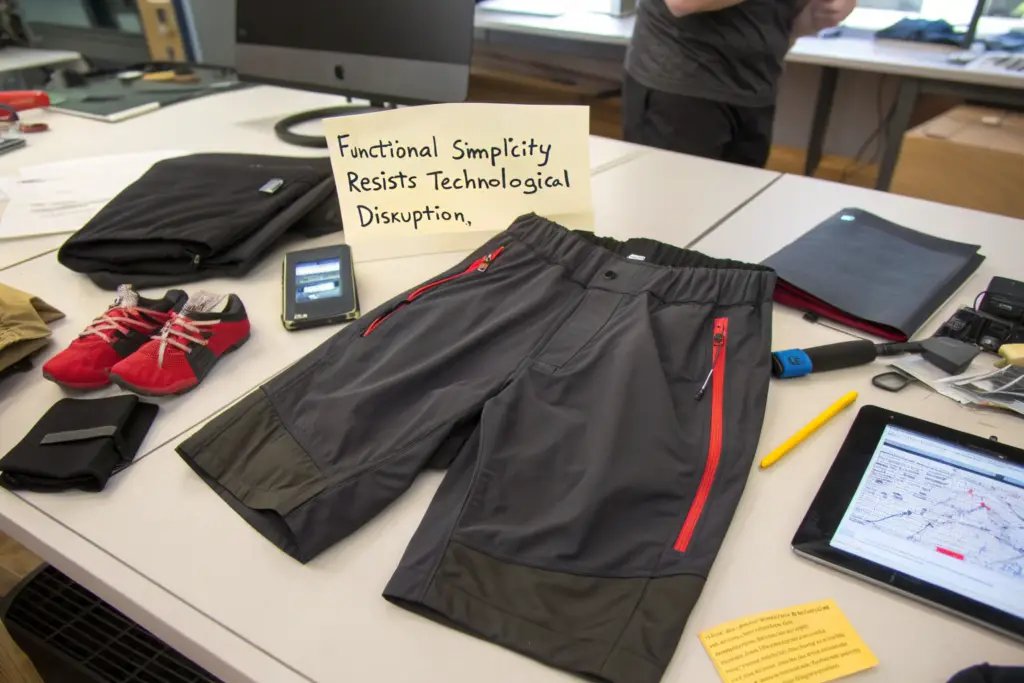
The classic short has been declared obsolete by technologists many times. The zip-off cargo pant, which could convert from trousers to shorts, was supposed to replace it. The performance jogger, with its four-way stretch and moisture-wicking wizardry, was supposed to replace it. The smart fabric, with its temperature-regulating nanoparticles, was supposed to replace it. Each of these innovations found a niche. None replaced the classic short. The reason is that technology, for all its power, cannot improve upon a solution that is already nearly perfect for its purpose.
No new technology or garment type has replaced the classic short because the classic short, in its simplest form, is already a near-perfect solution to its design problem, possessing a functional purity and a cultural universality that technologically complex garments cannot achieve, with its lack of moving parts, zippers at the knees, its compatibility with every social context, from the beach to a casual office, and its status as a neutral, blank canvas for personal style making it a garment that technology can enhance but cannot fundamentally improve upon or render obsolete.
Why Did the Zip-Off Cargo Pant Fail to Replace the Short?
The zip-off cargo pant was, on paper, the perfect solution. It was a trouser for the morning chill and a short for the afternoon heat, all in one garment. It was practical, functional, and innovative. And yet, it failed to replace the classic short. The reason is that it was a compromise. As a trouser, it was less comfortable and less stylish than a dedicated trouser. As a short, it was less comfortable and less stylish than a dedicated short. The zipper at the knee was bulky, uncomfortable, and visually unappealing. The pockets were excessive for most contexts.
The consumer, given the choice between a compromised hybrid and a dedicated, purpose-built garment, ultimately chose the dedicated garment. The classic short, which does one thing perfectly, defeated the zip-off pant, which did two things adequately. This functional simplicity in product design explains why simple, single-purpose products often outlast complex, multi-purpose ones.
How Has Technology Enhanced, Rather Than Replaced, the Classic Short?
The most profound technological developments in apparel have not replaced the classic short. They have been absorbed by it. The invention of the zipper in the early 20th century replaced the button fly as the standard closure. The development of elastane in the mid-20th century added comfort stretch to the rigid cotton twill. The refinement of enzyme washing in the late 20th century created a softer, more luxurious hand feel without sacrificing durability. The innovation of moisture-wicking finishes allowed the natural cotton fiber to compete with synthetics on performance.
Each of these technologies was a potential threat to the classic short. Each was instead integrated into it, making the classic short better, more comfortable, and more functional without altering its essential identity. The classic short is not a static, unchanging object. It is a living garment that has been quietly improved by a century of material science and manufacturing innovation. This history of textile technology in apparel traces the key innovations that have shaped modern clothing.
Conclusion
The classical types of shorts will not become obsolete. They are not a fashion trend, a cultural fad, or a temporary solution to a passing problem. They are a functional archetype, a garment that was developed to meet a permanent, biologically-driven human need and that has proven, over a century of aesthetic and technological upheaval, its capacity to survive and to adapt. The specific silhouettes may shift. The rise may go up and down. The leg may widen and narrow. The fabric may be enhanced by new technologies. But the core identity of the garment, the short covering of the upper leg, the freedom of the lower leg, and the simple, functional, culturally neutral design, will persist as long as human beings live in warm climates and seek both comfort and a modest, presentable appearance.
The classic short is not the most exciting garment in the world. It is not the most innovative. It is something more valuable. It is permanent. The brands, the designers, and the manufacturers who understand this permanence, and who invest in making the classic short as well as it can be made, are building on a foundation that will not shift beneath their feet.
At Shanghai Fumao, I have built my business on this conviction. I manufacture a garment that will not go out of style because it is not in style. It is simply right. If you are a brand looking for a manufacturing partner who shares this understanding of the classic short’s enduring value, contact our Business Director, Elaine, at elaine@fumaoclothing.com. Let’s build a product that will outlast the trends.