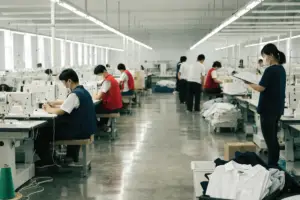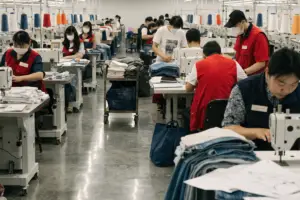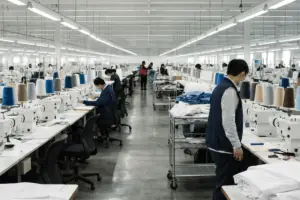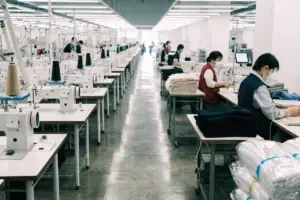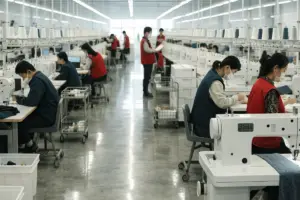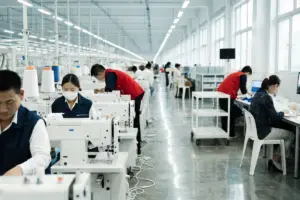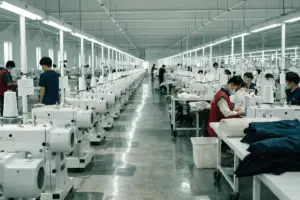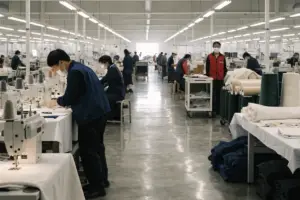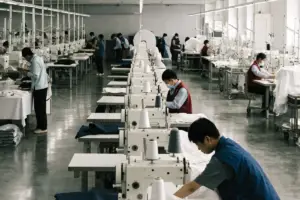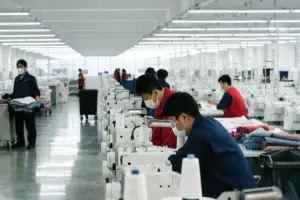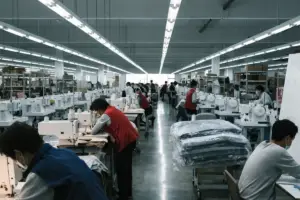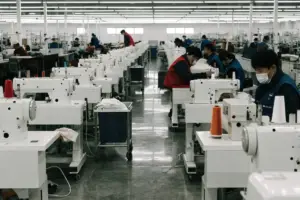
I used to think the factory was the enemy. Every email was a battle. Every shipment was a crisis. I would check the tracking number ten times a day. I would wake up at 3 AM to catch the factory manager on WeChat. My stress level was through the roof. I was managing a five-line operation here at Shanghai Fumao, but as a consumer, I was a nervous wreck. Then I realized something. The factory was not the problem. The relationship was the problem. I was treating my suppliers like vending machines. I put money in. I expected clothes to pop out. When the machine jammed, I kicked it. That is not how you build a supply chain. That is how you burn bridges.
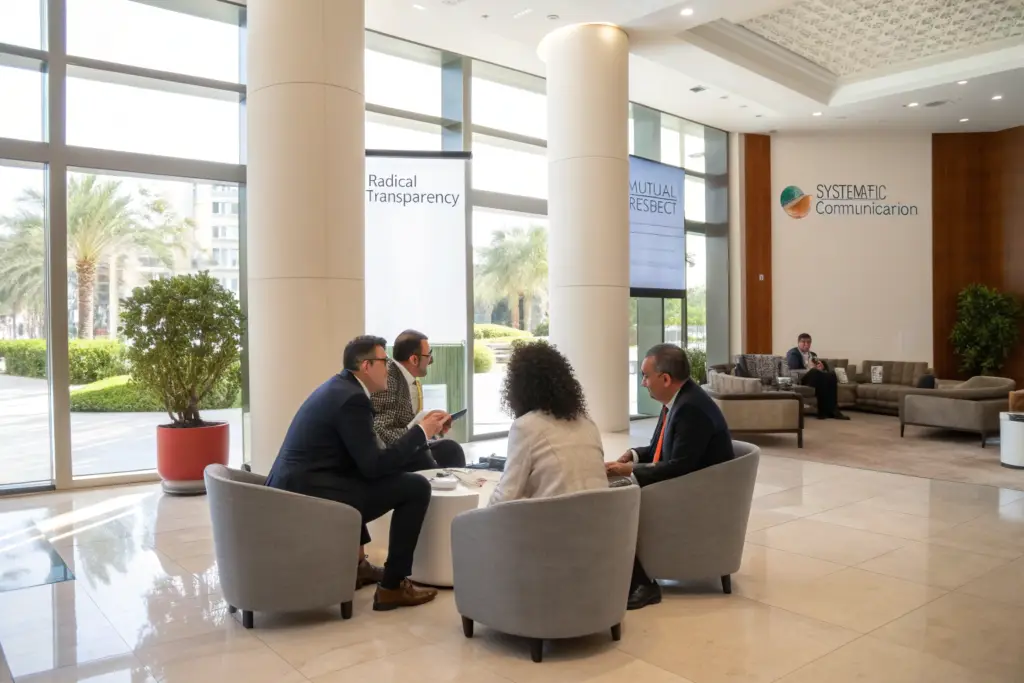
A stress-free relationship with an overseas factory is built on three pillars: Radical Transparency about your business needs, Mutual Respect for each other’s constraints and culture, and Systematic Communication that eliminates guesswork. When these pillars are in place, the factory stops being a source of anxiety and becomes an extension of your brand. They start solving problems before they become your problems. They start protecting your quality as if it were their own reputation on the line.
This is not about finding a factory that makes zero mistakes. That factory does not exist. It is about finding a factory that handles mistakes correctly and works with you instead of against you. After fifteen years on this side of the table, I can tell you exactly what works and what guarantees failure.
Why Do Most Overseas Factory Relationships Become Toxic?
Most relationships fail for one reason: Unspoken Expectations. The buyer expects the factory to be a mind reader. The factory expects the buyer to understand the limits of mass production. Neither side talks about it. Resentment builds. The buyer thinks the factory is lazy. The factory thinks the buyer is unreasonable. I see this cycle repeat over and over.
Factory relationships become toxic when communication is reactive, defensive, and vague. The buyer sends an angry email: “This is late!” The factory replies: “Sorry, we will try to speed up.” That exchange solves nothing. It just raises blood pressure. Toxicity grows in the gaps of information. When the buyer does not know why it is late, they assume the worst. When the factory feels attacked, they shut down and stop sharing early warnings. The silence then leads to bigger surprises, which leads to more anger.
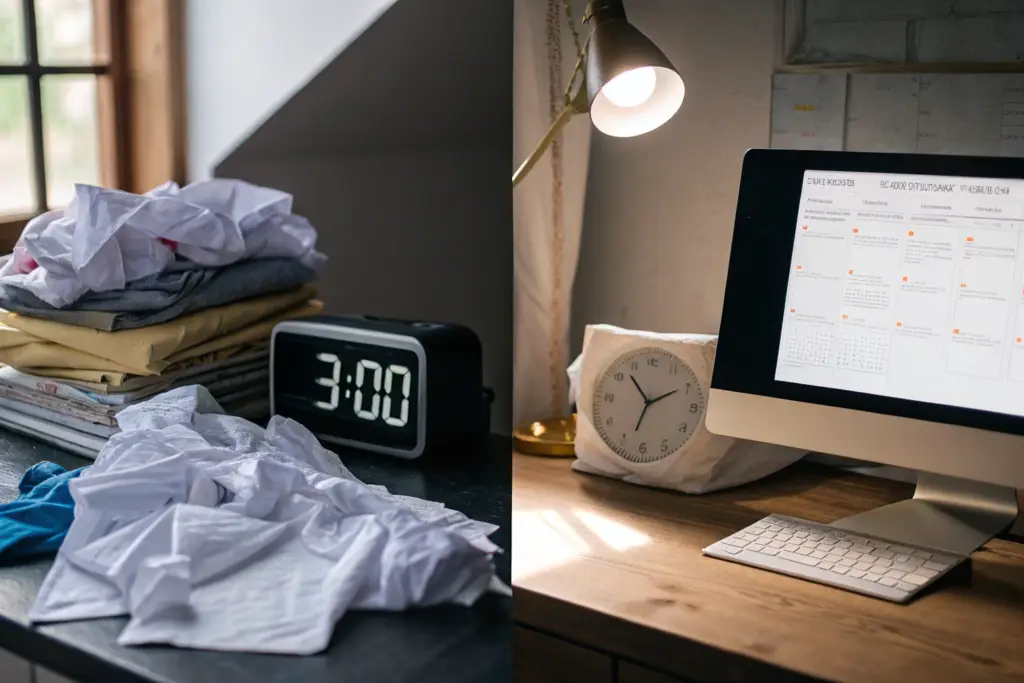
What is “Buyer’s Blindness” and How Does It Sabotage Production?
Buyer’s Blindness is when you think the factory sees what you see. You have been staring at this design for six months. You know every curve of the neckline. You know the exact shade of “Oatmeal.” The factory pattern maker just got the file this morning. They see a black and white sketch.
The Reality Gap:
You send a photo of a vintage dress and say, “Make this.”
- You See: A specific drape, a specific weight, a specific worn-in softness.
- Factory Sees: A silhouette. They will use the cheapest fabric that roughly holds that shape unless you specify otherwise.
This is where the spiral starts.
- Sample Arrives: It is stiff. The color is off.
- Buyer Reaction: “This is wrong. They don’t care about quality.”
- Factory Reaction: “We made exactly what they asked for. This buyer is difficult.”
The solution is to assume the factory is blind to your vision until you give them eyes. You need a Tech Pack. You need a reference swatch. You need a video explaining the “hand feel” you want. At Shanghai Fumao, we ask our new clients to send us a “Touch & Feel Sample.” It does not have to be the exact style. It can be an old T-shirt from another brand. But it tells us: “Ah, she wants this soft, sueded finish.” That one piece of physical reference eliminates three rounds of sampling and a lot of frustration.
How Does Cultural Misalignment Create Unnecessary Stress?
This is the elephant in the room. American business culture is direct. “This is wrong. Fix it.” Chinese business culture is often indirect. Saving face is important. A direct confrontation can shut down communication entirely.
Common Scenario:
Buyer: “Why did you use this cheap zipper? I told you YKK!”
Factory: “Supplier no have YKK. This same same.”
What the factory means but won’t say: “We couldn’t source the YKK zipper in time for your tight deadline. We made a judgement call to use a local alternative so the shipment would not be late. We thought you would prefer on-time delivery over the exact zipper brand.”
The buyer hears an excuse. The factory feels unappreciated for trying to solve a problem. The relationship cools.
The Stress-Free Alternative:
Understand the concept of “Same Same But Different.” In Asian manufacturing, this means: “Functionally similar but not identical.”
- Stressful Response: “No! I said YKK! Re-do it!” (Result: 3-week delay).
- Collaborative Response: “I understand supply was an issue. For this order, I can accept this zipper if you can confirm it passes the same pull-strength test. For the next order, we need to order YKK zippers 4 weeks in advance. Let’s plan that.”
This response acknowledges the factory’s effort (saving the timeline) while setting a clear, non-punitive boundary for the future. It preserves the relationship. It reduces your stress because you are not fighting a culture war. You are managing a supply chain.
What Are the Non-Negotiable Habits of a Low-Stress Factory Partner?
You can tell within the first two weeks if a factory will be a source of stress or a source of support. It is not about the size of their showroom. It is about their habits. Over the years, I have identified the specific behaviors that separate the reliable partners from the time-wasters. These are the things we do at Shanghai Fumao that keep our clients sleeping well at night.
A low-stress factory partner has non-negotiable habits around pre-production planning and visual reporting. They send you a Time and Action (T&A) calendar before you sign the contract. They send weekly photo updates without you having to beg for them. They flag issues within 24 hours of discovery. These habits create a “No Surprises” environment. You always know where your order stands, even if the news is bad. Bad news delivered early is just a problem to solve. Bad news delivered late is a crisis.
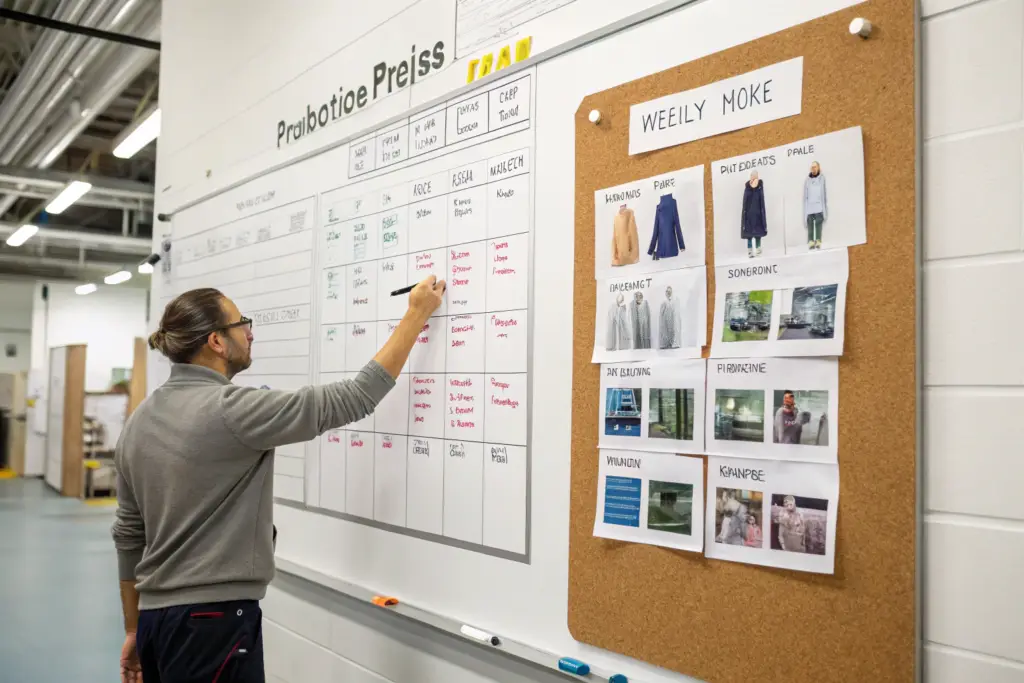
Why is a “Time and Action Calendar” the Ultimate Stress Reducer?
If a factory does not give you a calendar, you are flying blind. You will email them every three days asking, “Is it done yet?” That is stressful for you. It is annoying for them.
What a T&A Calendar Looks Like:
It is a simple spreadsheet that maps out every single step from “Deposit Received” to “Container Departed.”
| Task | Owner | Planned Date | Actual Date | Status |
|---|---|---|---|---|
| Lab Dip Approval | Brand | May 5 | May 5 | Approved |
| Fabric Knitting | Factory | May 6 – May 20 | May 18 | Ahead |
| Cutting | Factory | May 21 – May 23 | May 22 | On Track |
| Sewing Line 1 | Factory | May 24 – June 5 | Pending | |
| Pre-Shipment Inspection | Third Party | June 6 | ACTION NEEDED |
Why This Eliminates Stress:
- Shared Truth: You both agree on the timeline upfront.
- Early Warning System: If “Fabric Knitting” slips by 2 days, the factory updates the calendar. You see instantly that “Sewing” will now start 2 days late. You can adjust your marketing plans now, not on June 5th.
- Accountability: If the calendar says the brand must approve lab dips by May 5, and you take until May 10, the delay is yours. The factory is off the hook. This prevents the blame game.
At Shanghai Fumao, we share this as a live link with every client. We update it every Friday afternoon Shanghai time. You wake up Friday morning in New York, grab coffee, and know exactly where your order stands. You do not have to email me. You just look at the sheet.
How Do “Weekly Visual Checkpoints” Build Unshakeable Trust?
Words can be vague. Photos are concrete. A factory that proactively sends photos is a factory that has nothing to hide.
The “No-Ask” Photo Protocol:
- Checkpoint 1 (Fabric Arrival): Photo of the fabric roll label showing the content and color code.
- Checkpoint 2 (Cutting): Photo of the fabric spread out on the cutting table. (Shows yield and pattern placement).
- Checkpoint 3 (Sewing): Photo of the first finished piece on a mannequin or hanger. (Shows fit and drape).
- Checkpoint 4 (Packing): Photo of the sealed cartons with the shipping mark visible.
This takes our team less than two minutes per day. It saves you hours of anxiety. I had a client once who was terrified because she had been burned by a factory in the past that took her deposit and disappeared. I sent her a photo of the fabric rolls with her name written on the tag. She almost cried. She said, “It’s real. It’s actually happening.” That is the emotional side of this business. Photos bridge the gap of 8,000 miles.
How to Communicate Feedback Without Damaging the Partnership?
This is the hardest skill to master. You need to tell someone they made a mistake. You need it fixed. But you also need them to like working with you. If every email is a complaint, the factory will start dodging your calls. They will prioritize the “nice” clients over the “difficult” client.
Communicating feedback without damaging the partnership requires a shift from “You messed up” to “The garment needs this adjustment.” Focus on the object, not the person. Use visual aids instead of adjectives. Instead of saying “The sleeve is too tight,” send a photo with arrows showing the measurement. Instead of saying “The color is ugly,” send the Pantone chip and a photo of the bulk fabric in a lightbox. This depersonalizes the feedback and turns it into a technical correction rather than a personal criticism.
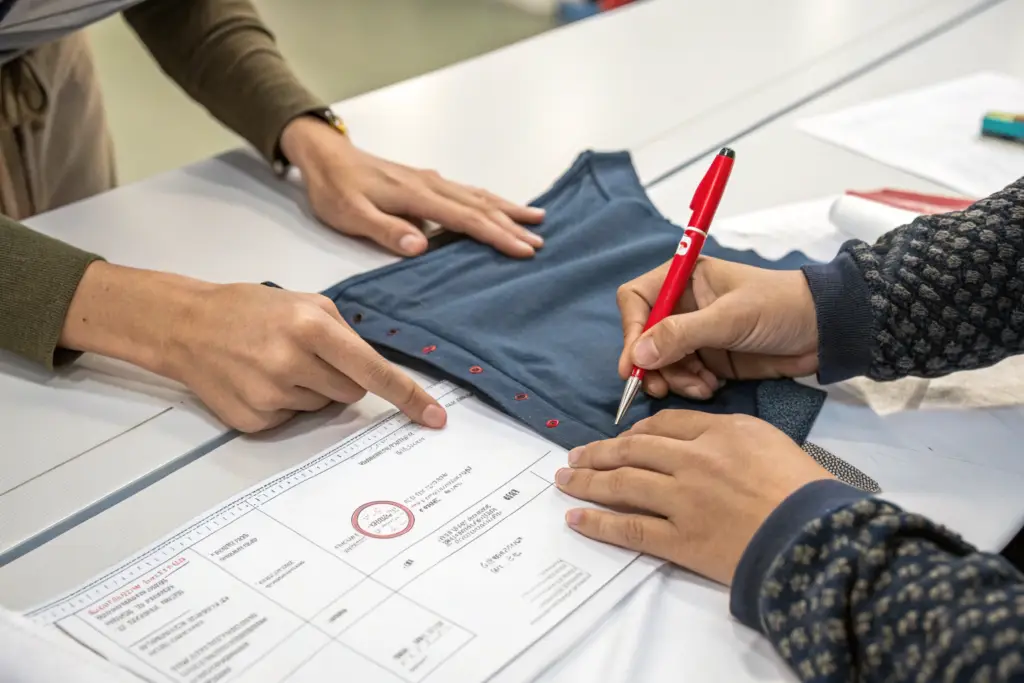
What is the “Red Pen Rule” for Sample Approvals?
This is a technique we teach our clients. It is simple and it prevents 90% of miscommunication errors.
The Process:
- Print the Fit Photo: Take a photo of the sample on a mannequin or model.
- Get a Red Pen: Use a physical red marker on the printed photo.
- Draw and Label: Circle the problem area. Draw an arrow showing the direction of change. Write the specific measurement change.
Example:
Do NOT write in an email: “The armhole is a bit tight and the body is too long.”
INSTEAD: Send this photo marked up in red.
- Arrow pointing to armhole: “Increase Armhole Depth by +0.5cm”
- Arrow pointing to hem: “Shorten Length by -3.0cm”
Why This Works:
Language barriers disappear. A sewing supervisor in China might not understand “a bit tight.” They absolutely understand “+0.5cm” written next to a red arrow. This method also forces you, the buyer, to be precise. It stops you from giving vague feedback that results in a second sample that is still wrong.
This is how we achieve a “One Shot Sample” approval rate of over 80% at Shanghai Fumao. Clients who use the Red Pen Rule get perfect samples faster. Clients who send long paragraphs of text go through three or four rounds.
How to Handle a “Critical Quality Failure” Without Burning the Bridge?
It happens. A whole shipment arrives with a major flaw. The seams are puckered. The print is crooked. Your blood pressure spikes. You want to scream.
The Wrong Way:
- Email Subject: “THIS ORDER IS GARBAGE. I WANT A FULL REFUND NOW.”
- Result: Factory goes defensive. They find a reason to blame you. They offer 10% discount. Relationship ends.
The Stress-Free Way (The Partnership Approach):
- Step 1: The 24-Hour Cool Down. Do not send the email immediately. Wait one day. You need to be strategic, not emotional.
- Step 2: The Objective Report. Open the email with facts, not feelings.
- “Team, we received Order #SF-8810. We have an issue we need to solve together.”
- Attach photos with measurement proof.
- Attach the failed inspection report.
- Step 3: The “We” Problem.
- Do not say: “You made 500 defective units.”
- Say: “We have 500 units that cannot be sold in their current state.”
- Step 4: Propose Two Solutions.
- Option A (Factory Pays): “We can return these for repair/replacement at your cost.”
- Option B (Shared Pain): “We can try to sell these as ‘Samples’ or ‘Seconds’ at a 50% discount. We will split the loss 50/50 on this batch, and we work together to ensure this never happens again.”