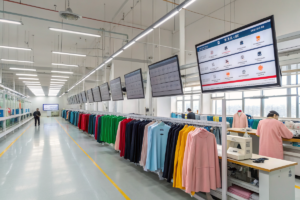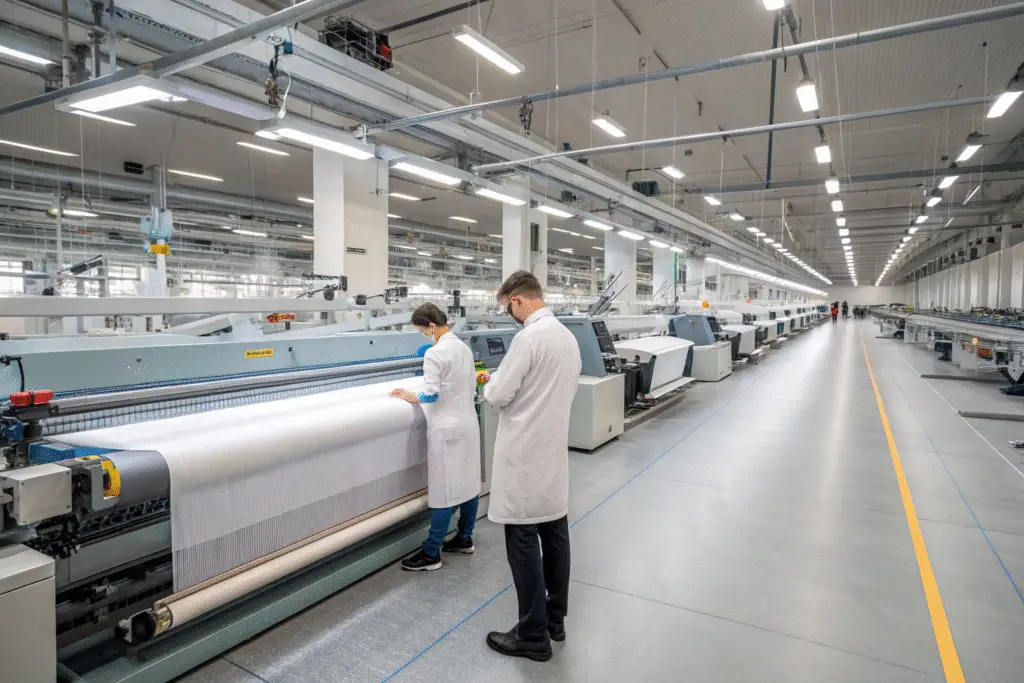
The textile industry is at the beginning of one of its most transformative eras. For decades, traditional weaving techniques have limited how far fabric innovation could go. Many apparel buyers and brand owners still struggle with the same pain points—low flexibility in fabric design, slow production speed, and challenges with sustainable materials. These problems affect not only suppliers but also global distributors and fashion businesses that rely on efficient supply chains.
3D weaving is rewriting the rules of fabric production by combining precision engineering, speed, and sustainability into one solution. This method is not just an upgrade; it is a complete shift that changes how garments are developed, how costs are managed, and how global sourcing works.
When I first explored this technology, I realized that 3D weaving is not only about creating fabrics; it is about opening new doors in product design and value creation. It is a future-proof method that solves common sourcing headaches, especially for buyers in the U.S. and Europe. Let me share why this innovation matters so much for brand owners and apparel company leaders.
What Is 3D Weaving Technology?
3D weaving has emerged as one of the most talked-about textile technologies in recent years. It goes beyond conventional two-dimensional weaving, introducing depth, structure, and functional properties that were previously impossible. Many business owners in the apparel industry ask: what does 3D weaving actually mean for their sourcing and production strategies?
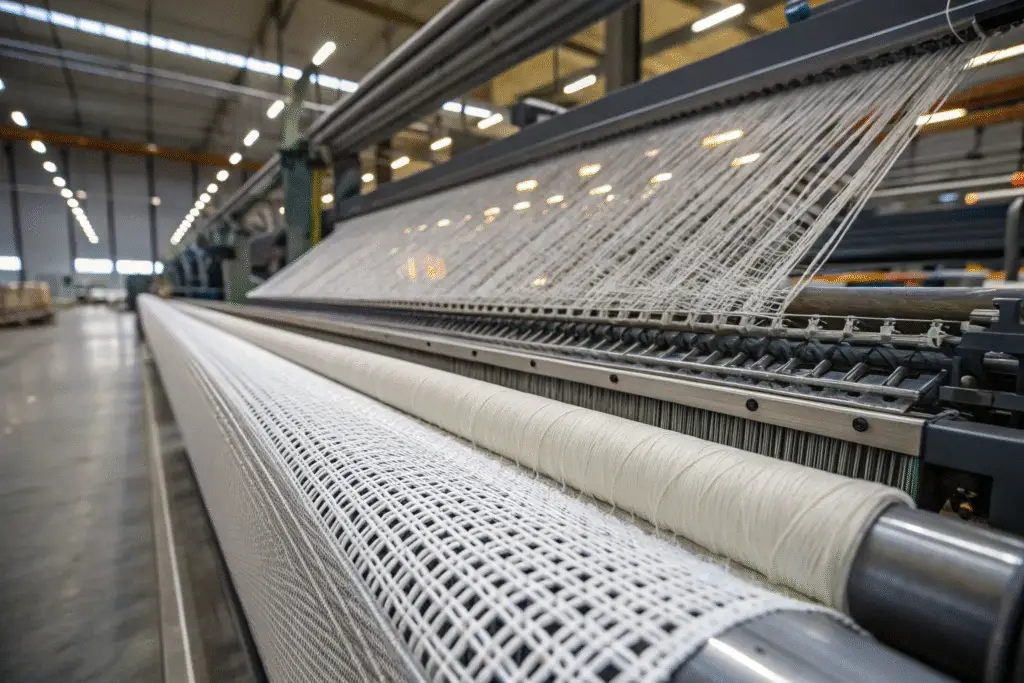
3D weaving is a process where yarns are interlaced in three directions—length, width, and depth—creating fabrics with unique strength, flexibility, and customization potential. Unlike flat weaves, 3D woven textiles can deliver new levels of performance, including lightweight durability, seamless integration, and material efficiency.
How Does 3D Weaving Differ From Traditional Weaving?
Traditional weaving methods focus only on two directions: warp and weft. This creates a flat textile structure. While effective for centuries, this approach limits design possibilities and often wastes material during production. By contrast, 3D weaving integrates fibers across three axes, producing stronger, lighter, and more versatile fabrics.
This evolution is similar to how composite materials disrupted aerospace manufacturing or how additive manufacturing changed prototyping. Apparel companies that adopt 3D weaving gain a structural advantage in their product lines.
Why Is 3D Weaving Considered a Breakthrough?
3D weaving creates fabrics that can reduce production waste by up to 30%. It enables new garment shapes without heavy cutting and sewing. Many factories now use 3D woven textiles to produce high-performance sportswear, outerwear, and even technical apparel. For brand buyers, this means faster lead times, more consistent quality, and better pricing options. The benefits directly address common sourcing pain points such as inconsistent quality and shipment delays. To understand the technical impact, one can look at Technical Textile News or explore Innovate Textile & Apparel for current updates.
How Is 3D Weaving Improving Sustainability?
Sustainability has moved from being an industry trend to a business requirement. Large buyers like Ron in the U.S. cannot afford to source from suppliers who ignore eco-friendly standards. This is where 3D weaving stands out.
3D weaving reduces fabric waste, supports recyclable materials, and lowers energy consumption compared to traditional weaving. This is not just good for the planet, it also helps apparel companies meet stricter global certifications and satisfy customer expectations.
How Does 3D Weaving Reduce Material Waste?
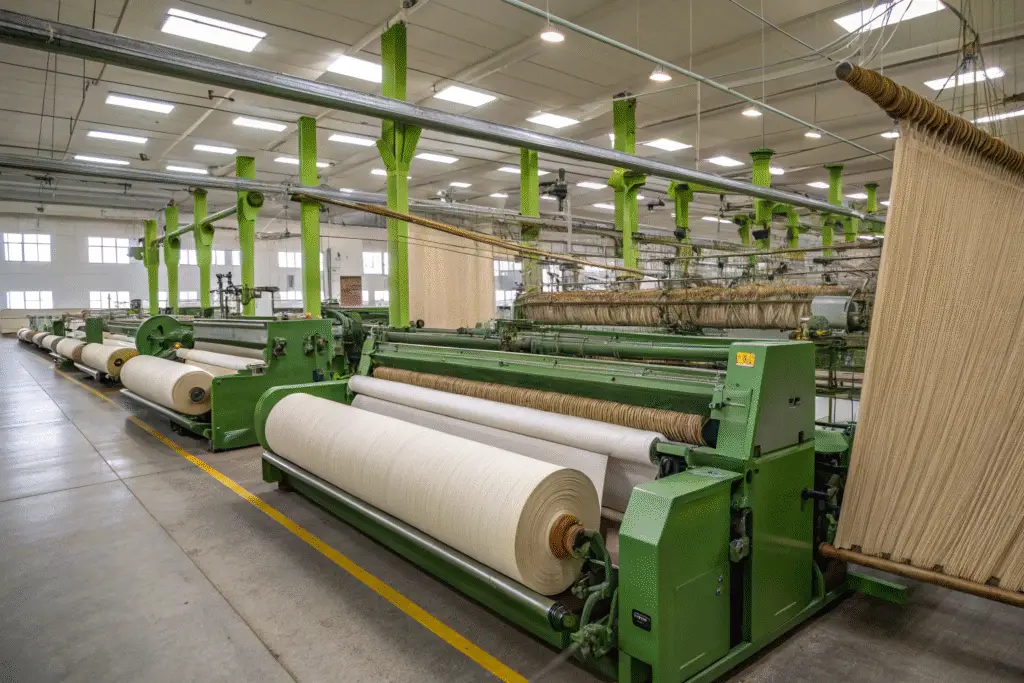
Unlike conventional weaving where large amounts of fabric are trimmed away during cutting, 3D weaving allows designers to produce pre-shaped fabric structures. This minimizes fabric scraps and makes the process far more efficient. Apparel buyers benefit because material savings reduce costs per garment. To see examples, companies often review reports from Textile World or Sustainable Apparel Coalition.
Can 3D Weaving Support Recycled and Organic Materials?
Yes. 3D weaving machines are compatible with various yarns, including organic cotton, bamboo fibers, and recycled polyester. Many U.S. and European buyers now request certifications like OEKO-TEX or Global Organic Textile Standard. Integrating these with 3D weaving gives brands a double advantage: high-performance fabrics that are also sustainable.
What Are the Business Benefits of 3D Weaving for Apparel Buyers?
For apparel buyers, 3D weaving is not only a technical innovation but also a clear business advantage. It solves key sourcing challenges like cost, quality consistency, and speed to market.
The business case for 3D weaving centers on cost efficiency, supply chain reliability, and better consumer appeal. This aligns perfectly with buyers’ goals of balancing quality and price while minimizing risks.
Does 3D Weaving Lower Production Costs?
By reducing fabric waste and speeding up production cycles, 3D weaving lowers the total cost per garment. Even if machinery investment is higher, the long-term savings are significant. Brands sourcing from China, Vietnam, or India benefit because suppliers using 3D weaving can deliver better value at scale. A helpful comparison can be found in Fiber2Fashion industry insights or reports from Apparel Resources.
How Does 3D Weaving Improve Quality Control?
Quality control is a top concern for U.S. buyers like Ron. 3D weaving reduces variability since fabrics are shaped during the weaving stage rather than relying on multiple post-processes. This means fewer defects, more consistent products, and smoother inspection processes. Many businesses reference standards from ISO textile testing and ASTM International for quality benchmarks.
What Is the Future of 3D Weaving in Fashion?
The fashion industry thrives on innovation, and 3D weaving is one of the few technologies with the potential to reshape both design and manufacturing.
The future of 3D weaving will bring more customization, faster production, and integration with digital design tools. As fashion brands continue to explore this technology, sourcing strategies will shift, giving early adopters a stronger edge.

Will 3D Weaving Enable Mass Customization?
Yes. With digital weaving systems, buyers can request specific patterns, shapes, and textures without major disruptions in the production line. This opens the door to limited editions, brand exclusives, and fast-response designs. Industry events like Techtextil showcase how this customization is being tested globally.
How Will 3D Weaving Impact Global Supply Chains?
As adoption grows, we will see a restructuring of sourcing hubs. Countries like China with strong manufacturing infrastructure are leading the way. Buyers who connect early with reliable factories gain priority access to production slots. Reports from McKinsey on Fashion and The Business of Fashion confirm that technologies like 3D weaving will define competitiveness in the coming decade.
Conclusion
3D weaving is more than a technical breakthrough—it is a business solution for apparel buyers seeking quality, sustainability, and efficiency. From reducing fabric waste to enabling customization, this technology is reshaping how the industry sources and produces garments.
As a factory owner in China, I have seen firsthand how early adoption of 3D weaving builds trust with U.S. and European buyers. The ability to combine innovation with reliability is what creates lasting business partnerships. If you are a brand owner or distributor looking for a dependable manufacturing partner, we at Shanghai Fumao are ready to support your growth. You can contact our Business Director Elaine at strong>elaine@fumaoclothing.com</strong to start your custom apparel project today.