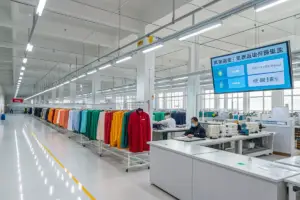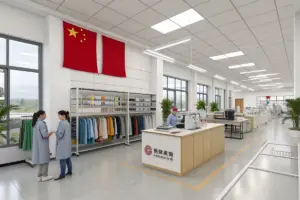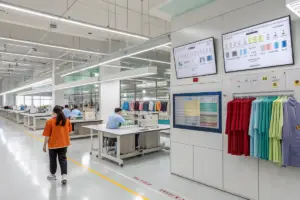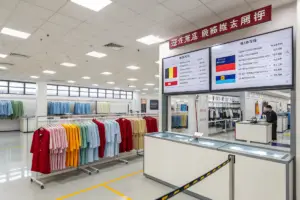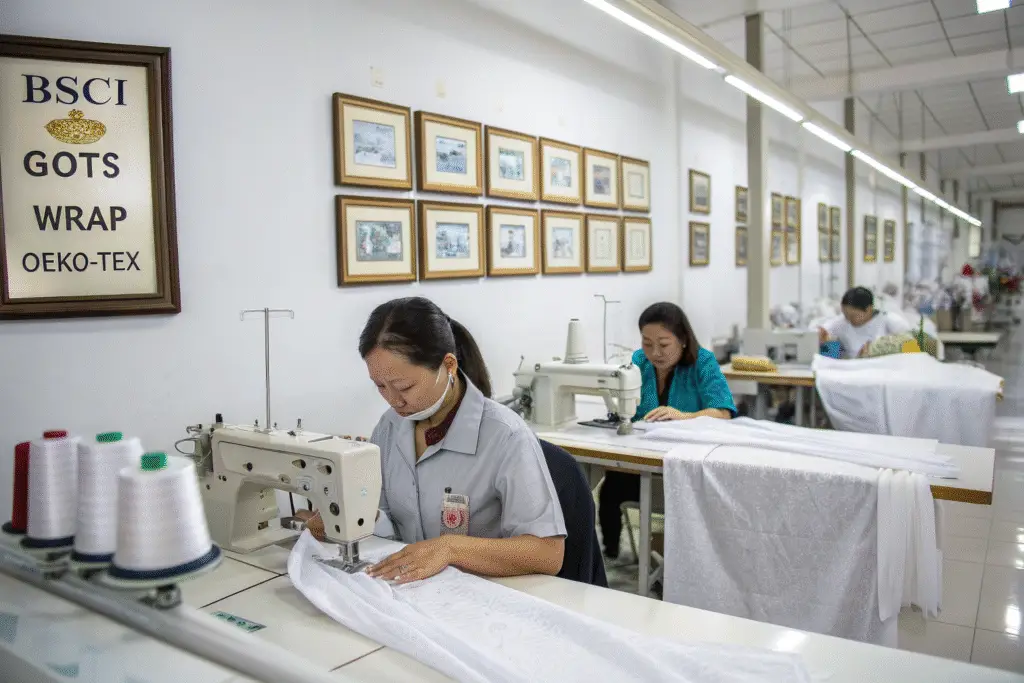
Sourcing apparel from Asia offers many advantages—but it also brings risks. U.S. buyers want more than just low prices; they demand ethical production, verified quality, and compliance with international standards.
Certifications like BSCI, GOTS, and WRAP act as trusted proof that your supplier meets high standards—on labor, sustainability, and safety.
In this article, I’ll walk you through the most important certifications U.S. buyers expect when choosing Asian garment suppliers, and how you can ensure your factory partners are verified.
Why Are Certifications So Critical in Apparel Sourcing?
Trust is hard to build—and easy to lose. Certifications are one way to signal transparency and compliance in a crowded supplier market.
U.S. buyers rely on verified certifications to avoid legal risks, PR disasters, and quality headaches.
What Risks Do Certifications Help Avoid?
Certifications reduce the chance of:
- Labor abuse scandals
- Rejected goods at customs
- Retail recalls due to toxic materials
- Canceled contracts over environmental violations
Buyers are especially sensitive after high-profile incidents like the Rana Plaza collapse.
Are Certifications Required by Law?
Not always. Many certifications like WRAP or GOTS are voluntary, but top buyers treat them as mandatory screening tools—especially in regulated categories like babywear or organic goods.
What Are the Most In-Demand Certifications?
Not all certificates are equal. U.S. buyers look for specific labels that match their sourcing goals.
Let’s break down the top five certifications that matter most in garment trade.
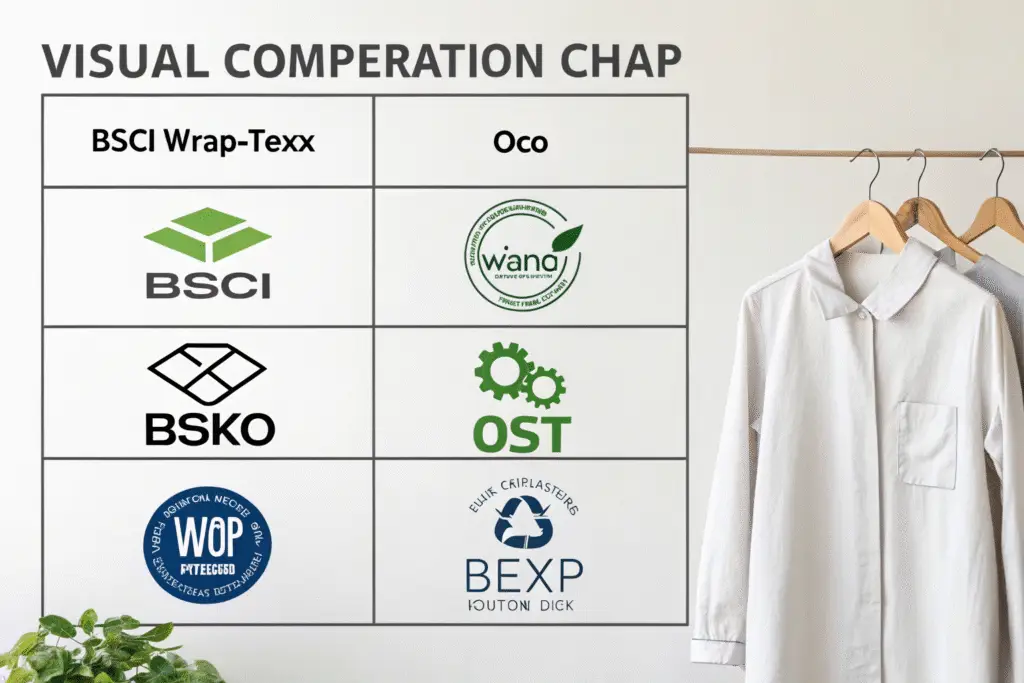
Is BSCI a Must-Have for Ethical Production?
Yes. The Business Social Compliance Initiative (BSCI) is one of the most common ethical audits. It covers:
- Fair wages
- No child labor
- Safe working conditions
Factories with valid BSCI audits are preferred by large buyers like Zalando.
What About WRAP for Global Social Compliance?
WRAP (Worldwide Responsible Accredited Production) is another highly respected social audit. While BSCI is Europe-based, WRAP has strong traction among U.S. buyers like HanesBrands.
WRAP also includes a detailed code of conduct for:
- Legal compliance
- Environmental impact
- Health & safety training
What Certifications Support Organic and Sustainable Products?
For buyers in the eco-fashion or organic niche, environmental certification is non-negotiable.
Two certifications dominate: GOTS for organic standards, and OEKO-TEX for chemical safety.
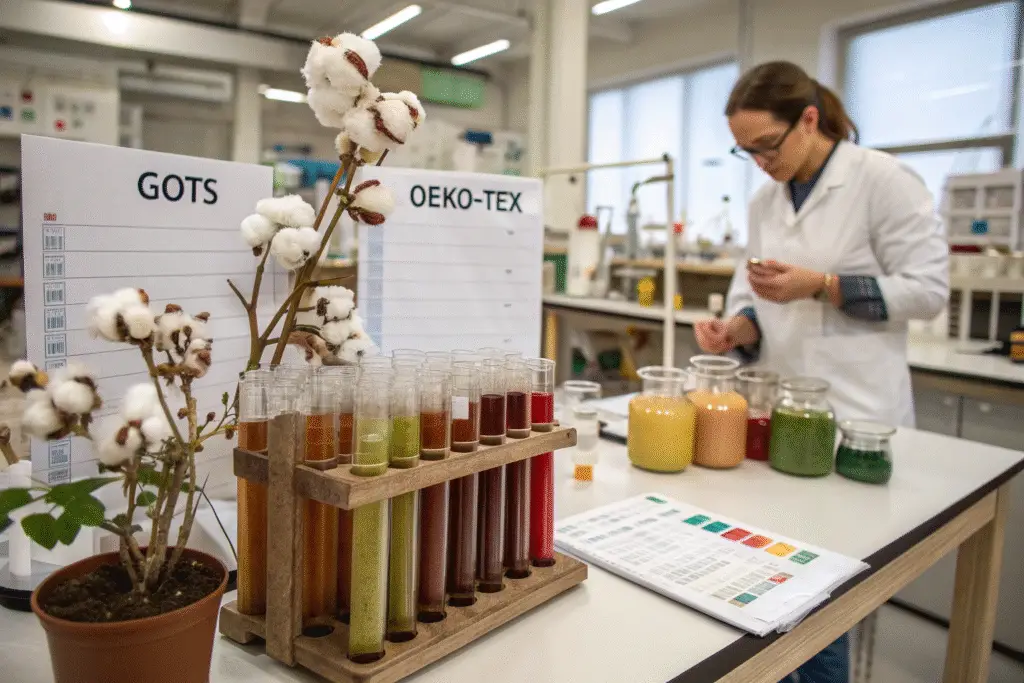
What Is GOTS and Why Does It Matter?
The Global Organic Textile Standard (GOTS) covers the full supply chain:
- Organic farming of cotton
- No toxic dyes or finishes
- Verified working conditions
Retailers like Patagonia and People Tree require GOTS certification for most natural fiber garments.
What Is OEKO-TEX Standard 100?
OEKO-TEX certifies that the finished garment is free from harmful substances. It tests for:
- Allergens
- Carcinogens
- Formaldehyde
- AZO dyes
More than 21,000 companies use OEKO-TEX labels globally, according to OEKO-TEX Association.
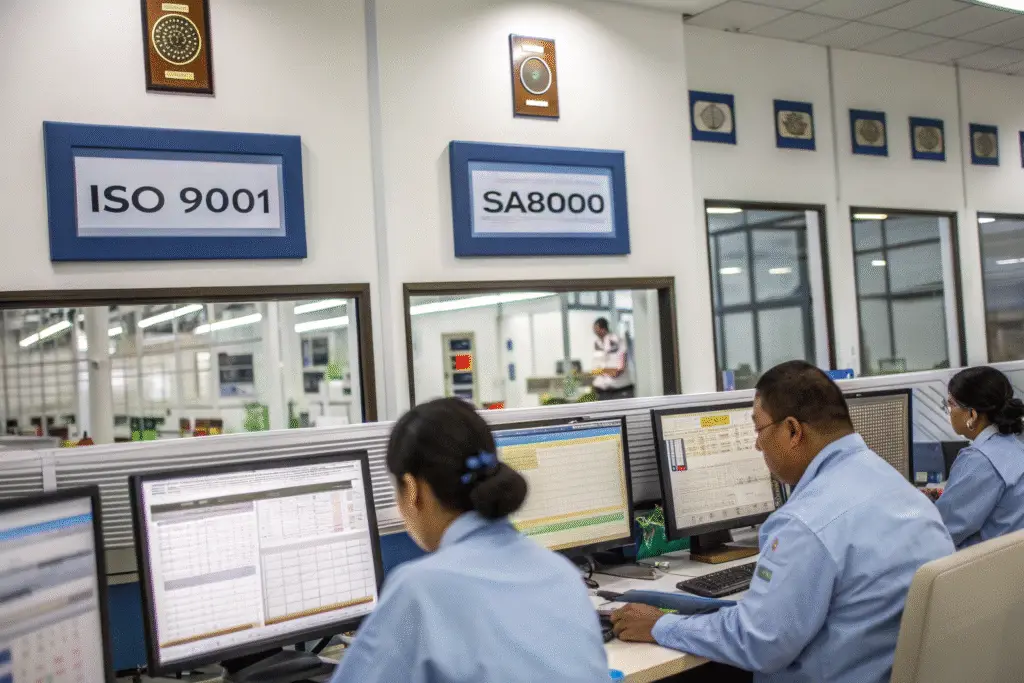
What About Factory Systems Like ISO 9001 and SA8000?
Beyond social and eco compliance, some buyers ask for management and procedural certifications too.
These show that your production lines are standardized, traceable, and scalable.
Why Do Buyers Trust ISO 9001?
ISO 9001 confirms a factory has:
- Process documentation
- Traceable quality records
- Corrective action systems
This gives buyers confidence in batch consistency, especially for uniform orders or licensed goods.
What Is SA8000 and Who Requires It?
SA8000 is a labor-focused certification that’s stricter than BSCI or WRAP in many ways. It requires:
- Transparent grievance mechanisms
- No discrimination
- Independent union rights
NGO-backed fashion houses and socially responsible brands often make this a requirement.
How Can Buyers Verify Certification Authenticity?
Falsified certificates are a real risk. Smart buyers double-check before signing deals.
Every major certification body offers a public verification portal—use it.

What Sites Can I Use to Check Validity?
Here are direct portals:
Enter the certificate ID or company name for confirmation.
What Red Flags Should I Watch For?
- Expired certificates
- No matching name on audit vs invoice
- Stock photos used as “factory evidence”
- Missing or blurry logos
Request original audit documents and cross-verify auditor names and dates.
Conclusion
Certifications aren’t just badges—they’re business assets. U.S. buyers need clear proof that their Asian apparel suppliers meet the standards of the modern market—ethics, environment, and quality.
If you’re serious about attracting reputable American clients, securing and maintaining these certifications is a must. As a manufacturer, we ensure transparency at every step—from certified sourcing to final inspection.
Show your credibility before you’re even asked—let the certification speak for your brand.