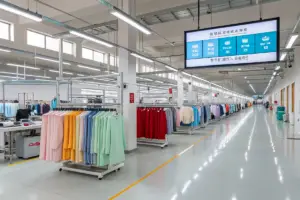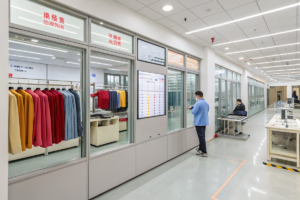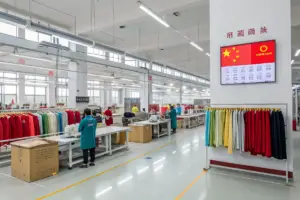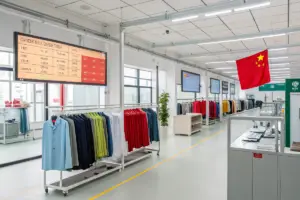
Consumers want versatile garments that transition between seasons. Cross‑seasonal knits offer just that—die-long appeal, fewer inventory markdowns, and more ecological value.
By blending comfort, style, and adaptability, cross‑seasonal knits are emerging as a key strategy to extend apparel lifecycles and maximize ROI.
I’ve seen Chinese factories shift production toward these fabrics—and buyers responding with higher sell‑through and reduced clearance sales. Let’s explore why this model works.
What Makes Knits Cross‑Seasonal?
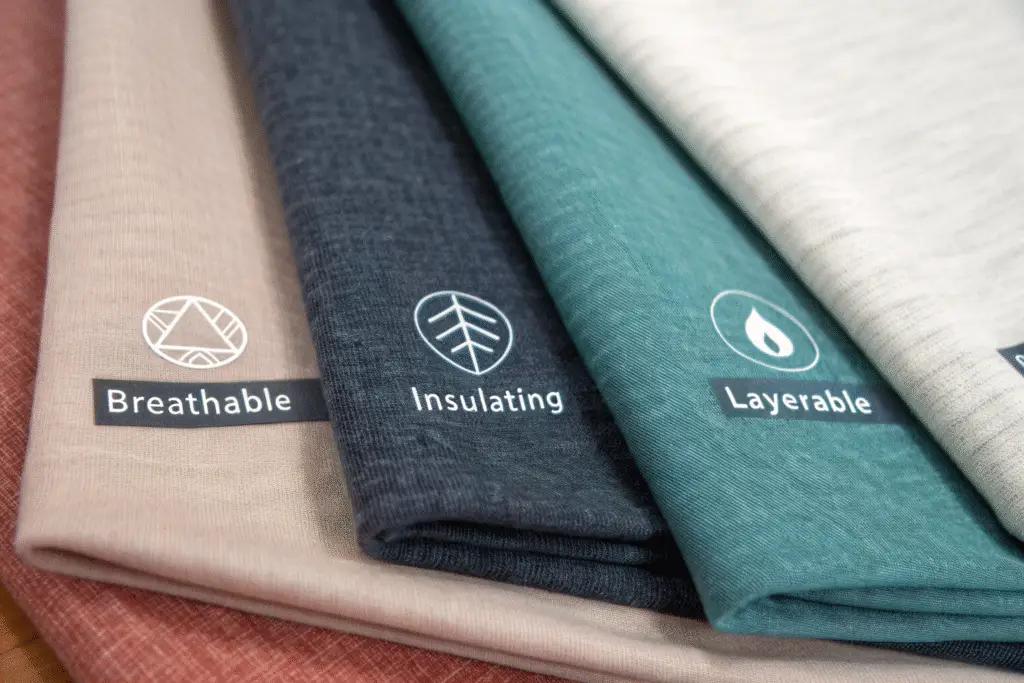
Cross‑seasonal knits balance warmth and lightness. They’re not too thick for spring, nor too thin for autumn.
Key features include mid‑weight yarns, temperature‑regulating fibers, and timeless silhouettes.
Which Fiber Blends Perform Best?
Natural-synthetic blends work well:
- Cotton-wool blends combine insulation with breathability
- TENCEL™-viscose blends offer cooling and drape
- Light merino blends resist odour and adapt to varying temps
Companies like Lenzing develop TENCEL™ blends specifically for transitional wear.
How Important Are Fabric Weights?
Textile weights around 250–320 g/m² suit multiple seasons. Knitwear labs test thermal resistance (TOG) and moisture ease to fine-tune cross‑season performance.
Mid-weight knits perform reliably from early spring to late autumn.
Why Do Consumers Love Cross-Season Knits?
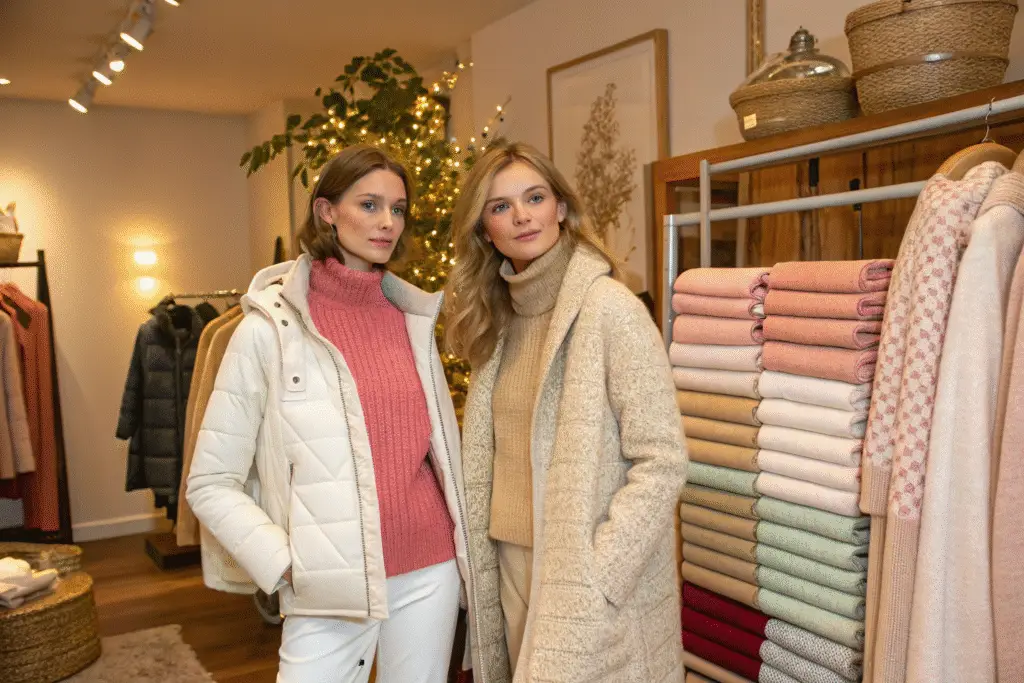
Display two women styled in the same knit sweater—one layered over a tee, one under a jacket. Soft natural light; no text or map; faces warm and relatable.
Consumers gain value in pieces they wear longer.
Cross-season knits reduce wardrobe fatigue and feel like smarter investments.

Does This Boost Sell-Through Rates?
Yes. Buyers report shifting knits selling 30–40% faster in spring/autumn drops than single-season items.
Knits styled with versatility also reduce returns; customers stay satisfied longer.
Can Retail Price Point Improve?
Absolutely. Consumers accept paying a 10–15% premium for knits that promise dual-season use. That improved margin compensates for any mid-point discounts.
How Can Retailers Merchandise Cross-Seasonal Knits?
Smart merchandising helps educate consumers and raise perceived value.
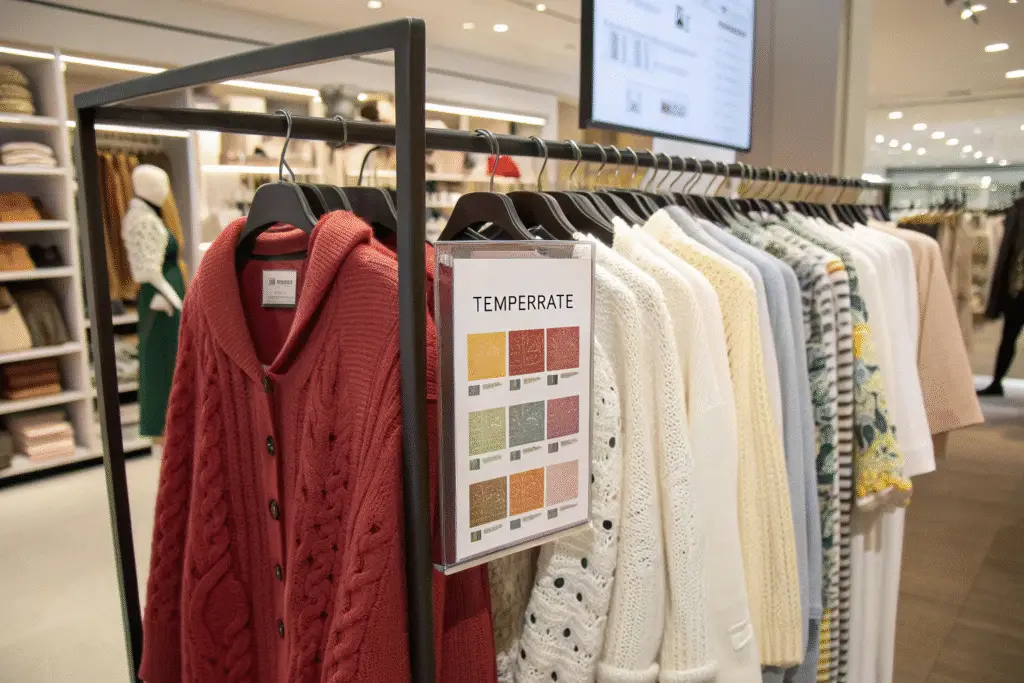
Pair knits with seasonal items to show versatility visually.
What Visual Strategy Works Best?
- Layer knits over tees and under jackets
- Use neutral color palettes to complement multiple outfits
- Include in-store style cards featuring looks in both seasons
Should Online Retailers Highlight Temperature Usage?
Definitely. Simple copy like:
“Ideal for both crisp spring mornings and cool autumn evenings.”
And size guides with TOG ratings reinforce functionality.
Are Cross-Season Knits Environmentally Beneficial?
Longevity reduces waste—and fewer seasons means fewer chance of obsolescence.
Cross-season knits cut waste by reducing markdown volume and encouraging repeat wear.

Do They Reduce Inventory Waste?
Yes. With fewer unsold SKUs, brands report up to 25% lower markdown losses at end-of-season.
Long-lasting consumer satisfaction further cuts returns and repurchases.
Is Lifecycle Less Polluting?
Knit durability means less frequent washing and replacement—lowering carbon and water footprint over time.
How Can Supply Chains Adapt?
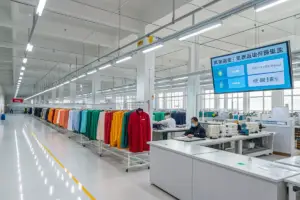
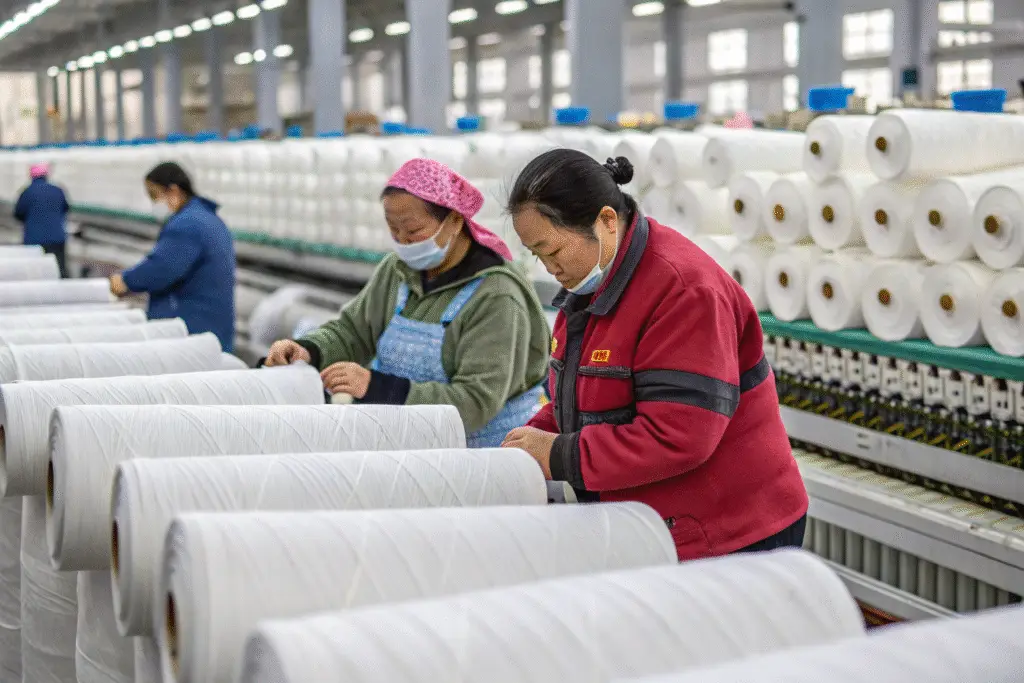
Factories can easily shift to these knits with moderate changes:
- Blending yarn recipes
- Adjusting knitting machine gauges
- Testing TOG and moisture properties
Minimal line adaption unlocks big performance and margin benefits.
What Should Buyers Look for in Suppliers?
Choose factories that:
- Offer yarn blend flexibility (cotton-wool, TENCEL™)
- Test in house for weight and drape
- Create sample runs in spring/fall conditions
Factories like Fumao Clothing already offer cross-season knit collections tailored for global buyers.
How Do You Handle MOQ and Lead Times?
Cross-season items fit well with mid-tier MOQs (1,000–3,000 pcs) and SAMEDAY fabric flights—buyers can restock before full collection commits.
Conclusion
Cross-seasonal knits present a real solution for extending product life, improving margins, and reducing environmental impact.
Balancing weight, styling, and sustainable appeal, they offer brands the benefit of longer sell cycles, higher customer value, and easier sourcing.
If you’re looking to stretch your apparel lifecycle, consider weaving comfort into every season—with knitwear that knows no calendar.