A buyer from Berlin told me something last year that stuck with me. He said, "American streetwear is about logos. European streetwear is about the cut." I thought about our order book. He was right. The same hoodie that sold out in Los Angeles with a bold chest print was returned in Amsterdam because the fit was "too boxy." European consumers look at streetwear differently. They want the comfort and attitude, but they demand a sophistication in silhouette that reflects their urban environment.
The most popular streetwear clothing trends in the European market for 2026 revolve around three core shifts: a move toward refined, oversized silhouettes that prioritize drape over bagginess, a preference for technical and sustainable fabrications in muted, earthy color palettes, and a demand for subtle branding or complete logo removal. European streetwear consumers are blending the functionality of workwear and outdoor gear with the tailored sensibility of minimalist fashion. They want garments that look effortless on a cobblestone street, on a train, or in a modern office.
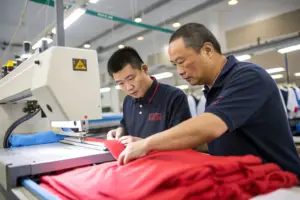
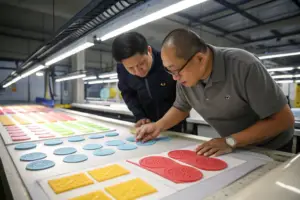
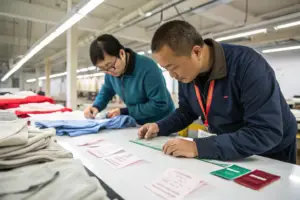
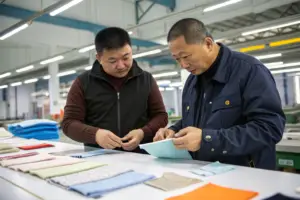
I run the production floor at Shanghai Fumao, and I see these trends manifest in the purchase orders from our European clients. The specifications are different. The fabric requests are different. The construction details are different. I want to walk you through what is actually moving through our cutting tables for the European market, so you can align your next collection with what the streets of London, Paris, and Milan are actually wearing.
How Is the Oversized Silhouette Evolving in European Streetwear?
The oversized trend is not new. But the European interpretation of it has matured significantly. Three years ago, oversized meant "buy a size XXL." Now, it means a garment that is engineered to be oversized. The shoulder seam is intentionally dropped. The armhole is cut lower but shaped to avoid excess fabric bunching under the arm. The body has volume but tapers or ends at a specific point to create proportion.
I produced a run of outerwear for a Copenhagen-based label last fall. Their tech pack was specific: "Chest width: 68cm (Size M). Shoulder drop: 8cm from natural point. Body length: cropped at waist, not hip." That is a completely different pattern than a standard American oversized hoodie, which might just be a size L graded up to a 3XL. The European customer wants the volume, but they want it to look intentional. They want to look like they borrowed a painter's smock, not like they are drowning in fabric.

What Fabrics Work Best for Structured Oversized Garments?
If you are making an oversized garment out of thin, cheap jersey, it will look like a sad, deflated balloon. The fabric needs to have body. It needs to hold the shape you designed.
Here is what is working for European streetwear right now:
| Fabric Type | Weight (GSM) | Why It Works for European Oversized Fit |
|---|---|---|
| Heavy French Terry | 380-450 GSM | Provides structure in hoodies and sweats. Holds the dropped shoulder shape without collapsing. |
| Nylon/Polyester Twill | 180-220 GSM | Used for oversized cargo pants and shackets. Has a crisp hand and slight sheen that elevates the look. |
| Wool-Blend Coating | 500-600 GSM | Essential for oversized outerwear and jackets. Drapes heavily and cleanly. |
| Brushed Cotton Flannel | 200-250 GSM | Used for oversized shirt-jackets. Soft but substantial enough to layer. |
A client from Amsterdam ordered 2,000 units of an oversized T-shirt from us last year. We used a 320 GSM carded cotton jersey. That is almost double the weight of a standard fashion tee. He sold out in three weeks. The weight of the fabric made the oversized silhouette look premium and deliberate, not cheap and accidental.
Why Are Drop-Shoulder and Raglan Sleeves Dominating Cut-and-Sew?
The sleeve attachment changes everything about how an oversized garment moves. A standard set-in sleeve on an oversized body creates a sharp, protruding angle at the shoulder. It looks like a football player's pads.
Drop-Shoulder Construction
The sleeve seam sits 2-4 inches down the arm. This creates a soft, sloped line from the neck to the wrist. It softens the masculine silhouette and makes the garment look more relaxed. It also allows for easier layering over a hoodie or turtleneck.
Raglan Sleeves
The sleeve extends all the way to the collar in one diagonal seam. This is huge in European men's wear and women's wear streetwear right now. It allows for maximum arm movement and eliminates the structured shoulder entirely. It is the go-to for outerwear and knitwear that needs to look sporty but refined.
At Shanghai Fumao, we have adjusted our pattern library significantly for the European market. We now default to a drop-shoulder construction unless a standard set-in sleeve is specifically requested. The demand for this specific clothing construction detail has increased by over 60% in our European orders compared to three years ago.
Which Color Palettes and Fabrics Define the European Streetwear Aesthetic?
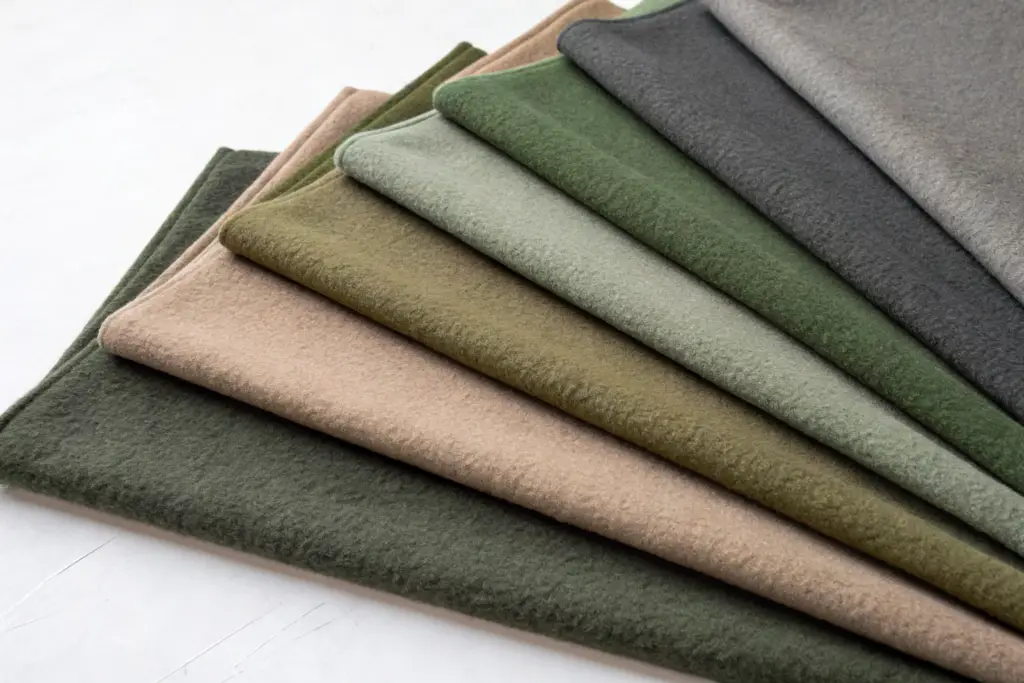
Walk through the streets of Stockholm or Berlin in March, and you will see a uniform of color. It is not the bright neons of Miami or the primary colors of Tokyo. It is a study in restraint. Charcoal. Olive. Stone. Taupe. Bone. Faded Black.
European streetwear consumers are investing in pieces that work together seamlessly. They want a wardrobe of apparel where every top matches every bottom. This means the color palette is intentionally narrow and muted. It is about texture and tone, not contrast. A client from Munich told me his best-selling color is always "Grey Melange"—a mix of black and white yarns that reads as a heathered, dimensional grey. It hides wear, it photographs well, and it goes with everything.
How Are Technical Fabrics Replacing Basic Cotton in Daily Wear?
The European customer is practical. They walk. They bike. They take public transit. They experience drizzle. This lifestyle is driving a massive shift away from basic, absorbent cotton toward fabric with technical properties.
Key Technical Fabric Trends:
- Nylon-Cotton Blends: This is the sweet spot. A 60% cotton, 40% nylon blend gives the soft hand of cotton with the durability and quick-dry properties of nylon. It is perfect for cargo pants and utility jackets.
- Recycled Polyester Fleece: European consumers are highly sensitive to sustainability claims. Using fleece made from post-consumer plastic bottles is not just a nice story; it is a requirement for many retailers. The texture of this fleece has become a signature of the streetwear look.
- Waxed Cotton: For outerwear, waxed cotton from British mills is the gold standard. It is water-resistant, ages beautifully, and develops a patina over time. This is the opposite of fast fashion. It is an investment piece.
I sourced a specific 70/30 cotton-nylon blend for a brand in London making utility vests. The nylon gave the vest structure and prevented it from wrinkling when packed. The cotton kept it from looking like a fishing vest. That balance is what the European market demands.
Why Is "Quiet Outdoor" Influencing Urban Fashion Choices?
Gorpcore—the trend of wearing technical outdoor gear in the city—has evolved. It is no longer about wearing a bright orange Arc'teryx shell to a coffee shop. It is now "Quiet Outdoor." The functionality of the mountains, but the color palette of the city.
This means activewear details like zippered pockets, adjustable cuffs, and breathable mesh linings are being integrated into garments that look like regular clothing. A pair of trousers might have a hidden drawcord at the hem and a water-repellent finish, but it is cut like a tailored trouser in charcoal grey.
For manufacturers, this trend requires us to source performance trims—YKK AquaGuard zippers, Duraflex buckles—and apply them to fashion silhouettes. The consumer wants to be ready for a sudden downpour without looking like they are about to climb a mountain. For more insight into this specific aesthetic shift, read the analysis on Gorpcore and Quiet Outdoor from Highsnobiety.
What Role Does Sustainability Play in European Streetwear Purchasing Decisions?
I have a client in Scandinavia who sends me a Supplier Code of Conduct document that is 47 pages long. Before we ship a single garment, I must provide certification that the fabric mill uses renewable energy, that the water treatment plant is compliant, and that the zipper bags are biodegradable. This is not a "nice to have" in Europe. It is the price of entry.
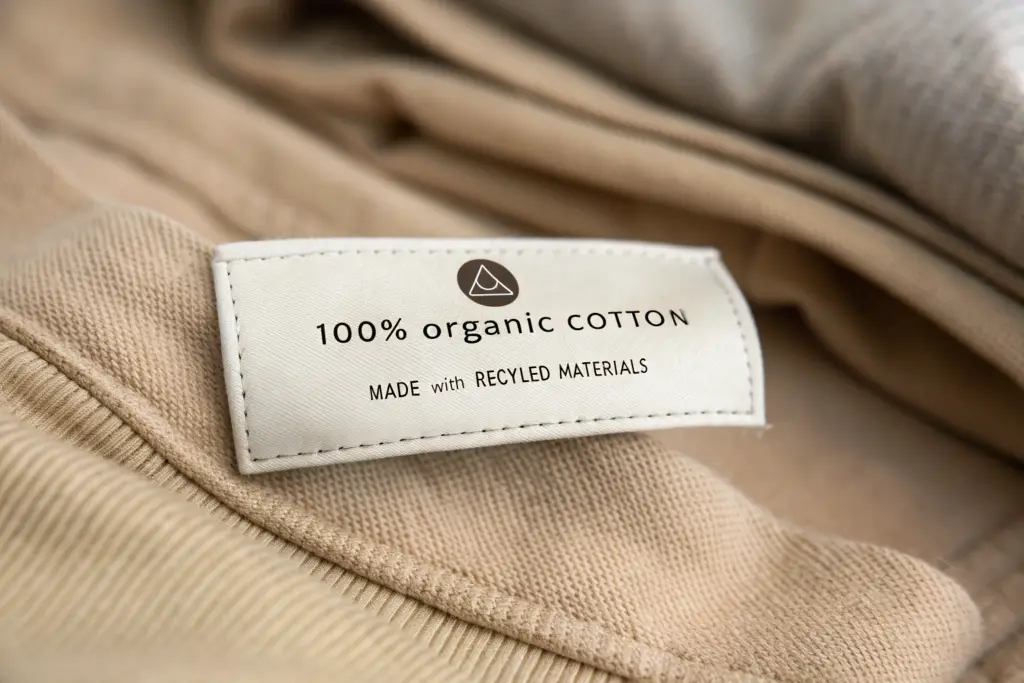
European consumers, particularly Gen Z and Millennials, actively research the sustainability credentials of a brand before purchasing. They look for specific certifications on the hang tag. If the garment is cheap but has no transparency, they assume it was made unethically. The market has shifted from "Is it cool?" to "Is it cool and responsible?"
Which Certifications Matter Most to European Wholesale Buyers?
If you are selling wholesale to European boutiques or department stores, the buyer will ask for this documentation. They need it for their own ESG reporting and marketing.
| Certification | What It Covers | Why European Buyers Demand It |
|---|---|---|
| GOTS (Global Organic Textile Standard) | Organic fiber status and social criteria. | The gold standard for organic clothing. Required for any "organic cotton" claim. |
| OEKO-TEX Standard 100 | Chemical safety of finished product. | Ensures the apparel is free from harmful substances. A baseline requirement for EU import. |
| GRS (Global Recycled Standard) | Recycled content and chain of custody. | Verifies that your "recycled polyester" is actually recycled. Critical for circular economy claims. |
| BSCI (Business Social Compliance Initiative) | Factory working conditions and labor rights. | European retailers use this to audit factory compliance with EU labor standards. |
At Shanghai Fumao, we maintain active BSCI and OEKO-TEX certifications. We provide these certificates to every European brand buyers client upfront. It removes a barrier to the conversation and allows us to talk about design and quality instead of compliance paperwork. For the official standards on organic textiles, refer to the Global Organic Textile Standard website.
How Is Deadstock and Upcycled Fabric Changing Production Minimums?
European streetwear brands are obsessed with exclusivity and storytelling. Using "deadstock" fabric—rolls of unused fabric left over from major fashion houses—tells a story. It is sustainable because it uses existing material. It is exclusive because the quantity is limited.
This changes the production model. Instead of ordering 5,000 units of one style, a European brand might find 500 meters of a specific deadstock Italian wool. They design a custom capsule jacket around that limited fabric. The run is 200 units. It sells out immediately at a premium price because it cannot be replicated.
For a factory like ours, this requires flexibility. We have to be able to run smaller batches efficiently. We have developed a workflow for these customization projects. We call it "Capsule Production Mode." It allows us to produce runs as low as 300 units per style while maintaining quality. This agility is essential for serving the modern European streetwear market, where the story of the material is often as important as the design of the garment itself.
Which Garment Categories Are Driving Growth in European Streetwear?
When I look at the cutting tickets on our production floor for European clients, certain categories appear again and again. It is not just hoodies and tees. The European streetwear consumer is building a layered, textured wardrobe. They are buying pieces that can transition from a bike ride to a cafe to a casual office.
The growth categories I see are outerwear hybrids, utility bottoms, and textured knitwear. These are the higher-value items that consumers are willing to invest in because they offer versatility and durability. They are the pieces that define the "uniform" of the European city dweller.
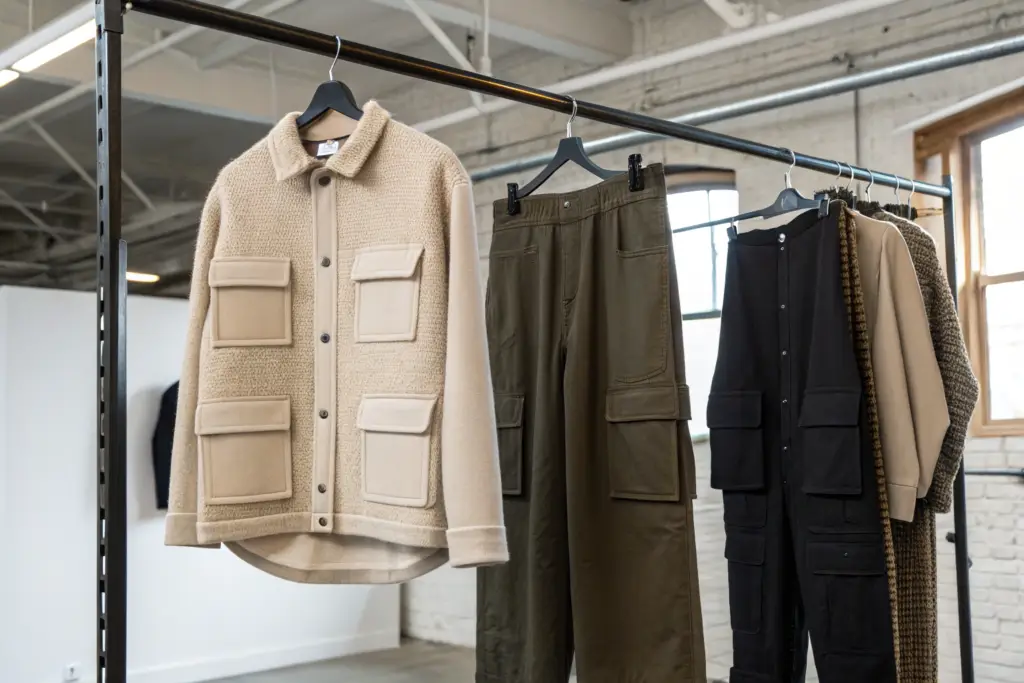
Why Are Shackets and Overshirts Outperforming Traditional Hoodies?
The "Shacket"—a shirt-jacket hybrid—has become the cornerstone of European layering. A hoodie is a statement of leisure. A shacket is a statement of utility and style. It is more acceptable in a smart-casual European workplace than a fleece hoodie.
We produced 8,000 units of a wool-blend overshirt for a client with stores in Germany and Austria. It featured:
- Button-front closure (like a shirt).
- Two large chest pockets with flaps (like a jacket).
- A slightly oversized, boxy fit (like streetwear).
- Fabric: 50% wool, 50% polyester for warmth and shape retention.
He ordered the same quantity of basic hoodies. The shackets sold out in six weeks. The hoodies took four months. The consumer is looking for a piece that elevates their outfit. An overshirt does that. It works open over a T-shirt, or buttoned up as a light jacket. It is the most versatile piece in the men's wear and women's wear streetwear wardrobe right now.
How Are Wide-Leg Cargo Pants Being Refined for the European Silhouette?
The American cargo pant is often heavy, baggy, and covered in oversized pockets. The European interpretation is cleaner. The leg is wide but straight, not excessively flared. The fabric is lighter—a cotton-nylon twill rather than a stiff canvas. The pockets are integrated into the seam lines or are low-profile patch pockets.
Refinement Details We Are Seeing in Production:
- Elasticated Waistbands with Internal Drawcord: Comfort is non-negotiable, but the exterior looks clean like a tailored trouser.
- Tapered or Cropped Ankle: The hem hits just at the top of the shoe, showing the footwear. This is crucial for styling chunky sneakers or boots.
- Hidden Zipper Pockets: Security without ruining the silhouette.
We recently ran a batch of cargo pants for a UK brand where the spec called for a "bar tack" reinforcement at every pocket corner. That is a dense zig-zag stitch that prevents the pocket from ripping when you put your phone in it. It is a tiny detail, but it signals durability and quality. The European consumer notices these things. They turn the garment inside out to check the finishing. You have to build the quality into the construction, not just the design.
Conclusion
European streetwear in 2026 is a study in intentional restraint. It is loud in its volume and silhouette, but quiet in its color and branding. The consumer is educated, sustainability-conscious, and values the cut of a garment as much as the logo on the chest. They are building a wardrobe of functional, beautiful pieces that work for their urban, mobile lifestyle.
We walked through the specific engineering required for oversized fits that drape rather than drown. We looked at the muted, earthy color palettes and the rise of technical fabrics like nylon blends and recycled fleece. We discussed the non-negotiable role of certifications like GOTS and BSCI in the European wholesale buying process. And we identified the key growth categories—shackets, refined cargos, and textured knits—that are moving off the shelves.
For a brand looking to enter or expand in the European market, the opportunity lies in elevating the basics. It is not about reinventing the wheel. It is about making a better wheel. Better fabric. Better fit. Better finish. At my factory, we have adapted our production capabilities specifically to meet these European demands for heavier weights, drop-shoulder construction, and certified sustainable materials.
If you are developing a collection for the European streetwear market, we can help you source the right fabrics and execute the precise construction details that matter. Reach out to our Business Director Elaine at elaine@fumaoclothing.com. We can discuss how to translate these trends into a production-ready tech pack that meets European quality and compliance standards.