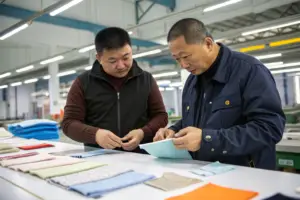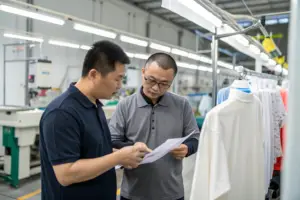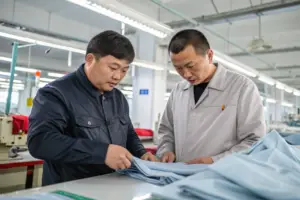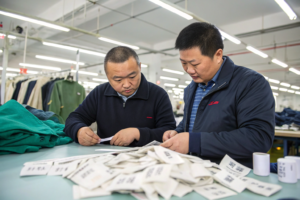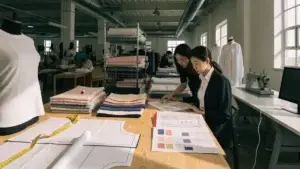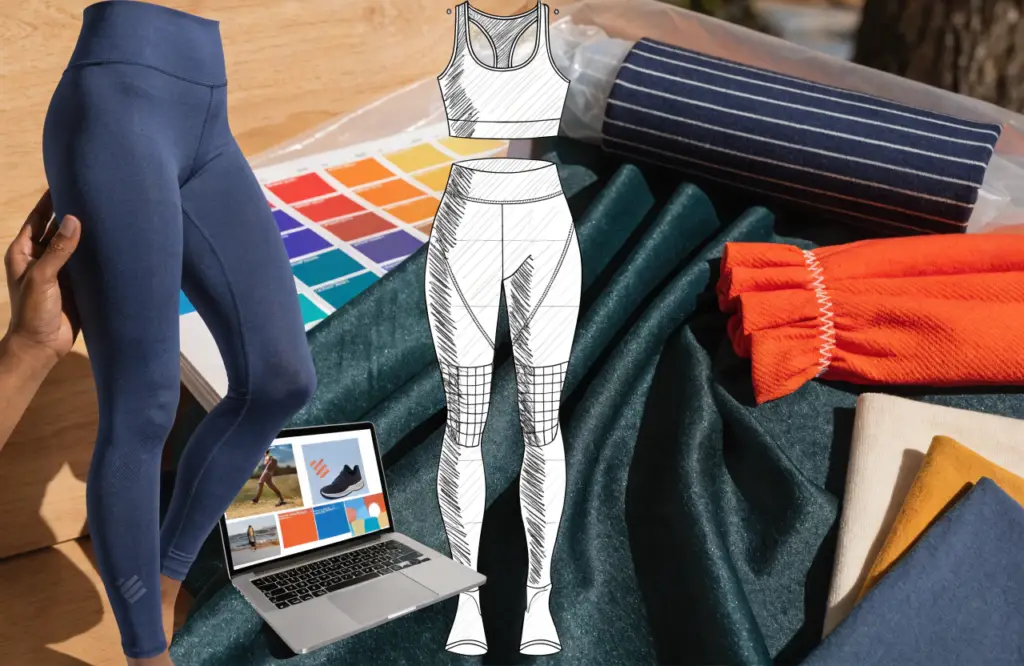
You are passionate about fitness. You live in your activewear. You see a gap in the market for leggings that are actually squat-proof, for sports bras that offer real support without feeling like a straightjacket, for fabrics that feel incredible and don't pill after three washes. You know you can do it better. But turning that passion into a tangible, sellable private label line feels like climbing a mountain. A brand owner told me, "I knew what I wanted to wear. I just had no idea how to actually make it. The technical side of sportswear was a whole new world."
Creating a successful private label sportswear line requires a blend of technical performance engineering and compelling brand storytelling. The journey involves five key phases: 1) Defining a specific niche and target customer, 2) Sourcing high-performance, functional fabrics, 3) Engineering the fit and construction for durability and support, 4) Developing a strong, authentic brand identity, and 5) Partnering with a manufacturer experienced in the unique demands of activewear.
At Shanghai Fumao, we are specialists in activewear and sportswear manufacturing. We understand the difference between fashion leggings and performance leggings. We know the technical requirements for a high-support bra and the durability needed for men's training gear. Let me walk you through the essential steps to build a sportswear line that not only looks great but performs flawlessly, earning the loyalty of your customers and building a powerful brand.
How to Define Your Sportswear Niche and Target Customer?
The most common mistake new sportswear brands make is trying to be everything to everyone. "We make great activewear for women!" is not a niche. It is a recipe for getting lost in a sea of sameness. The sportswear market is incredibly crowded. The only way to cut through the noise is with a laser-focused identity. Your niche is your compass. It guides every decision you make, from fabric selection to marketing imagery.
Defining your niche means choosing a specific sport, activity, or customer lifestyle and becoming the expert for that person. Are you creating gear for the serious trail runner who needs ultra-light, moisture-wicking fabrics and reflective details? Or for the mindful yogi who values buttery-soft, sustainable materials and a second-skin fit? Or for the heavy lifter who demands maximum durability and supportive compression? Your niche dictates your product specifications.
I recall a founder who initially wanted to make "high-quality leggings." She was getting lost. We asked her: "Who is your dream customer? Describe her." She said, "She's a new mom, getting back into fitness. She wants to feel supported and confident, but she's also exhausted. She needs clothes that are easy, forgiving, and make her feel good." This clarity was a breakthrough. Her niche became "Postpartum Activewear." This informed everything. Her designs featured extra-high, supportive waistbands, forgiving compression, and super-soft, breathable fabrics. Her marketing spoke directly to this woman's experience. Her brand took off because she was speaking to a specific, underserved community. This is the power of a well-defined niche. This strategic focus is the foundation of any successful private label brand .

Why Is Focusing on a Specific Activity Better Than General "Activewear"?
Focusing on a specific activity allows you to engineer truly superior products. The needs of a runner (chafe-free seams, secure pockets, lightweight fabric) are different from the needs of a weightlifter (durable seams, maximum flexibility, firm compression). When you try to make one product for everyone, it ends up being mediocre for everyone. By specializing, you can obsess over the details that matter most to your specific customer. You become the go-to brand for that activity. This specialization also makes your marketing more effective, as you can target your messaging with precision.
How to Identify a Viable Gap in the Sportswear Market?
Look for friction points in your own workouts and in the communities you are part of. What do you and your friends complain about? "I hate when my phone bounces in my pocket." "I can't find a sports bra that's supportive but doesn't give me a uniboob." "My leggings are always sliding down during burpees." These are not just complaints; they are unmet needs. They are gaps in the market. Validate these gaps by reading reviews of competitor products. What are customers consistently complaining about? A gap born from genuine frustration is a viable business opportunity.
What Performance Fabrics and Features Define Premium Sportswear?
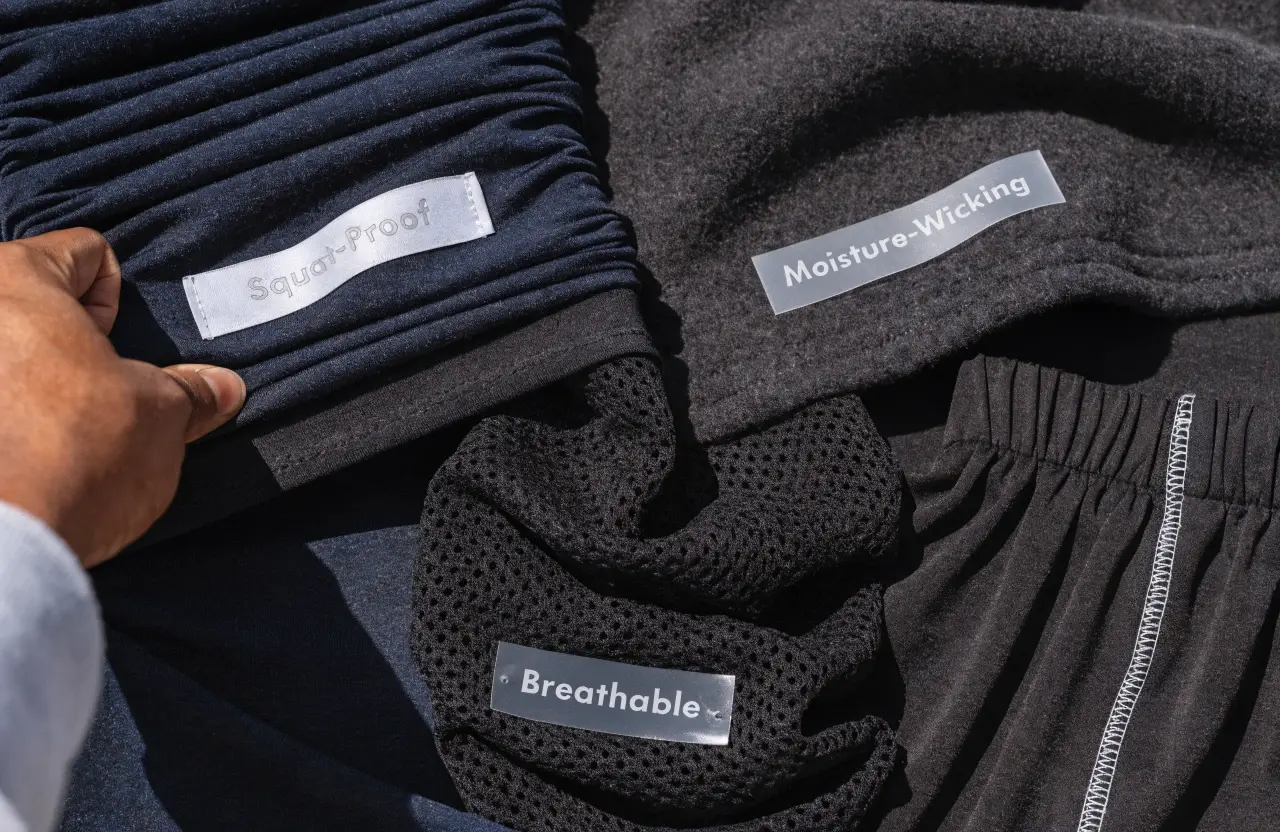
In sportswear, the fabric is the product. It is not just about aesthetics. It is about performance. A beautiful design is worthless if the fabric becomes sheer when you squat, soaks up sweat like a sponge, or loses its shape after one workout. Your choice of materials and the functional features you engineer into the garment are what justify a premium price and build a reputation for quality. This is where the technical expertise of your manufacturing partner is paramount.
Premium sportswear is defined by its functional fabric and features. Key fabric properties include a high-gauge knit for opacity ("squat-proof"), a superior nylon/spandex blend for powerful compression and recovery, and moisture-wicking and anti-odor technologies. Essential construction features include flatlock seams to prevent chafing, a secure, no-roll waistband, and functional, bounce-free pockets.
A brand we work with built their reputation on their signature legging fabric. They spent months with us sourcing and testing different recycled nylon/spandex blends. They landed on a specific, high-gauge knit that offered the perfect balance of compression, softness, and absolute opacity. They market this fabric by name. It is their hero product. Their customers are evangelical about it. The fabric is their brand. This level of material obsession is what separates a premium sportswear line from a commodity. This is why our fabric sourcing expertise is so critical for our activewear partners.
What Is the Ideal Fabric Blend for High-Performance Leggings?
As we discussed in our guide to premium leggings, the gold standard is a high percentage of Nylon (or Polyamide) and a significant percentage of Elastane. A blend of 75-80% Nylon / 20-25% Elastane is ideal. Nylon provides a softer, more cotton-like handfeel than polyester, as well as superior strength, abrasion resistance, and colorfastness. The high Elastane content provides the powerful compression, shape retention, and "snap-back" recovery. For a sustainable option, GRS-certified recycled nylon is an excellent choice.
Why Are Flatlock Seams Non-Negotiable for Chafe-Free Comfort?
This is a construction detail that every serious athlete looks for. A standard overlock seam leaves a bulky, raised ridge on the inside of the garment. During repetitive motion—running, yoga, HIIT—this ridge rubs against the skin, causing painful and irritating chafing. A flatlock seam is constructed so the seam lies completely flat against the skin. It is smooth, strong, and virtually eliminates friction. It is a non-negotiable feature for any garment claiming to be performance-grade. This is a standard part of our activewear construction .
How to Engineer the Perfect Fit and Ensure Consistent Sizing?
In sportswear, fit is function. A legging that slides down during a run or a sports bra that chafes or fails to provide support is not just uncomfortable; it is unusable. Achieving a perfect, functional fit across a range of sizes is the most challenging and most critical phase of product development. It requires a disciplined, iterative process and a deep understanding of how the body moves during athletic activity.
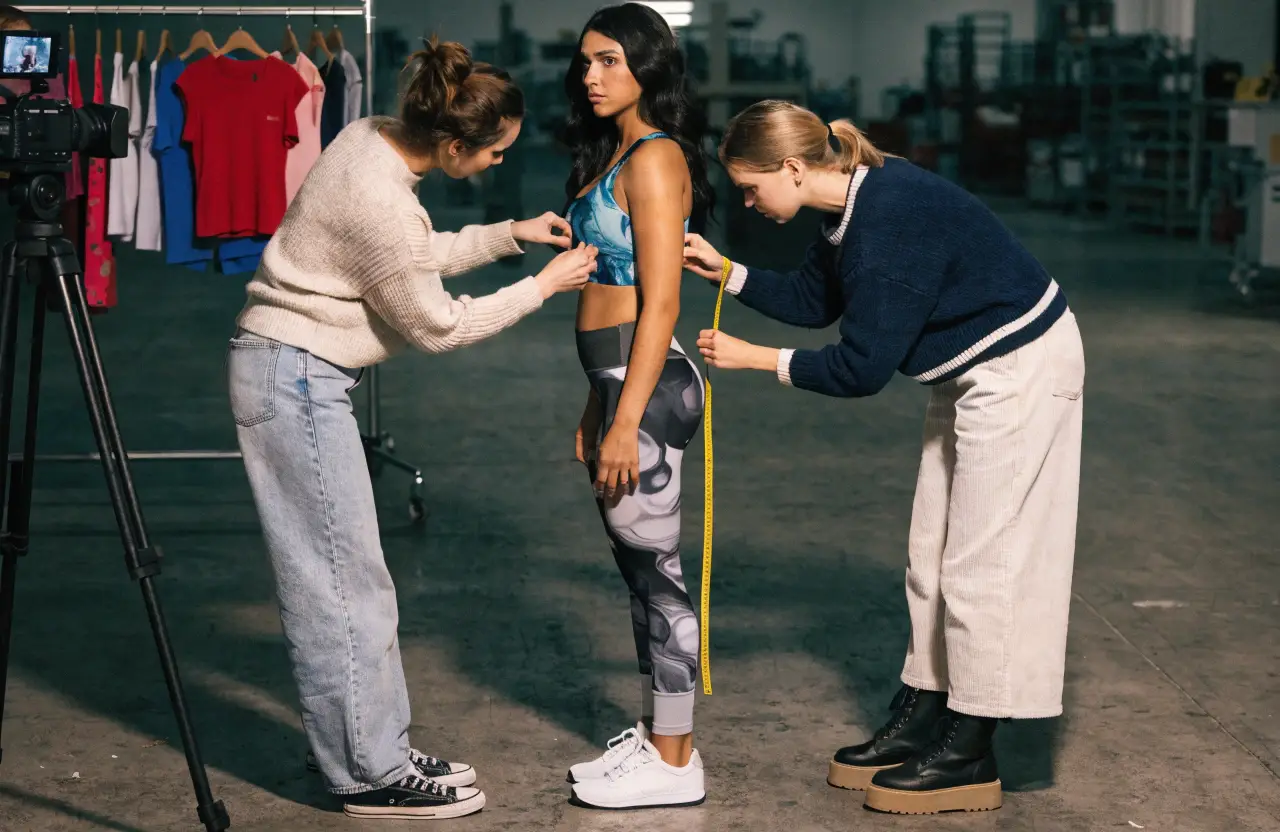
Perfecting the fit involves an iterative process of sample, test, and refine. It starts with a detailed Tech Pack, but the real work happens on a live fit model who represents your target customer. Multiple rounds of Fit Samples are standard, especially for high-support bras and compressive leggings. The garment must be tested through a full range of motion—squatting, lunging, reaching—to ensure it stays in place, provides the right support, and doesn't bind or chafe.
A brand specializing in high-support bras for larger cup sizes spent nearly four months in the fit sampling phase with us. The engineering of the straps, the band, and the cup construction was incredibly complex. Each iteration was tested by their fit model during a high-intensity workout. We adjusted strap widths, changed elastic types, and refined the seam placement. The result was a bra that received rave reviews for its unparalleled support and comfort. This meticulous process is why their return rate is a fraction of the industry average. This commitment to fit is what builds a loyal, long-term customer base. This is the level of detail we provide in our fit and sizing services.
What Are the Key Fit Points for a High-Support Sports Bra?
A high-support bra is a piece of engineering. Key fit points we obsess over include:
- Band: The band provides 80% of the support. It must be snug, secure, and stay parallel to the floor without riding up.
- Straps: They must be wide enough to distribute pressure, adjustable for a custom fit, and should not dig in or slip off.
- Cups/Cradle: The encapsulation must provide separation and support, minimizing bounce without creating a "uniboob" effect.
- Underwire/Elastic: Must be comfortable and sit flat against the ribcage.
How to Test a Legging for "Squat-Proof" Opacity and Stay-Put Fit?
This is the ultimate test. We do not just rely on lab tests. We have fit models perform a series of deep squats in bright, multi-directional light. We visually inspect for any sheerness. We also have them perform a 10-minute HIIT workout. The leggings must not slide down, roll at the waist, or bunch at the knees. This real-world testing is the only way to guarantee performance. This is a key part of our quality assurance for activewear.
How to Build an Authentic Brand Story and Visual Identity?
You can have the best-performing leggings in the world, but if they are wrapped in a generic polybag with a forgettable logo, they will languish on the virtual shelf. In the crowded sportswear market, your brand story and visual identity are what capture attention and build an emotional connection. Your product is the "what." Your brand is the "why." It is the reason customers choose you over the countless other options.
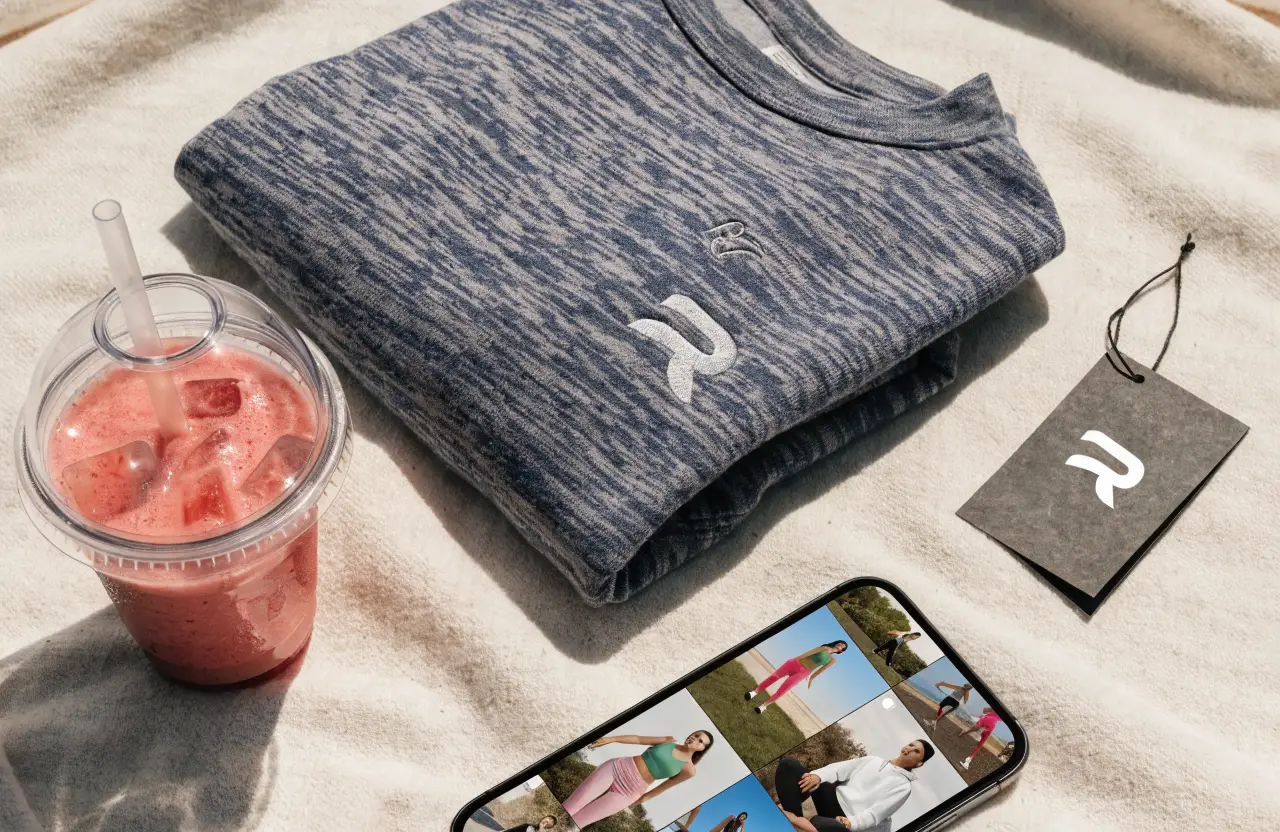
An authentic brand story is built on a clear mission, a distinct visual identity, and consistent, transparent communication. It is about showcasing the community you serve, not just the products you sell. Your visual identity—logo, color palette, typography, photography style—should be cohesive across your website, packaging, and social media. And in sportswear, transparency about your manufacturing and sustainability practices is a powerful trust-builder.
A brand we work with has built a powerful community around their simple mission: "Making women feel strong and capable." Their visual identity is clean and empowering. Their Instagram feed does not just show product. It shows real women of different shapes and sizes crushing their workouts, sharing their stories. They are transparent about their use of recycled fabrics and their partnership with our ethically audited factory. This authenticity resonates. Their customers are not just buying leggings; they are buying into a community and a set of values. This is the power of a well-built brand. We support our partners by providing the behind-the-scenes transparency they need for their brand storytelling .
Why Is Transparency About Manufacturing a Competitive Advantage in Sportswear?
The sportswear consumer, particularly the Millennial and Gen Z demographic, is highly attuned to issues of sustainability and ethics. They want to know their gear is made responsibly. A brand that can transparently share its supply chain—"Made in our ethically audited, SMETA-certified partner factory in Shanghai"—has a significant competitive advantage. It builds trust and justifies a premium price. We provide our partners with the photos, certifications, and stories they need to communicate this transparency authentically.
How to Create Packaging That Reinforces Your Brand's Values?
Your packaging is a tangible extension of your brand. For a sportswear brand, consider:
- Sustainable Materials: Recycled and recyclable polybags, FSC-certified paper hangtags, compostable mailers. This aligns with an active, outdoor-oriented lifestyle.
- Functional, Reusable Packaging: A branded, reusable mesh laundry bag for delicates. This is a value-add that customers love and use.
- Clean, Minimalist Design: Reflects a modern, focused aesthetic.
We offer a range of sustainable packaging options to help our partners align their unboxing experience with their brand values.
Conclusion
Creating a successful private label sportswear line is a challenging but incredibly rewarding endeavor. It requires a blend of creative brand vision and rigorous technical execution. From defining a razor-sharp niche and sourcing the perfect performance fabric to engineering a flawless fit and building an authentic community, every step must be executed with precision and purpose.
At Shanghai Fumao, we are passionate about the technical craft of activewear manufacturing. We are the partner that provides the expertise, the infrastructure, and the transparent process to turn your vision for a high-performance sportswear brand into a tangible, sellable, and beloved reality. We handle the complex "how" so you can focus on the inspiring "why."
If you are ready to build a sportswear line that performs as good as it looks, let's talk. Our Business Director, Elaine, can share our performance fabric library and walk you through our specialized activewear development process. Please email Elaine at: elaine@fumaoclothing.com.