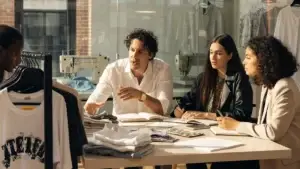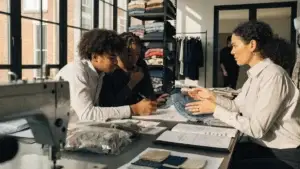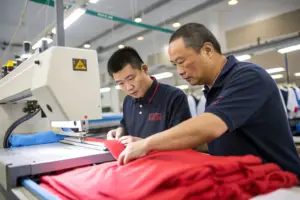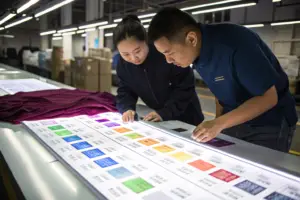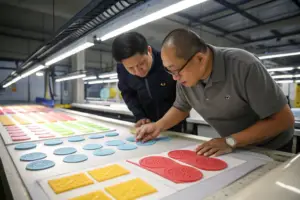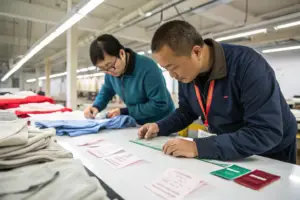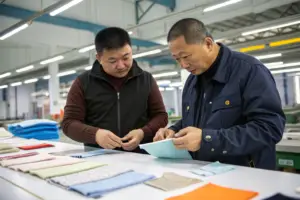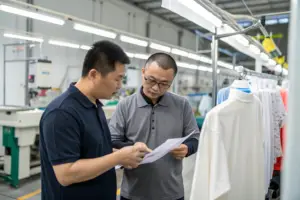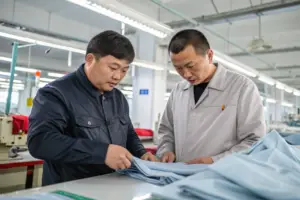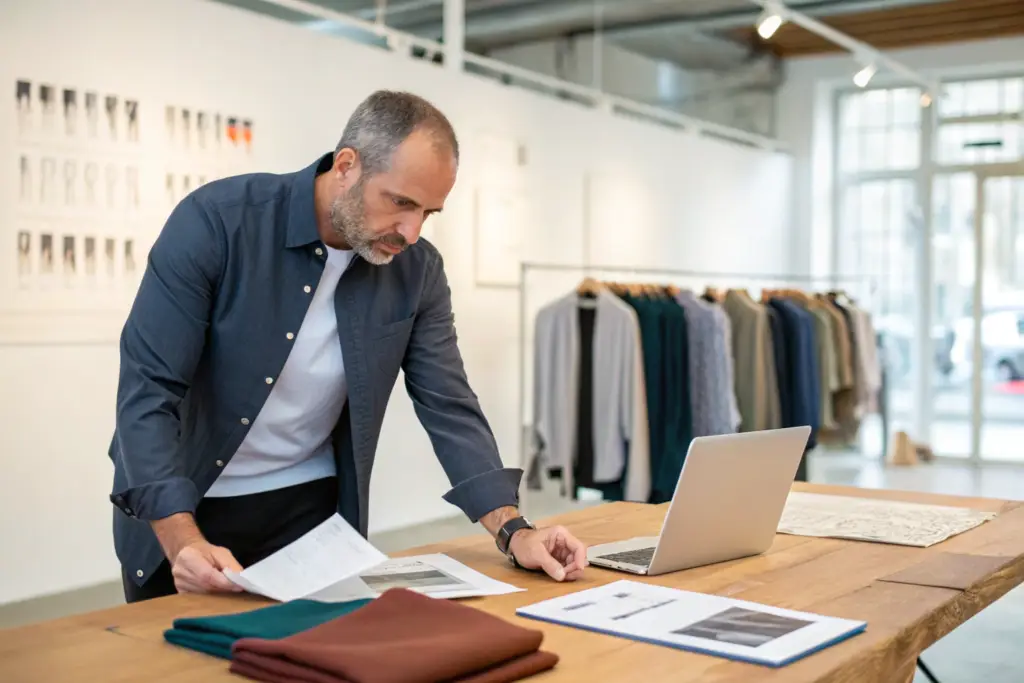
As an owner of Shanghai Fumao, a garment factory with five active production lines in China, I talk to a lot of people like you. I hear the same story on Zoom calls at 10 PM my time: The anxiety of holding $200,000 in winter coats that are stuck on a container ship while the first frost hits Chicago. You are a brand owner. You are a buyer. You know the thrill of a sell-out collection and the gut-punch of a chargeback for a late delivery. You have the sales acumen, but you are tired of being the last to know when a dye lot is wrong. For 2026, the smart money isn't betting on wild inventory gambles. The safe harbor is in the calculated, methodical world of B2B wholesale manufacturing.
B2B wholesale clothing is the safest business model for 2026 because it shifts the risk of inventory depreciation, complex logistics, and consumer-facing volatility onto the established manufacturing supply chain. Instead of gambling on direct-to-consumer trends that flip in a week, this model locks in costs through fixed purchase orders, allows for pre-season planning, and leverages the existing expertise of factories like ours to ensure compliance and quality before the goods even leave the port. It is about building a buffer between your capital and the chaos of the retail floor.
I am not going to give you a fluffy sales pitch. I want to walk you through the mechanics of why this model protects your bottom line. I want to show you the numbers I see in the production line and explain why, when we look ahead to the tariff discussions and shipping rate fluctuations of 2026, the wholesale partnership is your strongest asset. Let's break down why this is where you should be focusing your cash flow right now.
How Does B2B Wholesale Clothing Reduce Financial Risk in 2026?
You know that feeling when you open your DTC dashboard and see returns spiking at 15% because the fit was "slightly off"? That is a direct hit to your wallet. In 2024, I had a client from Texas who ran a successful boutique brand. He tried to pivot heavily into pre-order DTC drops. He came to us in Q3 looking frantic. He had 3,000 units of a specific cut-and-sew hoodie in three colors sitting in a 3PL warehouse in Dallas. The cost per unit to store them was eating 9% of his margin each month. He told me, "I didn't plan for the holding cost. I just saw the margin on the spreadsheet."
We transitioned him back to a pure wholesale model for 2025. Instead of buying 3,000 units upfront for a DTC gamble, he placed a firm order with Shanghai Fumao for 1,000 units to cover his wholesale accounts, with an option for a 1,500-unit reorder within 45 days based on sell-through data from his retailers.
This is why wholesale is safer in 2026. You are selling before you are producing large volumes. You secure the order from your boutique customers, aggregate that demand, and then cut the PO to us. You are not using your line of credit to fill a warehouse; you are using it to fill a specific, pre-sold order book.
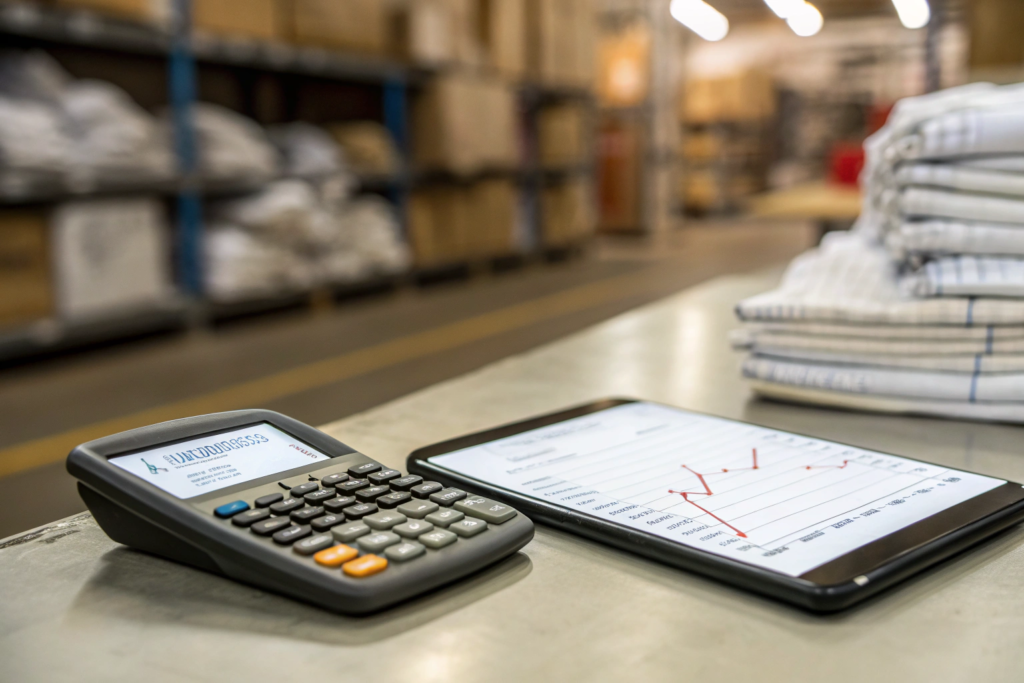
Why Is Bulk Sourcing More Stable Than Dropshipping in Volatile Markets?
When the Red Sea crisis hit or when fuel surcharges spike overnight, the dropshipping model breaks instantly. You are at the mercy of a retail price that includes the highest possible logistics cost.
With wholesale and bulk sourcing, you are locking in the Freight on Board (FOB) price. But you need to understand the specific benefits of a logistics model that eliminates the guesswork of port fees and last-mile surprises. Many of our American partners are now requesting a specific DDP term that changes the game.
Advantages of DDP Shipping in Wholesale
Delivered Duty Paid means we handle the mess. For a brand owner, this is a fixed cost on your invoice. You know exactly what the goods cost landed at your warehouse door. Here is a breakdown of why this model is critical for 2026:
| Factor | Dropshipping/DTC Model | B2B Wholesale (DDP Mode) |
|---|---|---|
| Cost Predictability | Variable; based on daily rates and dimensional weight. | Fixed; agreed upon in the Purchase Order. |
| Customs Risk | High; if a shipment is seized for incorrect labeling, you lose that customer's order. | Low; we as the shipper of record handle all clearance and compliance. |
| Capital Allocation | Tied up in 3PL storage fees and picking/packing labor. | Inventory moves directly to your distribution center or even cross-docked to your buyer. |
| Tariff Impact | You absorb the shock of new tariffs after the sale is made. | Tariffs are calculated and included in the DDP price before you commit to the sale. |
For 2026, with potential shifts in trade policy, having a partner who offers a reliable garment manufacturing China solution under DDP terms is not a luxury. It is a requirement for financial survival. You cannot afford to guess what your landed cost will be six months from now when you are pricing a line sheet today.
Can Long-Term Supplier Contracts Protect Against Inflation?
This is a question I get from every owner who runs the numbers. The short answer is yes, but only if the contract is structured correctly. In 2023, we worked with a brand owner who operates in the Midwest. He was sourcing basic fleece joggers from a trading company. Every quarter, the price per unit crept up by $0.25, then $0.40. It was "freight surcharge" this and "cotton futures" that. He had no visibility into whether these costs were real or just margin padding by the middleman.
We showed him our raw material breakdown for the same jogger. The yarn cost was stable. The labor cost was in a long-term collective bargaining agreement at our facility. The only variable was ocean freight. We locked in a fixed price for the garment construction and a floating surcharge for freight based on the Shanghai Containerized Freight Index (SCFI) transparently reviewed at the time of booking.
Since then, his margin on that core jogger has remained consistent. He can plan his marketing spend for Fall 2026 without wondering if a sudden spike in cotton prices will wipe out his profit in November. That is the safety of wholesale. You are anchoring your business to the cost of production, not the cost of market speculation. For more insight on managing costs, check this guide on managing supply chain costs from the Forbes Business Council.
What Are the Top Quality Control Advantages of Wholesale Clothing Sourcing?
I remember a conversation I had with a buyer named Ron out of LA. He told me a story that still makes me shake my head. He had sourced a run of women's linen blouses from a new vendor he found on a B2B platform. The certificates looked perfect. The photos looked great. When the container arrived, he opened the first box. The color was a soft cream instead of the optic white he approved. Worse, the buttons were sewn on so loosely that his team had to re-sew 2,500 blouses in a panic before shipping to a major department store. That labor cost him more than the blouses were worth.
That is the pain point of certification fraud and lazy quality assurance. You are an owner. You don't have time to be a tailor. You need the goods to be floor-ready.
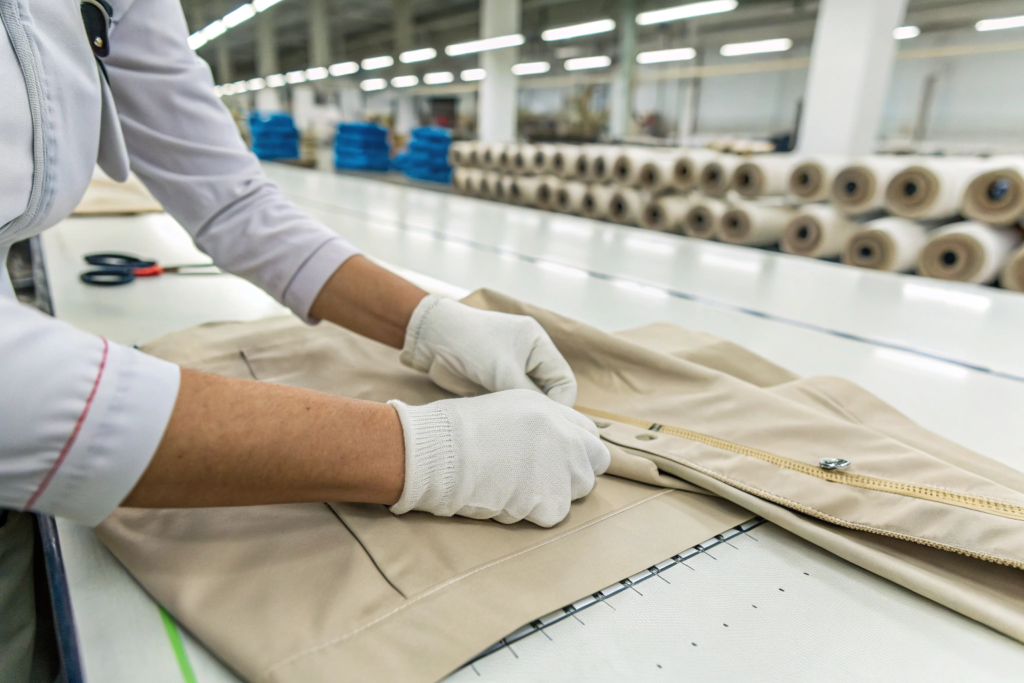
How Do Factory Audits Prevent Certification Fraud?
You are right to be skeptical of a PDF certificate. I have seen them faked with Photoshop better than some of the marketing assets we get from customers. This is why a real wholesale relationship involves a human chain of custody. As a factory, we are subject to BSCI and WRAP certifications that are not just pieces of paper. They are active, on-site audits.
However, you should know what to look for beyond the logo. Here is a simple table you can use when vetting a partner for 2026:
| Audit Type | What It Actually Verifies | How It Protects You (The Buyer) |
|---|---|---|
| WRAP | Labor practices, hours, wages, and facility safety. | Prevents reputational damage and PR nightmares associated with sweatshop labor. |
| BSCI | Supply chain social compliance and environmental footprint. | Ensures you can pass the vendor compliance portals of large retailers like Nordstrom or Macy's. |
| ISO 9001 | Process consistency and defect tracking systems. | Guarantees the product you approved in sample form is the same product you receive in bulk. |
| OEKO-TEX | Chemical safety of the fabric touching skin. | Mitigates legal liability for skin allergies or carcinogenic dyes, a huge issue in kids' wear. |
When you work with Shanghai Fumao, we don't just email you the cert. We can show you the time-stamped inspection logs from the line where your specific custom apparel order is being cut. This transparency is the only way to ensure you aren't holding a counterfeit certificate in one hand and a container full of unsellable goods in the other.
What Inspection Protocols Ensure Consistent Sizing and Stitching?
Ron from LA now sends us a "Golden Sample"—a physical, approved garment—which stays in our QC department in Shanghai. Every production run is measured against that physical sample, not just a digital spec sheet. But more importantly, we implement an AQL inspection process.
Many importers just say "do AQL 2.5." But they don't know what that means for the specific garment. For basic knitwear like a T-shirt manufacturing run, a 2.5 level might be fine. But for a structured jacket manufacturing order with complex linings and zippers, we recommend a tighter AQL of 1.5 or even a 4.0 for critical defects.
Last year, we produced 15,000 units of a women's woven blouse for a brand on the East Coast. We caught a needle damage issue on the first 200 pieces coming off the line. The needle was slightly burred and was snagging the fine weave. Because we run inline inspection rather than just a final random check, we stopped the line, changed the needle, and repaired the 200 units. The brand owner never even knew there was a problem. That's the invisible safety net you buy with a wholesale factory partner. If you want a deeper dive into these standards, review the official guidelines on quality assurance for textiles provided by the International Organization for Standardization.
Where to Find Reliable B2B Wholesale Clothing Suppliers for 2026?
You have the list of places to look: Alibaba, Global Sources, and the aisles of MAGIC Las Vegas. But looking and finding are two different things. You walk into a booth at a tradeshow and everyone has a nice brochure and a cup of coffee. How do you filter out the trading companies posing as factories from the actual cut-and-sew operations that will control your destiny in 2026?
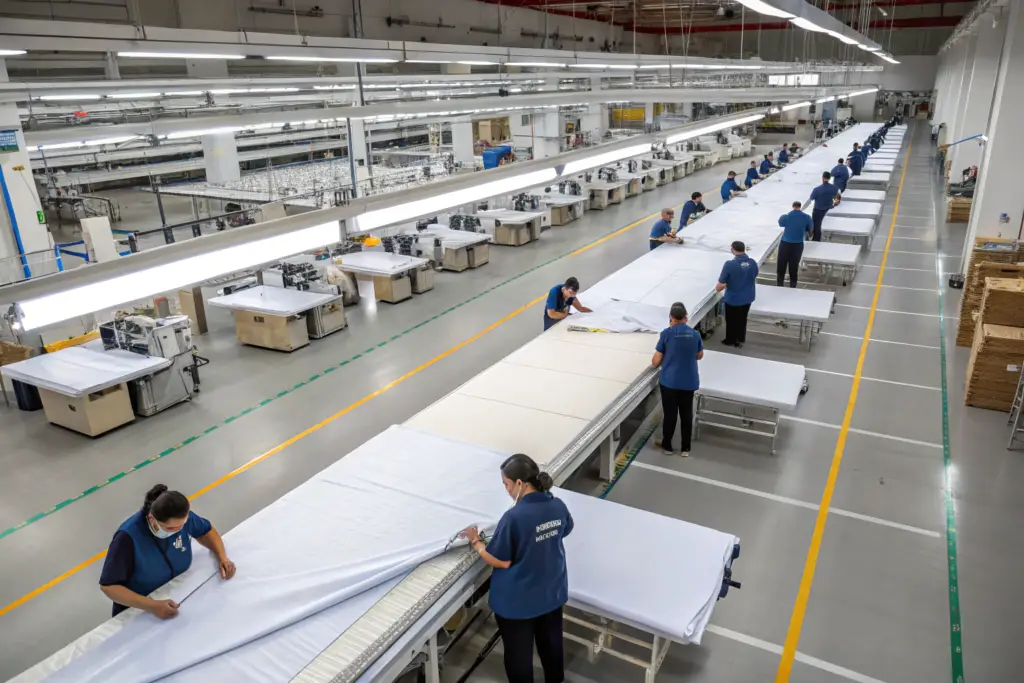
We know the landscape. We are one of the factories that gets lost in the noise of Alibaba search results because we don't spend $50,000 a month on pay-per-click ads. We invest that money in new stitching machines and better lighting for our QC tables. Finding us, and factories like us, requires a different search strategy.
How Can You Verify a Supplier's Manufacturing Capability Remotely?
In 2026, you don't need to fly 16 hours to China to shake my hand. Although I'd welcome you for a tour, you can verify 90% of what you need from your desk in America. Here is the three-step checklist I give to buyers who have been burned before:
- Video Call Walkthrough (The "Live" Test): Don't accept a pre-recorded tour. Ask for a Zoom call where the sales manager walks through the factory floor right now. I do this all the time for private label clothing inquiries. Listen for the sound of machines. Look at the workers' eyes—are they surprised to see a camera? A real factory is used to being filmed. A trading office will make excuses about "confidentiality" or "renovations."
- Check the Power Load: Ask for a recent utility bill (with the account number redacted). It sounds strange, but it's the one document that proves operational scale. A factory running 5 lines like ours has a massive, consistent electric draw. A small office with 3 employees does not.
- The Sample Specificity Test: Tell them you need a custom logo sample on a specific fabric—say, a 230gsm 100% combed cotton jersey. A trader will say "Yes, send the art." A manufacturer will say, "Hold on, 230gsm in combed cotton? Let me check if we have that exact yarn in stock or if we need to knit it. It will add 5 days to the sample time." That detailed hesitation is a good sign.
What Are the Red Flags of Trading Companies Posing as Factories?
This is the trap that catches first-time importers every single year. You think you are talking to the factory owner, but you are talking to a middleman who has never stepped foot on the cutting table.
Common Warning Signs
- The "Can Do" Attitude: If you ask for heavy wool outerwear, silk blouses, and complex denim washes, and they say "Yes, we do everything," they are a trading company. No single factory excels at all those fabric and garment types. A real knitwear factory doesn't have the infrastructure for denim washing.
- No Floor Photos: If their website and catalog only show models wearing clothes or isolated white-background images, be suspicious. A factory like ours shows images of the process. You want to see the sewing machine setup and the fabric inspection area.
- Payment Routing: If they ask you to wire money to a Hong Kong account with a company name that is different from the factory name, you are dealing with a trading entity. This is fine if you want a trading company, but it adds a layer of cost and communication delay that you said you want to avoid.
I recently had a brand buyers from Denver switch to us after a trading company couldn't explain why a batch of sweaters was 50 grams lighter than the approved sample. The trader just passed messages back and forth. We immediately identified that the wrong yarn count was substituted. For further reading on this subject, the U.S. government provides a detailed guide on finding foreign suppliers and due diligence.
How to Optimize Logistics and Communication for a Smoother 2026 Supply Chain?
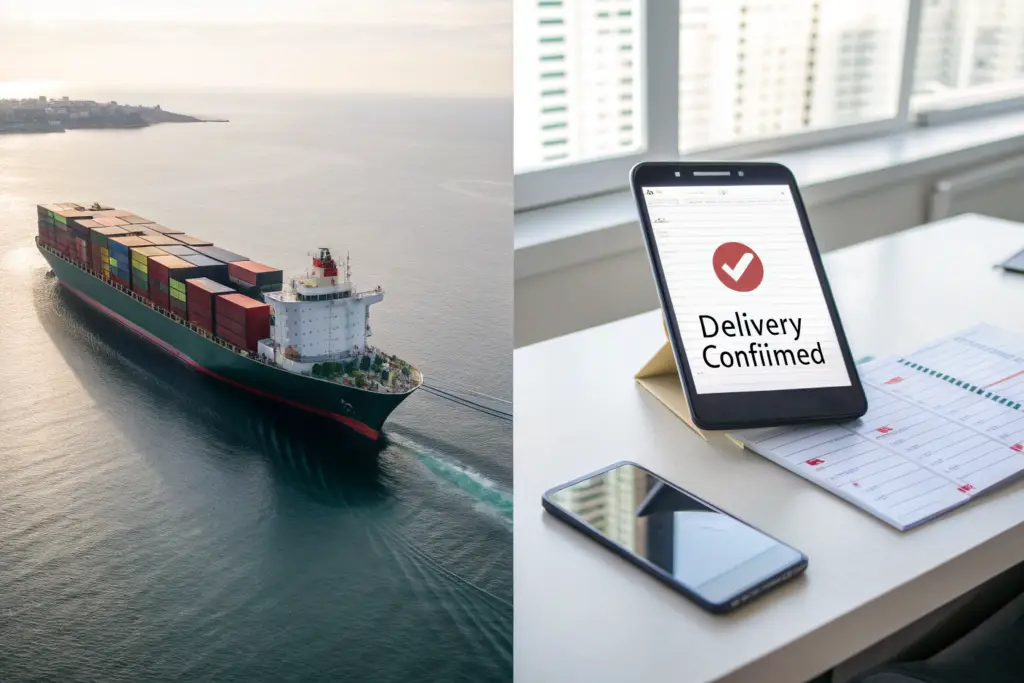
This is where the partnership either pays for itself or costs you everything. You mentioned your biggest pain points: inefficient communication with sales reps and delayed shipments that miss the selling window. I cannot count the number of times I've heard a brand owner say, "The goods were supposed to be here for the Fall lookbook shoot, and now it's September and they just left port."
This happens because of a disconnect. The factory rep is measured by production output. The logistics broker is measured by container volume. You, the owner, are measured by on-time delivery to your customers. Those three incentives do not naturally align. We have to force them to align through process and transparency. That is why we push for a specific payment methods and logistics workflow that gives you, the buyer, complete control.
Why Is DDP Shipping a Game-Changer for U.S. Importers in 2026?
I want to be blunt about DDP mode. For 90% of American brand owners sourcing from China, it is the single biggest improvement you can make to your mental health and your P&L statement. Here is why we advocate for it so strongly:
The Hidden Costs of FOB (Free on Board)
Under FOB, you "own" the goods the moment they cross the ship's rail in Shanghai. But you don't control the ship. You don't control the port congestion in Long Beach. You don't control the customs broker who finds a $2,000 discrepancy in the invoice classification and holds your container for a week.
The DDP Workflow at Shanghai Fumao:
- Production Complete: Goods are packed and weighed.
- Unified Booking: We book the freight with our volume contracts (which are better than yours because we ship 50 containers a month vs. your 5).
- Customs Clearance: We handle the ISF filing and Entry Summary. We have a compliance team that checks HTS codes against the latest U.S. Customs rulings.
- Delivery: We schedule the truck to your door.
Last month, a customer in New Jersey had a shipment of women's wear delayed because U.S. Customs flagged a "fabric content" issue. Because it was a DDP shipment and we were the Importer of Record, our compliance officer was on the phone with the broker in five minutes to provide the mill test report. The container was released the same day. If that was FOB, the broker would have emailed the customer. The customer would have been in a meeting. The email would have been missed for 24 hours. That 24 hours equals $800 in demurrage fees. Those fees add up fast. We want to eliminate that friction for you. To understand the full legal implications of these shipping terms, review the official definitions from the International Chamber of Commerce Incoterms.
How Can Technology Bridge the Communication Gap Between Brands and Factories?
You said you dislike inefficient communication. So do I. I don't want my production manager spending three hours a day on WhatsApp translating emojis from a nervous brand owner. We use a simple, robust project management system.
Instead of emails with subjects like "URGENT: RE: RE: PO #2345 Update," you get a link to a dashboard. Here is the structure we use to keep the apparel manufacturing process transparent:
| Communication Stage | Old Way (Inefficient) | Shanghai Fumao Way (2026 Ready) |
|---|---|---|
| Sampling | Email threads with 12 attachments labeled "Final_v2_revised_3.ai". | Shared cloud folder with version control and timestamped approval sign-offs. |
| Production | "How is the cutting going?" email sent at 2 AM local time. | Weekly photo/video update of your specific lot number on the cutting table and sewing line. |
| Quality Control | Single PDF report emailed after shipment. | Real-time inspection data shared during the inline process. You see defects before packing. |
| Shipping | Chasing a freight forwarder for a tracking number. | Integrated tracking from factory floor to your receiving door via our internal ERP. |
This system ensures that when you are dealing with clothing manufacturer partners, you are not relying on the memory of a single sales rep. You are relying on a documented, auditable trail of progress. For the 2026 market, this kind of visibility is what separates the brands that grow from the brands that just survive.
Conclusion
The apparel industry in 2026 is not going to be easier. The consumer is more fickle. The marketing costs on Meta are higher. The last thing you need is to be fighting a war on two fronts—retail and supply chain. The B2B wholesale model, when executed with the right partner, is your strategic withdrawal to a stronger, more defensible position.
We walked through the financial safety of bulk orders, which protect you from the cash flow drain of DTC returns and 3PL fees. We looked at the importance of on-the-ground quality control and how it prevents the kind of brand damage that comes from a bad review on a faulty zipper. We talked about how to find a real factory in a sea of digital middlemen, and we examined the logistics framework—specifically DDP shipping—that turns a chaotic import process into a fixed, predictable line item on your balance sheet.
I have spent years in this factory in China watching American brands succeed and fail. The ones who succeed treat their manufacturing partner as an extension of their own operations room. They share their sales forecasts. They ask about fabric lead times before they design the collection. They understand that the cheapest price per unit is rarely the safest or the most profitable in the long run. They are looking for reliability, for a partner who can solve problems before they hit the shores of Long Beach.
If you are a company owner or a buyer looking to de-risk your 2026 and beyond, let's have a conversation about your production calendar. We have the capacity, the certifications, and the communication systems in place to ensure you are not just sourcing clothes, but building a stable foundation for your brand's growth. You can reach out directly to our Business Director Elaine. Her email is elaine@fumaoclothing.com. She can walk you through our current line capacity and provide a transparent costing for your next collection. Let's make sure your goods arrive on time, on spec, and on budget.