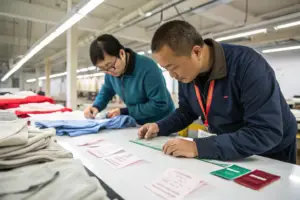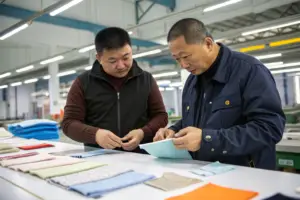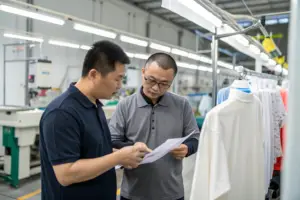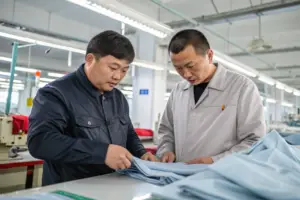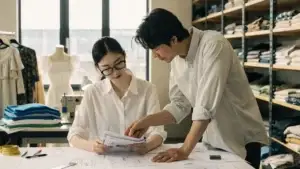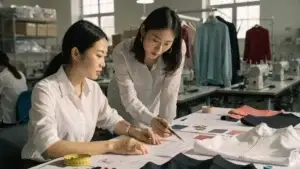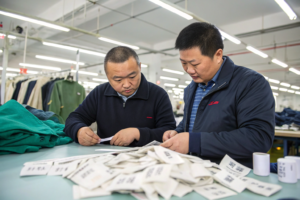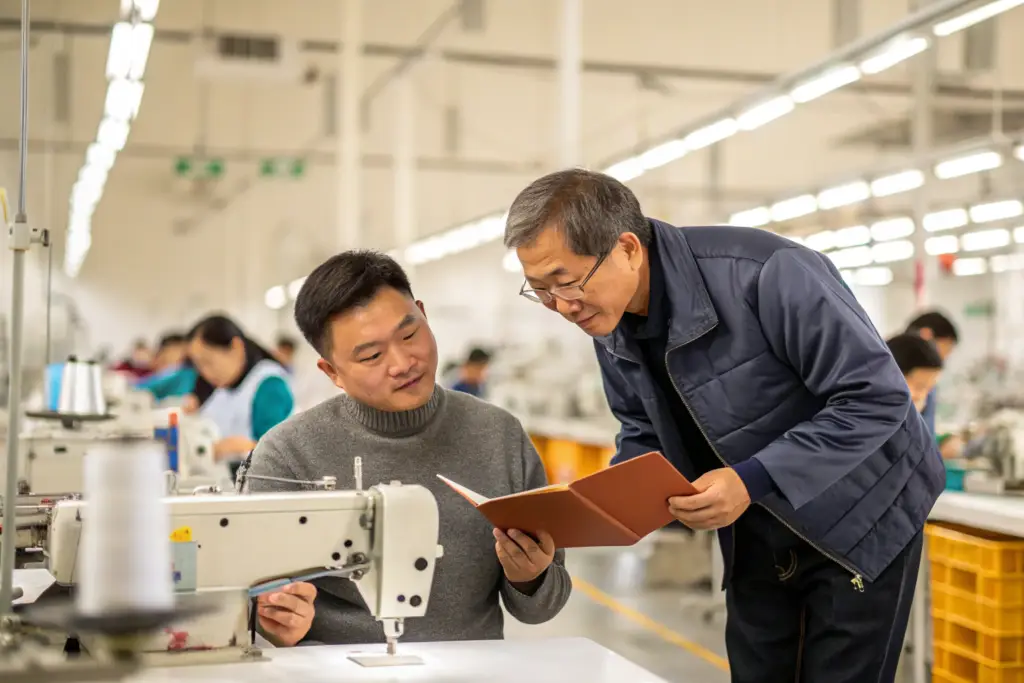
You have exchanged dozens of emails. You have had several video calls. You have seen photos and maybe even a live video tour. The factory seems great. But there is a lingering question in the back of your mind: "Is it really as good as it looks on screen? Should I get on a plane and see for myself?" A brand owner who finally visited their factory after two years of working together told me, "I thought I knew my factory. I didn't. Seeing it in person—the sounds, the smells, the energy—it changed everything. It turned a good relationship into a great one."
A factory visit is important for private label partnerships because it transcends the limitations of digital communication. It provides an irreplaceable, multi-sensory verification of the factory's true operational capacity, its quality culture, and its working conditions. More importantly, it deepens the human relationship, transforming a transactional vendor dynamic into a true, trust-based strategic partnership.
At Shanghai Fumao, we have an open-door policy for our B2B partners. We actively encourage visits because we know that the trust and understanding built during a few hours on our factory floor are worth more than a thousand emails. Let me explain the unique, tangible value a visit provides and why it is one of the smartest investments you can make in your brand's supply chain.
What Can You Verify in Person That a Screen Cannot Show You?
A video tour is an essential vetting tool, but it is a curated, 2D experience. The camera shows you what the guide wants you to see. It cannot convey the subtle, yet critical, sensory and cultural cues that reveal a factory's true operational health and values. These are the "soft" factors that often determine whether a factory is merely competent or truly excellent. A visit allows you to be an investigative journalist, not just a passive viewer.
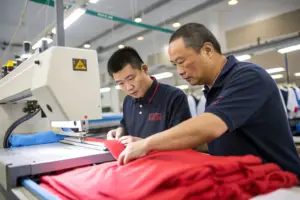
In person, you can verify the unscripted reality. You can feel the true handfeel and weight of the fabrics being used in current production. You can smell the air—does it reek of harsh chemicals, or is it clean? You can hear the rhythm of the factory floor—is it a calm, focused hum or a stressed, chaotic roar? You can observe the workers' body language—are they relaxed and engaged, or tense and fearful? These are the invisible indicators of a factory's true culture and quality.
A brand partner visited our facility after working with us remotely for a year. During his tour, he stopped at a random sewing station and, through his translator, asked the operator how long she had worked there. She smiled and said, "Eight years." He later told me, "That was the moment I knew we had made the right choice. You can't fake that kind of retention. It told me everything about how you treat your people and how consistent your quality is going to be." That single, unscripted interaction was worth more than any audit report. It confirmed our commitment to ethical production and workforce stability in a way no document could.
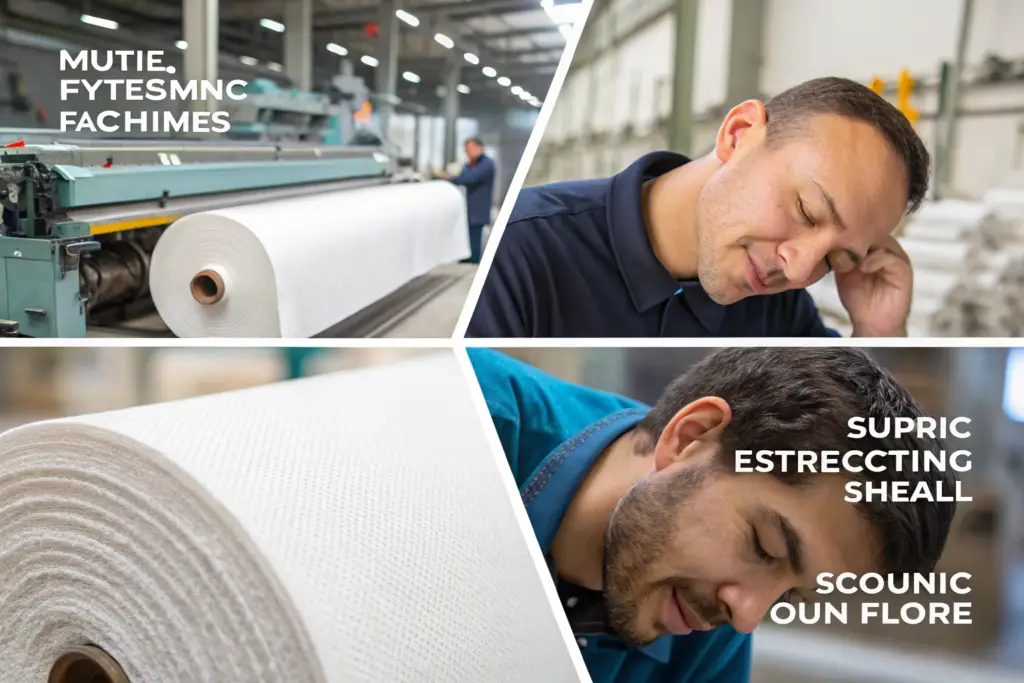
What Does the "Sound and Smell" of a Factory Tell You?
These are powerful, primal indicators.
- Sound: A well-run factory has a steady, rhythmic hum. You can hear individual machines, but it is not a deafening, chaotic roar. A stressed factory sounds frantic and loud.
- Smell: A good factory smells neutral, with perhaps a slight scent of clean textiles. A bad factory might smell of harsh chemicals (from unventilated printing), stale air, or even bathroom odors. Your nose is a powerful safety and quality detector.
How Can You Gauge True Worker Morale and Skill Level?
Walk the floor slowly. Observe the workers' faces. Do they look tense and avoid eye contact? Or do they look focused but relaxed? Do they seem to be working at a frantic, unsustainable pace, or a steady, professional one? If possible, ask a simple question like, "Do you enjoy working here?" Their reaction—even if they don't understand the words—will tell you a lot. A factory with high morale has lower turnover, which directly translates to more consistent stitching and higher quality. This is a key part of our workforce culture .
How Does a Visit Deepen the Collaborative Relationship with Your Factory?
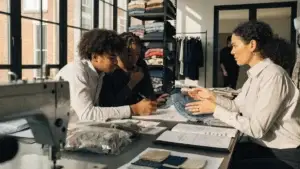
Business is ultimately about relationships, and relationships are built on human connection. While email and video calls are efficient, they lack the depth and trust-building power of sharing a physical space, a meal, and an unguarded conversation. A factory visit transforms you from a name in an inbox to a real person with a face, a story, and a shared commitment to the brand. This human connection is the secret ingredient of the most successful long-term partnerships.
A visit transforms the relationship from a transactional vendor interaction to a personal partnership. Sharing a meal, meeting the team members you've only emailed—your Project Manager, the pattern maker, the QC supervisor—builds a powerful reservoir of goodwill and mutual understanding. This human connection makes future communication smoother, problem-solving faster, and the entire partnership more resilient to the inevitable small bumps in the road.
I recall a brand founder who visited us after a challenging production run where we had worked through a difficult fabric issue together remotely. The communication had been good, but slightly tense. During his visit, we spent an afternoon not just talking business, but sharing a long, authentic Chinese lunch. We talked about our families, our histories, our dreams for our businesses. The tension dissolved. He later told me, "After that lunch, I didn't just trust your factory. I trusted you. It's a different feeling." That trust has paid dividends in smoother collaboration and a more resilient partnership ever since. This is the intangible value of a visit. It is an investment in relationship capital .
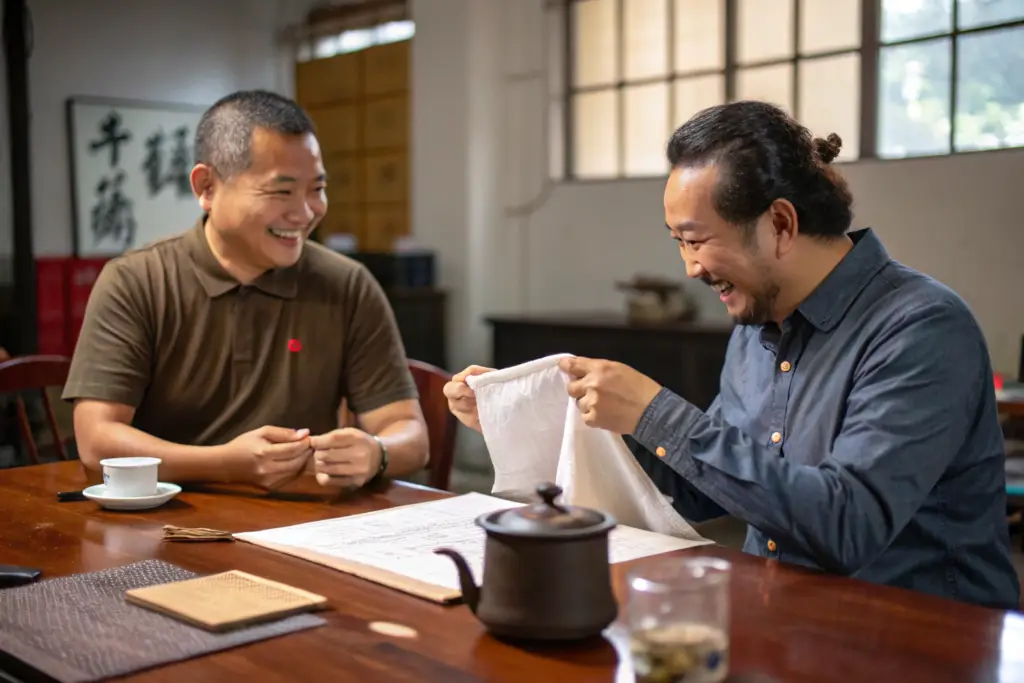
How Does Meeting the Team "Behind the Emails" Change the Dynamic?
It changes everything. Putting a face to the name of your Project Manager, the pattern maker who solves your fit issues, or the QC supervisor who protects your quality creates empathy and understanding. You see them as skilled professionals, not just email addresses. This makes communication more patient and collaborative. When a problem arises, you are solving it with a friend, not fighting with a faceless vendor.
This is a deeply ingrained aspect of many cultures, especially in Asia. Refusing an invitation to share a meal can be seen as a subtle rejection. Accepting and sharing food is a universal sign of trust and openness. It is during these informal moments that real bonds are formed, and candid conversations happen. It is an essential part of the relationship-building process that simply cannot be replicated over Zoom. This is a key part of our collaborative partnership philosophy.
How Can a Visit Solve Problems and Drive Product Innovation?
There is a unique efficiency to solving problems and developing new ideas when everyone is in the same room, looking at the same physical object. A fit issue that takes three rounds of photos, emails, and shipped samples to resolve remotely can often be solved in 20 minutes around a table. A visit provides a powerful burst of collaborative R&D that can compress your development timeline and spark new creative directions.
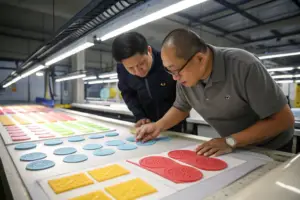
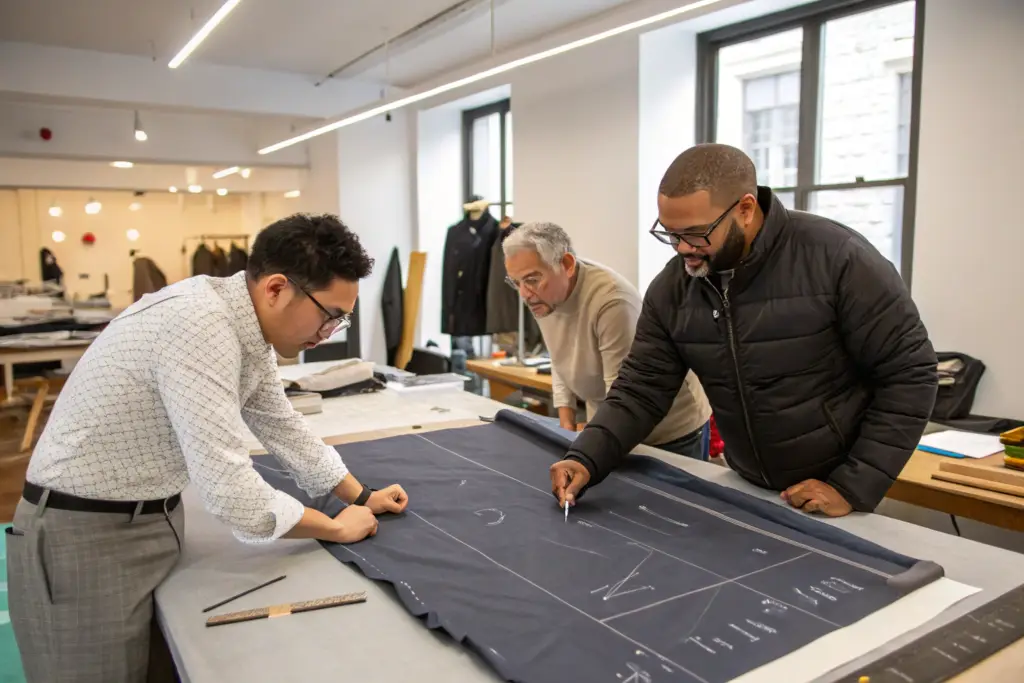
In-person visits are catalysts for faster problem-solving and product innovation. A complex fit issue on a new sample can be assessed, pinned, and a solution agreed upon in minutes, rather than weeks of remote back-and-forth. A walk through our fabric library can spark new design ideas. Seeing a new piece of equipment or a unique technique on the floor can inspire a new product category. The visit creates a high-bandwidth, creative environment that is impossible to replicate remotely.
A men's wear client was struggling remotely with the fit on a new blazer. The shoulder pitch was just not right. During his visit, he put the sample on our fit model. Our head pattern maker watched the model move, made a few chalk marks on the jacket, and pinned the shoulder seam. They discussed the change. The pattern was adjusted on the spot. A new sample was cut the next day. The fit was perfect. That 30-minute in-person session saved at least three weeks of remote sampling and shipping. It also gave the client a deep appreciation for our pattern maker's skill. This is the tangible ROI of a visit. It is a core part of our product development offering.
Why Is a Physical Walk Through the Fabric Library So Inspiring?
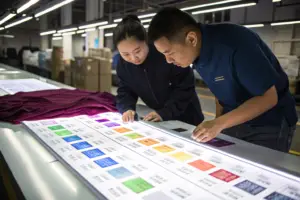
Our fabric library contains thousands of swatches. Touching them, draping them, and seeing their colors in person is a completely different experience from looking at photos. A visit allows a designer to stumble upon an unexpected fabric—a unique texture, a subtle sheen—that sparks a whole new design direction. This serendipitous discovery is a key part of the creative process that is lost in digital sourcing. This is why we encourage our design partners to visit.
How Can You Audit the Sealed Sample Process in Person?
During a visit, you can ask to see the Sealed Sample for a current or past order. You can verify that it is properly stored, easily accessible to the QC team, and being actively used as a reference on the production floor. This provides tangible, in-person confirmation that our much-discussed quality control processes are a living reality, not just a talking point. It is a powerful form of on-site due diligence.
What Are the Logistics and Cultural Considerations for a China Factory Visit?
If you decide to make the trip, a little preparation goes a long way in ensuring a productive and enjoyable visit. Navigating the logistics of international travel to China and understanding a few basic cultural norms will make the experience smoother and demonstrate respect for your hosts. It is not as daunting as it may seem, especially with a supportive partner on the ground.
Key logistics include ensuring you have a valid passport and the appropriate Chinese visa (typically a business visa, or M visa). Plan to fly into Shanghai, which is well-connected to our factory. We can provide an invitation letter to support your visa application. Culturally, it is respectful to bring a small, thoughtful gift from your home country, to be punctual, and to be prepared for a more formal and hospitable reception than you might expect in the West.
A brand owner was nervous about his first trip to China. We provided him with a detailed "Visiting Fumao" guide that covered everything from visa support and recommended hotels to local customs and even a few key Mandarin phrases. He arrived feeling prepared and confident. He told me afterward, "I was so worried about the cultural stuff, but everyone was so warm and welcoming. Having your team there to guide me made all the difference." A little preparation transforms a potentially stressful trip into a memorable and rewarding experience. We provide this level of support because we value the partnership. For official travel guidelines, resources from the International Trade Administration can be very helpful.
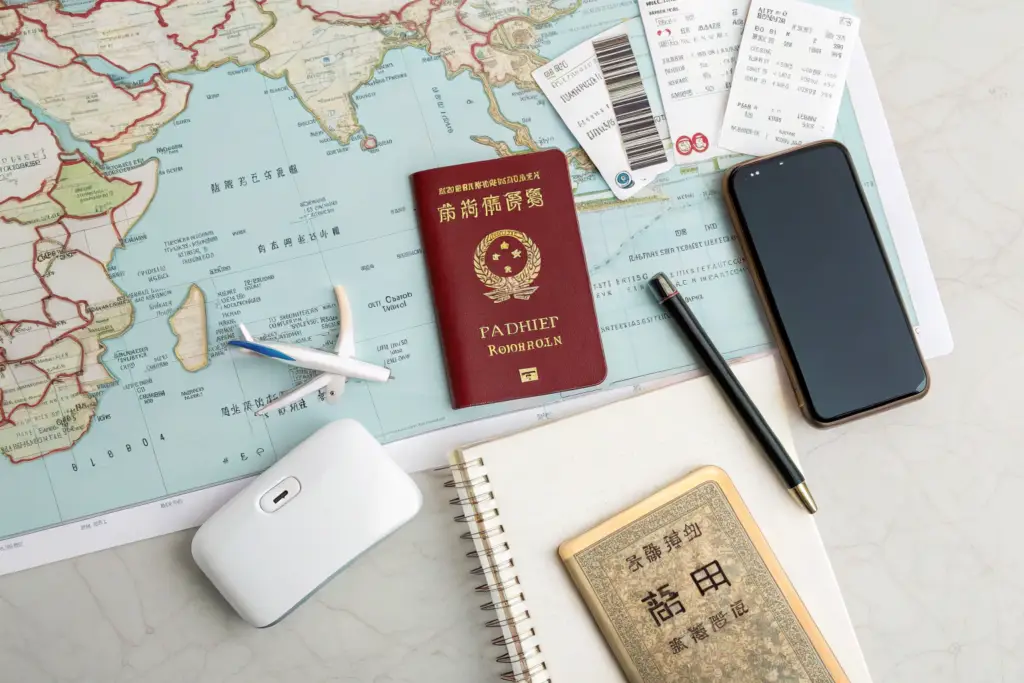
What Type of Visa Do You Need for a Factory Visit?
For a business trip to visit a factory, you will need a Chinese Business Visa (M Visa) . You cannot conduct business activities on a Tourist (L) Visa. The process requires an official Invitation Letter from the Chinese company you are visiting. We provide this letter to all our B2B partners planning a visit, outlining the purpose and duration of the trip. It is a straightforward process, but it must be done correctly.
What Is the Etiquette for Gift-Giving and Business Meals?
This is an important cultural nuance.
- Gifts: Bringing a small, thoughtful gift from your home country or city is a wonderful gesture. It is not about the monetary value, but the thought. Good options include a nice bottle of local wine or spirits, a high-quality box of chocolates, or a tasteful coffee table book about your region. Avoid clocks (associated with death) and anything overly sharp.
- Meals: Be prepared for a more elaborate and hospitable meal than you might be used to. Your host will likely order a variety of dishes to share. It is polite to try a little of everything. Toasting is common. It is a sign of respect and friendship.
Embracing these customs with grace and curiosity will significantly deepen your relationship with your hosts. It is a key part of building a successful cross-cultural partnership .
Conclusion
A factory visit is far more than just a site inspection. It is a multi-sensory verification, a relationship accelerator, a problem-solving workshop, and a cultural exchange all rolled into one. It is the single most powerful action you can take to transform a good, remote private label partnership into a truly great, trust-based, and strategically invaluable one.
At Shanghai Fumao, our door is always open. We do not just tolerate visits; we welcome and encourage them. We know that the time you invest in coming to see us will be returned many times over in the form of deeper trust, smoother collaboration, and a stronger, more resilient supply chain for your brand.
If you are considering a trip to China and would like to visit our factory, let's talk. Our Business Director, Elaine, can provide you with the information and support you need to plan a productive and memorable visit. Please email Elaine at: elaine@fumaoclothing.com.