Trying to speed up production often feels like playing with fire. Go too fast, and quality burns down. Go too slow, and customers leave.
We handle fast turnaround without sacrificing quality by building strong systems, skilled teams, smart planning, and real-time quality controls.
When I first started, rushing orders meant mistakes, angry customers, and lost money. It took years of painful lessons to finally create a system that moves fast but delivers top results. Let me show you how we do it.
How can you improve speed without sacrificing quality?
Moving faster without dropping standards sounds impossible. But it becomes real with the right structure, focus, and habits.
To improve speed without sacrificing quality, we break tasks into smaller steps, set clear checkpoints, automate simple processes, and train teams for both speed and precision.
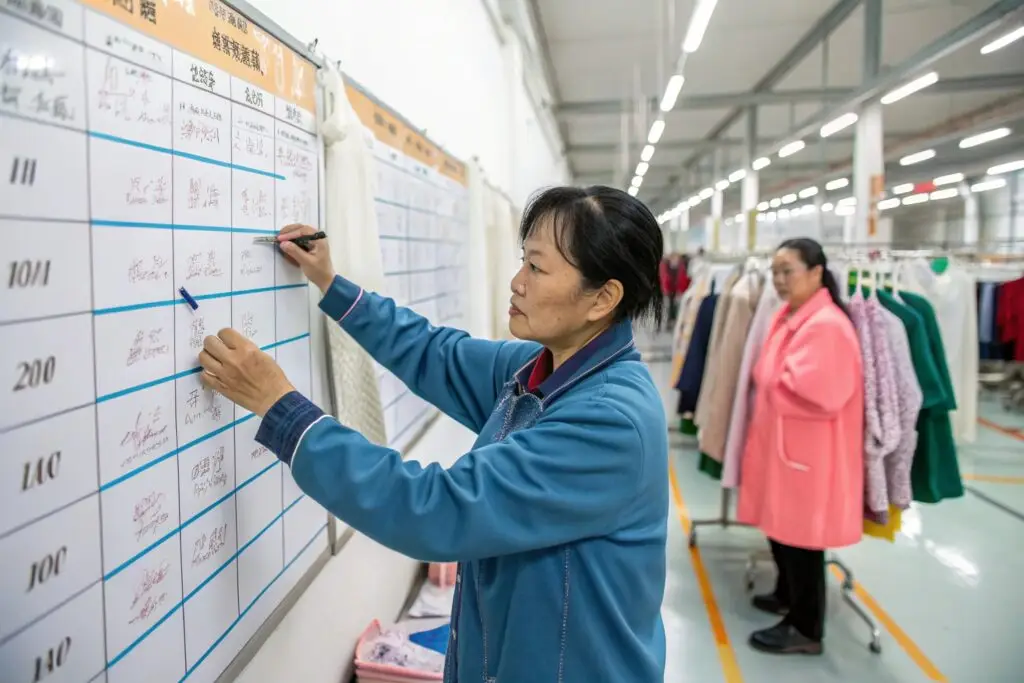
Why does breaking work into smaller steps1 help factories move faster while maintaining high quality?
Big tasks look overwhelming. Workers feel stressed. Details slip through. I saw it firsthand when teams tried to "do everything at once."
Now we slice every job into clear stages:
| Stage | Example in Production |
|---|---|
| Step 1 | Fabric inspection before cutting |
| Step 2 | Pattern cutting with digital templates |
| Step 3 | First sample sewing for checking |
| Step 4 | Bulk sewing after approval |
Smaller steps mean quicker spotting of mistakes. Quick fixes cost less time and money than fixing full batches after production.
How do clear checkpoints2 and fast feedback loops3 improve both delivery speed and product quality?
Without checkpoints, teams go too far down the wrong road. I learned that setting milestone reviews at each stage saves tons of rework.
At every checkpoint, we:
- Check sizing and stitching quality
- Match colors against standards
- Confirm prints and embroidery positions
Quick feedback keeps small problems from becoming big disasters. And the work moves forward faster with fewer doubts and pauses.
What did you do to ensure tasks were completed quickly without sacrificing quality?
Completing work fast and well is not about working harder. It is about working smarter, with discipline, clear goals, and built-in checks.
We ensure tasks are completed quickly without sacrificing quality by standardizing workflows, cross-training teams, setting clear priorities, and using the right technology.
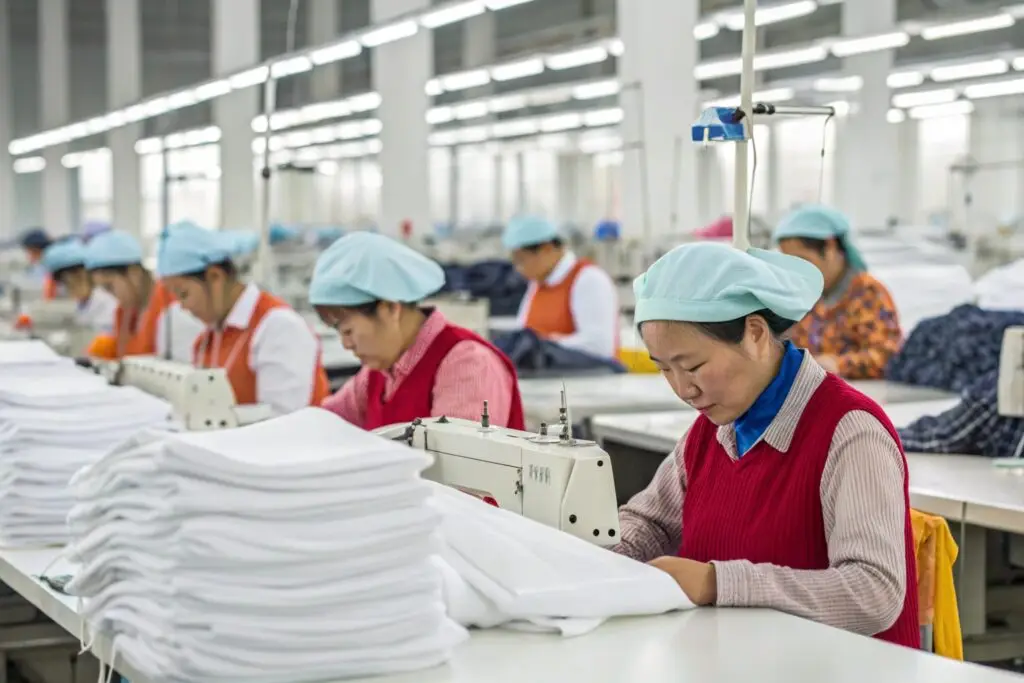
How do standardized workflows boost both speed and accuracy in clothing manufacturing4?
Before, every worker had their own way of sewing, labeling, or packing. Chaos. Mistakes multiplied. Orders delayed.
Now, every task follows a Standard Operating Procedure (SOP)5. No guessing.
| SOP Example | Key Elements |
|---|---|
| Sewing a hoodie | Specific stitch types, seam reinforcements, inspection points |
| Printing a logo | Pantone match required, alignment checks, drying time |
Workers don’t waste time asking "how"—they just focus on "doing it right."
How does cross-training workers6 across different skills help factories maintain speed under pressure?
If one worker is missing, the line shouldn’t stop. That’s why we cross-train.
Each team member learns 2-3 key tasks:
- Sewing + quality checking
- Printing + finishing
- Packing + final inspection
Cross-trained teams cover for each other. This flexibility keeps production moving even when surprises happen.
How do you handle multiple tasks without compromising quality?
Juggling many jobs at once risks spreading teams too thin. Without discipline, quality crumbles under the load.
We handle multiple tasks without compromising quality by planning daily capacity carefully, using time-blocking, prioritizing critical tasks, and staggering workloads.

Why is capacity planning7 critical when factories face multiple projects at the same time?
Overpromising kills companies. I learned this lesson the hard way. One peak season, I said yes to too many orders. Result: late shipments, refunds, lost clients.
Now, we plan:
| Element | Action |
|---|---|
| Worker capacity | Assign realistic daily targets |
| Machine hours | Schedule preventive maintenance |
| Production buffer | Always leave 10%-15% time gap for emergencies |
Accurate capacity plans allow us to accept more work without destroying quality or delivery dates.
How does time-blocking8 and staggered workload management9 help teams handle multiple tasks without errors?
Multitasking sounds cool but kills efficiency. We break it down into focused blocks.
Each production line focuses on one task at a time:
- 9:00-11:00 am: Sewing tops
- 11:30-1:30 pm: Attaching labels
- 2:30-5:30 pm: Packing finished pieces
Staggered shifts also reduce peak pressure. Quality inspectors check earlier batches while the next batch is still being sewn. No bottlenecks.
How do you maximize efficiency and profits while not sacrificing quality?
Efficiency should never mean cutting corners. It should mean smarter workflows, sharper skills, and better use of every resource.
We maximize efficiency and profits without sacrificing quality by using lean manufacturing, continuous training, smart supplier management, and real-time monitoring.
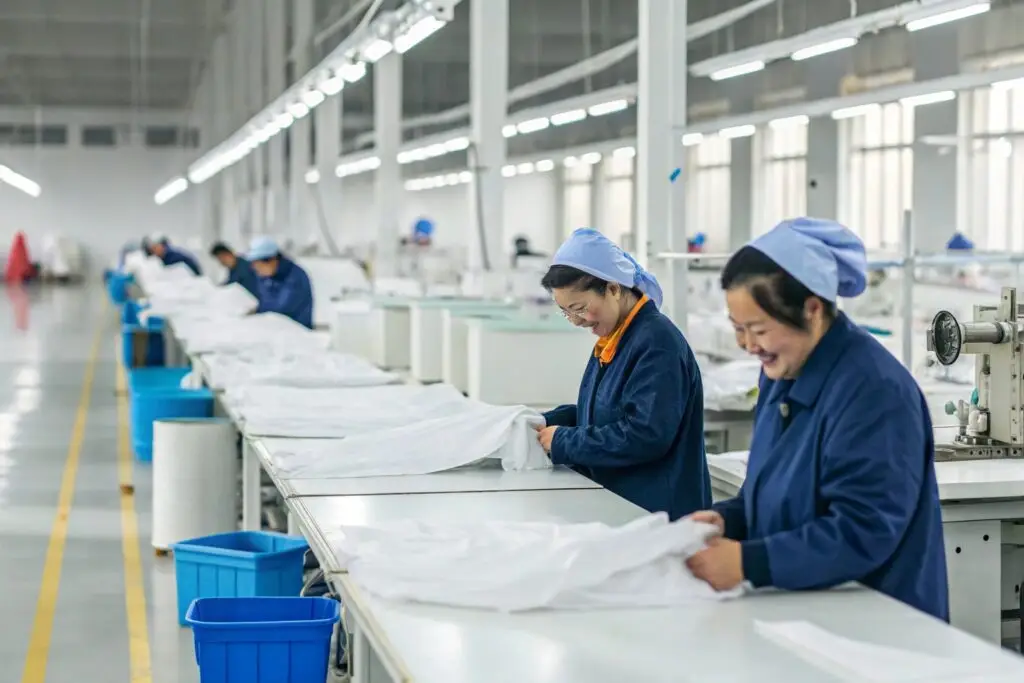
How does lean manufacturing10 help factories boost output and profits without hurting product standards?
When I first heard about lean methods, it sounded complicated. But once we tried it, results spoke loud.
Lean focuses on:
| Principle | Application |
|---|---|
| Eliminate waste | Remove extra steps in sewing and packing |
| Just-in-time production | Cut inventory costs |
| Continuous improvement | Small tweaks every week |
Lean helped us reduce fabric waste by 15%, cut production time by 20%, and improve product consistency—all at once.
How do supplier partnerships11 and real-time production tracking12 improve efficiency without risking quality?
Bad materials delay work. Slow communication kills deadlines. So, we built stronger supplier partnerships.
We require:
- On-time raw material delivery
- Pre-shipment checks by suppliers
- Immediate reporting of shortages
Inside our factory, we installed real-time tracking:
- Every batch scanned at each station
- Immediate alerts for delays
- Live dashboards for supervisors
Fast information = fast action = faster delivery without missing quality targets.
Conclusion
Handling fast turnaround without sacrificing quality is no accident. It takes clear systems, strong training, flexible teams, and constant monitoring. When we do it right, everyone wins—us, our partners, and our customers.
-
Exploring this resource will reveal how breaking tasks into smaller steps enhances productivity and quality in manufacturing processes. ↩
-
Understanding the role of checkpoints can help you grasp how they prevent errors and improve overall workflow in production environments. ↩
-
This link will provide insights into how rapid feedback mechanisms can significantly boost product quality and reduce rework in manufacturing. ↩
-
Discovering current trends in clothing manufacturing can help you understand innovations that boost speed and accuracy in the industry. ↩
-
Exploring this resource will provide insights into how SOPs enhance efficiency and reduce errors in manufacturing processes. ↩
-
This link will explain the advantages of cross-training in maintaining productivity and flexibility in manufacturing environments. ↩
-
Understanding capacity planning can help optimize production processes and improve efficiency in factories facing multiple projects. ↩
-
Exploring time-blocking can reveal effective strategies for managing tasks and enhancing team productivity without errors. ↩
-
Learning about staggered workload management can provide insights into reducing pressure and preventing bottlenecks in production. ↩
-
Explore how lean manufacturing principles can transform your factory’s efficiency and profitability without compromising quality. ↩
-
Discover the advantages of building strong supplier relationships to enhance efficiency and ensure quality in production. ↩
-
Learn how real-time tracking can streamline operations and improve response times in manufacturing processes. ↩