The plus-size apparel sector represents one of the fastest-growing segments in the fashion industry. As a brand owner or purchasing decision-maker, you recognize the substantial revenue potential in this market. However, sourcing technically proficient plus-size garments presents unique manufacturing challenges that extend beyond standard apparel production. Identifying a manufacturing partner with specialized expertise in extended sizing is crucial for commercial success.
Effective plus-size apparel sourcing demands manufacturing partners with specialized capabilities in graded spec sizing, inclusive pattern engineering, and extended size quality assurance protocols. This comprehensive guide outlines critical path methodologies for brands seeking to develop commercially viable plus-size collections with optimal fit, quality, and margin structures.
The market opportunity in extended sizing cannot be overstated, yet many brands encounter significant operational hurdles when expanding beyond standard size ranges. Successful plus-size production requires more than basic pattern scaling; it necessitates dedicated technical packages, specialized fit models, and manufacturing partners with proven experience in larger size constructions.
What Technical Design Elements Differentiate Plus-Size Manufacturing?
Plus-size apparel development requires fundamentally different engineering approaches compared to standard sizing. The manufacturing process must account for proportional body shape variations rather than simple dimensional increases.
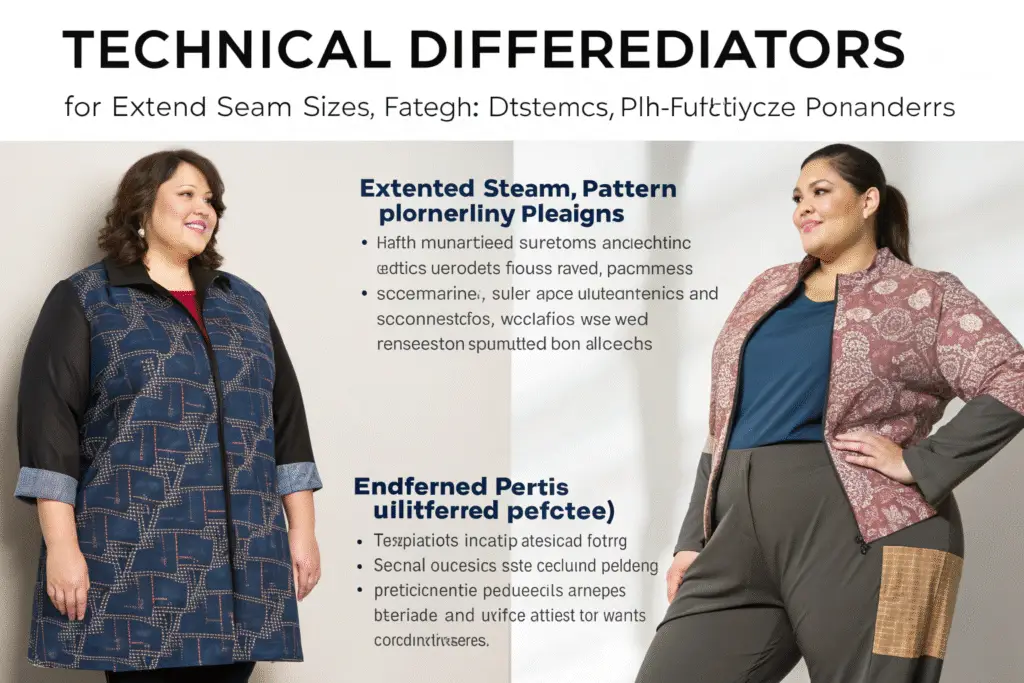
Technical differentiators in plus-size manufacturing include: specialized pattern block libraries for extended sizing, strategic seam placement for optimal structure, engineered fabric utilization for enhanced drape, and reinforced construction methods at stress points to ensure garment durability and consistent fit across the size range.
How does proportional pattern engineering impact fit?
Standardized grade rules consistently fail in extended sizing applications. We implement proportional pattern engineering that accounts for non-linear dimensional changes throughout the size spectrum. This methodology addresses critical fit points including armhole depth modifications, shoulder slope adjustments, and bust point positioning that varies independently from basic chest circumference increases. Our technical team utilizes specialized fit models across the size range to validate pattern proportions, ensuring consistent silhouette and comfort regardless of garment size.
What fabric performance specifications are critical?
Plus-size garments demand enhanced fabric performance specifications beyond standard requirements. We prioritize stability testing, recovery properties, and abrasion resistance for all materials. Woven fabrics require controlled bias movement and minimal torque, while knits must demonstrate consistent recovery across all directions. Our fabric library includes specialized substrates with optimized weight-to-drape ratios, ensuring flattering silhouettes without compromising durability. All materials undergo rigorous testing for pilling resistance, colorfastness, and dimensional stability specific to extended size applications.
What Quality Assurance Protocols Ensure Plus-Size Consistency?
Quality management in plus-size production requires enhanced inspection methodologies and specialized measurement protocols. Standard quality control checkpoints prove insufficient for addressing the unique requirements of extended sizing.
Comprehensive plus-size QA protocols incorporate: extended size range measurement verification, reinforced seam strength testing, fabric stress point analysis, and size-specific wear testing to validate garment performance, durability, and consistent fit across the entire production run.
What constitutes an effective plus-size inspection framework?
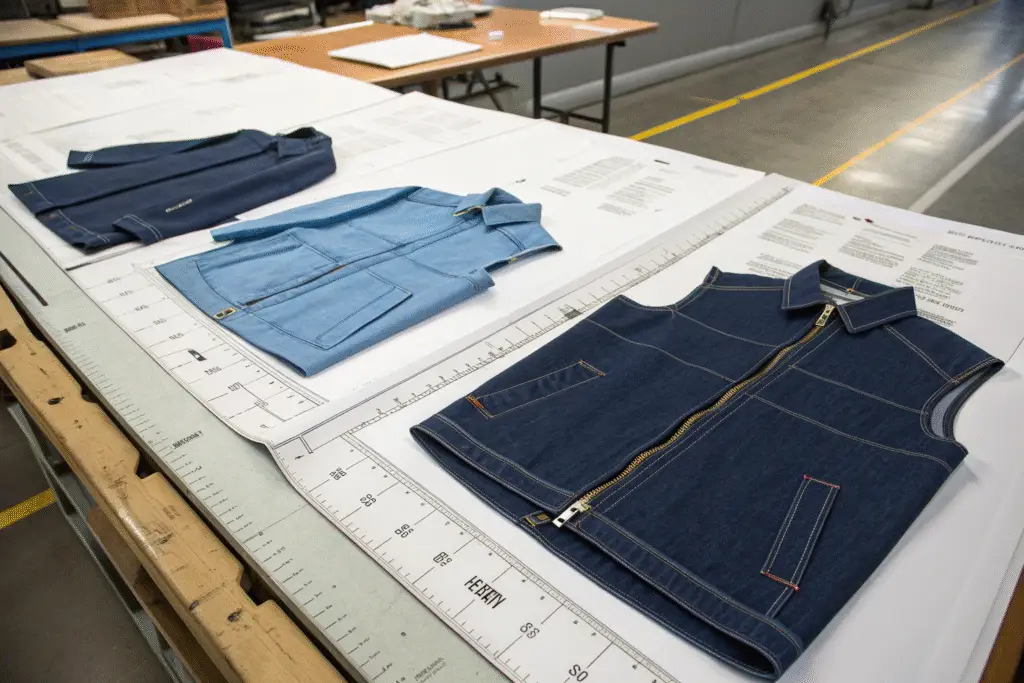
Our quality assurance framework for plus-size incorporates statistical process control methods with enhanced AQL sampling plans specifically calibrated for extended sizing. Inspection protocols include specialized measurement points such as cross-chest, cross-back, and armhole depth verification across the entire size range. We conduct reinforced seam testing with increased pull strength requirements and bar tack reinforcement validation at all stress points. Additional inspection criteria include placket stability, neckline integrity, and hem tension consistency to ensure professional finish standards throughout the size spectrum.
Why are production-approved duplicates essential?
Production-approved duplicates serve as the manufacturing blueprint for extended size collections. Unlike standard sizing where single size approval may suffice, plus-size production requires validation across multiple key sizes within the range. We mandate approval of minimum three base sizes (typically the smallest, middle, and largest in the range) to verify proportional grading integrity. These approved duplicates establish the standard for construction methods, stitch density, and finishing techniques specific to larger garments, ensuring consistent execution throughout production.
Which Sourcing Strategy Optimizes Plus-Size Production?
Selecting the appropriate sourcing model significantly impacts both development efficiency and production outcomes for extended size ranges. The operational complexity of plus-size manufacturing necessitates specialized partnership structures.
Optimized plus-size sourcing strategies typically incorporate full-package development models with manufacturers possessing dedicated extended size capabilities, comprehensive in-house technical expertise, and established supply chain relationships for specialized plus-size components and materials.

How does vertical manufacturing capability reduce production risk?
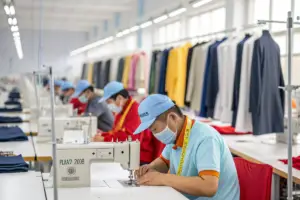
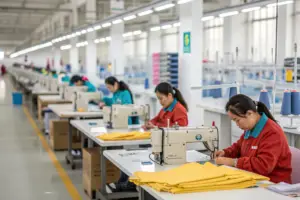
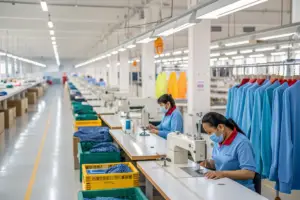
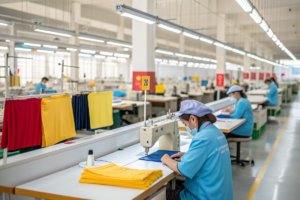
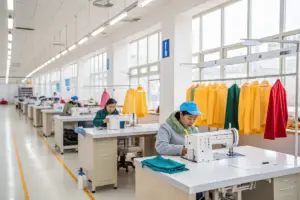
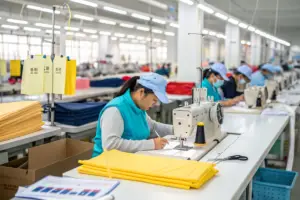
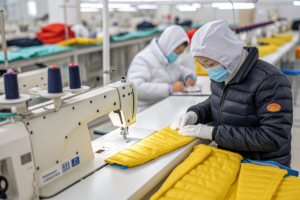
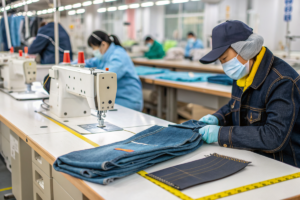
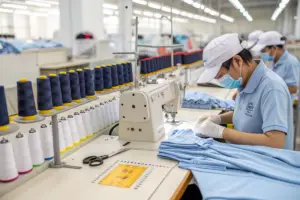
Vertical manufacturing capability significantly mitigates plus-size production challenges through integrated control of the entire production pipeline. Our facilities maintain specialized equipment configurations for larger pattern cutting, extended bed sewing stations for bulkier garments, and plus-size-specific pressing forms. This integrated approach eliminates communication gaps between pattern engineering, cutting, and assembly phases, ensuring consistent execution of technical specifications. Vertical control also enables real-time adjustments to construction methods and immediate quality intervention throughout the manufacturing process.
What minimum order quantity flexibility supports market testing?
Strategic minimum order quantity structures enable effective market testing while maintaining production viability. We offer tiered MOQ programs that accommodate development phases, beginning with pilot programs as low as 150-200 units per style for market validation. This approach allows brands to test multiple silhouettes with reduced inventory commitment before scaling successful styles to full production runs. Our flexible capacity planning supports seamless transition from development quantities to bulk production without compromising quality standards or lead time expectations.
How Should Logistics Planning Address Plus-Size Specifics?
Plus-size apparel logistics require specialized planning considerations due to dimensional characteristics, weight factors, and inventory implications distinct from standard sizing.
Strategic plus-size logistics planning must account for: dimensional weight calculations impacting freight costs, specialized packing methodologies to prevent garment distortion, inventory planning adjustments for size curve distribution, and customs classification considerations specific to extended size apparel.
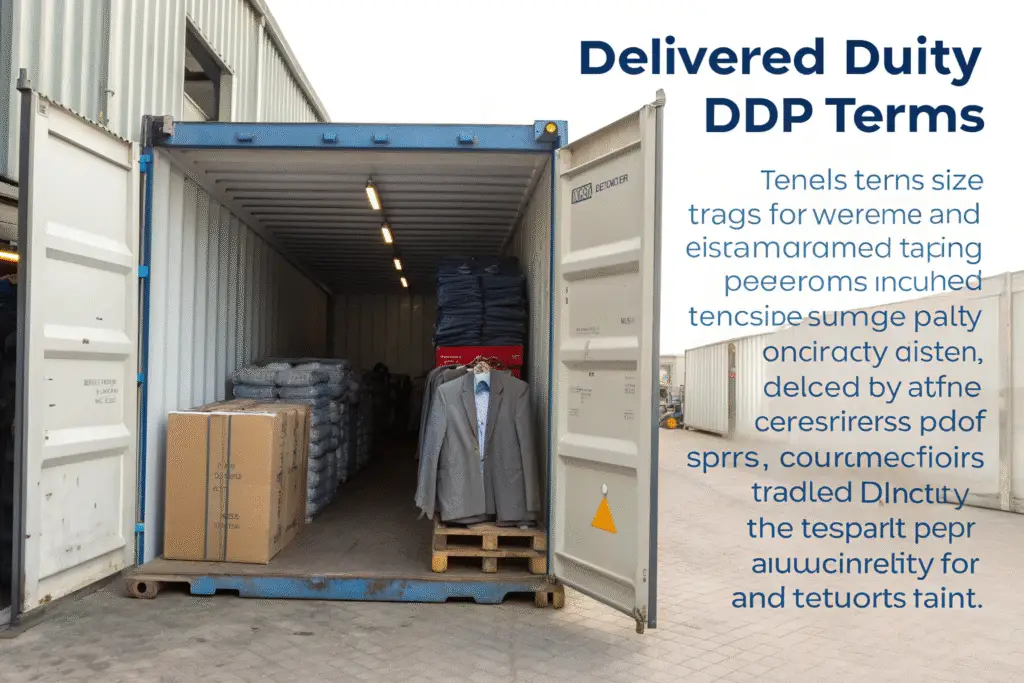
Why does DDP terms structure benefit plus-size importers?
Delivered Duty Paid terms provide significant advantages for plus-size importers by establishing predictable landed cost calculations. The dimensional variability of plus-size shipments creates freight cost uncertainties that DDP terms effectively mitigate. Our DDP program includes specialized carton optimization specifically configured for extended size garments, maximizing container utilization while preventing compression damage. This comprehensive terms structure provides complete cost transparency, simplified accounting, and single-point accountability throughout the shipping process, from factory exit to designated distribution center receipt.
What packing specifications protect plus-size garment integrity?
Plus-size packing specifications require enhanced structural considerations compared to standard apparel. We implement reinforced carton construction with increased burst strength ratings, internal partitioning to prevent garment compression, and specialized folding techniques that minimize crease points in critical areas. Knit programs utilize custom folding boards that maintain shoulder shape and prevent hanger distortion, while woven collections receive tissue interleaving at fold points to prevent sharp creasing. These specialized packing protocols ensure presentation-ready condition upon receipt at destination warehouses.
Conclusion
Strategic plus-size apparel sourcing demands manufacturing partnerships with demonstrated technical expertise in extended size engineering, specialized quality management systems, and operational flexibility to accommodate the unique requirements of this product category. Success in this market segment requires moving beyond standardized manufacturing approaches to implement specialized pattern engineering, reinforced construction methods, and logistics planning calibrated for plus-size characteristics.
The market opportunity in extended sizing continues to outpace overall apparel growth, presenting substantial potential for brands that establish technically proficient supply chain partnerships. By implementing the methodologies outlined in this guide, brands can develop commercially successful plus-size collections with optimal fit consistency, quality standards, and operational efficiency.
To discuss development of your plus-size collection with a manufacturing partner possessing specialized extended size capabilities, please contact our Business Director, Elaine, at elaine@fumaoclothing.com for a technical consultation.