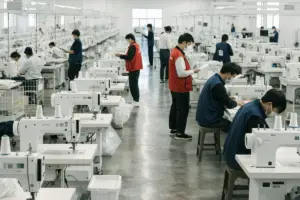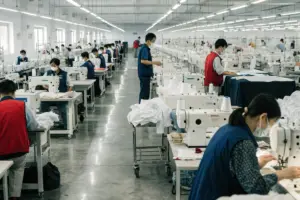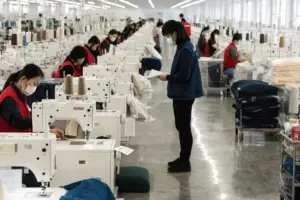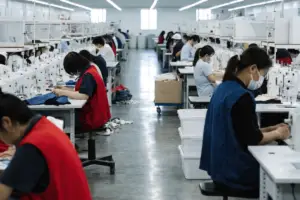
I used to believe the factory’s job was just to follow my specs. But that approach cost me speed, quality, and trust. I needed a partner, not just a vendor.
To choose a factory that supports client-centric strategies, look for manufacturers who understand your market goals, prioritize end-user satisfaction, and show flexibility in collaboration and problem-solving.
Factories are part of your customer journey. If they don’t care about your client, you’ll lose that client. Choosing the right factory means choosing someone who sees your buyer as their buyer too.
How to make a company more customer-centric?
At first, I only focused on pricing and logistics. Then one buyer told me, “Your garments look fine, but they don’t feel special.” That feedback changed everything.
To become more customer-centric, companies must understand buyer behavior, listen actively, and design their processes—from sourcing to packaging—around delivering real value and satisfaction.

How can I align internal processes to reflect my end customer’s needs more accurately?
I started sitting in on sales calls, even though I wasn’t the one selling. I needed to hear what customers liked, hated, and repeated. Then I took those notes back to my factory.
The biggest changes came from small insights:
| Customer Complaint | My Action with Factory |
|---|---|
| Tags are itchy | Switched to printed labels |
| Sizes are inconsistent | Requested stricter QC, added size charts |
| Delays ruin promotions | Built in 7-day buffer for shipping |
A customer-centric approach1 means every department—not just marketing—knows who the customer is and why they buy. That includes the factory floor.
What mindset shift2 is necessary inside my company to build toward client-first operations?
I used to think, “How do we ship fast?” Now I ask, “How do we make the buyer feel secure and supported?”
Customer-centricity isn’t about speed or cost—it’s about trust. When every team member sees the buyer as the boss, everything changes: the fabric choices, the way we package, how we reply to emails.
That shift starts with leadership but needs to become culture.
How can companies create a customer-centric supply chain culture that prioritizes exceptional service?
I once had a factory pack items perfectly, but they didn’t meet the marketing team’s color themes. We had to repack 5,000 units. That wouldn’t happen in a customer-focused supply chain.
To build a customer-centric supply chain, involve your suppliers in understanding the end-user, integrate customer feedback into your specs, and measure success by satisfaction, not just delivery.

What habits or workflows signal that a factory is customer-focused, not just production-focused?
Here’s what I now look for when I tour factories or review partners:
| Signal | Why It Matters |
|---|---|
| Sample iterations are fast3 | Shows they care about fit and feedback |
| Labeling follows brand guide | Means they read your manual |
| QC team includes buyers’ POV4 | Ensures final product meets real usage needs |
| Project manager asks about usage context5 | They’re thinking beyond the factory |
Customer-centric factories don’t just build products. They build solutions. That’s the difference.
How do I train my supply chain partners to care about the buyer experience?
I started with one meeting: I showed my factory owner photos of our clothes in real stores. Then I showed online reviews. It changed everything.
Now, I do monthly calls. We go over returns, top reviews, new campaigns. I ask them to suggest improvements too. When your factory feels like part of the customer journey, they behave differently.
What is the most important element to a customer centric marketing strategy?
I used to throw out promotions with discounts and hope they stuck. It wasn’t working. Then I realized: we never asked what our customers actually wanted.
The most important part of a customer-centric marketing strategy is deep customer understanding—knowing their pain points, lifestyle, and values to build relevant, tailored messaging and products.

How do I collect and use customer insights6 to shape marketing decisions?
I don’t just rely on Google data anymore. I read reviews, ask for post-purchase surveys7, and even DM past customers. These become our gold mine.
We track themes like:
- What phrases do buyers use most?
- What product features make them love or return?
- What Instagram comments get the most response?
Then we plug that into our marketing copy, product development, and even supply chain briefs.
How does this strategy affect my sourcing and factory selection?
If customers care about softness, I brief the factory to prioritize hand-feel tests. If they love “unboxing moments8,” I ask for upgraded packaging. This is how marketing feeds sourcing.
A customer-first strategy connects every piece—from ad copy to stitching thread. That’s real alignment.
Why might a business adopt a customer-centered approach to new product development?
We used to guess trends from fashion shows. Sometimes it worked. Other times, inventory sat unsold. Our win rate improved when we started asking buyers what they needed next.
Customer-centered product development uses real user data to inform design, function, and production decisions—ensuring better market fit and faster adoption.

What methods help brands develop new products with customer input from day one?
Here’s how I do it now:
| Stage | Customer Role |
|---|---|
| Idea Phase | Polls, wishlists, FAQs |
| Sampling Phase | Early testers, influencers |
| Finalizing | Beta group feedback |
| Launch | Pre-order campaigns, social previews |
The feedback doesn’t have to be high-tech. A simple IG poll once helped me decide which collar style to produce.
Letting customers help build products also builds loyalty. They feel part of it.
How do I involve my factory in this process without slowing down timelines?
Factories can feel rushed during sampling. But I found that when I explain why we’re testing a design—what customer problem we’re solving—they become invested too.
Now, I send a short “What This Product Solves9” note with every new development brief. My factory responds faster and with more thoughtful feedback. They help improve the solution, not just build a spec.
That’s what makes them partners, not vendors.
Conclusion
Client-centric strategies don’t start with marketing—they start with sourcing. When your factory shares your customer focus, every product becomes stronger, faster, and more valuable.
-
Understanding a customer-centric approach can transform your business by aligning all departments with customer needs, enhancing satisfaction and loyalty. ↩
-
Exploring the necessary mindset shift can help you foster a culture that prioritizes customer trust and satisfaction, leading to better business outcomes. ↩
-
Exploring this link will reveal how quick sample iterations enhance customer satisfaction and product fit, crucial for a customer-focused factory. ↩
-
This resource will explain the importance of integrating buyer feedback in quality control, ensuring products meet actual user needs. ↩
-
Discover how considering usage context can lead to better product design and customer satisfaction, a key trait of customer-focused factories. ↩
-
Exploring this resource will provide you with proven strategies to gather and utilize customer insights effectively in your marketing efforts. ↩
-
This link will help you understand the impact of post-purchase surveys on refining your marketing strategies and enhancing customer satisfaction. ↩
-
Discovering best practices for unboxing moments can elevate your product experience and boost customer engagement significantly. ↩
-
Learning to communicate product solutions can foster better collaboration with factories, enhancing product quality and speed. ↩