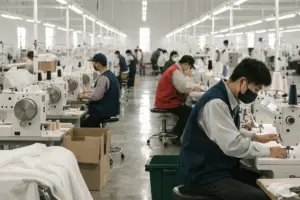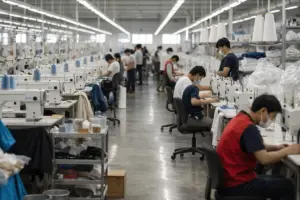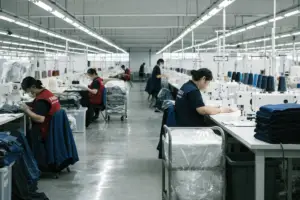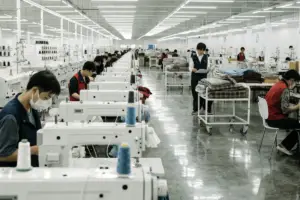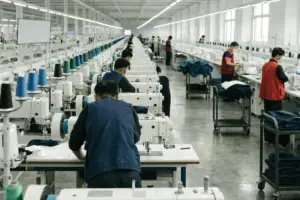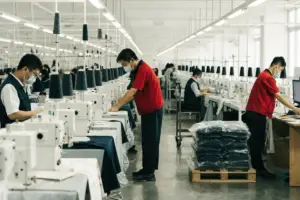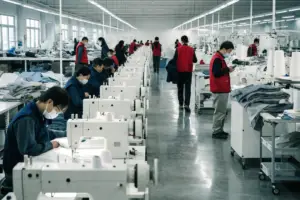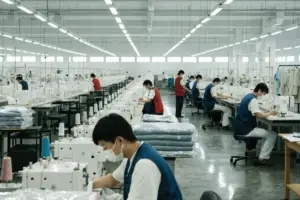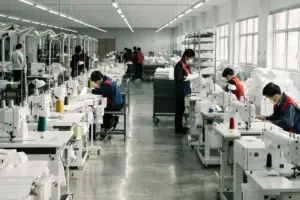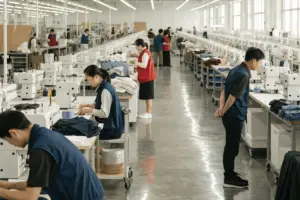
When I first studied Stitch Fix, I thought it was just another subscription box. But digging deeper, I realized their success came from a powerful, often overlooked weapon—supplier collaboration.
Stitch Fix’s model shows that working closely with suppliers—through data, feedback, and mutual trust—leads to better product fit, faster innovation, and higher customer loyalty.
Their strategy isn’t just about selling clothes. It’s about aligning suppliers with client needs at a whole new level.
What is the competitive advantage of Stitch Fix?
I used to think fast fashion brands had the biggest edge. But Stitch Fix proved that personalization—and supplier integration—can beat speed alone.
Stitch Fix’s competitive advantage lies in its deep personalization model, using data science and human stylists to deliver curated clothing selections that fit client preferences better than traditional retail.

What elements make Stitch Fix stand out in a crowded market?
| Competitive Edge | Why It Matters |
|---|---|
| Predictive Analytics1 | Forecasts customer style and fit needs |
| Inventory Optimization | Reduces waste, smarter buying |
| Supplier Collaboration2 | Adapts products faster to demand |
| Personalized Service3 | Higher retention and repeat orders |
By giving suppliers real-time customer feedback, Stitch Fix helps factories fine-tune sizing, cuts, colors, and fabrics—way faster than traditional seasonal cycles.
How can small brands learn from this?
Even without fancy AI, you can:
- Gather customer feedback regularly
- Share sales trends with suppliers
- Request flexible production options
- Co-develop styles based on real buyer demand
Partnership beats guessing every time.
What is the business model of Stitch Fix?
At first glance, Stitch Fix looks like a subscription service. But at its core, it’s a sophisticated blend of fashion, technology, and personalized logistics.
Stitch Fix operates on a direct-to-consumer business model, using data-driven styling services to offer personalized clothing selections for clients, with revenue from styling fees and clothing sales.

How does Stitch Fix’s model work step-by-step?
| Step | Description |
|---|---|
| Customer Profile4 | Clients fill out detailed style quizzes |
| Stylist + Algorithm | Human and AI collaborate on selections |
| Try-On at Home | Clients receive curated clothing boxes |
| Keep or Return | Pay for what you love, return the rest |
| Feedback Loop5 | Data from returns improves next picks |
Instead of relying on shoppers walking into stores, Stitch Fix sends the store to the client’s home—and lets them shop risk-free.
What makes this model scalable?
- AI improves with more users6
- Inventory is leaner and smarter
- Supplier collaboration shortens the design-feedback loop
- Personalized service drives loyalty and reduces CAC (customer acquisition cost)
It’s retail—and relationship-building—on a new level.
Today’s buyers care not just about price, but also about ethics. Stitch Fix understood this early and built responsibility into their operations.
Stitch Fix shows social responsibility by promoting sustainability, supporting supplier compliance programs, advancing diversity and inclusion, and minimizing inventory waste through smarter forecasting.

What initiatives show Stitch Fix’s commitment to responsibility?
| Area of Responsibility | Key Initiatives |
|---|---|
| Sustainability7 | Smarter inventory, eco-friendly fabrics |
| Supplier Ethics8 | Third-party audits, fair labor programs |
| Diversity & Inclusion9 | Diverse hiring, inclusive styling |
| Community Engagement | Donations, partnerships with nonprofits |
By avoiding traditional mass overproduction, Stitch Fix cuts down on landfill waste significantly compared to fast fashion brands.
What can new brands learn from this?
- Start sourcing with certified, ethical vendors
- Be transparent about your supply chain
- Design collections that prioritize longevity over trends
- Talk about your values authentically—not just for marketing
Social responsibility isn’t a side project anymore—it’s a business pillar.
What is Stitch Fix organizational culture?
Reading about Stitch Fix’s leadership taught me one thing: company culture isn’t about perks—it’s about process, communication, and empowerment.
Stitch Fix’s organizational culture emphasizes innovation, data-driven decision-making, collaboration, client obsession, and flexibility—balancing creativity with analytics.

What defines Stitch Fix’s internal environment?
| Cultural Element | How It Works |
|---|---|
| Data-First Thinking10 | Decisions backed by testing and metrics |
| Remote Flexibility | Stylists and teams work across regions |
| Client Obsession11 | Every department ties goals to client impact |
| Supplier Partnerships12 | Factories seen as collaborators, not vendors |
Their hybrid human-AI culture also fosters creative autonomy—stylists can suggest, override, or improve machine picks.
How does this culture impact suppliers?
Suppliers are seen as value creators, not just factories. Stitch Fix shares trend forecasts, fit data, and customer feedback early—so suppliers can align production strategies faster.
It’s a collaborative, feedback-driven system—not a transactional one.
Conclusion
Stitch Fix proves that brands who treat suppliers like partners—and build cultures of collaboration, data, and responsibility—don’t just survive. They change the industry. And for startups today, that’s the real roadmap to lasting success.
-
Understanding predictive analytics can help you leverage data to enhance customer experience and optimize inventory. ↩
-
Learning about supplier collaboration can improve your production efficiency and responsiveness to market trends. ↩
-
Exploring personalized service strategies can boost your brand’s customer loyalty and repeat business. ↩
-
Understanding the Customer Profile process is crucial for grasping how Stitch Fix personalizes its service, enhancing customer satisfaction. ↩
-
Exploring the Feedback Loop reveals how Stitch Fix continuously improves its offerings based on customer returns, ensuring better future selections. ↩
-
Learning about AI’s role in Stitch Fix’s model highlights the innovative technology behind personalized shopping experiences. ↩
-
Explore this link to understand how sustainability is reshaping the fashion industry and learn from leading examples. ↩
-
This resource will provide insights into maintaining ethical standards in sourcing and supplier relationships. ↩
-
Discover proven strategies for fostering diversity and inclusion, essential for modern businesses to thrive. ↩
-
Understanding Data-First Thinking can enhance decision-making in your organization, leading to better outcomes. ↩
-
Exploring Client Obsession can reveal strategies to enhance customer satisfaction and loyalty, crucial for success. ↩
-
Learning about Supplier Partnerships can help you build stronger, more collaborative relationships that drive innovation. ↩