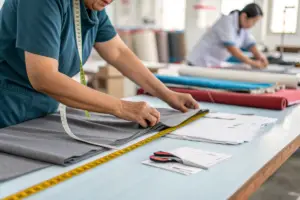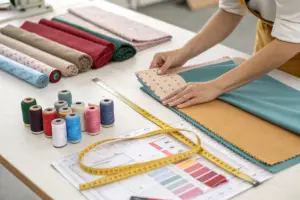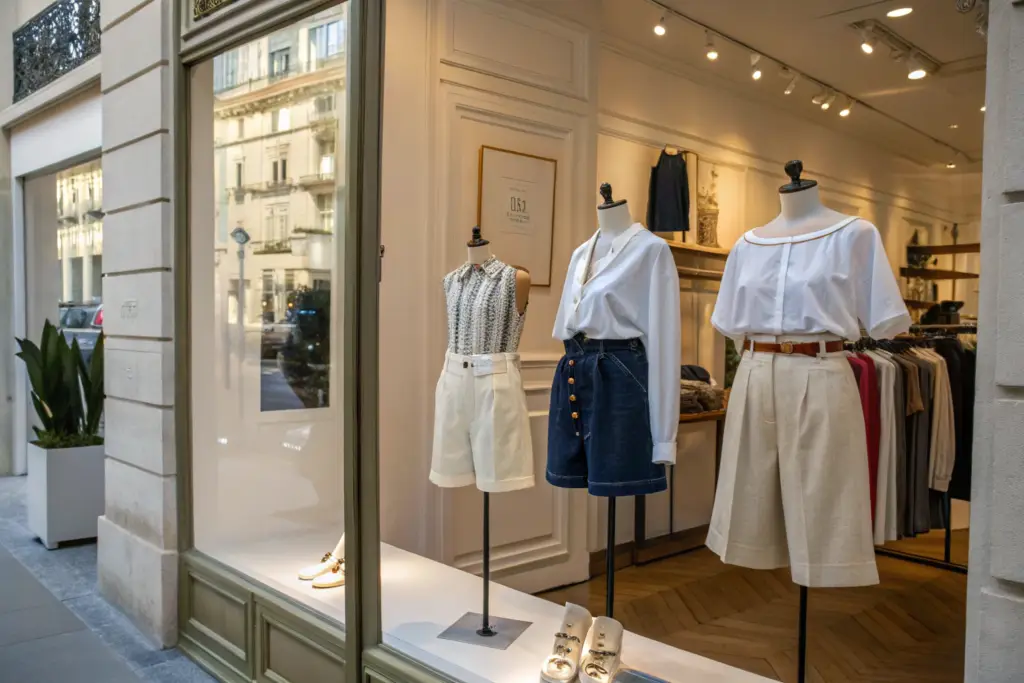
Three years ago, I flew to Paris for a trade show with a suitcase full of samples. I had classic shorts in premium Italian linen, in enzyme-washed organic cotton, in a beautiful sun-faded terracotta that I was certain would resonate with the European market. I set up my booth, arranged the samples perfectly, and waited. The buyers came. They touched the fabric, nodded politely, and moved on. By the end of the first day, I had collected exactly zero serious inquiries. That evening, I sat in a café with a French friend who owned a small boutique in Le Marais, and I asked him what I had done wrong. He picked up one of my samples, turned it over in his hands, and said, "These are beautiful shorts. But I can buy beautiful shorts from twenty suppliers. What makes these rare? What makes them mine?" That conversation fundamentally changed how I approach the Parisian market.
Marketing rare classic shorts styles to Parisian boutique owners requires a fundamental shift from selling product specifications to selling exclusivity, provenance, and narrative, because the Parisian boutique buyer is not searching for a garment to fill a gap on a rack but for a curated piece with a distinguishable origin story, a limited production guarantee, and an aesthetic viewpoint that aligns with the highly personal, authorial identity of their store.
At Shanghai Fumao, we have since built successful relationships with independent boutiques across Paris, from the Marais to Saint-Germain-des-Prés. The Parisian boutique market operates by different rules than the American wholesale market. The buyers are more design-literate, more protective of their curation, and more allergic to anything that smells of mass production. Understanding these rules is the difference between a polite dismissal and a long-term, high-margin partnership. Let me walk you through exactly how to position, present, and sell rare classic shorts to this unique and valuable customer.
Why Does Exclusivity Matter More Than Price for Paris Boutiques?
I once made the mistake of leading a presentation to a Parisian boutique owner with my best price. I told him about our competitive FOB, our efficient supply chain, our volume discounts. He listened politely, then asked a question that stopped me cold. "If your price is so low, how many thousands of these shorts are you making, and how many other stores will be selling them?" For him, a low price was not a signal of value. It was a signal of ubiquity. If the shorts were cheap, they were likely everywhere. And if they were everywhere, they had no place in his boutique.
Parisian boutique owners value exclusivity over price because their business model depends not on competing with department stores and e-commerce giants on volume, but on offering their customers a curated selection of products that cannot be found elsewhere, making a garment's rarity and the guarantee of territorial or production exclusivity the primary purchasing motivation, with price becoming a secondary consideration that is almost irrelevant if the exclusivity proposition is sufficiently compelling.
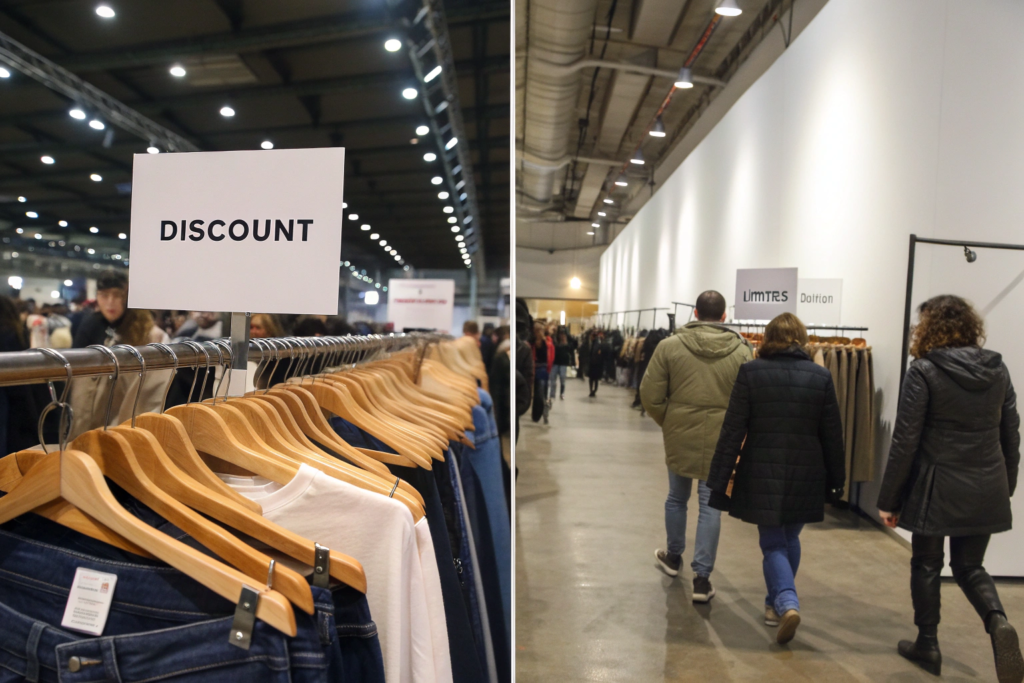
How Does the "Curator Identity" Drive Parisian Buying Decisions?
The owner of an independent Parisian boutique does not see themselves as a retailer. They see themselves as a curator, an editor of taste. Their store is not a distribution channel. It is a physical manifestation of their personal aesthetic vision. When they buy a pair of shorts, they are not just buying inventory. They are adding an object to their curated collection, and that object must be consistent with the story their store tells.
This curator identity means that the buyer must be able to explain to their customer why this short exists in their store. "It is a classic chino short" is not an explanation. "It is a classic chino short made from a deadstock French linen found in a shuttered mill outside Lille, cut in a limited run of fifty pieces, with buttons carved from reclaimed oyster shells" is an explanation. The story is the product as much as the fabric is the product. This Parisian boutique business model is built on the idea that the store offers something unavailable on the mass market. As a supplier, your job is to give the buyer the raw materials for that story. At Shanghai Fumao, when we develop products for our Parisian boutique partners, we focus on sourcing rare, small-batch fabrics and trims that have a provenance we can document. The story of the fabric's origin is part of what we are selling.
What Does Territorial Exclusivity Mean in Practical Terms?
For an American brand selling to American boutiques, territorial exclusivity might mean protecting a zip code or a neighborhood. For a Parisian boutique, territorial exclusivity often means the entire arrondissement, or even the entire Right Bank or Left Bank. Paris is a city of distinct neighborhoods, each with its own identity and its own fiercely loyal customer base. A boutique in the Marais does not want to see the same shorts in a boutique in Saint-Germain, even though the two neighborhoods are only a twenty-minute walk apart.
Offering genuine territorial exclusivity in Paris means being willing to accept smaller, more fragmented orders in exchange for higher margins and stronger relationships. It means keeping a map of your boutique partners and saying no to a new prospect if their location conflicts with an existing partner. This discipline is difficult for a factory accustomed to chasing volume, but it is the price of entry into the Parisian boutique market. This fashion wholesale exclusivity approach builds trust over time. Buyers talk to each other. A reputation for protecting your partners' territory travels fast in a city as compact as Paris. At Shanghai Fumao, we maintain a partner map and an exclusivity agreement for each boutique client. We have lost short-term orders by enforcing these agreements. We have gained long-term loyalty that has far outweighed the lost transactions.
How Do You Build a Narrative Around a Rare Shorts Collection?
Every garment has a story. Most factories just do not tell it. The fabric was sourced from a mill. The buttons were ordered from a supplier. The shorts were cut and sewn in a factory. These are facts, not a story. A story has specificity, emotion, and a sense of human connection. A story transforms a commodity into an artifact. When you are selling to a Parisian boutique buyer, the story is not a nice addition to the pitch. It is the pitch. The product is the physical evidence that the story is true.
Building a compelling narrative around a rare classic shorts collection requires documenting and communicating the specific provenance of every element that distinguishes the garment from a mass-produced equivalent, including the geographic and historical origin of the fabric, the artisanal techniques used in any special finishing or detailing, the design inspiration drawn from a specific cultural or historical reference, and the deliberate limitation of production that makes the collection a finite, collectible body of work rather than an ongoing inventory item.
How Do You Source and Document Fabric Provenance Stories?
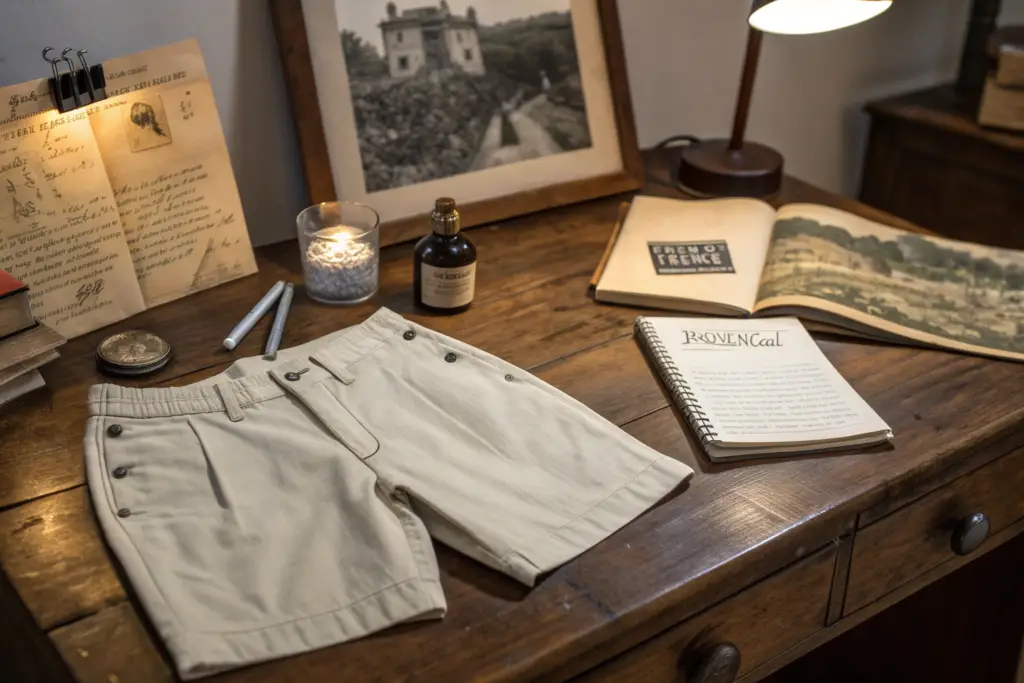
The fabric is the foundation of any garment narrative, and rare fabrics have the most powerful stories. A deadstock fabric carries a story of rescue and sustainability. A fabric from a specific, named mill carries a story of heritage and craftsmanship. A fabric made from an unusual fiber or an ancient technique carries a story of discovery and preservation.
The key is documentation. When we source a rare fabric for a Parisian boutique collection, we photograph the mill. We record the mill's history, the year it was founded, the generations of the family that have run it. We save the fabric selvedge with the mill's name woven into it, and we offer to include a small piece of that selvedge in the packaging as proof of provenance. If the fabric is deadstock, we document the story of its discovery. Where was it found? How much of it exists? Why is it special? This fabric provenance storytelling turns a physical material into an intellectual property asset. A Parisian boutique buyer can tell their customer: "The cotton in these shorts was woven by a third-generation mill in the Veneto region of Italy. The mill produced only enough fabric for our exclusive run of one hundred pieces." That story justifies a premium price and creates an emotional connection between the customer and the garment. At Shanghai Fumao, we build these provenance dossiers for our rare fabric collections and provide them to our boutique partners as part of their wholesale package.
What Role Does Limited Production Play in the Narrative?
The number matters. A short that is "limited edition" without a specific number is not limited. It is vague marketing. A short that is numbered, "Piece 17 of 100," is a collectible. The buyer knows exactly how rare it is. The customer who buys piece 17 knows that only 99 other people in the world own this short. That knowledge is part of the value.
The limited production run should be a genuine constraint, not an artificial marketing tactic. The constraint might come from the fabric supply. If the deadstock fabric roll was only 200 meters, that fabric can only make a specific number of shorts. The constraint might come from the production technique. If the shorts are hand-embroidered by a small atelier, the production capacity is naturally limited by human hours. The constraint should be documented and communicated. The boutique buyer can then market the shorts as a genuinely scarce object, not as a mass-produced item with a limited-edition hangtag. This limited edition fashion marketing approach is particularly effective in Paris, where the tradition of limited, numbered art editions extends from prints and books to clothing and accessories. A numbered pair of shorts is understood within a cultural framework that already values rarity, authenticity, and the artist's hand. At Shanghai Fumao, we have helped our boutique partners develop this numbering system, including hand-numbered labels and certificates of authenticity that accompany each pair.
What Presentation and Sampling Approach Wins Over Parisian Buyers?
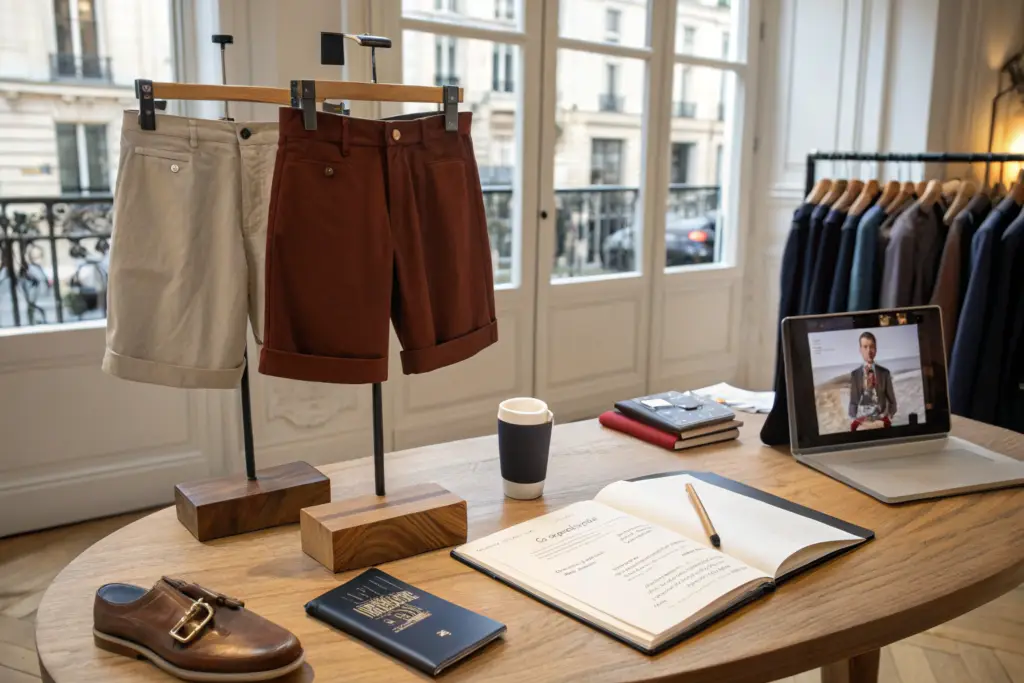
The way you present your shorts to a Parisian buyer communicates as much about your brand as the shorts themselves. A messy, overstuffed sample bag pulled from a rolling suitcase sends a message. A carefully edited selection of samples, presented with supporting materials in a calm, unhurried environment, sends a completely different message. The Parisian buyer is evaluating not just the product, but you as a partner. Your presentation is the first evidence of your taste level, your attention to detail, and your understanding of their world.
Winning over Parisian boutique buyers with your presentation requires an extreme edit of your collection to show only the most distinctive pieces, a sample quality that represents not just the factory's capability but a fully realized design vision with correct trims and finishing, and supporting materials including professional lookbook photography styled in a European context, a clear line sheet with wholesale pricing in euros, and fabric provenance documentation that the buyer can use directly in their own customer communications.
Why Is "Less Is More" the Golden Rule of Parisian Showroom Appointments?
When I present to an American department store buyer, they often want to see range. They want to understand that I can cover categories, that I have depth, that I am a reliable volume supplier. When I present to a Parisian boutique buyer, they want to see focus. They want to know what my point of view is. They do not want to dig through twenty mediocre styles to find the three good ones. They want me to have already done that editing work and to present only the three good ones.
I learned this through painful experience. My first Paris showroom appointment, I brought eighteen styles. The buyer looked overwhelmed, then bored. He chose nothing. My next appointment, I brought six styles. The buyer spent an hour with them, chose four, and placed an order. The lesson was clear. The edit is the value. The buyer is paying for your curatorial judgment, not your production capacity. This wholesale showroom presentation principle applies to every aspect of the appointment. Do not bring a printed catalog the size of a phone book. Bring a slim line sheet with a few perfectly chosen images. Do not talk for an hour about every feature. Let the buyer discover the product in silence, then answer their specific questions. The restraint is the signal of confidence and quality. At Shanghai Fumao, when we prepare for a Paris showroom season, we deliberately limit our displayed collection to a curated selection that tells a coherent story. We would rather show six perfect styles than sixteen adequate ones.
How Should Samples and Line Sheets Be Prepared for the French Market?
The French market has specific expectations around professional documentation that differ from the American market. The line sheet must be in euros, not dollars. The sizing must be in European sizes, or at minimum show a clear conversion chart. The fabric composition must be expressed in the format that French law requires for textile labeling. The wholesale price should be clearly stated, and the suggested retail price should be realistic for the Parisian market, where boutique markups follow a standard keystone or slightly higher model.
The samples themselves must be flawless. A Parisian buyer will notice a loose thread, a slightly crooked label, or an inconsistency in the stitching in a way that many buyers in other markets will not. The sample is a promise. If the promise is imperfect, the buyer will assume the bulk production will be worse. Beyond the sample, provide high-quality lookbook images that show the shorts styled in a European context. American styling cues, which can read as overly commercial or literal, do not always translate. The lookbook should feel like a editorial spread in a French fashion magazine, emphasizing mood, texture, and an effortless, slightly intellectual aesthetic. This fashion wholesale line sheet preparation signals to the buyer that you understand their market and their customer. At Shanghai Fumao, we provide all Paris-facing documentation in French alongside English, including the line sheet, the care instructions, and the provenance story. This investment in localization has paid for itself many times over in the strength of our boutique relationships.
How Do You Build Long-Term Partnerships with Parisian Boutiques?
The first order from a Parisian boutique is not the end of the sales process. It is the beginning of a relationship that, if nurtured correctly, will produce reorders, referrals, and collaborative product development opportunities for years. But the relationship must be maintained on the boutique's terms. The boutique owner is not waiting for your weekly check-in email. They do not want to be upsold. They want to know that you remember their specific taste, that you will protect their exclusivity, and that when they need something, you will respond with the same care and attention you showed during the first appointment.
Building enduring partnerships with Parisian boutique owners requires a post-sale relationship management approach that prioritizes long-term trust over short-term sales volume, including remembering and referencing the specific products and stories that resonated with each individual buyer, proactively offering exclusive early access to new collections before they are shown to other buyers, and maintaining the territorial exclusivity commitment even when a larger competing order is available, because the lifetime value of a loyal Parisian boutique relationship far exceeds the one-time revenue of a single bulk order.
What Does Boutique-Aftercare Look Like in the Parisian Context?
Aftercare in the Parisian boutique market is not about automated email sequences and discount offers. It is about personal, relevant, and infrequent communication that demonstrates you value the relationship as more than a transaction. A handwritten thank-you note after a first order carries significant weight in a culture that still values personal correspondence. A small gift of a rare fabric swatch or a sample of a new button material shows that you are thinking about the buyer's taste and future collections.
The most valuable aftercare is proactive information sharing. When you source a rare deadstock fabric, send a photograph and a few meters of sample yardage to your best boutique partners before offering it to anyone else. Give them the right of first refusal on limited materials. When you develop a new silhouette that you think would work in their specific boutique, based on your knowledge of their aesthetic, send them a private preview. This wholesale relationship management approach makes the boutique owner feel like a partner in your creative process, not a customer at the end of your sales funnel. At Shanghai Fumao, we maintain individual profiles for each of our boutique partners, noting their preferred silhouettes, their price sensitivity, the colors that sell best in their neighborhood, and their feedback on previous collections. When we have something that fits their profile, they hear about it first.
How Do You Turn a Parisian Buyer into a Brand Ambassador?
A satisfied Parisian boutique owner is the most powerful marketing asset available in the French fashion market. The boutique community in Paris is small, interconnected, and built on personal relationships and trust. A recommendation from one respected boutique owner to another carries exponentially more weight than any trade show display or email campaign.
The key to earning that recommendation is consistent, reliable performance over time. Deliver on time. Maintain quality. Protect exclusivity. When a problem arises, which it inevitably will, resolve it quickly and generously. A boutique owner who has had a production issue resolved with a credit and a personal apology will tell that story to their peers. A boutique owner who has seen their supposed "exclusive" short appear in a competitor's window will also tell that story, and the damage will be lasting. This fashion brand ambassador strategy in the Parisian context is organic and reputation-based. You cannot buy it with referral discounts. You earn it by being a genuinely good partner. At Shanghai Fumao, the majority of our new Parisian boutique relationships now come through direct referrals from existing partners. When a boutique owner introduces us to a colleague, we treat that introduction as a sacred trust. We know that our performance will reflect not just on us, but on the person who recommended us.
Conclusion
Marketing rare classic shorts styles to Parisian boutique owners is a discipline that has more in common with selling art than with selling apparel. The Parisian buyer is not motivated by price, volume, or convenience. They are motivated by exclusivity, provenance, and aesthetic alignment with their personal curatorial vision. The product must be genuinely rare, supported by a documented story of its origin and its making. The presentation must be severely edited, demonstrating that you have already exercised the curatorial judgment they expect from a partner. The samples and documentation must be flawless and localized to French market expectations. And the relationship must be nurtured over time with personal attention, proactive exclusivity offers, and an unwavering commitment to protecting their territory and their trust.
The reward for mastering this market is not just a series of purchase orders. It is partnership with some of the most taste-influential retailers in the world, whose endorsement can define a brand's reputation and open doors to the broader European fashion market. These relationships are built slowly, on a foundation of respect for the boutique's identity and a genuine commitment to the craft of garment making.
If you have rare, beautifully made classic shorts that deserve a home in Paris's best independent boutiques, and you want a manufacturing partner who understands how to present and protect your product in this unique market, we are ready to help. At Shanghai Fumao, we have spent years learning the language, the expectations, and the rhythm of the Parisian boutique world. Contact our Business Director, Elaine, at elaine@fumaoclothing.com. Let's prepare a collection that a Parisian buyer will be proud to put in their window.