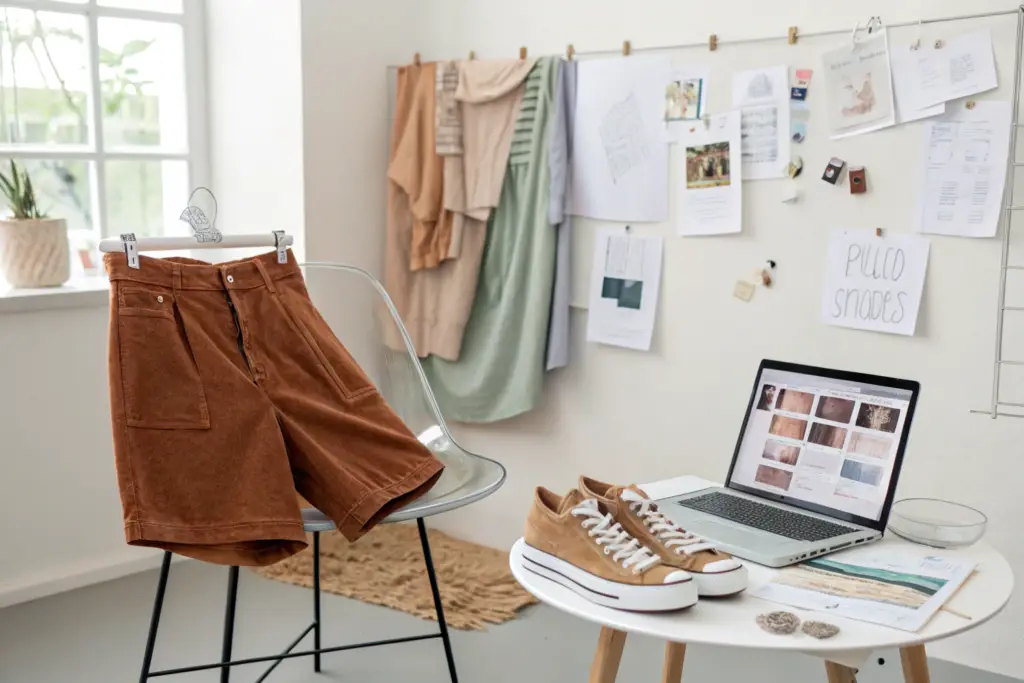
Six months ago, at a trade show in Paris, I watched a buyer from a major European department store spend fifteen minutes examining a single pair of shorts. He rubbed the fabric between his fingers, held it up to the light, and asked my colleague three different questions about the wale count. The shorts were not made from performance stretch fabric, not from recycled ocean plastic, not from any of the high-tech materials that dominate the trade show headlines. They were made from 100% cotton corduroy, in a soft pastel mint color, with an eight-inch inseam. He placed a trial order on the spot. A week later, I had similar conversations with two different American brand owners at a showroom in New York. The question was the same each time, asked with a mixture of hope and skepticism: "Is corduroy really coming back for spring and summer?"
The evidence from material sourcing data, runway collections, and early adopter brand sell-through rates indicates that classic corduroy shorts are positioned to be a significant commercial trend for Spring/Summer 2026, driven by the convergence of the ongoing 1970s nostalgia cycle, a post-pandemic consumer preference for tactile, comforting fabrics, and the fabric's unique ability to hold vibrant and pastel colors that align with the season's forecasted palette shift away from muted neutrals toward optimistic, saturated tones.
At Shanghai Fumao, we sit at the front end of the trend pipeline. Our fabric suppliers tell us which yarns are being booked heavily months before those fabrics appear in retail stores. Our brand clients share their early design concepts a year before they launch. I have learned to read these signals, and what I am seeing for the Spring/Summer 2026 season is unmistakable. Corduroy is being booked, sampled, and tested at levels I have not seen in the summer market in over a decade. Let me walk you through the evidence, the manufacturing realities, and the commercial opportunity.
What Is Driving the Corduroy Comeback for Warm Weather?
I remember when corduroy was strictly a fall and winter fabric. For two decades, it was confined to the back half of the retail calendar, a signal that summer was over and it was time to think about layering. The idea of wearing corduroy shorts in July would have seemed as strange as wearing a wool scarf to the beach. That boundary has been steadily dissolving. The same cultural forces that brought back dad sneakers, wide-leg jeans, and bucket hats are now turning their attention to corduroy, and the summer corduroy short is the logical culmination of that process.
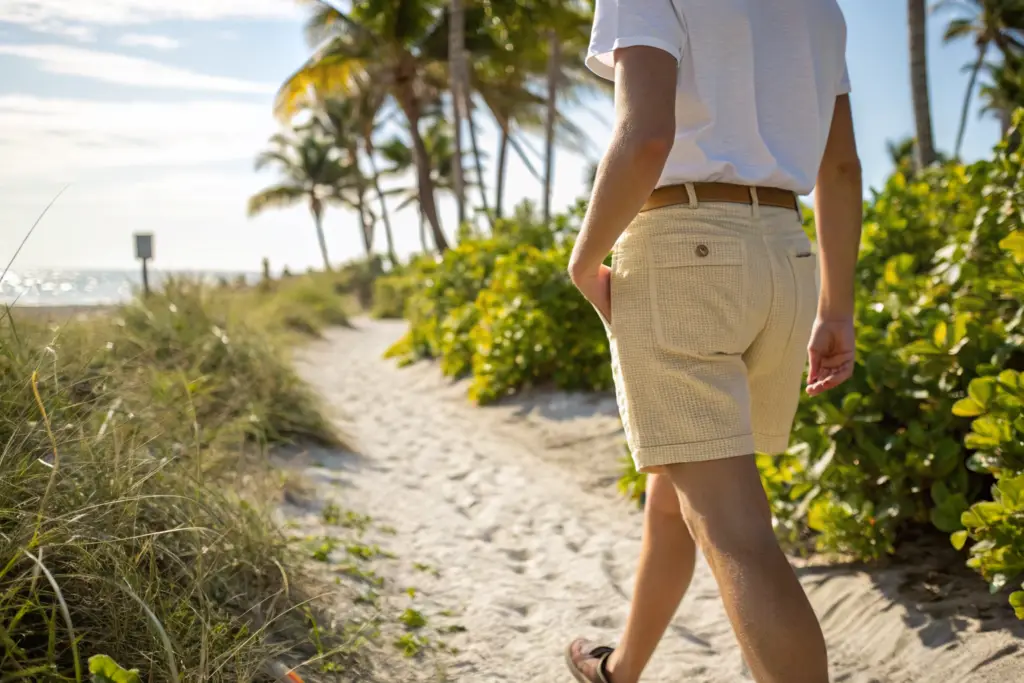
The resurgence of corduroy for warm weather is driven by a powerful 1970s nostalgia wave that has already revived wide-wale corduroy in streetwear and vintage fashion, a tactile comfort trend that sees consumers seeking fabrics with a soft hand feel and a sense of physical coziness even in non-winter contexts, and the fashion industry's constant search for novelty within a saturated shorts market where cotton twill and denim have reached peak familiarity.
How Is the 1970s Revival Specifically Fueling Corduroy Shorts?
Fashion nostalgia does not move randomly. It moves in roughly thirty-year cycles, but it often samples from multiple decades simultaneously. The current wave began with the 1990s revival, which brought back baggy silhouettes and dad-core aesthetics. That wave is now maturing and reaching backward to the 1970s, the decade that originally birthed many of the 1990s fashion references. Corduroy is one of the most potent visual signifiers of 1970s casual style.
Think of the iconic imagery. Tennis courts in the 1970s. California skate culture. The relaxed, sun-drenched aesthetic of that decade relied heavily on corduroy shorts paired with polo shirts, tube socks, and vulcanized sneakers. This imagery is highly Instagrammable and TikTok-friendly, which is why it is being revived by influencers and vintage sellers. A fashion trend cycles analysis would place the 1970s at the center of the current retro vortex. The corduroy fabric history is deeply tied to this era, when the fabric transitioned from workwear and academic clothing into mainstream casual fashion. Brands that understand this historical resonance are not just selling shorts. They are selling a piece of cultural nostalgia that resonates particularly strongly with Gen Z consumers who are discovering the 1970s aesthetic as something fresh and exotic rather than something their parents wore.
Why Is Tactile Comfort a Growing Consumer Demand in Summer Fabrics?
The pandemic fundamentally rewired consumer expectations around comfort. For two years, people lived in soft pants and cozy fabrics. When they returned to dressing for the outside world, they did not abandon the desire for physical comfort. They brought it with them. This has manifested in the rise of knit polos, elastic waistbands, and soft tailoring across the menswear and womenswear markets.
Corduroy is uniquely positioned to satisfy this demand for tactility. The cut pile surface of corduroy, those vertical ribs known as wales, is inherently soft to the touch. Running your hand over a fine-wale corduroy is a sensory experience that smooth cotton twill cannot replicate. This hand feel is a powerful point of differentiation in a retail environment where customers are browsing racks and touching fabrics. A short that feels good in the hand has a measurable advantage in conversion. This fabric hand feel consideration is driving interest in corduroy for seasons where it was previously absent. The key insight is that lightweight, fine-wale corduroy does not wear significantly warmer than a comparable weight cotton twill. An 8-wale corduroy in a 250 GSM weight is perfectly comfortable in spring and early summer temperatures. It is the association with heavy, wide-wale winter corduroy that creates the perception of warmth, not the actual thermal properties of the material.
Which Corduroy Wale Counts and Weights Work for Summer Shorts?
When a brand owner asks me about corduroy shorts, the first question I ask is not about color or style. It is about wale count. Wale count is the number of vertical ribs per inch of fabric. It determines the look, the feel, the weight, and the seasonal appropriateness of the corduroy. Choosing the wrong wale count for summer shorts is the single most common mistake I see brands make. They order a sample in a beautiful color, but the wale count is a heavy 4-wale meant for winter trousers. The shorts look great on the hanger and feel like a sauna on the body.
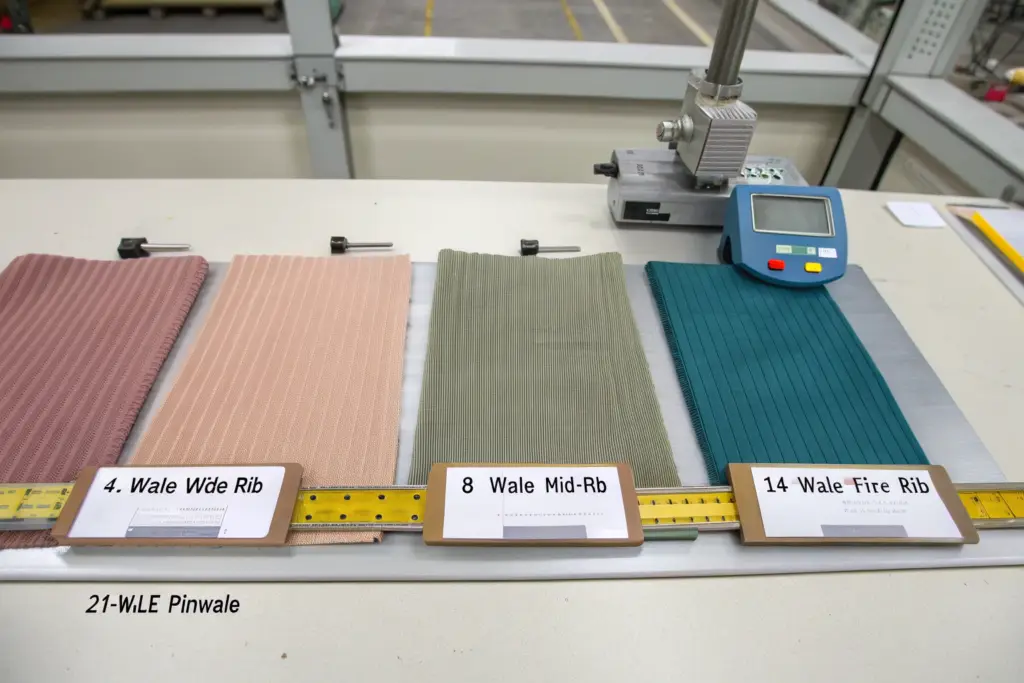
Summer-appropriate corduroy shorts require a wale count of 14 or higher, commonly referred to as fine-wale or pinwale corduroy, with a fabric weight between 200 and 260 GSM, because the higher wale count produces a thinner, more flexible, and more breathable fabric that drapes softly rather than standing stiffly away from the body, while the lower weight prevents the heat retention that makes traditional 4-wale winter corduroy uncomfortable in warm weather.
What Is the Difference Between Wide-Wale and Pinwale Corduroy?
The visual and functional difference between a 4-wale corduroy and a 16-wale corduroy is so dramatic that they are effectively different fabrics. Wide-wale corduroy, defined as 8 wales per inch or fewer, has thick, prominent ribs separated by deep valleys. This is the classic 1970s upholstery corduroy, the fabric of vintage sofas and heavy winter trousers. It is dense, stiff, and insulating. The deep wales trap air, which is excellent for warmth and terrible for breathability.
Pinwale corduroy, defined as 14 wales per inch or more, has very fine, closely spaced ribs that create a subtle, almost velvety texture rather than a prominent ridge pattern. The fabric is thinner, drapes more fluidly, and allows significantly more air circulation. A 16-wale or 21-wale corduroy is not recognizably "corduroy" to the average consumer from a distance. It reads as a textured cotton fabric with a soft sheen. Up close, the fine ribs become visible, revealing the fabric's identity. This corduroy wale guide distinction is the critical manufacturing decision for summer shorts. At Shanghai Fumao, we recommend a minimum of 14 wales for any short intended for spring or summer wear. The 16-wale and 21-wale options are the sweet spot, offering the authentic corduroy texture with the lightness and drape appropriate for a warm-weather garment.
What Fabric Blends Improve Corduroy's Summer Performance?
Traditional corduroy is made from 100% cotton, and 100% cotton corduroy is a beautiful material with a loyal following. However, it has performance characteristics that are less than ideal for summer. Cotton corduroy can wrinkle deeply, and the wrinkles in the pile can be difficult to refresh without steaming. It also absorbs moisture and can show sweat marks.
A small percentage of stretch fiber, typically 2% elastane, gives corduroy a comfort stretch that makes the shorts much more comfortable to move in. The stretch also aids in shape recovery, preventing the knee bagging that can occur with 100% cotton shorts after extended sitting. Some mills are now offering cotton-Tencel corduroy blends that combine the softness of Tencel with the texture of corduroy, producing a fabric with superior moisture management and a cooler hand feel. These sustainable corduroy fabrics are gaining traction with eco-conscious brands. Another innovation is the use of a lightweight, open-weave backing on the corduroy. The backing of the fabric, the flat woven base into which the pile yarns are inserted, can be constructed in a more breathable plain weave rather than a dense twill, improving air permeability without affecting the face appearance. At Shanghai Fumao, we have sourced a 240 GSM 16-wale corduroy with a cotton-Tencel blend and an open-weave backing specifically for summer shorts. The hand feel is exceptional, and the breathability test results show a significant improvement over standard 100% cotton corduroy of the same weight.
What Color Palettes Will Define the Corduroy Short Trend in 2026?
Color is the single most powerful lever for positioning a product as seasonal. A corduroy short in dark burgundy or forest green reads as autumn, no matter how lightweight the fabric. A corduroy short in butter yellow or soft lavender reads as spring and summer, no matter how textured the surface. The color palette for the 2026 corduroy short trend will be the decisive factor in whether the product succeeds commercially. The right color makes the customer see a fresh, seasonal item. The wrong color makes them see a winter leftover.
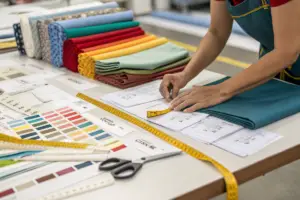
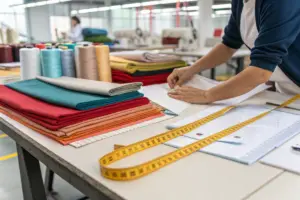
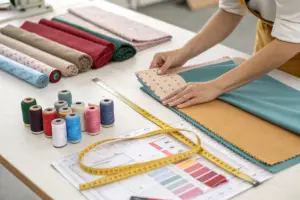
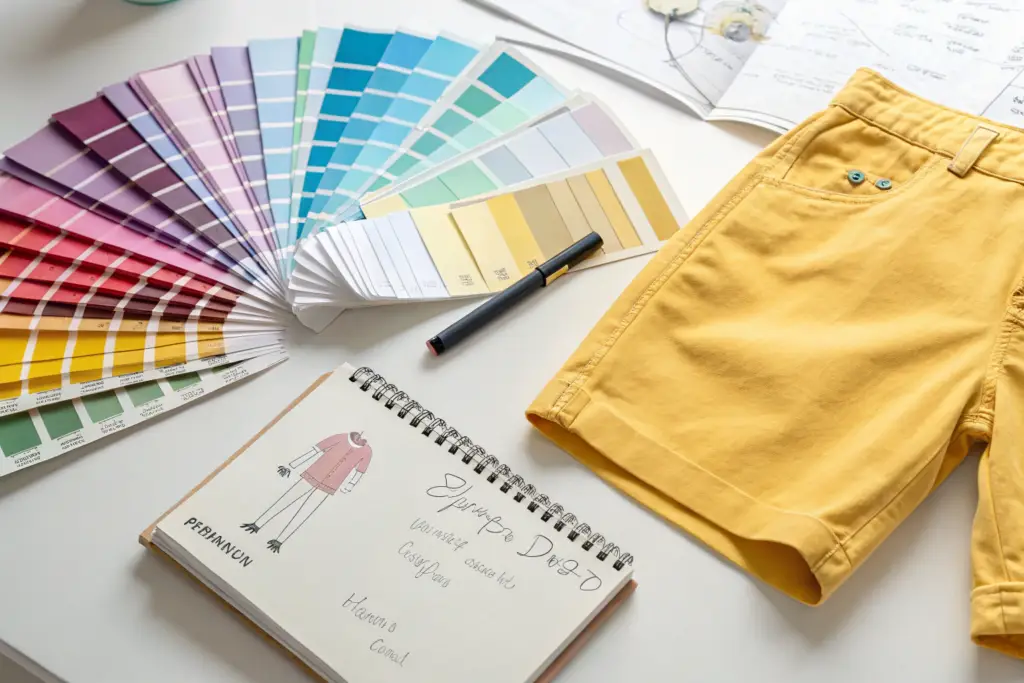
The Spring/Summer 2026 color palette for corduroy shorts will be defined by two parallel movements: a pastel range featuring butter yellow, soft lavender, mint green, and powder blue that leverages the unique ability of corduroy's pile to give pastels a depth and richness they lack on flat-woven fabrics, and a saturated earth-and-jewel range featuring terracotta, cobalt blue, coral pink, and emerald green that aligns with the broader seasonal trend toward optimistic, dopamine-bright dressing.
Why Do Pastels Work Exceptionally Well on Corduroy?
A pastel color on a standard cotton twill can often look flat, washed out, and cheap. The smooth surface of the twill reflects light evenly, which can make a pale color appear insubstantial. Corduroy solves this problem through its pile structure. The vertical ribs create a surface that catches light differently depending on the viewing angle. The tops of the wales reflect light, while the valleys between them absorb light.
This interplay of light and shadow gives a pastel corduroy a visual depth and richness that the identical dye formula cannot achieve on a flat weave. A butter yellow corduroy short looks luminous and dimensional. A mint green corduroy short has a velvety softness that a mint cotton twill lacks. This property makes corduroy an exceptionally good vehicle for the pastel color trend that is forecasted for Spring/Summer 2026. The Pantone color trends Spring Summer 2026 reports from early forecasters are pointing toward a palette that balances soft, nostalgic pastels with vibrant, saturated brights. Corduroy can serve both halves of this palette. The fabric elevates the pastels and gives the brights a textural richness that prevents them from appearing garish.
How Do Saturated Earth Tones Create a Different Market Position?
While pastels will appeal to the resort wear and contemporary fashion segments, saturated earth tones and jewel tones position corduroy shorts for the menswear and streetwear markets. A terracotta corduroy short has a distinctly 1970s California aesthetic that aligns with the vintage trend. A cobalt blue corduroy short reads as bold, fashion-forward, and photographically striking.
These saturated colors take advantage of corduroy's ability to hold dye deeply. The pile structure absorbs dye into the vertical fibers, producing a color saturation that can be richer than what is achievable on a standard woven cotton. The fashion color psychology of these saturated tones is one of confidence and optimism, which aligns with the post-pandemic consumer desire for clothing that feels celebratory rather than somber. At Shanghai Fumao, our sampling for the Spring/Summer 2026 season is heavily weighted toward both ends of this color spectrum. We are cutting samples in pastel lavender and butter yellow for our women's resort wear clients, and in terracotta and deep teal for our menswear and unisex streetwear clients. The feedback from early showroom presentations has been overwhelmingly positive.
What Are the Manufacturing Challenges of Corduroy Shorts?
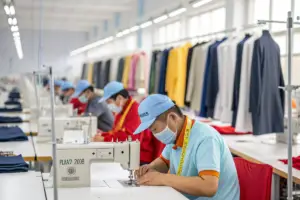
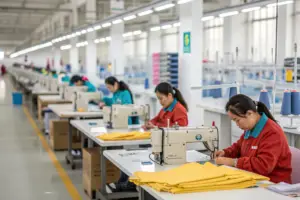
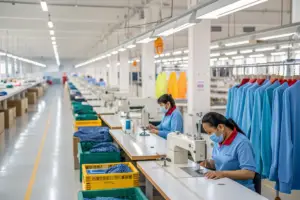
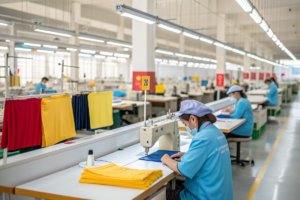
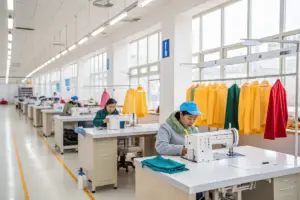
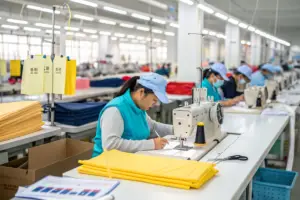
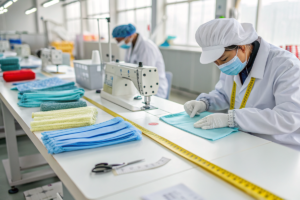
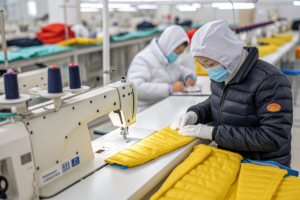
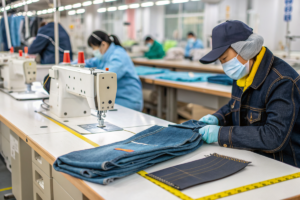
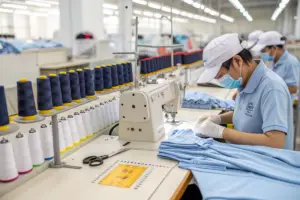
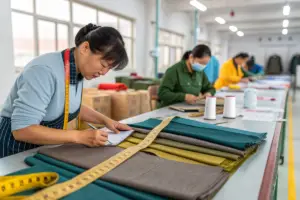
I have trained many sewing line supervisors over the years, and the ones who have never worked with corduroy always make the same set of mistakes on their first run. They treat the fabric like a standard cotton twill, and within hours, the production line is producing shorts with mismatched color panels, crushed pile, and seams that look wavy and distorted. Corduroy is not a difficult fabric to sew, but it is a specific fabric, with specific behavioral characteristics that must be respected. A factory that does not understand these characteristics will produce a poor-quality corduroy short regardless of how good the raw fabric is.
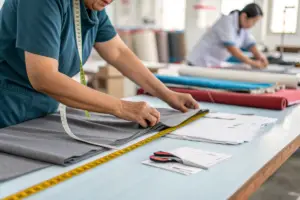
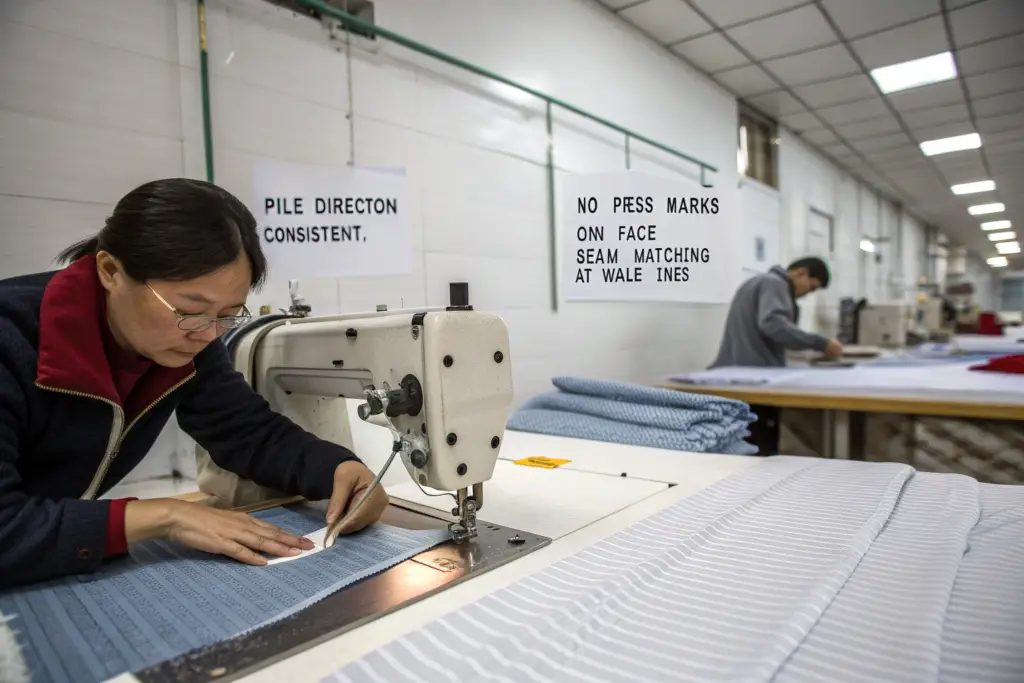
Manufacturing corduroy shorts successfully requires strict adherence to three specialized protocols: all pattern pieces must be cut with the pile direction running consistently, typically upward for a richer color appearance, to prevent the finished garment from appearing to have different color panels under light; the fabric must be handled with care during pressing to avoid crushing the pile, requiring a velvet board or a needle board rather than a standard flat press; and seam construction must account for corduroy's tendency to slip by using a slightly wider seam allowance and a shorter stitch length than standard cotton twill.
Why Is Pile Direction the Critical Cutting Consideration?
Corduroy has a nap, a directional pile that reflects light differently depending on which way the fibers are lying. If you run your hand over a piece of corduroy in one direction, it feels smooth. In the opposite direction, it feels rough. This directional property has a visual consequence. A piece of corduroy cut with the pile running upward will appear darker and richer in color. The same fabric cut with the pile running downward will appear lighter and slightly shiny.
If a pair of shorts is cut with the front panel pile running upward and the back panel pile running downward, the two panels will appear to be different shades even though they are cut from the same roll of fabric. This is a quality defect that is immediately visible and completely avoidable. The entire cutting process must be planned around pile direction. All pattern pieces must be laid in the same orientation relative to the fabric roll. This reduces cutting efficiency because the pieces cannot be nested as tightly, but it is non-negotiable for quality. This corduroy cutting techniques protocol is the first thing I check when I walk through a factory producing corduroy garments.
How Does Corduroy Handle Differently During Sewing and Finishing?
Corduroy has a plush, thick surface that creates two challenges during sewing. First, the fabric layers can shift against each other because the pile surfaces do not grip each other the way two flat woven surfaces do. This leads to seam slippage, where the two layers of fabric slide apart during stitching, resulting in a mismatched seam. Second, the thick pile can be crushed by the presser foot of the sewing machine, leaving a permanent flattened track next to the seam.
The remedies are straightforward but must be implemented consistently. Use a walking foot or a dual-feed mechanism on the sewing machine to feed both layers of fabric evenly. Increase the seam allowance slightly, from the standard 3/8 inch to 1/2 inch, to provide more fabric for the seam and more tolerance for any slight shifting. Use a slightly shorter stitch length, around 2.5mm to 3mm, to create more perforations and reduce the risk of seam grin. During pressing, never press the face of the corduroy directly with a standard flat iron. The heat and pressure will permanently crush the pile, leaving a shiny, flat patch. Use a velvet board, a specialized pressing surface with fine needles that support the fabric from underneath while allowing the pile to remain upright. Alternatively, steam the garment from the back side only, or use a needle board. These corduroy sewing tips are the difference between a factory that produces premium corduroy shorts and one that produces shorts that look damaged before they are even worn.
Conclusion
The evidence is converging from multiple directions. The fashion cycle is pulling the 1970s back into view, and corduroy is one of the most potent visual signifiers of that decade's relaxed, tactile style. The consumer demand for fabrics that feel good to touch has not retreated with the pandemic; it has become a permanent expectation. The color forecasters are pointing toward a Spring/Summer 2026 palette of soft pastels and saturated brights, both of which look exceptional on corduroy's light-catching pile surface. And the manufacturing supply chain, from the yarn spinners to the fabric mills to the cutting tables, is already booking and sampling fine-wale corduroy for summer shorts at volumes that suggest a significant commercial commitment, not a niche experiment.
The brands that will win with this trend are the ones that understand the technical nuances. A summer corduroy short is not a fall corduroy pant cut short. It requires a fine-wale fabric in a lighter weight, a color palette that reads as warm-weather, and a factory that knows how to handle the pile direction, the seam slippage, and the pressing requirements that separate a premium corduroy garment from a poorly made one. The opportunity is there for brands that move early, commit to the right specifications, and market the fabric's unique tactile and visual properties effectively.
If you are considering adding corduroy shorts to your Spring/Summer 2026 line and want to ensure you are working with the correct wale count, weight, and construction from day one, we are ready to share our material sourcing and production expertise. At Shanghai Fumao, we have already developed a library of summer-weight corduroy fabrics with our mill partners and have the cutting and sewing protocols in place to execute them flawlessly. Contact our Business Director, Elaine, at elaine@fumaoclothing.com. Let's get ahead of the trend before your competitors even see it coming.