About eighteen months ago, a brand owner from Scottsdale called me with a problem. His men's golf brand had been dormant for three years. He had built a loyal following in the early 2010s with traditional cotton pique polos and flat-front khaki shorts, but the market had moved on. The young golfers he needed to attract were wearing athletic-fit shorts from companies that had nothing to do with golf, and the older golfers who remembered his brand were aging out of the sport. He wanted to relaunch, and he wanted the relaunch to be anchored by a classic short that could compete on the modern golf course. His question was deceptively simple: "Do I go with the cotton twill that made my brand, or do I switch to performance fabric?" I told him the answer was not either-or. It was both, and the specific way he combined classic design with performance fabric would determine whether his relaunch succeeded or disappeared into a market already crowded with options.
Classic performance fabric shorts are not only suitable for a men's golf brand relaunch but are arguably the optimal product anchor for such a relaunch, because they resolve the fundamental tension between the heritage aesthetic that gives a golf brand its identity and the technical performance that the modern golf consumer demands, allowing the brand to credibly claim both tradition and innovation in a single, high-margin, repeat-purchase product category.
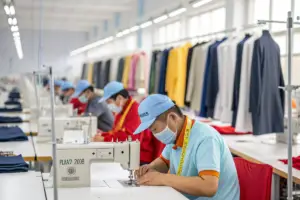
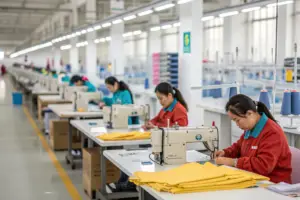
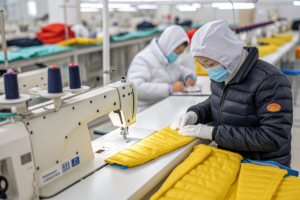
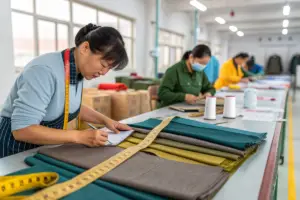
At Shanghai Fumao, we have manufactured shorts for golf brands ranging from heritage labels to direct-to-consumer startups. I have watched the golf apparel market transform over the past decade from a narrow, traditional category into one of the most technically demanding segments in menswear. The brands that have navigated this transformation successfully are the ones that understood that the fabric does not define the brand; the design language, the fit, and the quality consistency define the brand, and the fabric is simply the material that delivers the performance the modern golfer expects as a baseline requirement. Let me walk you through why this category works so powerfully for a relaunch, and how to execute it correctly.
What Performance Features Do Modern Golfers Expect in Shorts?
The modern golfer does not change his expectations when he walks from the gym to the golf course. He wears moisture-wicking, four-way stretch, odor-resistant fabric to the gym, and he expects the same performance from his golf apparel. The brands that understand this are capturing market share. The brands that still think a cotton twill short with a wrinkle-resistant finish is adequate are losing it. The performance baseline has shifted permanently, and a relaunch that does not meet this baseline will fail before it starts.
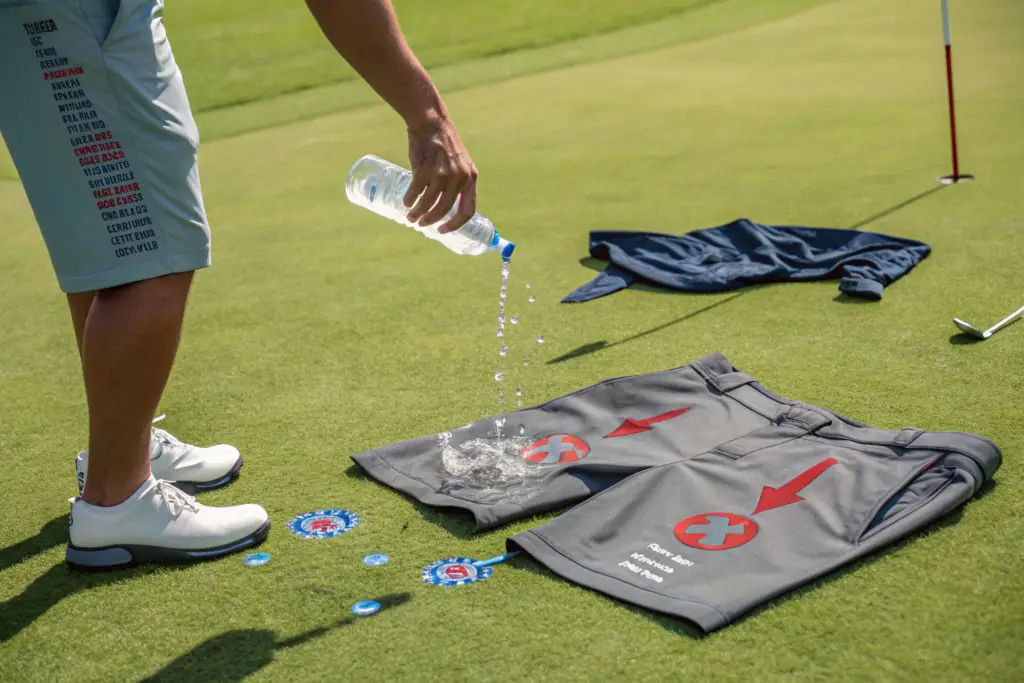
The modern golfer expects four non-negotiable performance features in his shorts: four-way mechanical stretch that provides unrestricted range of motion through the full golf swing without fabric binding or pulling, moisture-wicking capability that actively moves sweat away from the skin to the fabric surface for rapid evaporation, water-repellent or water-resistant finishing that causes light rain and morning dew to bead on the surface rather than soaking into the fabric, and odor control technology that prevents bacterial growth during four hours of physical activity in warm conditions.
Why Is Four-Way Stretch the New Minimum Requirement?
A golf swing is one of the most biomechanically demanding movements in sport. The hips rotate, the knees flex, and the thighs engage under tension. A fabric with two-way stretch, which stretches horizontally but not vertically, will bind and pull at the knee and hip during the swing. The golfer may not consciously identify the fabric restriction as the problem, but he will feel uncomfortable and associate that discomfort with the shorts and the brand.
Four-way stretch fabric contains elastane fibers knitted or woven in both directions, allowing the fabric to stretch and recover equally in all dimensions. The stretch percentage is typically 20% to 30% in both directions for a quality performance woven. The recovery is as important as the stretch. A fabric that stretches but does not recover will bag at the knee and seat after a few hours of wear. The recovery test, which measures the fabric's ability to return to its original dimensions after stretching, should show at least 95% recovery. This combination of stretch and recovery allows the golfer to move freely and the short to maintain its tailored appearance throughout the round. This golf apparel fabric technology has become the entry-level requirement for any brand competing in the modern golf market. At Shanghai Fumao, we specify a minimum of 25% four-way stretch and 95% recovery for all performance fabric shorts destined for golf brands.
How Does Moisture Management Differentiate Premium Golf Shorts?
A golfer spends four hours in direct sunlight, often in temperatures exceeding 85 degrees Fahrenheit. He will sweat. The question is not whether he sweats but what happens to the moisture. In a cotton short, the sweat is absorbed into the fiber, where it stays, creating visible wet patches, adding weight to the fabric, and causing chafing. In a properly engineered performance short, the sweat is moved away from the skin through capillary action and spread across the fabric surface for rapid evaporation.
Moisture wicking is achieved through a combination of fiber cross-section engineering and fabric construction. Polyester and nylon fibers can be extruded with irregular cross-sections that create channels along the fiber surface, drawing moisture away from the skin through capillary action. The fabric is often constructed with a double-knit or double-weave structure, where the inner face, against the skin, is engineered for wicking and the outer face is engineered for evaporation and a clean appearance. Premium golf shorts also often incorporate a cooling finish, a treatment that enhances the fabric's thermal conductivity, making it feel cool to the touch and accelerating evaporation. This moisture wicking technology is the difference between a short that feels heavy, wet, and uncomfortable by the back nine and a short that the golfer forgets he is wearing. At Shanghai Fumao, we test moisture management performance using the AATCC 195 standard, which measures wetting time, absorption rate, spreading speed, and overall moisture management capability.
How Do You Balance Classic Design with Technical Fabric?
The most common mistake I see in golf brand relaunches is a sudden, total abandonment of the brand's design heritage in pursuit of performance. The brand that was known for classic, tailored shorts suddenly launches a collection of slim-fit, athletic-cut shorts in neon colors with visible logos. The existing customers feel alienated. The new customers do not see a coherent brand identity. The relaunch fails not because the products are bad but because the brand lost its design language in the translation to performance fabrics.
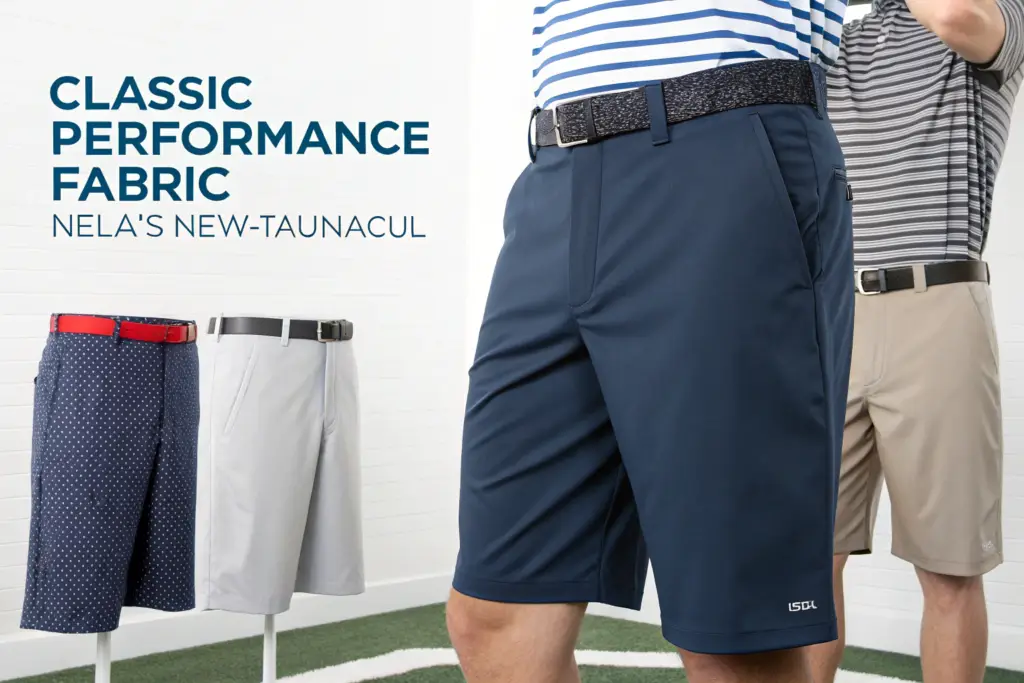
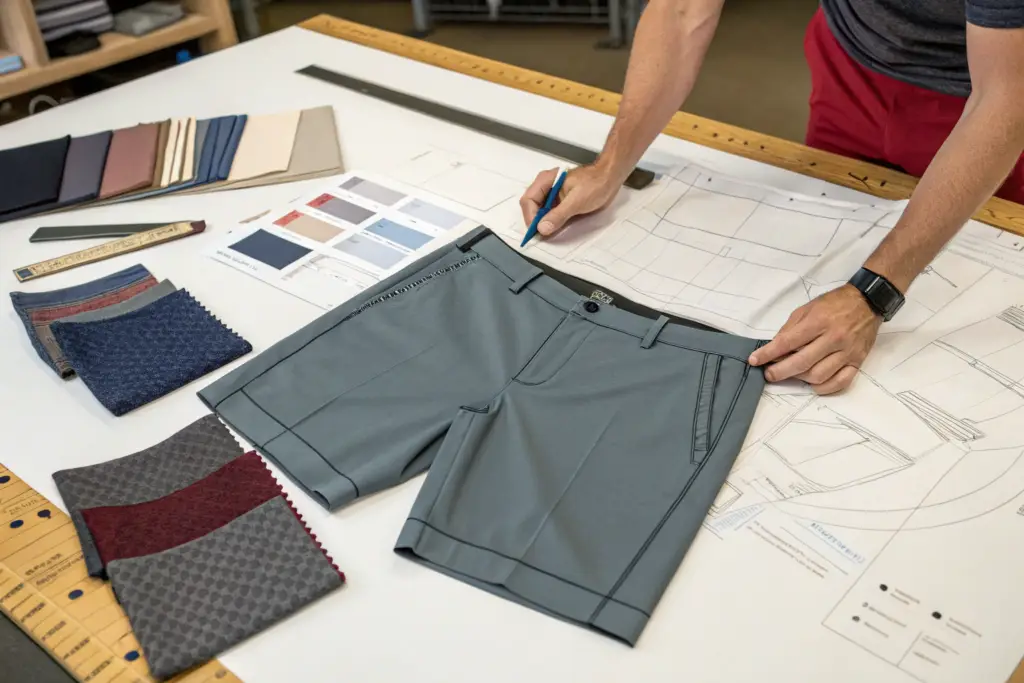
Balancing classic design with technical fabric in golf shorts requires maintaining the design language of traditional golf tailoring, including the flat front, the quarter-top pockets, the clean waistband, and the moderate 9 to 10-inch inseam, while replacing only the substrate material with a performance fabric that has been selected or developed to visually and tactilely resemble cotton twill, so that the short reads as a classic golf garment at a distance and reveals its technical performance only upon touch and wear.
What Visual Fabric Characteristics Preserve a Classic Golf Aesthetic?
The number one objection I hear from heritage golf brands considering performance fabrics is fear that the shorts will look like gym shorts. This fear is valid. Many early performance fabrics had a shiny, synthetic appearance that read as athletic wear, not golf apparel. The fabric technology has advanced significantly, and this objection no longer applies if the correct fabric is specified.
A performance fabric designed for classic golf shorts should have a matte finish, not a shiny or lustrous surface. The matte finish is achieved through yarn texturing and fabric finishing processes that diffuse light reflection. The fabric should have a visible texture that mimics the look of a natural fiber. A performance polyester or nylon can be woven into a twill, a herringbone, or a dobby pattern that visually reads as cotton or wool at a normal viewing distance. The fabric should have a soft, quiet hand feel. Performance fabrics can be mechanically brushed or chemically softened to eliminate the crisp, swishy hand feel that consumers associate with low-quality synthetics. The weight should be substantial, typically 180 to 220 GSM for a golf short, which provides the drape and structure of a traditional cotton twill while remaining lightweight enough for hot weather performance. This performance fabric aesthetics consideration is the key to creating a product that satisfies both the traditional and the modern consumer. At Shanghai Fumao, we have developed a library of performance fabrics specifically selected for their cotton-like appearance and hand feel, and we can provide sample yardage for brand approval before bulk production.
How Should the Fit Bridge Traditional and Athletic Silhouettes?
The fit of the short is where the tension between traditional and modern becomes most acute. A purely traditional golf short has a generous fit through the thigh and a wider leg opening. A purely athletic short has a slim, tapered fit that hugs the thigh. Neither extreme works for a relaunch that must appeal to a broad golf consumer base.
The optimal solution is a tailored athletic fit. The waistband sits at the natural waist, consistent with traditional golf tailoring. The thigh is cut with enough room for comfort and movement but is not excessively baggy. The leg opening is slightly tapered but not slim, typically 21 to 22 inches in circumference for a size 32 waist, compared to 23 to 24 inches for a purely traditional fit and 19 to 20 inches for a slim athletic fit. The inseam is 9 to 10 inches, the classic golf short length that provides coverage and a traditional proportion. This balanced fit allows a 55-year-old golfer and a 25-year-old golfer to both feel comfortable and appropriate in the same short. The four-way stretch fabric provides the movement freedom, so the cut does not need to be oversized to accommodate the golf swing. This golf apparel fit guide approach to fit, enabled by the stretch fabric, is one of the key advantages of performance fabric for a relaunch. At Shanghai Fumao, we work with our golf brand partners to develop a fit block that hits this sweet spot, and we validate the fit on fit models representing both the traditional and modern consumer body types.
What Role Do Performance Shorts Play in a Brand Relaunch Strategy?
A brand relaunch is a fragile moment. The brand has a history, a customer base, and a reputation, but it also has permission to change. The products chosen to lead the relaunch will define the brand's new identity in the market. If the lead product is too radical, the brand loses its heritage credibility. If the lead product is too conservative, the relaunch is not news, and the brand fails to attract attention or new customers. The classic performance fabric short occupies a unique strategic position in this calculus.
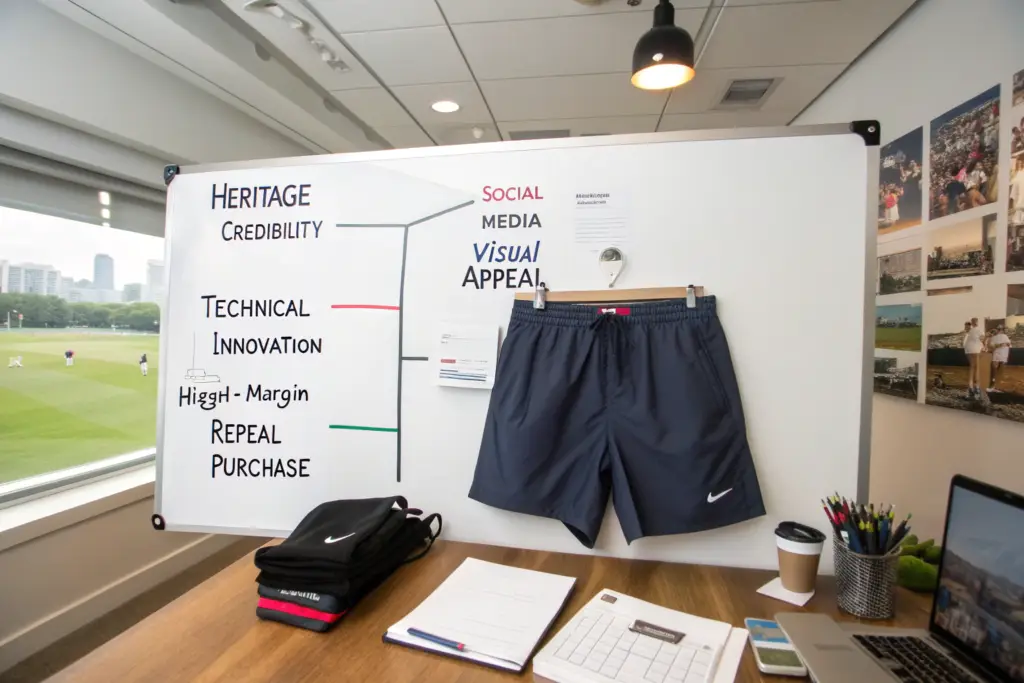
Classic performance fabric shorts serve as the ideal anchor product for a golf brand relaunch because they fulfill five simultaneous strategic functions: they represent a credible evolution rather than a break with the brand's heritage, they provide a tangible point of differentiation in a market saturated with both traditional cotton shorts and athletic performance shorts, they command a premium price point that signals brand elevation, they generate high repeat purchase rates due to the seasonal replenishment cycle of golf shorts, and they provide visually compelling content for the digital and social media channels that are essential to a modern relaunch campaign.
How Do Performance Shorts Signal Brand Evolution Without Alienating Loyalists?
The existing customer base of a dormant golf brand is the brand's most valuable asset and its greatest constraint. These customers remember the brand fondly and are likely to give the relaunch a chance, but they are also sensitive to any change that signals the brand is abandoning them in pursuit of a younger demographic they do not identify with.
The classic performance short communicates evolution, not revolution. The loyalist sees a short that looks like the shorts he wore from the brand ten years ago. The flat front, the traditional pockets, the moderate length, and the subdued color palette are all familiar and reassuring. He tries the short on, and it feels better than he remembers. The stretch, the lightweight feel, and the moisture management are improvements he can appreciate immediately without feeling that the brand has changed its identity. The younger golfer, who has no prior relationship with the brand, sees a short that meets his performance expectations and carries a design language that feels authentic and heritage-grounded rather than trend-chasing. This dual appeal is the strategic magic of the category. The brand relaunch strategy principle is that successful relaunches honor the past while delivering the present. The classic performance short does exactly that.
Why Do Performance Shorts Deliver Higher Margins Than Basic Cotton?
The financial case for leading a relaunch with performance shorts is compelling. A basic cotton twill short is a commodity product. The market price for a private-label cotton golf short is well-established, and margins are thin. A performance fabric short, by contrast, commands a price premium justified by the tangible performance benefits and the perceived value of technical innovation.
A brand can retail a classic performance golf short at $85 to $110, compared to $55 to $70 for a basic cotton short. The manufacturing cost difference is real but proportionally small. The performance fabric itself is more expensive per yard, and the construction requires specific expertise, but the total FOB cost increase is typically in the range of 15% to 25%. The retail price increase is 50% to 70%. This margin expansion is a powerful engine for funding the marketing, content creation, and inventory investment that a relaunch requires. The golf apparel market analysis data consistently shows that the premium and performance segments are growing faster than the basic segment. A relaunch that enters the market at the basic level is entering a declining, highly competitive segment. A relaunch that enters at the performance level is entering a growing segment with better margins and less price competition.
Which Performance Fabrics and Finishes Are Best for Golf Shorts?
The category of performance fabric is broad, and not all performance fabrics are suitable for golf shorts. A fabric designed for running shorts is too lightweight, too shiny, and too insubstantial in drape. A fabric designed for hiking pants is too heavy, too stiff, and too outdoorsy in appearance. The golf short requires a specific intersection of properties: the tailored appearance of a dress short with the technical performance of athletic wear. This intersection is achievable with the right fiber blend, the right fabric construction, and the right finishing treatments.
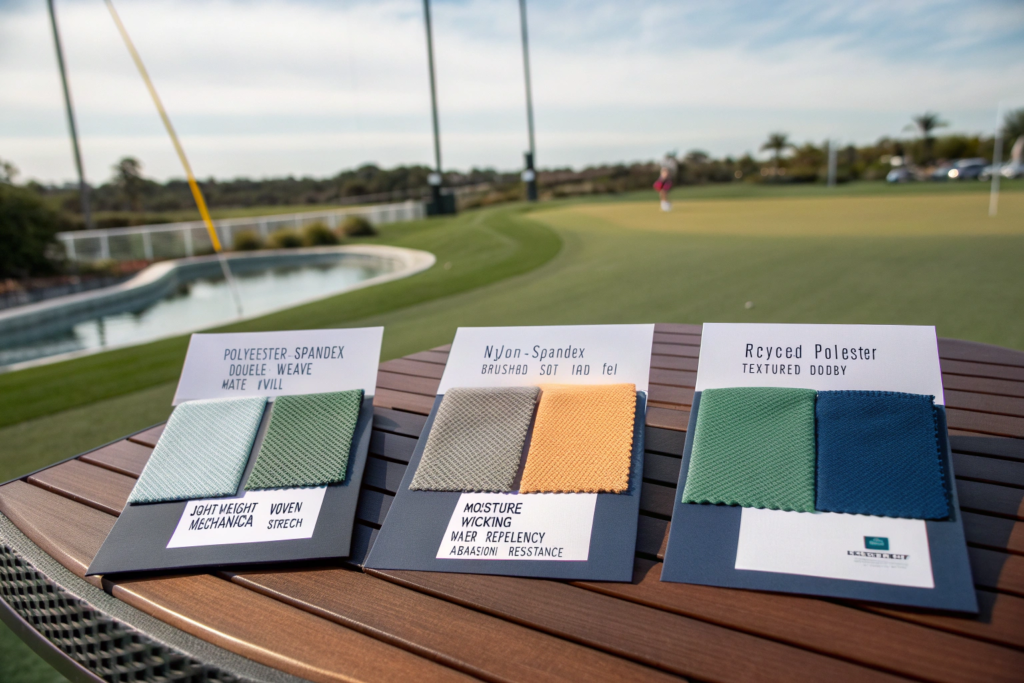
The optimal performance fabric for classic golf shorts is a polyester-elastane or nylon-elastane blend with a woven twill or dobby construction that provides a cotton-like matte appearance and hand feel, an elastane content of 5% to 12% for four-way mechanical stretch, a fabric weight between 180 and 220 GSM for a balance of drape and lightweight comfort, and a suite of finishes including a durable water repellent treatment for light rain protection, a moisture-wicking finish, and an anti-odor treatment, with the entire fabric package tested for abrasion resistance to withstand the friction of the golf bag strap and the golf cart seat.
What Is the Difference Between Mechanical Stretch and Spandex Stretch?
Performance stretch in woven fabrics is achieved through two fundamentally different mechanisms, and understanding the difference is critical for selecting a fabric that will perform correctly in a golf environment. Mechanical stretch is achieved by using textured yarns and a specific weave construction that allows the yarns to move within the fabric structure. When tension is applied, the yarns straighten rather than stretch, providing a limited amount of give and recovery without the use of elastane.
Spandex stretch is achieved by incorporating elastane fibers into the yarn or the fabric structure. The elastane provides true elasticity, stretching and recovering like a rubber band. For golf shorts, mechanical stretch alone is usually insufficient. The stretch percentage is typically limited to 10% to 15%, and the recovery is often poor, leading to bagging at the knee and seat. A fabric with 5% to 12% spandex content provides stretch percentages of 20% to 35% with recovery above 95%, which is the performance level required for unrestricted movement through a full golf swing. Some advanced fabrics use a combination of mechanical stretch from textured yarns and spandex for the best of both approaches, a fabric with excellent stretch and recovery that also has a more natural, cotton-like hand feel than a high-spandex fabric. This performance fabric stretch technology distinction is a key specification point. At Shanghai Fumao, we help our golf brand partners evaluate fabric options against a standardized stretch and recovery test protocol to ensure the selected fabric meets the performance requirements.
Which Eco-Friendly Performance Options Are Available for Golf Brands?
The golf industry has a strong and growing sustainability movement. Golf courses are natural environments, and the golfers who spend four hours walking through those environments are increasingly conscious of the environmental impact of their apparel choices. A brand relaunch that ignores sustainability is missing a powerful point of connection with the modern golf consumer.
The good news is that the performance fabric industry has invested heavily in sustainable options. Recycled polyester, made from post-consumer plastic bottles, is now available in fabric qualities that match or exceed virgin polyester performance. Recycled nylon, made from discarded fishing nets and other post-industrial waste, offers similar performance with a strong sustainability story. Bio-based elastane, made from renewable resources rather than petroleum, is beginning to replace conventional elastane in premium performance fabrics. The DWR finish, historically a source of environmental concern due to the use of perfluorinated compounds, is now available in C0 formulations that are fluorine-free and biodegradable. These sustainable performance fabrics allow a golf brand to credibly claim both high performance and environmental responsibility. At Shanghai Fumao, we have sourced and tested a range of eco-friendly performance fabrics and can provide the certification documentation, such as GRS for recycled content, that supports the brand's sustainability marketing claims.
Conclusion
Classic performance fabric shorts are not merely suitable for a men's golf brand relaunch. They are the strongest possible foundation for that relaunch. They resolve the tension between the brand's design heritage and the modern golfer's performance expectations in a single, elegant product. The classic tailoring signals continuity and credibility. The performance fabric delivers the stretch, moisture management, and comfort that today's golfer considers non-negotiable. Together, they create a product that appeals to both the loyalist who remembers the brand and the new customer who is discovering it.
The strategic advantages extend beyond the product itself. The performance positioning commands a price premium that funds the marketing investment a relaunch requires. The category is a high-frequency repeat purchase, with golfers buying multiple pairs each season. The visual and tactile story of the fabric, demonstrated through water beading, stretch tests, and close-up texture shots, provides rich content for the digital marketing channels that will drive the relaunch's visibility.
If you are planning a golf brand relaunch and want to anchor it with classic performance fabric shorts that are manufactured to the exact specifications of the modern golf market, we have the fabric library, the pattern expertise, and the production experience to bring your vision to market. At Shanghai Fumao, we have helped heritage golf brands navigate the transition to performance fabrics without losing their design identity. Contact our Business Director, Elaine, at elaine@fumaoclothing.com. Let's build the short that reintroduces your brand to the game.