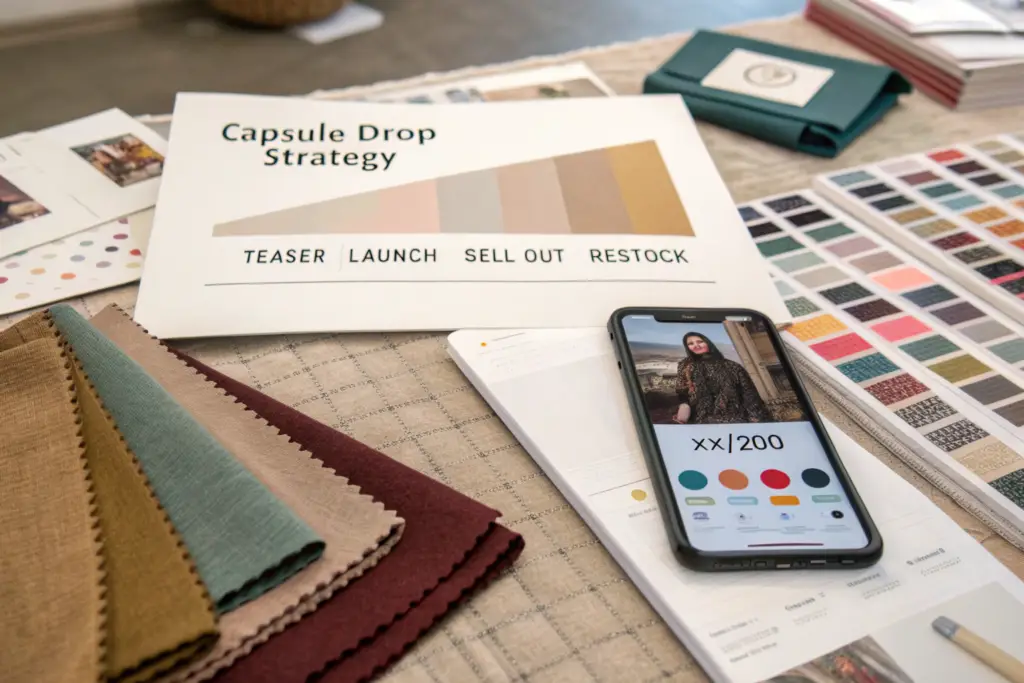
A distributor from Los Angeles called me six months ago with a problem that turned into an opportunity. She had been buying wholesale basics and selling them to boutiques for years. The margins were thin. The competition was fierce. She was exhausted from competing on price. She had an idea for a limited-edition capsule collection, six styles, 200 units per style, inspired by California desert landscapes. A tight, cohesive story with custom colors, custom labels, and unique packaging. She pitched it to three of her best boutique accounts. They all placed pre-orders on the spot. The demand was validated. But her previous supplier could not handle the customization or the small quantities. She needed a factory that could think like a brand partner, not just a production line.
Distributors can leverage Fumao's customization for limited-edition capsule collections by using our low minimum order quantities, in-house fabric dyeing and printing capabilities, and flexible branding services to create a fully differentiated, exclusive product that commands a premium retail price. A capsule collection built on our customization platform allows the distributor to offer boutiques a product that cannot be found anywhere else, cannot be price-compared online, and carries a compelling scarcity narrative. The distributor transitions from a commodity wholesaler to a branded curator, capturing significantly higher margins and building a defensible market position.
The capsule collection model is the most powerful strategy available to a distributor who wants to escape the race to the bottom on price. A basic white t-shirt can be sourced by any boutique from any number of suppliers. The boutique's only loyalty is to price. A limited-edition, custom-dyed, custom-branded capsule collection is exclusive to the distributor who created it. The boutique's loyalty is to the product and the story, not the price. At Shanghai Fumao, we have built our customization capabilities specifically to enable this distributor-to-brand transition. Let me show you exactly how to leverage our platform for your next capsule collection.
How Do Fumao’s Low MOQs Enable Risk-Minimized Capsule Launches?
The traditional wholesale model required distributors to place large orders to hit factory minimums. A distributor wanting to launch a collection of six styles might need to order 500 to 1,200 units per style to meet fabric and production MOQs. The total inventory commitment was enormous, often 5,000 units or more. The financial risk of a single style failing was concentrated and dangerous. A slow-selling style could wipe out the profit from the bestsellers. The model forced distributors to bet big on a few styles.
Fumao's low minimum order quantities enable risk-minimized capsule launches by allowing distributors to order as few as 100 to 200 units per style for most garment types. A six-style capsule can be launched with a total inventory commitment of 900 to 1,200 units, not 5,000. The inventory risk per style is reduced by 60% to 80%. The distributor's total cash outlay is significantly lower. The diversified portfolio of styles, each ordered in a small, testable quantity, allows the distributor to gauge market reaction and reorder the winners quickly. The low MOQ model transforms the capsule launch from a high-stakes gamble into a manageable market test.
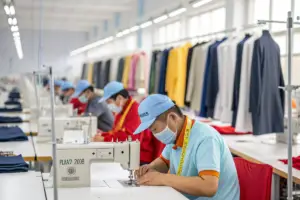
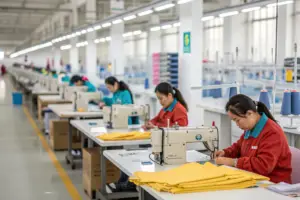
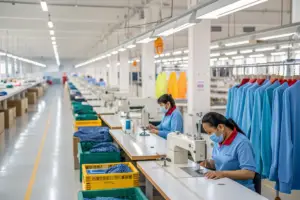
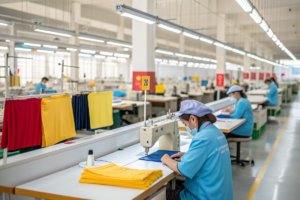
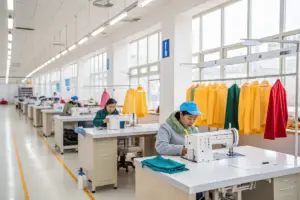
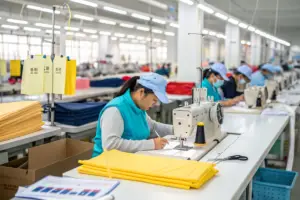
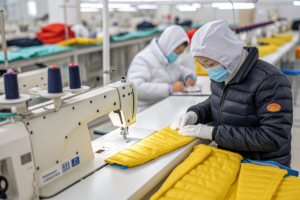
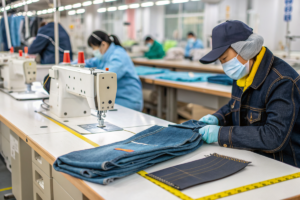
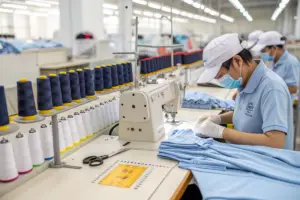
The key to our low MOQs is our in-house fabric capabilities. We do not need to order 1,000 meters of a custom color from an external mill. We can dye smaller quantities from our greige fabric bank. We do not need to run a full production line for a single style. Our modular line system can absorb small batches efficiently. The operational flexibility that serves our DTC brand clients also serves our distributor clients.
What Is the Minimum Order Per Style for Custom-Dyed Fabrics in a Capsule?
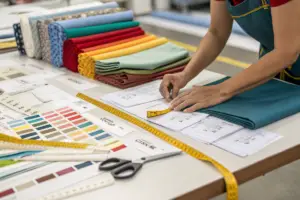
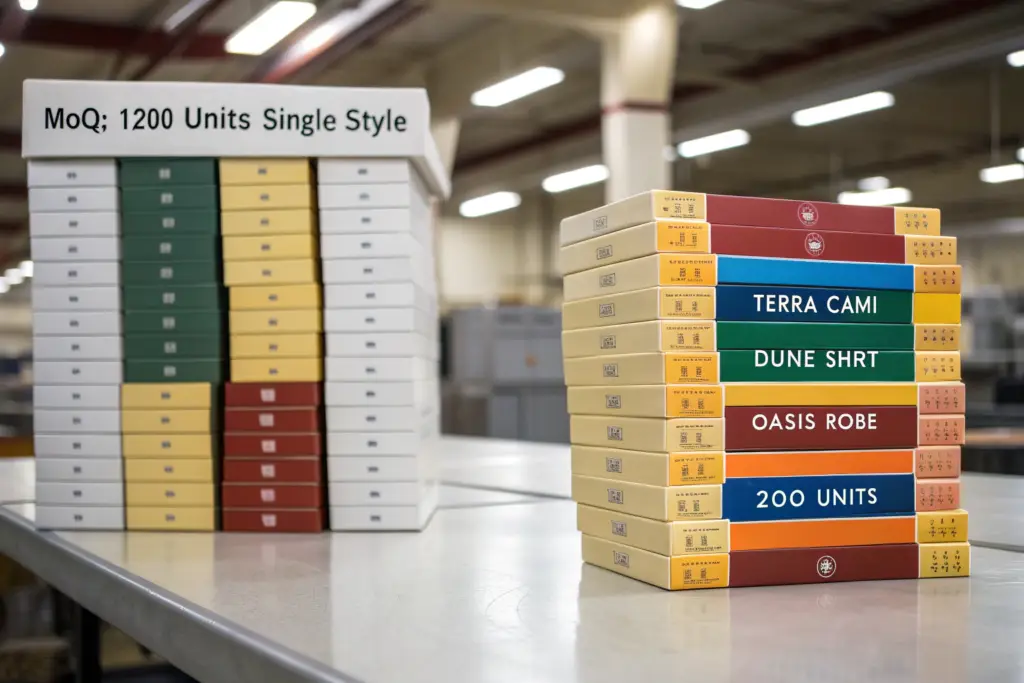
The minimum order per style for custom-dyed fabrics depends on the fabric type and the dyeing process, but our standard minimum for a capsule collection is 150 to 200 units per style for knit garments and 200 to 250 units per style for woven garments.
For solid-dyed fabrics using our greige bank program, we can dye quantities as low as 50 to 80 meters, which translates to approximately 30 to 50 units for a typical garment. However, at those very low quantities, the per-unit dyeing cost is higher because the dye machine is running at low efficiency. The cost per unit drops significantly at 150 meters and above.
For custom prints, the minimum is typically driven by the screen or digital print setup. Digital printing allows for very low minimums, as low as 30 meters, because there are no screen setup costs. The per-meter cost is higher than screen printing, but the low minimum enables very small, exclusive capsule runs. Screen printing becomes more economical at 200 meters and above.
The distributor should consider a hybrid approach for the capsule. Use custom-dyed solids from the greige bank for the core pieces, the t-shirts, the sweatshirts, the joggers. Use digital printing for the statement pieces, the printed dress or shirt that carries the capsule's visual theme. The hybrid approach maximizes customization within the MOQ constraints.
A distributor client launched a five-style capsule with a combination of three custom-dyed solids and two digitally printed styles. Her total order was 750 units across the five styles. Her inventory investment was $18,000, a fraction of what a traditional MOQ would have required. Two styles sold out in the first week. She reordered those two within the season. The other three sold through steadily. She finished the season with zero markdowns.
How Can "Fabric Pooling" Across Collaborating Distributors Unlock Even Smaller Runs?
Fabric pooling is a concept we offer to distributor clients who are willing to collaborate on a shared fabric base. Multiple distributors, each launching their own capsule collection, agree to use the same base fabric in different custom colors or different garment styles. The aggregate fabric order meets the mill's minimum. Each distributor orders only their small quantity of the final dyed or printed fabric.
The pooling model reduces the effective MOQ for each distributor even further. A fabric that would require a 500-meter minimum from the mill can be ordered as a 600-meter pooled order from three distributors, each taking 200 meters in their own custom color. The mill's minimum is met. Each distributor's individual commitment is 200 meters, not 500 meters.
The pooling model requires the distributors to agree on the base fabric specification, the fiber composition, the weight, the construction. They must trust that their capsule designs, while using the same base cloth, will be sufficiently differentiated by color, print, silhouette, and branding. The model works best when the distributors are in non-competing market segments or geographic territories.
We facilitate fabric pooling by identifying compatible distributor clients and managing the pooled order. The distributors do not need to interact directly if they prefer not to. We handle the aggregation, the dye lot separation, and the individual order fulfillment.
A group of three non-competing distributors, one in the yoga studio channel, one in the boutique hotel channel, and one in the online sustainable fashion channel, pooled an order for an organic cotton-modal jersey. Each distributor received 200 meters in their own custom colors. The total order met the mill's 600-meter minimum. Each distributor launched a capsule that was uniquely theirs, on a shared, high-quality fabric base that none of them could have accessed individually at that volume.
What Custom Branding Elements Turn a Wholesale Garment into an Exclusive Capsule?
A capsule collection is defined by its exclusivity. The consumer must feel that they are buying something special, limited, and personal. The branding elements, the labels, the hang tags, the packaging, are the tangible signals of that exclusivity. A capsule garment with standard, generic branding is not a capsule. It is just a small order of basics.
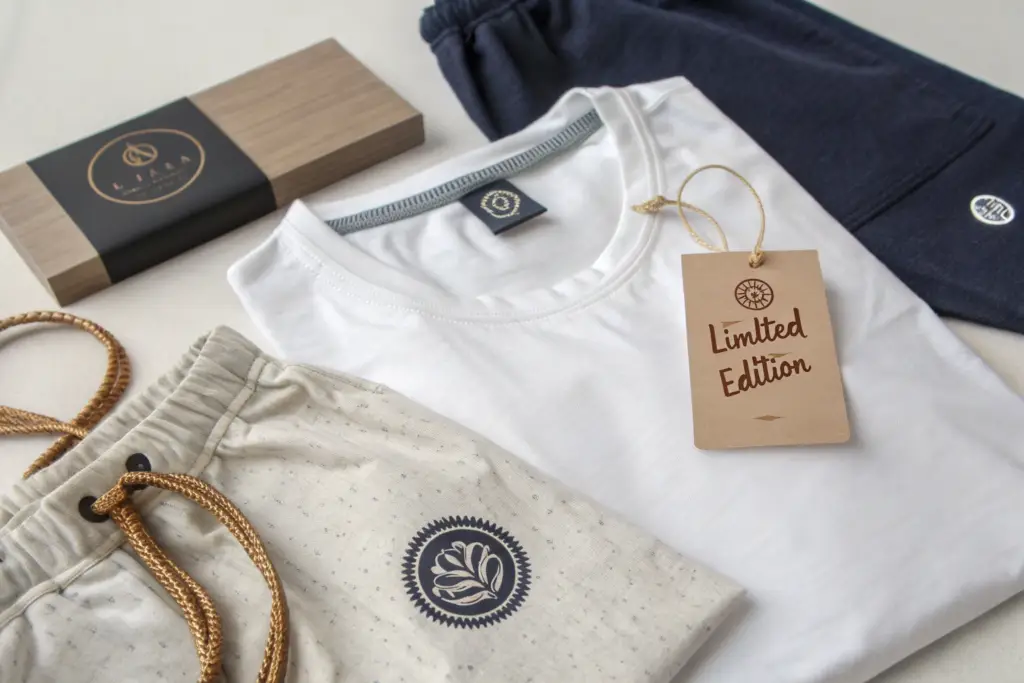
The custom branding elements that turn a wholesale garment into an exclusive capsule include a capsule-specific woven label that replaces or supplements the brand's main label, a premium hang tag that tells the capsule's story, custom packaging such as a fabric pouch or a branded box, and a numbered edition tag that communicates scarcity. These elements add a per-unit cost of approximately $0.50 to $1.50, depending on the complexity. But they enable a retail price increase of $10 to $30 or more. The branding investment has a return on investment of 500% to 1,000% or higher.
The branding elements must be cohesive. They should share a common design language, a consistent color palette, typography, and visual style. They should tell the capsule's story. The consumer who receives the garment should feel that every detail was considered, every element was designed, and nothing was left to the generic default.
How Can a Numbered Edition Tag Create Scarcity and Urgency at the Point of Sale?
The numbered edition tag is the simplest and most powerful scarcity signal available to a distributor. A small, high-quality tag, attached to the garment, that reads "Edition: 47 of 200." The tag tells the consumer, without any salesperson's explanation, that this garment is rare. There are only 200 in existence. This one is number 47. The consumer who buys it owns a specific, numbered piece of a limited whole.
The numbering creates a psychological urgency that a generic "Limited Edition" claim does not. "Limited Edition" is vague. It could mean 100,000 units. "47 of 200" is specific. It is verifiable. The consumer can count. The consumer knows that when 200 are sold, there will be no more.
The numbering also creates a collectability dynamic. Some consumers will specifically seek out low numbers or specific numbers that have personal meaning. The numbered edition transforms the garment from a piece of clothing into a collectible object. The perception of value increases.
The edition size must be honest. A tag that says "47 of 200" when the distributor has actually produced 2,000 units and is simply using a different numbering sequence for different batches is a fraudulent practice that will damage the distributor's reputation if discovered. The edition size must match the actual production quantity. We provide numbered edition tags that are strictly limited to the order quantity.
A distributor client launched a capsule of 150 hand-dyed silk scarves, each numbered. The scarves sold out in three days. Several customers contacted her requesting specific numbers. One customer bought three scarves to get numbers that corresponded to her children's birth dates. The numbered edition tag had turned the scarves into meaningful, collectible items.
What Packaging Upgrades Offer the Highest Perceived Value for the Lowest Added Cost?
Packaging is the first physical touchpoint between the consumer and the capsule. It sets the tone for the entire brand experience. A garment that arrives in a plain, clear poly bag feels like a commodity. A garment that arrives in a thoughtfully designed package feels like a gift.
The most cost-effective packaging upgrades, those that deliver the highest perceived value for the lowest added cost, are paper-based and fabric-based.
A custom-printed tissue paper with a simple capsule motif adds cents per unit but dramatically elevates the unboxing experience. The consumer unwraps the garment from the tissue. The moment is tactile and intentional.
A simple cotton drawstring bag, made from the same fabric as a garment in the collection or from a lightweight muslin, serves as both packaging and a reusable product. The consumer keeps the bag. It travels with them. It becomes a small, mobile advertisement for the brand.
A high-quality, double-sided hang tag on textured paper, with a capsule story on one side and care instructions on the other, replaces the generic, single-sided tag. The tag feels substantial. The consumer reads it. The capsule story is communicated.
A small, handwritten-style thank-you card, personalized with the capsule name, costs pennies. It creates a human connection between the distributor and the consumer. The consumer feels seen and appreciated.
A distributor client uses a packaging kit for her capsules that costs approximately $0.70 per unit. It includes a custom-printed tissue, a small cotton pouch, a textured hang tag with the capsule story, and a handwritten thank-you card. Her consumer reviews consistently mention the packaging as a highlight. The packaging transforms a $68 garment purchase into a luxury experience.
How Should a Distributor Plan the Pre-Sell and Production Timeline for a Capsule?
The capsule collection model is a time-bound event. The collection is not a permanent, always-available product line. It is a drop. It arrives, it sells, and it is gone. The timing of the drop is critical. It must align with the season, with the distributor's marketing calendar, and with the boutique's buying cycle. The production timeline must be reverse-engineered from the launch date.
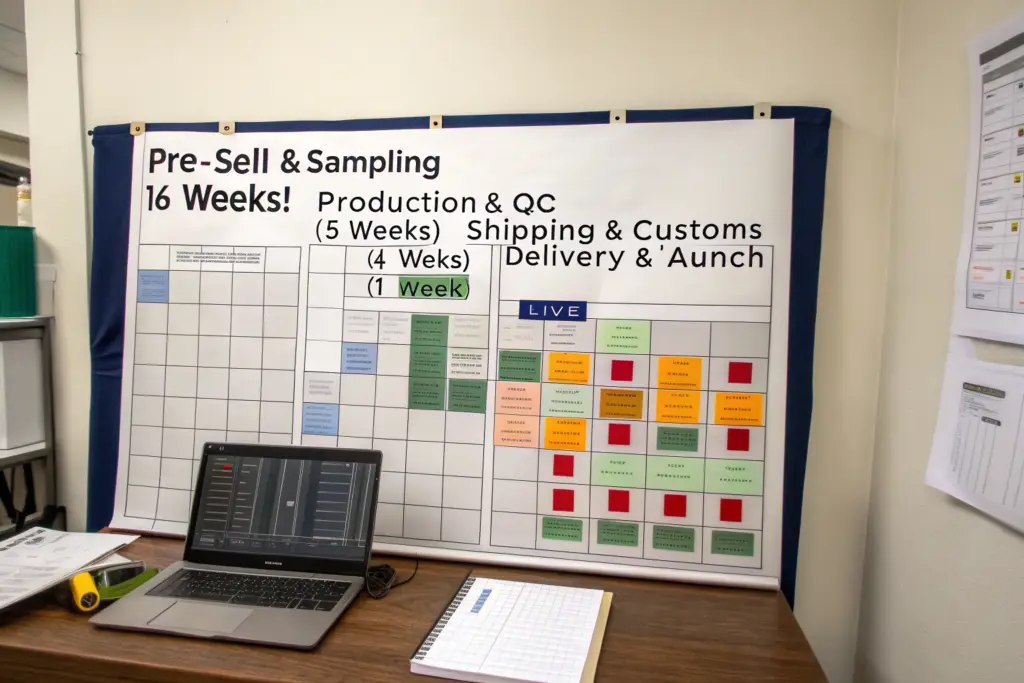
The pre-sell and production timeline for a capsule collection should begin with a pre-sell phase of 2 to 3 weeks, during which the distributor presents the capsule to key boutique accounts and takes pre-orders. The pre-orders inform the final production quantities. The production phase, including fabric dyeing, cutting, sewing, finishing, and QC, should be allocated 4 to 6 weeks for a typical capsule of 5 to 7 styles. Shipping from China to the US or Europe takes 3 to 4 weeks by sea, or 1 week by air for a premium, urgent launch. The total timeline from pre-sell launch to delivery is 10 to 14 weeks. The distributor must plan this timeline backwards from the desired launch date.
The pre-sell model is the financial engine of the capsule strategy. The distributor collects pre-orders and, ideally, deposits from their boutique accounts before placing the final production order with the factory. The pre-sell revenue funds the production. The distributor's cash flow risk is minimized. The production quantities are demand-driven, not forecast-driven. The risk of overproduction is dramatically reduced.
Why Should You "Sell the Sample" Before You "Cut the Bulk"?
Selling the sample before cutting the bulk is the core discipline of the capsule pre-sell model. The distributor invests in the development of the capsule samples, the proto samples and the fit samples, with the factory. The samples are photographed on models, in a setting that communicates the capsule's story and aesthetic. The distributor creates a digital or physical line sheet showing the samples, the wholesale prices, and the limited-edition quantities.
The distributor presents the capsule to their boutique accounts. The boutiques place pre-orders. The distributor aggregates the pre-orders. Only then does the distributor place the final bulk production order with the factory. The bulk order quantity is the sum of the pre-orders, plus a small, calculated buffer for reorders and replacements, typically 5% to 10%.
This model eliminates the guesswork. The distributor knows exactly which styles are popular, which colors are preferred, and which sizes are needed. The production is demand-driven. The inventory is pre-sold. The financial risk is concentrated in the sample development cost, which is a fraction of the bulk production cost.
The "sell the sample" model also creates a powerful sales narrative for the boutiques. The distributor tells the boutique owner, "This capsule is being produced based on pre-orders. The quantity will be limited to what is ordered now, plus a small reserve. If you do not pre-order, you will not get this product." The scarcity is genuine. The boutique owner is motivated to pre-order.
A distributor client pre-sold her capsule to 15 boutique accounts. The pre-orders totaled 820 units. She added a 10% buffer, placing a total order of 900 units with us. The bulk production was funded primarily by the pre-order deposits. She carried almost no inventory risk. The capsule sold through at 94% at full price.
How Far in Advance Should You Lock in Your Trim and Packaging Supply for a Timed Drop?
Trims and packaging are the most common source of last-minute delays in a capsule launch. A custom woven label takes 2 to 3 weeks to produce. A premium hang tag with foil stamping takes 3 to 4 weeks. A custom-printed fabric pouch takes 3 to 4 weeks. These lead times are often underestimated, and the trim delay cascades into a production delay that pushes the entire launch back.
The distributor should lock in the trim and packaging orders at the same time the pre-sell samples are ordered, not after the pre-sell results are in. The trims and packaging are not quantity-dependent in the same way as the bulk fabric. The distributor knows the edition size, the branding elements, and the packaging design before the pre-sell begins. The trim and packaging orders can be placed based on the estimated total production quantity.
If the pre-sell results significantly exceed or fall short of the estimate, the trim order can be adjusted. Most trim suppliers will accept a 10% to 20% quantity adjustment if notified early. But the order must be in the queue. Waiting until the pre-sell is complete to order trims is a guaranteed delay.
We advise our capsule clients to place their trim and packaging orders at the start of the pre-sell phase. The trims are produced while the pre-sell is running. When the bulk production order is confirmed, the trims are already in our factory, ready to be applied. The timeline is seamless.
A distributor client learned this lesson the hard way on her first capsule. She waited until she had final pre-sell numbers to order her custom hang tags. The tags had a three-week lead time. The production was ready to ship, but the tags were not. The launch was delayed by two weeks. She lost momentum with her boutique accounts. On her next capsule, she ordered the tags upfront. The launch was flawlessly on time.
How Can Post-Launch Data Inform the Next Limited-Edition Drop?
The capsule collection model is a learning engine. Each drop generates a rich dataset of consumer behavior. Which styles sold out in days? Which styles lingered? Which colors were the first to go? Which sizes were requested but not available? This data is the distributor's competitive intelligence for the next capsule.
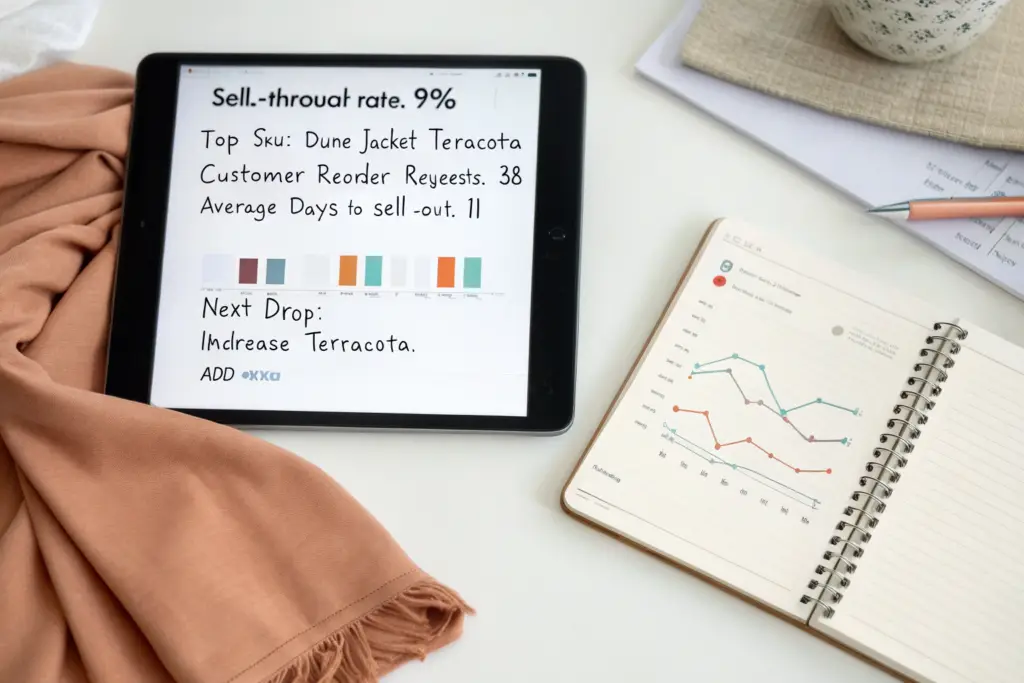
Post-launch data that informs the next limited-edition drop includes sell-through velocity by style and color, the sell-through curve showing the rate of sale over time, the customer waitlist or reorder requests for sold-out items, and the boutique buyer feedback on what their customers asked for that was not in the capsule. The data tells the distributor exactly what to repeat, what to evolve, and what to retire. The next capsule is not based on gut feeling. It is based on proven demand signals.
The capsule model allows for a rapid iteration cycle. A distributor can launch three or four capsules per year, each one informed by the data from the previous drop. The product-market fit improves with each iteration. The distributor's relationship with the boutique accounts deepens, as the boutiques see that the distributor is responsive to their feedback.
What Sell-Through Metrics Prove a Capsule Is Ready for a Sequel?
The decision to create a sequel capsule, a second drop of a similar theme or category, should be based on hard sell-through data, not just a feeling that the first one "went well."
The primary metric is full-price sell-through rate. A capsule that sells through at 80% or higher within the first four weeks of launch at full price is a strong candidate for a sequel. The demand was robust. The pricing was correct. The product resonated.
The secondary metric is sell-through velocity by style. Identify the styles that sold out fastest. These are the hero pieces for the sequel. The sequel capsule should be built around evolved versions of these proven winners.
The tertiary metric is the customer waitlist or reorder requests. If the distributor received 30 requests for a sold-out style after it was gone, that style is validated for a larger quantity in the sequel. The waitlist is a quantified signal of unmet demand.
A distributor client launched a capsule of women's linen loungewear. The full-price sell-through was 91% in three weeks. The top-selling style, a wide-leg jumpsuit in sage green, sold out in four days. She received 45 requests for the jumpsuit after sell-out. Her sequel capsule, launched three months later, was built around the jumpsuit in three new colors, with a 50% increase in quantity. The sequel sold out in two weeks.
How Can Boutique Feedback Be Systematically Collected and Analyzed?
Boutique feedback is qualitative gold. The boutique owner talks to the end consumer every day. They hear what the consumer loved, what they wished was different, and what they asked for that was not available. This feedback, systematically collected, is a direct line to the consumer's unmet needs.
The distributor should create a simple feedback form and send it to boutique accounts two weeks after the capsule delivery. The form should ask three simple questions. "Which styles sold fastest? Which styles sold slowest? What did your customers ask for that we did not offer?" The questions are open-ended. The feedback is qualitative. The patterns across multiple boutiques reveal the actionable insights.
The distributor should also track their own direct-to-consumer feedback if they sell online. The customer reviews, the emails, the social media comments. A review that says, "I love this dress, please make it in navy," is a direct product request. The distributor should log these requests and look for recurring themes.
A distributor client collects boutique feedback after every capsule. On her first capsule, three boutique owners independently reported that their customers loved the fabric but wanted a shorter length option. The distributor added a cropped version of the top-selling pant to her sequel capsule. The cropped version became the new bestseller. The boutique feedback had directly created the next winning product.
Conclusion
The limited-edition capsule collection is the strategic vehicle that transforms a distributor from a commodity wholesaler into a branded curator. It is a business model that replaces price competition with product differentiation, replaces bulk inventory risk with pre-sell cash flow, and replaces anonymous basics with exclusive, story-driven product.
We have walked through the four pillars of leveraging Fumao's customization for capsule success. Our low MOQs and fabric pooling options reduce the inventory risk per style to a manageable level, enabling distributors to test multiple styles without overcommitting. Our custom branding capabilities, the numbered edition tags, the premium hang tags, the fabric pouches, create the tangible signals of exclusivity that justify a premium retail price. The pre-sell and production timeline, built backwards from the launch date and anchored by the "sell the sample" discipline, minimizes financial risk and aligns production quantities with real demand. And the post-launch data and boutique feedback loop transforms each capsule from a one-off event into a learning cycle that makes the next capsule even more successful.
The distributor who masters this model is no longer at the mercy of price-sensitive buyers. They are a brand creator, a story-teller, and a strategic partner to their boutique accounts. The factory is not just a production resource. It is a customization platform that enables the entire strategy.
At Shanghai Fumao, we have built our customization services specifically to serve the capsule collection model. Our low MOQs, our in-house fabric dyeing and printing, our flexible branding services, and our experience with pre-sell production timelines are designed to make the capsule model accessible and profitable for independent distributors.
If you are a distributor who is ready to move beyond basics and create your first limited-edition capsule collection, I invite you to contact our Business Director, Elaine. She can discuss minimum order quantities for your specific product types, share our customization options catalog, and help you build a realistic pre-sell and production timeline for your launch. Reach Elaine at elaine@fumaoclothing.com. Let's create a capsule that your boutique customers will line up for.