A women’s contemporary brand in Dallas was in the middle of a nightmare. It was mid-May. Their Spring 2 delivery was due in stores in seven weeks. Their existing supplier, a factory in Vietnam, had gone silent. Emails were unanswered. Calls were disconnected. When the factory finally responded, they admitted they had a "critical fabric delay" and could not ship the order for another ten weeks. The brand’s open-to-buy budget was committed. The retail floor space was booked. The marketing campaign was live. Without that delivery, the brand would lose $180,000 in confirmed wholesale orders and face chargebacks from major department stores for late delivery. The owner was three days away from filing for Chapter 11 bankruptcy protection. She was trapped in a failing supplier relationship, and the clock was ticking. She needed to switch factories, not in six months, when the season was over, but right now, in the middle of the selling season, and she needed the new factory to pick up the broken pieces of a half-finished production run and deliver it to stores within seven weeks.
You switch from a poor supplier to Shanghai Fumao mid-season by executing a rapid, parallel-path transition protocol: we simultaneously receive your orphaned raw materials from the previous supplier, digitize and correct your tech pack, run a 72-hour priority pre-production sample on our rapid sampling line, and then allocate a dedicated "rescue capacity" slot on our production schedule to deliver your critical fill-in order within an expedited 5- to 7-week window. A mid-season supplier switch is not a normal production order; it is an emergency rescue operation. It requires a factory that has pre-built the operational flexibility, the rapid sampling capability, and, most critically, the willingness to accept a half-finished, distressed production run that another factory has abandoned. Let me walk you through the exact, step-by-step rescue protocol, the hard questions about your trapped raw materials, and the transparent, upfront costs of a mid-season emergency transition.
What Is the First Step to Extract Your Trapped Raw Materials?
The most valuable, and most vulnerable, assets in a failed supplier relationship are your raw materials. The fabric, the trims, the buttons, the labels, the packaging—all of these were purchased with your money, delivered to the previous supplier, and are now trapped in their facility. The first and most urgent step in a mid-season rescue is to secure and extract these assets before they become hostages, are accidentally used on another customer’s order, or are physically damaged by a supplier who has lost all motivation to care for your property.
This extraction is a delicate, often tense, logistical and legal operation. The previous supplier may be cooperative, embarrassed, or actively hostile. They may refuse to release the materials until outstanding invoices are paid, even if those invoices are disputed. They may claim the materials are "lost" or "already cut." The extraction must be swift, decisive, and, where possible, conducted by a neutral third party to avoid a physical confrontation that could escalate and result in a police report and a total loss of the materials.
How Does Fumao Audit Orphaned Fabric for Hidden Defects?
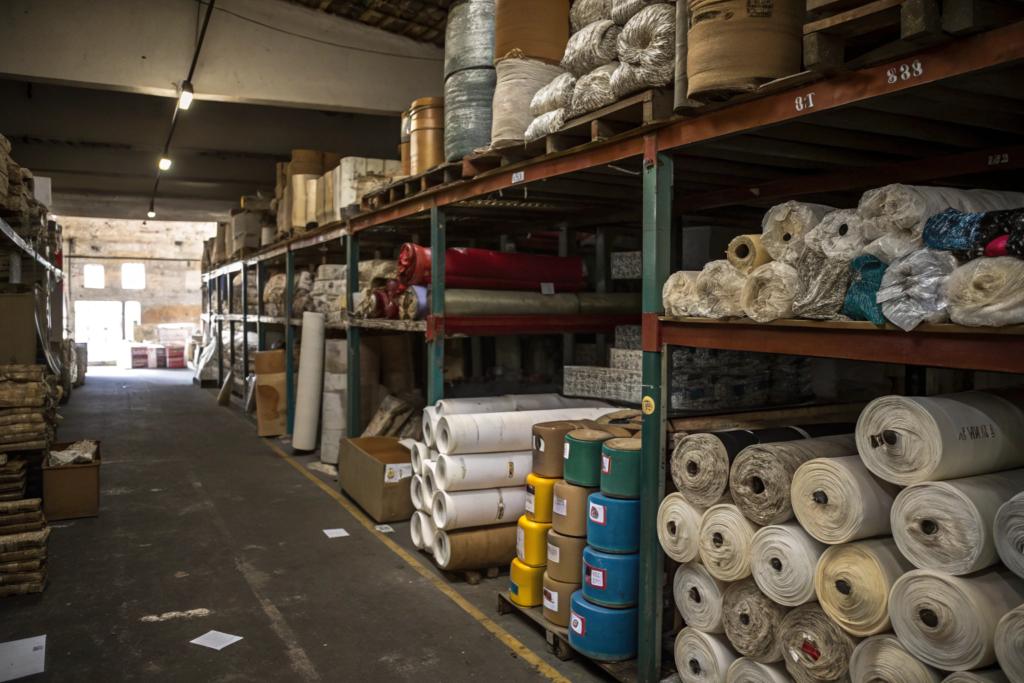
An orphaned fabric roll is a roll that has been stored under unknown conditions, handled by unknown personnel, and possibly partially consumed for an unknown purpose. It cannot be trusted simply because it carries a familiar mill tag. The previous supplier may have stored it in a damp, unconditioned warehouse, causing mold or mildew. They may have cut a few meters off the end for a sample and left the roll loose and unspooled. They may have damaged the selvedge. The fabric must be audited before it enters our production stream.
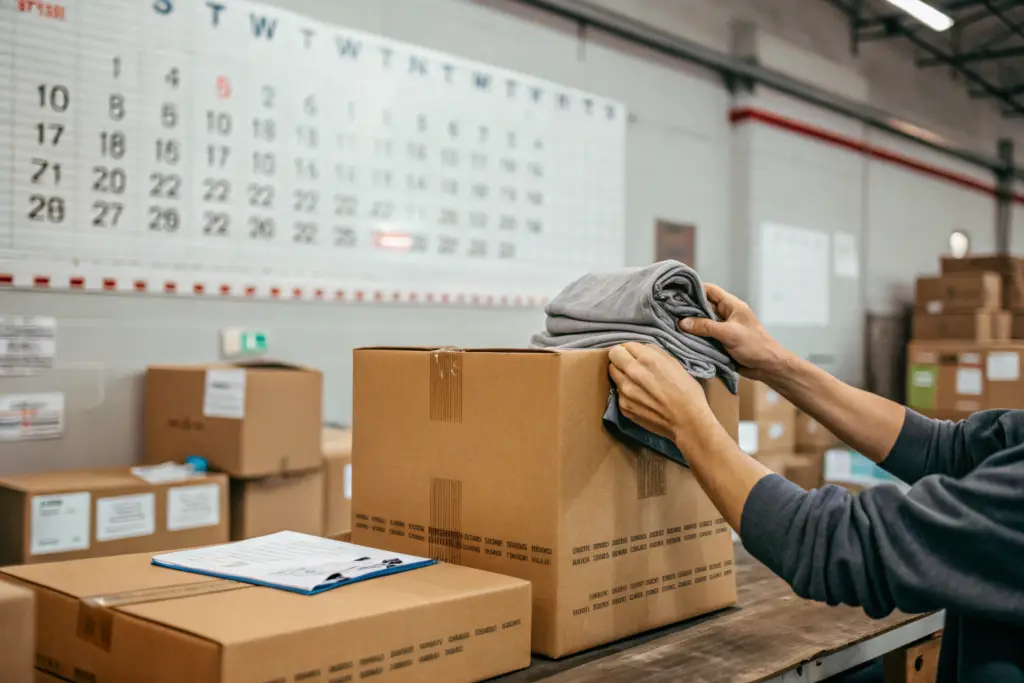
When your extracted fabric and trims arrive at our Shanghai facility, they do not go directly to the cutting room. They enter a quarantine zone. Our incoming QC inspector performs a rapid but thorough "Orphaned Material Audit." The fabric is unrolled and inspected on a backlit inspection table. We check for shade continuity against your approved lab dip, for visible defects like stains, holes, or barre marks, and for accurate roll length against the supplier’s remaining-length sticker. We perform a random 4-point inspection on a 10% sample of the total yardage. We also check the trims: are the buttons correct, are the zippers the specified gauge and color, are the labels printed correctly? Within 48 hours of receipt, we issue an "Orphaned Material Status Report" with photographs and measurement data. This report tells you exactly what you have, what condition it is in, and how many units can realistically be cut from the salvaged fabric. This honest, data-driven assessment is the foundation of your rescue plan.
What If the Previous Supplier Refuses to Release My Trims?
This is a distressingly common scenario. The previous supplier holds your custom-printed labels, your engraved buttons, or your specially dyed zipper tapes, and refuses to release them. The reasons given may be a disputed invoice, a claim of a storage lien, or simply malicious obstruction. The materials are your legal property, but physical possession is nine-tenths of the law, and a legal battle will take months you do not have.
Our first response is always diplomatic and commercial. With your written authorization, our production manager contacts the previous supplier directly, introduces himself as the new production partner, and requests a professional, businesslike transfer of the materials. Often, a direct call from a respected peer in the industry can de-escalate a situation that has become emotionally charged. If this fails, we activate the second, parallel path: we immediately begin sourcing and manufacturing replacement trims. Our trim supply chain is integrated and fast. We can re-manufacture most custom printed labels, woven labels, and hangtags within 5 to 7 working days. Custom metal trims, like engraved buttons or zipper pulls, can be re-manufactured in 14 days if the mold exists, or a temporary, premium stock alternative can be sourced and approved within 48 hours. The commercial and legal dispute with the previous supplier continues, but your production does not wait for its resolution. We separate the material recovery problem from the production schedule problem, and we solve the production problem first.
How Can Fumao Match an Existing Tech Pack in Under 72 Hours?
A tech pack from a failed supplier is often a damaged document. It may be incomplete, with missing pages on grading or stitch callouts. It may contain intentional, unauthorized modifications made by the previous factory. It may have been built around the previous factory’s specific machinery limitations, with construction shortcuts that are not in the original design. Blindly following a distressed tech pack is a recipe for replicating the same quality failures that caused the original supplier to fail.
Our tech pack matching protocol is not a passive receipt of a PDF. It is an active, critical, 72-hour engineering review and digital reconstruction of your garment’s specification. Our senior pattern maker and technical designer treat the incoming tech pack as a piece of forensic evidence that describes a desired product, not as a flawless construction manual. They read it against the physical reference sample, looking for discrepancies, ambiguities, and quality compromises that must be corrected before the new production run begins.
Why Do We Digitize a Distressed Tech Pack Into a 3D Model First?
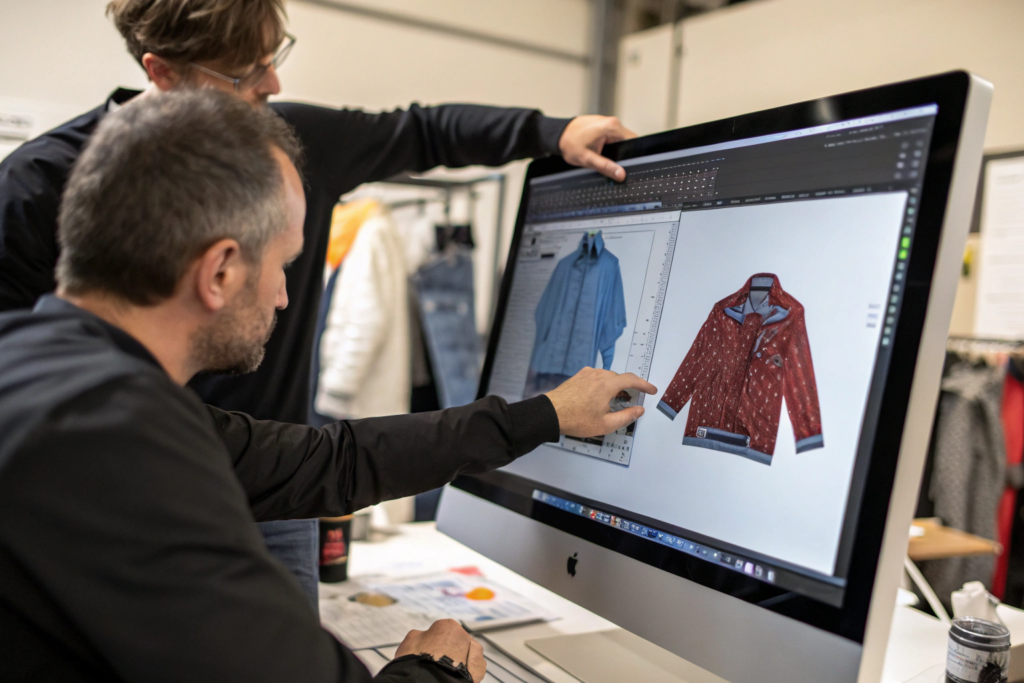
A flat, two-dimensional tech pack is a collection of numbers and line drawings. It is a static document. It cannot reveal a fit problem. A 3D CLO model, built from the exact pattern pieces and draped on a customizable avatar with your brand’s specific fit model measurements, reveals the truth of the garment’s fit instantly. The digital model shows the armhole tension, the neckline drape, the hem swing, and the pocket placement in a dynamic, visual, and interactive format.
We digitize every incoming distressed tech pack into a 3D model within the first 24 hours of the rescue project. The 2D pattern is drafted from the tech pack’s measurements, and the 3D simulation is generated using a digital fabric that matches the weight and drape of your approved material. The 3D model is then compared to the physical reference sample, if one is available. This comparison almost always reveals a critical discrepancy. The previous supplier may have altered a seam allowance to suit their machinery, and the 3D model, built to the correct spec, shows a different garment than the reference sample. This digital truth-telling process is the fastest way to identify and resolve the hidden pattern errors and unauthorized modifications that are embedded in the old supplier’s work. Within 48 hours, we can share a secure link to the 3D model with you, and you can see, on your screen, the exact garment your new production run will produce.
How Do We "Correct" an Incomplete Bill of Materials?
An incomplete Bill of Materials is a ticking time bomb in a rapid production rescue. The BOM is the master list of every component in the garment. A missing or incorrect entry—the wrong interfacing weight, the wrong thread color code, the wrong zipper tape specification—will cause a direct, visible quality failure in the finished product. The previous supplier may have had the correct information in their internal system, but it was not documented on the BOM they shared with the brand.
Our technical designer performs a physical "teardown" of the reference sample garment, if one is available. The garment is carefully deconstructed, and every single component is identified, measured, and recorded. The interfacing is weighed. The thread color is matched to a Pantone number. The zipper is identified by its manufacturer’s code on the slider body. The lining fabric is burn-tested to confirm its fiber content. This physical teardown data is cross-referenced against the written BOM. Every discrepancy is flagged and resolved with the brand owner. If a physical sample is not available, we build a new, complete BOM from scratch based on the tech pack, the fabric specifications, and our own engineering standards, and we submit it to the brand for line-by-line approval. We do not proceed to the PP sample stage until a complete, accurate, and mutually approved BOM is in place. This is the document that will drive all material purchasing and production, and it must be correct.
What Is the "Rescue Run" Production Slot and How Fast Can It Deliver?
Standard production capacity is planned months in advance. Every production line is allocated to a specific order, with a specific start date and a specific completion date. A mid-season rescue order, arriving with a seven-week deadline, cannot be queued at the back of a standard production schedule that is already fully committed. It requires a different kind of capacity: a pre-planned, reserved "rescue capacity" that is held outside the standard scheduling system and is specifically designed for short-notice, high-priority, fast-turn orders.
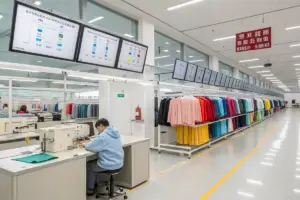
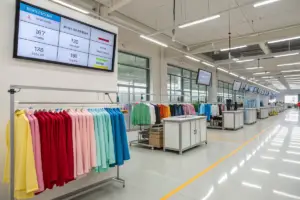
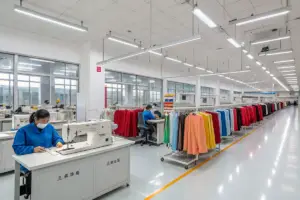
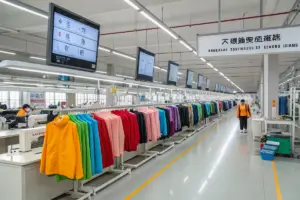
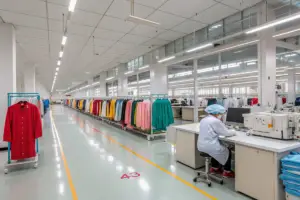
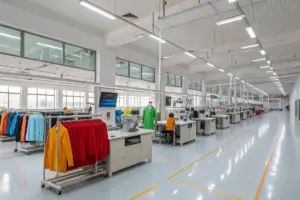
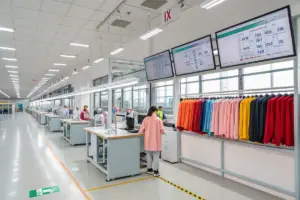
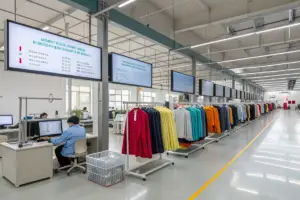
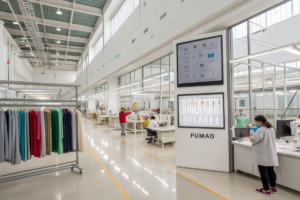
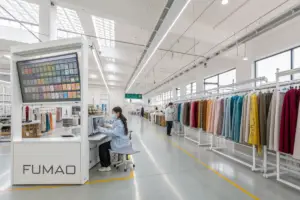
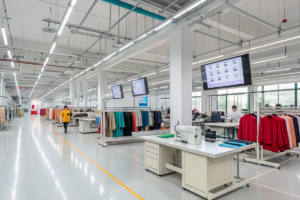
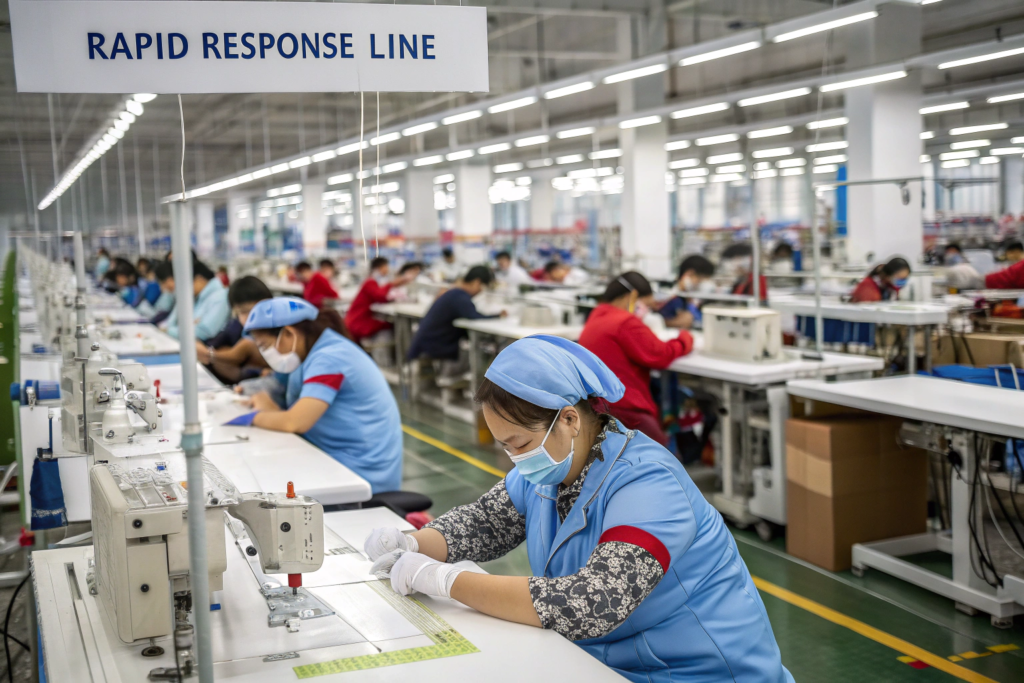
Our rescue capacity is a dedicated, flexible production cell we call the "Rapid Response Line." It is a physically separate, mini-factory within our main factory floor. It is staffed by a small, cross-trained team of our most experienced sewing operators, cutters, and finishers. This team does not work on standard, long-run orders. They are the emergency response unit. Their production schedule is managed on a rolling, four-week window, and we deliberately hold a small percentage of their capacity unallocated, specifically for rescue situations like a mid-season supplier failure. When your rescue order is confirmed, we lock in a specific, dedicated time slot on the Rapid Response Line, and your order is not moved or delayed. It is a guaranteed, immovable production commitment.
How Do We Allocate Dedicated Cutting and Sewing Teams for a Rush?
A rush order cannot be processed through the standard, pooled cutting and sewing departments, where it will compete for machine time with other, larger orders and inevitably be delayed. It requires dedicated, ring-fenced resources: a specific cutter, a specific set of sewing machines, and a specific, named team of operators who are exclusively assigned to your order for its duration.
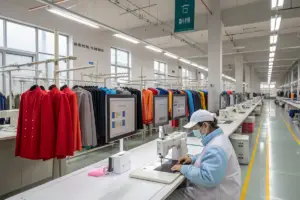
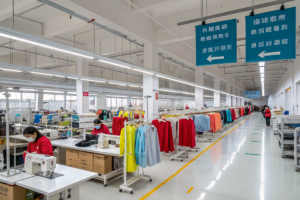
When your rescue order enters the Rapid Response Line, our production scheduler physically assigns a dedicated cutter and a dedicated sewing team of six to eight operators. Their names are written on the production whiteboard next to your order number. They do not work on any other order during your production window. The cutter cuts only your fabric. The sewing team sews only your garments. The finishing and pressing team handles only your order. This dedicated allocation eliminates the single biggest source of delay in a rush order: the queuing and waiting time that occurs when a priority order is inserted into a busy, multi-tasking production environment. The dedicated team focuses exclusively on your order, and the result is a predictable, compressed production timeline that can deliver a finished, packed, and shipped order in as little as 5 to 7 weeks from the receipt of the raw materials. This is the production equivalent of a surgical team, not a general hospital ward.
What Is the "No-Surprise" Cost Structure for an Emergency Transition?
A mid-season rescue is more expensive than a standard, planned production order. It requires faster sampling, dedicated capacity, and expedited material sourcing. But the cost must be transparent, itemized, and predictable. A "rescue fee" that is buried in an inflated per-unit price is a second betrayal of a brand that has already been betrayed by a failed supplier. We publish our rescue costs as a separate, transparent line item on the initial quotation.
The "Rescue Transition Fee" is a fixed, one-time charge that covers three specific, incremental costs. First, the 72-hour priority PP sample and the 3D tech pack digitization. Second, the dedicated, ring-fenced Rapid Response Line allocation, which carries a 15% production labor surcharge to cover the premium paid to the senior operators for the flexible, high-intensity work schedule. Third, the expedited trim sourcing and air-freight courier costs for any missing or replacement trims that cannot be supplied from the extracted inventory. The per-unit FOB cost of the garment itself remains the same as a standard order, because the material and the standard production labor are identical. This transparent, two-part pricing—a separate, fixed rescue fee, and a standard per-unit garment cost—gives you a clear, predictable total cost of the transition. There are no hidden surcharges, no inflated per-unit prices that permanently embed the rescue cost, and no financial surprises at the shipment stage. You know the exact cost of the rescue before you commit to it.
Conclusion
A mid-season supplier failure is a brand’s worst operational nightmare. Your raw materials are trapped, your tech pack is compromised, your retail slots are booked, and your cash flow is committed. The clock is ticking toward chargebacks, lost wholesale accounts, and a damaged brand reputation. Switching to Shanghai Fumao mid-season is a structured, rapid-rescue operation. We extract and audit your orphaned raw materials, handling the delicate logistics and issuing an honest status report within 48 hours. We digitize your distressed tech pack into a corrective 3D model, rebuild an accurate bill of materials, and produce a priority pre-production sample on our rapid sampling line within 72 hours. And we allocate your order to our dedicated Rapid Response Line, a ring-fenced, flexible production cell staffed by our most senior operators, which is specifically designed for short-notice, high-priority emergency runs. Your order is cut, sewn, finished, and shipped within 5 to 7 weeks, with a transparent, separate rescue fee and a standard per-unit garment cost.
Your brand does not deserve to die because a previous supplier failed. A failed supplier is a failed promise. We are in the business of keeping promises, and we have built the operational infrastructure to rescue a brand that has been abandoned mid-season.
If you are a U.S. brand owner currently facing a mid-season supplier crisis, time is the one resource you cannot recover. Do not wait until the chargebacks arrive. Contact our Business Director, Elaine, right now at elaine@fumaoclothing.com. Tell her you have a mid-season supplier emergency. Attach your tech pack, your PO, and the current status of your raw materials. She will personally manage the rescue assessment and give you a transparent, fixed-cost transition plan within one business day. Let’s rescue your season.