Two years ago, a menswear brand in Texas received a container of 3,000 oxford shirts from a new supplier. The shirts were beautifully packaged and shipped on time. The brand owner opened the first carton, pulled out a shirt, and his stomach dropped. The collar points were 6.5 centimeters long. His approved design was 7.5 centimeters. The difference was a single centimeter, but it transformed the shirt from a modern, sharp collar into a dated, stubby one. He pulled the pre-production sample from his office shelf, measured the collar, and confirmed it was 7.5 centimeters. The factory had approved the sample, and then, during bulk production, the cutting room had used a modified pattern with a shorter collar point to save fabric. The pre-production sample was perfect. The bulk production was a fraud. The brand spent $45,000 on unsellable shirts and lost a season’s worth of customer trust.
A pre-production sample at Shanghai Fumao is a physical, fully approved, signed, and sealed garment that is manufactured on the actual bulk production line using the exact bulk fabric, trims, and production sewing operators, and it serves as the single, legally binding physical standard against which every single unit of the bulk order is inspected before shipment. It is not a sample room prototype. It is not a salesman sample. It is the final, contractual handshake between our factory and your brand, the moment where the design stops being a conversation and becomes a standard. Let me explain exactly what this sample contains, the specific approvals it requires, the catastrophic production failures it prevents, and the formal protocol we use to seal it as the unchangeable law of your production run.
What Is the Difference Between a Proto Sample and a PP Sample?
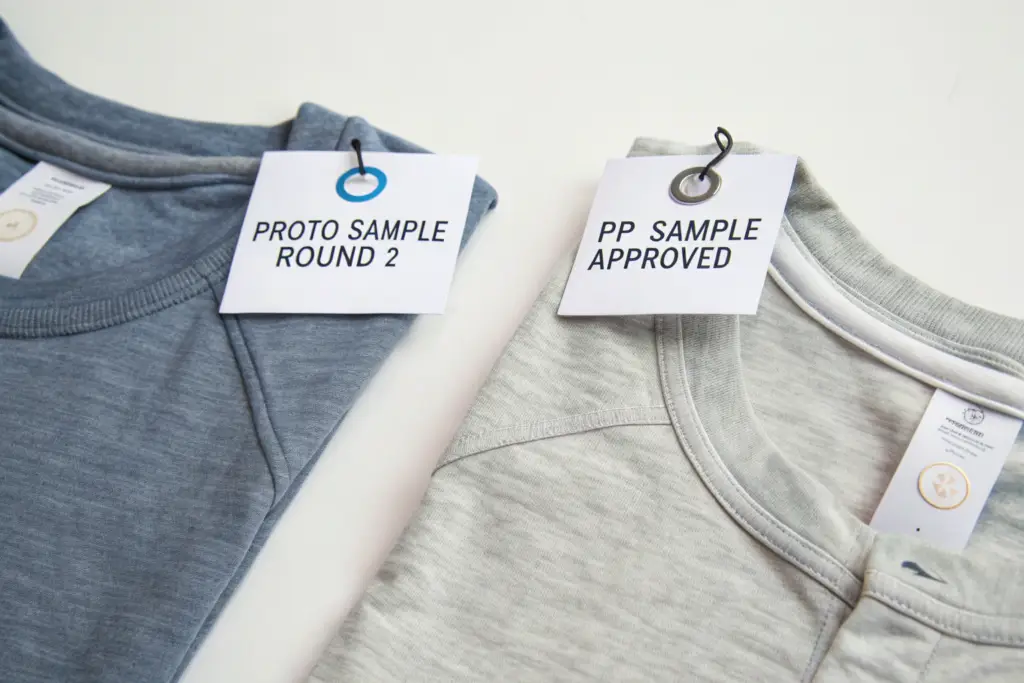
The journey from a sketch to a shipping container involves multiple distinct sample stages, and confusing these stages is a leading cause of production disasters. A proto sample answers the question, “Can this design be made?” A pre-production sample answers the question, “Will the bulk production exactly match this physical standard?” These are two fundamentally different questions, and they require two fundamentally different samples.
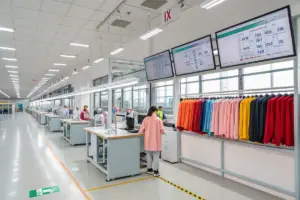
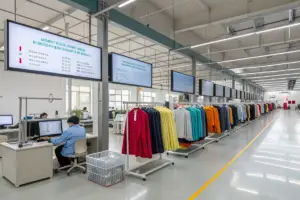
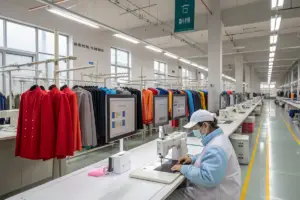
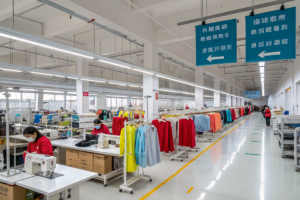
A proto sample, short for prototype, is a developmental tool. It is made in our sample room by a single, highly skilled sample sewer, using available fabric that is similar to, but not necessarily exactly the same as, the final bulk fabric. The proto sample is used to check the initial pattern, the basic fit, and the general proportions. It often goes through multiple rounds—Proto 1, Proto 2, Proto 3—as the design is refined. A proto sample is an exploration. A PP sample is a contract. It is made on the bulk production floor, by the production operators who will sew your order, using the exact batch of fabric and trims that will be used in your bulk order. It is the first unit off the actual production line. The difference is the difference between a prototype car built by engineers in a lab and the first production car off the assembly line. The prototype proves the design is possible. The PP sample proves the production system is calibrated.
Why Is a PP Sample Made on the Actual Production Line, Not the Sample Room?
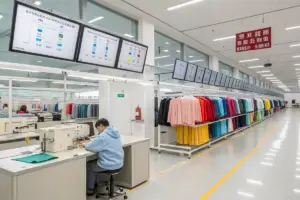
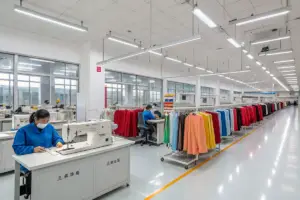
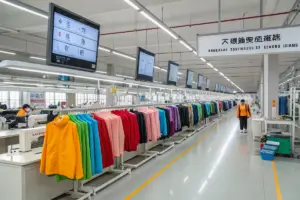
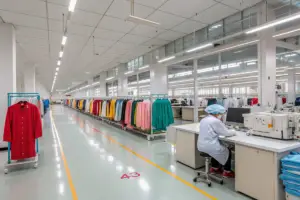
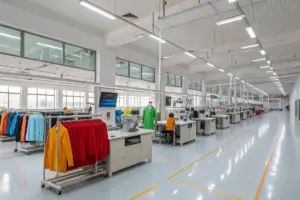
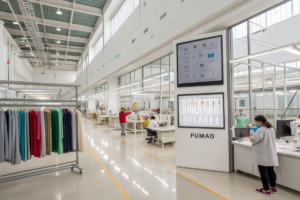
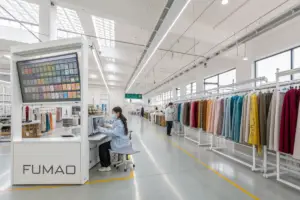
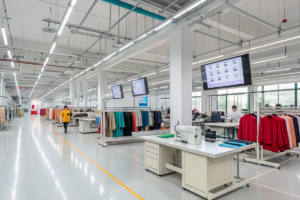
A sample room is a pristine, slow, artisanal environment. The lighting is perfect. The machines are set up by a master mechanic. The sewer is a 20-year veteran who handcrafts a single garment over two days, checking every seam, adjusting the tension manually, and redoing any stitch that is less than perfect. This environment produces a beautiful garment. It does not produce a representative garment. The sample room product is a one-off work of craftsmanship. It does not predict what the 50th unit off a moving production line will look like, sewn by an operator who is paid by the piece and working at production speed.
A PP sample made in the sample room is a dangerous, misleading lie. It sets a quality expectation that the bulk production line cannot possibly match. When the brand compares the bulk garments to the sample room PP sample, they will find discrepancies in stitch appearance, seam alignment, and overall finish. They will reject the bulk, and they will be right to do so. A PP sample made on the actual production line, by the actual production operators, using the actual production jigs, fixtures, and machine settings, is a truthful sample. It shows the brand exactly what the bulk production system will produce. If the brand approves that sample, they are approving the capability of the production line, not the artistry of a single craftsperson. This is the only honest basis for a bulk production contract.
What Specific Components Must Be Exactly as Bulk?
The rule is absolute and non-negotiable: every single component of the PP sample must be from the exact bulk batch. There is no such thing as a “similar” fabric or a “close enough” trim on a PP sample. A PP sample made with a substitute component is not a PP sample; it is a late-stage proto sample, and it is a contractual fraud if presented as a PP sample.
The fabric must be cut from the same dye lot and the same finishing batch as the bulk fabric. The thread must be from the same dye lot. The buttons, zippers, snaps, and labels must be from the exact bulk production batch, with the same lot number traceable back to the supplier’s mill certificate. The interlining, the shoulder pads, the pocketing, and the care label must all be from the bulk stock. The reason is simple: component batches vary. A button from a different production run of the same supplier can be a fraction of a millimeter thicker, or the color can be a subtly different shade of ivory. A care label from a different print run can have a slightly different ink density. These microscopic differences, multiplied across thousands of units, become a visible quality inconsistency. The PP sample is the proof that the exact bulk components, when assembled on the bulk production line, produce a garment that meets the brand’s specification. Any deviation from this rule invalidates the sample.
How Does the PP Sample Prevent Catastrophic Bulk Cutting Errors?
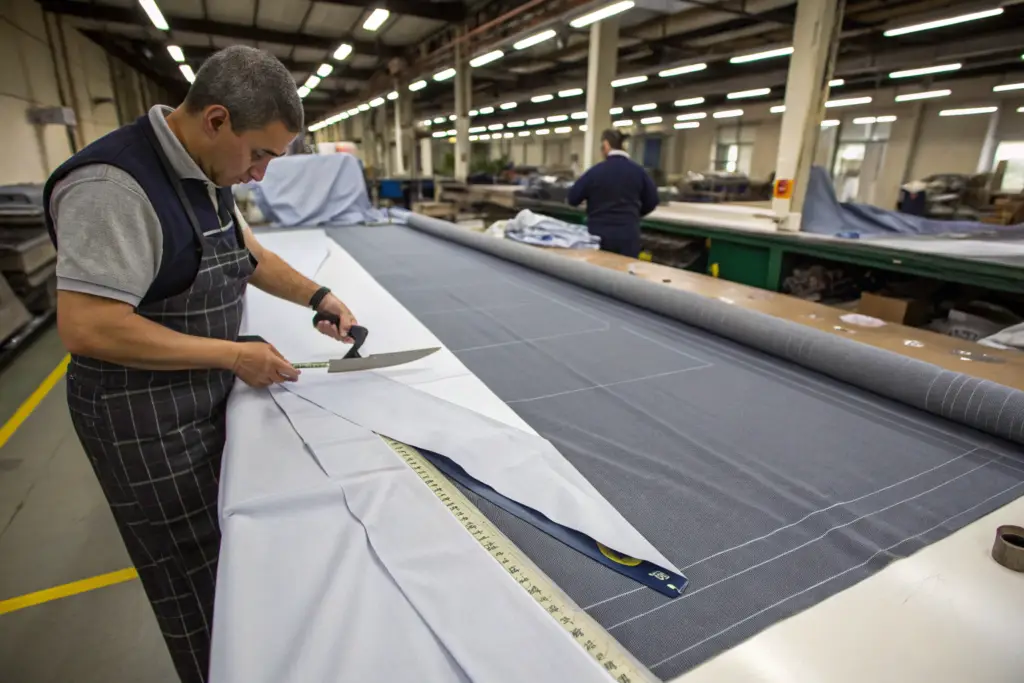
The moment before the cutting knife enters the fabric is the most expensive moment in the entire garment manufacturing process. After the cut, the fabric is no longer a roll that can be returned to the mill. It is a pile of garment panels, and the brand’s capital is committed. An error that is caught before cutting is a phone call. An error that is caught after cutting is a financial loss measured in thousands of dollars. The PP sample is the physical checkpoint that stands between the cutting knife and a catastrophic, irreversible error.
The cutting room supervisor uses the approved PP sample to perform a final, physical verification of three critical elements: the fabric shade, the pattern piece alignment, and the marker efficiency. The PP sample is placed on the spread fabric under the cutting room’s calibrated light, and the shade is visually compared. The PP sample is opened up, and the individual pattern pieces are visually checked against the marker to ensure the correct pattern version is loaded. The PP sample is felt, its fabric hand and thickness compared to the spread fabric. This is a physical, tactile, human verification that no digital file or printed specification can replicate. The PP sample is the last line of defense before the knife drops.
How Does a Signed PP Sample Freeze the Pattern and Prevent Drift?
Pattern drift is the slow, unauthorized, incremental modification of a garment’s pattern over the course of a production run. A cutter might slightly adjust a seam allowance to save fabric. A sewing supervisor might slightly adjust a pocket placement to speed up the line. Each individual adjustment is tiny, a millimeter here, a half-centimeter there. But cumulatively, over a run of 5,000 units, the garment drifts away from the approved design. The final units are visibly different from the first units, and the brand receives an inconsistent, quality-compromised shipment.
The signed, approved PP sample is the pattern’s legal anchor. When the brand signs the PP sample approval form, they are signing a contract that states, “This exact garment, with these exact measurements, is the standard for the entire production run.” The PP sample, with its signed hangtag, is placed in a sealed, transparent garment bag and hung on a hook at the cutting room supervisor’s station. Every time a new cutting marker is prepared, the supervisor physically compares the pattern pieces to the PP sample. Every time a new sewing operator joins the line, the PP sample is placed at their station as the visual standard. The pattern cannot drift because the physical standard is always present, always visible, and always the same. The signed PP sample is a constant, immutable physical reference that prevents the slow, cumulative degradation of quality that plagues production runs without a formal PP approval gate.
What Happens If the PP Sample Reveals a Fabric Shade Drift?
Fabric shade drift between dye lots is a common and potentially catastrophic problem. A mill produces a new dye lot of the specified fabric, and the shade is subtly different from the approved lab dip or the previous lot. The difference is often within the mill’s commercial tolerance, but it is visible when the two lots are cut and sewn into garments and placed side-by-side on a retail rack. A garment with a mismatched shade panel, or a shipment where half the units are a subtly different shade than the other half, is a quality failure that will generate customer returns and retail chargebacks.
The PP sample, because it is made from the actual bulk fabric lot, reveals this shade drift before the bulk cut. When our cutting room receives the bulk fabric, the first action is to cut and sew a single PP sample from that specific lot. The PP sample is then compared, under a calibrated light booth, to the approved reference standard. If a shade drift is detected, the production is halted immediately. The PP sample, along with a physical cutting of the bulk fabric and the approved reference, is sent to the brand owner for a shade review. The brand owner can assess the drift in their own office, under their own lighting, and make the decision: accept the drift, adjust the design to accommodate it, or reject the lot and demand a re-dye. This decision is made before a single production panel is cut. The PP sample has absorbed the cost of the shade drift discovery, which could have been a $20,000 fabric write-off. It is a low-cost, high-fidelity, early-warning system for one of the most expensive quality failures in garment manufacturing.
What Is the Formal Sign-Off Protocol for a PP Sample?
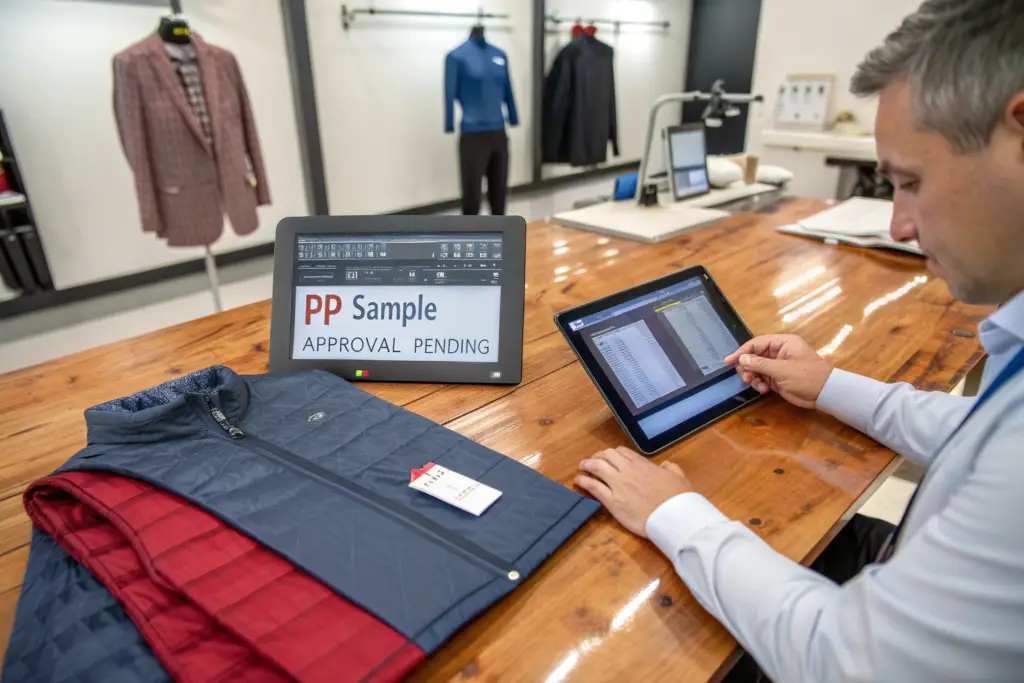
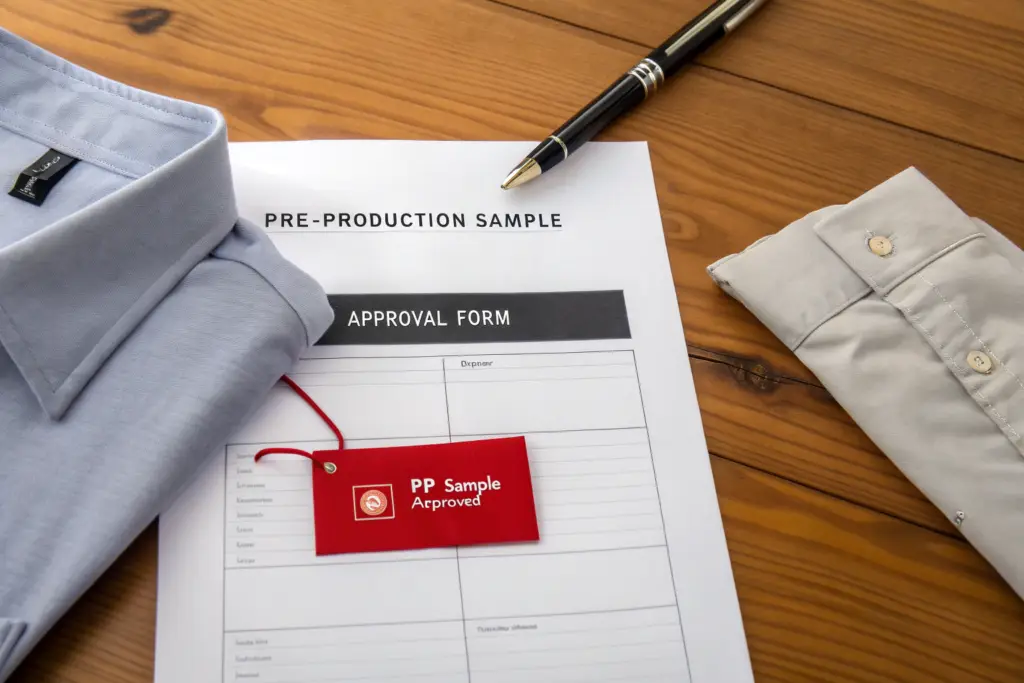
The approval of a PP sample is not a verbal “looks good” in a showroom or an email that says “approved.” It is a formal, documented, multi-sensory inspection that culminates in a signed legal document. This formality is not bureaucratic. It is protective. In the event of a quality dispute, the signed PP sample and its approval form are the definitive evidence of the agreed standard. An email trail is a negotiation. A signed PP sample approval form is a contract.
The protocol is a structured, three-part process: a visual inspection, a measurement verification, and a tactile and wear assessment. The inspector—who must be the brand owner or their formally delegated, named representative—physically checks the sample against the approved tech pack and the approved component submissions. Every check is recorded on the approval form. There is no “looks fine” in the comments section. There are specific measurements, specific pass/fail checkmarks, and specific notes written in permanent ink.
What Specific Measurements Are Checked and Recorded on the PP Form?
The PP approval form contains a comprehensive, pre-printed measurement table that lists every critical dimension of the garment. This table is not generic. It is specific to the garment type and is extracted directly from the approved tech pack. The inspector must physically measure each point on the PP sample, using the same measurement method specified on the tech pack, and record the actual measurement to the nearest 0.1 centimeter.
For a woven shirt, the table includes the collar circumference, the collar point length, the center back length, the chest circumference at 2.5 centimeters below the armhole, the waist circumference, the bottom hem sweep, the shoulder width, the sleeve length from the center back neck, the sleeve length from the shoulder point, the bicep circumference, the cuff circumference, the armhole curve length, and the front placket width. Each measurement is read aloud by the inspector, witnessed by a second person, and recorded on the form in permanent ink. The recorded measurement is then compared to the tech pack specification and its tolerance range. If a measurement falls outside the tolerance, it is circled in red ink, and the sample is conditionally failed. The factory must correct the pattern and submit a new PP sample. The form becomes a permanent, auditable record of the exact dimensions of the approved standard.
How Should a Brand Owner Physically Inspect and Wear-Test a PP Sample?
The measurement table is the objective check. The physical, wear-test inspection is the subjective, human, and equally critical check. A garment can pass every measurement on the table and still fail on the body. The drape, the comfort, the noise of the fabric, the feel of the seams against the skin—these are sensory qualities that cannot be captured by a ruler.
The brand owner, or a designated fit model with the exact target customer’s body measurements, must put on the PP sample and wear it. They must move in it. For a shirt, they must raise their arms, reach forward, cross their arms, and sit down in a chair. They are checking for binding across the back, tightness in the armhole, gaping at the button placket, and collar comfort when the top button is fastened. For trousers, they must walk, sit, squat, and put their hands in the pockets. They are checking for knee bag, seat ease, waistband comfort, and pocket functionality. This wear test should last a minimum of 15 minutes. The inspector should note any area of discomfort, any restrictive movement, or any visual distortion in the garment’s drape during movement. These notes are recorded on the PP form in the “Wear Test Comments” section. This human, embodied assessment is the final, non-negotiable gate of the PP approval process. A garment that passes the ruler but fails the body is not approved.
Conclusion
A Pre-Production Sample at Shanghai Fumao is not a prototype. It is not a salesman sample. It is a contractual, physical, signed, and sealed standard that is manufactured on the actual production floor, by the production team, using the exact bulk materials that will go into your order. The signed PP sample is the immutable law that governs your production run. It freezes the pattern, preventing the slow, costly drift of unauthorized modifications. It catches a fabric shade drift before a single production panel is cut, saving you from a $20,000 fabric write-off. It replaces vague email approvals with a formal, documented inspection protocol that includes a comprehensive measurement table and a mandatory, 15-minute wear test. When you sign a Fumao PP sample, you are not just approving a garment; you are locking in the exact quality standard that every single unit of your bulk order will be measured against.
At Shanghai Fumao, we treat the PP sample not as a sales tool, but as a quality contract. We want you to inspect it critically, measure it precisely, wear it hard, and only sign it when you are satisfied that this exact garment, in this exact fabric, with these exact trims, is the product you want to sell to your customer. The PP sample is your product’s physical DNA. We protect it, and we build to it.
If you are a U.S. brand owner preparing for your next production run, and you want to experience our formal PP sample protocol, let’s begin the process. We can walk you through our PP approval form, show you a sample PP sample with its full documentation, and schedule your inspection. Contact our Business Director, Elaine, at elaine@fumaoclothing.com. Tell her you want to review the PP sample protocol. Let’s build your approved standard, together, and make it the unbreakable law of your production line.