Last spring, a brand owner I work with was frustrated. She had invested $6,000 in a beautiful website. The photography was stunning. The brand story was compelling. The consumer side of the site was converting well. But the wholesale section was a ghost town. Retail buyers were not submitting inquiries. The contact form generated maybe two submissions a month. She asked me to review the site from a buyer’s perspective. I spent 30 minutes on it. The wholesale page was buried three clicks deep in the footer. The line sheet required filling out a long form to download. There was no pricing information anywhere. And the call-to-action was a generic "Contact Us" button. She had built a site for consumers and assumed wholesale buyers would find their way. They did not. We rebuilt the wholesale section over the next four weeks. Three months later, her monthly wholesale inquiries had grown from two to twenty-three. The same traffic. A different experience.
You optimize your clothing brand website for maximum B2B wholesale buyer conversions by building a dedicated wholesale landing page that answers the five questions every retail buyer asks within ten seconds of arriving: What do you sell? What is the wholesale price range? What are the minimum order quantities? How do I place an order? And why should I trust you? The page must be accessible from the main navigation with a clearly labeled "Wholesale" link, not hidden in a footer menu. It must feature a digital line sheet with product images, wholesale pricing, and available sizes visible without a login wall. It must include a buyer qualification form that captures the store name, location, and buying history before granting access to full wholesale pricing. And it must offer multiple conversion paths: a "Book a Call" button for high-intent buyers, a "Download Line Sheet" button for researchers, and a "Request a Sample" button for buyers who need to touch the product before committing. The goal is to reduce the friction between a buyer’s interest and their first order.
Most clothing brand websites are designed for consumers, and the wholesale buyer is treated as an afterthought. This is a costly mistake. A single wholesale buyer can place an order worth more than 50 individual consumer purchases. The website should treat the wholesale buyer like the high-value customer they are. I want to share the specific optimization strategies that have worked for our brand partners, the ones who now receive daily wholesale inquiries instead of monthly ones.
A retail buyer once told me she decides within eight seconds whether a brand is worth her time. She lands on the homepage. Her eyes scan the navigation bar. If she does not see the word "Wholesale" in the main menu, she assumes the brand is direct-to-consumer only and clicks away. She is not going to hunt through the footer. She is not going to use the search bar. She is not going to send an email to ask. She has 40 other brands to review that day. The navigation bar is the first and most brutal filter. A brand that passes this filter gets the next eight seconds of her attention. A brand that fails it never knows she visited.
The website structure that signals professionalism to retail buyers has four essential elements. First, a clearly labeled "Wholesale" link in the main navigation bar, not in a dropdown under "About" or hidden in the footer. Second, a dedicated wholesale landing page that is separate from the consumer shopping experience, with its own URL structure, such as /wholesale. Third, a visible contact method on the wholesale page, a direct email address, a phone number, or a calendar booking link, not a generic contact form. Fourth, social proof elements on the wholesale page, including logos of stores that currently carry the brand, testimonials from existing wholesale accounts, and press mentions. These four elements tell the buyer in under ten seconds that this brand is serious about wholesale partnerships, has been vetted by other retailers, and is easy to do business with. A brand that buries its wholesale information communicates the opposite: that wholesale is an afterthought, that the brand does not understand retail buyer behavior, and that doing business with them will be administratively painful.
The website is the brand’s wholesale sales representative that works 24 hours a day. When a buyer lands on the site at 11 PM after a long day of reviewing collections, the website must answer their questions, build their confidence, and give them a clear next action. If it does not, they click away and review a competitor’s site instead.
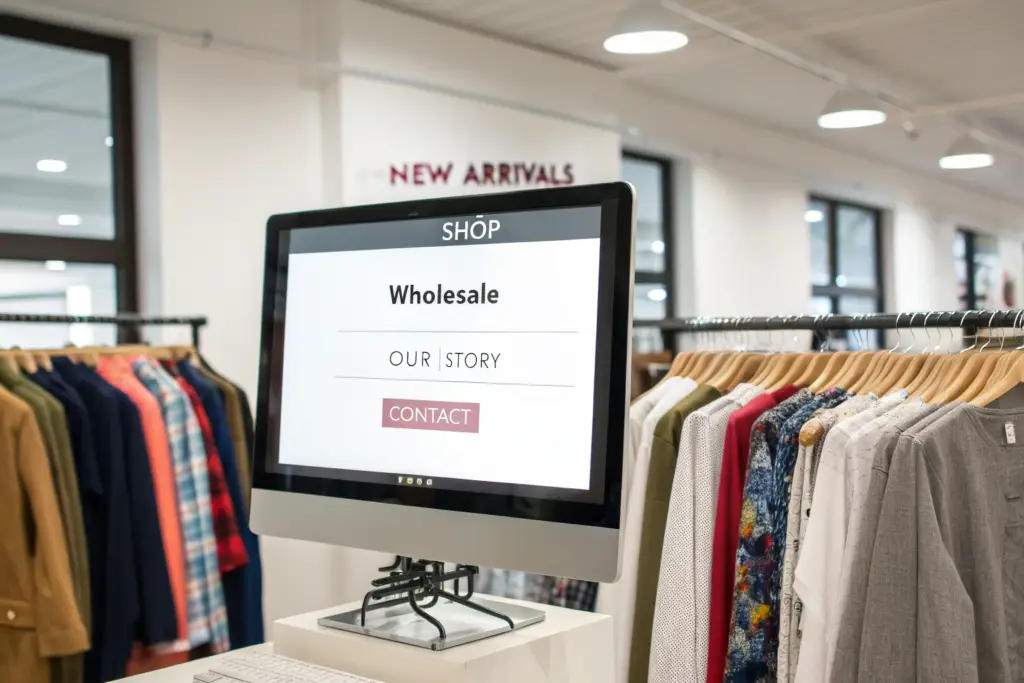
Retail buyers operate under time pressure. During buying season, a buyer may review 50 to 100 brand websites in a week. They develop rapid scanning patterns. The main navigation bar is the first place their eyes land. If "Wholesale" is not there, they make an instant assumption: this brand is either not interested in wholesale or not professional enough to make wholesale easy. Neither assumption leads to an inquiry. The footer is the last place a buyer looks. It is where brands put legal links, privacy policies, and terms of service. A buyer who has to scroll to the footer to find wholesale information has already formed a negative impression. The main navigation bar placement signals that wholesale is a core part of the brand’s business model, not a side project. The website navigation best practices for B2B are well documented in user experience research. The most important links go in the main navigation. For a brand that wants wholesale orders, the wholesale link is one of the most important links.
What “Trust Badges” on a Wholesale Page Immediately Increase a Buyer’s Confidence to Place an Initial Order?
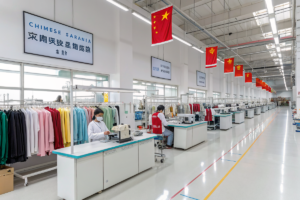
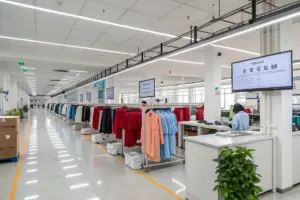
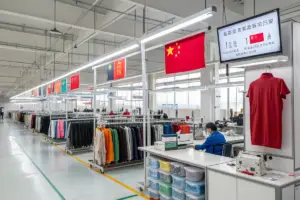
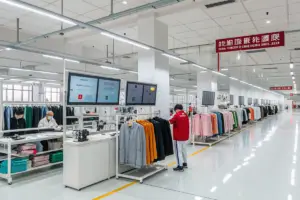
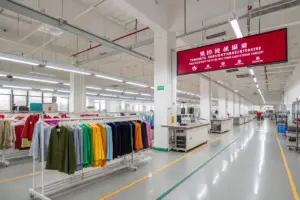
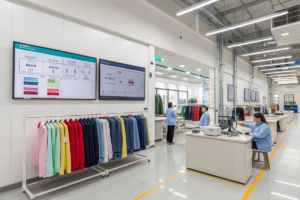
Trust badges are visual signals that reduce the perceived risk of doing business with an unfamiliar brand. For wholesale buyers, the most effective trust badges are different from the consumer trust badges like secure checkout icons. Wholesale trust badges include logos of stores that already carry the brand, displayed in a "As Seen In" or "Stocked By" section. Even if the logos are small boutiques, the presence of any retail logos proves that other professional buyers have vetted the brand and committed their shelf space. A testimonial quote from an existing wholesale buyer, with their name, store name, and location, carries enormous weight. A "Press" section showing features in trade publications, fashion magazines, or industry blogs provides third-party validation. A "Trade Show" section showing photos of the brand’s booth at a recognized industry event proves the brand is serious enough to invest in trade show presence. A "Factory" section with photos of the manufacturing facility demonstrates supply chain transparency. The B2B trust signals for wholesale websites should be curated specifically for the concerns of a retail buyer. The buyer is asking themselves: "Will this brand deliver on time? Will the quality match the samples? Will other stores in my area be selling the same product?" The trust badges answer these unspoken questions.
How Should a Digital B2B Line Sheet Be Designed to Answer Every Buyer Question Without a Phone Call?
A brand owner I know used to send her line sheet as a PDF attachment. Every time a buyer requested it, she would compose a personalized email, attach the file, and hit send. The process took five minutes per buyer. She handled 15 buyer inquiries per month. That was 75 minutes of admin work. Worse, the PDF was static. If a style sold out, the PDF was not updated. Buyers placed orders for unavailable stock. The back-and-forth emails to correct the orders consumed hours. She switched to a digital line sheet hosted on a platform that updated in real time. The link stayed the same. Buyers could access it anytime. The available quantities were always current. Her admin time dropped to near zero. Her order accuracy improved dramatically. The digital line sheet transformed her wholesale operation from a manual, error-prone process into a self-service, always-accurate system.
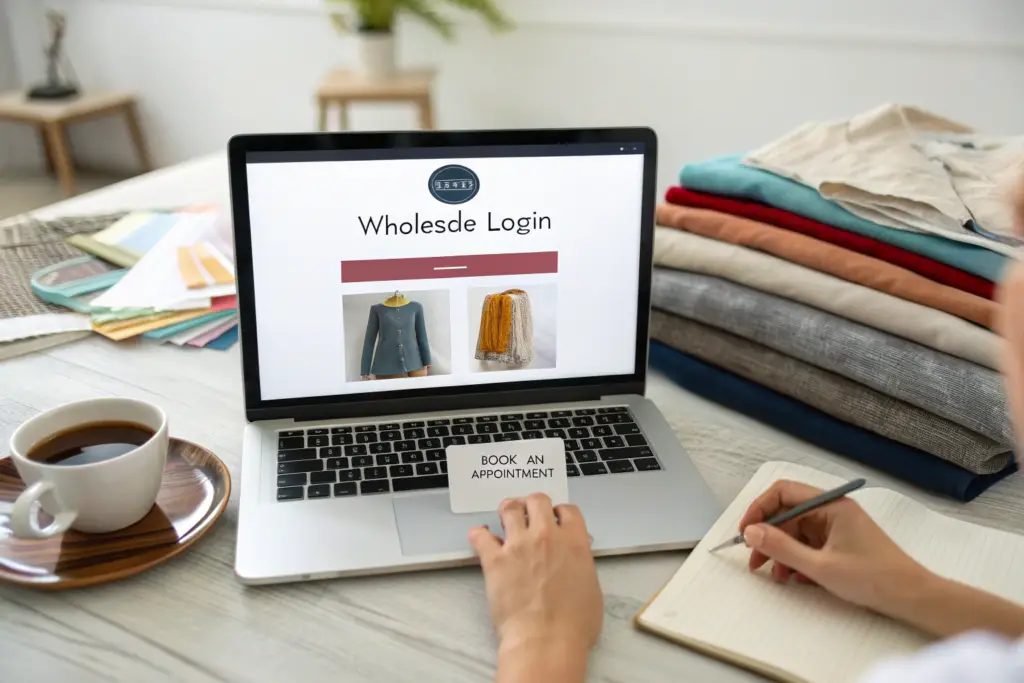
A digital B2B line sheet must be designed as a self-contained sales document that answers every question a buyer would otherwise need a phone call to ask. It must display the product image, the style number, the available colors with visual swatches, the size range, the wholesale price per unit, the recommended retail price, the minimum order quantity, the case pack configuration, and the current stock availability. It must be hosted on a platform that updates in real time as orders are received, so a buyer never places an order for out-of-stock inventory. It must be accessible via a single, permanent link, not a file attachment that becomes outdated the moment it is sent. It must be mobile-responsive, because many buyers review line sheets on their phones during buying appointments. And it must include an obvious ordering mechanism, a "Submit Order" button, an email instruction, a link to a B2B portal, that converts interest into action without requiring the buyer to compose an email from scratch.
The digital line sheet is the wholesale buyer’s primary decision-making tool. A buyer who can answer all their questions from the line sheet alone is a buyer who can place an order without a phone call. A buyer who has to email the brand for pricing, sizing, or availability information is a buyer who may lose momentum and move on to the next brand.

What Are the Absolute Must-Have Data Fields on a Wholesale Line Sheet Versus a Consumer-Facing Catalog?
A consumer-facing catalog shows a product image, a description, and a retail price. A wholesale line sheet must show significantly more data because the buyer is making a commercial decision, not a personal purchase. The must-have data fields are: style number for easy reference in orders and reorders, wholesale price per unit, recommended retail price so the buyer can calculate their margin, available color options displayed as visual swatches with color names and codes, available size range with specific measurements or a size chart link, minimum order quantity per style and per color, case pack configuration so the buyer knows how many units come in a prepack, fabric composition and care instructions so the buyer can answer customer questions, country of origin for compliance with import regulations, and current stock availability so the buyer knows if the product is in stock, made to order, or sold out. The wholesale line sheet template standards are more demanding than consumer catalog standards because the wholesale buyer is placing a larger financial commitment and needs complete information to make a confident decision.
How Do You Integrate a “Request a Sample” Button That Captures High-Intent Leads Without Overwhelming Your Team?
The sample request is the highest-intent action a wholesale buyer can take short of placing an order. A buyer who requests a sample has already decided the product fits their store’s aesthetic and price point. They need to touch the fabric, check the fit, and verify the quality before committing to an order. The sample request process must be frictionless for the buyer and manageable for the brand. The "Request a Sample" button on the line sheet links to a short form that captures the buyer’s name, store name, shipping address, style number, and size preference. The form automatically sends a confirmation email to the buyer with the expected ship date. It also sends a notification to the brand’s fulfillment team. The brand can set a sample fee, typically the wholesale cost plus shipping, which filters out casual requesters and ensures only serious buyers request samples. The fee can be credited against the buyer’s first order, which incentivizes conversion. The sample request automation process streamlines the workflow and captures the lead data in a structured format that can be followed up on later.
What Buyer Qualification and Onboarding Automation Separates Serious Buyers from Time-Wasting Inquiries?
A brand owner I work with used to respond to every wholesale inquiry personally. She would spend 20 minutes on the phone with each potential buyer, walking them through her collection, answering questions, and sending follow-up emails. Many of these buyers were not qualified. They had no physical store. They had no budget. They were "thinking about starting a boutique someday." She was spending hours every week on conversations that would never lead to an order. We implemented a buyer qualification form on her wholesale landing page. The form asked for the store name, the business license number, the years in business, and the brands currently carried. Qualified buyers filled it out without hesitation. Unqualified buyers abandoned the form. Her phone time dropped by 70%. Her conversion rate from inquiry to order increased because every conversation she had was with a pre-qualified buyer.
Buyer qualification automation separates serious buyers from time-wasters by requiring the buyer to demonstrate their legitimacy before accessing full wholesale information or booking a call with the brand owner. The qualification form must be short enough that a legitimate buyer can complete it in under two minutes, but specific enough that an unqualified inquirer cannot easily fake their way through. The required fields should include the store name, the business license or tax ID number, the physical store address or e-commerce URL, the years in business, and the brands currently carried. Once the form is submitted, an automated email sequence begins: an immediate confirmation email, a follow-up within 24 hours if the buyer has not yet placed an order, and a final check-in one week later. The qualified buyer feels welcomed and processed efficiently. The unqualified inquirer self-filters out. The brand owner spends time selling, not screening.
The qualification form is not an obstacle. It is a signal. A legitimate retail buyer is accustomed to providing their business credentials to open wholesale accounts. They have a business license. They know their tax ID. They can list the brands they carry. A form that asks for these credentials signals that the brand is professional and selective about its wholesale partners. This increases the brand’s perceived value, not decreases it.

What Specific Questions on a Wholesale Application Form Legally and Effectively Vet a Store’s Legitimacy?
The questions must be chosen to verify three things: the business exists, the business sells apparel, and the business has purchasing authority. The store name and business license number verify existence. The physical store address or e-commerce URL verifies that the business sells apparel and allows the brand to check that the store is a genuine retail operation, not a residence or a non-apparel business. The years in business provide a rough indicator of stability. A store that has been open for five years is a lower credit risk than a store that opened last month. The brands currently carried reveal the store’s price point and aesthetic alignment. A store that carries brands at a similar price point to yours is a good fit. A store that carries only discount brands is a poor fit for a premium brand. The wholesale buyer qualification criteria should also include a checkbox confirming the buyer agrees to the brand’s wholesale terms and conditions, including minimum advertised price policy, territory restrictions, and return policy. This legally protects the brand and sets expectations upfront.
How Can an Automated Email Drip Sequence Nurture a New Buyer from Inquiry to First Purchase?
The automated email sequence has four emails sent over ten days. Email one is the immediate confirmation. It thanks the buyer for applying, confirms their account has been created, provides the wholesale portal login link or the digital line sheet link, and offers a direct contact method for questions. Email two is sent on day three. It highlights the brand’s best-selling styles, includes a testimonial from an existing wholesale buyer, and suggests a starter assortment package for new accounts. Email three is sent on day seven. It offers a limited-time incentive, such as free shipping on the first order or a 5% discount for orders placed within the first 30 days. Email four is sent on day ten. It is a personal check-in from the brand owner or sales representative, asking if the buyer has any questions and offering a 15-minute phone call to discuss their store’s specific needs. The B2B email nurture sequence keeps the brand top of mind during the buyer’s decision-making process without being aggressive. Each email adds value and reduces the friction to placing the first order.
What Content Marketing and SEO Strategies Attract Active Wholesale Buyers Who Are Already Searching for New Brands?
A brand owner I work with wrote a blog post titled "How to Open a Women’s Boutique: A Six-Month Timeline." The post did not mention her brand until the final paragraph. It was genuinely helpful content. She published it on her website and shared it in a retail industry Facebook group. Within six months, that single blog post was generating 1,200 organic visits per month from Google. Retail buyers who were researching how to start a boutique found her brand through the blog post. Many of them clicked through to her wholesale page. Several became customers. The blog post cost her four hours to write. It generated leads for three years. Content marketing for wholesale is not about writing about your own products. It is about answering the questions your ideal buyer is already typing into Google.
Content marketing and SEO strategies attract active wholesale buyers by targeting the specific search queries that retail buyers use when they are sourcing new brands or researching how to improve their store’s performance. These queries include terms like "wholesale boutique clothing suppliers," "how to source premium [category] for a boutique," "trade show schedule for women’s apparel," and "how to open a clothing store." The brand creates blog posts, guides, and resources that answer these questions thoroughly and authoritatively. The brand is mentioned only at the end, as a relevant solution to the problem the article addresses. Over time, these content assets rank in Google search results, attract organic traffic from qualified retail buyers, and position the brand as an expert in the industry. The buyers who find the brand through a helpful article are pre-warmed. They already trust the brand’s expertise. They convert at a higher rate than buyers who land on a product page from a cold advertisement.
Content marketing is a long-term investment. A blog post written today may take six months to rank in Google. But once it ranks, it generates traffic for years with no additional cost. The brands that invest in wholesale-focused content build a sustainable lead generation engine that does not depend on paid advertising.
What Long-Tail Keywords Are Boutique Owners Actually Typing into Google When Sourcing New Lines?
Retail boutique owners use specific, problem-oriented search queries when they are actively looking for new brands. These queries are different from consumer search queries. A consumer searches for "women’s linen dress." A boutique owner searches for "wholesale linen dress suppliers for boutiques" or "premium linen clothing wholesale USA." The long-tail keywords that attract wholesale buyers include: "wholesale boutique clothing vendors no minimum," "how to find clothing manufacturers for a small boutique," "best wholesale clothing websites for boutiques," "trade shows for boutique owners 2025," "how to source sustainable clothing for a boutique," "private label clothing manufacturers for startups," and "category wholesale suppliers for small business." The brand that creates content optimized for these keywords captures the buyer at the moment of active sourcing, when they are ready to discover new brands and place orders. The wholesale SEO keyword strategy is different from consumer SEO. The search volume is lower, but the conversion intent is dramatically higher.
How Do You Structure a “How to Source” Blog Series That Positions Your Brand as the Obvious Solution?
The "How to Source" blog series is a sequence of five to seven articles, each addressing a specific sourcing challenge that boutique owners face. Article one: "How to Find Quality Clothing Manufacturers for Your Boutique." Article two: "What to Look for in a Wholesale Clothing Supplier." Article three: "How to Negotiate Wholesale Pricing and Payment Terms." Article four: "How to Attend a Trade Show and Find the Best New Brands." Article five: "How to Build a Cohesive Seasonal Collection from Multiple Wholesale Vendors." Each article provides genuinely useful information that a boutique owner needs. Each article ends with a soft introduction to the brand as a resource. "we offer wholesale pricing on our premium linen collection, with low minimums and fast shipping. View our wholesale line sheet here." The reader has just consumed 1,500 words of helpful advice. The brand introduction feels like a natural next step, not an advertisement. The content series structure for B2B lead generation positions the brand as the expert and the solution in the same reading experience.
Conclusion
Optimizing your clothing brand website for maximum B2B wholesale buyer conversions is a systematic process of removing friction, adding credibility, and capturing intent. The wholesale buyer arrives on your site with a specific set of questions. Your job is to answer those questions faster than any competitor, build confidence through trust signals and social proof, and provide a clear path to the next action, whether that is viewing a line sheet, requesting a sample, or booking a call.
The navigation bar must signal wholesale readiness. The wholesale landing page must answer the five critical questions. The digital line sheet must provide complete, real-time product and pricing data. The qualification form must filter serious buyers from time-wasters. The automated email sequence must nurture the relationship to a first order. And the content marketing strategy must attract active buyers who are already searching for new brands. Each element is individually important. Together, they form a conversion system that turns your website into your best wholesale sales representative.
At Shanghai Fumao, we support our brand partners’ wholesale efforts by providing the product consistency, quality documentation, and production reliability that make wholesale relationships work. We produce digital-ready product photography of our manufacturing process that brands can use in their wholesale pages. We provide factory audit reports and certifications that serve as wholesale trust badges. We maintain the production capacity to fulfill the larger orders that wholesale success generates.
If you are building or rebuilding your wholesale website and want a manufacturing partner who understands the B2B buyer’s expectations, reach out to us. At Shanghai Fumao, we can share examples of how other brand partners structure their wholesale pages and line sheets. We can provide the product images, factory photos, and certification documents that build buyer confidence. Contact our Business Director, Elaine, at elaine@fumaoclothing.com. She can also connect you with our design team if you need technical specifications or imagery for your wholesale portal. Your website is your 24-hour sales rep. Equip it to sell.