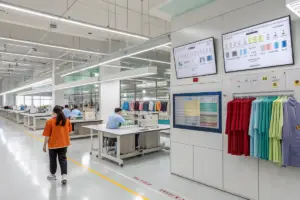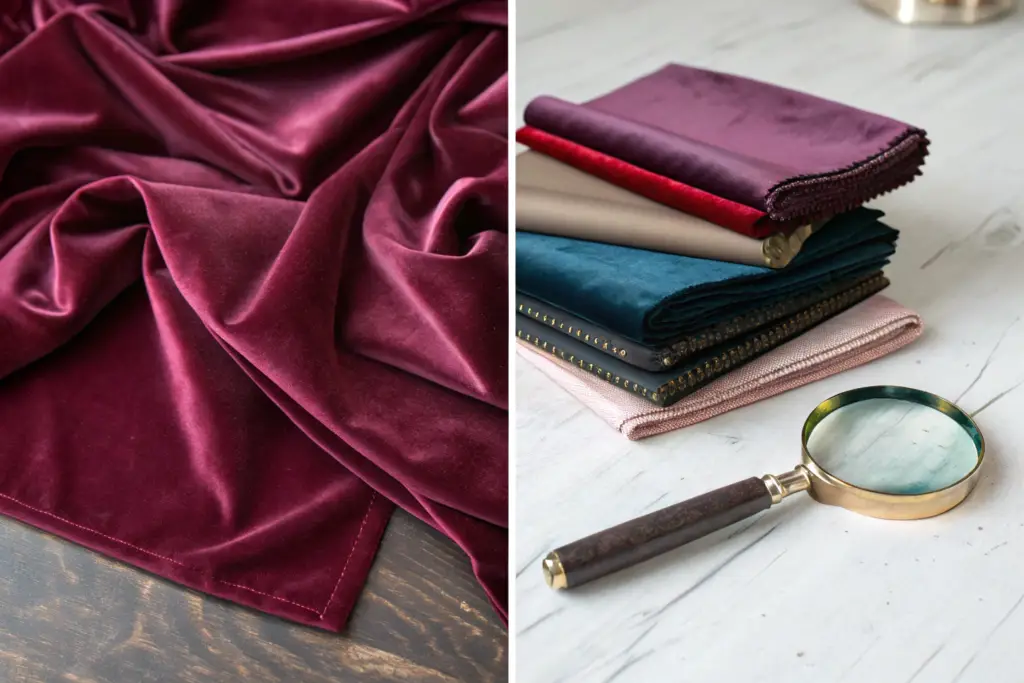
You have designed a stunning capsule collection. The hero piece is a blazer in a rich, crushed velvet. Another is a flowing slip dress in liquid-like satin. The samples are breathtaking. You can already see the editorial photos. Then, you place the bulk order. And the nightmare begins. The velvet arrives crushed flat, with visible pile pressure marks. The satin is covered in tiny, irreparable snags and the seams are puckered and wavy. The magic is gone. A brand owner told me, "I felt like I had designed a Rolls-Royce, and the factory delivered a kit car."
Yes, velvet and satin can maintain their luxurious quality in mass production, but only with a specialized, experienced manufacturer. These fabrics are unforgiving. Success requires a combination of expert sourcing (using the correct weight and fiber composition for the intended use), specialized handling and machinery (using needle-feed machines, presser feet, and proper fabric storage), and meticulous quality control at every stage, from cutting to finishing.
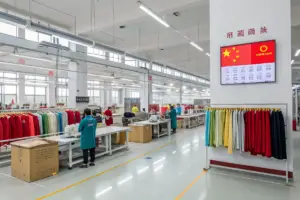
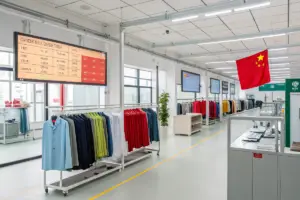
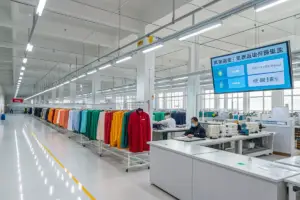
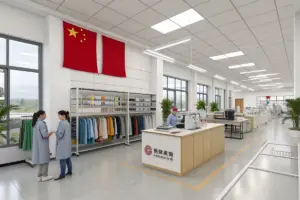
At Shanghai Fumao, we have a dedicated team and specialized production lines for handling these challenging, high-end fabrics. We know that velvet and satin are not just materials; they are an experience. Let me explain the specific, technical challenges of mass-producing these fabrics and the rigorous protocols we use to ensure that the 1,000th unit is as flawless as the first sample.
What Are the Unique Challenges of Cutting and Sewing Velvet in Bulk?
Velvet is not a single fabric. It is a structure—a woven base with a dense, upright pile of cut fibers. This pile is what gives velvet its luxurious softness and depth of color. But it is also the source of all its manufacturing challenges. It has a "nap" or direction. It crushes easily under pressure. It is thick and slippery. A factory used to churning out cotton t-shirts will destroy velvet. It requires a different mindset and specialized equipment.
The unique challenges of velvet in bulk production are: Managing the Nap (ensuring all pattern pieces are cut in the same direction to prevent visible shading), Preventing Pile Crushing (using specialized presser feet, needle-feed machines, and careful handling to avoid leaving permanent marks), and Controlling Seam Slippage (due to the fabric’s thickness and loose weave).
I recall a women’s wear brand that had a disastrous run of velvet blazers with a previous factory. The factory cut the pieces without regard for the nap direction. The finished blazers looked like a patchwork quilt of different shades of blue. The factory also used standard presser feet that left shiny, crushed "train tracks" along every seam. The entire order was a loss. When they came to us, our production manager walked them through our velvet-specific protocols. We use nap layouts for cutting. We use walking foot machines for sewing. We store velvet rolls vertically, never stacked. The next run of blazers was flawless. This is the difference between a generalist factory and one with specialized fabric expertise .
Why Is “Nap Direction” So Critical for Velvet?
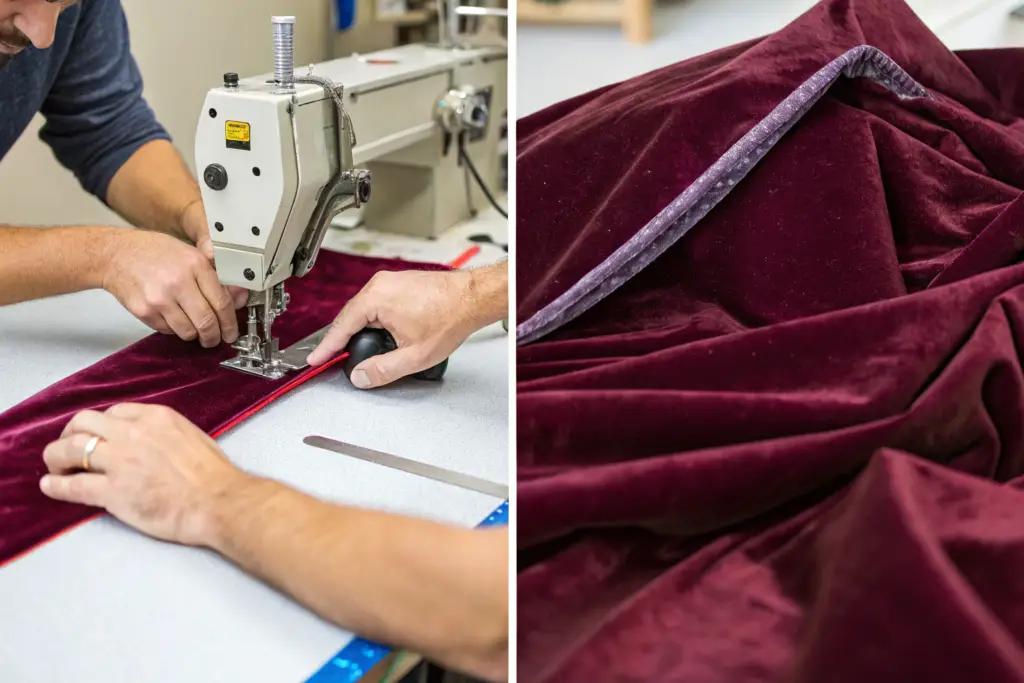
The pile of velvet naturally leans in one direction. When you look at it from one angle, it appears dark and rich. From the opposite angle, it appears lighter and flatter. If you sew two pieces together where the nap is running in opposite directions, the seam will look like a stripe—one side dark, one side light. It is a glaring, irreversible defect. Our cutting team uses "Nap One Way" (N.O.W.) layouts for all velvet garments. Every pattern piece is oriented in the exact same direction on the fabric. This is non-negotiable.
How Do Specialized Sewing Machine Feet Prevent Pile Crushing?
Standard presser feet exert concentrated pressure on the fabric as it feeds through the machine. On velvet, this pressure crushes the pile, leaving a permanent, shiny mark. We use two specialized tools:
- Walking Foot (or Even Feed Foot): This foot has its own set of feed dogs that move the top layer of fabric in sync with the bottom feed dogs. This prevents the layers from shifting and significantly reduces pressure on the pile.
- Roller Foot: This foot uses a small roller instead of a flat surface, further minimizing contact and crushing.
These are small, specialized investments that make a massive difference in the final quality of a velvet garment.
How Do You Prevent Snags and Water Spots on Mass-Produced Satin?
Satin, like velvet, is defined by its surface. It is a weave structure (typically a 4/1 satin weave) that creates an incredibly smooth, lustrous face and a dull back. This smooth surface is its beauty and its vulnerability. It snags on the slightest rough edge. It shows every water droplet. It shifts and slides during cutting and sewing. Mass-producing satin requires creating a "clean room" mentality on the factory floor.
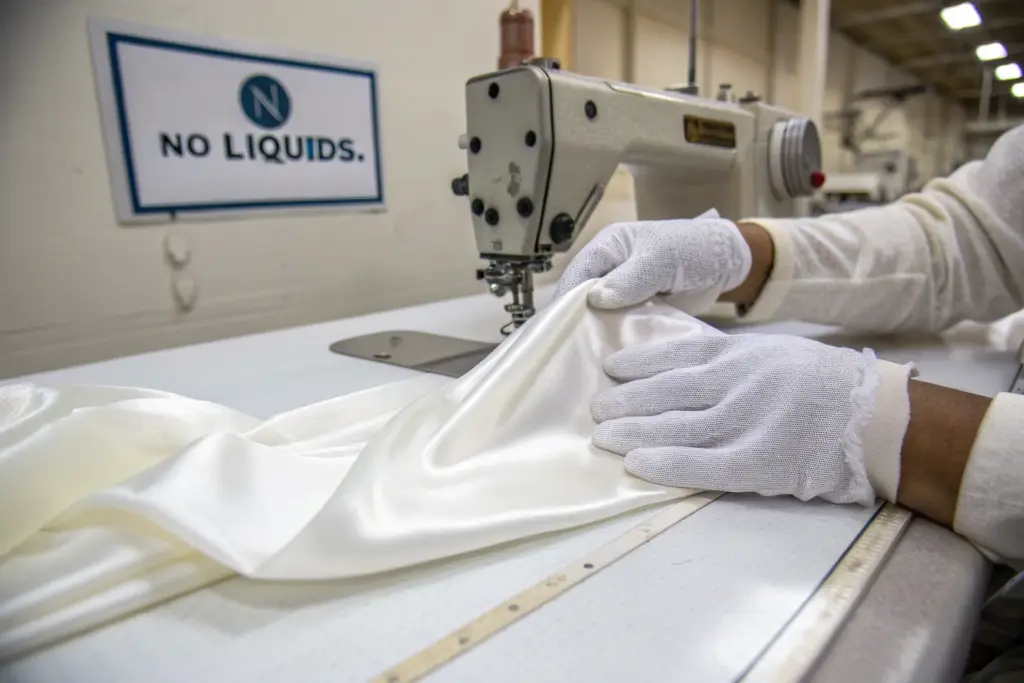
Preventing defects in satin mass production requires meticulous environmental and process control. This includes: Mandatory Use of Gloves (to prevent skin oils and rough skin from snagging the fibers), Sanded and Polished Machine Surfaces (to eliminate any burr or rough spot that could catch the fabric), Anti-Static Measures (to prevent the lightweight fabric from clinging and shifting), and Strict "No Liquid" Policies near production areas to prevent water spots.
A brand specializing in satin slip dresses came to us after a quality disaster. Their previous factory had shipped dresses with tiny, mysterious snags all over the fabric. Upon investigation, we discovered the factory’s cutting tables had small burrs and the operators were not wearing gloves. The snags were caused by the workers’ own dry skin and rough fingertips. We implemented a strict "White Glove Protocol" for all satin handling. We sanded and polished all machine surfaces that contact the fabric. The snag rate dropped to near zero. This level of obsessive detail is what it takes to deliver a premium satin garment at scale.
Why Are Gloves Non-Negotiable When Handling Satin and Charmeuse?
This is the simplest, most effective quality control measure for satin. Even seemingly smooth human skin has tiny, rough edges that can catch and pull the delicate filaments of satin, creating a snag. Natural skin oils can also leave subtle marks on the lustrous surface. Mandating the use of soft cotton or nitrile gloves for anyone handling the fabric or cut pieces is the only way to guarantee a flawless surface.
How Do You Achieve Puckering-Free Seams on Slippery Satin?
Satin is notoriously shifty. It slides around during cutting and sewing, leading to mismatched seams and ugly puckering. We use a combination of techniques:
- Sharp, Fine Needles: A new, size 70/10 or 80/12 Microtex or Sharp needle is essential.
- Fine Thread: We use a fine, high-quality polyester thread.
- Reduced Machine Speed: Operators are trained to sew satin at a slower, more controlled pace.
- Tissue Paper or Wash-Away Stabilizer: A layer of thin tissue paper is often placed under the satin while sewing to provide stability and prevent the feed dogs from marking the fabric. The paper is then gently torn away.
These are not high-tech solutions, but they are the disciplined, low-tech practices that separate a world-class clothing manufacturer from the rest.
What Finishing and Pressing Techniques Are Safe for Luxury Fabrics?
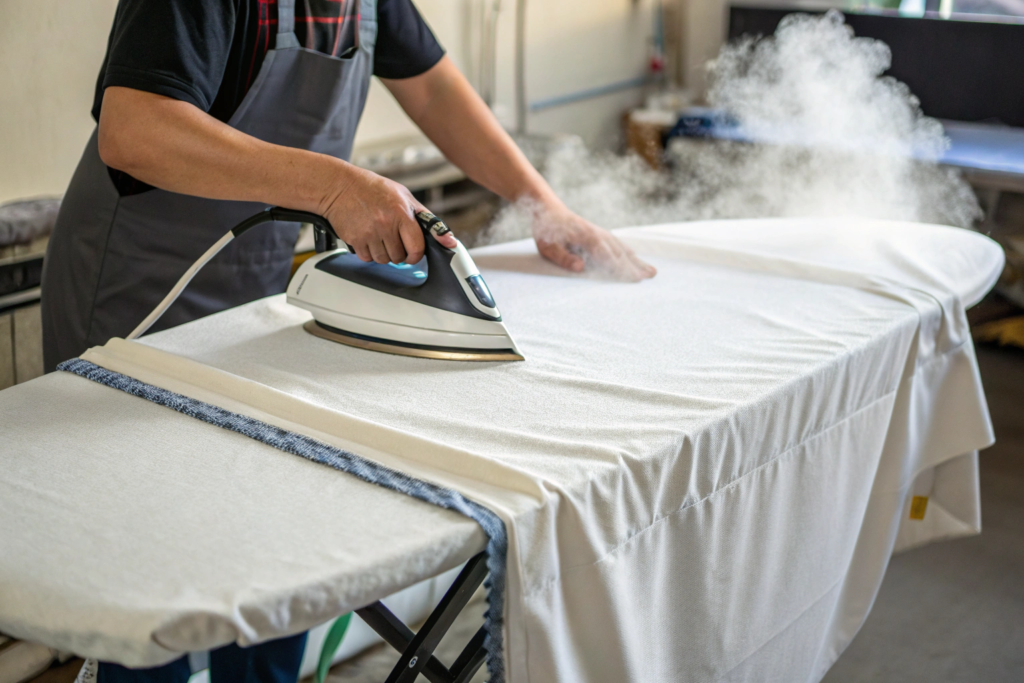
You have successfully cut and sewn your velvet and satin garments. Now you face the final, terrifying step: finishing and pressing. One wrong move with an iron can permanently destroy all your hard work. A standard iron will crush velvet pile into a shiny, flat oblivion. Too much heat or pressure on satin will create irreparable press marks and a harsh shine. Finishing is where many factories fail.
Safe finishing for velvet and satin requires specialized equipment and techniques. For velvet, we use a needle board (velvet board) and steam from the back side only, allowing the pile to remain upright. For satin, we use a clean, soft press cloth, low heat, and minimal pressure. For both, hanging storage is essential to prevent creasing. We avoid standard rotary pressing machines entirely.
I recall a men’s wear client who received a shipment of velvet dinner jackets that looked like they had been run over by a steamroller. The factory had used a standard industrial press on the finished garments. The pile was completely crushed, and the lapels had a permanent, ugly shine. They were unsellable. At Fumao, we have a dedicated "Delicates Finishing" station. Our workers are trained in the art of steaming velvet from the back side over a needle board. For satin, they use a cool iron and a thick, soft press cloth. These garments are then immediately hung on padded hangers and stored in breathable garment bags. This gentle, hand-finished approach is the only way to preserve the luxurious hand and look of these fabrics. This is the standard of our quality control for premium materials.
What Is a Needle Board and Why Is It Essential for Velvet?
A Needle Board (or velvet board) is a pressing surface covered with thousands of fine, upright steel needles. The velvet is placed pile-side down onto the needles. The needles support the pile, preventing it from being crushed. Steam is then applied from the back side of the fabric (the woven base). This allows the steam to relax the fibers and remove wrinkles without ever touching or flattening the delicate pile. It is a specialized, essential tool for any factory working with velvet.
How Should Finished Velvet and Satin Garments Be Stored?
This is the final, often overlooked step. These garments should never be folded flat or stacked. The weight will create permanent creases and crush the pile. They must be hung immediately on well-padded hangers and stored in breathable garment bags. This preserves the shape and surface until they reach the customer. Our packing team follows a strict "Hang and Protect" protocol for all luxury fabrics.
How Does Fumao’s Experience with Luxury Fabrics Protect Your Brand?
Working with velvet and satin is a high-stakes endeavor. The cost of materials is high. The cost of a quality failure is even higher. You cannot afford to entrust these fabrics to a factory that treats them like ordinary cotton. You need a partner who has a demonstrable track record and specialized systems in place. This is not a skill set every factory possesses.
Fumao’s experience with luxury fabrics provides a critical layer of brand protection. Our dedicated "Specialty Fabrics" team, our investment in specialized machinery (walking feet, needle boards), and our rigorous handling protocols ensure that your velvet and satin garments are produced with the care and expertise they demand. We mitigate the inherent risks of working with these materials, delivering consistent, premium quality at scale.
A luxury women’s wear brand partners with us specifically for their velvet and satin capsule collections. They know their core basics can be produced elsewhere, but their high-margin, high-visibility statement pieces require our specialized expertise. They trust us to protect their brand’s reputation for top quality. A single flawed velvet blazer in a customer’s hands could undo years of brand building. Our systems are their insurance policy. This is the value of a specialized manufacturing partner .
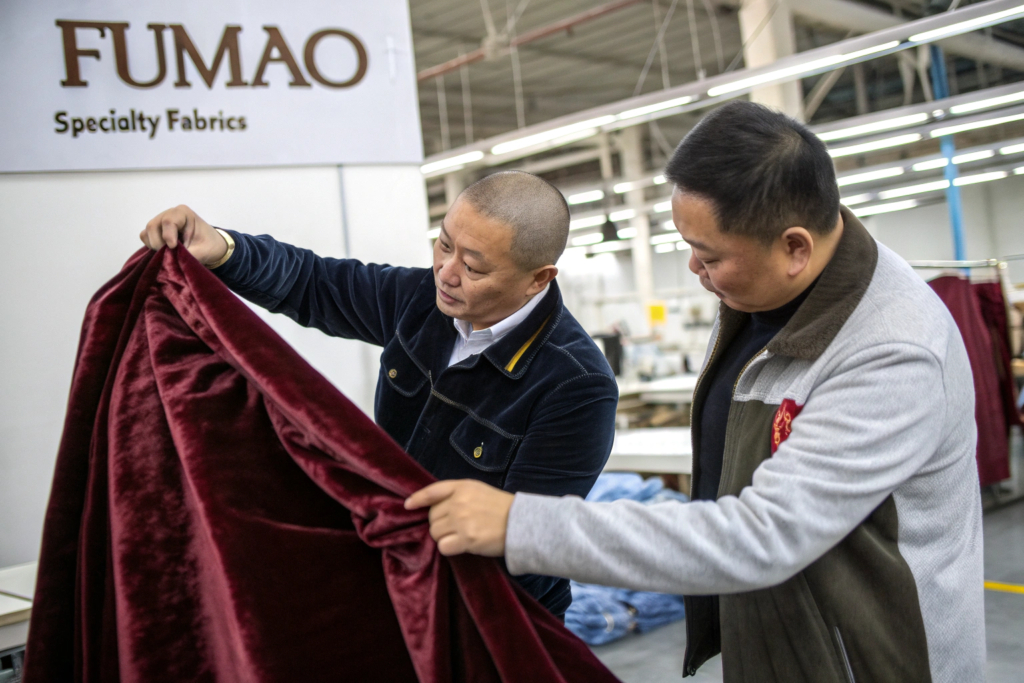
What Questions Should a Brand Ask a Potential Factory About Luxury Fabric Handling?
When vetting a factory for a velvet or satin project, ask these specific questions:
- “Can you show me your ‘Nap One Way’ cutting layout for velvet?”
- “What type of presser feet do you use for velvet and satin? Do you have walking foot machines?”
- “Do you use a needle board for finishing velvet garments?”
- “What are your protocols for handling satin to prevent snags? Do your workers wear gloves?”
- “Can you share photos of previous velvet or satin production runs?”
A factory that can answer these questions with confidence and evidence is a factory that understands the stakes. A factory that gives vague answers is a risk you cannot afford to take.
How Does Our Incoming Inspection Process Differ for These Fabrics?
The inspection starts before the fabric even reaches the cutting table. For velvet, we use a specialized inspection machine with extremely low tension to avoid stretching or crushing the pile. We are looking for pile crush marks, uneven dyeing, and "pile pressure" from improper rolling. For satin, we inspect under bright, diffused light on a smooth surface, looking for the slightest snag, slub, or weave defect. We are exceptionally strict because a single defect in the raw material will be magnified in the finished garment. This rigorous incoming inspection is the first line of defense for your brand.
Conclusion
Mass-producing garments in velvet and satin is not for the faint of heart, nor is it for the average factory. These are demanding, unforgiving materials that will ruthlessly expose any weakness in a manufacturer’s process, equipment, or expertise. But when handled with the right knowledge, the right tools, and an obsessive attention to detail, they can be produced at scale, yielding results that are as breathtaking as the original sample.
At Shanghai Fumao, we have made the investment in the specialized people and equipment required to master these luxury fabrics. We do not shy away from the challenge. We embrace it. We are the partner that allows you to confidently design with velvet and satin, knowing that the 1,000th unit will possess the same magic as the first.
If you are ready to build a collection that includes these exquisite materials, partner with a factory that understands them. Let’s discuss your project. Our Business Director, Elaine, can walk you through our luxury fabric protocols. Please email Elaine at: elaine@fumaoclothing.com.