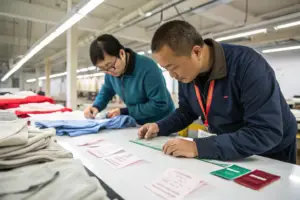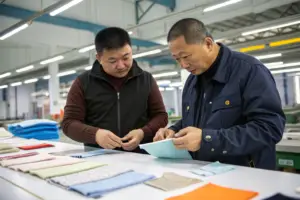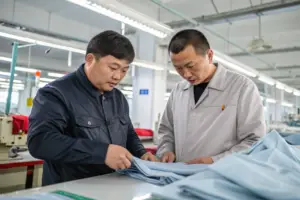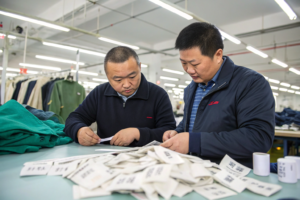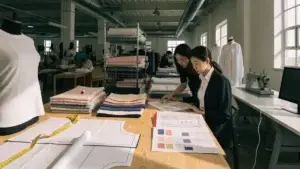
You have just finalized the designs for your Fall collection. It is August. You send the Tech Pack to the factory. You are excited. Then the email comes back: "The specific wool coating you chose is out of stock until November." Your heart sinks. Your entire production timeline is suddenly in jeopardy. A brand owner told me, "I learned the hard way that you can't just order any fabric at any time. The textile world has its own calendar, and if you don't follow it, you're out of luck."
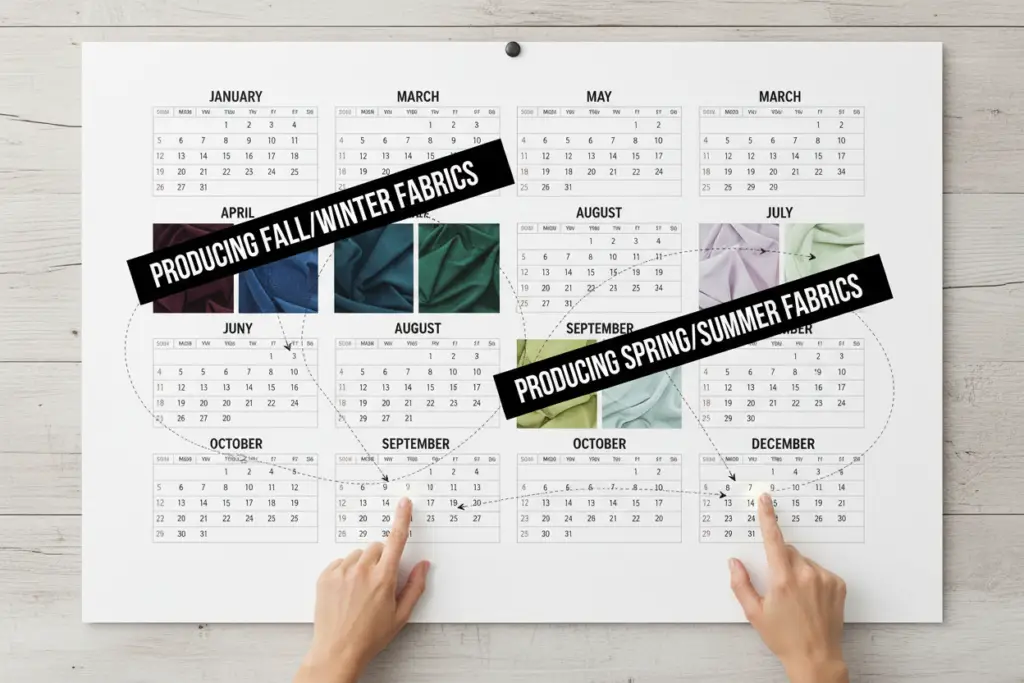
Seasonal changes profoundly affect fabric availability because the global textile supply chain operates on a forward-planning calendar. Mills produce fabrics months in advance of the retail season. Heavyweight fabrics like wool and fleece are woven and dyed in the spring/summer for Fall/Winter collections. Lightweight fabrics like linen and seersucker are produced in the fall/winter for Spring/Summer collections. Ordering "off-calendar" results in long lead times, limited color options, or the fabric simply being unavailable
At Shanghai Fumao, we live and breathe this textile calendar. Our sourcing team's expertise is not just in finding the right fabric, but in finding it at the right time. Let me pull back the curtain on the seasonal rhythms of the textile industry, so you can plan your collections in harmony with the supply chain and avoid the costly delays that plague unprepared brands.
Why Is the Textile Supply Chain Dictated by a Seasonal Calendar?
It is a common misconception that fabric mills are just sitting on endless inventory of every color and quality, ready to ship at a moment's notice. The reality is that mills are high-capital, low-margin businesses. They cannot afford to hold vast amounts of speculative inventory. They produce to meet the anticipated demand of the fashion industry's buying calendar. This means they are always working six to nine months ahead of the consumer.
The textile supply chain is dictated by a seasonal calendar because mills must plan production runs months in advance to meet the development timelines of major fashion brands. They buy raw fiber, spin yarn, and schedule dyeing capacity based on forecasts for the upcoming season. The industry's rhythm is set by major trade shows (like Première Vision) and the buying cycles of large retailers.
I recall a new brand founder who wanted to sample a specific heavy-weight brushed fleece in July for a hoodie. We contacted the mill. The mill said the fleece had been produced in March/April and was already sold out for the year. They would not run it again until the following spring. He was forced to choose a different, in-stock fabric. This is the reality of the textile calendar. You either plan with it, or you compromise. This is the fundamental rhythm of the global textile supply chain.
How Do Major Textile Trade Shows Influence the Calendar?
Events like Première Vision (PV) in Paris and Milano Unica are the key drivers. Mills debut their new collections for the following year's season at these shows. For example, at the February PV show, mills showcase fabrics for the next Fall/Winter season (which is 18 months away). Designers and buyers from major brands attend these shows to get inspired and place their initial orders. The mills then use this early interest to gauge demand and plan their bulk production runs for the coming months. The calendar cascades from there.
What Is the Typical Production Window for Fall/Winter Fabrics?
For fabrics destined for Fall/Winter (F/W) retail collections (in stores Aug-Dec), the production window at the mill is typically March through July. The raw fibers are purchased, the yarn is spun, and the heavy-weight fabric is woven or knitted and then dyed to the season's trending colors. If you are a brand and you want to order a custom color of a F/W wool coating, you need to be placing that order with the mill ideally by April or May. By August, the mill has finished its F/W run and is already switching over to lightweight fabrics for the next Spring/Summer season.
Which Fabrics Are Most Affected by Seasonal Availability?
While all custom-dyed fabrics are subject to the seasonal calendar, certain categories are acutely sensitive to timing. These are typically the fabrics with a very strong and obvious seasonal identity. You would not wear a heavy wool coat in July, and mills know this. They produce these items in concentrated, limited windows. Missing the window for these key fabrics can derail an entire collection.
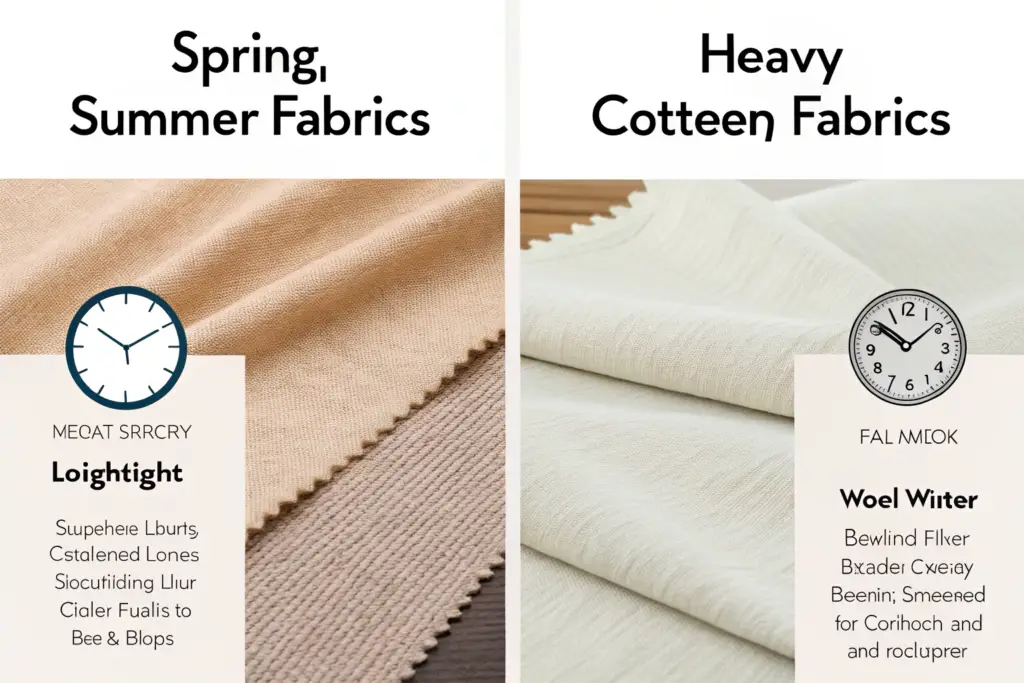
The most seasonally affected fabrics are heavy-weight textiles for cold weather (wool coating, melton, heavy fleece, thick corduroy) and highly breathable, lightweight textiles for warm weather (linen, seersucker, cotton voile, lightweight chambray). These fabrics are produced in concentrated runs and are often "sold out" for the year if you miss the ordering window.
A men's wear client who specialized in high-end outerwear once tried to place an order for a specific Italian wool coating in September for a January delivery. The mill in Italy was already on holiday, and the fabric was sold out. He had to choose a less desirable substitute, which impacted the entire feel of his collection. He now works with us to pre-book his core wool qualities in March. This is the discipline required for seasonal fabric sourcing.
Why Is Linen Only Available for a Short Window?
Linen is a perfect example. It is the quintessential summer fabric. Mills typically produce their linen collections in the fall (Sep-Nov) for the following Spring/Summer season. By the time January or February rolls around, the best colors and qualities are often already allocated to the brands who placed early orders. If you wait until March to start looking for a specific linen, you will be picking from the leftovers. The selection will be limited, and your custom color options will be non-existent.
What Happens to the Price of Seasonal Fabrics "Out of Season"?
If you find a heavy wool coating available in December, it is likely deadstock—leftover inventory from the previous season's production run. While you might get a good price, you are limited to the colors and quantities that happen to be left. You have no control over the MOQ or the shade. For a custom private label collection, relying on deadstock is a risky and unsustainable strategy. It prevents you from building a consistent, recognizable brand aesthetic.
How Does Seasonal Demand Impact Fabric Lead Times and MOQs?
The seasonal calendar does not just affect if you can get a fabric. It dramatically affects how long it takes to get it and how much you have to buy. Mills, like any business, experience peaks and valleys in demand. During their peak production windows, they are inundated with orders. They prioritize their largest, most established clients. Smaller brands can get squeezed out or face unfavorable terms.
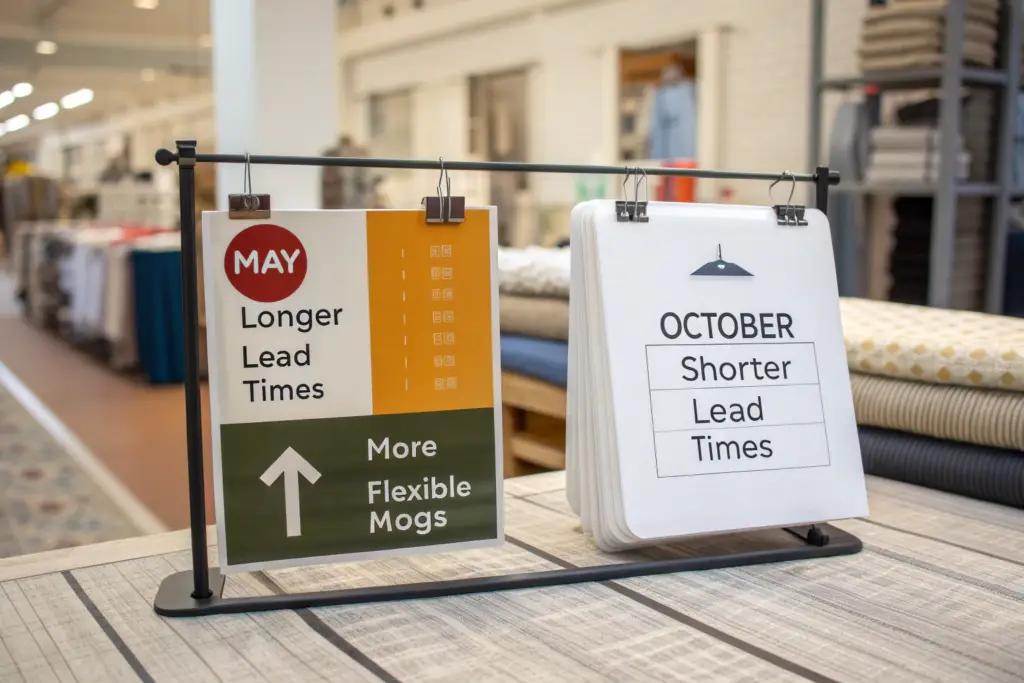
During a mill's peak production season for a specific fabric type, lead times stretch and MOQs become rigid. When the mill is busy, your 15-day dyeing time can easily become 25 days. Your request for a lower MOQ will be politely declined. Conversely, during off-peak or "shoulder" seasons, mills may be more willing to negotiate on both lead times and minimums.
This is where working with an experienced clothing manufacturer provides a massive advantage. Because we place orders year-round with our network of mills, we have more leverage and better visibility into their production schedules. We can advise a client, "Don't order that wool now. The mill is swamped. Wait four weeks, and we can likely get it faster and with a lower surcharge." This is the kind of insider knowledge that saves our B2B partners time and money.
What Is a "Shoulder Season" in Textile Production?
The "shoulder seasons" are the brief transitional periods between the major F/W and S/S production runs. For F/W fabrics, the shoulder might be late July/August. For S/S fabrics, the shoulder might be late January/February. During these times, the mill is finishing up one season and preparing for the next. They may have some open capacity and be slightly more flexible. A savvy sourcing partner can sometimes find opportunities during these windows.
How Can You Mitigate the Risk of Delays During Peak Season?
The only real mitigation is planning ahead. This is the "Plan Ahead" reminder from our opening image. If you know you need a wool coating for a September delivery, you must be finalizing that fabric choice and placing the order with the mill in April or May. This allows the mill to schedule your order into their regular production flow. The second strategy is to build buffer time into your production calendar. Never plan a tight timeline that relies on the mill being fast. Always assume a 1-2 week buffer for fabric delivery, especially during peak seasons.
How Does Fumao's Sourcing Strategy Mitigate Seasonal Fabric Risks?
You cannot control the global textile calendar. But you can control how you plan for it. This is where partnering with an expert clothing manufacturer shifts from being a convenience to being a strategic necessity. Our entire sourcing operation is built around mitigating the risks of seasonal availability for our private label partners.
Fumao mitigates seasonal fabric risks through three core strategies: Proactive Pre-Booking (we reserve greige capacity for our key clients based on their forecasts), a Curated Library of "Evergreen" Fabrics (high-quality basics available year-round for quick-turn orders), and our extensive Mill Network (allowing us to quickly find alternatives if a primary source is sold out).
A distributor of men's wear essentials relies on us for his core program of oxford shirts. He provides us with a rolling 12-month forecast. Based on this, we pre-book the greige fabric with our partner mill. This guarantees him both availability and a stable price, even during peak season. For his more trend-driven rare styles, we use our extensive network to source smaller quantities of specialty fabrics during the appropriate seasonal windows. This hybrid approach gives him both stability and flexibility. This is the value of a true B2B partnership.

What Are "Evergreen" Fabrics and How Do They Provide Stability?
Evergreen Fabrics are the workhorses of the apparel industry. They are high-quality basics that are in constant demand and are produced year-round by the mills. Examples include:
- Basic Cotton Jersey (in core colors: Black, White, Navy, Heather Grey)
- Standard Oxford Cloth
- Basic Poly/Cotton Fleece
- Classic Denim
Because these fabrics are always being produced, they are not subject to the same extreme seasonal availability windows. You can order them with much shorter lead times. We maintain a curated library of these evergreens for our clients to use for sampling, quick reorders, or building their core, year-round collections.
How Does Our Mill Network Help When a Key Fabric Is Sold Out?
No matter how well you plan, sometimes a specific fabric is simply sold out. A popular color may be over-allocated. This is where our mill network becomes invaluable. We do not rely on a single source for any category. If Mill A is sold out of a particular wool blend, we can quickly query Mill B and Mill C in our network to see if they have a comparable quality with similar handfeel, weight, and composition. We can often present you with 2-3 viable alternatives within 48 hours. This prevents a single sold-out fabric from derailing your entire collection.
Conclusion
The seasonal availability of fabric is one of the most important, yet often overlooked, realities of building an apparel brand. The textile world operates on its own calendar, and understanding its rhythms is essential for avoiding costly delays and compromises. Heavy wools are made in the spring. Light linens are made in the fall. The key to success is not fighting this calendar, but planning in harmony with it.
At Shanghai Fumao, we do not just react to the market. We plan proactively. We use our experience, our mill network, and our close relationships with our B2B partners to navigate the seasonal ebb and flow of fabric availability. We help you get the right materials at the right time, ensuring your collection launches on schedule and meets your quality standards.
If you are planning your next collection and want a partner who can help you navigate the textile calendar with confidence, let's talk. Our Business Director, Elaine, can discuss sourcing timelines for your specific material needs. Please email Elaine at: elaine@fumaoclothing.com.