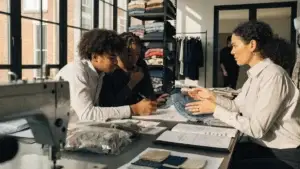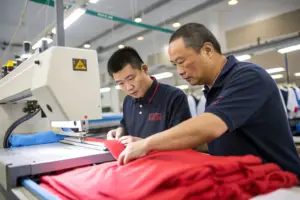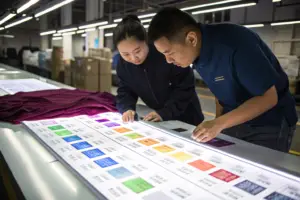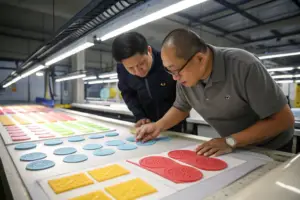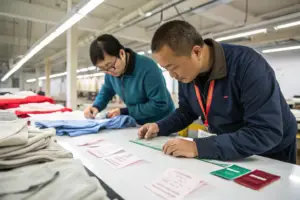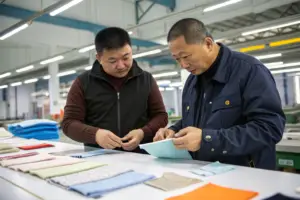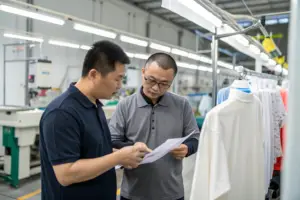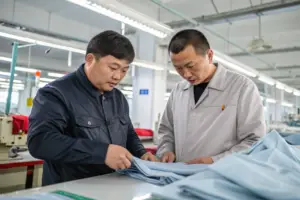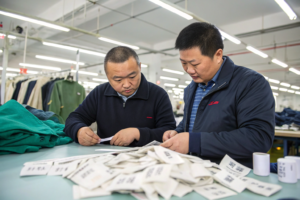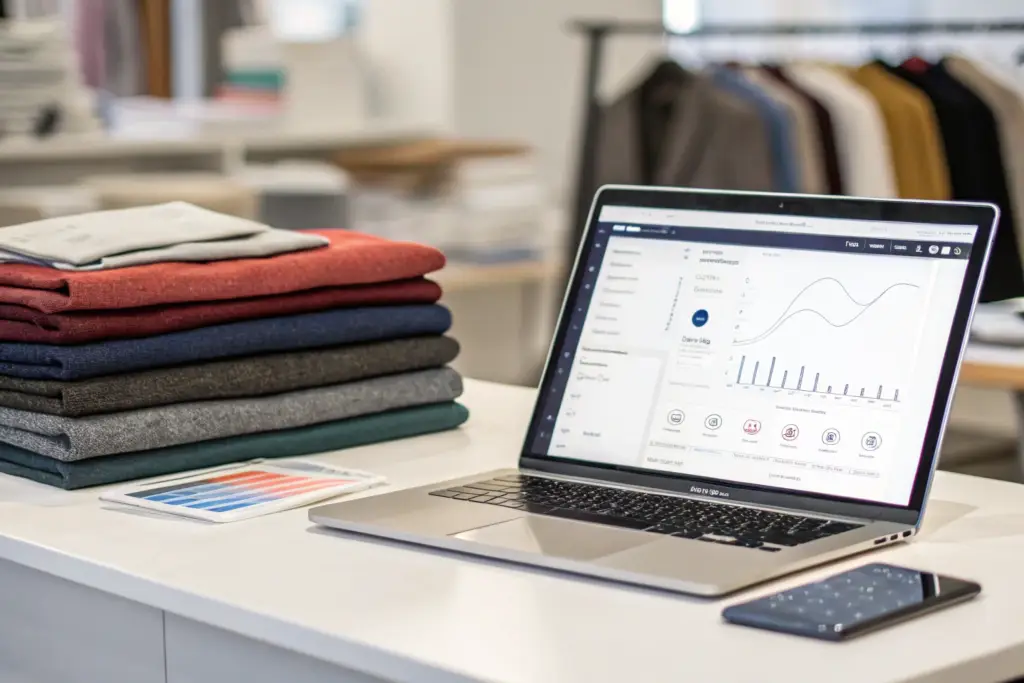
A year ago, I got an inquiry from a new brand owner in Austin. His first email was different. It wasn't the usual "What is your MOQ for hoodies?" Instead, he wrote: "I used a sourcing AI to analyze 200 supplier profiles. Your factory ranked in the top five for 'Responsiveness to Technical Spec Inquiries' and 'Consistency of Sample Photos.' I want to test that data with a real order." I was impressed. He had used technology to filter out the noise and find a partner based on behavioral data, not just a nice Alibaba storefront.
AI tools are revolutionizing the search for wholesale clothing manufacturers by automating the time-consuming, high-risk tasks of supplier discovery and initial vetting. Instead of manually scrolling through thousands of listings, AI platforms can analyze supplier websites, trade data, and even social media presence to score potential partners on metrics like shipment volume, product specialization, and customer sentiment. However, AI is not a magic wand that replaces human judgment. It is a powerful filter that narrows a vast ocean of options down to a shortlist of candidates who have a statistically higher probability of being legitimate, capable factories. The best approach combines AI's data-crunching speed with the irreplaceable human steps of video calls, sample evaluation, and relationship building.
I run Shanghai Fumao, a factory with real cutting tables and sewing lines. I see both sides of this equation. I see brands struggling to find me in the digital haystack. And I see how AI is changing the way buyers discover partners like us. I want to show you how to use these new tools effectively, so you spend less time searching and more time building a supply chain that works.
Which AI Platforms Are Actually Useful for Apparel Supplier Discovery?
You type "clothing manufacturers China" into Google. You get 40 million results. You type it into ChatGPT. You get a list of 10 names. You try a specialized platform. You get 500 profiles with "Verified" badges. It is overwhelming. Which tool actually saves time instead of creating more noise?
The answer depends on what stage of the search you are in. General AI chatbots like ChatGPT or Claude are useful for understanding the landscape and generating lists of types of suppliers. Specialized B2B platforms like Alibaba with their new AI search features, or trade data platforms like ImportGenius and Panjiva, are useful for verifying specific companies. You need to use the right tool for the right job.
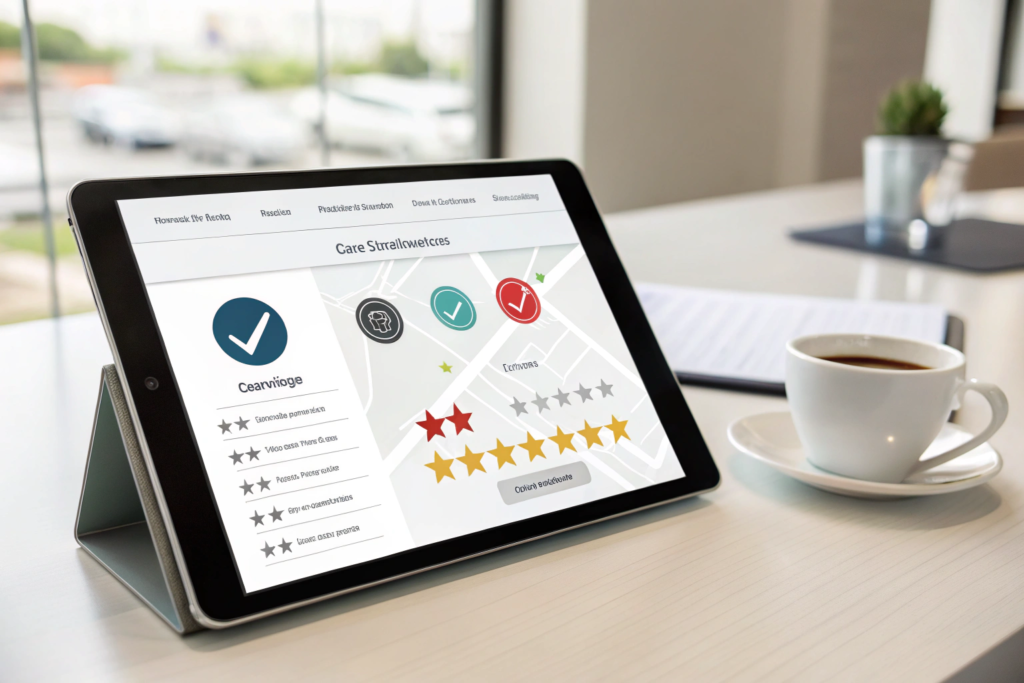
How Can Large Language Models Help Build a Target Factory Profile?
Before you search for a specific name, you need to define exactly what you are looking for. This is where a tool like ChatGPT, Claude, or Gemini is extremely valuable. You can use it to build a detailed "Ideal Factory Profile" that you then use to filter search results.
The Prompt Strategy:
Do not ask: "Find me a good clothing manufacturer." The AI cannot browse the live web for that specific request effectively. Instead, ask it to define the characteristics of the factory you need.
Try this prompt:
"I am a U.S.-based streetwear brand looking for a Chinese factory specializing in cut-and-sew knitwear, specifically heavyweight t-shirts and hoodies (350-450 GSM). I need a factory with a minimum of 5 production lines, BSCI certification, and experience exporting DDP to the U.S. West Coast. Based on these requirements, what specific machinery should I ask about? What fabric sourcing regions in China should they be connected to? What are the red flags in their sample room process I should look for?"
The AI will output a detailed checklist. It might tell you to ask about "flatlock stitching machines" and "Jiangsu province cotton mills." It might warn you about factories that outsource cutting to third-party services. You now have a sourcing checklist that is specific to garment manufacturing, not generic business advice. You take this checklist and use it to interrogate the suppliers you find on other platforms.
What Role Do AI-Powered Trade Data Platforms Play in Verification?
This is where AI becomes a true detective tool. Platforms like ImportGenius, Panjiva (owned by S&P Global), and Jungle Scout (for Amazon sellers) use AI to parse U.S. Customs and Border Protection shipping manifests.
How It Works:
You find a potential factory called "Shanghai ABC Garment Co., Ltd." You plug that name into ImportGenius. The platform shows you:
- Actual Shipments: The names of U.S. companies that have received containers from this factory in the last 12 months.
- Product Descriptions: The HTS codes and descriptions of the apparel they shipped (e.g., "Men's 100% Cotton Knit Pullover").
- Volume and Frequency: How many containers they ship per month.
This is gold. If you see that a factory has shipped 20 containers of men's wear to a well-known brand in Los Angeles, that factory is legitimate. They have passed customs. They have a track record. If you search a factory name and find zero shipment records to North America, but they claim to be a "leading exporter," you have just uncovered a significant red flag. They are either very new, or they are a trading company using a different export name.
I encourage potential brand buyers to look up Shanghai Fumao on these platforms. I want them to see our shipment history. It is the most objective proof of our existence and our capability. AI has made this level of transparency available to anyone for a modest subscription fee. For more on how trade data works, explore the resources at Panjiva.
How Do You Use AI to Screen for Red Flags Before Contacting a Supplier?
You have a list of 20 potential suppliers. You cannot email all of them in depth. You need a fast, first-pass filter to eliminate the obvious risks. AI can help you screen public information in seconds instead of hours.
This screening is about looking for inconsistencies. Fraudulent or low-quality suppliers often leave digital footprints that don't match their claims. They use stock photos. Their company registration details don't align with their website. AI tools are getting very good at spotting these discrepancies.
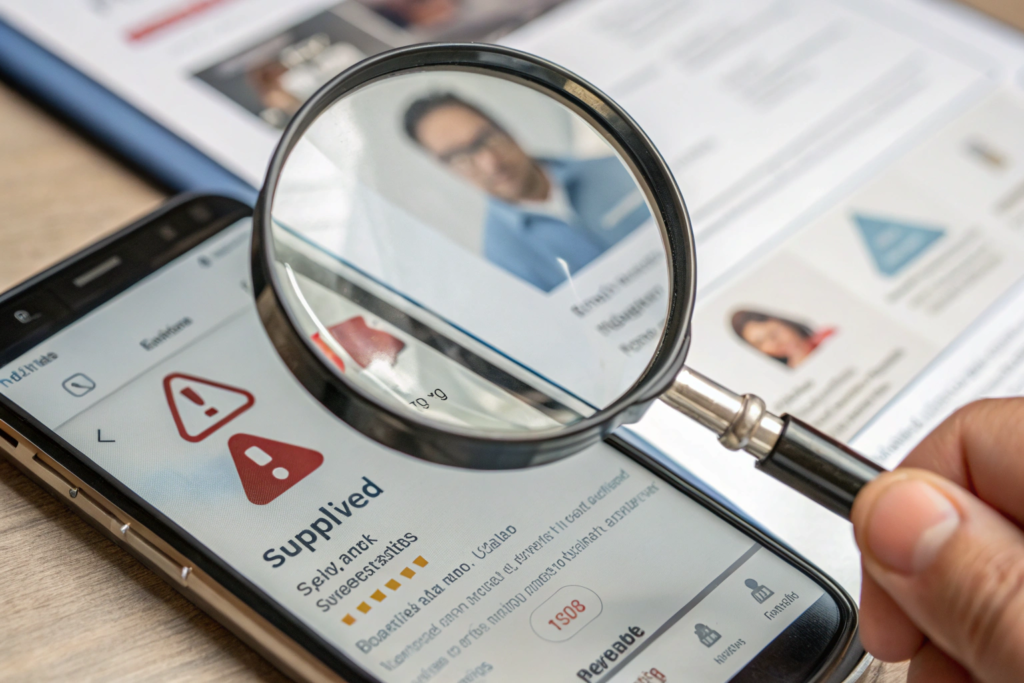
Can AI Analyze a Supplier's Website and Social Media for Authenticity?
Yes, and you can do this manually, but browser extensions and AI analysis tools make it faster.
The Website Content Test:
Copy the "About Us" text from the supplier's website. Paste it into an AI Content Detector (like Originality.ai or GPTZero). If the text comes back as "100% AI-Generated," that is a data point. It does not mean the factory is fake, but it means they put zero human effort into their story. A real factory owner usually has a unique story. They have a history. They have specific details about their facility. Generic AI text suggests a templated, possibly outsourced, marketing approach.
The Reverse Image Search Test:
Download the photos from their "Factory Tour" page. Use Google Lens or TinEye to perform a reverse image search. Do those same photos appear on five other supplier websites? If yes, they are using stock photos. They are hiding their real facility. A real factory like ours posts photos of our specific cutting tables, our specific workers, and our specific sewing machine setup. The background details are consistent.
The Social Media Consistency Test:
Check their Instagram or LinkedIn. Do they post photos of the process? Look for in-process shots of fabric being cut or garment samples on a mannequin with pins in them. Look for videos with the sound of machines in the background. A trading company's social media is usually just finished product photos with models. A factory's social media shows the messy, beautiful process of making clothing.
How Does Sentiment Analysis of Buyer Reviews Improve Sourcing Decisions?
Reading 200 reviews on Alibaba is exhausting. AI can summarize the sentiment for you.
Some third-party sourcing tools and browser extensions now offer Review Sentiment Analysis. They scan the text of reviews and categorize them: "Positive: Quality," "Negative: Communication," "Negative: Shipping Delay."
This allows you to see patterns instantly. If a supplier has 100 reviews, and AI flags that 30 of them contain the phrase "late shipment" or "poor communication," you know exactly what the weak point is. You can then ask the supplier a direct question about that pattern: "I noticed some past clients mentioned delays in Q4 last year. What steps have you taken in 2026 to improve your on-time delivery performance?"
This approach shows the supplier that you have done your homework. It sets the tone for a professional, data-driven relationship from the very first conversation. It also weeds out suppliers who get defensive. A good clothing manufacturer will appreciate the direct question and have a specific answer about their new production planning software or their logistics partner change.
What Is the Right Way to Use AI to Draft Sourcing Emails and RFQs?
You have your shortlist of five factories. Now you need to send a Request for Quotation. This is the moment where many brand owners fail. They send a vague email: "Hi, I want to make hoodies. What's your price?"
A vague email signals to the factory that you are either a beginner or a tire-kicker. A factory that is busy with good clients will deprioritize or ignore a vague inquiry. AI can help you structure a professional, detailed RFQ that commands respect and gets a fast, accurate response.
How Can You Generate a Detailed Tech Pack Summary Using AI?
You may not have a full 20-page Adobe Illustrator tech pack. But you can create a one-page Tech Pack Summary using AI that contains 90% of what a factory needs for an initial quote.
The AI Prompt for RFQ Generation:
Use this prompt in ChatGPT or Claude:
"I need to generate a Request for Quotation summary for a garment factory. The product is a unisex heavyweight t-shirt. Details: 100% combed cotton, 280 GSM, boxy oversized fit, drop shoulders, 1x1 rib collar. I need pricing for 500 units per color in Black, White, and Heather Grey. The order includes a left chest embroidery logo approx 2 inches wide. I need FOB Shanghai and DDP Los Angeles pricing. Please format this as a professional, concise spec sheet summary that I can paste into an email. Include placeholders for me to add specific measurements."
The AI will output a clean, structured summary. It will list the key details in bullet points. It will use industry terminology like "GSM," "combed cotton," and "drop shoulder." When a factory receives this email, they immediately know you speak the language of apparel production. They know this is not a random inquiry. They are far more likely to provide an accurate quote and prioritize your sampling.
What Keywords Should You Use to Signal You Are a Serious, Experienced Buyer?
The language in your email acts as a filter. Certain words and phrases signal that you understand the wholesale process and the pain points of garment manufacturing.
Words That Build Credibility:
- Payment Terms: Mentioning "30/70 TT" (30% deposit, 70% before shipment) or "LC at Sight" shows you understand standard payment methods.
- Logistics: Asking for "DDP to my 3PL in Dallas, TX" shows you understand the full landed cost.
- Quality Control: Stating "AQL 2.5 inspection required" shows you have quality standards.
- Documentation: Asking for "BSCI audit report and OEKO-TEX cert" shows you care about compliance.
Here is a comparison of a weak first email versus an AI-assisted professional email:
| Weak Inquiry | AI-Assisted Professional Inquiry |
|---|---|
| "How much for hoodies?" | "RFQ: 500 pcs Heavyweight Hoodie, 400gsm French Terry, Custom Embroidery." |
| "Do you make clothes?" | "Seeking cut-and-sew manufacturer for knitwear with 5+ lines and DDP capability." |
| "I need samples." | "Please quote PP sample cost with DHL shipping. Attached is spec summary." |
When my team at Shanghai Fumao receives the email on the right, it goes to the top of the priority list. It signals a brand buyers professional who knows what they want and is ready to do business. AI can help you sound like that professional, even if you are placing your first order.
How Do You Combine AI Insights with Human Judgment for Final Selection?
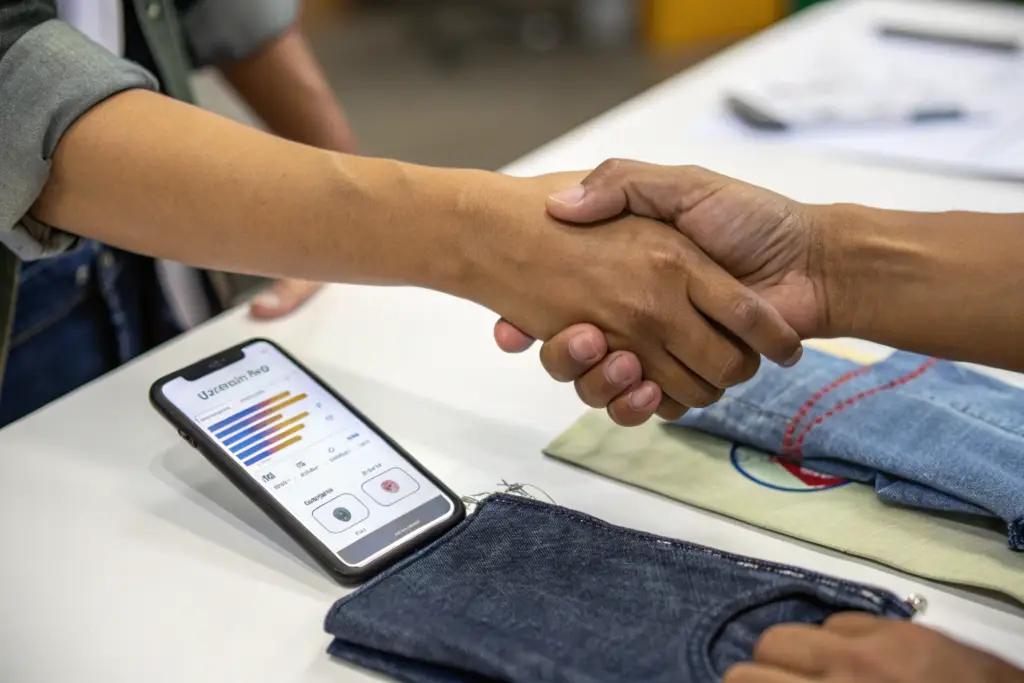
AI has done its job. It has filtered a haystack of 2,000 suppliers down to a shortlist of 3 who have the right equipment, good shipment history, and professional communication patterns. Now you must turn off the algorithms and turn on your human intuition and sensory perception.
This is the stage where no amount of data can replace the feel of a fabric swatch in your hand or the tone of voice in a video call. The final selection is a human decision based on trust, chemistry, and physical evidence.
Why Is a Live Video Walkthrough Still Irreplaceable in the Age of AI?
AI can analyze a photo to see if it's a stock image. But AI cannot tell if the factory floor has a culture of organization and safety. Only your eyes can see that.
You must request a live video walkthrough. Not a pre-recorded tour. A live Zoom or WeChat call where the sales manager walks through the production floor right now.
What Your Human Eyes Should Look For:
- Cleanliness: Is the floor swept? Are bundles of cut fabric stacked neatly or thrown in piles?
- Workers: Do they look up at the camera with curiosity or fear? A relaxed, focused workforce is a sign of good management.
- Visual Management: Are there whiteboards with production targets? Are there quality checkpoints with red lights or signs?
- Your Order: Ask them to walk over to any active line and show you the bundle ticket. Can they do it? Does the ticket have a brand name and a PO number? This proves real work is happening.
AI can tell you the factory exists. A live video walkthrough tells you the factory operates. I do these walkthroughs for new clients all the time. I walk them from the fabric store to the cutting table to the sewing line to the finishing area. I show them the fire exits and the first aid kit. This level of transparency is something AI cannot fake.
How Does the Quality of the Physical Sample Validate or Invalidate the AI Data?
You have received the PP sample. The AI data said this factory was "highly rated for quality." Now you have the proof in your hands.
You must evaluate the sample using the human senses AI lacks:
- Hand Feel: Does the fabric feel substantial? Does it match the 280 GSM spec you requested? AI cannot feel fabric weight.
- Stitching: Use a seam ripper to open a seam. Is the stitch density correct? AI cannot check SPI.
- Fit: Put it on a fit model or dress form. Does the garment drape correctly? Does the oversized silhouette look intentional or sloppy? AI does not understand aesthetics or fit.
I had a client who used AI to find a supplier for a women's wear silk blouse. The AI scored the supplier highly based on shipment volume. The sample arrived. The fabric was correct. The measurements were correct. But the "hand feel" was stiff and cheap. The supplier had used a low-grade silk substitute. No AI data point could have predicted that sensory failure. The client rejected the sample and moved to the next factory on the AI-generated shortlist. That combination—using AI for the broad filter, and human touch for the final gate—is the optimal modern workflow.
Conclusion
AI is the most powerful sourcing assistant you have ever had. It can scan the global supply base, analyze shipment records, verify certifications, and even help you draft a professional inquiry that gets you noticed. It removes the drudgery of scrolling through endless pages of listings and helps you avoid the most obvious traps of fake factories and stock photos.
But AI is a map, not the destination. We explored how to use large language models to build a target factory profile, how to leverage trade data platforms for objective verification, and how to use sentiment analysis to spot patterns in supplier reviews. We also emphasized the irreplaceable value of the live video walkthrough and the physical sample evaluation. The final decision to trust a clothing manufacturer with your brand and your capital must be made by you, the human, based on evidence you can see, touch, and feel.
At my factory, we embrace the transparency that AI tools provide. We want buyers to find us through data, to verify our shipments, and to then experience our quality through a live video tour and a tangible sample. Technology gets you to the right door. It is up to us to open it and show you the work we do.
If you have used AI to build a shortlist and want to validate us as a potential partner, the next step is simple. Let's get a sample in your hands. Reach out to our Business Director Elaine at elaine@fumaoclothing.com. We can schedule a live video walkthrough of our five production lines and discuss how we can meet the specific requirements you outlined in your AI-assisted search.