Every brand owner faces this tension. You walk through a trade show and feel the $18-per-yard Italian cotton. It is like butter. You want it. But your retail price point is $68, not $400. You need fabric that feels good, wears well, and leaves enough margin to actually run a business. I spoke with a CEO from a growing men’s wear brand in Chicago. He was paralyzed by this choice. He had found a beautiful premium twill for his chinos, but using it would have pushed his wholesale price up by $9 per unit. His retail buyers would have walked away. He thought his only options were "Luxury Unaffordable" or "Cheap Garbage."
Cost-effective fabrics absolutely can deliver good quality when you shift your focus from "cheapest price" to "best value construction." The secret lies in selecting the right yarn count, fiber blend, and finishing technique. A well-made 40/1 combed cotton jersey will outlast and outfeel a poorly made 60/1 long-staple cotton that has been over-mercerized.
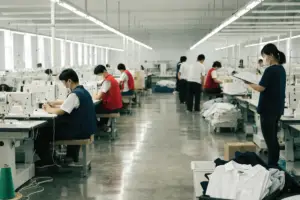
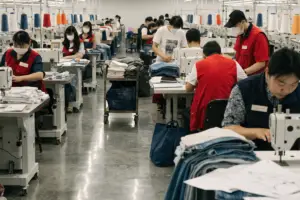
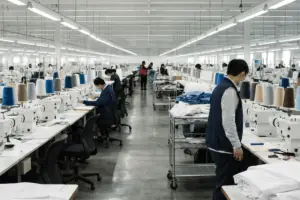
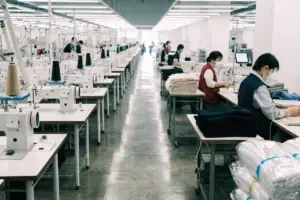
This is not about tricking the customer. It is about smart engineering. At Shanghai Fumao, we work with a wide spectrum of apparel brands. Some demand the finest Italian wools. Most demand excellent competitive pricing without sacrificing the handfeel that sells the garment online or on the rack. Over the years, I have learned exactly where you can trim cost and where you must protect quality. Let me show you how to navigate the middle market of textiles so you can maximize your profit without disappointing your customers.
What Fabric Specifications Define Good Value Over Cheap Quality?
When a factory offers you a "cheap" fabric, they are usually cutting one of three specific corners. Once you know what to look for, you can spot the difference between a smart value and a future return disaster. Most buyers just rub the fabric between their fingers and say, "Feels okay." That is not enough. You need to look at the spec sheet.
The key specifications that define good value are Yarn Count (thickness), Yarn Type (combed vs. carded), and Weight (GSM). A cost-effective fabric uses a slightly thicker yarn (e.g., 32/1 instead of 40/1) but still uses "combed" cotton to remove short fibers. This provides durability and a clean surface without the premium price of extra-fine long-staple cotton.
I recall a distributor of women’s wear basics who was getting hammered on returns for "thin fabric." They were using a 30/1 carded cotton jersey from another supplier. It was cheap, but it pilled after three washes and looked sheer in the sunlight. We switched them to a 26/1 combed cotton jersey. The yarn was slightly thicker, so the fabric cost was only 5% more. But the garment felt substantial. The return rate dropped by 60% the following season. The customer perceived higher quality even though the material cost was only marginally higher. This is the sweet spot of cost-effective fabrics.
How Does Yarn Count (Ne) Impact the Feel and Price of Cotton?
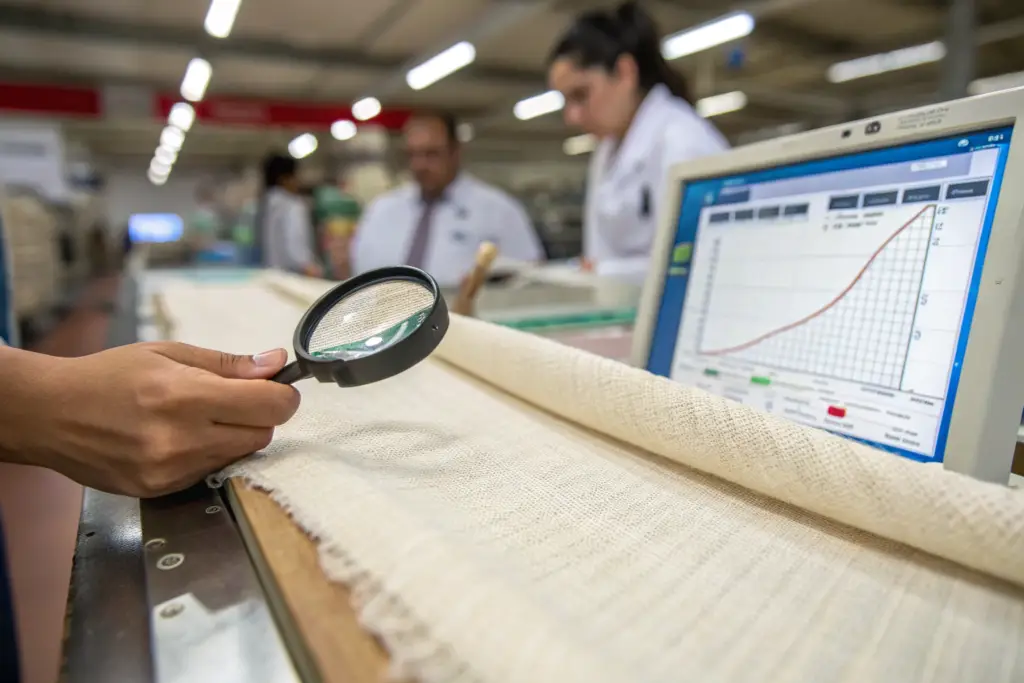
Yarn count is measured in "Ne" (Number English). The higher the number, the finer the yarn. A 60/1 yarn is very thin and silky. A 20/1 yarn is thick and coarse. The price difference is significant because finer yarns require longer, rarer cotton fibers.
Here is a rough guide to how yarn count affects a basic T-shirt:
| Yarn Count (Ne) | Feel / Handfeel | Durability | Relative Cost | Best Use Case |
|---|---|---|---|---|
| 20/1 – 26/1 | Sturdy, Crisp | Excellent | $ (Value) | Heavyweight activewear, tote bags |
| 30/1 – 32/1 | Soft, Medium Weight | Very Good | $$ (Mid-Tier) | Everyday men’s wear tees, kids’ wear |
| 40/1 – 50/1 | Silky, Lightweight | Moderate | $$$ (Premium) | Luxury drape women’s wear, layering |
The trick is to match the yarn to the intended use. You do not need 50/1 for a gym shirt that will be washed twice a week. It will develop holes. A 26/1 or 30/1 is actually a better quality choice for that application, and it is cheaper. This is where the rare style of expertise in textile sourcing pays off.
What Is the Difference Between Combed and Carded Cotton?
This is the single most important technical detail for cost-effective fabrics. It is invisible to the naked eye but obvious to the touch after washing.
- Carded Cotton: The cotton fibers are roughly aligned. Short fibers and impurities (neps) remain in the yarn. This creates a “fuzzy” surface that pills quickly. It is cheap.
- Combed Cotton: The yarn goes through an extra process where fine combs remove the short fibers (less than 1 inch) and impurities. The remaining long fibers are aligned parallel. This creates a smooth, strong yarn that resists pilling.
You can get a 30/1 carded cotton for cheap, but it will look old after five washes. A 26/1 combed cotton costs about 15-20% more but lasts three times as long. For a brand selling wholesale, that longevity means fewer returns and a better reputation with distributors. According to industry standards on cotton yarn manufacturing, combed cotton is the baseline for any garment expected to hold its shape and surface.
How Do Fabric Blends Optimize Both Cost and Performance?
Pure 100% fabrics have their place. But in the world of cost-effective fabrics, the blend is king. Blending fibers is not about "cheating" the customer. It is about engineering a textile that performs better than the sum of its parts. A 100% cotton sweatshirt loses its shape and fades. A 100% polyester sweatshirt feels clammy and holds odor.
A strategic blend, such as 60% Cotton / 40% Polyester or 95% Cotton / 5% Spandex, optimizes both cost and performance. The synthetic fiber adds durability, stretch recovery, and colorfastness, while the natural fiber provides breathability and a soft handfeel. This allows you to hit a lower price point while actually improving the consumer’s wearing experience.
I worked with a company owner of an activewear line. They were using 100% Cotton for their joggers. The knees bagged out after an hour of wear. We shifted them to a 80/20 Cotton/Polyester fleece. The polyester gave the fabric "memory." The knees snapped back into shape. The cost of the blend was actually lower per yard than the premium 100% cotton they were using. The customer reviews improved overnight, praising the "fit retention." This is a perfect example of how competitive pricing and top quality can coexist.
When Should You Choose Polyester, Viscose, or Cotton Blends?
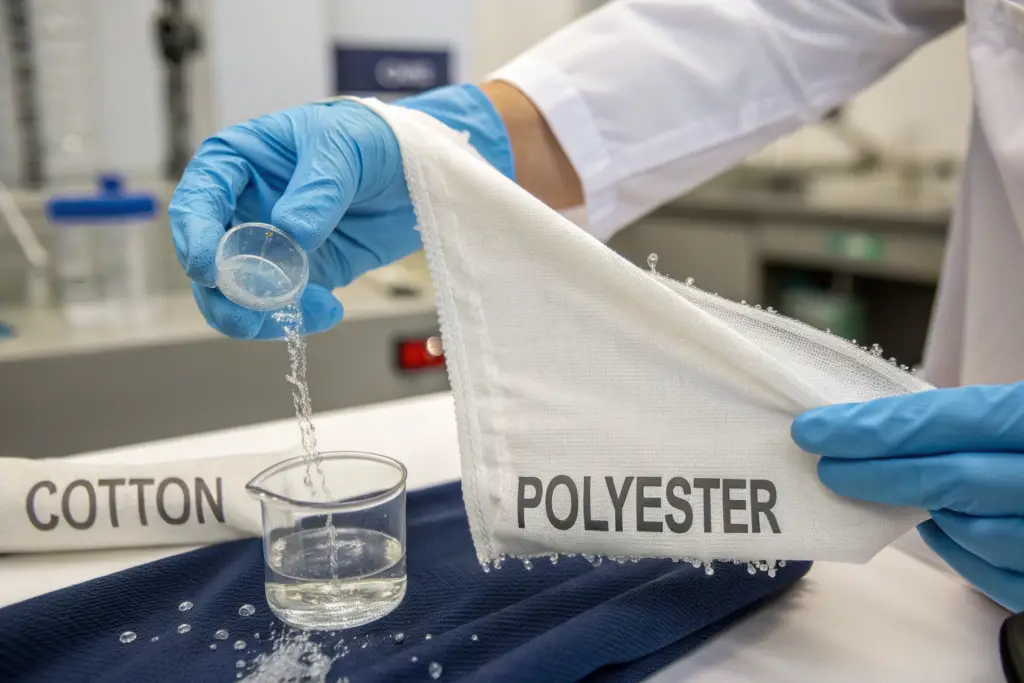
Each synthetic or semi-synthetic fiber solves a specific problem and carries a different cost implication. Choosing the right partner for cotton is a strategic decision.
Here is a breakdown of common blends for apparel:
| Blend Composition | Primary Benefit | Cost Impact vs 100% Cotton | Ideal Garment Type |
|---|---|---|---|
| Cotton / Polyester | Durability, Wrinkle Resistance | Lower Cost | Men’s wear shirts, uniforms, hoodies |
| Cotton / Spandex (Elastane) | Stretch and Recovery | Slightly Higher | Women’s wear jeans, leggings, slim tees |
| Cotton / Viscose (Rayon) | Drape, Silky Handfeel | Neutral to Lower | Dresses, soft blouses, summer shorts |
| Polyester / Viscose / Spandex | Ultimate Suiting Drape | Mid-Range | Woven trousers, suiting, outerwear |
Viscose is a particularly interesting fiber for cost-effective fabrics. It is made from wood pulp, so it dyes beautifully and feels cool against the skin. It is often cheaper than cotton. A 70/30 Cotton/Viscose blend feels like a much more expensive fabric than it actually is. This is a go-to strategy for women’s wear brands wanting a premium look for a fast-fashion price.
Does Recycled Polyester Compromise Quality for Sustainability?
This is a common concern. Five years ago, recycled polyester (rPET) felt scratchy and was prone to pilling. That has changed dramatically. Modern mechanical and chemical recycling produces rPET fibers that are virtually indistinguishable from virgin polyester in terms of softness and strength.
The key is to ensure the rPET comes from a Global Recycled Standard certified source. Cheap, uncertified rPET can be brittle. Certified rPET from a reputable mill performs just as well as virgin polyester in terms of colorfastness and tensile strength. For brands looking to add a sustainability story without increasing their wholesale price significantly, rPET blends are the current sweet spot in the market. They allow you to offer eco-friendly apparel that still meets quality control standards.
How Do Fabric Finishes Enhance Budget-Friendly Materials?
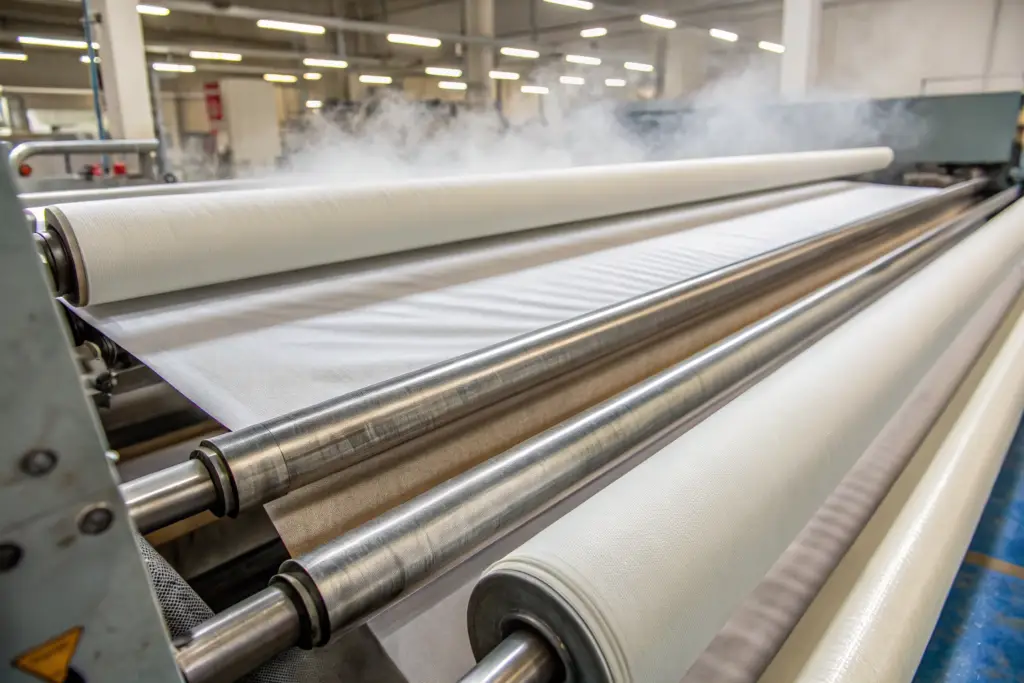
You can buy a basic greige fabric for a low price. But it will feel like sandpaper and look like a potato sack. The magic that turns a budget base cloth into a desirable garment happens in the finishing stage. This is where the "handfeel" is engineered. Many brands overlook this step and wonder why their clothes feel stiff.
Finishing processes like bio-washing, compacting, and peaching can transform a basic 26/1 cotton into a garment with a premium, retail-ready feel. These processes add a small cost per yard (usually $0.20 – $0.50) but increase the perceived value of the garment by 30-50% in the eyes of the consumer.
I remember a project for a kids’ wear brand. They were on a very tight budget. They chose a basic 30/1 carded cotton interlock. The pre-production sample felt like cardboard. We suggested adding a Bio-Wash (enzyme wash). This process uses natural enzymes to "eat" the fuzzy microfibers on the surface of the yarn. The result was a fabric that felt soft, broken-in, and vintage. The cost added was $0.30 per unit. The retail price they could command went up by $4.00 because the garment no longer felt "cheap." This is the art of cost-effective fabrics.
What Is the Difference Between Enzyme Wash and Silicone Wash?
Both are softeners, but they work differently and create different aesthetics. Choosing the wrong one can ruin the look of your apparel.
- Enzyme Wash (Bio-Polish): Permanently removes surface fuzz and pills. The fabric becomes smoother and cleaner. Color contrast is sharper. This is best for woven garments and crisp men’s wear polos.
- Silicone Wash: Coats the fabric with a microscopic layer of silicone. This makes the fabric feel very soft and slippery. It adds a “drapey” quality. This is best for women’s wear tops and activewear where a fluid drape is desired.
However, a heavy silicone wash can sometimes make the fabric too slick, causing seams to slip. A low-quality silicone wash washes out after three laundry cycles, leaving the customer with a stiff shirt they didn’t buy. We always test the durability of fabric finishes to ensure the softness lasts.
How Does Fabric Weight (GSM) Affect the Perception of Quality?
GSM stands for Grams per Square Meter. It is the most objective measure of how "heavy" or "substantial" a fabric feels. In the world of cost-effective fabrics, GSM is your best friend.
Consumers equate weight with quality. A 140 GSM T-shirt feels flimsy and see-through (often called "burnout"). A 180-200 GSM T-shirt feels like a premium, durable product. Here is the trick: You can use a cheaper yarn (e.g., 26/1 carded) but increase the GSM. The thicker yarn naturally creates a heavier weight. The customer feels the heft and assumes it is a top quality garment.
We guided a streetwear brand through this exact scenario. They wanted a "heavyweight" tee but couldn’t afford 100% combed ring-spun cotton. We used a 20/1 carded cotton to achieve a 240 GSM weight. The shirts felt like armor (in a good way). They became a best-seller because of the "beefy" handfeel. The cost was 20% less than the premium alternative. This is how you use textile weight standards to your advantage.
How Does Construction Quality Outweigh Fabric Cost?
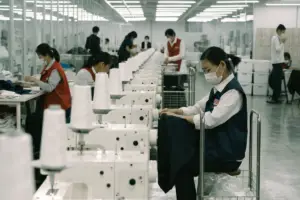
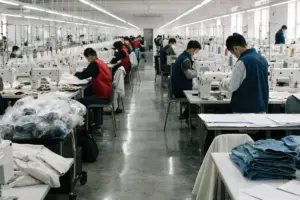
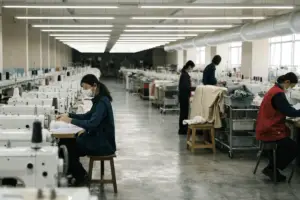
You can have the most expensive fabric in the world, but if the stitching is crooked and the seams are puckered, the garment looks like it came from a discount bin. Conversely, I have seen basic cost-effective fabrics look like a million bucks simply because they were cut and sewn with care.
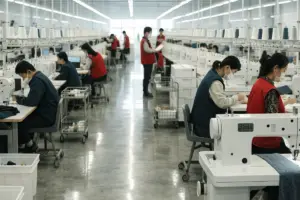
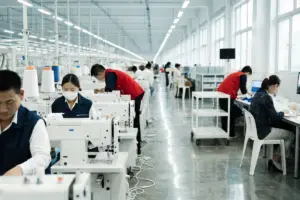
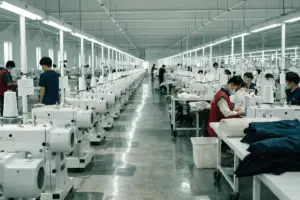
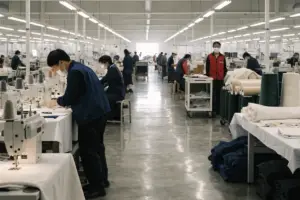
Superior construction quality elevates budget fabrics more than premium fabric elevates poor construction. A consistent stitch density (SPI), clean seam finishing, and accurate pattern cutting ensure the garment hangs correctly and withstands washing. These labor-intensive details are where a skilled clothing manufacturer adds the most value.
A large company buyer for a national chain once told me a secret. They do "destructive testing" on samples. They cut the seams open. If the stitch count is low (under 10 stitches per inch) or the seam allowance is wavy, they reject the order regardless of how nice the fabric feels. Why? Because that garment will fall apart in the customer’s washing machine. At Shanghai Fumao, we maintain a minimum 12-14 SPI (stitches per inch) on all main seams. This uses slightly more thread and time, but it prevents the seam from "grinning" (opening up) when stressed. This is a non-negotiable part of our quality assurance.
What Stitch Types Are Best for Durability in Value Apparel?
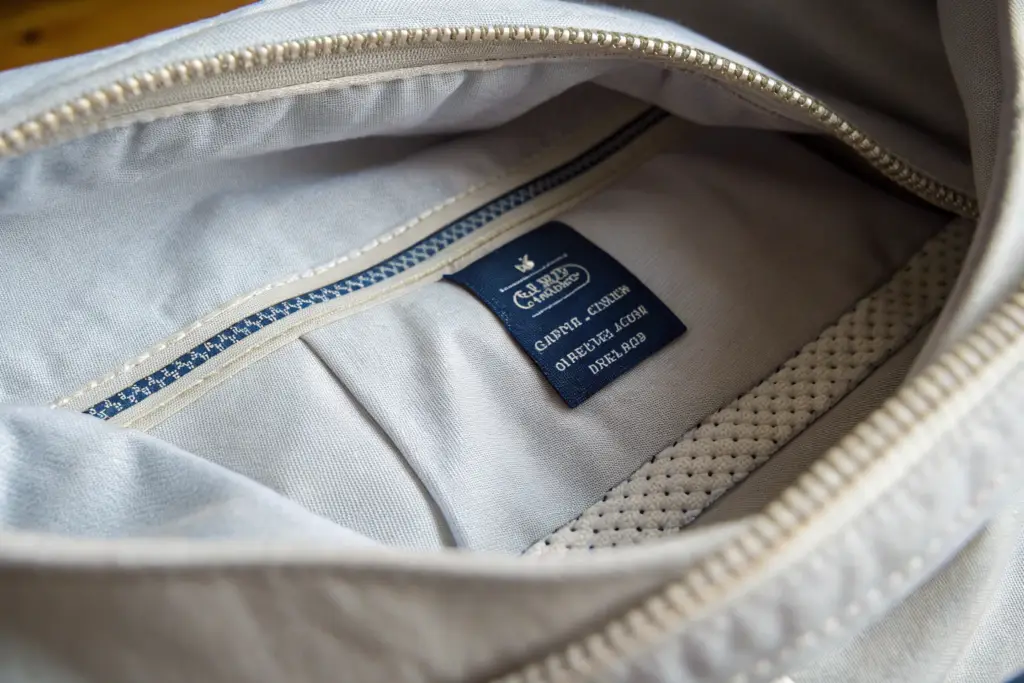
You do not need to be a sewing engineer, but you should know two key terms: Safety Stitch and Coverstitch.
- Safety Stitch (516): This is a 5-thread overlock stitch that sews the seam and trims the edge and adds a chainstitch for security. It is the gold standard for activewear and knitwear. It prevents seams from popping.
- Coverstitch (605): This is the double line of stitching you see on the hem of a T-shirt. A good coverstitch has a nice “ladder” effect on the back. A cheap factory will just use a single needle lockstitch on the hem, which pops when stretched.
For a value-priced men’s wear polo, using a Safety Stitch on the side seams means that shirt will survive 50 washes. Skipping it to save $0.10 in thread cost means that shirt will be returned. We never skip on seam construction. It is the foundation of reliable delivery of quality.
How Does Pattern Cutting Affect Fabric Consumption and Cost?
This is where the math of cost-effective fabrics really shines. A skilled pattern maker can lay out the pattern pieces on the fabric like a game of Tetris. A 2% improvement in fabric utilization (marker efficiency) can save $0.40 per garment. On an order of 10,000 units, that is $4,000 in pure profit.
More importantly, good cutting ensures the garment hangs straight. If the fabric is cut off-grain (not aligned with the weave), the shirt will twist when you wash it. The side seam will end up in the front. This is a disaster for customer satisfaction. We use automatic spreading machines and laser-guided cutters to ensure the fabric grain is perfectly straight. This means a budget fabric hangs like a premium one. This attention to garment pattern engineering is what separates a professional clothing manufacturer from a low-cost sewing shop.
Conclusion
The question "Can cost-effective fabrics still deliver good quality?" has a definitive answer: Yes, but only with smart engineering and disciplined construction. You cannot just ask for "cheaper cotton." You have to ask for "26/1 combed cotton with a bio-wash finish and safety-stitch construction." That is the language of value. That is how you protect your brand while protecting your profit margins.
The examples from our factory floor—from the women’s basics brand that reduced returns by 60% with a smarter yarn choice, to the streetwear label that built a cult following on the heft of a 240 GSM budget tee—prove that quality is a function of knowledge, not just raw material cost. The most expensive fabric in the world is the one that sits in your warehouse because customers returned it.
At Shanghai Fumao, we see our role as more than just a factory. We are a sourcing partner who helps you navigate the vast middle ground between luxury and landfill. Whether you are developing men’s wear, women’s wear, kids’ wear, or outerwear, we have the technical expertise to engineer a fabric solution that meets both your price target and your quality standards.
If you are looking for a partner who can help you stretch your fabric budget without snapping your quality reputation, let’s have a conversation. Our Business Director, Elaine, can provide fabric swatches and cost scenarios tailored to your specific collection needs. Contact Elaine at: elaine@fumaoclothing.com.