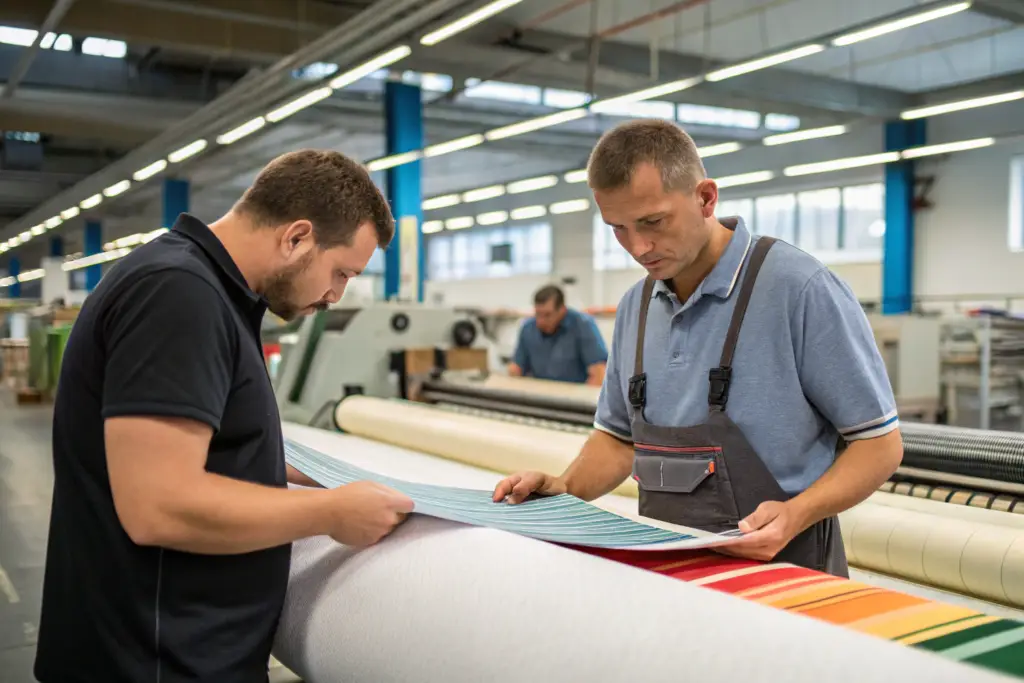
You have a design. You find a fabric that is close. The color is off. The weight is wrong. The hand feel is different. You settle. You produce the garment. It sells, but it is not special. Your competitor has the same fabric. You compete on price. You wonder if custom fabric is worth it. The lead time is longer. The minimums are higher. The cost is more. You hesitate.
Custom fabric milling is totally worth the extra production time because it creates a barrier between you and your competitors. When you mill your own fabric, you own the formula. No one else can use that exact color, that specific weight, that unique blend. Your garment becomes truly exclusive. You can charge more. Customers notice the difference. The extra weeks in development pay off in higher margins, stronger brand identity, and customer loyalty. Standard fabric is a commodity. Custom fabric is an asset.
I have run a clothing factory for over a decade. I have seen brands transform their businesses by switching to custom fabric. The upfront investment is real. The lead time is longer. But the rewards are substantial. A brand that controls its fabric controls its destiny.
What Makes Custom Fabric Different from Standard Fabric?
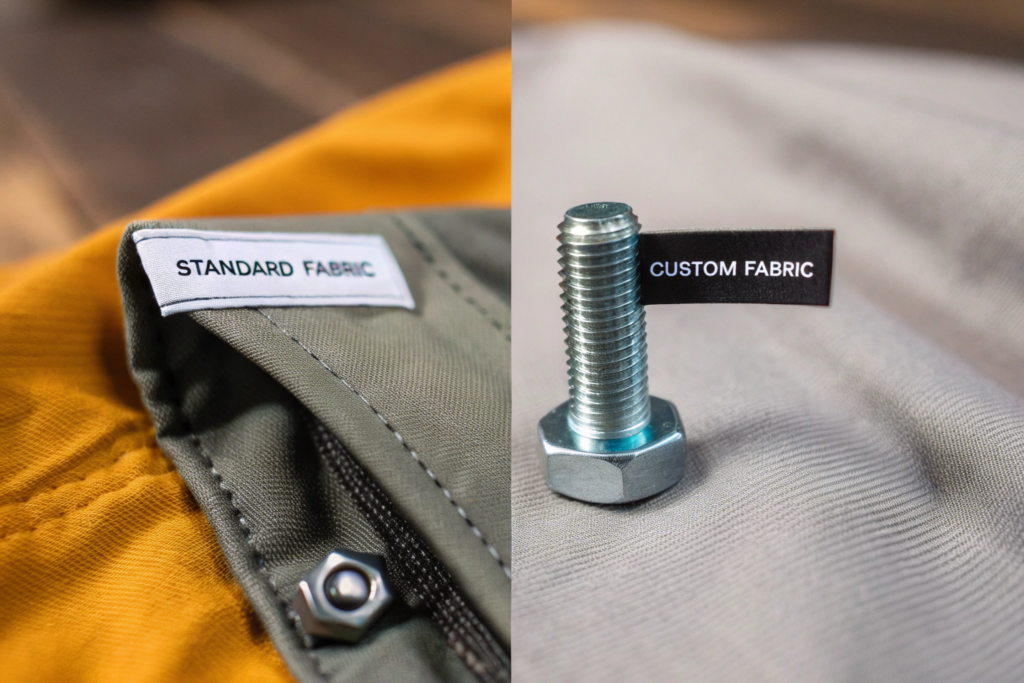
Standard fabric is off-the-shelf. Any brand can buy it. Custom fabric is made for you. It is yours alone.
How is standard fabric produced and sold?
Standard fabric is produced in bulk. Mills run large batches. They sell to anyone. The fabric has generic specifications.
Characteristics of standard fabric:
- Generic colors: Standard colors. No customization.
- Standard weights: Common weights for common applications.
- Standard blends: Cotton/polyester, cotton/spandex, etc.
- Available immediately: Usually in stock or short lead time.
- Low minimums: You can buy small quantities.
- Used by many brands: Your competitor can buy the same fabric.
A client in New York used standard fabric for their t-shirt line. The fabric was fine. But three other brands at the same trade show had the same fabric. The client competed on price. Margins were thin.
You should understand that standard fabric offers no differentiation. It is a race to the bottom.
How is custom fabric produced?
Custom fabric starts with your specifications. You control every variable. The mill produces a batch just for you.
Characteristics of custom fabric:
- Your color: Any Pantone color. Matched exactly.
- Your weight: From sheer to heavy. Exactly as you specify.
- Your blend: Cotton, polyester, nylon, wool, linen, elastane. Any ratio.
- Your finish: Wrinkle-resistant, moisture-wicking, anti-microbial, etc.
- Your weave or knit: Plain, twill, satin, jersey, rib, interlock. Any structure.
- Longer lead time: 8-12 weeks typical.
- Higher minimums: 500-2,000 yards typical.
- Exclusive to you: No one else can use it.
A client in Los Angeles developed a custom cotton/spandex blend with a unique heather color. The fabric was theirs alone. Their t-shirts stood out. They charged a premium. Customers noticed the difference.
You should view custom fabric as an investment in exclusivity.
Why Does Custom Fabric Create Brand Differentiation?
Differentiation is the key to premium pricing. Custom fabric provides differentiation that customers can see and feel.
How does unique color create brand recognition?
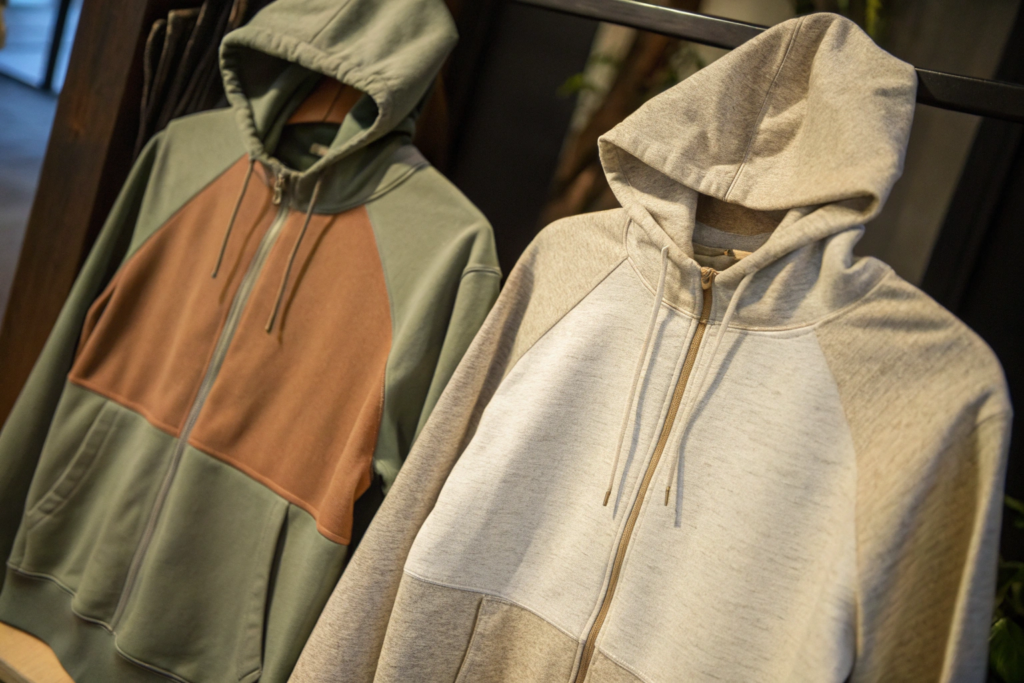
Color is the first thing customers notice. A unique color becomes associated with your brand.
Examples of brand colors:
- Tiffany blue
- Hermès orange
- Louboutin red
Your brand may not be at that level. But you can create your own signature color. A specific shade of blue. A unique green. A particular gray. When customers see that color, they think of you.
A client in Seattle developed a custom "Seattle mist" gray. It was a specific cool-toned gray. Customers recognized it. They sought it out. The color became a signature.
You should develop a brand color palette. Mill your key fabrics in those colors.
How does unique texture create a sensory connection?
Texture is felt, not just seen. A unique texture creates a sensory connection. Customers remember how your garment feels.
Texture variables:
- Hand feel: Soft, crisp, smooth, brushed, structured.
- Drape: Fluid, stiff, bouncy, heavy.
- Weight: Light, medium, heavy.
- Surface interest: Slub, texture, rib, pebble.
A client in Boston developed a custom brushed cotton. It was incredibly soft. Customers touched it and bought it. The texture was unique. No other brand had it.
You should invest in developing a signature hand feel. It becomes part of your brand identity.
How does custom fabric support your brand story?
Every brand has a story. Custom fabric can be part of that story.
Storytelling opportunities:
- Sustainable sourcing: Develop fabric from recycled materials or organic fibers.
- Local milling: Work with a mill in your region. Support local industry.
- Heritage fibers: Use specific wools, cottons, or linens from particular regions.
- Innovative blends: Create a blend that solves a problem (stretch, moisture-wicking, etc.).
A client in Denver developed a fabric made from recycled plastic bottles. The story was compelling. Customers loved it. The fabric was custom. No one else had it.
You should think about your brand story. How can custom fabric bring that story to life?
How Does Custom Fabric Improve Quality Control?
When you mill your own fabric, you control the quality. You are not at the mercy of a mill that sells to everyone.
How do you control consistency with custom fabric?
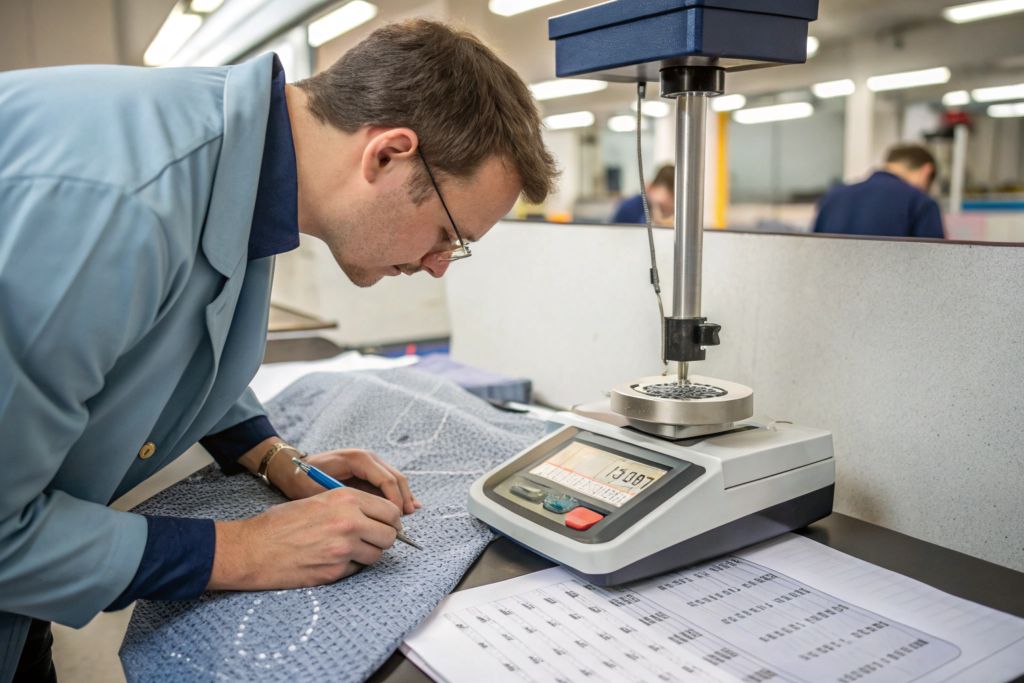
Standard fabric can vary from batch to batch. The color may shift. The weight may change. With custom fabric, you specify exact tolerances.
Consistency controls:
- Color tolerance: You specify the acceptable ΔE (color difference). Standard is often ΔE < 1.0.
- Weight tolerance: You specify acceptable weight variation (±5% is common).
- Width tolerance: You specify acceptable width variation.
- Shrinkage tolerance: You specify acceptable shrinkage after washing.
- Strength tolerance: You specify minimum tear strength and tensile strength.
A client in Chicago had issues with standard fabric. The color varied between batches. Their garments looked inconsistent. They switched to custom fabric. They specified tight tolerances. The color was consistent. The quality improved.
You should work with your mill to set quality standards. Put them in writing.
How does custom fabric reduce defects?
Standard fabric may contain defects. Mills sell seconds to discounters. With custom fabric, you can require inspection.
Defect reduction:
- Mill inspection: The mill inspects the fabric before shipping. They reject defective rolls.
- Third-party inspection: You can hire an inspector to check the fabric at the mill.
- Your own inspection: You can inspect the fabric when it arrives at your factory.
A client in San Francisco required mill inspection reports for their custom fabric. The mill rejected 5% of the production. The defective fabric never reached the factory. The client's defect rate dropped.
You should specify inspection requirements in your fabric contract.
How Does Custom Fabric Enable Innovation?
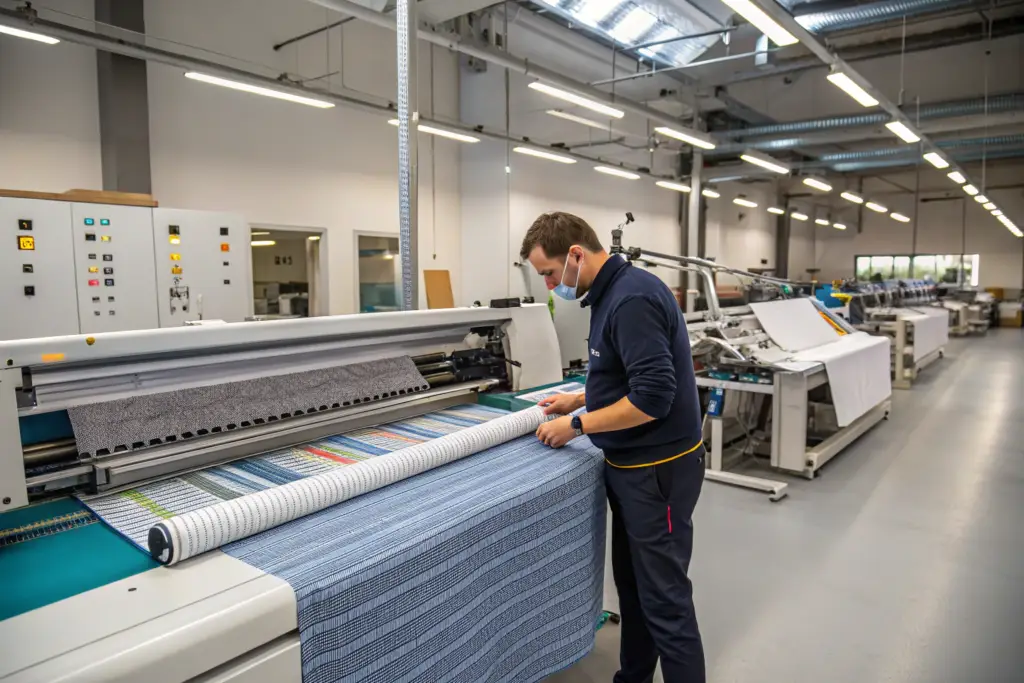
Custom fabric is not just about color and weight. It is about innovation. You can create fabrics with properties that do not exist in the market.
What performance properties can you engineer into custom fabric?
You can engineer almost any property into custom fabric. The only limit is your imagination and your budget.
Performance properties:
- Moisture-wicking: Pulls sweat away from the skin.
- Anti-microbial: Prevents bacterial growth. Reduces odor.
- UV protection: Blocks harmful UV rays.
- Flame resistance: Self-extinguishing. For workwear.
- Water resistance: Repels water. For outerwear.
- Stretch: Mechanical or elastane. For comfort and mobility.
- Recovery: Fabric returns to shape after stretching.
- Abrasion resistance: For durability in workwear and outdoor gear.
- Thermal regulation: Keeps you cool when hot, warm when cold.
A client in Austin developed a custom fabric with moisture-wicking, anti-microbial, and UV protection. They sold it as "triple-performance" activewear. The fabric was unique. No competitor had it. They dominated their niche.
You should identify the performance properties your customers value. Engineer them into your custom fabric.
How does custom fabric allow you to solve specific problems?
Standard fabric solves general problems. Custom fabric solves your specific problems.
Problem-solving examples:
- Fit issues: Develop a fabric with the right amount of stretch for your fit.
- Durability issues: Develop a fabric with higher abrasion resistance for workwear.
- Care issues: Develop a wrinkle-resistant fabric for travel wear.
- Sustainability issues: Develop a fabric from recycled or biodegradable materials.
A client in Boston had a problem with pilling on their sweaters. Standard wool blends pilled. They developed a custom wool/nylon blend with a tighter twist. The pilling stopped. The sweaters looked better longer.
You should identify the pain points in your current products. Use custom fabric to solve them.
How to Manage the Extra Production Time for Custom Fabric?
Custom fabric takes time. You need to plan for it. But the benefits outweigh the extra weeks.
How do you plan your collection timeline around custom fabric?
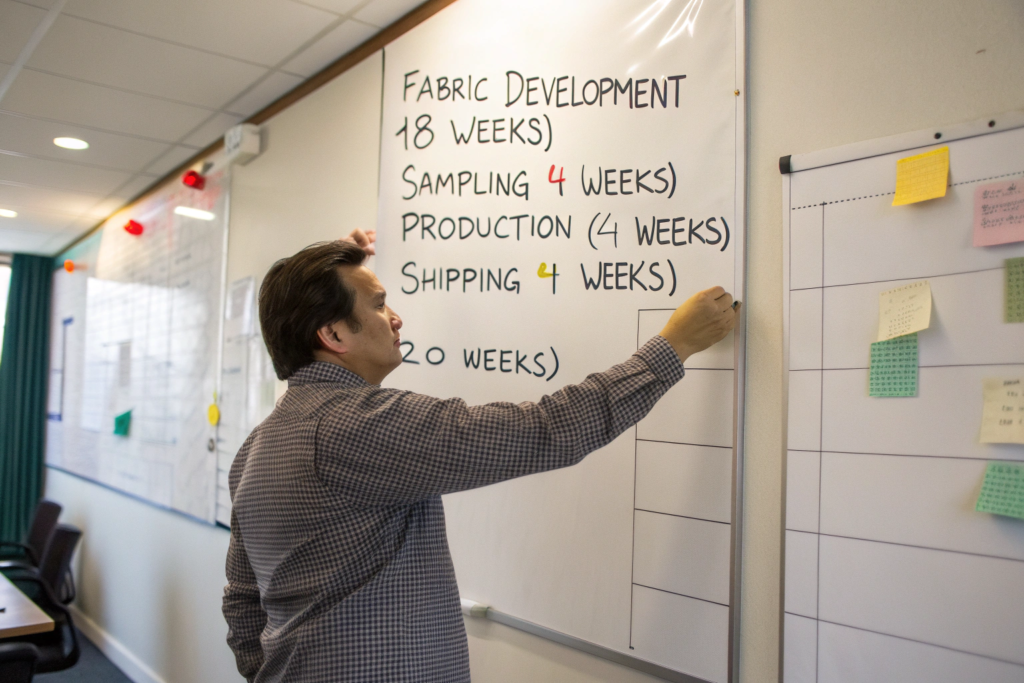
Custom fabric adds 8-12 weeks to your development timeline. You need to start earlier.
Timeline for a collection using custom fabric:
- -20 weeks: Develop custom fabric. Color matching, sampling, production.
- -12 weeks: Fabric arrives. Sampling begins.
- -8 weeks: Sample approval. Fabric cutting begins.
- -4 weeks: Production complete. Shipping begins.
- 0 weeks: Goods arrive.
A client in Seattle planned their collection 6 months in advance. They developed custom fabric. The timeline worked. The collection was unique. It sold out.
You should build custom fabric development into your annual calendar. Do not try to rush it.
How do you balance custom and standard fabric in your line?
You do not need to use custom fabric for every style. Use it strategically.
Strategic use of custom fabric:
- Signature styles: Use custom fabric for your best-selling, high-margin styles.
- New launches: Use custom fabric for new styles to create buzz.
- Limited editions: Use custom fabric for special collections.
- Core basics: Use standard fabric for basic items where differentiation is less important.
A client in New York used custom fabric for their hero jacket. The jacket was unique. It sold at full price. They used standard fabric for their basics. The basics had lower margins but steady volume.
You should prioritize. Custom fabric is an investment. Use it where it gives the highest return.
How do you manage minimum order quantities for custom fabric?
Custom fabric requires minimum orders. Mills need to justify the setup cost. MOQs are typically 500-2,000 yards.
Strategies for managing MOQs:
- Use the fabric across multiple styles: Design multiple garments using the same custom fabric.
- Combine orders with other brands: Some mills allow shared batches. Less common but possible.
- Negotiate: For a first order, some mills will accept lower MOQs at a higher price.
- Build inventory: Order the MOQ. Use it over multiple seasons.
A client in Denver ordered 1,000 yards of custom fabric. They used it for two seasons across five styles. The inventory turned. The investment paid off.
You should calculate the total fabric needed for your collection. The MOQ may be less than you think.
Conclusion
Custom fabric milling is worth the extra production time. It creates a barrier between you and your competitors. You own the formula. No one else can use that exact color, that specific weight, that unique blend.
Custom fabric creates brand differentiation. Unique colors and textures become recognizable. Customers associate them with your brand.
Custom fabric improves quality control. You set the tolerances. You inspect the fabric. You reduce defects.
Custom fabric enables innovation. You can engineer performance properties. You can solve specific problems.
The extra lead time is manageable. Plan ahead. Use custom fabric strategically. Balance it with standard fabric where appropriate.
The brands that succeed in the long term are the ones that control their supply chain. Custom fabric is a key part of that control. It is an investment in your brand's future.
At Shanghai Fumao, we have extensive experience with custom fabric milling. We work with mills around the world. We help our clients develop unique fabrics. We manage the lead times. We ensure quality. We know that custom fabric is worth the effort.
If you are ready to take your brand to the next level with custom fabric, we would like to help. Our Business Director, Elaine, can connect you with our mill partners. She can help you develop your specifications. You can reach her at elaine@fumaoclothing.com. Let us create something unique together.