You open Alibaba. You search for "clothing manufacturer." You see thousands of results. Gold Supplier badges. Trade Assurance logos. Verified checkmarks. Beautiful factory photos. Low prices. You feel overwhelmed. You wonder who is real. Who is reliable. Who will deliver. You have been burned before. You want to find a good partner. But you do not know how to separate the real from the fake.
To effectively use Alibaba to screen potential clothing manufacturers, you need to look beyond the badges and verify the facts. Use Alibaba as a discovery platform, not as a verification platform. Look for Gold Supplier status with a long history. Check transaction history and response rate. Verify the factory through video calls and third-party audits. Request references. Start with a small test order. The information on Alibaba is a starting point. The real screening happens through direct communication, verification, and testing.
I have run a clothing factory for over a decade. I have a presence on Alibaba. I know how the platform works. I also know how some suppliers game the system. The badges are helpful but not foolproof. A supplier with a Gold badge and 10 years on the platform is more likely to be reliable. But you still need to do your own verification. The best use of Alibaba is to find candidates. Then you screen them yourself.
What Are the Key Signals on a Supplier’s Alibaba Profile?
A supplier’s Alibaba profile contains valuable information. You need to know what to look for. The profile is the first filter. It separates serious suppliers from casual ones.
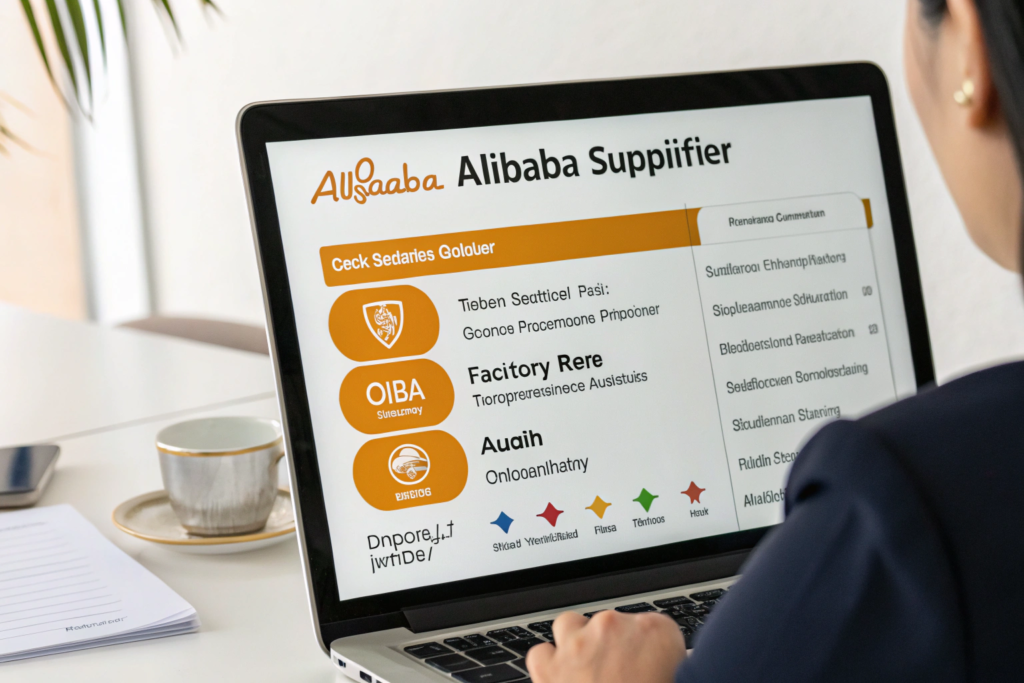
What does Gold Supplier status really mean?
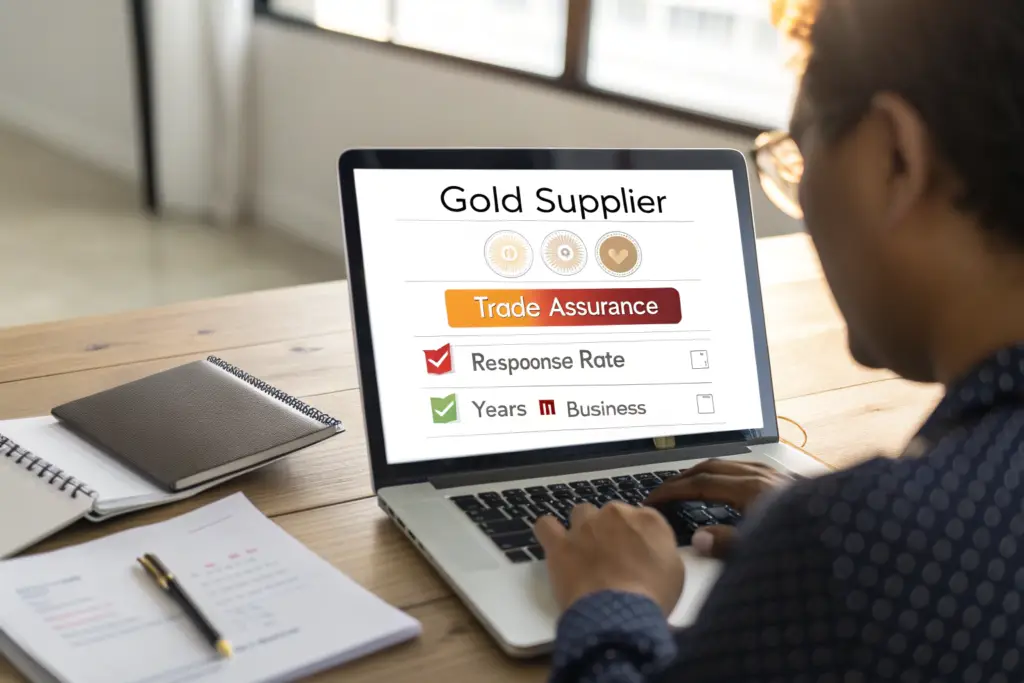
Gold Supplier is a paid membership. The supplier pays Alibaba to be listed. It indicates they are serious enough to invest in the platform. But it does not guarantee quality or reliability.
What Gold Supplier tells you:
- The supplier has paid for a membership: They are committed to selling on Alibaba.
- The supplier has been verified by Alibaba: Alibaba has checked their business license. This is basic verification.
- The supplier has been on the platform for a certain period: The longer, the better.
What Gold Supplier does NOT tell you:
- The quality of their products: A Gold Supplier can still make poor quality goods.
- Their reliability: They can still ship late.
- Their factory size: A trading company can have Gold Supplier status.
A client in New York assumed that Gold Supplier meant the factory was verified and reliable. They placed a large order. The quality was poor. The supplier disappeared. The client learned that Gold Supplier is not a guarantee. It is just a starting point.
You should look for Gold Supplier status with a long history. A supplier with 5+ years of Gold Supplier membership is more likely to be established. A supplier with 1 year is still unproven.
How do you interpret transaction history and response rate?
Transaction history shows how active the supplier is on Alibaba. It is a measure of their sales volume through the platform.
Look for:
- Number of transactions: A supplier with 100+ transactions in the last year is active.
- Transaction value: Higher value transactions indicate larger orders.
- Response rate: A response rate above 90% is good. Below 70% is a warning.
- Response time: Within 1-2 hours is excellent. Within 24 hours is acceptable. More than 24 hours is slow.
A client in Los Angeles looked at transaction history. One supplier had 10 transactions in the last year. Another had 500. The client chose the one with 500. They were more active. They were more likely to be a real, established business.
You should also look at the products they list. A supplier with a narrow product range (only t-shirts, for example) is more focused. A supplier with thousands of random products may be a trading company or a reseller.
What does the factory audit report reveal?
Alibaba offers on-site factory audits. These are conducted by third-party inspectors. The audit report is valuable. It verifies that the factory exists. It gives basic information about size and capabilities.
What the audit report tells you:
- Factory type: Manufacturer or trading company. Look for "Manufacturer."
- Number of workers: More workers generally means more capacity.
- Floor space: Larger space generally means more capacity.
- Equipment: What machines do they have? Is the equipment modern?
- Quality control: Do they have a QC process? Are there QC personnel?
A client in Seattle reviewed audit reports for three suppliers. One had 50 workers. One had 100. One had 300. The client chose the one with 300. They had more capacity. They were more likely to handle large orders.
You should download the audit report. Read it carefully. Look for any red flags. A supplier with a recent audit (within the last year) is better than one with an old audit.
How to Verify a Supplier Beyond the Alibaba Profile?
The Alibaba profile is a starting point. The real verification happens after you start communicating. You need to go deeper. You need to ask questions. You need to request evidence.

What questions should you ask a potential supplier?
Ask specific questions. Vague answers are a warning sign. A good supplier will have clear answers.
Ask:
- Are you a manufacturer or a trading company? If they say manufacturer, ask for photos of the factory floor.
- How many workers do you have? Ask for a breakdown: sewers, cutters, finishers, QC.
- What is your monthly output? Ask in pieces, not just "we can produce a lot."
- What are your quality control processes? Do they have in-line QC? Do they use AQL standards?
- What are your minimum order quantities? Ask for MOQs by product type.
- What is your typical lead time? For sample? For production?
- Do you work with any brands I know? Ask for references.
A client in Chicago asked these questions. One supplier gave vague answers. "We have many workers." "We produce a lot." Another gave specific numbers. "120 workers, 80 sewers, 15,000 pieces per month." The client chose the second supplier.
You should write down your questions. Ask them in your first communication. The answers will help you filter.
How do you request and verify references?
A good supplier will provide references. A bad supplier will make excuses. References are valuable. But you need to verify them.
Ask for:
- 2-3 current clients with similar order sizes to yours.
- Contact name and email or phone.
- Permission to ask specific questions.
When you contact the reference, ask:
- How long have you worked with this supplier?
- What is their quality like? Consistent? Inconsistent?
- Do they deliver on time? How often are they late?
- How do they handle problems? Do they communicate? Do they solve?
- Would you use them again? Why or why not?
A client in Boston called three references. Two were positive. One was negative. The negative reference said the supplier was consistently late. The client avoided that supplier.
You should take references seriously. A five-minute call can save you months of problems.
How do you use video calls to verify the factory?
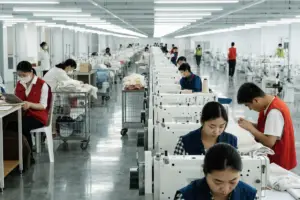
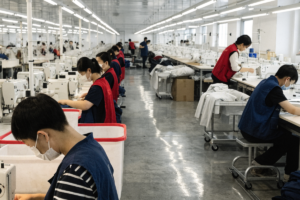
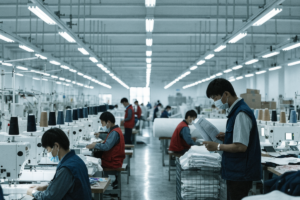
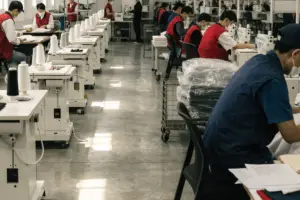
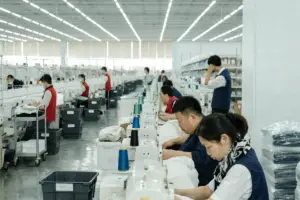
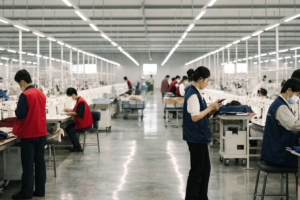
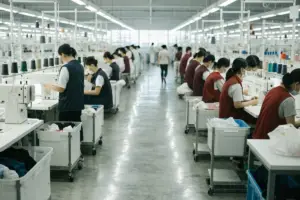
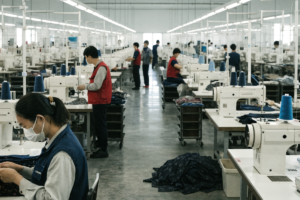
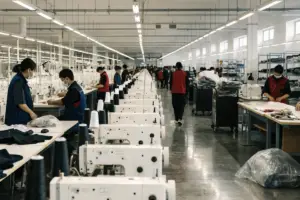
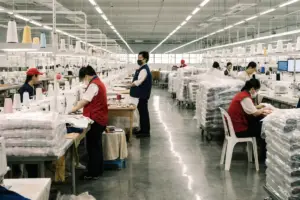
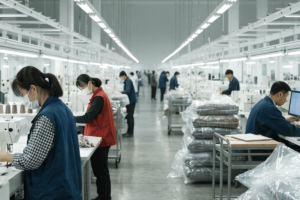
A video call is harder to fake than photos. You can see the factory in real time. You can ask to see specific areas. You can see the flow of production.
During a video call:
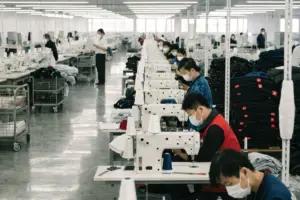
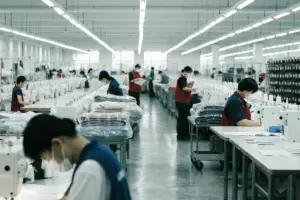
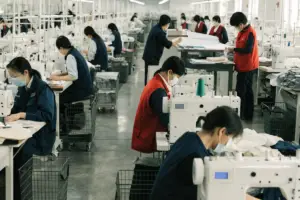
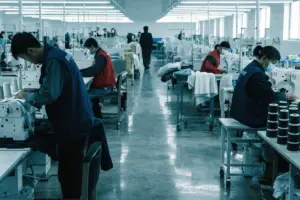
- Ask to see the production floor: Are workers present? Are machines running?
- Ask to see the cutting room: Are there cut pieces? Is there fabric?
- Ask to see the sample room: Is it organized? Are there samples?
- Ask to see the QC station: Are inspectors checking garments?
- Ask to see the warehouse: Is there inventory? Is it organized?
A client in Denver did a video call with a potential supplier. The supplier showed a clean, organized factory. Workers were present. Machines were running. The client was impressed. They proceeded to a test order.
You should take screenshots during the call. Save them. They are evidence of what you saw.
How to Use Alibaba’s Trade Assurance and Payment Protection?
Alibaba offers payment protection through Trade Assurance. It is a valuable tool. It protects your deposit. It gives you recourse if the supplier fails to deliver.
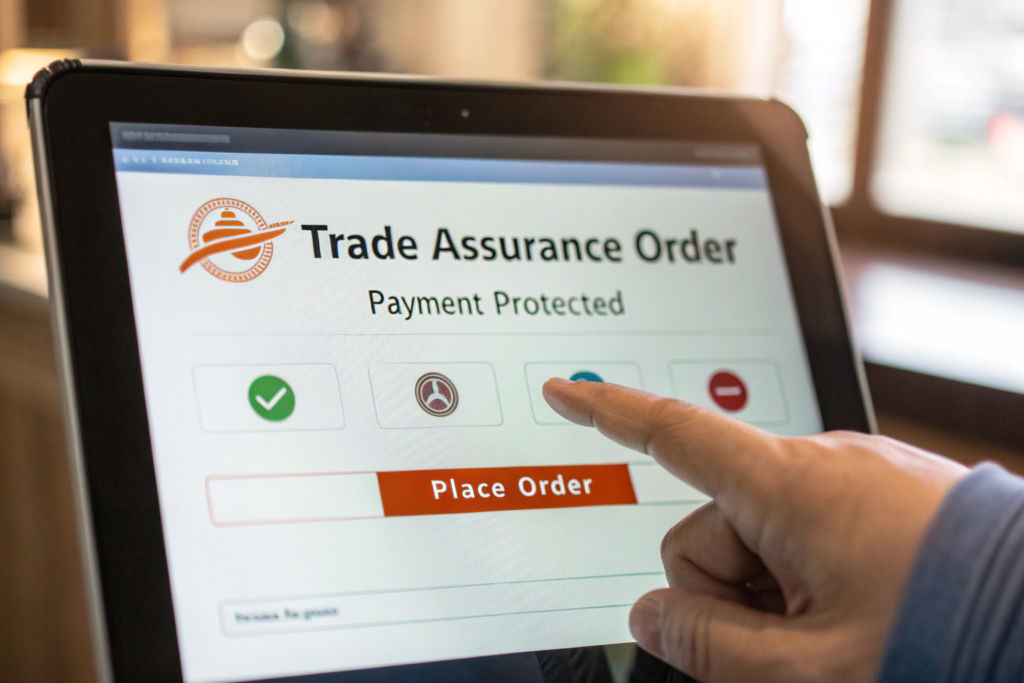
What is Trade Assurance and how does it work?
Trade Assurance is Alibaba’s payment protection program. You pay through Alibaba. The money is held by Alibaba. The supplier does not receive it until you confirm receipt of goods.
How it works:
- You place an order through Alibaba: You specify the product, quantity, price, and delivery date.
- You pay Alibaba: The money is held in escrow.
- The supplier produces and ships: They have to meet the terms of the order.
- You confirm receipt: Once you receive the goods and are satisfied, Alibaba releases payment to the supplier.
If the supplier does not ship on time, you can request a refund. If the quality is poor, you can dispute. Alibaba will mediate.
A client in Austin used Trade Assurance for their first order. The supplier was late. The client filed a dispute. Alibaba refunded the deposit. The client lost only time, not money.
You should use Trade Assurance for first orders. It reduces your risk.
What are the limitations of Trade Assurance?
Trade Assurance is not a guarantee of quality. It is a guarantee of payment. It protects your money. It does not guarantee that the product will be good.
Limitations:
- Quality disputes are complex: Alibaba will mediate. But proving poor quality is harder than proving non-delivery.
- The supplier must agree to Trade Assurance: Some suppliers do not use it.
- The protection has limits: There is a maximum coverage amount. For large orders, it may not cover the full amount.
A client in New York used Trade Assurance for a large order. The goods arrived with quality issues. The client filed a dispute. Alibaba asked for evidence. The client had to provide photos, inspection reports, and communication records. The process took months. The client eventually received a partial refund. Trade Assurance helped, but it was not a quick fix.
You should use Trade Assurance. But do not rely on it as your only protection. Do your own verification.
How to Transition from Alibaba Screening to a Long-Term Partnership?
Alibaba is for discovery and initial screening. The goal is to find a partner for the long term. Once you find a good supplier, you need to transition off the platform. Build a direct relationship.
How do you move from Alibaba to direct communication?
Alibaba’s messaging system is fine for initial contact. But for ongoing communication, you need direct channels.
Transition steps:
- Exchange direct email: Move to email for formal communication.
- Use WhatsApp or WeChat: For quick questions and updates. Most Chinese factories use WeChat.
- Schedule regular calls: Move from random messages to scheduled weekly calls.
- Share documents directly: Use email or cloud storage for tech packs and specs.
A client in Seattle moved from Alibaba messaging to WeChat within the first week. They had daily communication. The relationship grew. The supplier became a partner.
You should move to direct communication quickly. Alibaba messaging is not efficient for ongoing production management.
How do you build a direct relationship beyond Alibaba?
Once you have a good supplier, invest in the relationship. Visit if you can. Communicate regularly. Be fair. Share your plans.
Build the relationship by:
- Visiting the factory: If possible, visit once a year. Meet the team. See the production.
- Communicating consistently: Have weekly calls. Share updates. Discuss problems openly.
- Paying fairly: Do not squeeze the supplier on price. A fair price ensures they prioritize you.
- Sharing your plans: Tell them about your growth. They will invest in capacity for you.
- Being loyal: Do not switch for a slightly lower price. Stability is valuable to both sides.
A client in San Francisco visited their factory twice a year. They brought gifts. They remembered the workers’ names. The factory treated them like family. When capacity was tight, the factory prioritized their orders. The relationship was worth more than any price discount.
You should invest in the relationship. A good factory partner is hard to find. Once you find one, treat them well.
Conclusion
Alibaba is a powerful tool for finding clothing manufacturers. But it is only a tool. You need to use it effectively. You need to look beyond the badges. You need to verify the facts. You need to ask questions. You need to request evidence. You need to use Trade Assurance for protection. And you need to transition from online screening to a real partnership.
The suppliers who look good on Alibaba may not be good in reality. The ones who pass your verification may become great partners. The screening process takes time. But it saves you from costly mistakes. A bad supplier can cost you months of delays, thousands of dollars in defects, and damage to your brand. A good supplier can be the foundation of your success.
At Shanghai Fumao, we have a strong presence on Alibaba. We are a Gold Supplier with over 10 years on the platform. We have Trade Assurance. We have third-party audit reports. We welcome verification. We do video calls. We provide references. We believe in transparency. We want clients who do their homework. They become our best partners.
If you are looking for a clothing manufacturer and want to use Alibaba to find partners, we invite you to consider Shanghai Fumao. Our Business Director, Elaine, can answer your questions. She can provide our audit report. She can schedule a video call. You can reach her at elaine@fumaoclothing.com. Let us start with a conversation.