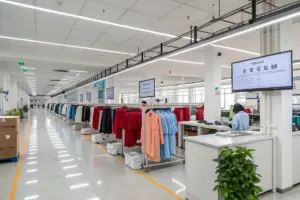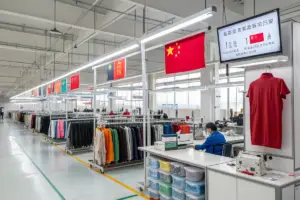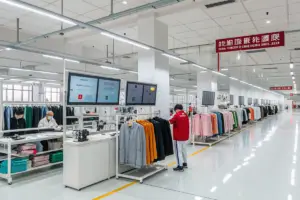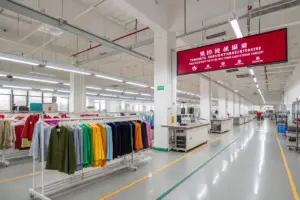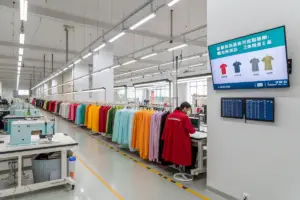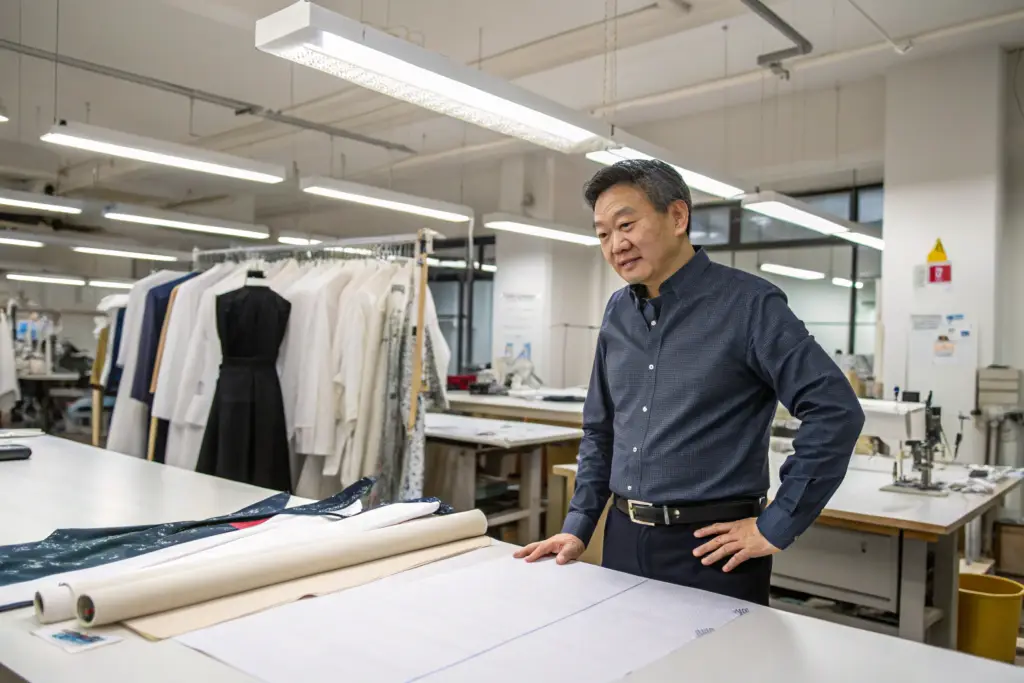
You have a design. You find a factory. They say they can make it. You send your tech pack. They send it to an external sample maker. Weeks pass. The sample comes back. It is wrong. You send feedback. Another wait. Another sample. The cycle repeats. Your launch date slips. You are frustrated. Or maybe you have worked with a factory that has its own sample room. The process is fast. The samples are accurate. The communication is direct. The difference is night and day. I have seen both sides. In my 20 years of manufacturing, I have learned that in-house sample development is one of the most important factors in a successful partnership.
Based on our experience producing thousands of styles, a manufacturer with in-house sample development offers significant advantages: faster turnaround, better communication, higher quality, and lower costs. For example, last year we worked with a brand from San Francisco. Their previous factory outsourced all samples. A sample round took 4 weeks. Communication was slow. When they switched to us, they saw the difference. Our in-house sample room produced a proto sample in 7 days. The pattern maker was in the same building as the sample sewer. They could discuss issues immediately. The brand’s development time was cut in half. They launched their collection on time. That is the power of in-house sample development.
So, why should you choose a manufacturer with in-house sample development? Let me break it down. I will explain the speed advantages. I will discuss the quality benefits. I will show how it improves communication. And I will explain the cost implications.
How Does In-House Sample Development Speed Up Your Timeline?
Time is the most valuable resource in fashion. I remember a client from New York. They needed samples for a trade show. Their factory outsourced samples. The external sample maker was busy. The samples arrived after the trade show. The client lost opportunities.
In-house sample development eliminates the delays of outsourcing. There is no waiting for an external sample maker to become available. There is no shipping time back and forth. The pattern maker and sample sewer work in the same room. Changes are made immediately. For the New York client, our in-house sample room produced their samples in 10 days. They made the trade show. For fast fashion brands, speed is critical. In-house sample development can cut sample lead time from 4 weeks to 1 week. For emerging brands, this speed allows them to test more styles and react to trends faster.
When a pattern needs adjustment, the pattern maker walks to the sample sewer. They discuss the change. The sample is updated the same day. No emails. No waiting.
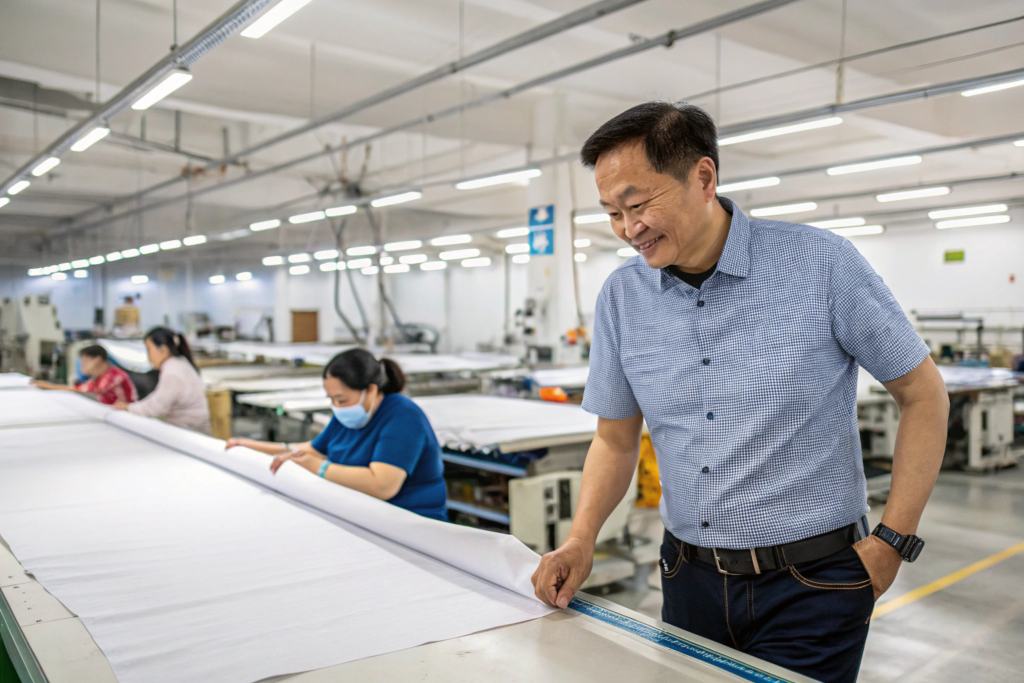
How Much Time Can In-House Sample Development Save?
The time savings are significant. Outsourced samples typically take:
- Pattern making: 3 to 5 days
- Sample sewing: 5 to 7 days
- Shipping: 2 to 5 days
- Total: 10 to 17 days per round
In-house samples take: - Pattern making: 1 to 3 days
- Sample sewing: 2 to 4 days
- No shipping
- Total: 3 to 7 days per round
For a denim client, we saved 10 days per sample round. Over three rounds, that was 30 days. The brand launched a full month earlier.
How Does Faster Sampling Enable More Rounds?
Faster sampling means more rounds in the same timeline. More rounds mean better fit and quality. For a tailored jacket client, we did four fit rounds instead of two. The final fit was excellent. The brand’s return rate was low. With outsourced samples, they would have had time for only two rounds.
How Does In-House Sample Development Improve Quality?
Quality is not just about the final product. It is about the process. I remember a client from Chicago. Their outsourced sample maker made a beautiful sample. But the sample could not be replicated in bulk. The construction methods were too complex for production.
In-house sample development ensures that samples are made using production methods. The same pattern makers, the same machines, and the same construction techniques will be used in bulk. This prevents the "sample is great, bulk is not" problem. For the Chicago client, our sample room used production machines and methods. The sample was realistic. The bulk matched. For workwear, this is critical. Workwear must be durable. Sample development must test the durability. In-house, we can test and adjust immediately.
In-house sample development also allows for better quality control. The sample maker and pattern maker work together. They catch issues early.
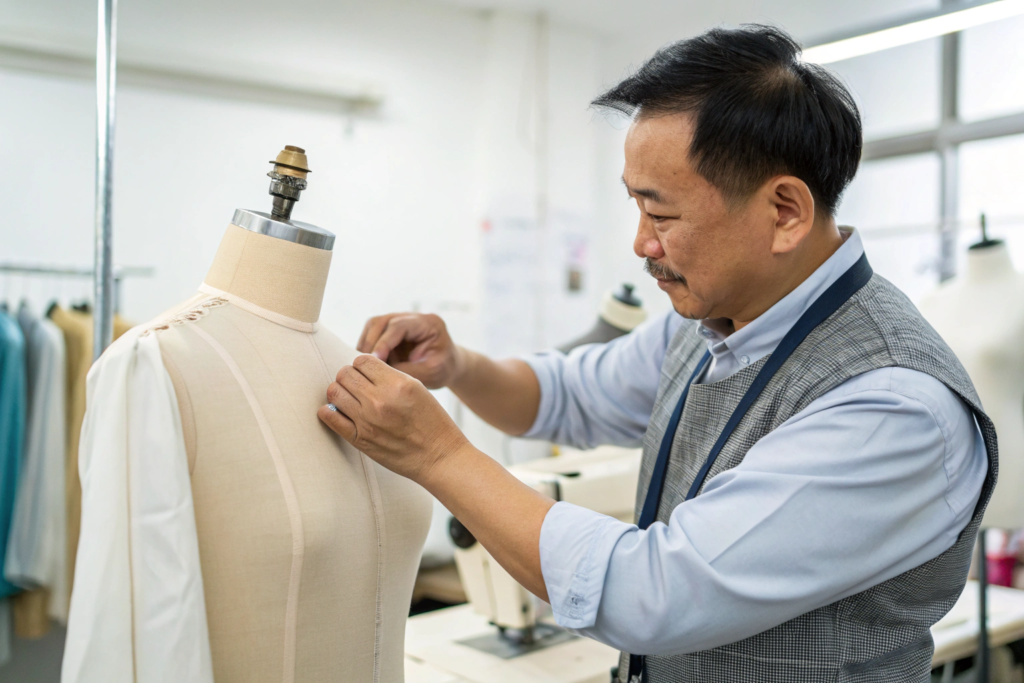
How Does In-House Development Prevent “Sample vs. Bulk” Discrepancies?
Outsourced sample makers often use different machines and different methods. They focus on making the sample look good. They do not consider production efficiency. In-house sample development uses the same machines that will be used in bulk. The operators are the same or trained to the same standards. For a sportswear client, the sample was made on the same type of machine that would be used for 5,000 units. The construction was validated. The bulk matched the sample.
What Role Does Sample Quality Play in Production Quality?
The sample sets the standard. If the sample is made with care, the bulk can be made with care. If the sample is rushed or outsourced, the standard is unclear. In-house sample development allows us to document the standard. For a denim client, the approved sample is kept in the production line. Operators refer to it. The quality is consistent.
How Does In-House Sample Development Improve Communication?
Communication is the biggest challenge in garment production. I remember a client from Boston. They had a great design. But their outsourced sample maker did not understand the construction. The sample was wrong. The client’s feedback was lost in translation. Rounds of samples failed.
In-house sample development puts all the experts in one room. The pattern maker, the sample sewer, the quality control team, and the production manager can discuss issues face to face. There is no email chain. There is no waiting for a response. For the Boston client, we brought their designer into our sample room. She spoke directly with the pattern maker. They solved the construction issue in 30 minutes. For complex designs, this direct communication is essential. A draped neckline or a complex cutout requires discussion. In-house development enables that discussion.
When the client provides feedback, the pattern maker can implement it immediately. The sample sewer can make a new sample the same day.

How Does Direct Communication Reduce Errors?
Direct communication eliminates interpretation errors. The pattern maker hears the feedback directly from the designer or the client. They can ask clarifying questions. For a women’s blouse client, the designer said "lower the bust dart." The pattern maker asked "by how much?" The designer said "0.5 inches." The change was made correctly. With an outsourced sample maker, the instruction would have been "lower bust dart." The sample maker might have guessed 0.25 inches or 0.75 inches.
How Do You Facilitate Communication Between Client and Sample Room?
We use shared digital tools. The client can mark up photos. They can join video calls with the sample room. But the real advantage is that our team understands the client’s needs. They are trained to ask the right questions. For a denim client, we have regular video calls during sample development. The client sees the sample on the fit model. They give feedback live. The pattern maker adjusts immediately.
How Does In-House Sample Development Reduce Costs?
Cost is always a consideration. I remember a client from Seattle. They thought outsourcing samples would be cheaper. They did not account for the hidden costs: shipping, delays, and multiple rounds. Their sample budget was blown.
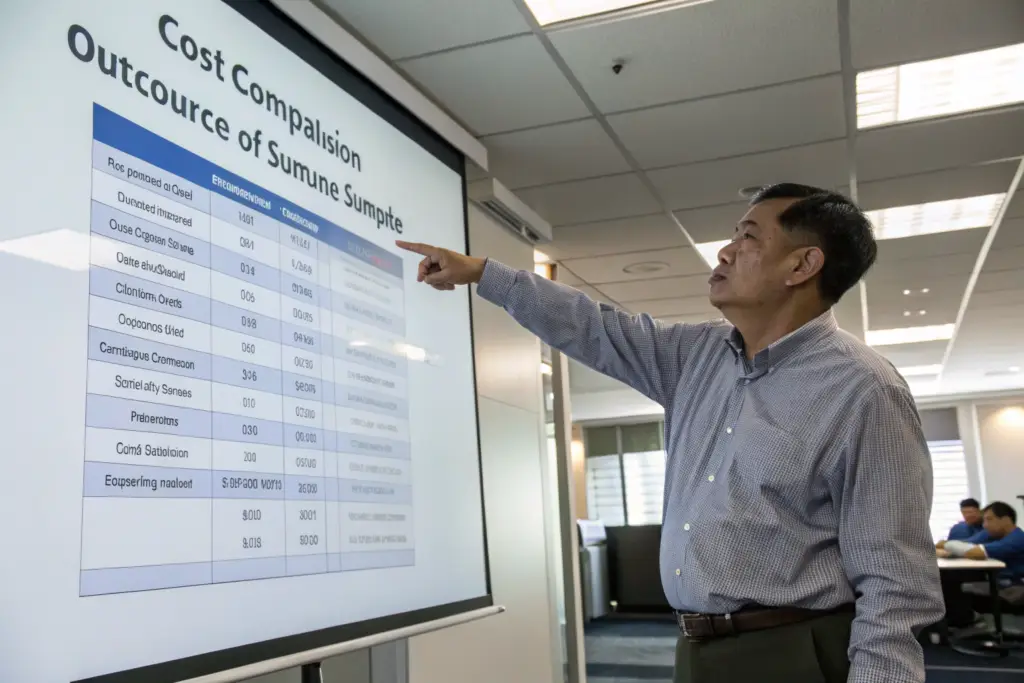
In-house sample development reduces costs in several ways. There is no markup from an external sample maker. There are no shipping costs. Fewer sample rounds mean lower development costs. For the Seattle client, we calculated the savings. Outsourced samples cost them $500 per sample plus $50 shipping. Three rounds cost $1,650. In-house, three rounds cost $900. They saved 45%. For large brands, the savings are significant. For emerging brands, the lower cost allows them to develop more styles.
What Are the Hidden Costs of Outsourced Sample Development?
Hidden costs include:
- Shipping costs (both ways)
- Customs duties on samples
- Rush fees for expedited service
- Additional rounds due to miscommunication
- Lost time = lost sales
For a sportswear client, hidden costs added 30% to their sample budget. When they switched to in-house, they saved that 30%.
How Do Fewer Sample Rounds Reduce Total Development Cost?
Each sample round costs time and money. If you can reduce rounds from four to two, you cut your sample budget in half. In-house development reduces rounds because communication is faster and clearer. For a tailored jacket client, we reduced fit rounds from four to two. The savings were significant. The client used the savings to develop additional styles.
Conclusion
Choosing a manufacturer with in-house sample development is a decision that impacts your entire production process. It speeds up your timeline. It improves quality. It enhances communication. And it reduces costs. You get faster samples. You get samples that reflect production reality. You get direct communication with the people making your garments. And you get more value for your development budget.
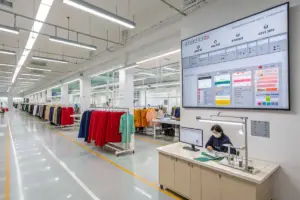
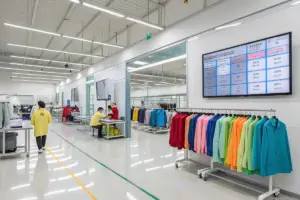
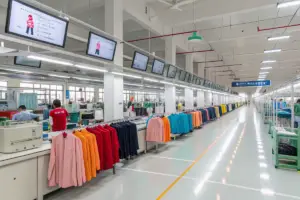
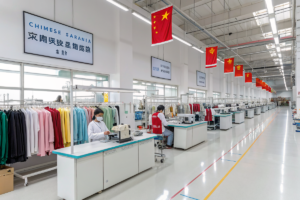
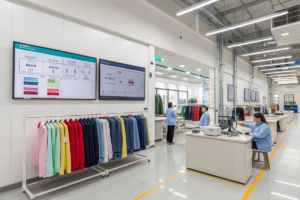
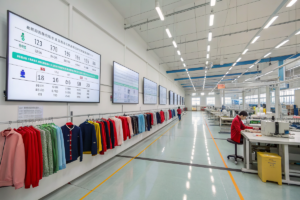
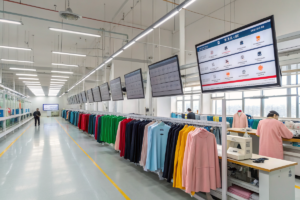
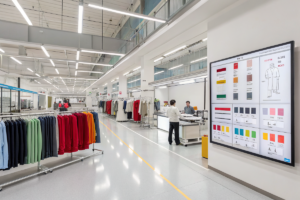
At Shanghai Fumao, we have built our own sample room over 20 years. We have pattern makers, sample sewers, and fit models under one roof. We have the equipment to handle knits, wovens, outerwear, and denim. We develop samples quickly and accurately. We communicate directly with our clients. We help them achieve their vision.
Let us show you the difference in-house sample development can make. Contact our Business Director, Elaine, directly at elaine@fumaoclothing.com. Send us your tech pack. We will create a sample that brings your design to life.