You scroll through social media. You see micro-trends flash by every week. A bizarre print. A strange hemline. A silhouette that looks uncomfortable. You wonder if you need to chase these trends for your clothing brand. You worry that your line of simple chino shorts and linen shorts is too boring. You worry the market wants something new. You see competitors launching "disruptive" designs. But then you check your sell-through data. Your basic twill shorts sold out at full price. Their avant-garde pants hit the 50% off rack. You realize something important. The market does not lie. The customer votes with her wallet. She wants classics. The fear of missing out on trends is a distraction. The real money is in the staple. The real money is in the garment that answers a fundamental human need: to be comfortable and look appropriate when the weather gets warm.
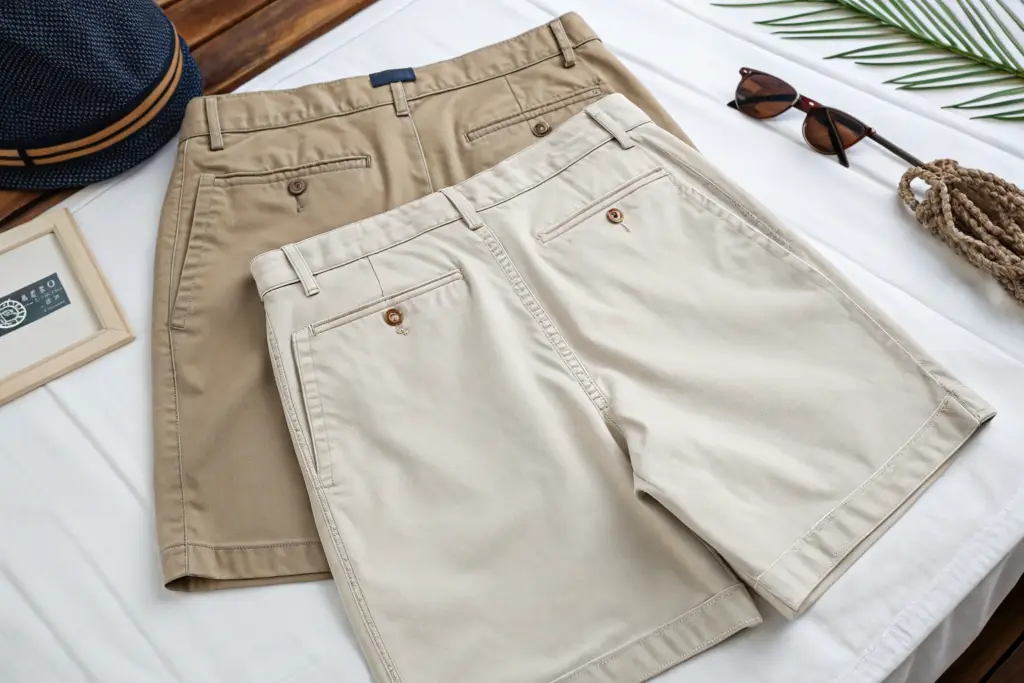
Classic shorts remain a wardrobe essential because they solve a permanent problem with elegant simplicity. They provide thermal comfort, functional utility, and a stable, flattering silhouette that transcends seasonal micro-trends. A well-made pair of chino shorts or tailored linen shorts is an engineered garment that fits the human body, breathes in the heat, and offers pockets for modern necessities. They are the backbone of a functional wardrobe because they do not ask the wearer to sacrifice comfort for style. This evergreen reliability makes them the most profitable and lowest-risk category for any apparel brand or retailer.
At Shanghai Fumao, we have manufactured classic shorts for decades. We have seen the fashion cycle turn. We have seen cargo shorts declared dead and resurrected three times. We have seen 5-inch inseams go from standard to radical and back to standard. Through all this noise, the core product endures. The reason is not nostalgia. The reason is physics and psychology. Let’s break down why this garment is a permanent fixture in closets and a permanent profit center for brands.
What Psychological Comfort Do Classic Shorts Provide to Wearers?
I had a revealing conversation with a brand consultant from New York. She told me that her clients, mostly high-powered female executives, have a specific phrase for their favorite shorts. They call them "permission to relax." That phrase stuck with me. A classic short gives the wearer psychological permission to enjoy summer without worrying about a wardrobe malfunction. They don't have to tug at a hem. They don't have to adjust a complicated wrap waist. They just live. This mental freedom is a luxury. A trendy, revealing, or uncomfortable garment fills the brain with background anxiety. A classic short empties the brain. It is one less decision. It is one less physical irritation.
This psychological value translates directly to consumer loyalty. When a woman finds a chino short that fits her perfectly, she buys multiples. She buys the khaki, the navy, and the olive. A man does the same with his flat-front twill shorts. This behavior is not just about cost-per-wear. It is about the emotional relief of finding something that works. Let's look deeper at this feeling of security and the confidence it builds.
How Do Classic Shorts Eliminate the Anxiety of "Am I Dressed Correctly?"
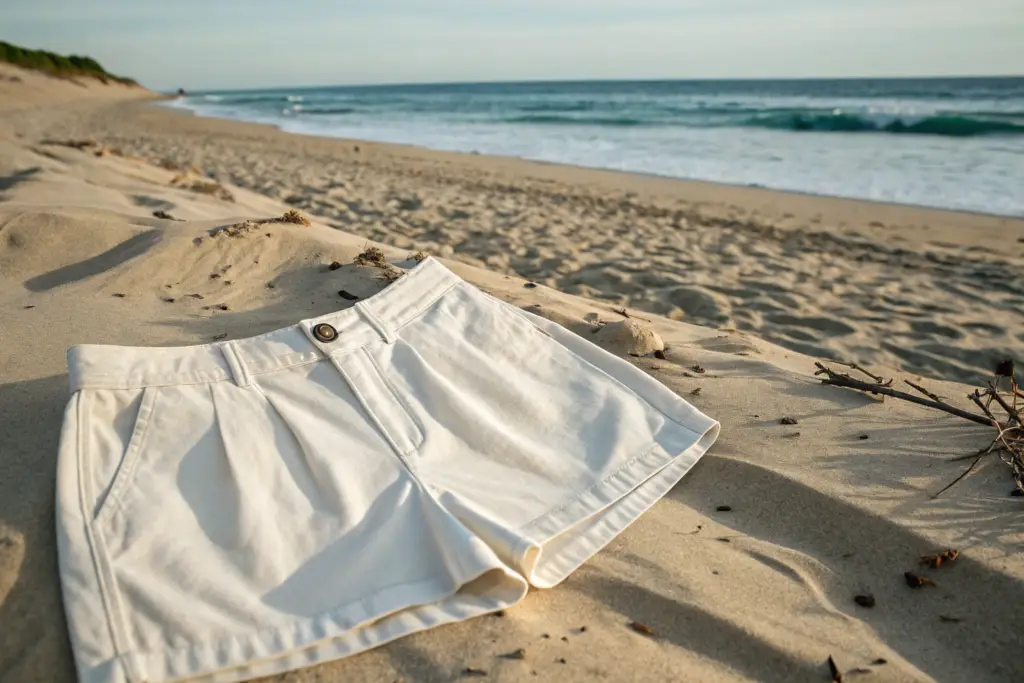
The anxiety of being improperly dressed is a real social stressor. I remember a retailer in Texas telling me about a customer who walked into her store, visibly flustered. The customer had to attend a casual outdoor wedding rehearsal dinner. She had no idea what "casual but nice" meant. The retailer put her in a pair of high-waisted, wide-leg linen shorts with a silk shell. The tension left the woman's shoulders. She looked in the mirror and saw herself, not a costume. The shorts solved the code.
A classic short adheres to an unspoken social contract. Its lines are clean. Its colors are solid and natural. It does not scream for attention. It does not show excessive skin in a way that makes the wearer feel exposed. It communicates that the wearer is relaxed but possesses good judgment. This is the silent language of a tailored cotton garment construction. There is no branding plastered across the leg. There is no aggressive distressing that suggests a rock concert. There is just calm. This makes the short a safe harbor in a sea of unpredictable dress codes. For a buyer like you, understanding this is crucial. You are not just selling a piece of fabric. You are selling a ticket to a stress-free social experience. When a customer trusts your short to navigate a dress code, she becomes a repeat buyer. She tells her friends.
Why Does a Familiar Silhouette Boost the Wearer's Body Confidence?
Body image is a battlefield for many consumers. A mirror in a harshly lit fitting room can ruin a day. A classic short is designed to flatter, not to punish. I spoke with a fit model we use at Shanghai Fumao. She is a size 10. She told me that 90% of the samples she tries on dig into her inner thighs. The crotch seam is too short. The fabric is too tight. But a well-graded classic short feels weightless.
The A-line silhouette of a pleated short hides the lower belly. The flat front of a chino short creates a long, unbroken visual line from waist to leg. The 7-inch inseam hits at a point on the leg that visually lengthens the calf. These are not accidents. They are mathematical proportions, refined over decades of pattern-making. When the body feels held without being squeezed, the brain releases a little burst of confidence. The wearer stands up straighter. They walk differently. This is the ultimate product review. It is unspoken. It is physical. It is a feeling the wearer gets every time they put the shorts on. That feeling is what makes them reach for the same pair summer after summer. If your short makes a customer feel bad about her body, she will not buy from you again. If it makes her feel good, she will be a customer for life. This is the power of a well-graded pattern.
What Functional Advantages Make Classic Shorts Irreplaceable in Summer?
Function is the silent driver of all great design. I remember a visit from a logistics company owner. He wanted branded uniforms. He specifically requested our classic cargo short. I asked him why. He said, "My drivers carry a handheld scanner, a personal phone, a wallet, and a multi-tool. Your cargo short holds all of it without pulling the waistband down." His team needed to move. They needed to bend and lift boxes. A standard slim-fit chino would not work. The classic cargo short, with its reinforced pockets and looser leg, was a tool for his business. It was not just clothing. It was equipment.
This functional utility is why classic shorts persist. They carry our physical stuff. They let our skin breathe. They move with our bodies. A fashion-forward short often sacrifices these functions for a look. The pocket is fake. The fabric is dead plastic. The fit restricts movement. The classic short refuses to make this trade-off. Let's examine the two most critical functional advantages.
How Do Classic Shorts Manage Body Temperature Better Than Trendy Alternatives?
The primary job of a summer garment is to keep the body cool. This is a physical process. It involves air movement and moisture evaporation. A classic short uses natural fibers or engineered blends designed for this exact task. A tight, heavy synthetic fashion short fails at this job.
We manufacture a classic short using a 240 GSM cotton-linen blend. The linen fibers are hollow. They wick moisture from the skin and release it into the air. This creates an evaporative cooling effect. The cotton provides enough structure to keep the fabric from sticking to sweaty skin. In contrast, a cheap polyester short acts like a plastic bag. It traps heat. It creates a humid micro-climate against the thighs. This is uncomfortable. It also creates a health risk. Heat rash and skin chafing are common complaints. I recall a client from Miami. She ordered a batch of cheap, trendy nylon shorts for her boutique. The returns poured in. The shorts were "swampy." The fabric did not breathe. We helped her replace the product with our breathable twill short. Her return rate normalized. The classic short's temperature regulation is a biological truth. It works with the body's sweat response, not against it. This comfort is not a luxury. It is a necessity in a hot climate.
Why Do Pocket Designs Define the True Utility of a Classic Short?
The pocket is a political issue in fashion. Many women's garments have fake pockets or no pockets at all. This is a daily frustration. A classic short is democratic. It respects the need to carry things.
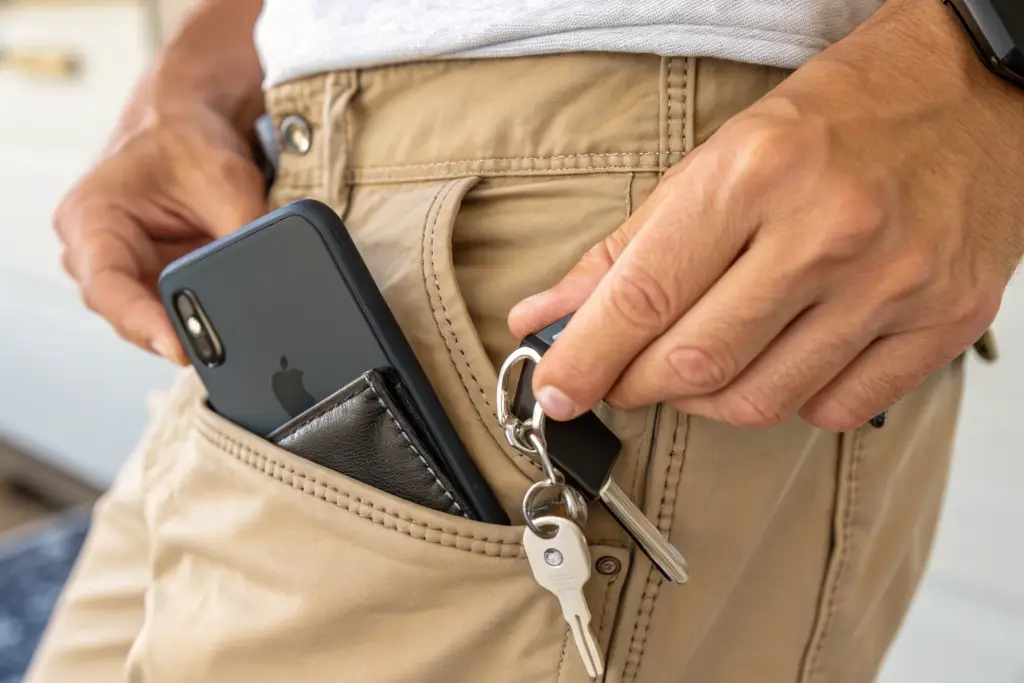
A man needs a front pocket deep enough for a large smartphone. The phone should not fall out when he sits in a car. A woman needs a back pocket that can hold a credit card and a key. At Shanghai Fumao, we engineer our pockets with a specific specification. The front pocket opening on a men's chino short is 15 centimeters. The bag depth is 28 centimeters. This securely holds an iPhone Pro Max. The pocket bag is bar-tacked at the bottom. We do not just sew the bag closed; we anchor it into the side seam and the waistband. This distributes the weight. If a pocket is only attached at the top, a heavy phone pulls the waistband down. This ruins the fit. We also design a hidden security pocket inside the right front pocket. It is a small welt pocket that holds a credit card. This is a detail for travel. For cargo shorts, the bellows pocket must expand. We use a pleated design. The pleat is secured with a bar tack at the top. This prevents the pocket from gaping open. A functional pocket design is a sign of a factory that thinks like the end-user. It shows we understand the daily life of the person wearing the shorts.
How Do Classic Shorts Provide Superior Value for Money in a Consumer's Closet?
Value is not the same as price. A $15 pair of shorts is not a value if it falls apart after 5 washes. A $75 pair of shorts is a value if it lasts 5 years and is worn 50 times a year. The consumer is learning this lesson. The era of disposable fast fashion is being questioned. I see it in our B2B orders. Brands are shifting from asking for the "cheapest possible" to asking for the "best value for a $60 retail price point." They want a garment that gets good reviews. A garment that drives repeat customers.
A classic short is a high-utility asset in a wardrobe. It is not a one-hit-wonder for a specific party. It is a workhorse. The cost-per-wear is the ultimate metric of clothing value. A pair of denim cutoffs worn every weekend all summer has an infinitely lower cost-per-wear than a sequined mini skirt worn once. Let's break down how this value is built and why it matters to your brand's profit.
What Is the True Cost-Per-Wear of a Well-Made Pair of Chino Shorts?
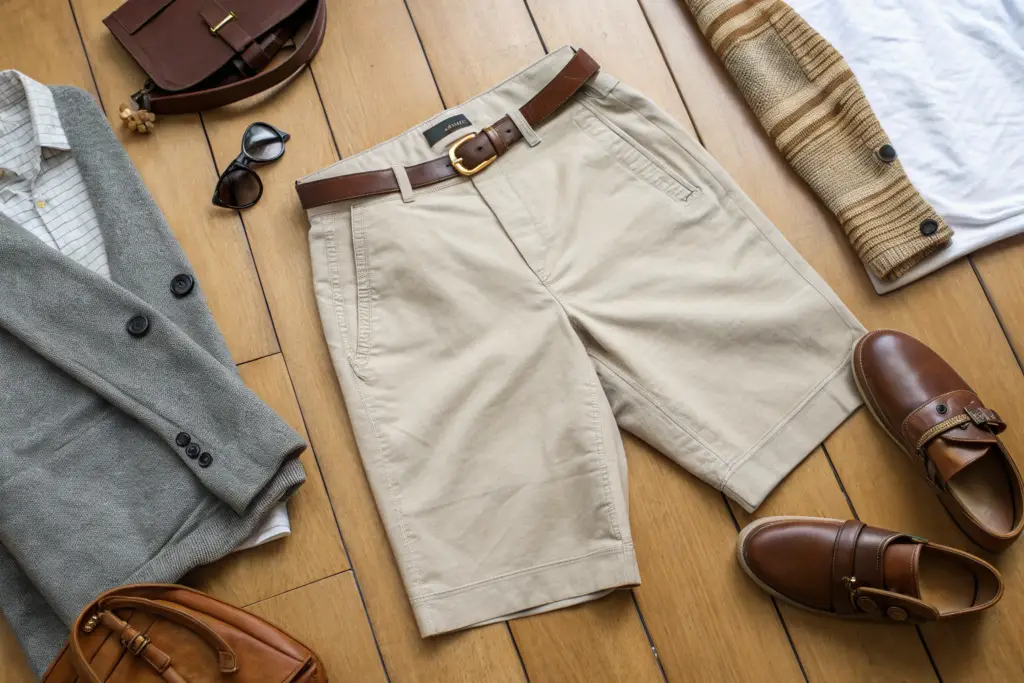
Cost-per-wear is the purchase price divided by the number of times the garment is worn. A consumer might pay $60 for a pair of our client's chino shorts. If she wears them twice a week for 4 months of summer, that is 32 wears in one year. The cost-per-wear is under $2. If the short lasts for 3 summers, the cost drops to pennies. This is a great financial deal for the consumer.
But this math only works if the short survives. It must survive washing. It must survive drying. It must survive the friction of thighs walking. A cheap short costs $20. It pills. The color fades. The seams twist. It is worn 5 times, hated, and thrown away. The cost-per-wear is $4. It is more expensive than the $60 short. We test our shorts for color fastness to laundering. We use AATCC method 61. We test the fabric after 10 home laundry cycles. The rating must be a 4.0 or above. This means the color stays rich. The short looks new for longer. The consumer feels smart. She feels like she invested well. She attributes that feeling to the brand she bought from. She comes back to buy another color. She tells her sister. This is how you build a loyal customer base. You do not build it by selling a $20 product that self-destructs.
How Does the Styling Versatility of Classic Shorts Reduce the Need for More Clothing?
A classic pair of shorts is a chameleon. It works with a button-down shirt for a casual Friday office look. It works with a tank top for the beach. It works with a chunky sweater and boots for a transitional fall outfit. This versatility means the consumer needs fewer total garments in her closet.
I worked with a minimalist fashion influencer. She built a 30-piece capsule wardrobe. She included two pairs of our classic shorts: one tailored black pair and one relaxed khaki pair. She styled those two shorts into 15 different outfits. She showed her followers how to do it. The post went viral. The message was not "buy more." The message was "buy right." This resonates with modern consumers who are overwhelmed by clutter and concerned about waste. A garment that styles easily with existing items is a joy. It simplifies the morning routine. It makes packing for a trip effortless. This versatility comes from the neutral design of the classic short. There is no strange buckle. There is no eccentric print. It is a blank canvas. It allows the wearer's personality and other garments to shine. This design restraint is intentional. It is what makes the garment a "classic." A classic short offers wardrobe integration. It does not demand that you buy a matching top from the same brand. It plays well with others. This generosity builds brand goodwill.
Why Is the Manufacturing of Classic Shorts a Pillar of the Apparel Industry?
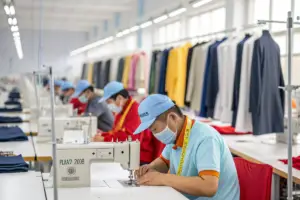
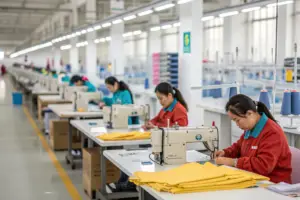
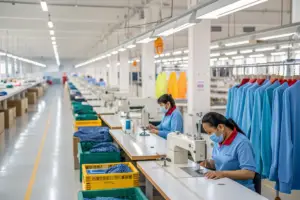
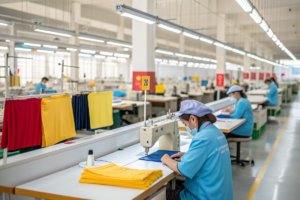
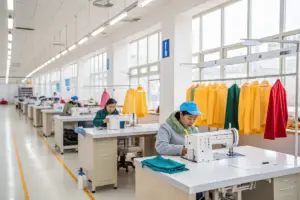
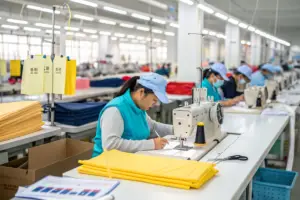
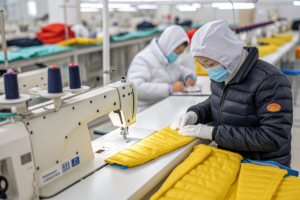
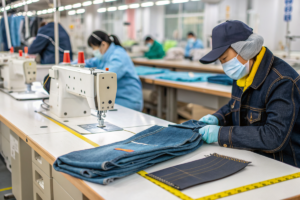
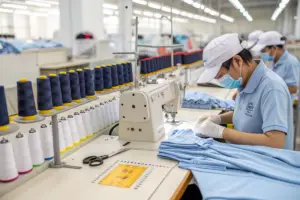
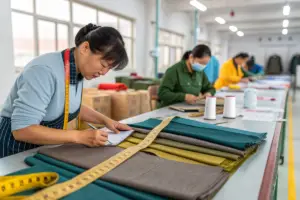
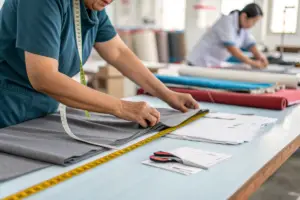
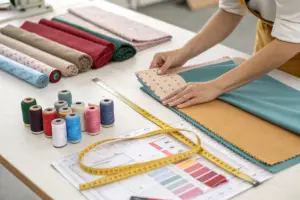
The classic short is not just a fashion item. It is an economic engine. It keeps factories running. It keeps skilled workers employed. I think about our five production lines at Shanghai Fumao. During the peak season, four of those lines are cutting, sewing, and finishing classic shorts. It is the volume driver. The basic chino short, the elastic-waist linen short, the cargo short. These styles allow us to plan our raw material procurement months in advance. We buy millions of yards of twill and poplin. This volume gives us pricing power with the mills. We pass that stable cost on to our brand partners. The predictability of the classic short is a stabilizing force in a chaotic industry.
The technical skills required to make a simple short are often underestimated. A flawless plain front requires high-precision cutting and sewing. There is no pocket flap to hide a crooked seam. There is no print to distract the eye from a wavy hem. The simplicity is demanding. This drives continuous improvement in manufacturing technology and worker training. Let's examine the industrial and human side of this production.
How Does the Consistent Demand for Classic Shorts Stabilize a Factory's Workforce?
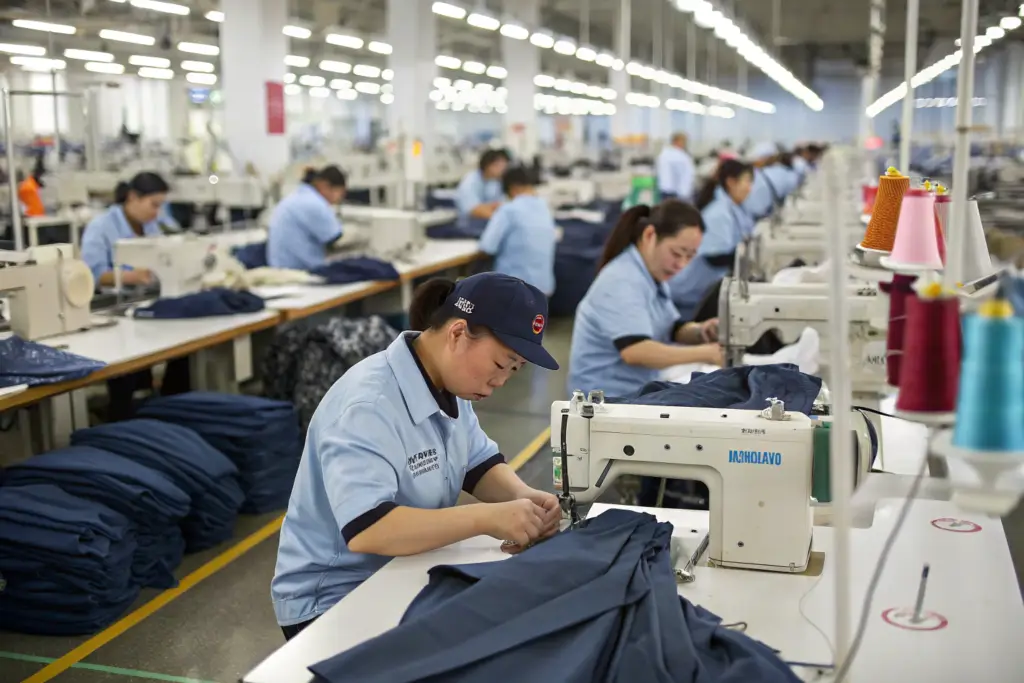
Fashion's seasonal churn is hard on workers. Trendy orders spike and crash. Workers are laid off. Classic shorts create a steady, predictable workflow. Our pattern for a classic men's flat-front short has been in active use for 10 years. It has been refined, but the core block is stable. This means our sewing operators know the construction by heart. They can achieve high efficiency and zero defects. This efficiency translates to fair wages and job security.
I think of a sewing line supervisor, Ms. Li. She has worked with us for 12 years. She can spot a tension problem on a waistband stitch from 10 meters away. She trains new workers. She ensures the quality standard is consistent. Her expertise exists because the product is consistent. If we changed the product radically every month, this deep skill would be lost. We would have a constant training lag. Defect rates would spike. The human element of manufacturing is the most important. A stable, skilled workforce produces a better garment. The classic short allows us to maintain this workforce. For a brand buyer, this means the 500th pair of shorts is made with the same care as the 1st pair. This institutional memory is a hidden asset. You are not just buying a product. You are buying the accumulated skill of a team that has made the same thing a million times.
Why Does the "Simple" Design of Classic Shorts Require the Highest Technical Precision?
Simplicity is cruel. It reveals every mistake. A classic short has no distractions. The seam lines are visible. The hem is exposed. The zipper fly is a focal point. If the cutting is off-grain by 1 degree, the side seam will twist to the front. The whole short looks cheap.
We use automated cutting machines for our large-volume classic shorts. The Gerber cutter has a precision of 0.1 millimeters. It cuts the fabric exactly on the grain. We also use specialized folder attachments on our sewing machines. A hem folder turns the fabric edge automatically. This ensures the double-turn hem is perfectly even, exactly 2.5 centimeters wide, all the way around the leg opening. A manual hem often drifts. It becomes 2.3 centimeters wide, then 2.7 centimeters. This looks wavy. The eye detects this imperfection instantly. This technical discipline, applied to a simple design, creates a product that feels premium. It is the difference between a generic commodity and a branded product. The consumer may not know the term "topstitching tension," but she sees the puckering. She feels the roughness. A precision manufacturing process eliminates these micro-defects. The classic short is a showcase of a factory's technical capability. If a factory can make a perfect, simple chino short, it can make anything.
Conclusion
Classic shorts are essential not because they are fashionable, but because they are functional. They provide psychological safety in a world of confusing dress codes. They provide physical comfort through breathable natural fibers and intelligent pocket design. They provide genuine economic value through a low cost-per-wear and endless styling versatility. And on the industrial side, they provide the stable, high-volume production that sustains skilled manufacturing jobs and allows factories like Shanghai Fumao to perfect our craft.
The garment endures because it solves real human problems. It answers the need to stay cool. It answers the need to carry our devices. It answers the need to feel confident and appropriate. Trends offer novelty. Classics offer solutions. A business built on classics is a business built on repeat purchases and low return rates. You are not guessing what a customer might want next season. You are providing what they already know they need. This is a position of strength.
If you are building your next season's buy, consider the timeless power of the classic short. We do not just produce them. We engineer them. We sweat the details of seam construction, pocket bag depth, and fabric shrinkage. We want your customers to have that "permission to relax" feeling every time they put on a pair. Connect with our Business Director, Elaine, at elaine@fumaoclothing.com. Let us discuss how our classic short production can provide the stable, profitable backbone your brand deserves.