You open your closet on a hot July morning. You have a lunch meeting, an afternoon errand, and a casual dinner planned. You scan the hangers. The jeans are too heavy. The athletic shorts are too sloppy. The linen trousers are wrinkled from the last trip. You feel a pang of frustration. You need one garment that works for all of it. One garment that keeps you cool, looks respectable, and feels like you made an effort without actually trying too hard. This is the daily summer dilemma for millions of American men. The wrong choice means sweating through a meeting or looking underdressed at a restaurant. The right choice gives you confidence and physical comfort for twelve straight hours.
Yes, chino shorts are the best classic choice for men's summer wear because they uniquely solve the problem of looking polished while staying physically comfortable. No other short style matches the chino short's combination of structured cotton twill fabric, clean flat-front silhouette, versatile neutral color range, and acceptable length proportion. A well-made chino short transitions seamlessly from a casual office to a weekend barbecue. It is the most functional, versatile, and commercially dominant short in the men's market.
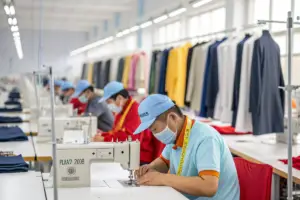
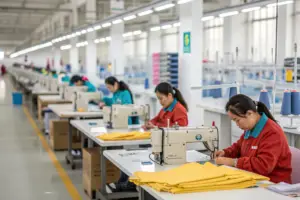
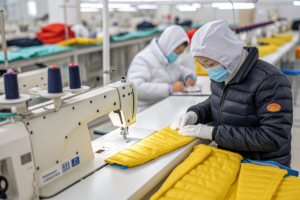
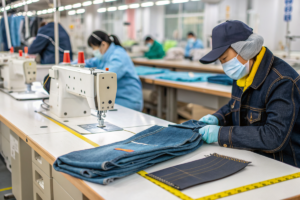
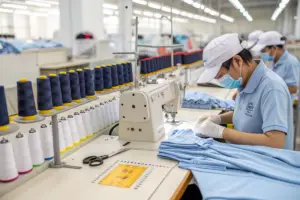
At Shanghai Fumao, chino shorts are the number one volume driver across our five production lines. Every U.S. brand we work with, from large distributors to small boutique labels, builds their summer assortment around the chino short. I have seen this style survive recessions, trend shifts, and the athleisure explosion. The reason is not nostalgia. The reason is that the chino short is an engineered solution to a specific set of male wardrobe problems. Let me walk you through exactly why this garment deserves its crown, and how to specify one that your customers will buy season after season.
What Exactly Defines a True Chino Short Versus Other Styles?
The term "chino short" is often misused. I hear buyers call any cotton short a chino. This creates confusion. A chino short is a specific garment with a specific history and specific technical features. It originated from military uniforms. British and American soldiers wore lightweight cotton twill trousers in China and the Philippines during World War II. The fabric was durable, cool, and easy to clean. The military chino became a civilian staple after the war. The modern chino short carries this DNA.
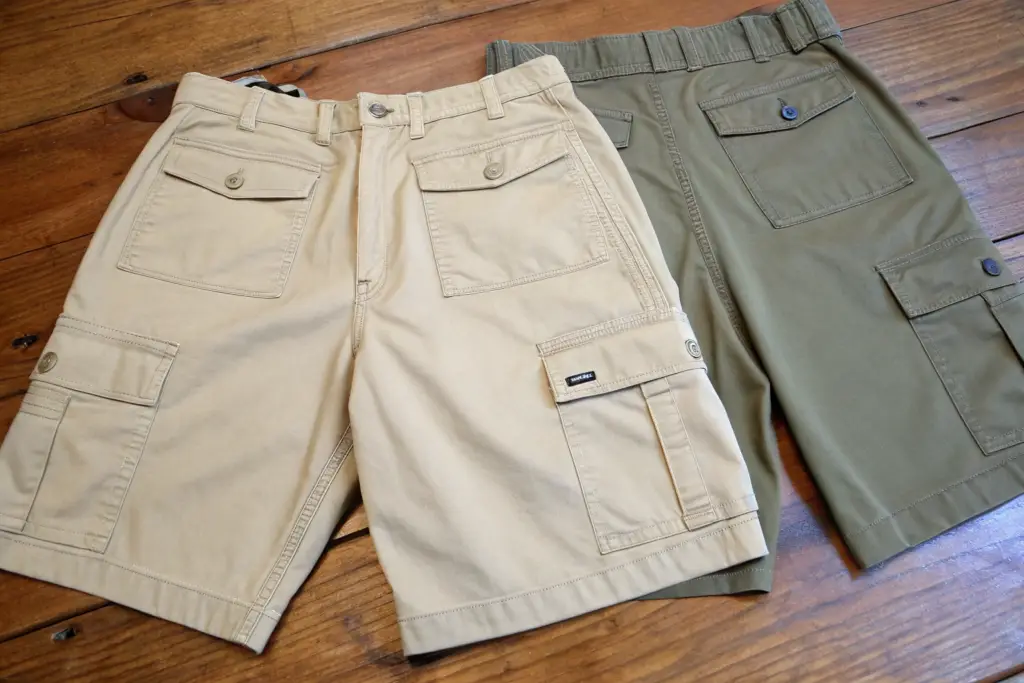
A true chino short is defined by its fabric, its pocketing, and its closure. The fabric is a cotton twill with a diagonal weave. The pockets are slash pockets on the front and welt pockets on the back. The closure is a zipper fly with a button at the waistband. The silhouette is straight or slightly tapered. It is not elasticized. It is not drawstring. It is not cargo. It is a structured, tailored casual garment. This specific combination of features is what gives the chino short its unique place in the wardrobe hierarchy. It sits above the athletic short and below the dress trouser.
Understanding this definition matters for sourcing. If you order a "chino short" and receive a short with an elastic waist and patch pockets, you did not receive a chino short. You received a walking short. This miscommunication leads to a product that does not match the customer's expectation. Let's break down the two most defining features.
Why Is the Cotton Twill Weave So Critical to the Chino Identity?
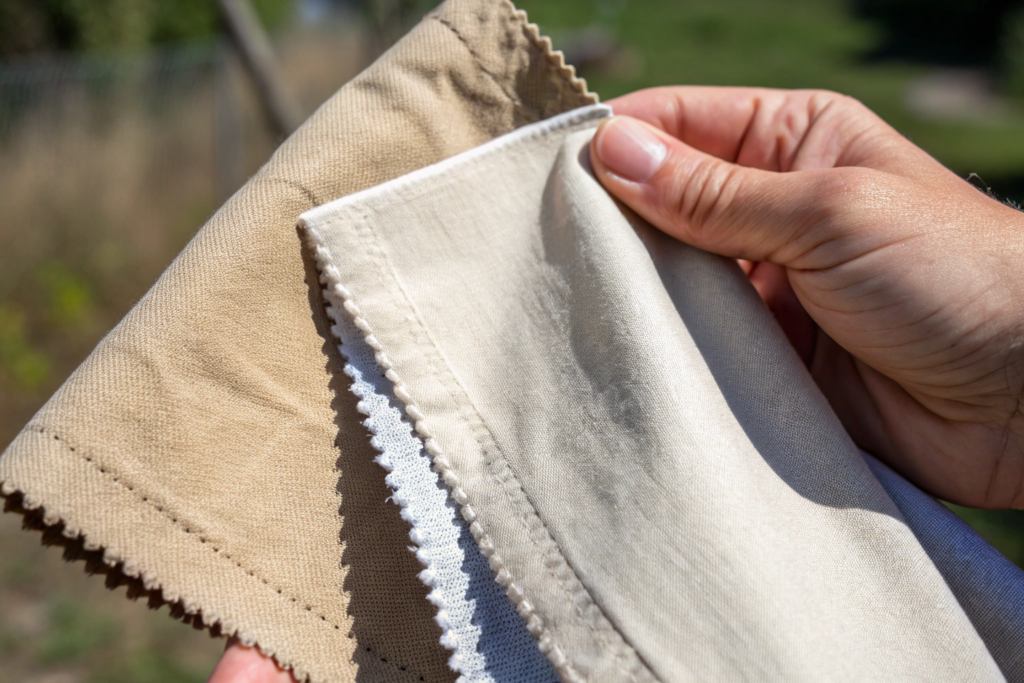
The twill weave is the fingerprint of the chino. It is a diagonal pattern created by passing the weft thread over one warp thread and under two. This creates a fabric with a distinct face and back. The face has a visible diagonal rib. The back is smooth.
This weave structure provides specific performance benefits. The twill is dense and wind-resistant. It drapes cleanly. It resists wrinkles better than a plain weave poplin. It also takes a garment dye beautifully. The diagonal texture catches the dye and creates a subtle depth of color. I recall a brand owner who tried to cut costs by using a plain cotton poplin for his "chino" short. The fabric looked flat. It wrinkled like a paper bag. His customers noticed. His reviews mentioned that the shorts looked cheap. He switched back to a 280 GSM twill. His sales recovered. The cotton twill fabric is non-negotiable. It is the material that makes the chino short perform. The diagonal weave also has a subtle stretch on the bias. This gives the short a micro-stretch without needing spandex. It moves with the body naturally.
How Do Slash Pockets and Welt Pockets Define the Silhouette?
The pocket configuration of a chino short is intentional. The front slash pockets are set into the side seam at an angle. They open forward. This allows the hand to slide in naturally. They lie flat when empty. They do not add bulk to the hip.
The back pockets are welt pockets. A welt is a finished slit with a lip. It is the most tailored pocket style. It provides a clean, flat surface. It often has a button closure. Some chino shorts have a single welt pocket. Others have a double welt pocket. The welt pocket is what separates a chino short from a casual patch-pocket short. A patch pocket, sewn onto the outside of the fabric, is more casual. It is found on work shorts and jeans. The welt pocket signals that this short is meant to be worn in situations where a belt and a tucked-in shirt are appropriate. This pocket configuration creates a lean silhouette. There are no flaps to catch the wind. There are no visible pocket outlines breaking up the seat. This is the chino short pocket design that has been refined over 80 years. It works. Do not change it.
Why Do Chino Shorts Outperform Other Fabrics in Hot Weather?
Heat is the enemy. A man in the summer needs a fabric that does not trap sweat against his skin. He needs a fabric that does not become a wet, heavy rag by noon. The cotton twill of a chino short, when specified correctly, is an excellent heat manager. It is not as airy as linen. But it is far more breathable than denim or synthetic canvas. It finds the middle ground.
I remember a client from Phoenix, Arizona. His summers are brutal. 110 degrees Fahrenheit is normal. He tried selling linen shorts. They sold. But his repeat orders were for chino shorts. The reason was interesting. Linen is breathable, but it is also transparent in light colors. Men did not want their pocket bags showing through. The chino twill provided opacity and breathability in a balanced package. The fabric weight is the key variable. A 260 GSM twill is the starting point for a chino short. It is substantial enough to hang straight and hide what is underneath. It is light enough to allow air circulation. A 300 GSM twill is too heavy for extreme heat. It becomes a sweat trap. A 200 GSM twill is too light. It crumples and loses its shape.
The finishing process also matters. A garment-dyed and enzyme-washed chino short has an open, soft hand. The enzyme wash eats away the loose surface fibers. This softens the fabric and opens the weave slightly. This improves airflow. A piece-dyed, heavily starched chino short is stiffer and less breathable. Let's examine the specific mechanisms that make a chino short comfortable in the heat.
How Does Moisture Wicking Work in a 100% Cotton Chino?
Cotton is a hydrophilic fiber. It absorbs moisture. This is often framed as a weakness because cotton can feel damp. But this absorption is also a cooling mechanism. The moisture from sweat is pulled into the fiber. It then evaporates from the fabric surface. This evaporation draws heat away from the skin.
The key is the fabric weight. A heavy cotton holds too much water and becomes saturated. A lightweight cotton twill at 260 GSM absorbs and releases quickly. The twill weave also creates a slightly uneven surface. This reduces the amount of fabric that directly touches the skin. Less contact means less cling. The micro-air pockets between the skin and the fabric act as insulation against the external heat. This is the principle of a breathable fabric construction. We test the air permeability of our chino twill using a standard test method. The air flow must exceed a certain rate. If it does not, the fabric is too tightly woven. The short will feel like a sauna. The customer will be uncomfortable. He will not buy again.
Why Is the Chino Short a Better Heat Solution Than Denim Shorts?
Denim is the main competitor to the chino short in the casual category. But denim is a poor heat performer. A typical denim is a 12 to 14-ounce twill. It is densely woven. It is heavy. It was designed as workwear for cool climates. It traps heat.
A chino twill is lighter. It is 7 to 8 ounces in weight. It is less dense. It allows more airflow. The dyeing is also different. Denim is indigo-dyed, which creates a dark, heat-absorbing surface. Chino is piece-dyed or garment-dyed in light, reflective colors like khaki and stone. A light khaki chino short reflects sunlight. A dark indigo denim short absorbs it. The surface temperature of a khaki chino can be 10 degrees Fahrenheit cooler than a dark denim short under direct sun. This is a measurable physical difference. This is why men in Southern states and tropical climates gravitate toward the chino short. It is a practical choice, driven by physical comfort. The chino versus denim heat comparison is settled by thermodynamics. The chino wins.
What Inseam Length and Fit Make a Chino Short Look Modern in 2026?
The fit of the chino short has evolved. The baggy, knee-length cargo-inspired chino of the early 2000s is gone. The painted-on, skinny chino of the 2010s is also gone. The modern chino short in 2026 sits in a sweet spot. It is relaxed but not loose. It is tailored but not tight. It sits at the natural waist. It has a straight leg. The inseam is the most debated variable. Get the inseam wrong, and the short looks dated. Get it right, and it looks effortlessly current.
I spoke with a buyer from a men's contemporary brand. He showed me their fit evolution over five seasons. The inseam crept up from 9 inches to 7 inches. The leg opening widened slightly from 20 inches to 22 inches. The sales data tracked the change perfectly. The 7-inch inseam with a 22-inch leg opening became their best-selling block. The longer, slimmer version saw declining sales. The data told a clear story. Men want a little more room in the leg and a little more thigh showing. Not too much. Just enough to look modern.
The modern chino short is a reaction against extremes. It is a comfortable, wearable, flattering garment. Let's look at the inseam decision and the fit decision separately.
Is the 7-Inch Inseam the New Universal Standard for Men?
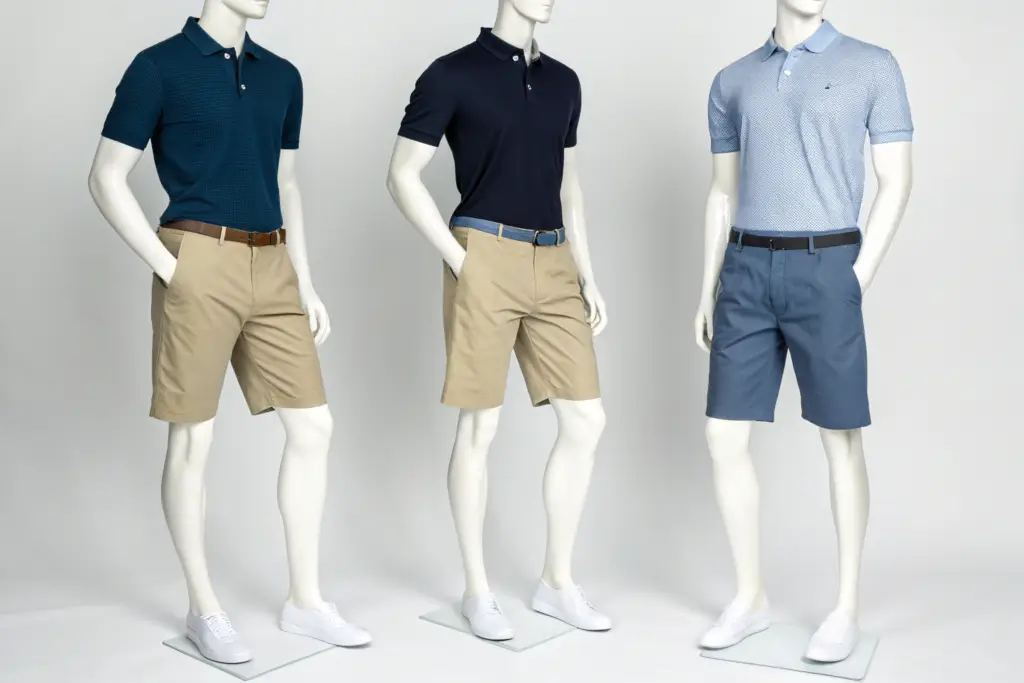
The 7-inch inseam has become the democratic choice. It hits about 2 to 3 inches above the kneecap for a man of average height. This proportion elongates the leg. It looks intentional. It pairs well with low-profile sneakers and loafers.
The 9-inch inseam is still widely worn. It is the safe, conservative choice. It hits just above the knee. It covers more of the thigh. It is preferred by older men and men with larger legs who want more coverage. The 5-inch inseam is a fashion-forward choice. It shows a lot of thigh. It works for men who are fit and confident. But it is a niche product. For a brand building a wholesale program, the 7-inch and 9-inch inseams are the commercial backbone. The 5-inch is a test style. The risk of the 5-inch is a higher return rate. Men order it, try it on, and feel too exposed. They send it back. The men's short length guide for 2026 settles on 7 inches as the "new classic" length. It is modern but not radical.
How Should a Chino Short Fit Through the Seat and Thigh?
The seat and thigh fit determine whether a man keeps the short or returns it. A chino short that pulls across the front hip is too tight. A chino short with excess fabric billowing at the side seams is too loose. The correct fit skims the body.
The back rise is the critical measurement for the seat. It must be long enough to cover the seat fully when the man sits. If the back rise is too short, the waistband pulls down. This is uncomfortable and unsightly. We use a back rise that is 2 inches longer than the front rise for a size 32 waist. This differential accommodates the gluteal curve. The thigh measurement must allow about 2 inches of ease on the half-thigh. This means the fabric does not grip the thigh when the man walks. The crotch point must not hang too low. A dropped crotch shortens the leg and looks sloppy. The crotch should sit naturally at the body's intersection point. The chino short fit guide emphasizes the pinch test. A man should be able to pinch about an inch of fabric on the thigh. More than that, the short is too baggy. Less than that, it is too tight. This simple rule works.
Why Is the Chino Short the Most Versatile Piece in a Man's Summer Wardrobe?
A man does not want to think about his clothes. He wants a uniform. The chino short is the closest thing he has to a summer uniform bottom. It can go anywhere. It can pair with anything. This versatility is the chino short's ultimate commercial advantage. It means the customer wears the short more often. It becomes his go-to. When it wears out, he replaces it. This drives repeat purchases.
I recall a conversation with a brand owner who sold a full men's collection. He told me that his chino short customers had the highest lifetime value. They bought three pairs initially: khaki, navy, and olive. Then they came back and bought the seasonal colors. Then they bought the matching chino pants for fall. The chino short was the gateway product. It introduced the customer to the brand's fit and quality. The customer then trusted the brand for other categories. The short itself was a high-volume, high-margin product. But its strategic value was even greater. It was a customer acquisition tool.
The versatility comes from the neutral design language of the chino short. It is a background piece. It does not compete with the shirt or the shoes. It supports them. Let's look at the specific use cases that drive this high wear frequency.
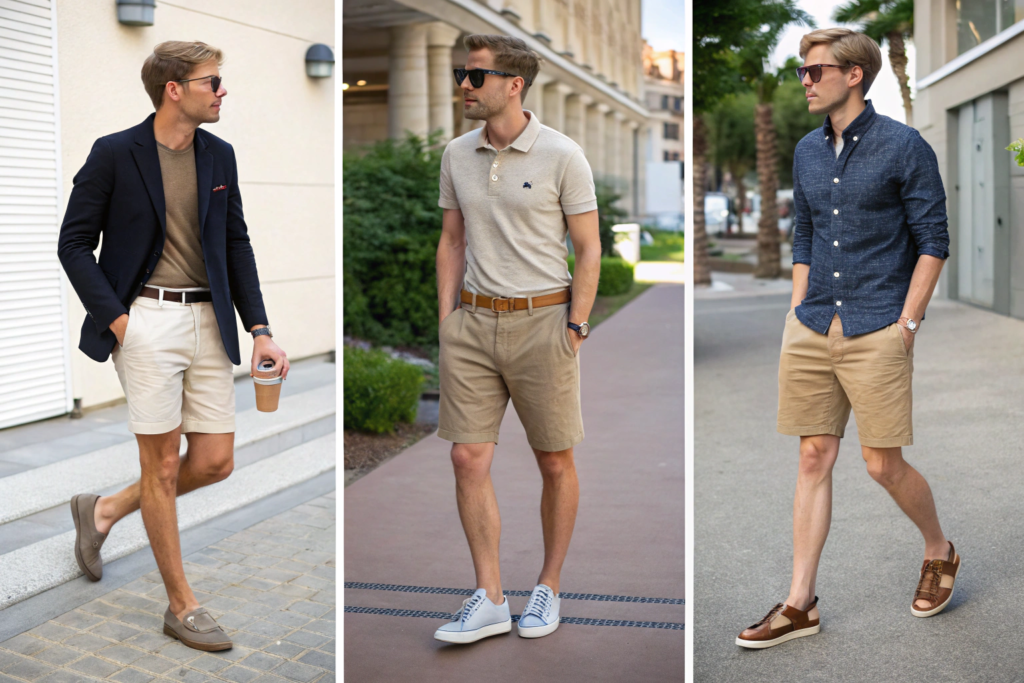
Can You Wear Chino Shorts to a Summer Office or Business-Casual Event?
Yes, with conditions. The office must have a relaxed dress code. The chino short must be a tailored, flat-front style in a dark, solid color. Navy, dark olive, or charcoal grey are acceptable. Khaki is borderline. The short must be paired with a tucked-in collared shirt, a leather belt, and leather shoes. No sneakers. No t-shirts.
This outfit works because the chino short mimics the front of a chino pant. Above the desk, in a video call, the outfit looks like a full suit trouser. The dark color minimizes the casualness of the short length. This is a practical solution for creative offices, tech companies, and summer Fridays in a corporate environment. The customer who can wear his chino short to work gets double the use out of it. He wears it on Saturday and on a workday. The cost-per-wear plummets. His satisfaction soars. The business casual shorts guide is a popular search topic. Men are actively looking for this information. A brand that educates its customer on how to wear the chino short to the office builds authority and trust.
How Does the Chino Short Transition Effortlessly from Day to Night?
The day-to-night transition is the holy grail of a capsule wardrobe. A chino short achieves this with a simple change of shirt and shoes. During the day, the man wears it with a crewneck t-shirt and clean white sneakers. In the evening, he swaps the t-shirt for a linen button-down. He swaps the sneakers for suede loafers. The look is instantly elevated.
The key is the chino short's lack of branding and its refined pocket structure. An athletic short with a huge logo cannot make this transition. A cargo short with bulky pockets cannot make this transition. The chino short is a blank canvas. It takes on the formality of the pieces around it. This adaptability is a huge value proposition for the consumer who travels. One pair of chino shorts can be packed for a weekend trip and cover a hike, a museum visit, and a dinner out. This versatility is a story that brands should tell in their product descriptions and social media. The summer travel capsule wardrobe is a high-volume search query. The chino short is the perfect piece to feature in this content.
How Can a Wholesale Buyer Source the Perfect Chino Short from China?
Sourcing a perfect chino short is a technical exercise. The difference between a $6 wholesale short and a $14 wholesale short is invisible in a photograph. It is in the fabric weight, the stitch density, the zipper brand, the shrinkage rate, and the fit consistency. The buyer who does not specify these details is gambling. The buyer who specifies them is in control.
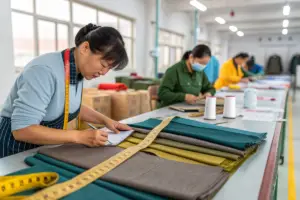
I have seen too many buyers fall for a low FOB price. The sample looks good. The bulk order arrives. The fabric is lighter. The buttons are different. The sizing is off. The buyer has no recourse because their purchase order was vague. At Shanghai Fumao, we prefer a detailed buyer. A buyer who sends a tech pack is a buyer who knows what they want. We can execute a detailed tech pack perfectly. We struggle with a vague one-line email because we have to guess. And our guess might not match the buyer's unspoken expectation. Let's walk through the two most critical sourcing checkpoints.
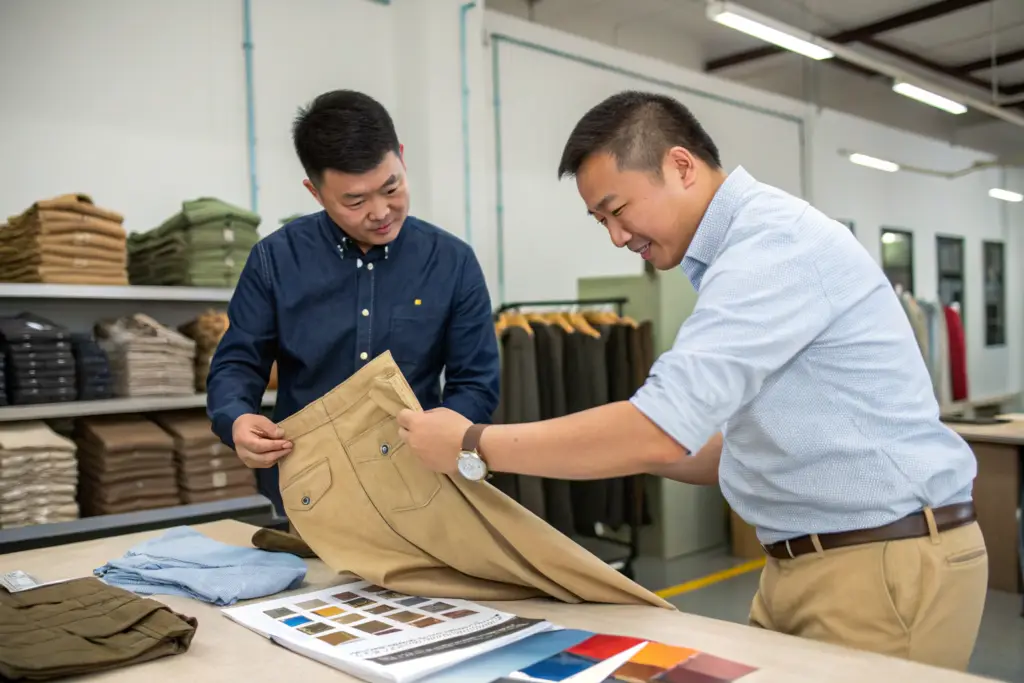
What Minimum Specifications Should a Chino Short Tech Pack Include?
A chino short tech pack must include, at minimum, the fabric composition and weight, the pocket bag material, the zipper brand and size, the button type and size, the stitch type for the back rise, the stitch density, the measurement chart with tolerances, and the required test reports.
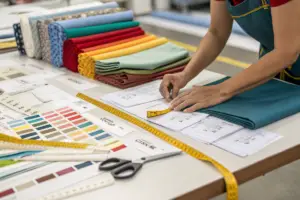
The fabric spec is the most critical. Write "260-280 GSM 100% cotton twill, piece-dyed or garment-dyed, with a soft enzyme wash finish." Do not write "cotton shorts." The pocket bag must be specified as "100% cotton voile" or "polyester-cotton blend." The default cheap pocketing is a harsh polyester taffeta. The zipper must be "YKK #5 metal zipper" or "YKK #3 nylon coil zipper." The button must be "metal shank button, 20L, with a smooth back edge." The stitch type for the back rise must be "ISO 516 safety stitch, 10-12 SPI." The shrinkage test must be "AATCC 135, max 2% residual shrinkage." These specifications are a contract. If the factory agrees to them and fails, you have a claim. Without them, you have nothing. The garment tech pack template is a document worth studying. It protects your money.
Why Is a Pre-Production Fit Sample an Absolutely Non-Negotiable Step?
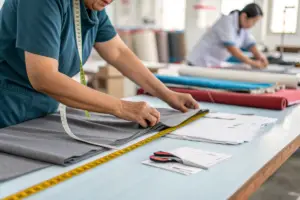
The pre-production sample is the physical test of the tech pack. The factory takes the specs and makes one sample in your chosen fabric and color. You receive this sample. You put it on a fit model or a dress form. You check every measurement. You check the fit in a sitting position, a walking motion, and a standing pose.
I remember a brand owner who skipped the PP sample to save two weeks. He approved the digital pattern and went straight to bulk. The shorts arrived. The front rise was 1.5 inches too short. The shorts were unwearable. The entire 2,000-piece order was a write-off. The two weeks he saved cost him $30,000. The PP sample is the moment to catch pattern errors, fabric hand feel issues, and construction quality problems. You must check the zipper function 20 times. You must check the button attachment strength by pulling on it. You must wash the sample three times and measure the shrinkage. This testing takes time. It is the most valuable time you will spend in the sourcing process. The pre-production sample approval process is the firewall between a successful order and a disaster. Never skip it. A factory that pushes you to skip it is not protecting your interests.
Conclusion
The chino short is the best classic choice for men's summer wear. The evidence is in the fabric, the fit, the versatility, and the market data. The cotton twill weave manages heat and provides structure. The slash pockets and welt pockets create a clean, tailored silhouette. The 7-inch inseam offers a modern, flattering proportion. The neutral color palette integrates seamlessly with any summer wardrobe. The garment transitions from a business-casual office to a beach bonfire with a simple change of shoes. No other short style checks all these boxes. The denim short is too hot and too casual. The linen short is too wrinkly and niche. The athletic short is too sloppy for a dinner setting. The cargo short is too bulky for a tailored look. The chino short sits in the center. It does everything well.
For a brand buyer, the chino short is the safest and most profitable investment in the shorts category. It sells through at full price. It generates repeat purchases in multiple colors. It has a low return rate when manufactured correctly. It builds the brand's reputation for reliable, timeless style. The customer who buys your chino short and loves the fit will come back for your chino pants, your polo shirts, and your outerwear. It is the gateway product to a lifelong customer relationship.
If you are sourcing chino shorts for the next summer season, I invite you to work with us at Shanghai Fumao. We have the twill fabric inventory ready. We have the YKK zippers in stock. We have the pattern blocks refined over hundreds of thousands of units. We can produce a sample in 10 days and a bulk order in 30 days. Contact our Business Director, Elaine, at elaine@fumaoclothing.com. Tell her your target retail price, your color preferences, and your quantity. She will prepare a transparent costing sheet and a fabric swatch book for you. Let us make the chino short that becomes your brand's best-selling SKU.