I will never forget a client from Los Angeles who came to us in tears, almost. She had spent six months developing a collection of women’s dresses with a factory in another country. The samples looked beautiful on the hanger. But when she tried them on, they were a disaster. The bust darts were in the wrong place. The waistline hit at an unflattering point. The skirts pulled across the hips. The factory had no idea how to fit a woman’s body. They just sewed what was on the pattern. She had to scrap the entire collection and start over. She lost thousands of dollars and months of work.
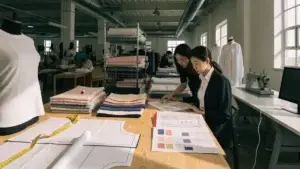
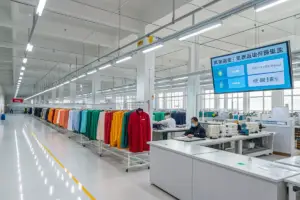
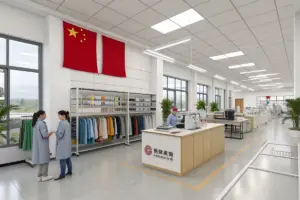
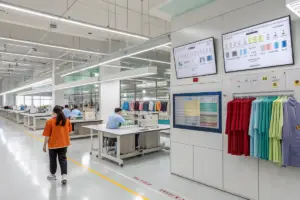
A supplier that truly understands women’s wear fit has more than just sewing machines. They have a team with deep knowledge of the female form. They have pattern makers who understand how darts shape fabric over curves. They have sample machinists who know how to sew a seam so it drapes correctly. And crucially, they have fit models and technicians who test the garment on a real body, not just a mannequin. They understand that a woman’s body changes, that different sizes have different proportions, and that a garment must move with her, not against her. This team is the difference between a garment that is simply made and one that is truly worn.
My name is [Your Name], and I own Shanghai Fumao. Over the years, we have built a specialized team for women’s wear that understands these nuances. Women’s fit is not just a smaller version of men’s fit. It is a different science, a different art. Let me explain what a supplier’s team needs to know to get women’s fit right.
Who Should Be On A Women’s Wear Fit Team?
A factory that treats women’s wear like any other garment will fail. You need a dedicated team with specific roles. It is not enough to have a sewer and a manager. You need pattern makers, fit technicians, and graders who specialize in women’s proportions.
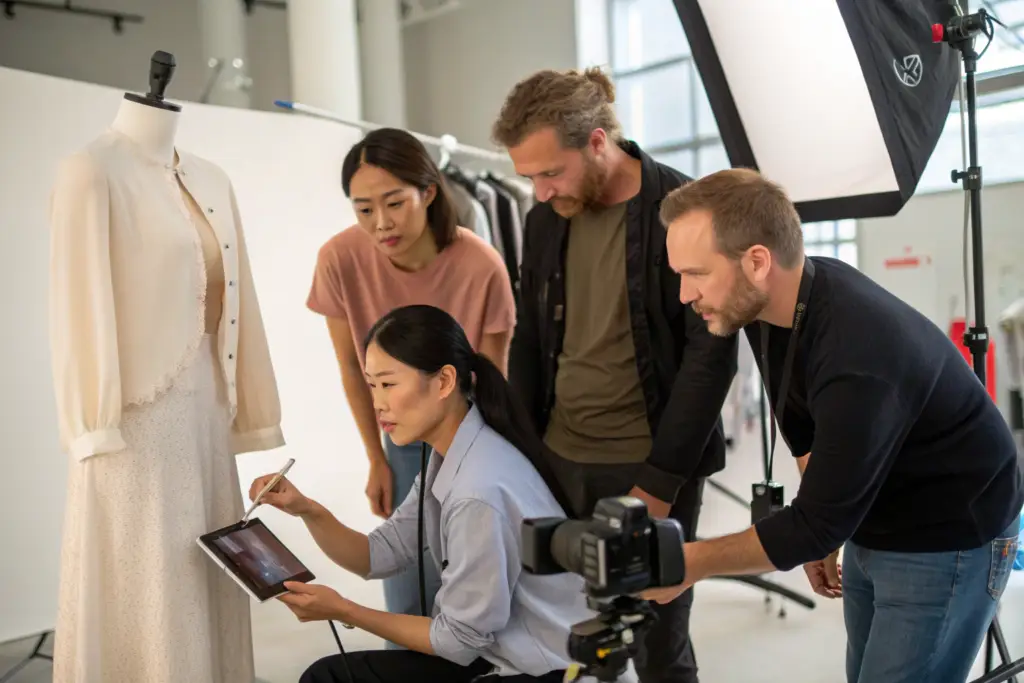
What is the role of a fit technician?
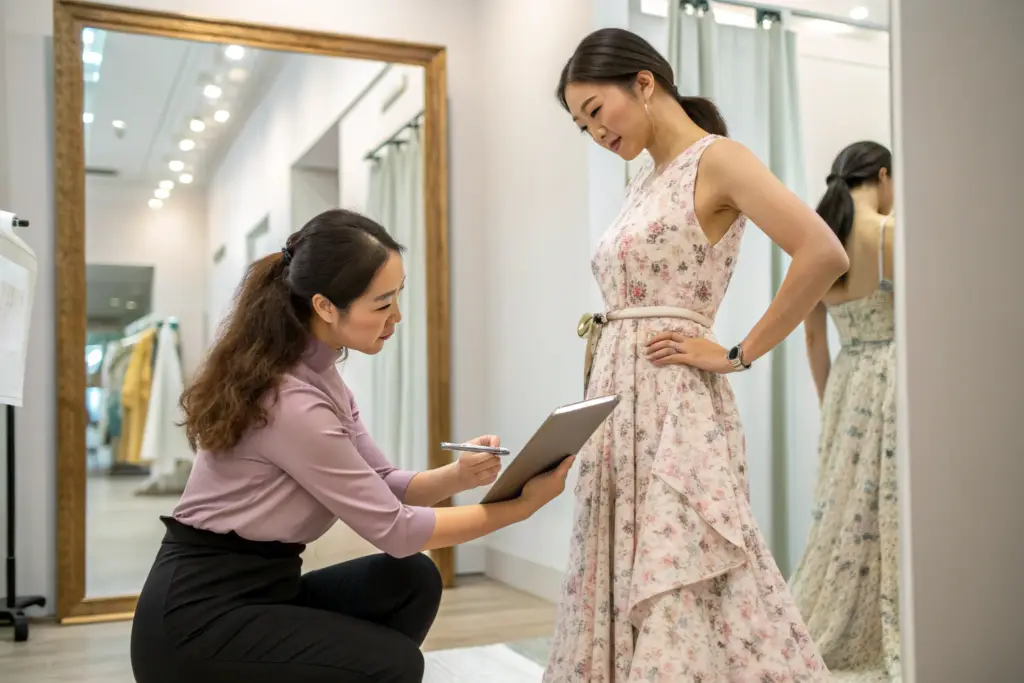
A fit technician is not a sewer. They are an expert in how garments interact with the body. They put the sample on a live model (or a dress form that matches your size specifications) and they analyze it. They look for drag lines, which indicate tension. They check the balance, to see if the garment is hanging straight. They assess the ease, to ensure it is not too tight or too loose. They mark where adjustments are needed. Our lead fit technician, Lin, has been with us for 15 years. She can look at a dress on a model and tell you exactly where the pattern needs to be changed. She might say, “The shoulder slope needs to be reduced by half a centimeter to eliminate this wrinkle.” This precision is critical. This role is central to apparel fit engineering, a field with resources available from organizations like the American Association of Textile Chemists and Colorists (AATCC).
Why is a live fit model important?
A dress form is a great starting point. But a live model is essential for women’s wear. A live model breathes, moves, and has soft tissue that a hard mannequin cannot replicate. A garment might look perfect on a dress form but pull and wrinkle on a real person when she sits down or raises her arms. We maintain a small team of fit models in different sizes. For a client in New York who makes curve-loving women’s wear, we use a model who is a size 14. We test the garment while she stands, sits, and walks. This real-world testing ensures the final product is comfortable and flattering. This is a key part of wearer trials in product development.
How Does Understanding The Female Form Change Pattern Making?
The female body is not a simple shape. It has curves, variations, and complexities that a man’s body does not. A pattern maker for women’s wear must understand how to use darts, seams, and fabric grain to create shape and accommodate these curves. It is a three-dimensional puzzle.
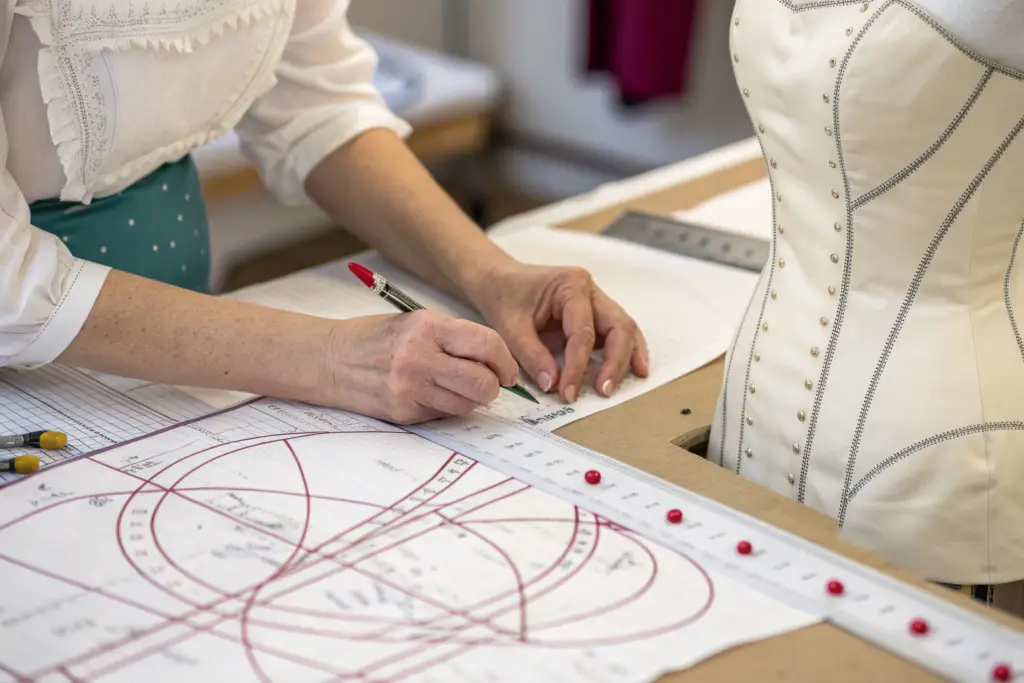
What is the importance of darts and seams?
Darts are the fundamental tool for shaping flat fabric to a curved body. A bust dart, for example, creates the space for the bust. But the placement, length, and angle of that dart are critical. If the dart is too long, it creates an unflattering point. If it is too short, the fabric pulls across the chest. If the angle is wrong, the whole garment twists. A skilled women’s wear pattern maker knows these nuances. They also know when to use seams instead of darts for a cleaner look. Princess seams, for example, can shape the bust and waist without a visible dart. For a client in Chicago who designs elegant evening wear, our pattern maker used princess seams to create a perfect, smooth fit over the bust and hips. The result was a stunning, seamless look. This understanding of pattern drafting for women is detailed in specialized textbooks like those from The Taunton Press.
How does grading work differently for women’s wear?
Grading is the process of taking a base size pattern and scaling it up or down to create a full size range. For women’s wear, this is not a simple matter of making everything bigger or smaller by the same percentage. Women’s proportions change with size. The bust, waist, and hips do not increase at the same rate. A skilled grader for women’s wear understands these “grade rules.” They know that a size 2 to a size 4 might increase the bust by 1 inch, but a size 14 to a size 16 might increase the bust by 1.5 inches. They also know how to adjust the armhole depth and the shoulder slope for larger sizes. At Shanghai Fumao, we use specialized grading software, but we also rely on the experience of our graders. For a client in Boston who makes inclusive size range activewear, our grader ensured that the fit was consistent and flattering from size XS to 3XL. This is a critical part of size inclusivity in fashion, a topic increasingly discussed by organizations like Common Objective.
How Do We Test And Refine Fit During Sampling?
Sampling for women’s wear is an iterative process. It is rare to get the fit perfect on the first try. The key is to have a system for identifying issues, making adjustments, and testing again. This process is called “fit sessions,” and they are the heart of our women’s wear development.
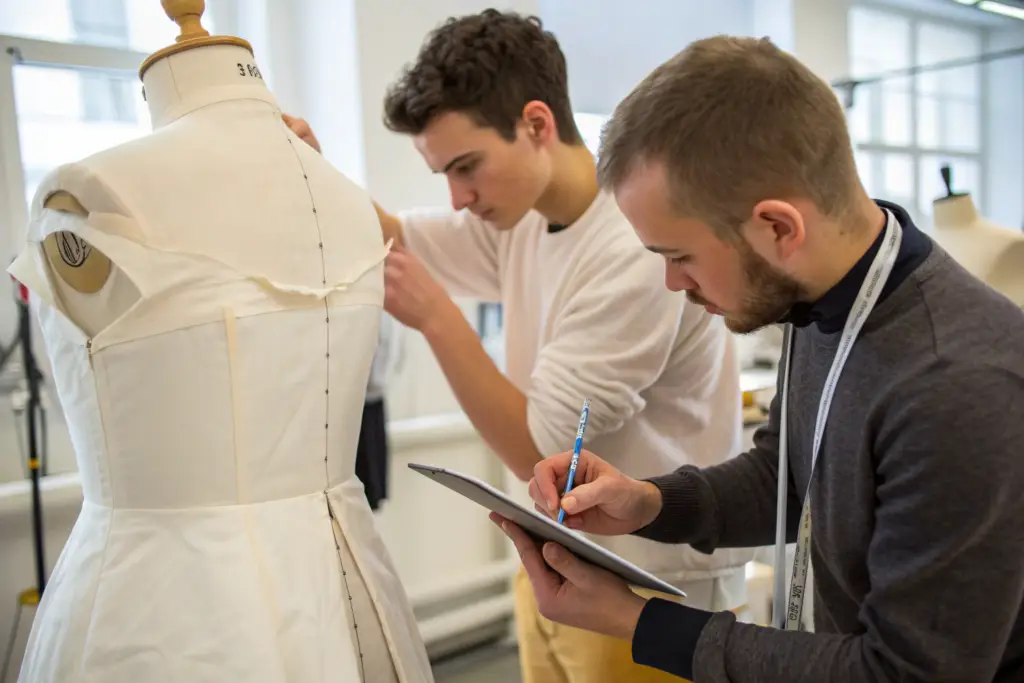
What happens during a fit session?
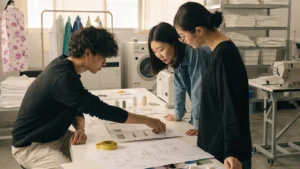
First, we put the sample on the model. We observe. We look at the garment from the front, side, and back. We look for wrinkles, pulls, and gaps. The technician then uses pins to mark adjustments. She might pin a seam to take it in, or let it out. She might mark a new dart position. She will measure the changes. Then, we take detailed photos and notes. The pattern maker then takes the marked-up garment and adjusts the digital pattern. A new sample is made, and the process repeats. For a complex women’s blazer for a client in Seattle, we went through three fit sessions. Each time, the fit got closer to perfect. By the end, the blazer draped beautifully and moved perfectly with the model. This rigorous process is what creates a premium fit. It is a form of iterative design and quality assurance.
How do we test for movement and comfort?
A garment might look great when the model stands still. But women need to move. They need to sit, to reach, to dance. We always test for movement. We ask the model to sit down in the garment. Does it pull across the back? Does the waistband dig in? We ask her to raise her arms. Do the armholes restrict movement? We ask her to walk. Does the skirt allow a natural stride? For a client in California who makes women’s activewear, movement is everything. Our fit sessions include squats, lunges, and stretches. The garment must perform, not just look good. This focus on functional fit is essential for certain categories.
How Does Our Team Advise On Fabric Choice For Better Fit?
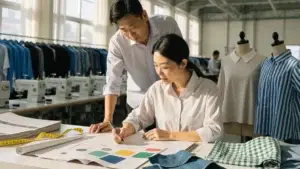
The best pattern in the world will fail if the fabric is wrong. Fabric has drape, stretch, and weight, all of which affect how a garment fits. A good women’s wear team will advise you on how your fabric choice will impact the fit of your design. They will help you make the right choice for your vision.
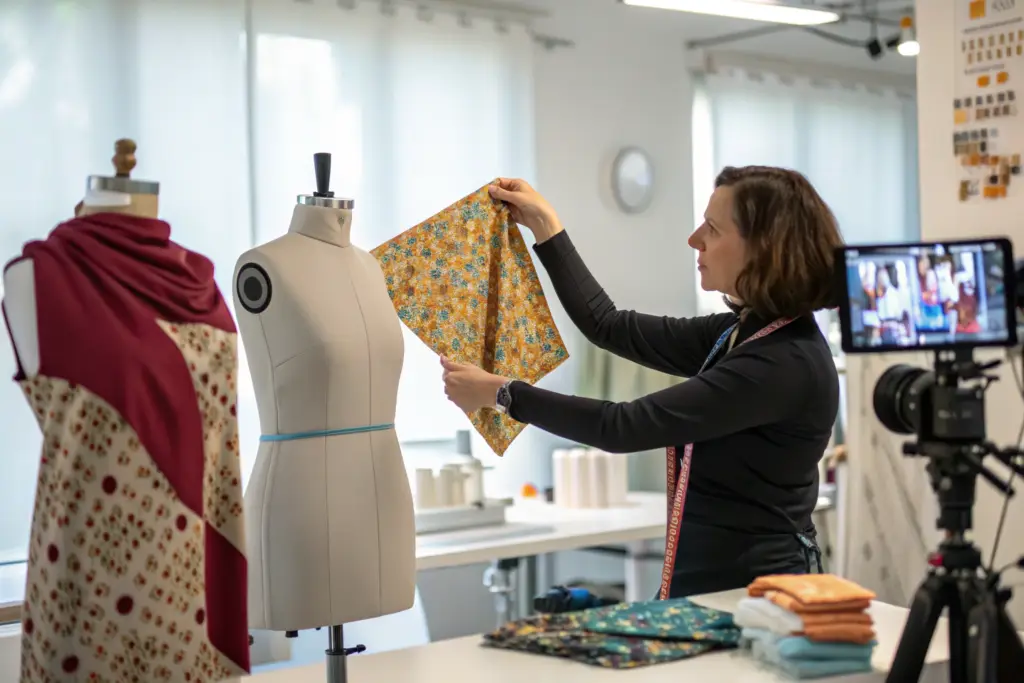
How does fabric drape affect fit?
Drape is how fabric falls or hangs. A stiff fabric, like a heavy denim, will hold its own shape. It can create structure. A fluid fabric, like a rayon challis, will follow the body’s curves. It can create softness. A pattern that works for one will not work for the other. For a client in Florida who designs flowy summer dresses, we advised against a stiff cotton she wanted. We showed her that the pattern, designed for drape, would look boxy and stiff in that fabric. We suggested a viscose challis instead. The final dress had the beautiful, fluid look she wanted. This is part of our fabric consultation service. You can learn more about fabric properties from resources like the Textile School.
How does stretch change fit requirements?
If a fabric has stretch, the pattern must account for it. You need less ease (extra room) in a stretch fabric because the fabric will give. If you use a woven pattern on a stretch fabric, the garment might be too loose. If you use a stretch pattern on a woven fabric, it will be too tight and might rip. Our team tests the stretch percentage of every fabric and adjusts the pattern accordingly. For a client in New York who makes form-fitting knit dresses, we measure the fabric’s stretch and recovery. We then reduce the pattern dimensions by the appropriate percentage. This ensures the dress fits like a second skin but doesn’t bag out after wearing. This is a key part of pattern engineering for knits.
Conclusion
Does your women’s wear supplier have a team that understands fit? If they don’t, you are taking a huge risk with your brand. Fit is not an afterthought. It is the foundation of customer satisfaction. A woman who buys a dress that fits beautifully will buy from your brand again. A woman who buys a dress that pulls and wrinkles will return it and never come back. The difference is the expertise of the team behind the garment.
At Shanghai Fumao, we have built that team. We have fit technicians like Lin, with 15 years of experience, who can diagnose fit issues with a single glance. We have pattern makers who understand darts, seams, and grading for the female form. We use live fit models and rigorous movement testing. We advise on fabric choices to ensure the pattern and the material work in harmony. We helped a contemporary brand from Los Angeles reduce their sample rounds from five to two, saving them months of development time. We guided a plus-size brand from Chicago through the complexities of grading, ensuring their garments fit beautifully across their entire size range.
If you are looking for a partner who truly understands women’s fit, let’s talk. Let our team bring your designs to life with the fit your customers deserve. Please contact our Business Director, Elaine, at strong>elaine@fumaoclothing.com</strong to start a conversation about your next women’s wear collection.